Lower Austria Travel Guide: The Wachau, Danube Towns and Waldviertel
Plan a Lower Austria trip beyond Vienna: the Wachau and its abbeys, Danube towns, Waldviertel castles and Weinviertel market towns, plus how to move around.
On this page
Lower Austria is the largest of Austria's nine provinces, a ring of river valleys, wine terraces, baroque abbeys and small old towns wrapped around Vienna. It rewards travelers who treat it as several distinct regions rather than one uniform stop, because the Danube valley, the quiet north and the alpine edge each need their own day. This guide sorts the province into those regions, names the abbeys, castles and towns that justify a stop, and explains how to move between them without a car.
Why Lower Austria fits a trip from Vienna
The province begins at Vienna's edge, so you can sleep in the city and still reach a Danube old town, a hilltop abbey or a Roman excavation in a single day. Its strongest draw is density: fields, forests, river gorges and Alpine peaks sit within a short distance of each other, and UNESCO World Heritage sites such as the Wachau valley, the Semmering Railway and the Dürrenstein-Lassingtal Wilderness Area all lie inside its borders. St. Pölten is the capital, and the province as a whole has a population of roughly 1.73 million as of 2025.
The name has nothing to do with altitude. Lower Austria sits downstream on the Danube relative to Upper Austria, and it is the larger and more populous of the two. If you are basing yourself in Vienna and want castles, abbeys and old towns rather than another museum, this is the province to build day trips around.
How the province divides into six regions
Lower Austria's own tourism board splits the province into six travel regions, and the split is genuinely useful for planning. Danube Lower Austria carries the Wachau wine terraces and the river's old towns; the Mostviertel combines orchards with the Alps; the Waldviertel is granite country with quiet ponds; the Weinviertel rolls north with wine cellar lanes; the Vienna Woods border the city and feel like countryside; and the Vienna Alps pair high plateaus with villa culture.
Use the regions to choose, not to collect. A Wachau day and a Waldviertel day pull in different directions from Vienna and rarely combine well, while Krems and the Danube valley can absorb two full days without repetition. Pick two regions for a short trip and leave the rest for a return.
The Wachau: Dürnstein, the Danube valley and Stift Melk (Melk Abbey)
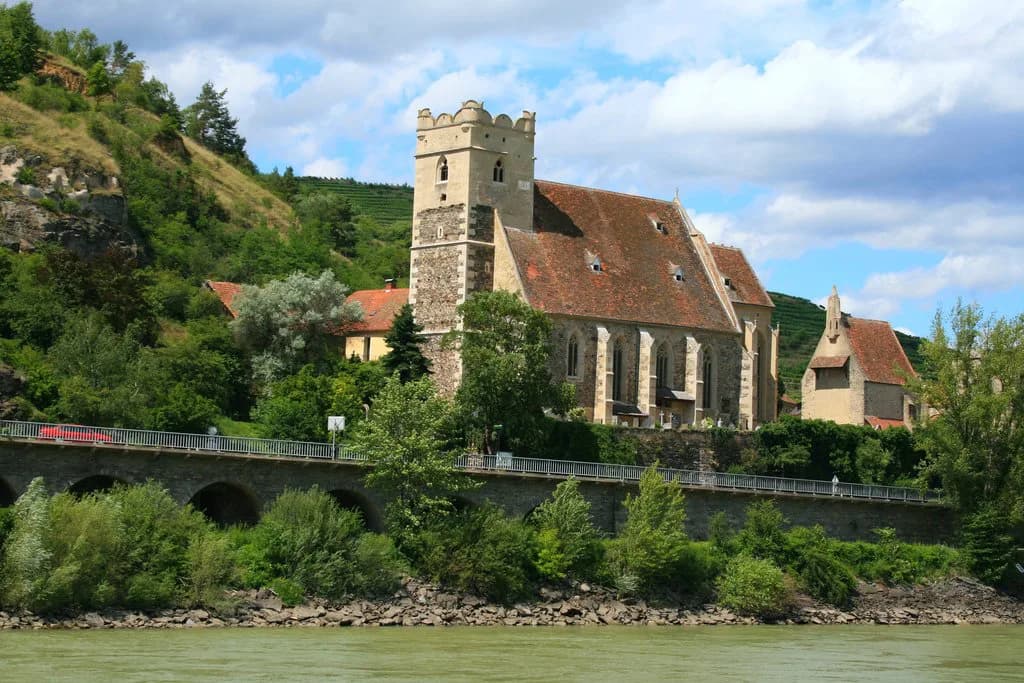
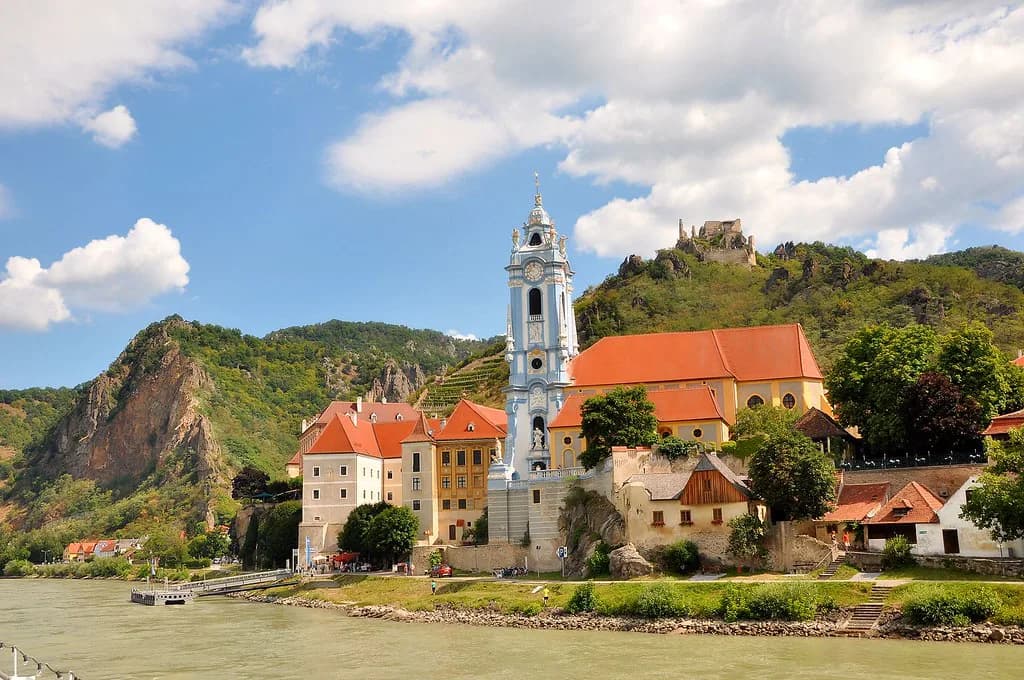
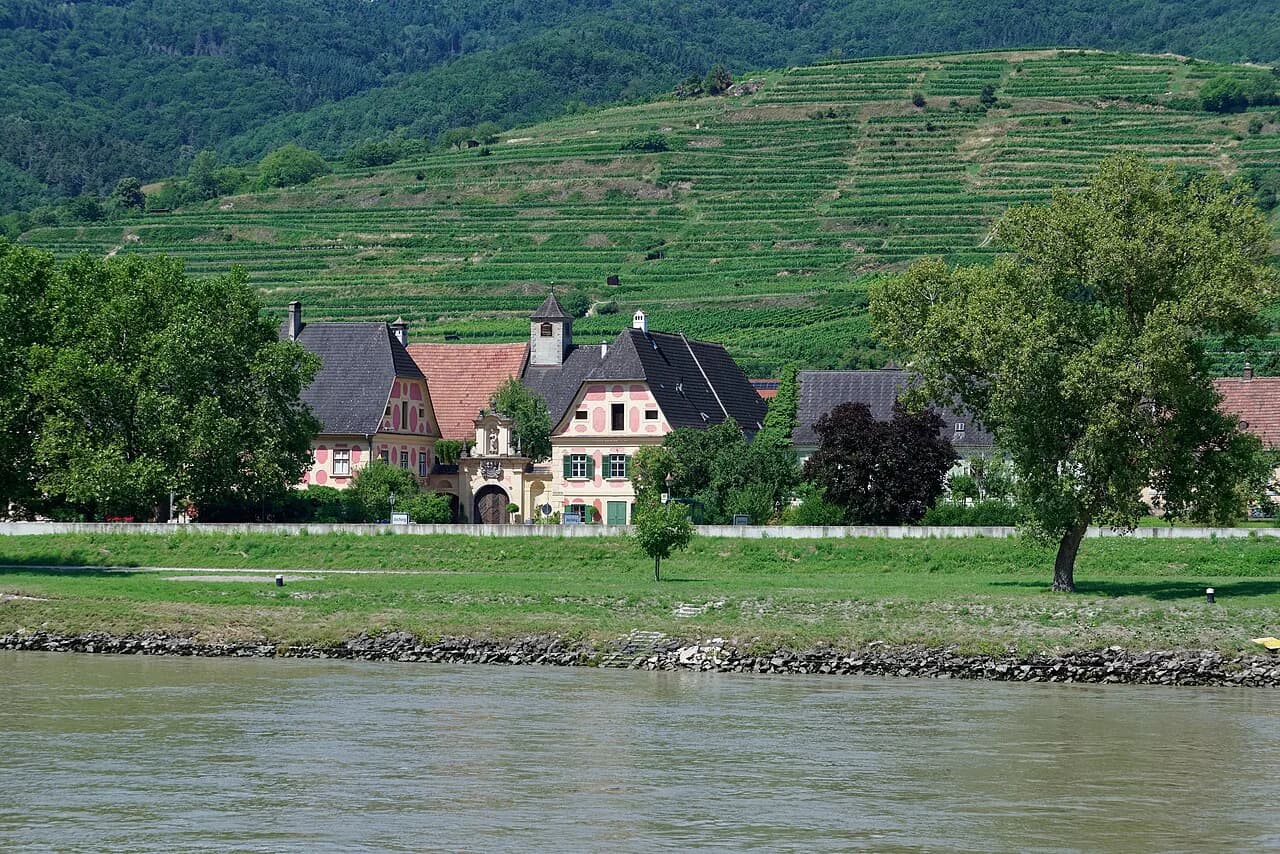
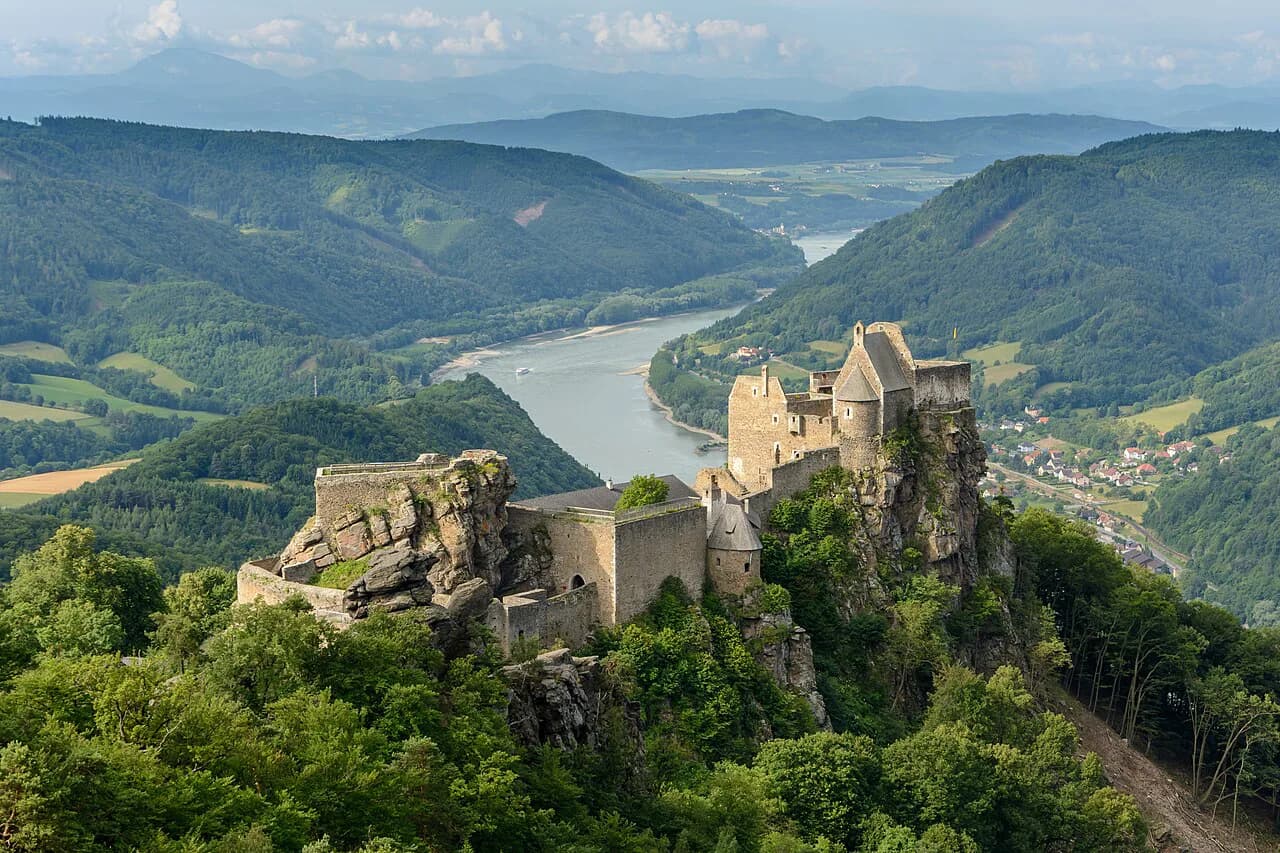
The Wachau is the stretch of Danube between Melk and Krems, a UNESCO World Heritage landscape of vineyard terraces, stone villages and riverside roads. Dürnstein is the classic stop, its blue church tower and ruined castle above the river making it the most photographed village in the valley. Stift Melk (Melk Abbey) anchors the western end, a baroque monastery above the town that draws tour buses through the middle of the day.
The honest trade-off is timing. Midday brings the heaviest crowds to Dürnstein and Melk, and the valley's narrow roads and small lots fill with cars and coaches. Arrive early, or base in Krems and use the rail-and-boat corridor along the river rather than driving between villages. The same early-start logic applies to the Wachau Valley Guide's Melk, Dürnstein, Spitz and Krems itinerary.
Danube abbeys and monasteries worth a stop
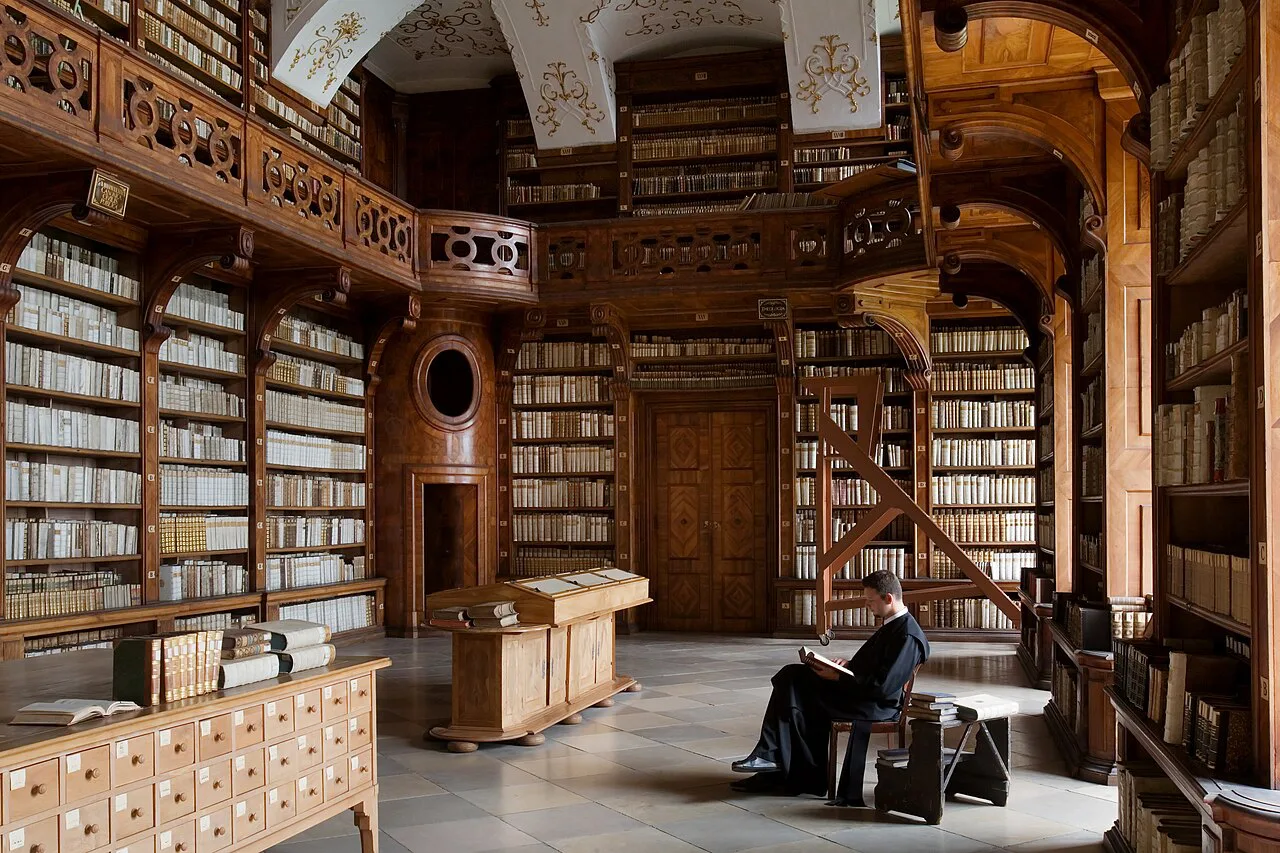
Beyond Melk, three more monasteries justify a detour. Göttweig Abbey sits on a hill above the Danube with a museum and views across the valley; Herzogenburg Abbey offers guided tours and concerts; and Klosterneuburg Monastery holds sacred and secular art in a complex that has grown for centuries. Each sits in a different town, so check which days and hours tours run before you commit a half-day to any one of them.
Abbey visits run on set tour times rather than open-ended wandering, so a monastery works best as the fixed point of a day, with a town or a riverside walk filling the rest. Klosterneuburg is the easiest to reach from Vienna; Göttweig and Herzogenburg need more planning around train and bus connections.
Krems and the Danube towns as a base
Krems an der Donau is the practical base for the Wachau: a compact old town with the Steiner Tor gate, rail links toward Vienna and Melk, and boat piers on the river. Staying here puts the valley's villages, abbeys and terraces within a short trip instead of a long day out from the capital.
The wider Wachau Valley rewards a slower plan, with a day for the river corridor and another for the hillside abbeys and viewpoints. Tulln, further east, and the small towns along the Danube are pleasant stops rather than destinations in themselves, so give them an hour rather than a day. For the villages, boat piers and abbey stops in detail, the Wachau Valley Guide lays out Melk, Dürnstein, Spitz and Krems as a single itinerary. If you want to widen the comparison beyond this river valley, our guide to towns in Austria worth visiting sets other historic towns against these.
Sights along the river open on seasonal schedules, and several close on Mondays or run reduced hours outside summer. Verify tour times and opening days on each site's own page before you build an itinerary around one of them, and keep a backup town in reserve.
Castles and palaces: Schallaburg, Rosenburg, Kreuzenstein and Laxenburg
Lower Austria's castles range from Renaissance showpieces to romantic reconstructions. Schallaburg, near Melk, is a Renaissance palace known for its terracotta courtyard and changing exhibitions; Laxenburg Palace Park south of Vienna preserves Habsburg parkland and pavilions; and Rosenburg Castle in the Kamp valley offers a tour through a castle built on a mighty rock.
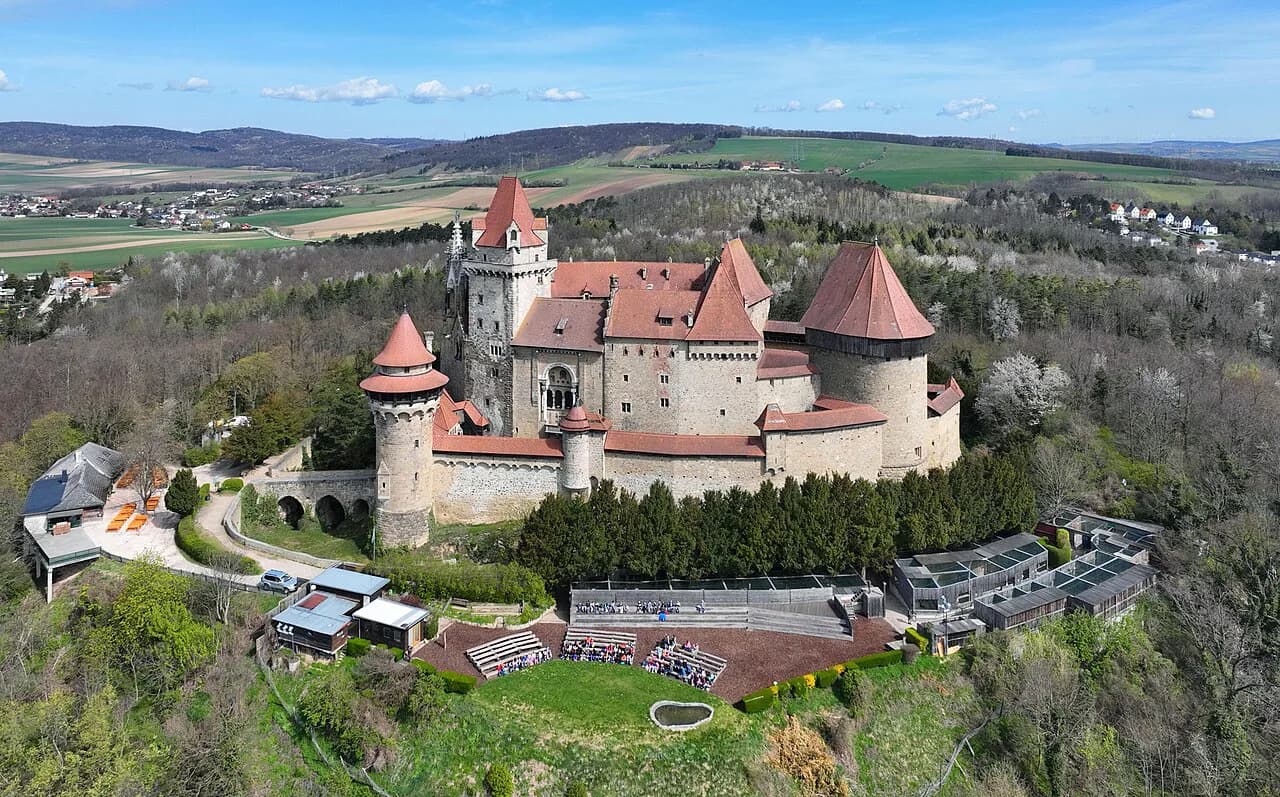
Burg Kreuzenstein, north of Vienna, is the romantic outlier: a nineteenth-century rebuild stuffed with medieval fragments, which makes it a very different visit from a genuine Habsburg residence. Pick castles for what they are rather than for a generic castle experience, and check exhibition dates and tour schedules before traveling out.
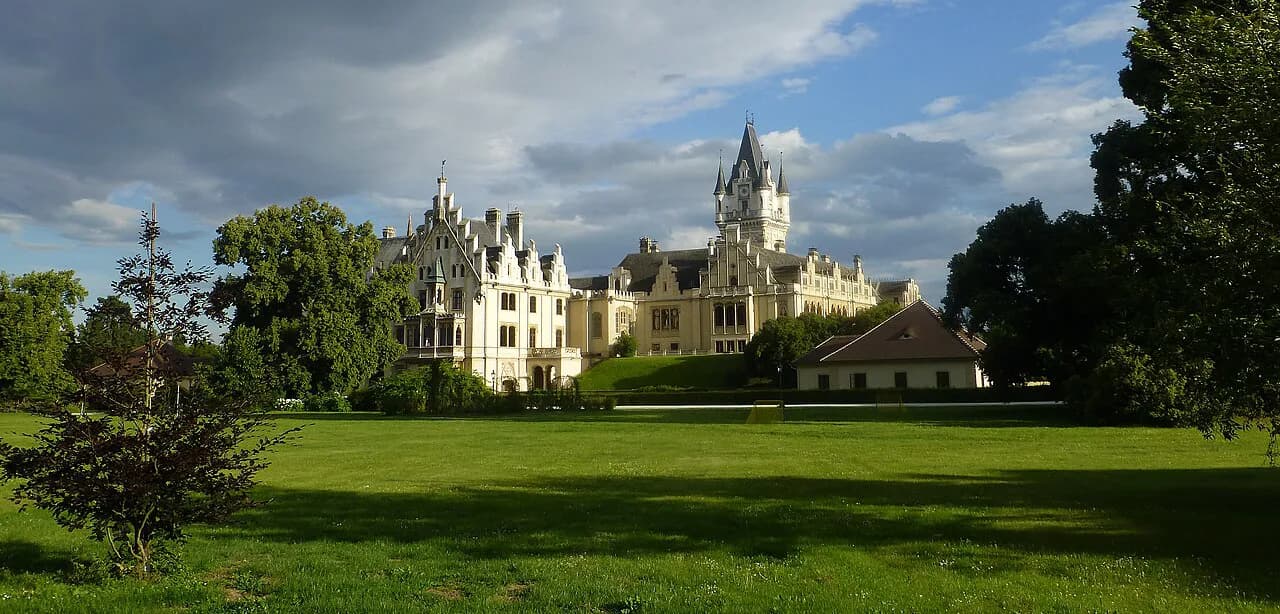
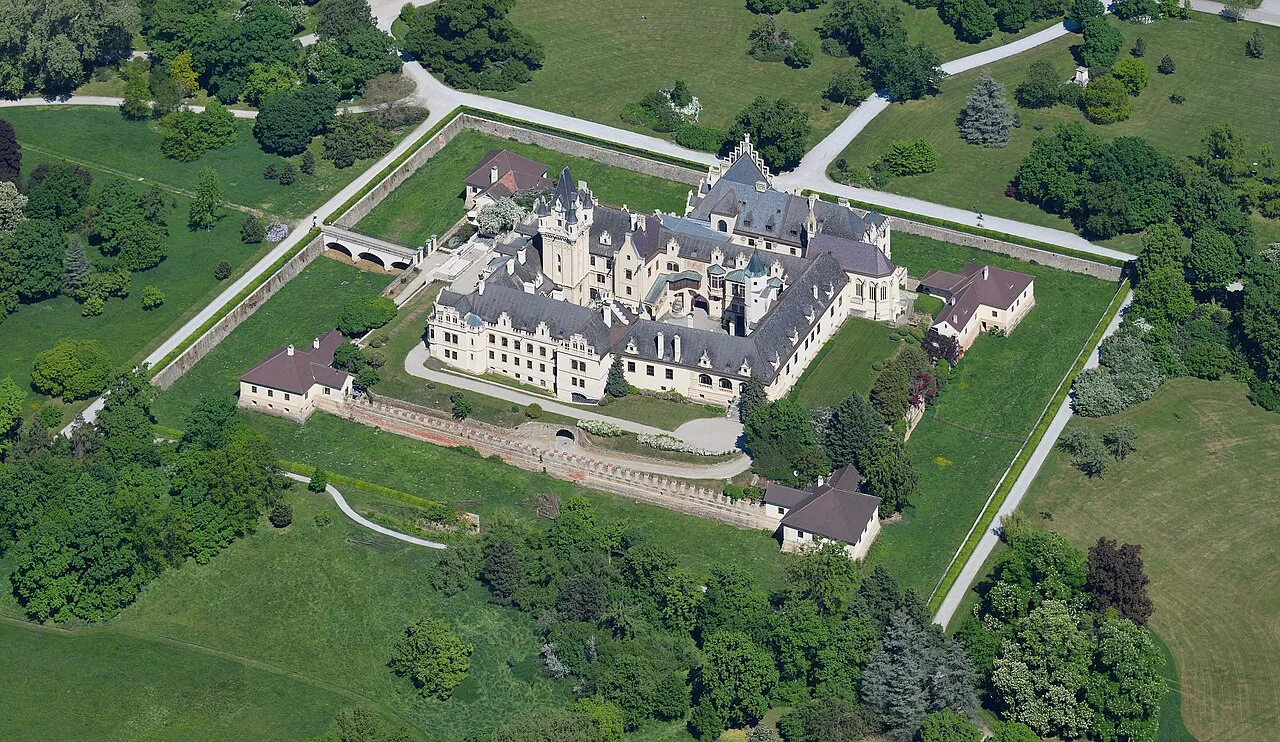
Grafenegg Castle and Park adds a cultural stop, with its park and concert schedule giving the castle a reason beyond the architecture. Schloss Hof, the Renaissance palace Rosenburg and Kreuzenstein round out the province's excursion castles, each tied to its own town and its own access route.
The Waldviertel: Zwettl, Altenburg Abbey and the quiet north
The Waldviertel is Lower Austria's quiet corner, a granite plateau of ponds, forests and small towns. Altenburg Abbey is the baroque jewel of the area, its church, library and monastic buildings worth the detour for anyone interested in monastic architecture, and the region's small towns make a slow base for a day or two.
This is where Lower Austria stops feeling like a day trip from Vienna. Distances are longer, trains are thinner and the roads wind through farmland, so the Waldviertel rewards a car and an overnight. If you only have a day, choose Rosenburg or Zwettl rather than trying to cross the whole region.
Carnuntum and the Roman layer east of Vienna
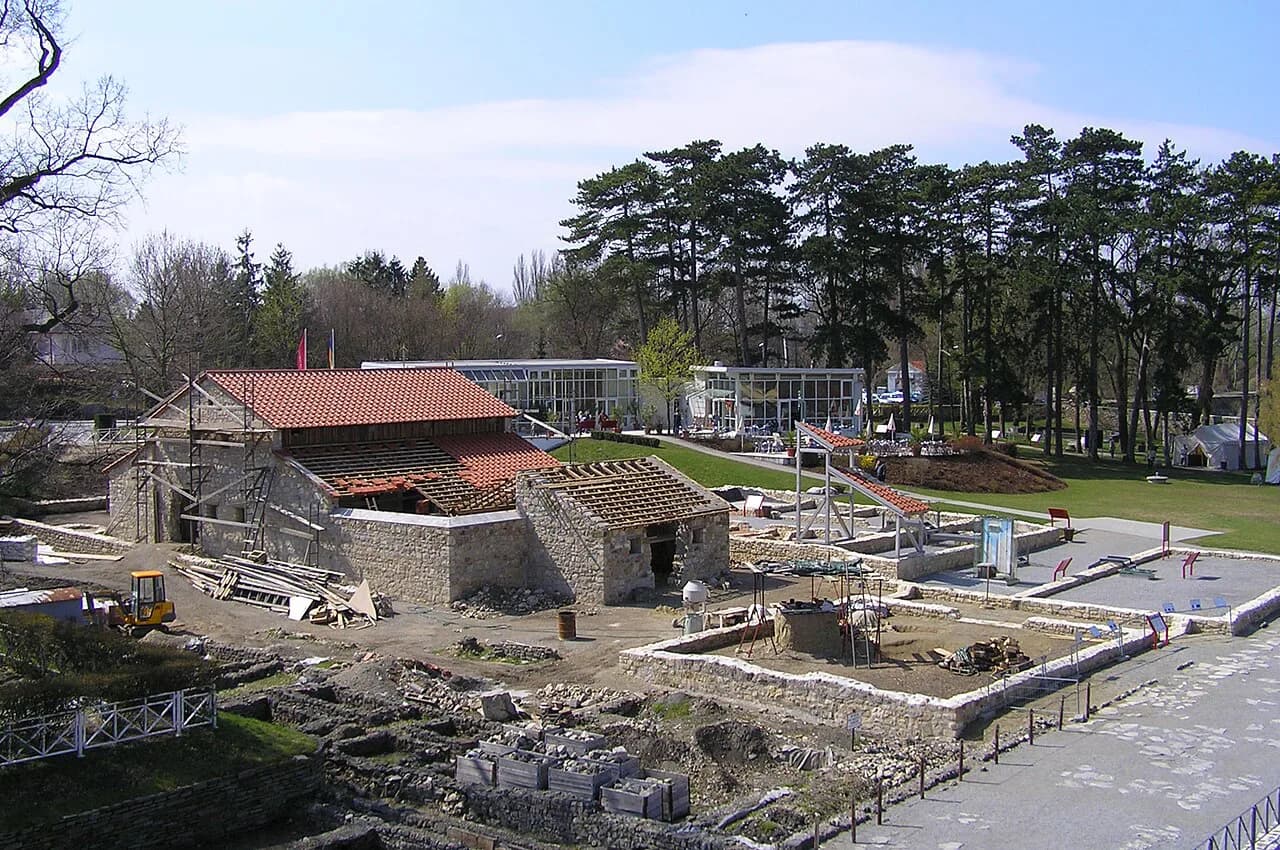
East of Vienna, Carnuntum preserves the remains of a Roman city on the Danube, with reconstructed buildings and a museum that make the site legible to a casual visitor. The village of Bad Deutsch-Altenburg beside it holds the archaeological park and the Pagan's Gate, a Roman triumphal monument standing in open country. It is the province's strongest stop for anyone interested in Roman frontiers rather than baroque.
Carnuntum sits close to the Danube floodplain and the route toward Slovakia, so it pairs naturally with the river landscapes east of Vienna. Check the site's opening season before you go, since reconstructed archaeological parks often run reduced winter hours.
The Vienna Woods and Vienna Alps: Baden, Wiener Neustadt and the Semmering Railway
South and west of Vienna, the Vienna Woods and the Vienna Alps give the province its softer and its higher faces. Baden and Wiener Neustadt are the old towns here, both with historic centers and rail links to Vienna, while the Semmering Railway, a UNESCO World Heritage Site, runs a mountain route through the Vienna Alps that is a sight in itself.
This corridor is the easiest part of Lower Austria to combine with a Vienna stay, because the trains are frequent and the towns compact. For a slower day, the Vienna Woods villages and the villa culture of the Vienna Alps make a contrast with the Danube valley without a long drive.
The Weinviertel and market towns: Retz and the wine cellar lanes
North of the Danube, the Weinviertel rolls over hills toward wine cellar lanes, small market towns and a slower pace. Retz is the standout, with an old town of sgraffito facades and a network of underground cellars beneath its main square. The province is Austria's leading wine region, and the Weinviertel's cellar lanes are part of that landscape even if wine tasting stays out of this guide.
Retz suits travelers who want an old town without the Wachau crowds. The trade-off is transport: the Weinviertel's rail connections are thinner than the Danube valley's, so a car or a patient Postbus plan matters more here. The Marchfeld plain east of Vienna, known for asparagus and vegetables, is a different flat landscape and a reminder that the province is not all hills and terraces.
The Mostviertel: Waidhofen an der Ybbs and the Alpine edge
The Mostviertel turns Lower Austria toward the Alps, mixing orchards with mountain foothills. Waidhofen an der Ybbs is the region's historic town, with an old center of towers and gabled houses, and the Ybbs valley leads toward the alpine edge of the province and the Ötscher gorges. Most, the freshly pressed fruit juice known here, gives the region its name and its character.
This is the region for scenery rather than a checklist of sights. The mountain roads climb toward the province's high ground, and the roads and cable cars here follow seasonal schedules, so confirm openings before setting out. It is the part of Lower Austria most travelers skip, which is precisely why it stays quiet.
Getting around by train and Postbus versus by car
Lower Austria is manageable by train along the main corridors: Vienna to Krems and Melk, Vienna to Wiener Neustadt and the Semmering line, and Vienna to St. Pölten. Beyond those lines, the Postbus network reaches market towns and villages, but with low frequency, so a bus-based day needs to be built around a few fixed departures. Check current timetables with ÖBB and the regional bus operators before you commit.
A car is faster outside the main lines but comes with its own constraints. Wachau villages and the Danube banks have limited parking and heavy midday traffic, and some mountain roads close or become difficult in winter. For a Wachau visit, the train-and-boat corridor beats driving; for the Waldviertel or the Mostviertel, a car saves hours.
Where to eat regionally: Most, Marchfeld asparagus and Grüner Veltliner country
Lower Austria's food map follows its landscapes. Most is the region's fresh fruit juice, pressed from pears and apples in the Mostviertel, and the Bucklige Welt has cider taverns serving it in simple seasonal style. The Marchfeld grows asparagus along with corn and vegetables, and Marchfeld asparagus is a fixture of Austrian spring menus.
The wine landscape supplies the third ingredient. Grüner Veltliner is the region's signature grape, with a peppery freshness, and Riesling is most associated with the Danube stretch between Melk and Klosterneuburg. The Kamptal's volcanic soil gives its wines a mineral edge, though tasting is a separate trip from sightseeing.
How to shape two or three days across the province
With two days, use Krems as a base: the first for the Wachau's villages, Dürnstein and the river, the second for Stift Melk (Melk Abbey) and Göttweig. With three days, add either the Waldviertel castles around Rosenburg and Zwettl, or the Vienna Woods and Semmering Railway as a rail day from Vienna. Keep each day to one region, because the province's distances are longer than its map suggests.
Which region of Lower Austria should you book first?
Start with the Wachau and Krems, because the Danube valley gives you the province's densest mix of old towns, abbeys and river scenery on the most reliable rail corridor. Add the Waldviertel or the Semmering Railway once you have a car or a second day. The province repays a short trip with depth rather than a checklist, so choose one or two regions and enjoy them properly.
Explore more Krems guides
Frequently Asked Questions
What is the capital of Lower Austria?
St. Pölten is the capital of Lower Austria. It is the province's administrative center and has rail connections to Vienna and the Danube valley, though most visitors use Krems or Vienna as a base for the Wachau.
Why is it called Lower Austria?
Lower Austria sits downstream on the Danube relative to Upper Austria, which is why it carries the lower name despite being the larger and more populous of the two provinces. The distinction is about the river's course, not altitude.
Can you visit Lower Austria without a car?
Yes, along the main rail corridors from Vienna, including Krems, Melk, St. Pölten and Wiener Neustadt, and on the Semmering line. Villages and the Waldviertel or Mostviertel are reached by Postbus with limited frequency, so check ÖBB and regional bus timetables for the day you plan to travel.
Is the Wachau part of Lower Austria?
Yes. The Wachau is the UNESCO World Heritage stretch of the Danube between Melk and Krems in Lower Austria, home to Dürnstein, Stift Melk (Melk Abbey) and terraced vineyards. It is one of the province's six travel regions and the easiest to reach from Vienna by train.
Sources
Notes for your next Austrian town break
Optional updates when we add or revise town guides.
You might also like
Continue reading
More guides you'll find useful