Ybbs an der Donau: The Old Town, Danube Views and the Bicycle Museum
Plan a stop in Ybbs an der Donau: the Danube-side old town, the bicycle museum, short riverside walks and how the town fits a Nibelungengau route.
On this page
Ybbs an der Donau is a small Danube town in the Mostviertel whose history dates back to the 14th century, set where the Strudengau gives way to the Nibelungengau. It suits travelers who want a calm river stop with a genuine old center rather than a crowded set piece. This guide covers the layout of the town, the bicycle museum, the Säusenstein sights just outside, the short and long walking options, the events that fill the calendar, and how to fit Ybbs into a route along the Danube.
Where Ybbs sits on the Danube
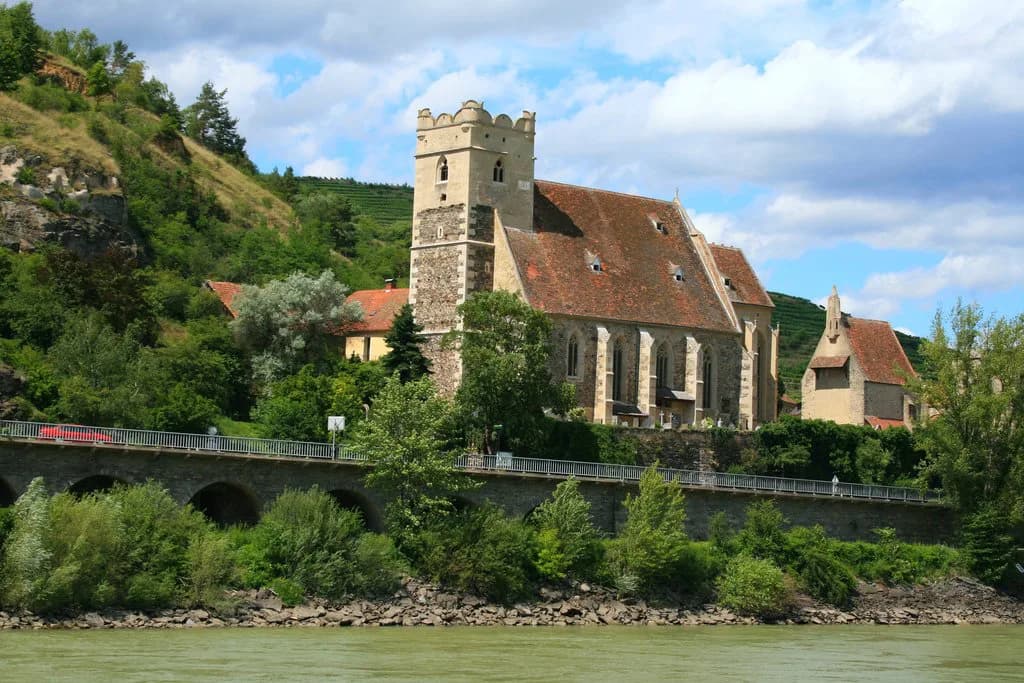
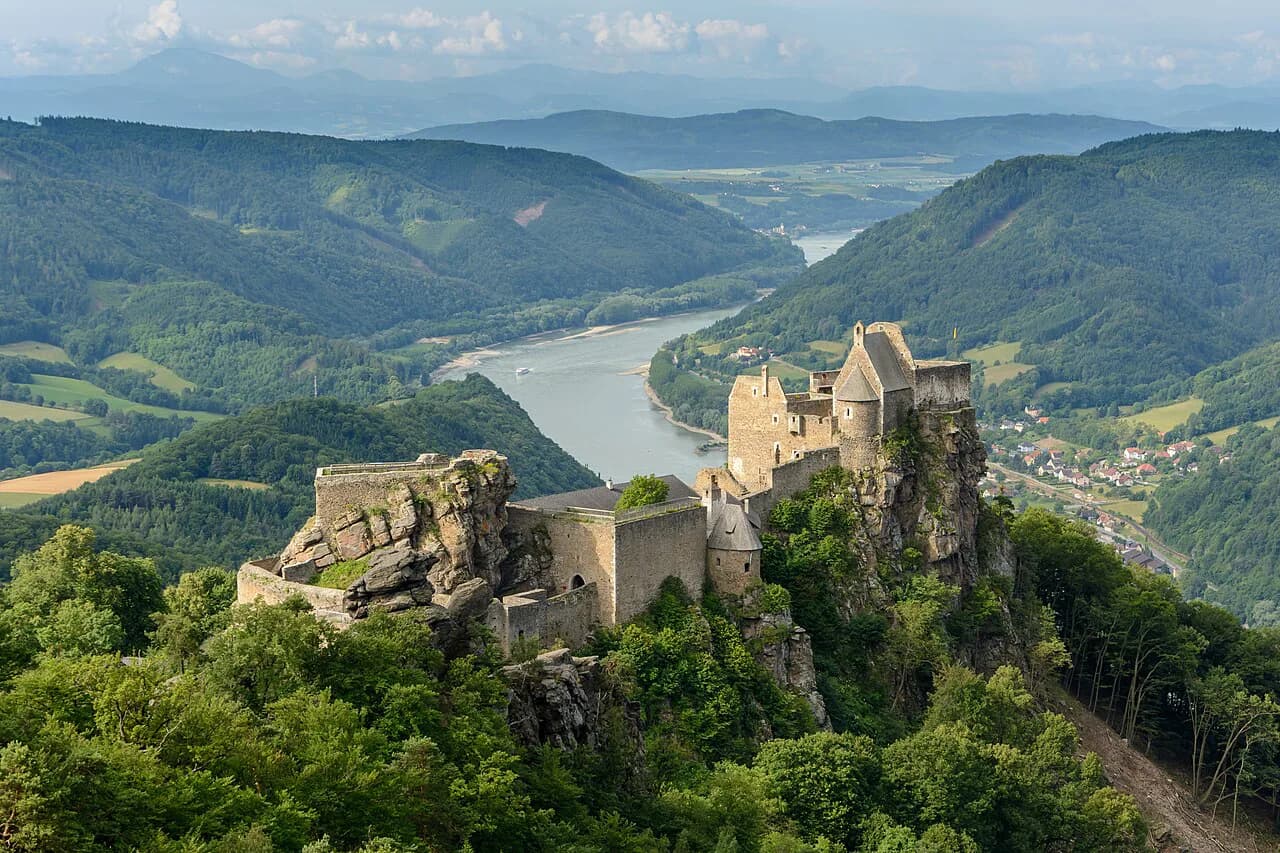
The town lies at the junction of two river landscapes: the Strudengau and the Nibelungengau, which is why the water, banks and hillsides here read differently from the terraced Wachau further east. The municipality belongs to the district of Melk in Lower Austria's Mostviertel. Treat that geography as the planning key: Ybbs is a river town first, and its sights sit close to the water rather than up a mountain. For a wider map of the federal state this sits in, see our Lower Austria guide.
Arriving by train along the Danube valley puts you in the town without a car, which makes Ybbs easy to slot between Krems and Melk on a rail-based route. Drivers get the same river corridor but more flexibility for the Säusenstein sights and the longer loops. Check current connections and platform details with ÖBB before you commit to a schedule, since departures vary by season and day.
The town's own tourism office at Hauptplatz 1 handles local questions and route planning help, and the Donau Niederösterreich holiday service can answer broader Nibelungengau questions. Use them for local transport and trail conditions rather than guessing from a map.
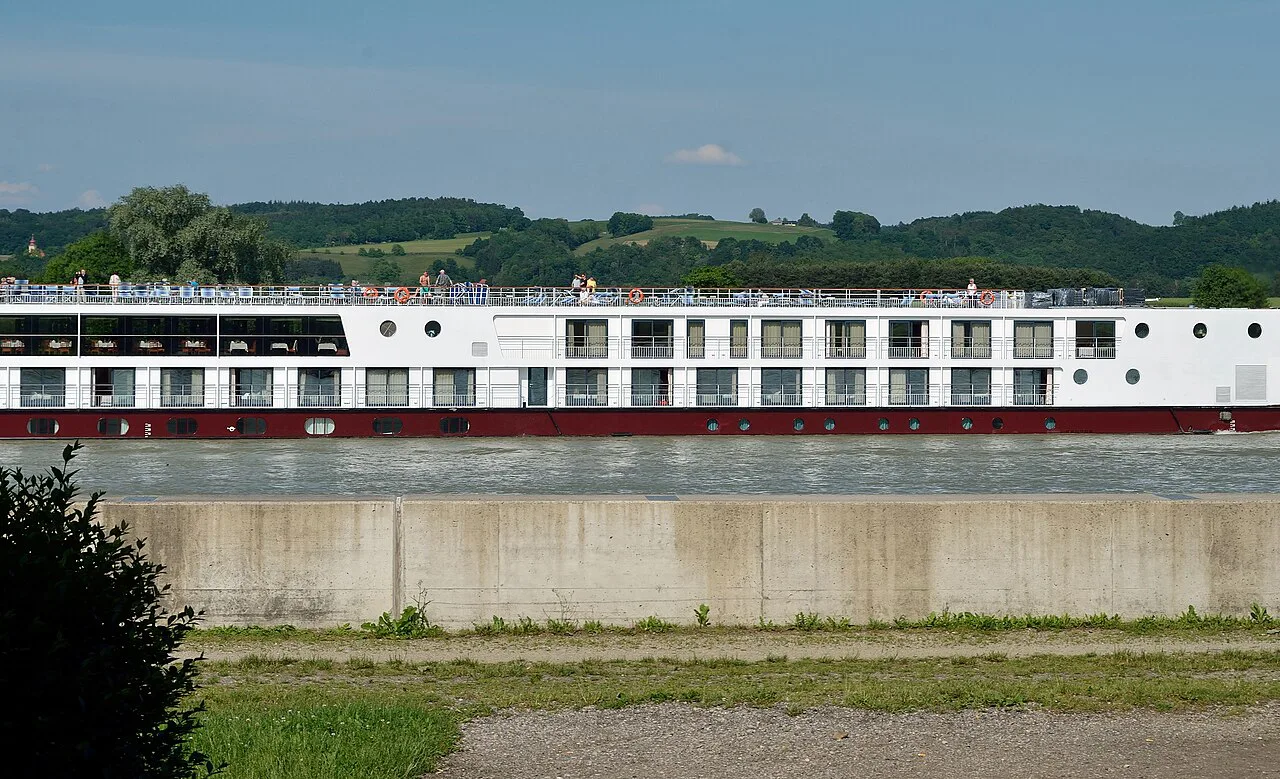
The old center and Hauptplatz
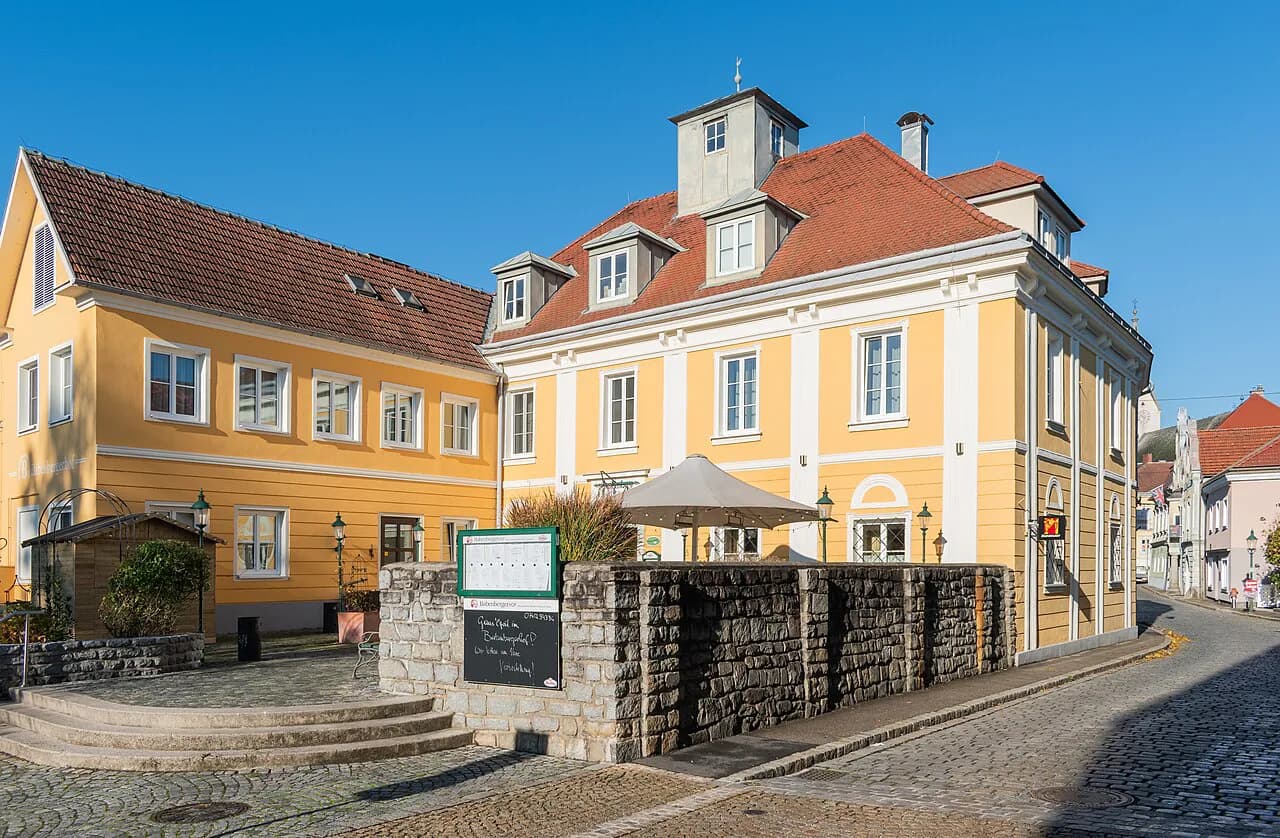
Ybbs is compact enough to cross on foot, with the Hauptplatz as the natural anchor and the riverside paths a few minutes away. The tourist office sits on that square, so it doubles as a sensible first stop for a map before you wander. From there, the lanes toward the Danube give you the town's best short introduction.
The Stadtpfarrkirche St. Lorenz is the town's main church and the obvious architectural sight in the center; drop in as part of a walk rather than as a destination in itself. Beyond the church, the appeal is the scale: well-marked footpaths lead through town and are described as suitable even for tired or small feet. That makes Ybbs a low-effort stop where the pleasure is the riverside setting rather than a checklist of monuments.
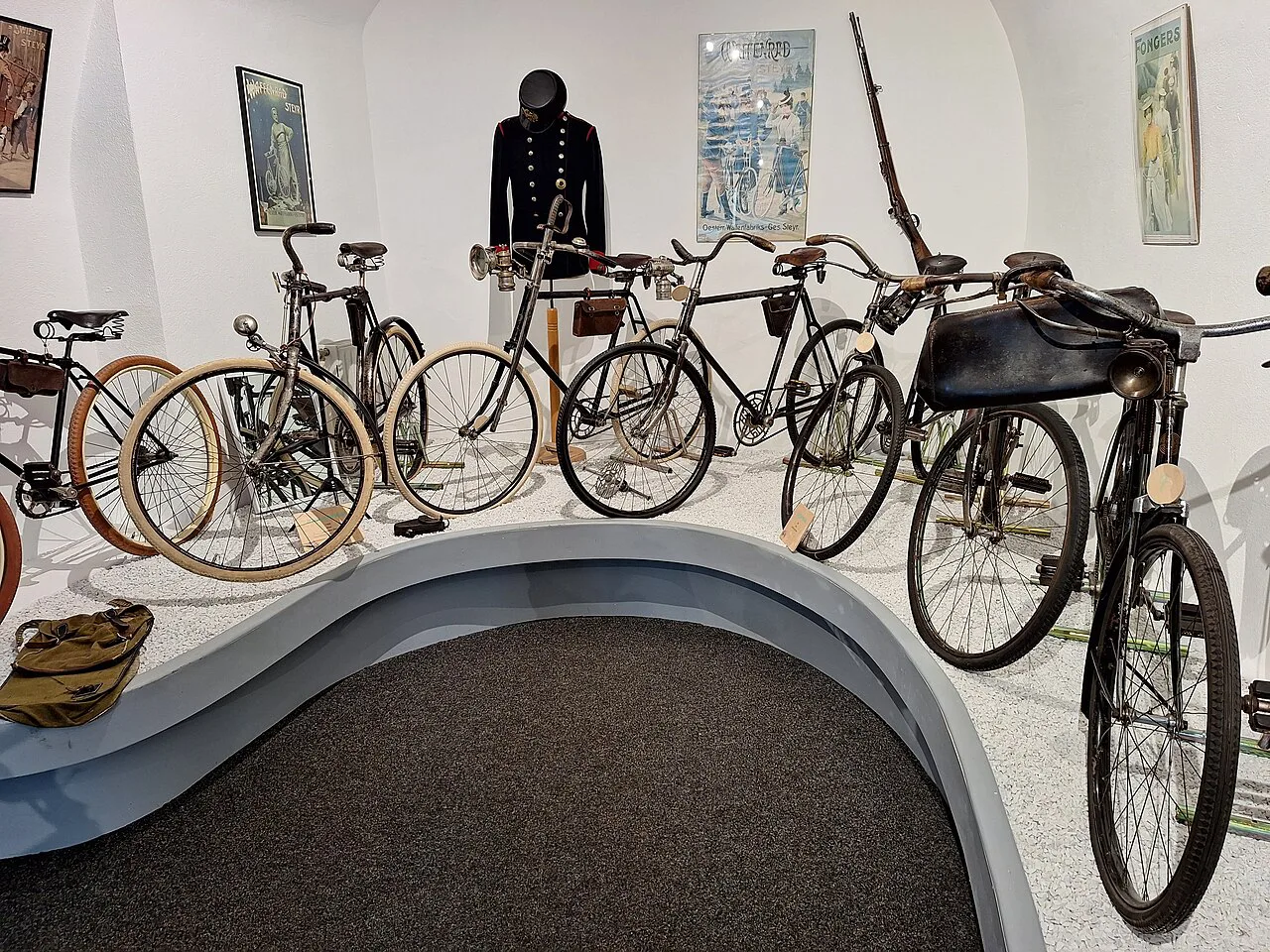
The Ybbs Bicycle Museum
The Fahrradmuseum occupies historic vaults in town, and its collection runs from walking bikes and early pedal machines to penny-farthings, with some examples visitors can try out. That hands-on element makes it the most distinctive indoor sight in Ybbs and a good choice when the weather turns.
Plan the museum as a focused 45 minutes to an hour rather than a half-day, and confirm the current opening window before you build your day around it. Time your visit to the vaults for the middle of the day and keep the riverside walk for the softer light.
Säusenstein just outside town
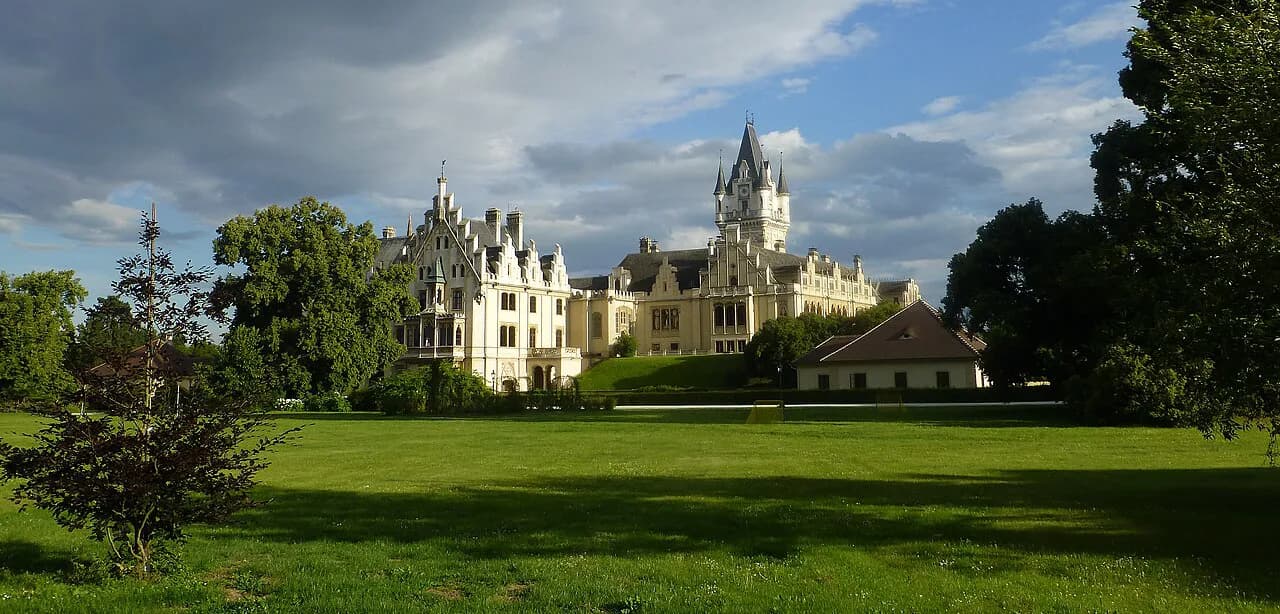
A short trip from the center brings you to Stift Säusenstein, a former monastery that anchors this small riverside settlement, and to the Katholische Pfarrkirche Säusenstein Hl. Donatus nearby. Both appear among the area's listed attractions, and together they make the most rewarding extension of a Ybbs visit; treat them as an exterior and church stop and confirm any interior access locally.
Pair Säusenstein with the bicycle museum for a compact half-day. For a broader map of what Lower Austria offers beyond the Danube corridor, our Lower Austria Travel Guide sets the region's abbeys, castles and towns in context before you commit days to any one of them.
Short walks for tired or small feet
Two named options keep a mixed group together without a long hike: the Ybbs Time Travel route and the short circular route that follows the Ybbs and Danube cycle paths. Both are pitched as easy strolling, which is why they work for families and for anyone who has already walked a lot that day. The riverside setting does most of the work; you are not chasing a summit.
A third gentle choice, the Ybbser Au-Runde, runs along the water and suits a slow hour with a camera. Pick one loop rather than stacking all three, since they overlap in scenery. If part of your group wants more distance, split here and reunite at the Hauptplatz.
Longer options: the panorama loop and the Nibelungengau trail
Experienced walkers can take the panoramic 10-kilometer panorama loop, which the town's tourism board describes as offering wide views over Ybbs and the Danube valley. A stage of the Nibelungengau long-distance hiking trail is the other serious option, and it rewards endurance with river-and-valley outlooks. Choose based on how much time you have rather than ambition.
Both demand proper shoes and a weather check, and neither should be squeezed into a one-hour stop before a train. Give a long loop a full morning and confirm trail conditions with the tourist office on Hauptplatz before setting out.
Events that shape the calendar
The Ybbsiade has run since 1989 as a roughly two-week cabaret and cultural festival with established names and newcomers, and the town's tourism board calls it the largest event of its kind in the German-speaking region. The Ybbs Old Town Festival and the Feuerzauber im Nibelungengau solstice celebration recur annually. Check dates locally before traveling around them, since they move from year to year.
If a festival is on, book accommodation early and expect the riverside paths to be busier, especially in the evenings. Outside those windows Ybbs stays quiet, which is exactly what makes it a restful pause on a Danube itinerary.
A curiosity from the town's history
Ybbs once had a tramway line of about 2.94 kilometers that has been described as possibly the shortest in the world. It is a piece of local history worth knowing, not a ride you can take today. Keep it as a talking point while you walk the town rather than a sight to hunt down.
How long Ybbs needs, and how it fits a route
Budget two to four hours for the center, the church and one gentle loop, or a half-day if you add the bicycle museum and Säusenstein. That makes Ybbs an easy add-on to a Krems–Melk run rather than a base in its own right. If Krems is your starting point, our Krems an der Donau guide covers the town's gates, lanes and river frontage so the two stops read as one corridor.
Travelers building a broader Lower Austria circuit can use Ybbs as a quiet counterweight to the region's bigger set pieces. Rosenburg Castle in the Kamp Valley offers a very different day, with its Renaissance courtyards and falconry, and pairs well with a Danube-and-Waldviertel route; the Lower Austria hub lists the rest.
Should Ybbs be a stop or a base?
Make Ybbs a stop. The old center, the bicycle museum and the Säusenstein sights fill an unhurried half-day, and the named short loops let a mixed group split without anyone getting lost. It rewards travelers who want a working Danube town rather than a staged one.
Confirm train times with ÖBB, trail conditions with the tourist office on Hauptplatz, and festival dates locally before you lock in a visit. Then slot Ybbs between Krems and Melk and leave the rest of the day for the river.
Explore more Krems guides
Frequently Asked Questions
Do you need a car to see Ybbs an der Donau?
No. The center, the Hauptplatz, the church and the bicycle museum sit close together and are walkable from the station, and the short riverside loops start in town. A car helps for Säusenstein and for the longer loops, but the core visit works on foot and by train along the Danube valley.
Is the Ybbs bicycle museum good in Bad weather?
It is the best indoor option in town, housed in historic vaults with bicycles from walking machines to penny-farthings, and some can be tried out. Plan roughly 45 minutes to an hour and confirm the current opening window before you rely on it.
What is the difference between the Strudengau and the Nibelungengau?
They are neighboring stretches of the Danube around Ybbs: the Strudengau upstream and the Nibelungengau downstream. Ybbs sits at the junction, which is why the river landscape here feels narrower and greener than the terraced Wachau further east.
Sources
Notes for your next Austrian town break
Optional updates when we add or revise town guides.
You might also like
Continue reading
More guides you'll find useful