Hallstatt Guide: What to See, How Long It Takes, and How to Get There
Plan a Hallstatt visit around the Marktplatz, the ossuary, the salt mine, and the Skywalk, plus honest notes on crowds and arriving by train and ferry.
On this page
Hallstatt is a lakeside market village squeezed between the Hallstätter See and the Dachstein mountains, and the village core itself takes well under an hour to walk. What stretches a visit is everything stacked above and around it: the salt mine on the Salzberg, the Skywalk viewpoint, the ossuary, the museums and the boats. This guide explains the layout first, then how to choose among the mine, the viewpoints and the water, and how to arrive without a car.
One thing to settle before anything else: Hallstatt station sits on the east bank of the lake, not in the village, and a ferry carries you across. Trains run to the station via Attnang-Puchheim, and the ferry meets arriving trains at the dock.
A lakeside village in a UNESCO World Heritage region
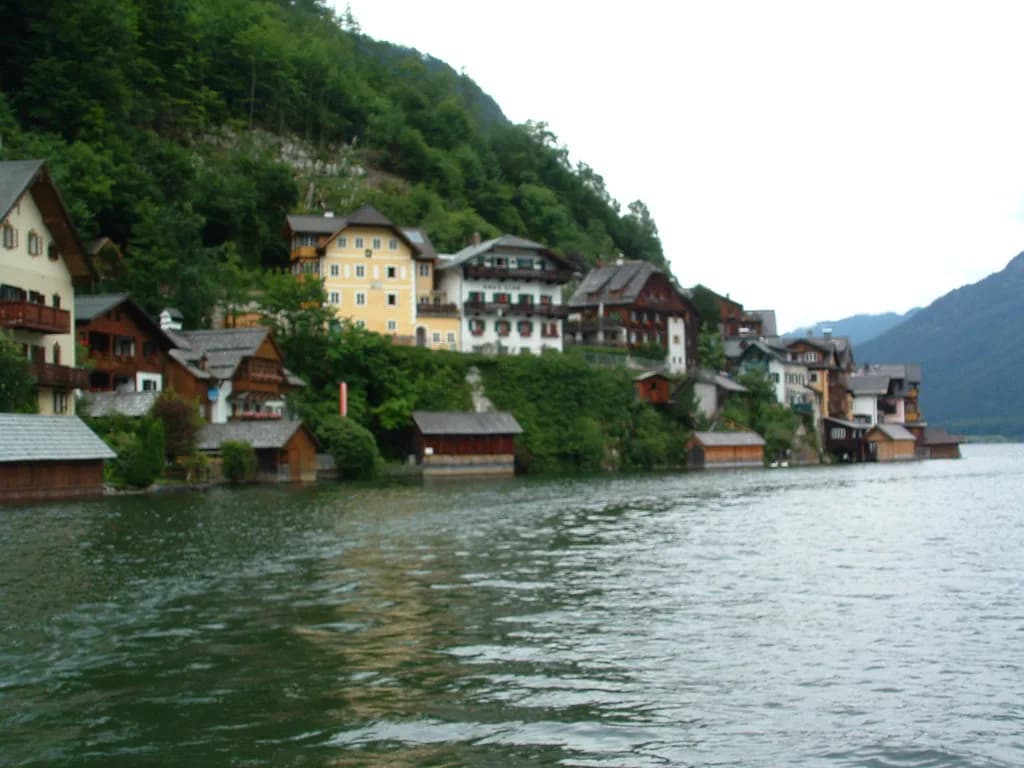
Hallstatt is a small town in the Gmunden District of Upper Austria, set between the southwestern shore of the Hallstätter See and the steep wall of the Dachstein massif. It belongs to the UNESCO World Heritage region Hallstatt Dachstein Salzkammergut, and the wider Salzkammergut lake country around it is what makes a single stop feel thin.
The settlement was already inhabited in the first millennium BC, during the Iron Age, and that early salt-and-iron culture is the reason the name carries weight far beyond its size. Keep that in mind when you plan: the village is small, but the story behind it is long, and the World Heritage Museum is where the two connect.
How the village is laid out
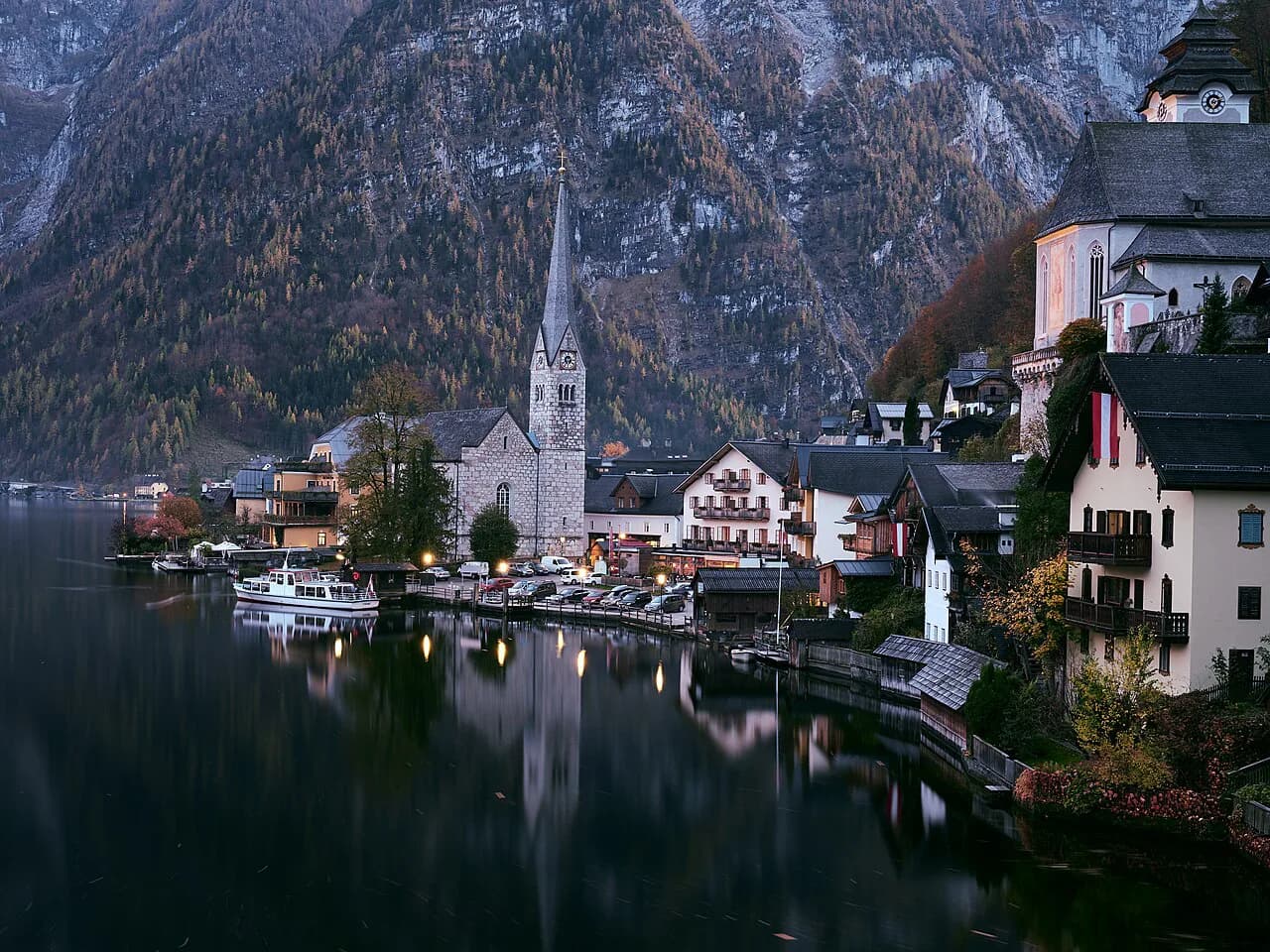
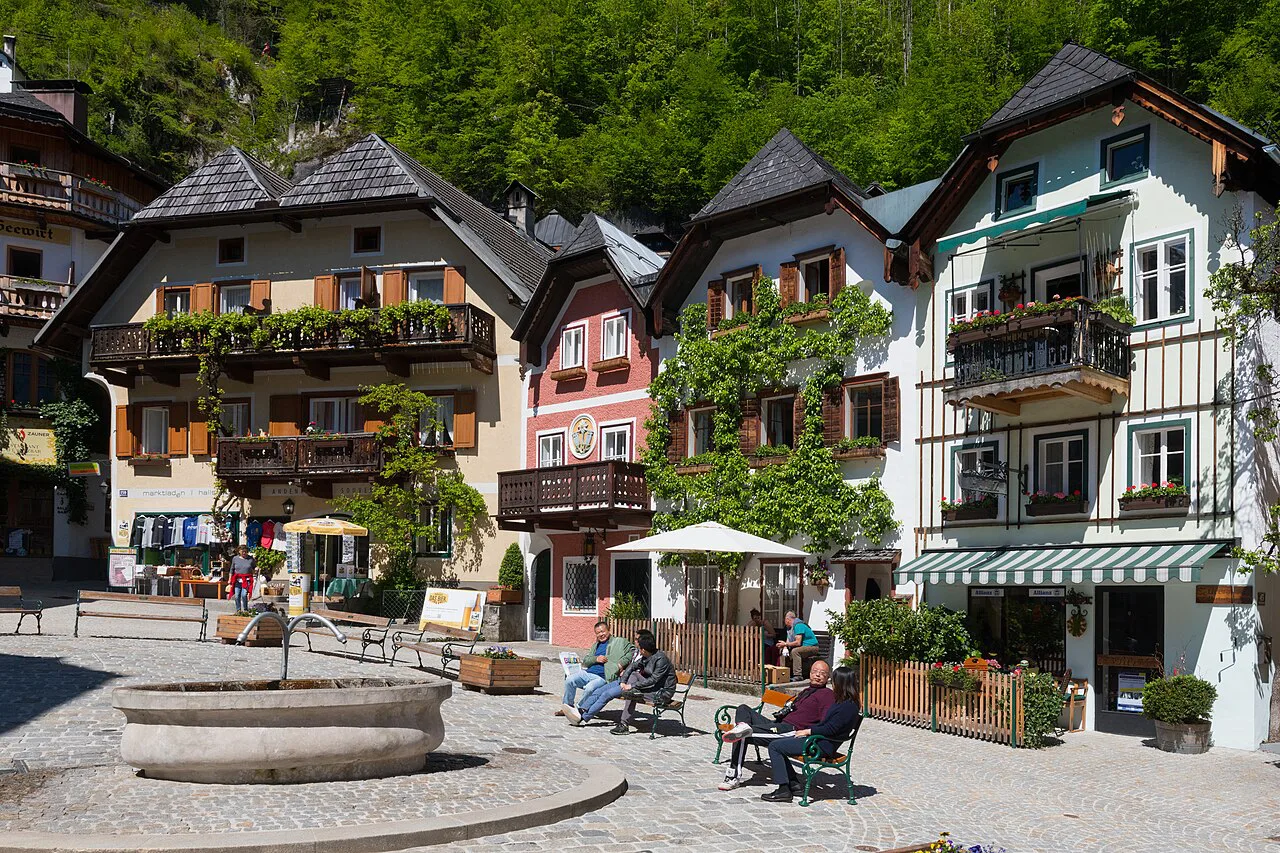
Think of Hallstatt as one main lane hugging the shore, with the Marktplatz at its center and steep alleys climbing toward the Salzberg behind the houses. The Protestant church and the Catholic parish church sit close to the water and the square, so you can see both without a plan.
Because the core is compact, the real decisions are vertical: whether you ride the funicular up to the salt mine and Skywalk, and whether you give time to the ossuary and the museum. Arriving travelers often misjudge the geography, since the rail station is across the water and the crossing is part of the visit.
If you come by car, expect to park outside the pedestrian core and walk in rather than drive to the square. Details on lots, access and charges are gathered in the parking guide; check the display boards on arrival for the rate that applies that day.
Marktplatz and the lanes around it
The Marktplatz is the natural starting point: a small square ringed by color-washed houses that hold restaurants, shops and guesthouses, with benches for a coffee before the climb. Every lane out of it leads somewhere useful, whether up toward the salt mine or along the shore.
Walk the village once end to end before committing to any ticketed sight, because the lanes are short and you will pass the church, the square and the boat docks in one sweep. That first pass also shows you where the crowds pool, which helps you time the mine or the Skywalk for a quieter slot.
Bad Ischl, the summer seat of the imperial court, sits a short hop away on the same rail corridor and makes a sensible second stop if you are building a Salzkammergut route rather than a single-village trip; our Salzkammergut Guide: Lakes, Towns and How to Link Them shows how the lake towns fit together.
The two churches and the ossuary
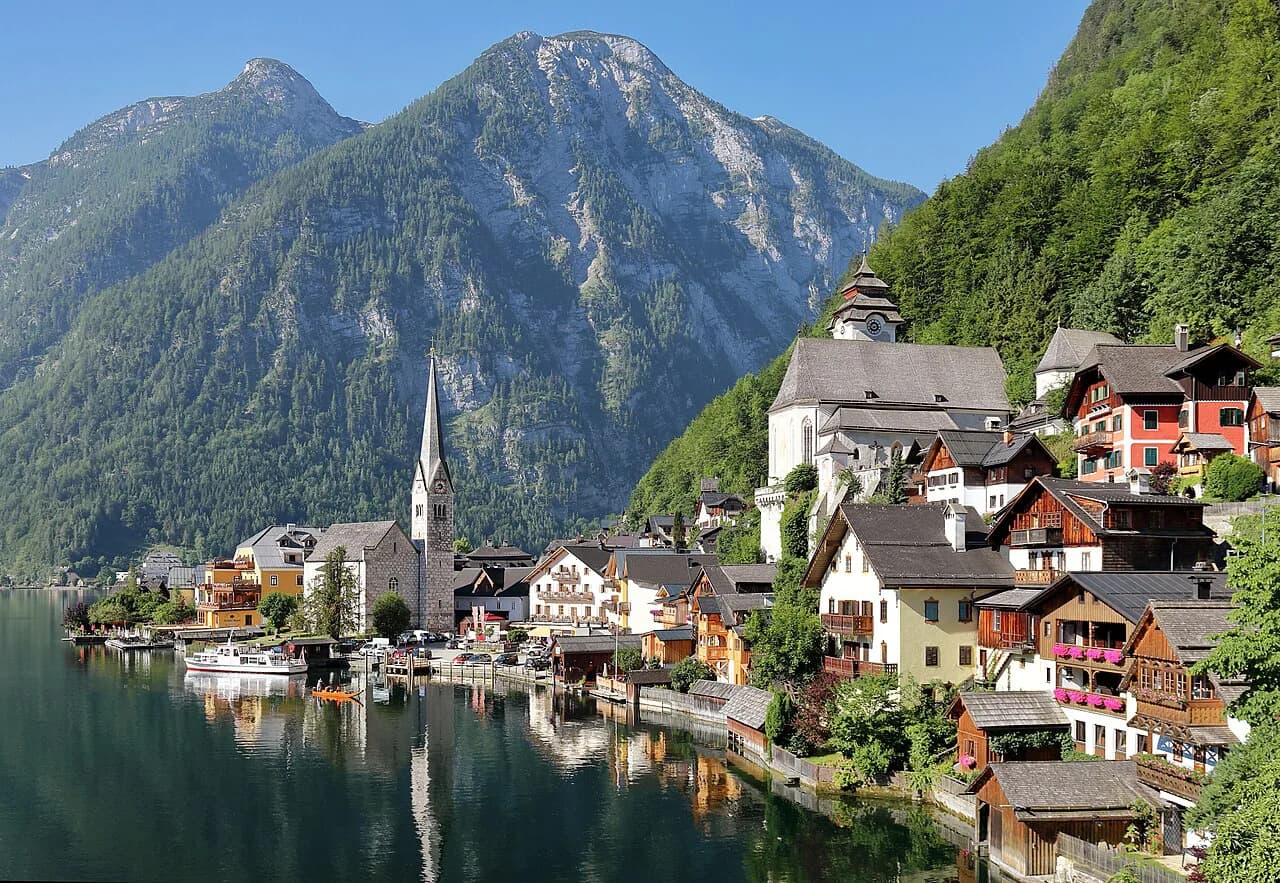
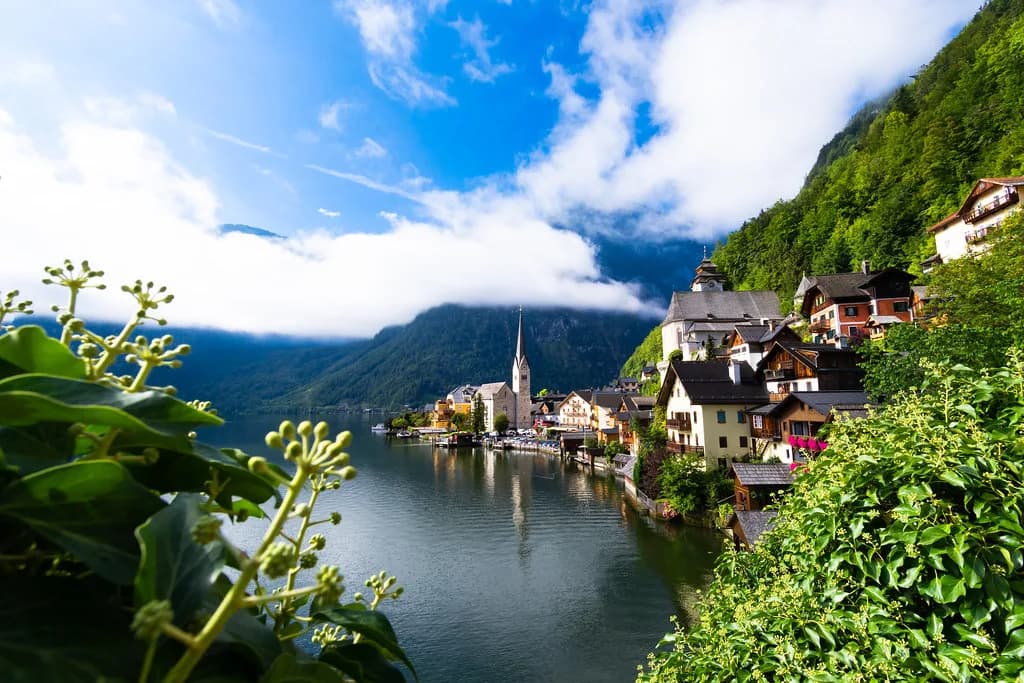
The Evangelical parish church, with its slim spire, is the landmark you see in every photograph of the village, while the Catholic parish church stands nearer the slope. Both are working churches, so visit quietly and skip them during services.
The ossuary, or Beinhaus, holds more than 1,200 skulls, over 600 of them painted and sorted by family. The custom grew from a graveyard too small to hold everyone, and the bones were bleached in the sun before being decorated and labelled.
Treat the chapel as a burial place rather than a photo stop: keep voices low, do not touch the skulls, and follow any barrier or sign at the entrance. Small chapels like this fill quickly, so it works best early or late in the day.
Salzwelten Hallstatt: the funicular, the mine tour and the 8–10°C interior
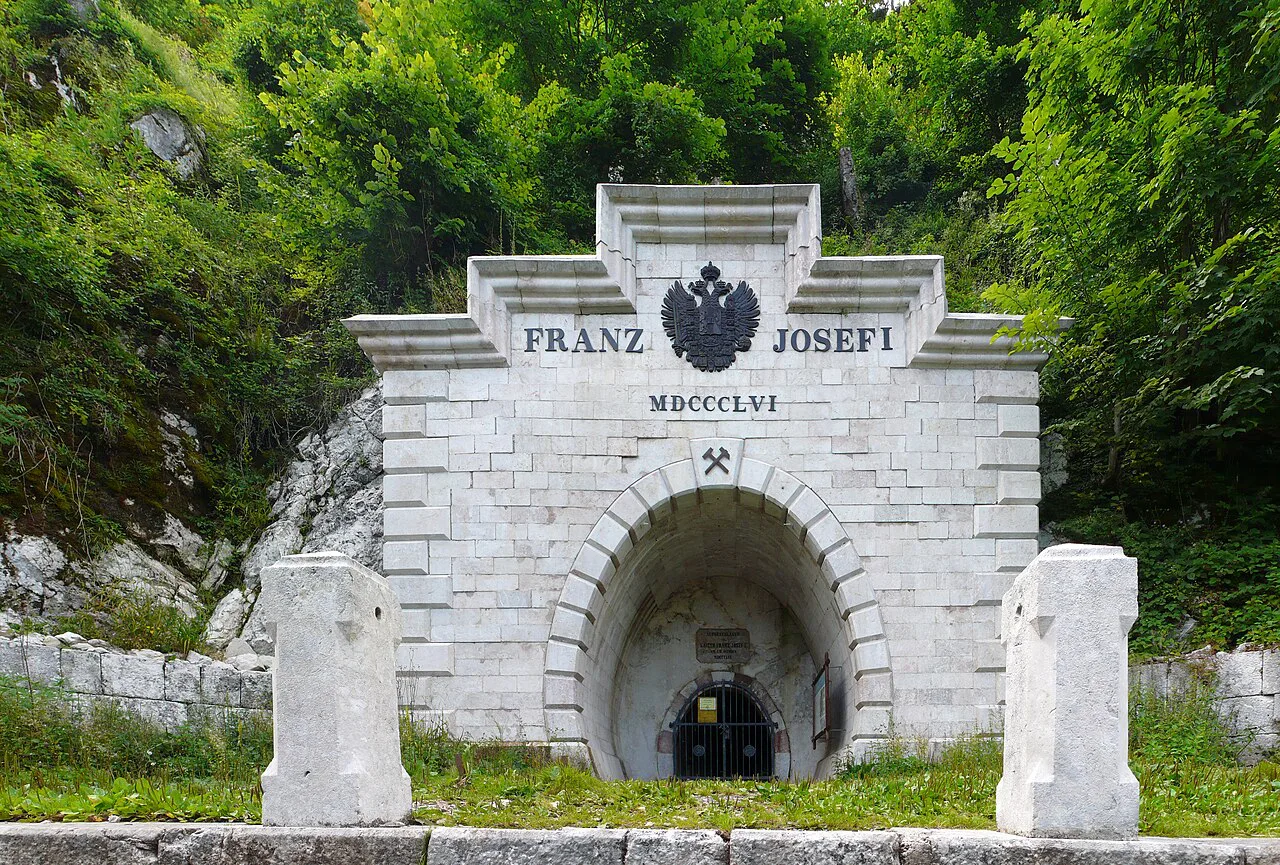
The salt mine above the village, Salzwelten Hallstatt, is reached by funicular up the Salzberg and then a guided tour underground. Tours run daily, and the mine holds a steady 8 to 10°C all year, which makes it a genuine option on a hot afternoon or a wet morning.
Plan the mine as its own block of time rather than a quick add-on: you ride the funicular up, walk to the mine entrance and join a scheduled tour, so the visit takes a bite out of the day. Bring a warm layer even in July, since the interior stays cold while the village bakes.
Fares for the funicular and the mine are set by the operator, so check the board at the valley station for the current euro rate before you buy.
Skywalk Hallstatt and the World Heritage View platform
The Skywalk viewing platform, called World Heritage View, juts out on the Salzberg about 360 meters above the rooftops of Hallstatt. It is an easy add-on to the funicular ride, since the platform sits at the top rather than in the village.
The mine and the Skywalk are separate decisions with separate costs in time, but they share the same ascent, so pairing them is efficient. If you only want the view, ride up, walk the platform and skip the underground tour; if the weather is closing in, the mine is the better bet.
The postcard viewpoint and the Echern Valley
The classic photo point looks across the lake to the church spire, the houses pressed against the rock and the mountain wall behind. It is the view reproduced everywhere, and it rewards an early start before the lanes fill.
For something quieter, walk into the Echern Valley behind the village, where the Glacier Garden, a relic of the last Ice Age, sits near the Waldbachstrub waterfall. This is a short outing on foot from the center and a good counterweight to the crowded square.
Hallstatt World Heritage Museum
The World Heritage Museum in the heart of the village traces how Hallstatt's people lived and worked, from the Iron Age salt trade onward, and it stays open all year. Give it an hour if you want the mine and the ossuary to make sense rather than just look atmospheric.
This is the sensible bad-weather stop, and it pairs well with a guided village walk if you want a local frame on the lanes. Entry is ticketed, so confirm the current price at the desk rather than relying on older figures.
Getting out on the water
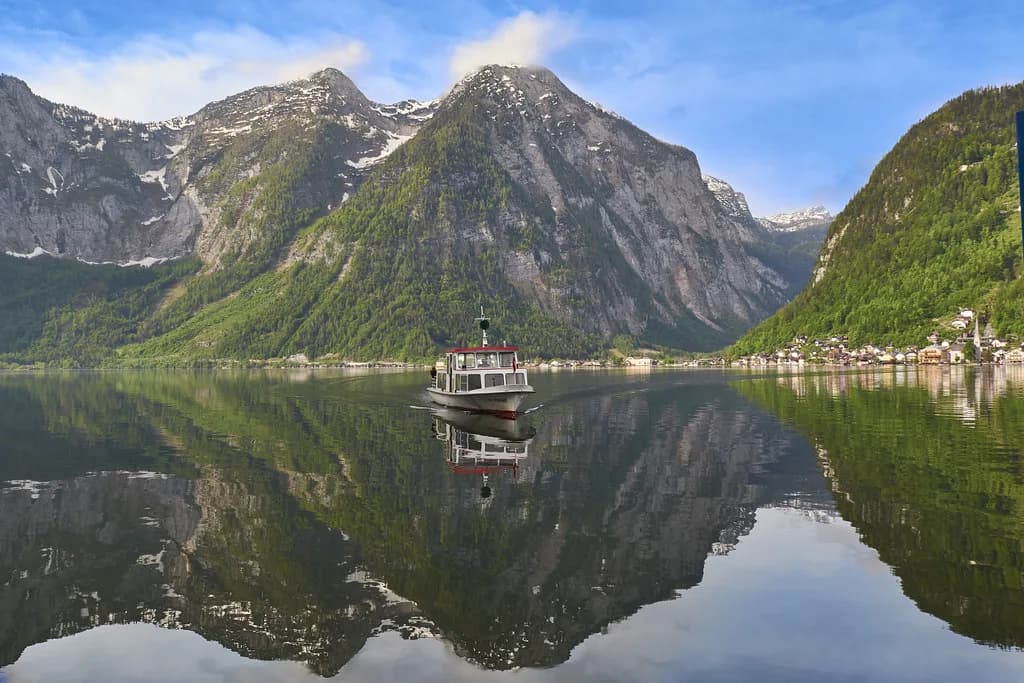
Lake Hallstatt is best seen from the water: sightseeing cruises give the shore-and-mountain view you cannot get from the lanes, and small boats can be rented for a self-steered hour on the lake. Traditional Navia wooden salt boats run as well, offering a slower ride in historic style.
The scheduled ferry is not a pleasure trip but the link between the rail station on the east bank and the village dock, and it is timed to the trains. Fares and crossing details are set out in the Hallstatt ferry guide, and you buy your ticket at the dock.
Getting there by train and ferry, or by car
By rail, you travel to Hallstatt station on the east bank, usually changing at Attnang-Puchheim onto a train toward Bad Ischl and Obertraun. From the platform a walkway leads to the ferry dock, and the boat takes you across to the village.
By car, you park outside the center and walk in, and Postbus services link the lakeside villages along the shore. If you are coming from the city, the practical route options are set out in the following guides: a Hallstatt Day Trip from Salzburg and How to Do a Hallstatt Day Trip From Vienna.
If you drive, the Hallstatt parking guide covers the lots on the edge of the village and how access works. Confirm the current rate and time limits at the machine, since charges shift by season.
Crowds, timing and how long the village needs
Hallstatt's lanes are short, but the day-tripper wave arrives mid-morning and thins again in the late afternoon, so the village looks and feels different before nine and after five. Tour buses tend to unload around 9 a.m., which is the signal to be on the water or up the mountain at that hour.
A half day covers the Marktplatz, the two churches, the ossuary and one viewpoint. A full day adds the mine, the Skywalk and a boat, while an overnight stay buys you the empty early and late hours that day visitors never see.
Summer is the busiest season and the lake is at its best then, so an early start matters more than any single sight.
Obertraun and the Dachstein side of the lake
Across the water, Obertraun sits on the quieter shore and serves as the base for the Dachstein side of the region. It is a separate stop with its own character, not a suburb of the village.
The Dachstein Krippenstein cable car rises from Obertraun to high ground with views over the lake country, and the Dachstein caves are on the same mountain. Both are seasonal mountain operations, so check the day's running status before you commit the afternoon.
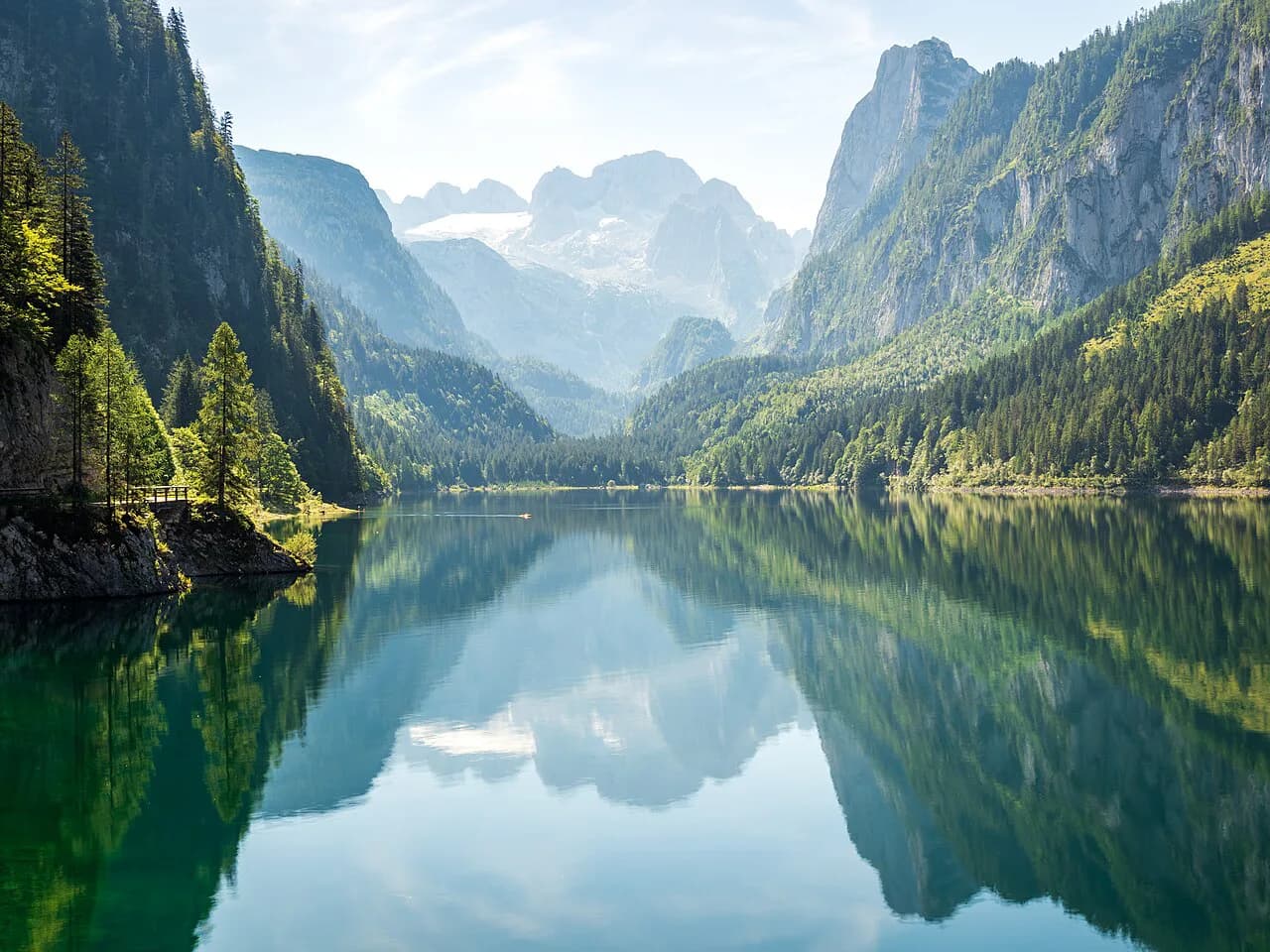
Two more lake stops round out a longer Salzkammergut loop: Bad Goisern along the rail line, and Gosausee, where the Dachstein glacier reflects in the water.
What a Hallstatt visit costs in EUR
The big ticketed items are the salt mine with funicular, the World Heritage Museum and the boats, and each is priced separately. The mine publishes combined and single fares at the valley station, while the museum and boat operators set their own entry and fare, so check each counter for the current euro amount.
The ossuary takes a modest fee that goes toward the chapel's upkeep, and the scheduled ferry across from the station is charged separately from lake cruises. Budget for the funicular, the mine tour, the museum and one boat trip if you want the full set, and decide which to drop if you are watching the total.
Planning your days in Hallstatt
If you have one day, ride up to the Skywalk early, take the mine tour before the midday heat, and spend the afternoon on the Marktplatz and at the ossuary. That sequence uses the funicular once, avoids the worst of the lanes and leaves the boat for a second visit.
If you can stay a night, the village repays it: the lanes empty after the buses leave, the lake goes still, and the morning photo point is yours. Add Obertraun and the Dachstein cable car only if you have a full extra day, since the mountain side deserves its own window.
Explore more Hallstatt guides
Frequently Asked Questions
How do you get from Hallstatt station to the village?
Hallstatt station sits on the east bank of the lake, and a short walkway leads to the ferry dock, where the boat crosses to the village and is timed to the trains. Buy the crossing at the dock.
Is the salt mine a good choice on a hot day?
Yes. The mine holds a steady 8 to 10°C underground all year, so it is a cool retreat when the village is hot, and tours run daily. Bring a warm layer.
How long does the village itself take to walk?
The core is compact and you can walk it end to end in well under an hour. The time goes into the ticketed sights, the mine, the Skywalk and the boats.
Sources
Notes for your next Austrian town break
Optional updates when we add or revise town guides.
You might also like
Continue reading
More guides you'll find useful