Grossglockner High Alpine Road: Tolls, Stops and Opening Season
Plan a drive on the Grossglockner High Alpine Road: published car tolls, opening season, the main stops and how the pass fits a route through Austria.
On this page
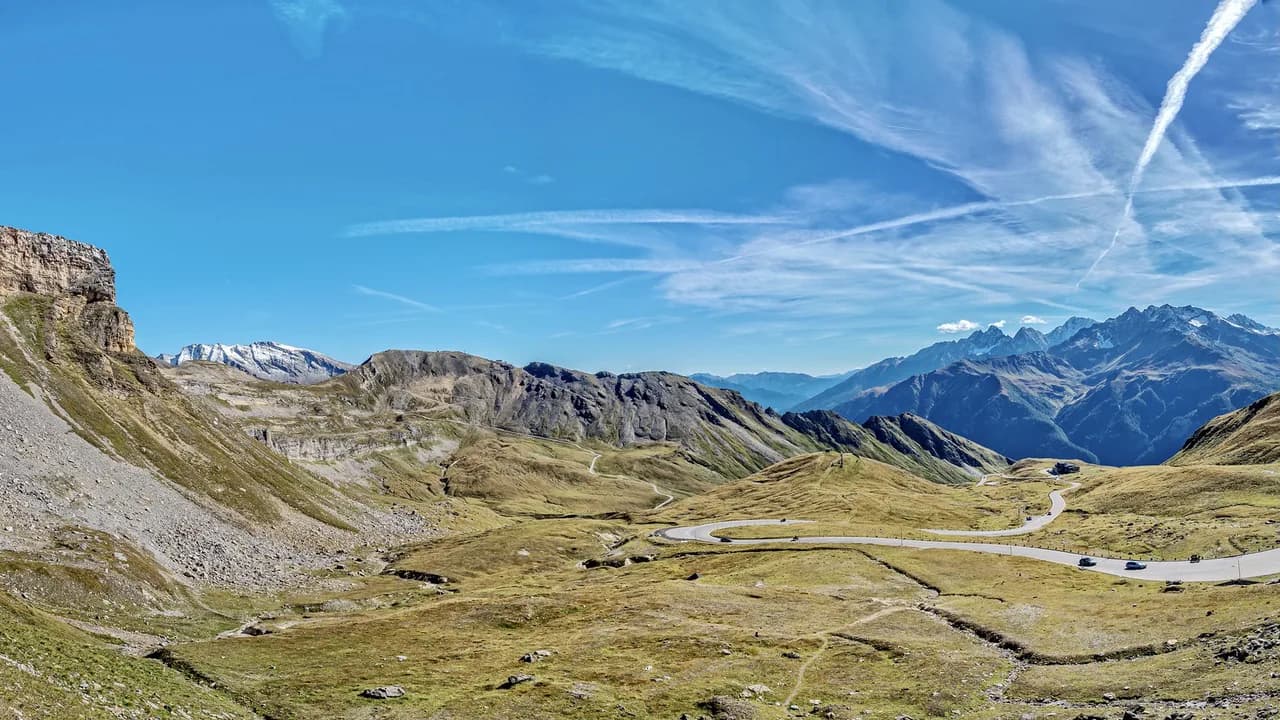
The Grossglockner High Alpine Road is Austria's highest mountain pass road, a toll route that climbs from Fusch through the Hohe Tauern National Park to Heiligenblut in Carinthia, crossing more than 36 hairpin turns and reaching above 2,500 meters. Budget the toll as a real line item, plan around a seasonal opening window rather than a year-round road, and give the stops at the top a couple of hours on their own. This guide covers the ticket types, the driving season, the route from north to south, the viewpoints and exhibitions along the way, and how the pass slots into a longer circuit.
What the Grossglockner High Alpine Road is
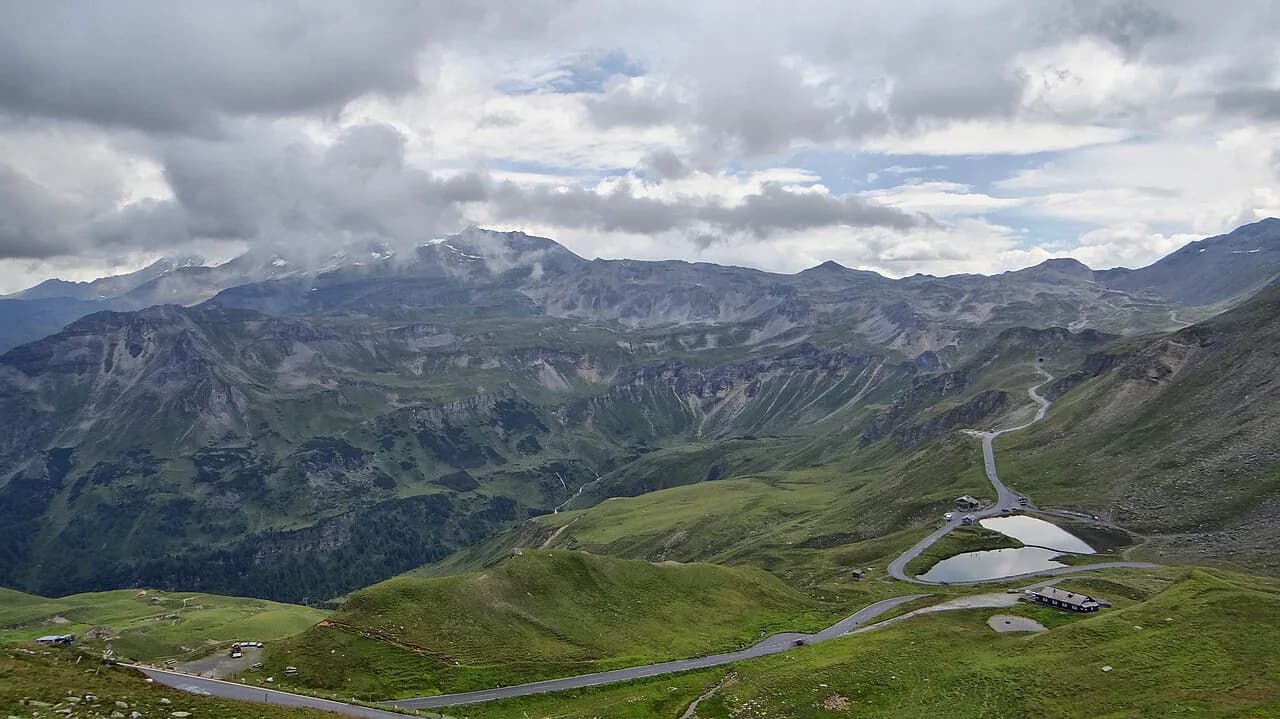
The road starts in Bruck an der Glocknerstraße, runs through Fusch to the Ferleiten toll station, and then winds upward either via Fuscher Törl to the Edelweißspitze, the highest point of the road, or through the Hochtor to Kaiser-Franz-Josefs-Höhe at the foot of the Pasterze glacier. From the top it descends south to Heiligenblut. It is a scenic road built for driving, not a hiking trail, and the whole point is the sequence of viewpoints and exhibitions rather than a single destination.
The road has been open since 1935 and is Austria's largest monument, which explains the information boards, info points and exhibits along the route that document its construction and the pass sanctuary from Roman times. Treat the drive as a half-day to full-day outing with stops, not a transit sprint: the altitude, the hairpins and the pull-offs all slow you down, and the views are the reason you came.
Toll prices: which ticket fits your drive
For 2025 the published day ticket was 46.50 EUR for a car and 36.50 EUR for a motorcycle, with an eco ticket at 40.00 EUR for electric and hydrogen cars and 32.50 EUR for fully electric motorcycles. A second day cost an additional 17.50 EUR, a three-week ticket was 93.00 EUR for cars, and a season ticket was 130.00 EUR. Those are the 2025 rates as published, not necessarily what the toll station charges on the day you drive.
The ticket choice depends on your route shape. A one-way transit from Salzburg side to Carinthia needs only the day ticket, while an out-and-back from Bruck to the top and back is where the round-trip ticket makes sense; the 2026 round-trip rate was published at 56 EUR for a car and 46 EUR for a motorcycle, sold at the Grossglockner and Felbertauern toll stations. If you plan to drive the pass twice on separate days, the second-day supplement is cheaper than two day tickets.
A single day ticket buys far more than the drive itself: eight free exhibitions at the top, including film screenings on alpine ecology and road-building history, seven themed trails, the Wilhelm Swarovski observatory and four themed playgrounds. If you are paying the toll anyway, build in time for at least the Hochtor pass sanctuary and one exhibition rather than turning around at the first viewpoint.
Opening season and daily hours
The road operates from May to the beginning of November, with hours widening in midsummer. Until May 31 it was open 6:00 am to 8:00 pm with last entry at 7:15 pm; from June 1 to August 31, 5:30 am to 9:00 pm with last entry at 8:15 pm; and from September 1, 6:00 am to 7:30 pm with last entry at 6:45 pm. Those are the published 2025 hours, so confirm the current season's window at Grossglockner.at before you set out.
The spring opening is a staged affair, not a single switch. In 2025 the road opened on April 19 with a symbolic breakthrough at the Hochtor, earlier than usual thanks to low snowfall, but the through road from Fusch to Heiligenblut opened first while clearing and safety work on the glacier road to Kaiser-Franz-Josefs-Höhe and Edelweißspitze continued for several more days at reduced tariffs. Early-season drivers can therefore cross the pass before the highest side roads are ready.
Weather, not the calendar, decides the edges of the season. Snow can close the road outside the published window, and the high side roads to the Edelweißspitze and the glacier viewpoint are the last to be cleared. Check the webcams and the road operator's status page the morning you plan to drive, especially in May and October, rather than relying on last season's dates.
The route north to south, stop by stop
From Bruck an der Glocknerstraße the road runs through Fusch to the Ferleiten toll station, where you pay and where the Wild & Adventure Park Ferleiten sits with over 200 animals from the Alps and beyond. Families with children often use this as a leg-stretch stop before the climb. From Ferleiten the road begins the hairpins, and you choose the Fuscher Törl branch for the Edelweißspitze or the Hochtor route toward the glacier. If you are staying overnight before the climb, see Fusch an der Grossglocknerstrasse: Gateway to the Grossglockner Road for the village at the northern approach.
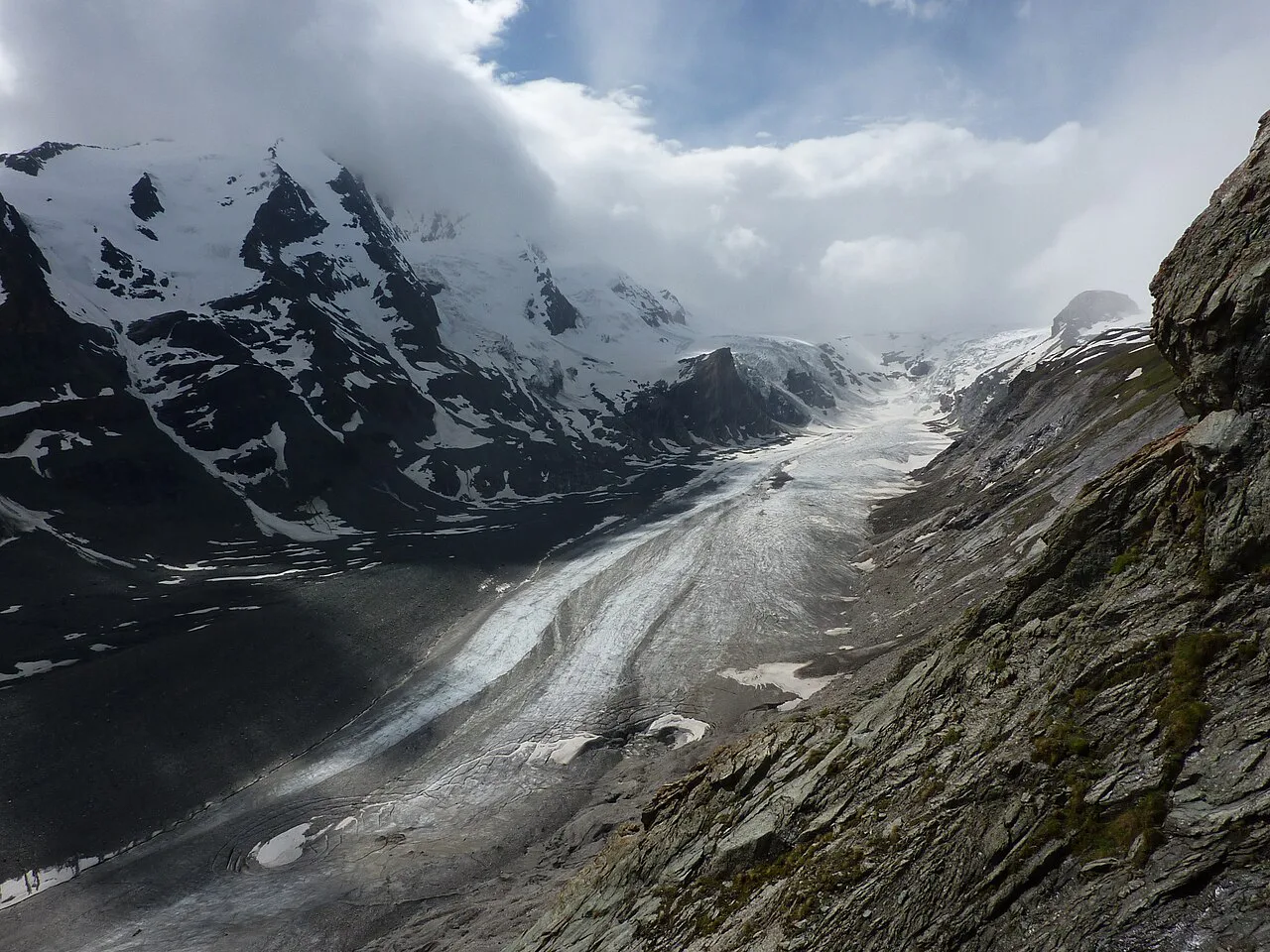
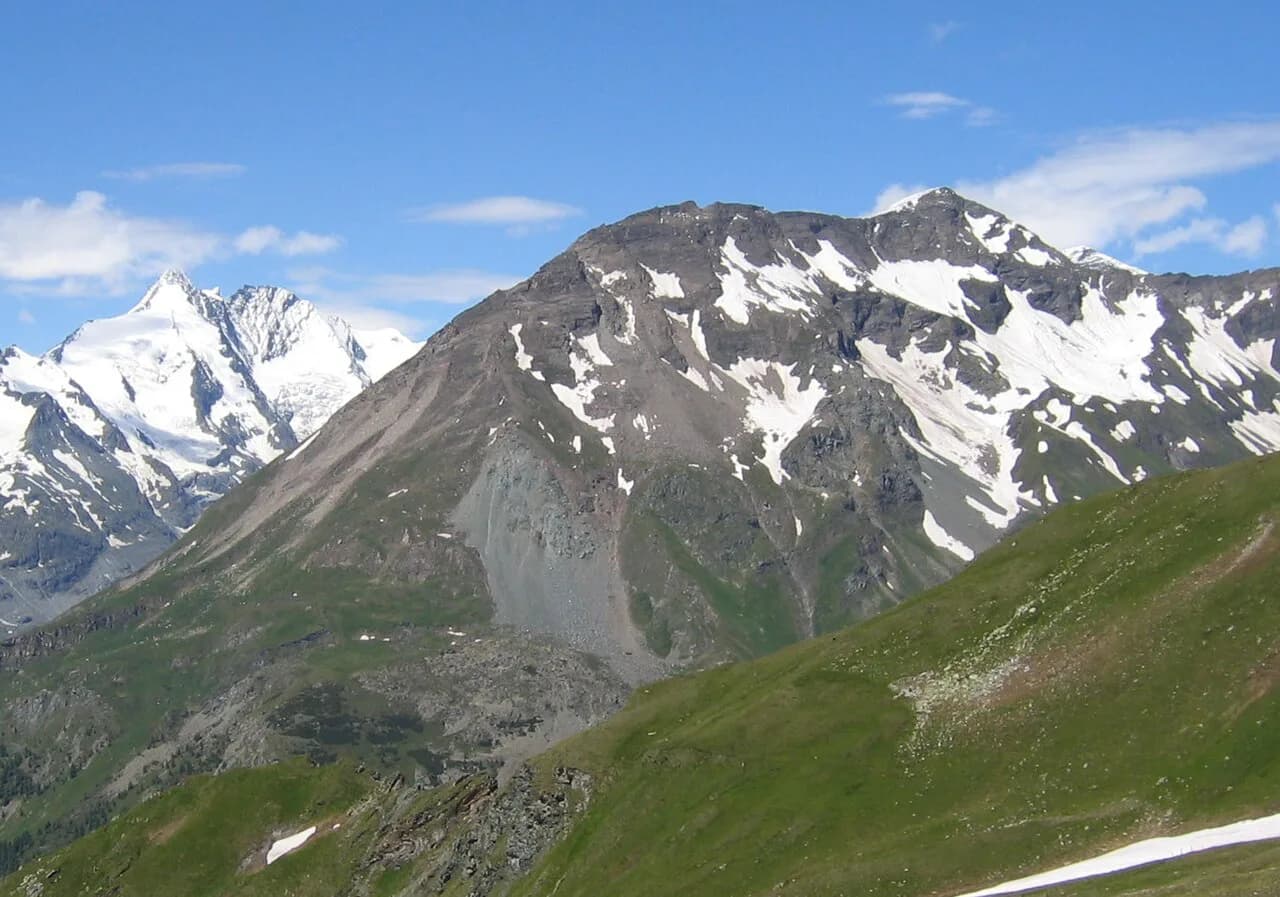
Fuscher Törl is the junction where the Edelweißspitze spur leaves the main road; the Edelweißspitze is the highest point of the road and a classic photo stop with the Hohe Tauern peaks around you. Continue over the Hochtor, the Salzburg–Carinthia border pass, where the Roman-era sanctuary and the botanical circular trail sit. Beyond it the road drops to Kaiser-Franz-Josefs-Höhe, the terrace above the Pasterze Glacier with the Grossglocknerkino and the national park information center.
At Kaiser-Franz-Josefs-Höhe the Pasterze, the largest glacier in the Eastern Alps, lies below the viewing terraces, and the exhibitions here include the chronology of the road's construction and the marmot cinema. Plan on at least an hour at this stop alone: the glacier viewpoint, the film, and the walk between the buildings eat time quickly at altitude. From here the road continues south and down to Heiligenblut.
Driving realities: hairpins, altitude and weather
Over 36 hairpin turns carry you above 2,500 meters, and the road is well maintained but narrow in places, with cyclists and motorcyclists sharing the asphalt. Drive in a low gear on the descents, keep your distance from motorcycles, and expect to pull over at viewpoints rather than stopping in the lane. The altitude also matters: the air is thinner, the weather changes fast, and a warm morning in Fusch can turn into cold cloud at the Hochtor.
The operator publishes safety notices for the road, and the national park's guidance is to put safety first on the high sections. Carry a jacket even in July, and check the webcams before committing to the Edelweißspitze spur, which sits highest and is the most exposed. If cloud is sitting on the pass, the drive is still worth it for the lower viewpoints, but the summit panoramas will not be there.
Doing it without a car: the national park ranger bus
Travelers without a car can join a ranger-led bus trip to the Grossglockner. PRI Tours GmbH, based in Bruck an der Glocknerstraße, runs trips with a national park ranger from May 27 to September 30, every Tuesday and in July and August also Thursdays, with 2026 costs published at 45 EUR for adults and 27 EUR for children. Bookings close at 3:00 pm the day before, so plan the call ahead of the trip.
This is the practical answer for train travelers based in Bruck or Zell am See: reach Bruck by rail, join the bus, and let someone else handle the hairpins and the parking at the viewpoints. Reserve by phone or email with PRI Tours in Bruck well ahead in July and August, when both Tuesday and Thursday departures run. The bus is a tour, not a scheduled public service, so it runs only on its published days.
Fitting the pass into a longer Austria route
A natural circuit runs from Bruck via Fusch and Ferleiten to Fuscher Törl, over the Hochtor to Kaiser-Franz-Josefs-Höhe, then back via Heiligenblut and Großkirchheim to Winklern, on through Lienz and over the Felbertauern Road to Mittersill, a round trip of about 170 km. The Grossglockner round-trip ticket is sold at both the Grossglockner and Felbertauern toll stations for exactly this loop. Drive it clockwise from the Salzburg side to keep the highest section in the morning light.
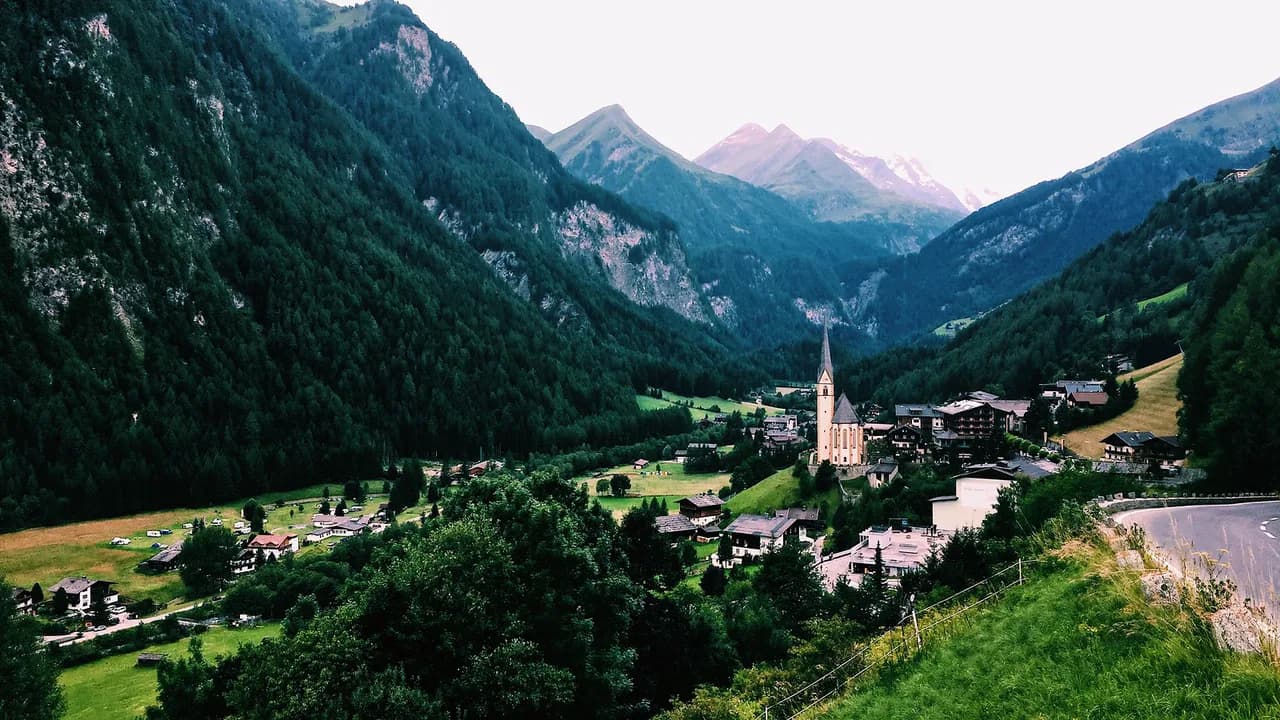
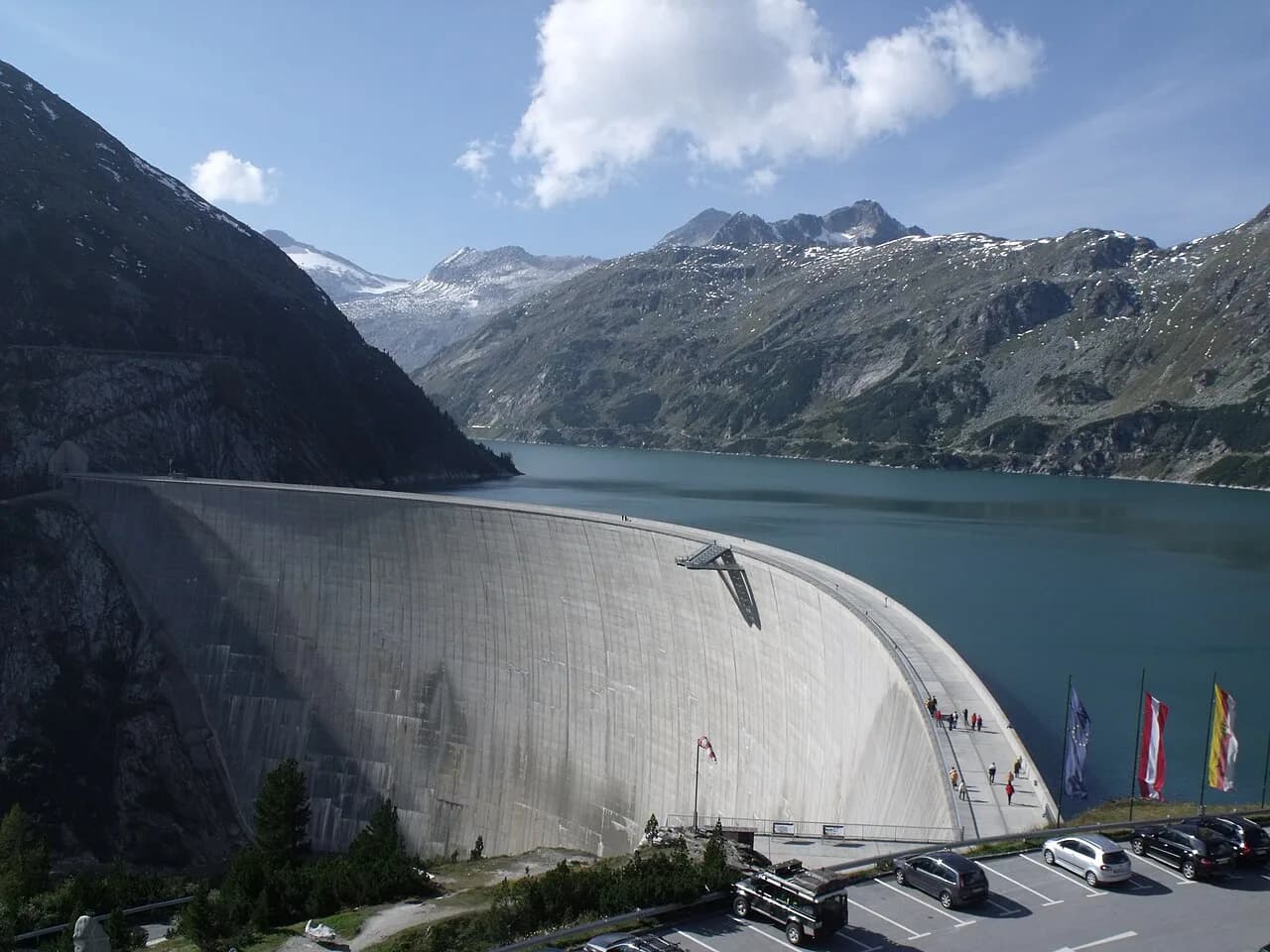
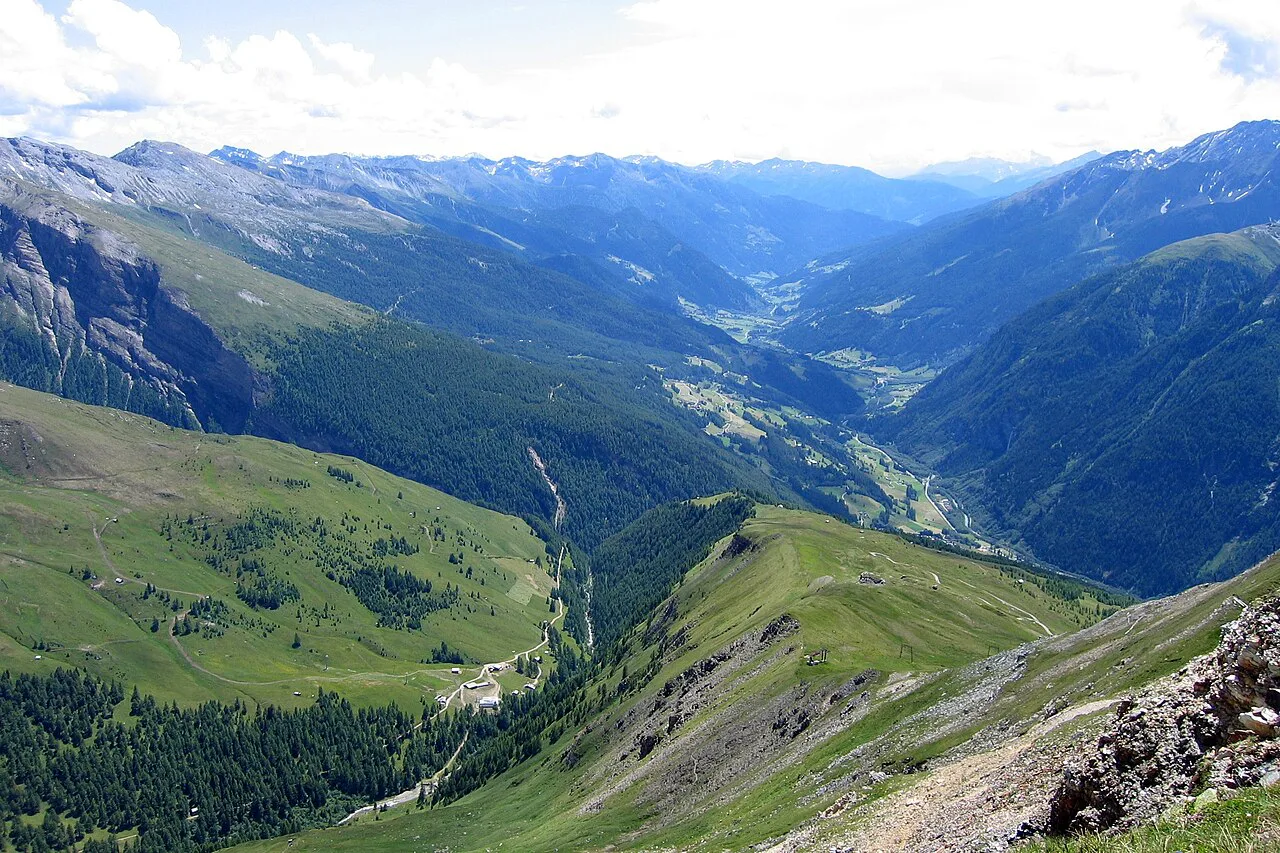
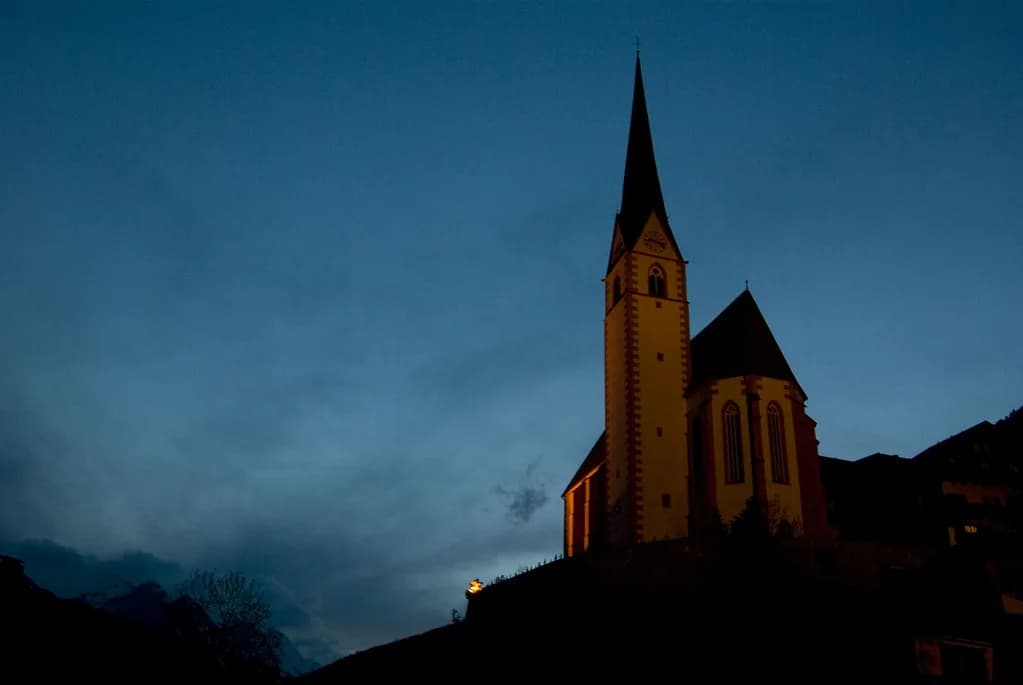
On the Carinthian side, Heiligenblut am Großglockner sits at the foot of the road with its pilgrimage church, making it the obvious overnight or lunch stop at the southern end of the pass. South of there, Matrei in Osttirol and Kals am Großglockner are the natural next stops for travelers heading deeper into East Tyrol. If you are collecting high alpine roads, the Malta High Alpine Road with the Kölnbrein Dam and the Nockalm Road in the Nockberge make good companions on a longer Carinthian circuit.
Is the Grossglockner High Alpine Road worth it for a non-driver or a nervous driver?
For a non-driver, yes: the ranger bus turns a car-only road into a guided day out, with publications and commentary covering the road's history and the national park's ecology. For a nervous driver, the honest answer depends on the weather: on a clear day the hairpins are manageable at a slow pace, but in cloud or rain the road demands full attention and the viewpoints disappear. If you would rather not drive it, the bus is the practical alternative; if you are driving, go early, keep the day flexible and turn back from the Edelweißspitze spur if the cloud is down.
Which ticket and which day to choose
Buy the day ticket for a one-way transit from Fusch to Heiligenblut, the round-trip ticket for an out-and-back from Bruck to Kaiser-Franz-Josefs-Höhe, and the second-day supplement only if you genuinely plan to return. The eco ticket rewards electric and hydrogen cars, and the season ticket pays off only for repeated visits across the summer.
Pick a clear, calm day between June and September if you want the full glacier road open and the exhibitions running, and treat the shoulder months as a gamble that can still deliver snow-covered views at reduced rates. Confirm the current season's toll and opening hours at Grossglockner.at before you commit, and check the webcams the morning of the drive.
Explore more Heiligenblut guides
Frequently Asked Questions
Can you drive the Grossglockner High Alpine Road without a car?
Yes. PRI Tours GmbH runs a ranger-led bus from Bruck an der Glocknerstraße with departures from late May to the end of September, on Tuesdays and, in July and August, also Thursdays. Book by phone or email at least a day before, because reservations close in the afternoon the day before the trip.
How long does the Grossglockner High Alpine Road take?
The drive itself is a few hours, but the altitude, hairpins and viewpoint pull-offs slow you down, and the stops at Fuscher Törl, the Hochtor, Kaiser-Franz-Josefs-Höhe and the Pasterze Glacier viewpoint each add time. Build a half day at minimum, and a full day if you combine the pass with the round trip via Heiligenblut and the Felbertauern Road.
What is the highest point of the Grossglockner High Alpine Road?
The Edelweißspitze is the road's highest point, reached by a spur from Fuscher Törl and sitting above 2,500 meters. It is also the most exposed section, so check the webcams before committing to the spur in changeable weather.
Sources
Notes for your next Austrian town break
Optional updates when we add or revise town guides.
You might also like
Continue reading
More guides you'll find useful