Heiligenblut am Großglockner: A Guide to the Village Under Austria's Highest Peak
Heiligenblut am Großglockner is a small Carinthian mountain village at the south end of the Grossglockner High Alpine Road, below Austria's highest peak.
On this page
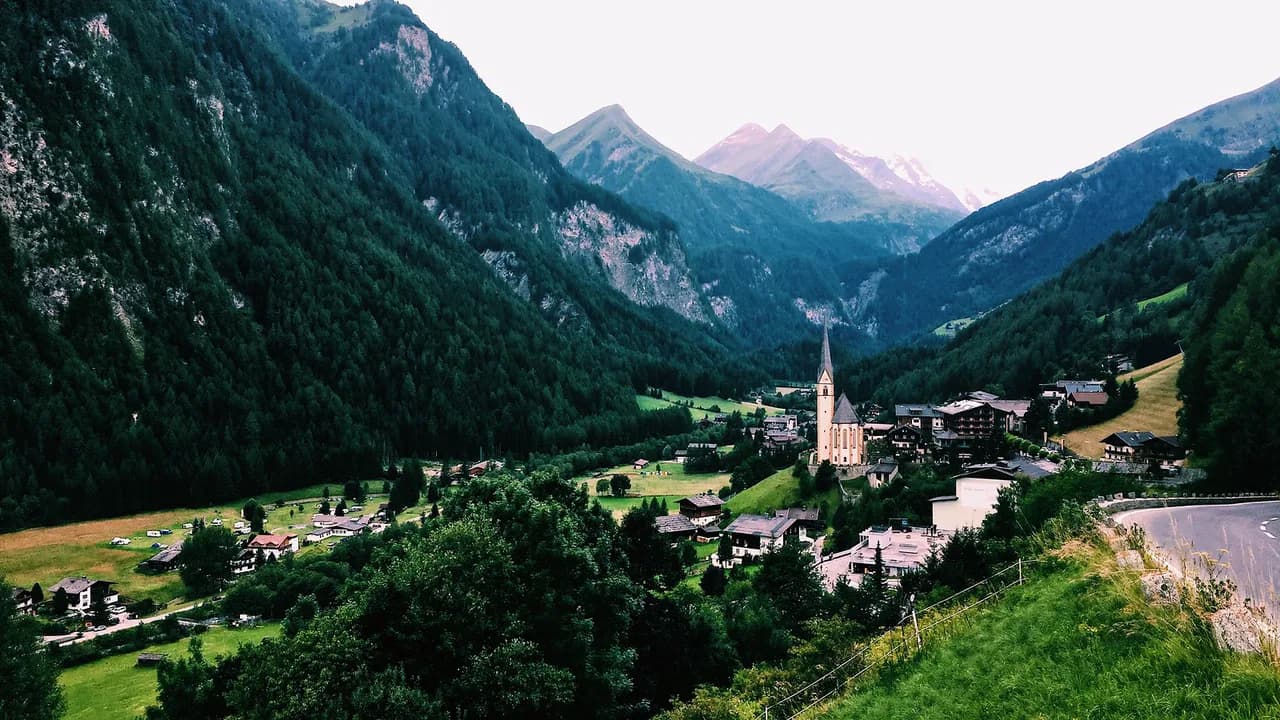
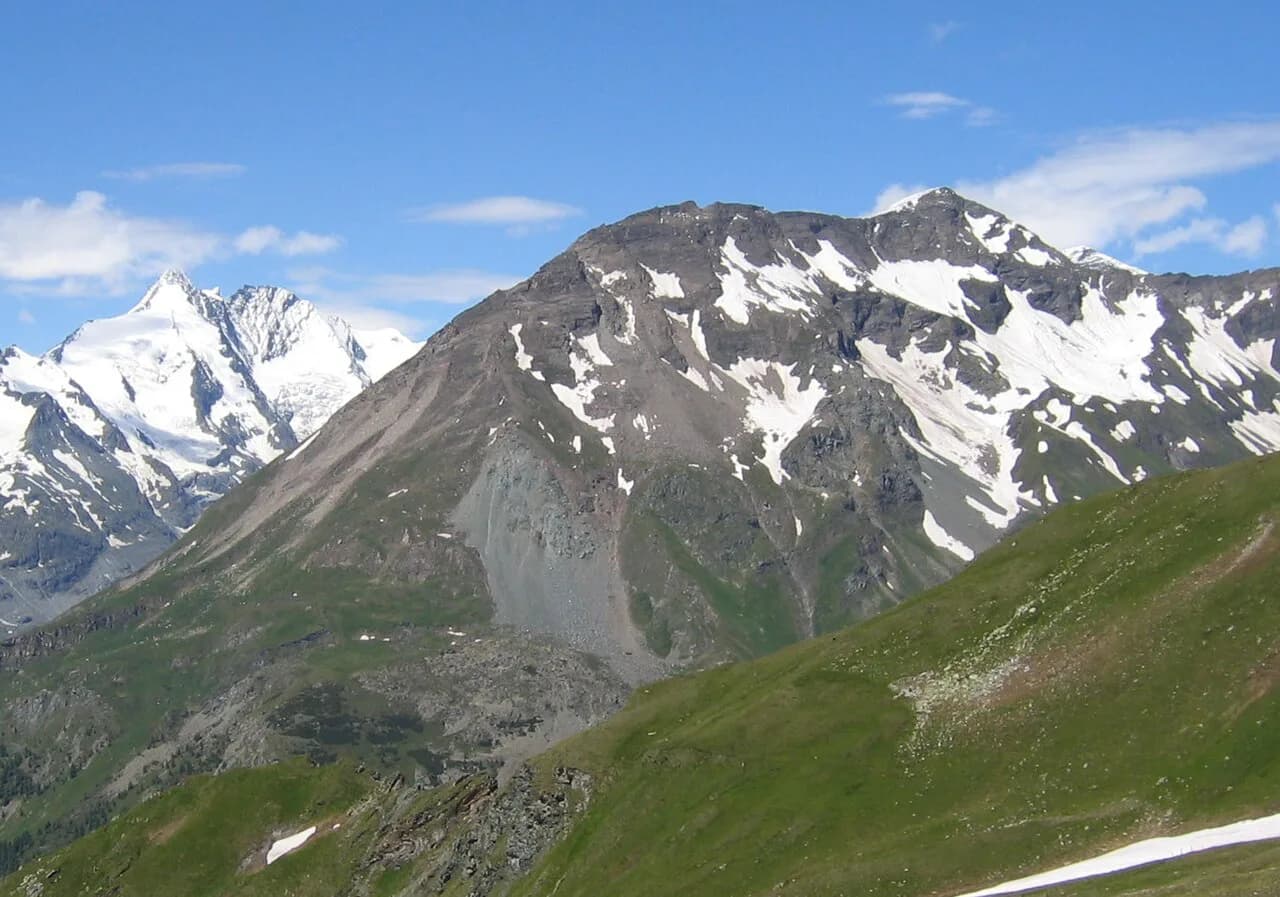
Heiligenblut am Großglockner is a mountain village in Carinthia at almost 1,300 meters above sea level, set in the Hohe Tauern National Park and watched over by the Grossglockner, Austria's highest mountain at 3,798 meters. It is best understood as the southern, Carinthian gateway to the Grossglockner High Alpine Road rather than a base for the summit itself. This guide covers the village layout, the sanctuary and its spire, what you can see from the valley, the national park programs, and how the village fits a route between Carinthia and Salzburg.
Heiligenblut at a glance
The village lies in a high valley of the Hohe Tauern, close to the foot of the Grossglockner, and its position under the peak shapes almost everything a visitor does here. Elevations are the first thing to fix in your head: the village sits at almost 1,300 meters, the Grossglockner rises to 3,798 meters, and the gap between the two explains the cooler air up here. Treat the altitude as a planning constraint for your first day rather than a statistic.
The village has long been a mountaineering village, and that history still sets the tone: ordinary guesthouses, a compact center, and trails leaving from the edges rather than a resort strip. What it does not have is a large museum quarter or a palace to fill an afternoon indoors, so build your day around the church, the valley views and the road up. The village's own tourism site is the place to confirm what is running during your dates.
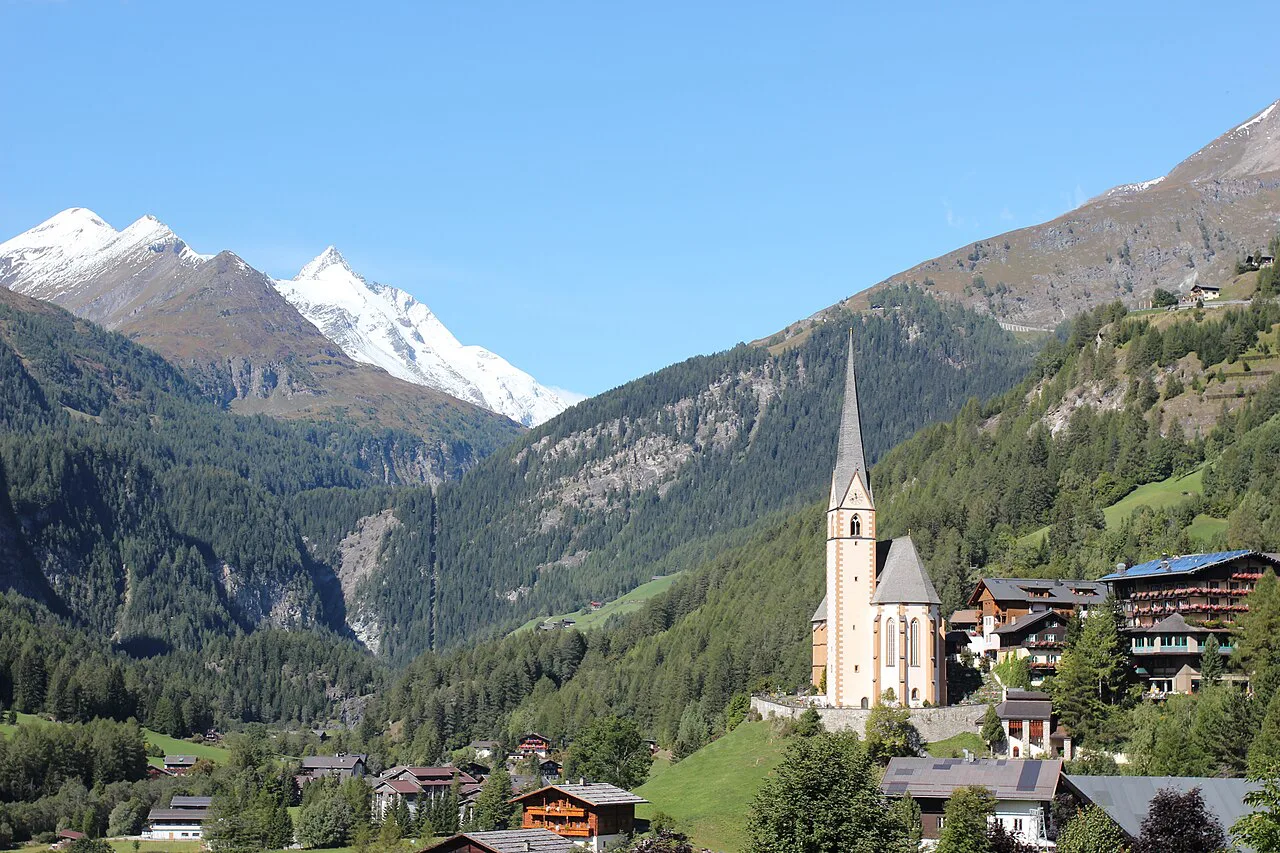
The village layout: spire, center and valley road
Heiligenblut is small enough to walk end to end, and the parish church with its slender spire is the landmark you navigate by. The valley road runs through the settlement, so the practical shape of a visit is a short walk around the church and center followed by a decision about whether to drive up or stay low. Allow an hour for the village core itself; the surrounding landscape is what takes the rest of the day.
Because the center is compact, you do not need a fixed walking route. Park once, walk the church and the lanes around it, then use the car or the bus for anything further out. The one thing worth confirming before you commit to a plan is which facilities are open on your dates, since a village of this size runs on the season.
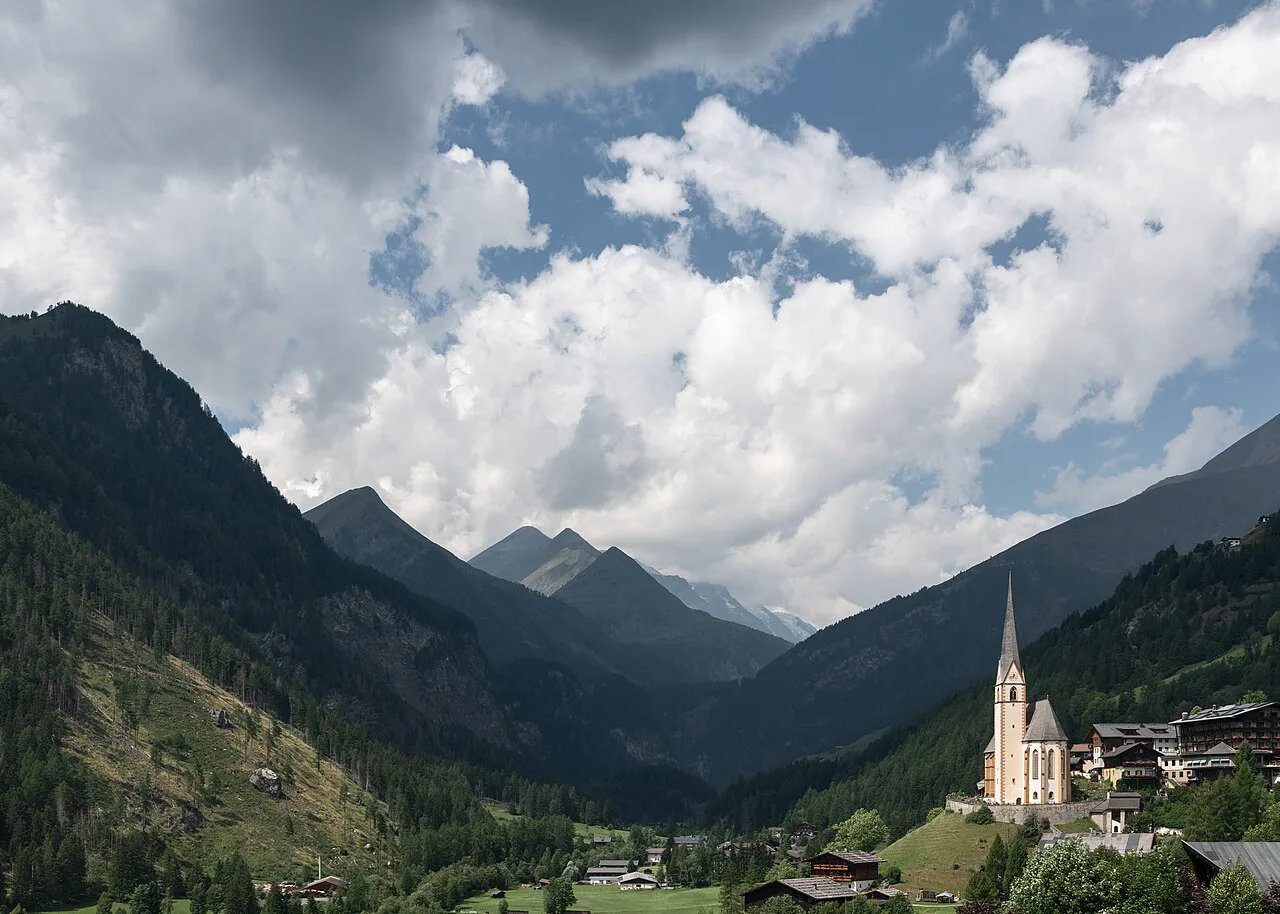
The Sanctuary Heiligenblut and its slender spire
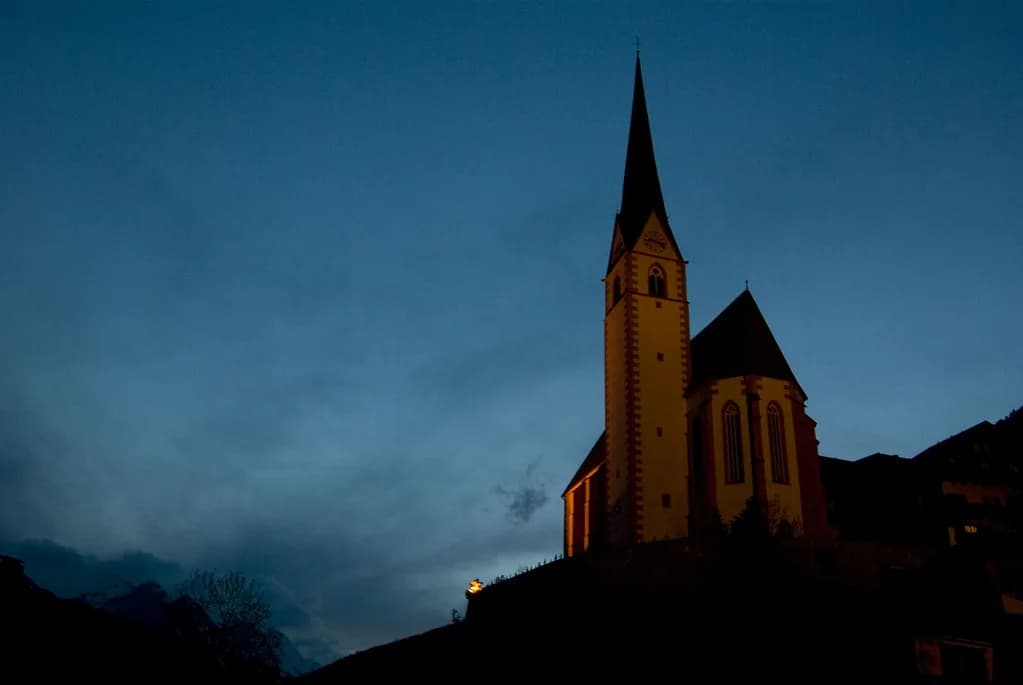
The Sanctuary Heiligenblut is the village's defining building and the reason the place reads as a pilgrimage stop as much as a mountain base. The tall, narrow spire is the silhouette you will recognize in every view of the valley, and it is best seen from a little distance rather than from directly below. Go early or late in the day if you want the churchyard without a crowd around the viewpoints.
This is a pilgrimage church rather than a ticketed attraction, and the village's tourism portal presents it as part of the landscape. Plan the church as a 20- to 30-minute stop and let it anchor your walk through the center. If you want to attend a service or see the interior at length, confirm times locally rather than assuming daytime access.
The Grossglockner and the Pasterze: what you see from the village side
From Heiligenblut you are looking at the Grossglockner, not standing on it, and the distinction matters for planning. The summit is Austria's highest at 3,798 meters, and reaching the glacier and the classic viewpoints means driving the high road up from the village side. Budget a half day for the ascent, the stops, and the return rather than treating it as a quick photo pull-off.
The Pasterze Glacier, the long glacier below the Grossglockner, is the set piece of the upper road, and the drive up is where most visitors spend their time. Note that everything above the village depends on the road being open, which is a snow-free-season proposition rather than a year-round one. Read the route page before you build a day around it.
The Grossglockner High Alpine Road: Heiligenblut as the Carinthian gateway
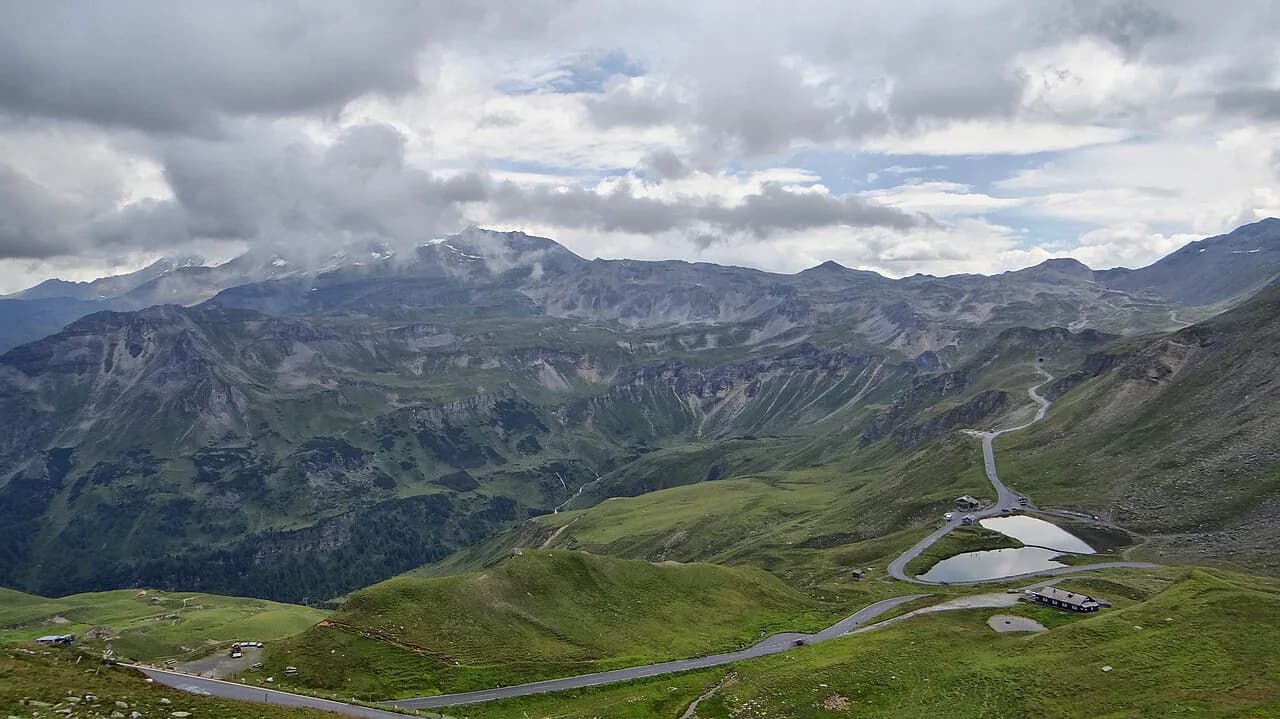
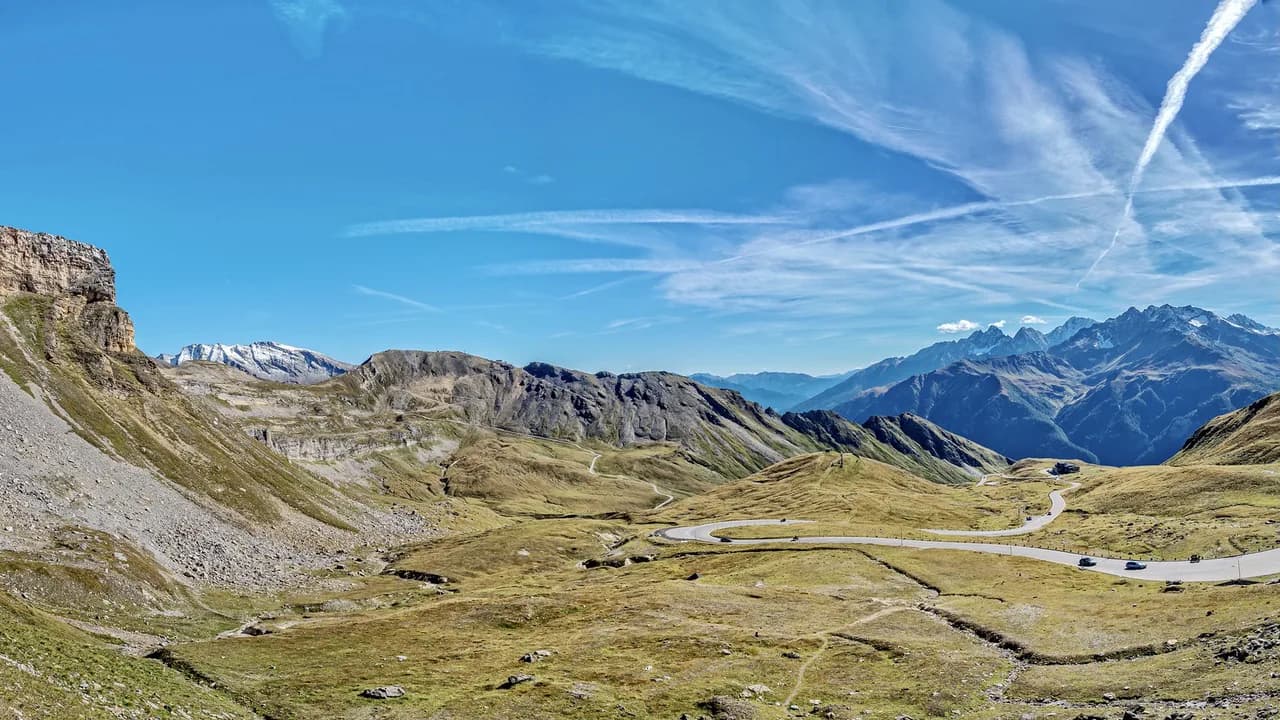
During the snow-free period the Grossglockner High Alpine Road links Carinthia to Salzburg, and Heiligenblut sits at the Carinthian end of that link. That makes the village a natural overnight or lunch stop for anyone crossing between the two provinces rather than a detour off the main route. The trade-off is straightforward: outside the snow-free months the high road is not part of your itinerary, and the village becomes a valley destination on its own.
If you are approaching from the north, the road's Salzburg-side end is the counterpart to Heiligenblut, and the two ends frame the drive. Plan the crossing as a full day with stops rather than a transit leg, and confirm the road's operating status and toll before you set out. Advance planning pays off here more than almost anywhere else in the eastern Alps.
Hohe Tauern National Park around the village
Heiligenblut sits inside the Hohe Tauern National Park, the largest protected area in the Alps, and the park is the reason the guided program here is worth a look. Guided hikes run in the national park, including formats built around watching wildlife, glacier trekking and night tours, all of which put a ranger between you and terrain you should not wander alone. These are seasonal offerings rather than fixed daily departures, so match them to your dates before you commit.
The park's wider network extends well beyond this valley: the National Park Worlds Mittersill exhibition on the Salzburg side and the Krimml Waterfalls are the other anchors travelers commonly pair with a Grossglockner trip. If your route runs east into East Tyrol instead, Matrei in Osttirol and Kals am Großglockner give you the same massif from different angles. Pick one park base per trip rather than trying to collect them all.
The gold diggers' village and summer gold panning
A reconstructed gold diggers' village near Heiligenblut tells the story of the miners who prospected for gold here between the 14th and 18th centuries, and panning for gold is a popular summer activity there. It is a good half-day for anyone traveling with children or wanting something other than another viewpoint, and it pairs easily with a short village walk. The catch is seasonality: this is a summer activity, so a spring or late-autumn visit will not include it.
Getting there and getting around
Most travelers reach Heiligenblut by car, which is also the only practical way to drive the high road on your own schedule. Arriving by public transport is possible in principle, but the village is a small mountain settlement, so check current rail and Postbus connections on the official timetables before you rely on them. Do not build a tight connection into a valley like this one.
Once you are in the village, driving is the default for anything beyond the center, including the road up to the glacier viewpoints. If you are coming from Carinthia's lake country, the nearest larger orientation points are the Drava valley towns, with Lienz the obvious stop if you continue west into East Tyrol. For a different high-road day, the Nockalm Road and the Malta High Alpine Road are the other scenic drives in this part of Austria.
How long Heiligenblut needs and how it fits a route
One night is the honest minimum if you want the village and the high road without rushing, and two nights makes the national park program realistic. A single day works only if you treat Heiligenblut as a lunch stop on a Grossglockner crossing. Decide first whether the road is open during your dates, because that answer changes the shape of the whole stay.
On a longer circuit, Heiligenblut sits naturally between Carinthia and Salzburg, with East Tyrol to the west and the Salzkammergut lakes well to the north. If you are heading west afterward, Kals am Großglockner and Matrei in Osttirol continue the same mountain story, while the Nockalm Road gives you a gentler alternative drive on the Carinthian side. Book the crossing for a clear-weather day, since the views are the entire point.
Local food and customs
Glockner lamb is the dish associated with this valley, and the village calendar includes an annual Glockner Lamb Festival that celebrates it. The other local tradition worth knowing about is the regional Christmas carolling in January, a custom dating from the 16th century that appears on Austria's UNESCO list of intangible cultural heritage. Both are fixed to particular weeks, so plan around them only if you have confirmed the current year's arrangements.
Should Heiligenblut be your Grossglockner base?
Yes, if you want the Carinthian end of the high road, a memorable church spire and a national park program within walking distance of your bed. No, if you need city comforts, year-round attractions or a base that does not depend on a seasonal mountain road. Choose Heiligenblut for the crossing and the valley, and confirm the road status and any guided program before you book.
Explore more Heiligenblut guides
Frequently Asked Questions
What is the highest point in Austria?
The Grossglockner, at 3,798 meters, is the highest mountain in Austria. Heiligenblut am Großglockner sits in the valley below it at almost 1,300 meters, so the summit is something you see and drive toward rather than stand on from the village.
Can you drive the Grossglockner High Alpine Road from Heiligenblut?
Yes, during the snow-free period the Grossglockner High Alpine Road links Carinthia to Salzburg, and Heiligenblut is the Carinthian gateway. Outside that season the road is not part of the itinerary, so check its operating status for your dates before planning the drive.
Sources
Notes for your next Austrian town break
Optional updates when we add or revise town guides.
You might also like
Continue reading
More guides you'll find useful