Matrei in Osttirol: A Town Guide to the Center and Hohe Tauern Valleys
Matrei in Osttirol is a small market town near the Großglockner, with Romanesque frescoes at St. Nikolaus and a national park center on the Kirchplatz.
On this page
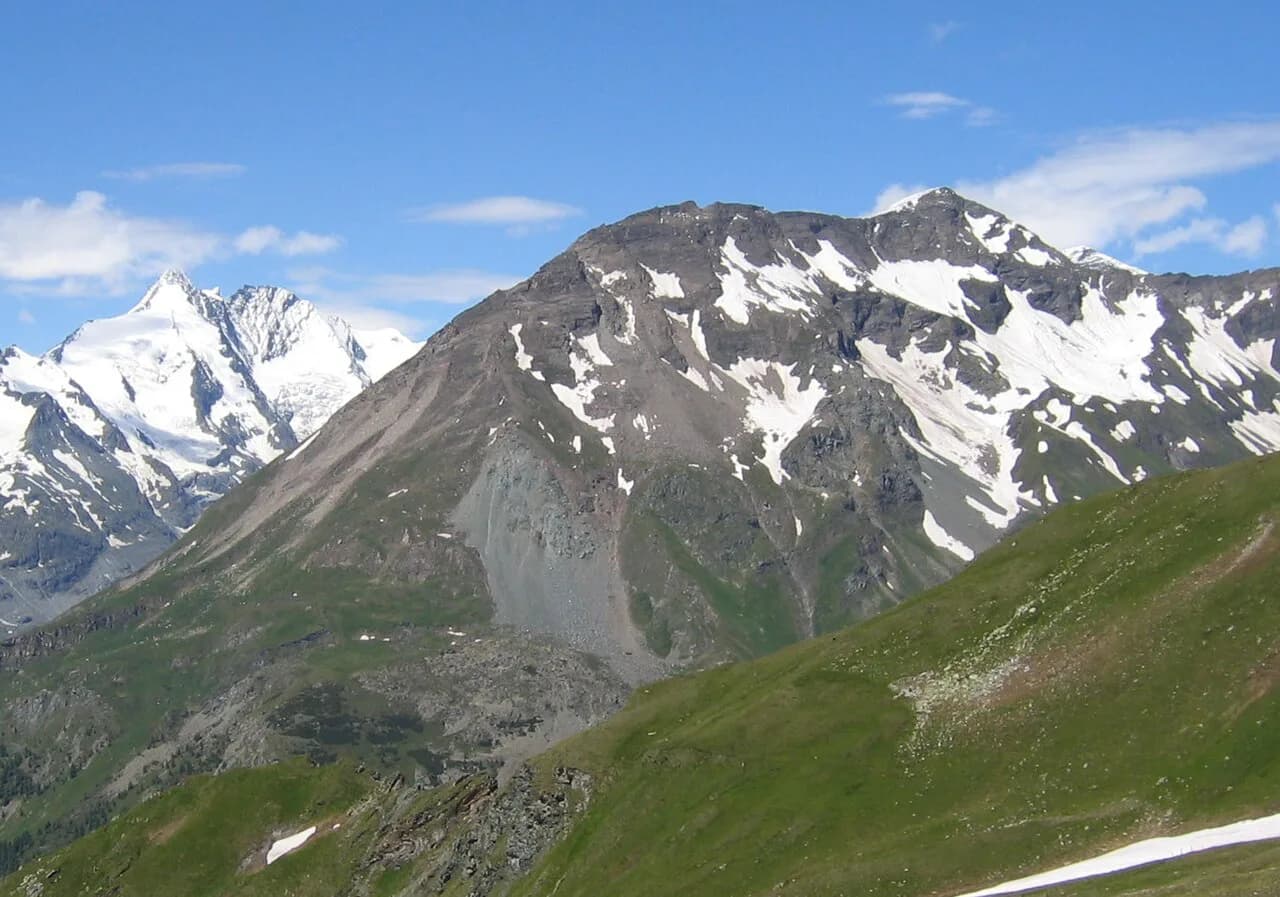
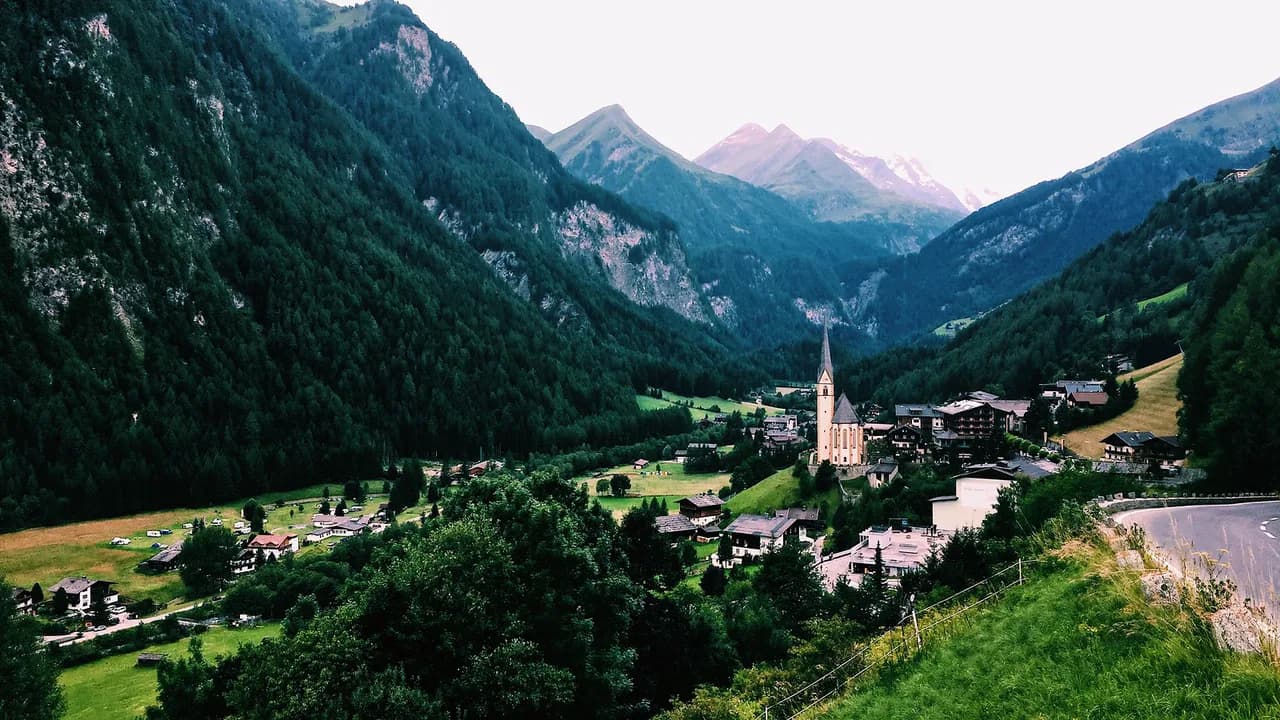
Matrei in Osttirol is a market town in the Virgental region of East Tyrol, set between the Großglockner and the Großvenediger at the foot of the Hohe Tauern. Plan on a half day for the center itself and a full day or more if you want the national park valleys and the Goldried panorama above town. This guide walks you through the Kirchplatz, the Romanesque church of St. Nikolaus, the Nationalparkhaus exhibition, and the trips out of town, then shows how Matrei fits a route over the Grossglockner High Alpine Road.
What Matrei in Osttirol is and where it sits
Matrei is a genuine market town rather than a tourism village: it has a compact center, a parish church, a castle that serves as the town's landmark, and a resident population that lives here year-round. It sits on the road toward the Felbertauern tunnel, which makes it a natural stop between the Salzburg side of the Alps and the Lienz basin. The town spreads along the valley floor of the Isel, with the Hohe Tauern rising on both sides.
The Virgental region groups Matrei with Virgen and Prägraten am Großvenediger, and the visitor site describes Matrei as a base for both winter and summer in the national park region. Distances between the three villages are short: from Virgen it is roughly 8 km and about 10 minutes by car to Matrei, and from Prägraten am Großvenediger about 18 km and 20 minutes, according to the regional tourism site. That makes Matrei the practical hub if you want to see several valleys in one stay.
If you are driving the Grossglockner High Alpine Road from the Salzburg side, Matrei sits south of the toll road's southern end near Heiligenblut, and it works as a quieter overnight stop away from the busiest viewpoints. The road itself is a seasonal, tolled alpine route, so check its opening status with the operator before you build a day around it. Heiligenblut am Großglockner is the closest town on the road's south ramp.
The town center: Kirchplatz and a compact layout
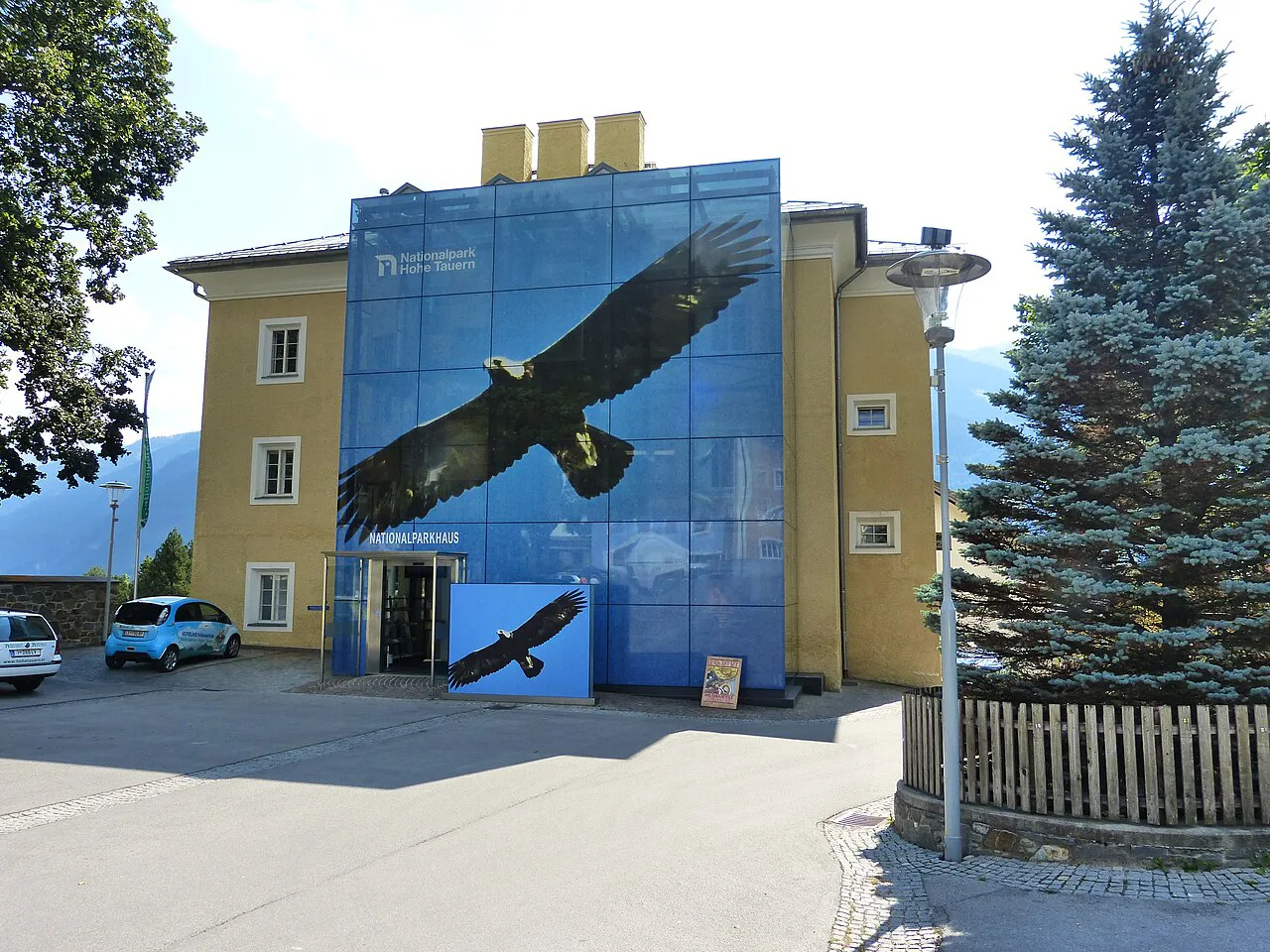
The center of Matrei is small enough to walk in well under an hour. The Kirchplatz is the anchor: the Nationalparkhaus sits at Kirchplatz 2 and the surrounding streets hold cafes and shops where you can stop between sights. Plan your walk around the square rather than trying to cover a grid of blocks; there is no large historic core to get lost in.
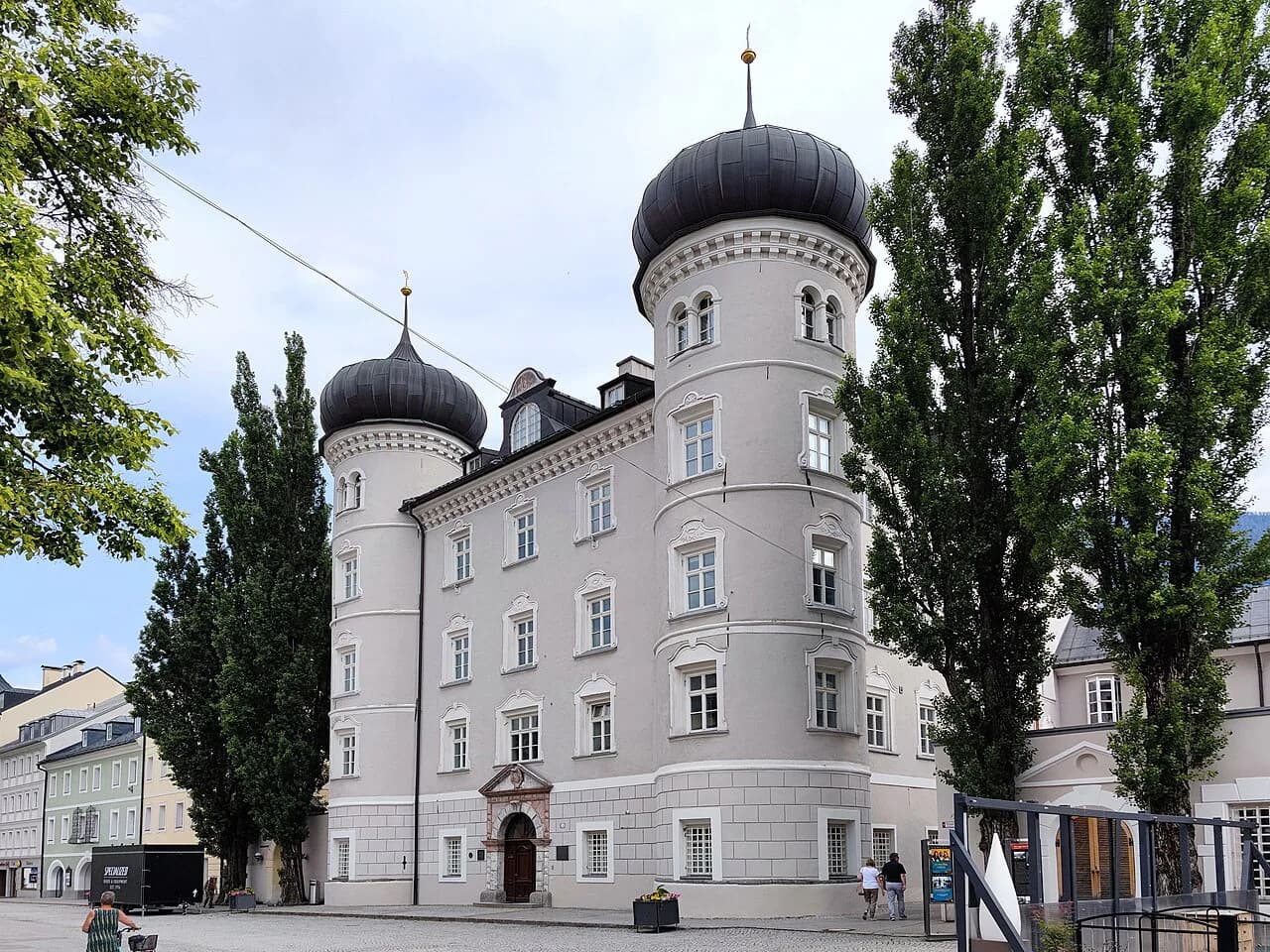
The Nationalparkhaus is the single most useful indoor stop in town, and it doubles as the visitor orientation point for the Hohe Tauern. From the square you can walk to cafes and shops, which makes the center easy to combine with a coffee stop. Schloss Weißenstein, the town's landmark castle, is the other sight worth building into a short town walk.
St. Nikolauskirche and its Romanesque frescoes
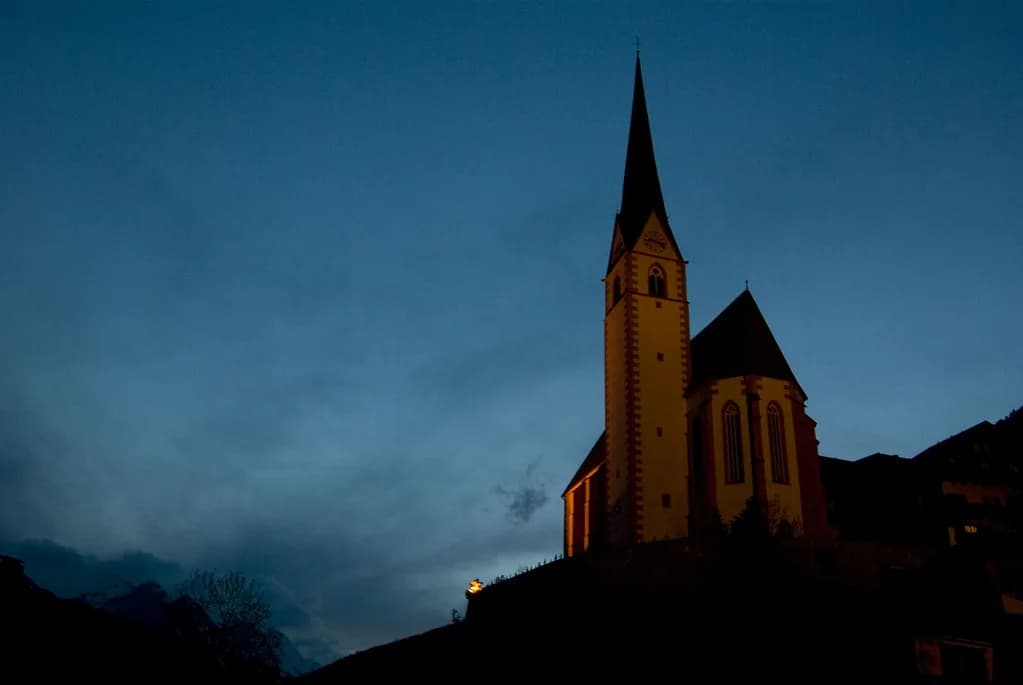
The church of St. Nikolaus is the oldest surviving church building in East Tyrol, with Romanesque origins in the 12th century. Excavations by the University of Innsbruck documented a Roman burial structure from the 2nd century next to two earlier churches on the site, so the spot has been used for more than 1,800 years. That layered history is what makes the church more than a quick photo stop.
The art-historical draw is the Romanesque fresco cycle in the stacked chapel rooms. The frescoes were exposed until 1778, then blackened by a fire and painted over with limewash; they were rediscovered in 1857 and carefully uncovered and restored from 1881. The later tower set on the choir, making it an east-tower church, is described as a rarity across the Alps. Give the church a half hour if you read the panels, and check the parish's published visiting arrangements before you go.
Schloss Weißenstein, the town landmark
Schloss Weißenstein is Matrei's best-known built landmark, named as the town's signature sight by the regional tourism site. Treat it as a short stop that rounds off the town walk rather than a half-day castle visit: the tourism site lists it among the excursions around Matrei without publishing tour times or admission details. Check the castle's own notices for whether interiors are open when you plan to be in town.
Nationalparkhaus Matrei: the Hohe Tauern exhibition
The Nationalparkhaus at Kirchplatz 2 is the visitor center of the Hohe Tauern National Park and the town's main indoor attraction. The exhibition covers the high-mountain world from peaks and glaciers to wildlife and alpine habitats, with interactive stations and films that suit families, school groups and anyone who wants background before heading into the valleys. For the park's 25th anniversary the show "Tauernblicke – Momente des Staunens" opened, adding 360-degree video and presentations of East Tyrol's national park hotspots such as the Jagdhausalmen, the Umbalfälle and the glacier trails.
Its position at the Kirchplatz makes it the obvious anchor for a rainy or short afternoon, since you can step out into the center for a coffee afterwards. Budget roughly an hour for the exhibition, more if you watch the films.
Rainy-day trade-off in a mountain town
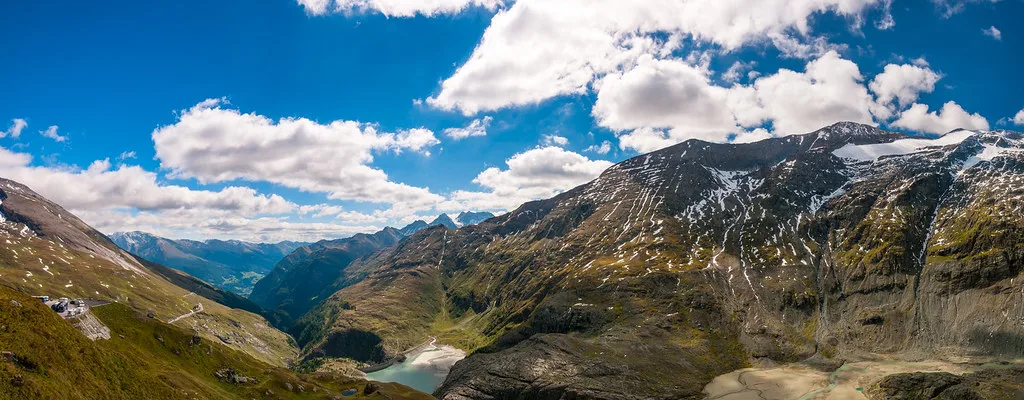
Matrei's main draw is the landscape above town, so a wet day narrows your options quickly. The Nationalparkhaus is the reliable indoor choice, and combining it with the church and a long lunch in the center fills an afternoon without a car. Save the valleys and the lifts for a clear day: the Gschlößtal and Goldried rely on visibility for the views that justify the trip.
Valleys above town: Gschlößtal and Proßeggklamm
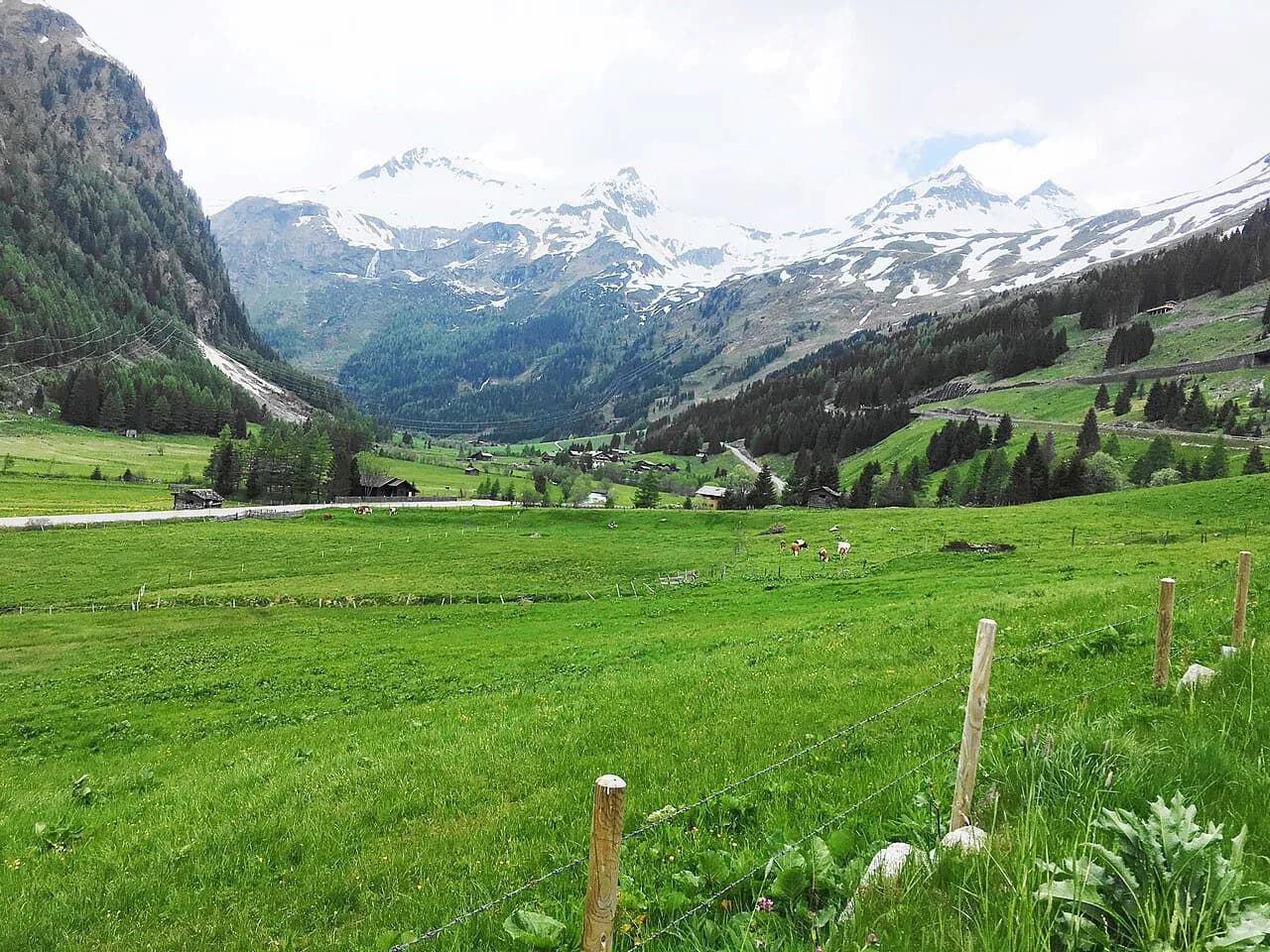
The Gschlößtal is the classic excursion from Matrei, a side valley off the Tauerntal that leads toward the glacier world below the Großvenediger. It is a mountain valley, so the walk in and the conditions at the head of the valley depend on the season and the weather; the regional site pairs it with the Gletscherweg Innergschlöß for visitors who want the full valley. Check trail status and snow line before setting out, and carry layers even in high summer.
The Proßeggklamm is the shorter, closer option, a gorge walk that the regional site lists among the excursions directly around Matrei. It suits a half-day when you do not want a long drive or a high-altitude start. Paths in both valleys are governed by weather and snow, so treat any posted closure as final rather than a suggestion.
Goldried-Bergbahnen in summer
The Goldried-Bergbahnen climb the slope above Matrei and open up a panorama walking area in summer, with mountain paths and places to stop for food at the top. The lift effectively buys you altitude: you start above the valley floor and walk from there rather than climbing the whole slope. Operating times, tickets and seasonal offers come from the lift operator and vary through the year, so confirm the dates that match your trip.
The trade-off is that the lift is a summer and winter operation, not an all-year convenience, and the walking from the top station is alpine terrain. If the cable car is closed for maintenance or between seasons, the same views cost you a long climb. Pair the panorama with the Großglockner views at the Glocknerwinkel near Kals, where a national park information point looks straight at Austria's highest mountain.
Getting there and onward
Matrei sits on the Felbertauern road, so arriving by car is straightforward from the Salzburg side or from Lienz in the south. If you are following the Grossglockner High Alpine Road, plan Matrei as a stop on the southern approach rather than a detour.
Once you are in the Virgental, eligible overnight guests can use nearly all regional scheduled buses free of charge with the Welcome Card Osttirol, according to the regional tourism site. The condition matters: it is a guest card benefit, not a general free-transit scheme, so ask your host for the card. That makes leaving the car parked a realistic option for the valley villages.
Lienz, the main town of East Tyrol, is the regional hub for onward transport and shopping, with a compact old town and the Schloss Bruck museum of the painter Albin Egger-Lienz. It is also the base for the Roman town of Aguntum just outside the city. If you are heading south, the Malta High Alpine Road toward the Kölnbrein Dam is another alpine drive worth researching separately.
How long Matrei needs and where it fits a route
Give Matrei one night and a full day if you want the town center, the church and the Nationalparkhaus, plus either the Gschlößtal or the Goldried lift. A half day covers the Kirchplatz, St. Nikolaus and a stop at the castle, which is enough if you are passing through on the way to Heiligenblut. Add a second day if you want both the valley walk and the panorama above town.
On a Großglockner loop, Matrei works best as the quiet counterweight to the busy viewpoints on the high road, and as a place to sleep before or after the drive. The route between Matrei and Heiligenblut is short, but the high road itself closes seasonally and is tolled, so build in a buffer for weather. If you are continuing east, the Pasterze Glacier and the Edelweissspitze are the classic stops above the road.
Practical limits worth knowing
Three things shape a Matrei visit. First, the lifts and the summer panorama areas run on their own seasonal schedule from the operator. Second, the valley trails and any winter walking routes depend on snow and weather, and the regional site warns that summer paths are not automatically safe in winter. Third, the free regional bus benefit is tied to eligible overnight stays with the guest card. Check the operator's published lift calendar and the trail status information before committing a day.
Is Matrei worth a stop on a Großglockner trip?
Yes, if you treat it as a town and a valley base rather than a checklist stop. The center gives you an hour's walk around the Kirchplatz, the Romanesque frescoes at St. Nikolaus make the church the highlight, and the Nationalparkhaus at Kirchplatz 2 is the indoor fallback when the mountains disappear into cloud. Stay a night if you want the Gschlößtal, and use Matrei as the quiet end of a Großglockner drive.
Explore more Heiligenblut guides
Frequently Asked Questions
Is Matrei in Osttirol a town or a village?
It is a market town, the main settlement of the Virgental region in East Tyrol. It has a compact center around the Kirchplatz, a parish church, a castle landmark and a national park visitor center, and it serves as the hub for the villages of Virgen and Prägraten am Großvenediger nearby.
What is the postal code of Matrei in Osttirol?
The Nationalparkhaus Matrei at Kirchplatz 2 lists its address as 9971 Matrei in Osttirol. Use that code when searching for the town in navigation apps or when addressing mail to the visitor center.
What is the weather like in Matrei in Osttirol?
Matrei lies in an alpine valley at the foot of the Hohe Tauern, so mountain weather changes faster than the valley forecast suggests. Check the local forecast published by the regional tourism site and the national park before setting out, and treat snow line and trail status as the deciding factors for any valley walk.
Sources
Notes for your next Austrian town break
Optional updates when we add or revise town guides.
You might also like
Continue reading
More guides you'll find useful