Edelweissspitze: The Grossglockner Road's Highest Viewpoint
Edelweissspitze is the highest passable point of the Grossglockner High Alpine Road, reached by a steep cobbled 1.6 km spur with six hairpins and a summit inn.
On this page
Edelweissspitze is the highest passable point of the Grossglockner High Alpine Road, reached by a steep, narrow spur that leaves the main road and climbs to a summit inn on a rocky shoulder above the toll route. It is a viewpoint with a road to it, not a mountain summit, and that distinction shapes everything about the visit. This guide covers where the spur branches, what the climb is like, what sits at the top, and how to fit it into a drive between Fusch and Heiligenblut.
What Edelweissspitze is and where it sits
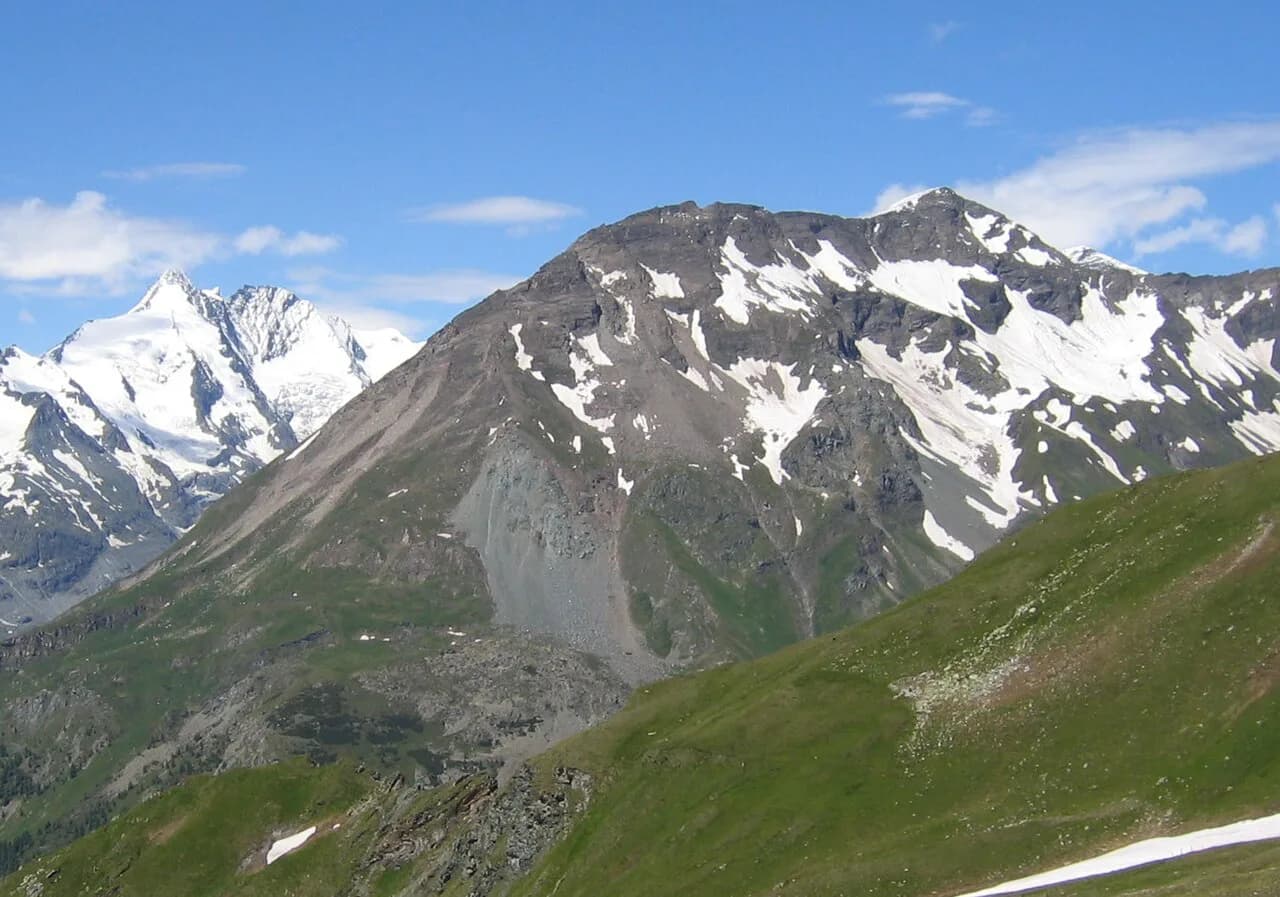
The Edelweissspitze stands on the Grossglockner High Alpine Road and is described as the highest passable point of that road, reached by a steep cobbled branch road. It is a viewpoint on the route rather than a summit in its own right.
Because the spur is a dead end, the detour costs you the climb up plus the descent before you rejoin traffic heading toward the Pasterze Glacier or down to Heiligenblut. Build it in as a stop of its own rather than something you pass through on the way. Drivers coming from the Fusch side meet the turn-off before the road's main high section; those climbing from the Carinthian side reach it later in the drive.
The spur road: 1.6 km and six hairpins
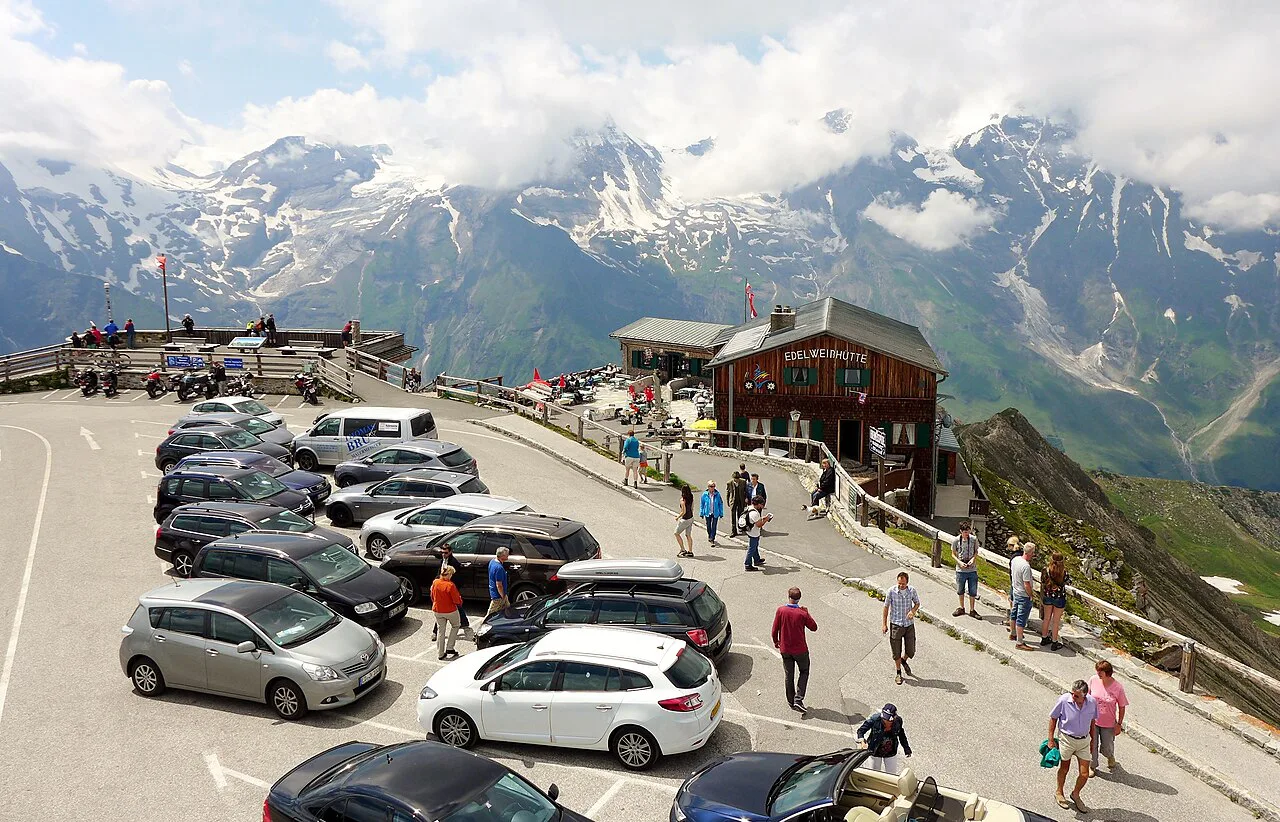
The summit inn's own history page records that the 1.6-kilometer route to Edelweißspitze, with six hairpins, was built in summer 1934 in just 47 days as part of the main road project directed by engineer Franz Wallack between 1930 and 1935.
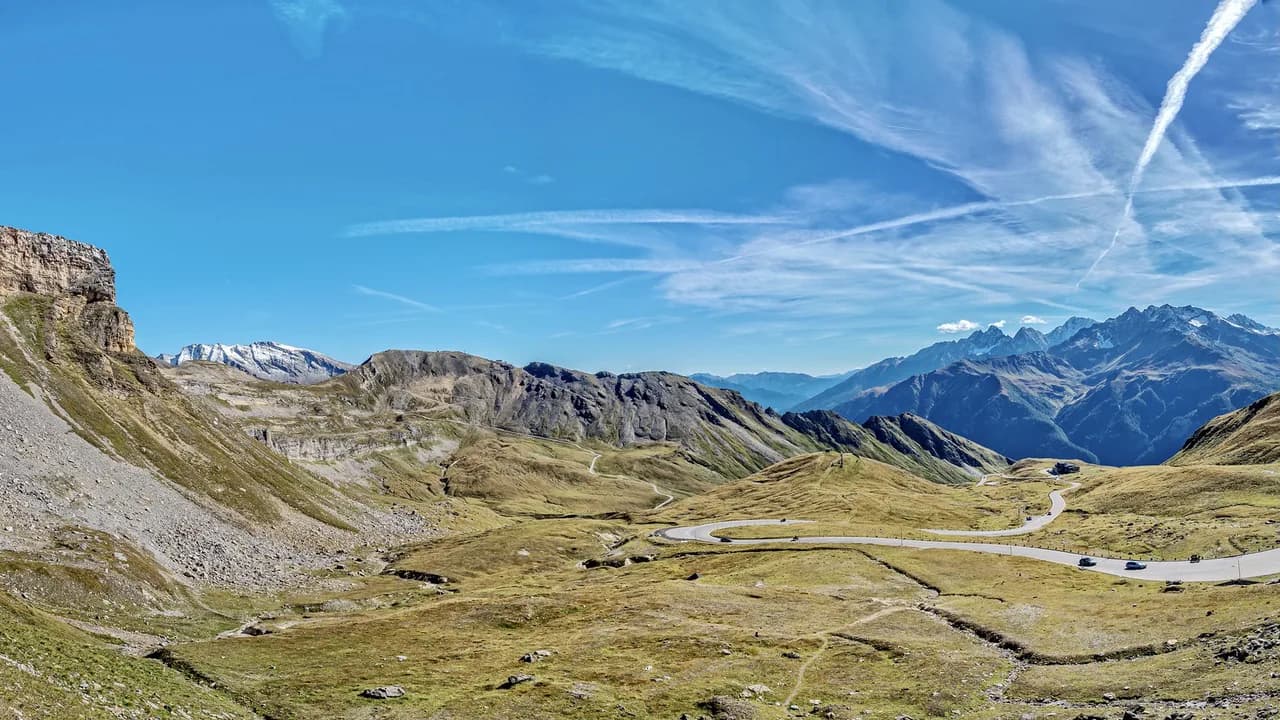
The approach is described as a steep cobbled branch road with six hairpins in 1.6 kilometers, so plan for a slow, deliberate climb rather than a fast detour.
The Edelweißhütte at the top
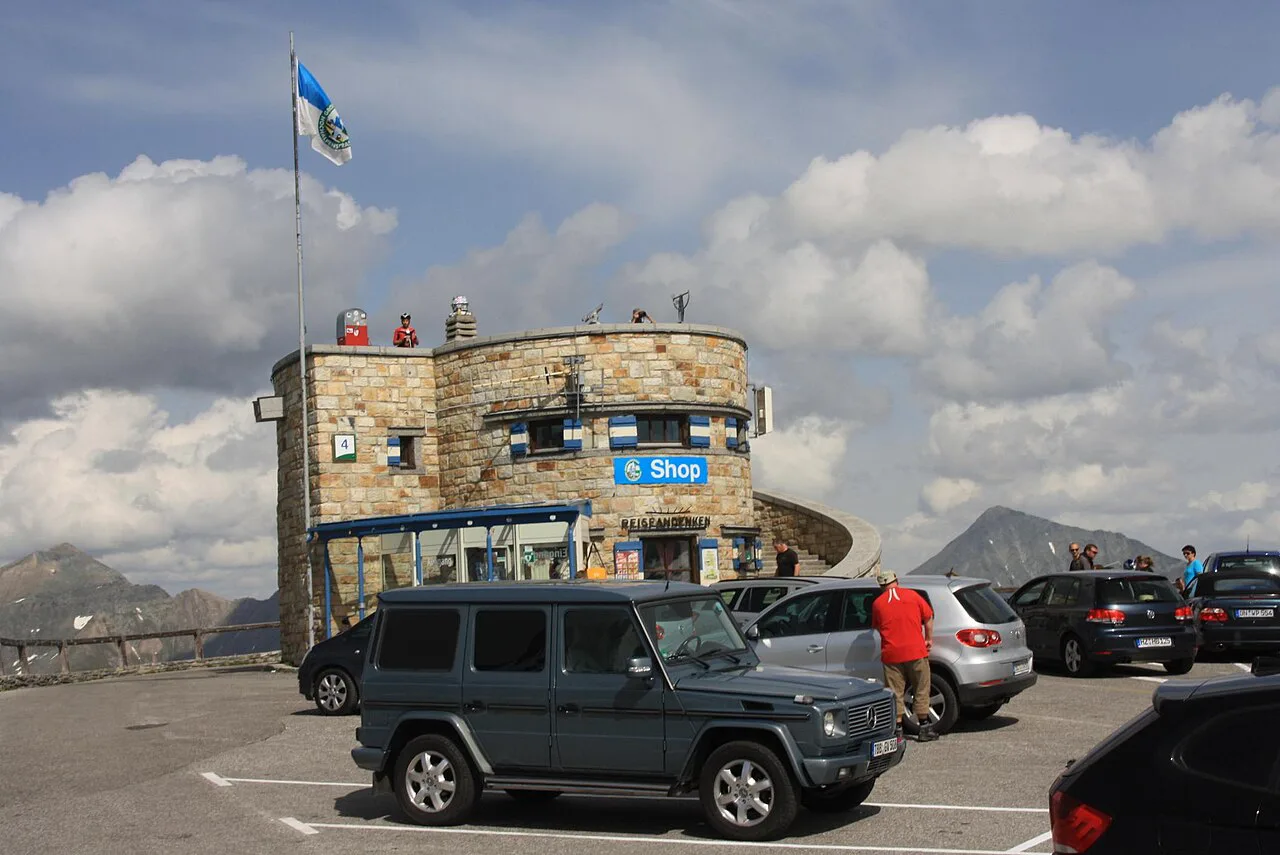
At the top sits the Edelweißhütte, a mountain inn the Lederer family built in 1935, the year the high alpine road opened. The family history records that it became a Berggasthof in 1968 under Maria Lederer, was expanded and modernized after Trude and Kurt Lederer took over in 1988, and has been run by the current generation since 2013. It stands at 2,571 meters.
The inn's own site invites visitors to send a room inquiry directly, so any overnight at this elevation is arranged with the operator rather than booked like a town hotel.
How long to allow and how the detour fits a drive
The detour is a climb of 1.6 kilometers with six hairpins to the summit inn and then the same descent back to the main road, so treat it as an out-and-back side trip rather than a through-route.
The Edelweissspitze is reached from the toll Grossglockner High Alpine Road, so the road toll covers access to the spur; check the road operator's current toll and seasonal opening dates before you set out.
Getting there without a car
The Edelweissspitze is reached by the Grossglockner High Alpine Road, so any visit by car, motorcycle or other road vehicle uses that toll route. For the road itself and its other stops, see the Grossglockner High Alpine Road guide, and for the Carinthian end of the drive see Heiligenblut am Großglockner.
Because the spur is a dead-end branch of the toll road, you climb it and return by the same hairpins rather than continuing on through. The rest of the high alpine drive, including the stretch toward Heiligenblut am Großglockner, is covered in the separate road guide.
The panorama and the weather at 2,571 meters
The top is the highest passable point of the Grossglockner road, with the summit inn at 2,571 meters and a steep six-hairpin climb from the main route.
At 2,571 meters the summit is high ground, so pack a windproof layer even in midsummer and be ready to skip the climb if the weather turns.
Practical constraints before you climb
The approach is a steep, cobbled 1.6-kilometer branch road with six tight hairpins, and the inn at the top stands at 2,571 meters, so the climb demands a vehicle and driver comfortable with narrow mountain bends.
The Edelweissspitze spur is a side trip off the Grossglockner High Alpine Road, and the road's own toll and seasonal calendar apply to the whole drive. Pair it with the Pasterze Glacier and the descent to Heiligenblut am Großglockner for a full day on the high road.
Edelweissspitze in summary
If you want the highest drivable viewpoint on the Grossglockner road and a summit inn with a history dating to 1935, the Edelweissspitze spur delivers both in a short, steep climb.
Skip it if cloud is sitting on the summit, or if your day is already full with the main road and its other stops. Check the road's seasonal dates and toll before you set out, and ask any tour operator whether the spur is included.
Explore more Heiligenblut guides
Frequently Asked Questions
Is Edelweissspitze the highest point of the Grossglockner road?
It is the highest passable point, meaning the highest place you can drive to on the road, reached by a side spur rather than sitting on the main through-route. The road's main high section and the Grossglockner massif itself are separate features.
Do you need a ticket for the Edelweissspitze spur?
The spur is reached from the Grossglockner High Alpine Road, which is a toll route, so the road toll covers your access. Check the current toll and the seasonal opening dates before you drive.
Can you stay overnight at the summit?
The Edelweißhütte at the top takes room inquiries directly through the operator. Arrange any overnight at 2,571 meters with the inn rather than assuming availability on arrival.
Sources
Notes for your next Austrian town break
Optional updates when we add or revise town guides.
You might also like
Continue reading
More guides you'll find useful