Hohe Tauern National Park: Valleys, Waterfalls and Mountain Roads
Plan a Hohe Tauern National Park visit around National Park Worlds in Mittersill, the Krimml Waterfalls and the Grossglockner High Alpine Road.
On this page
Hohe Tauern National Park is the biggest protected area in the Alps, and you can see a great deal of it from a car seat, a cable car or a paved valley road. The park spreads across SalzburgerLand, Carinthia and Tirol, so its villages belong to three different provinces and sit hours apart. This guide sorts out how the park is laid out, which sights reward a short stop, what the Nationalpark SommerCard covers and how the mountain roads shape a summer route.
Skip the idea that a national park visit has to mean a summit day. The park region's own experience pages bundle museums, waterfalls, swimming and eight summer cable cars alongside its trails, and several of the headline sights are ticketed attractions with parking.
What Hohe Tauern National Park is and where it sits
Hohe Tauern National Park is the largest national park in Austria and one of the largest protected areas in the Alps, spread across SalzburgerLand, Carinthia and Tirol. That tri-province position explains a practical quirk: two park villages an hour apart on the map may belong to different regions with different guest cards, bus networks and tourist offices.
For trip planning, treat the park as a set of gateways rather than one destination. Mittersill and the Pinzgau valleys serve the Salzburg side, Heiligenblut and the Grossglockner road anchor the Carinthian side, and Matrei in Osttirol and Kals am Großglockner open the East Tyrol approach. Pick one or two gateways for a short trip and save the rest for a longer loop.
The park is a protected landscape first, with glaciers, side valleys and managed alpine pastures inside its boundaries, so the sights are scattered and the driving distances are real. Budget whole days for a single valley rather than hopping between three of them.
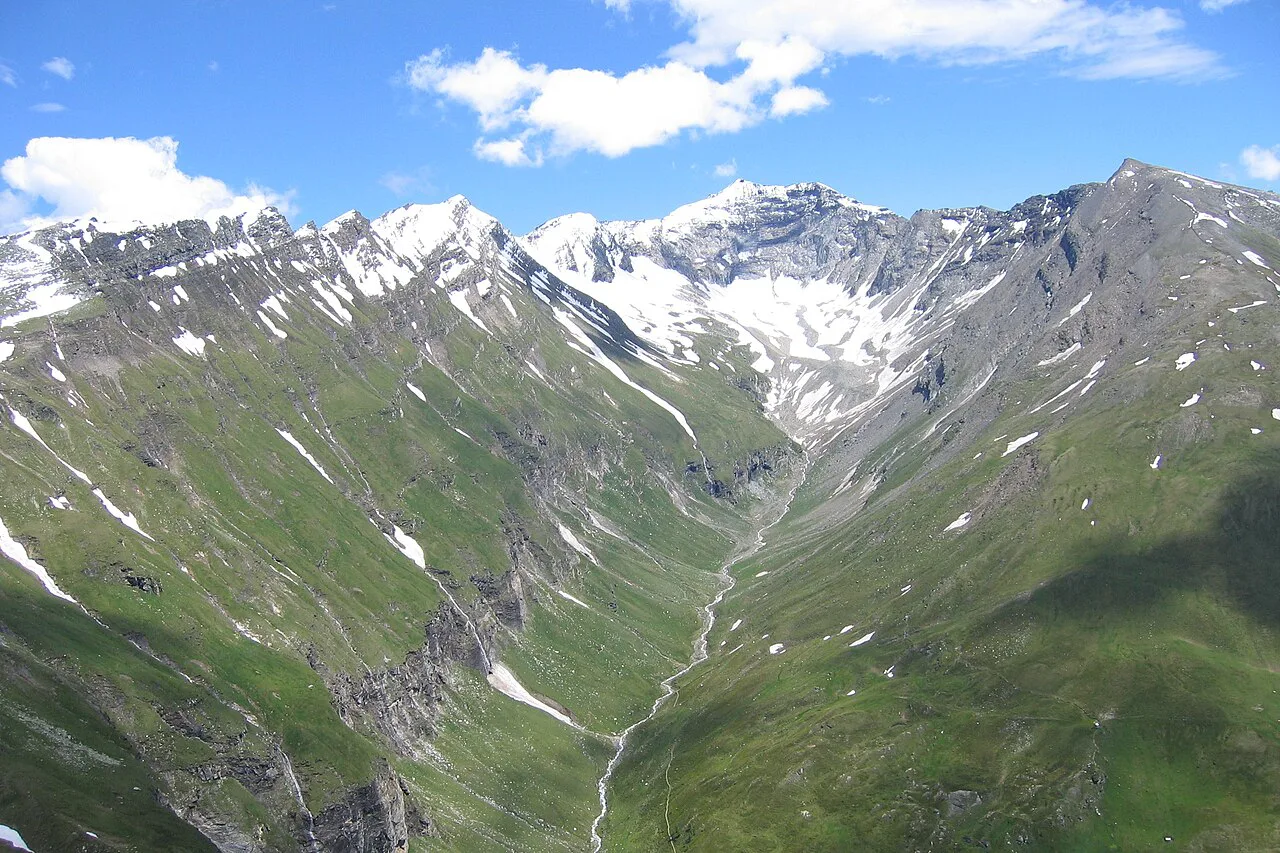
How the park is laid out: valleys, villages and the touring portal
The park region organizes itself around thirteen national park valleys, from the Wildgerlostal and Krimmler Achental in the north to the Gasteinertal and Kaprunertal further east. Each valley has its own access road, parking and trailheads, and the park region publishes them as individual pages with a touring portal and a summer map that flags what is open on a given day.
The national park villages act as service bases: museums, cable car stations, pools and guest-card sales cluster there rather than inside the valleys. This matters for a non-hiking visit, because the ticketed attractions you can reach in ordinary shoes sit in or near those villages.
A realistic touring shape is one valley plus one village attraction per day. The distances between the Salzburg, Carinthian and Tyrolean sides are long enough that a single-day dash across the park leaves you in the car.
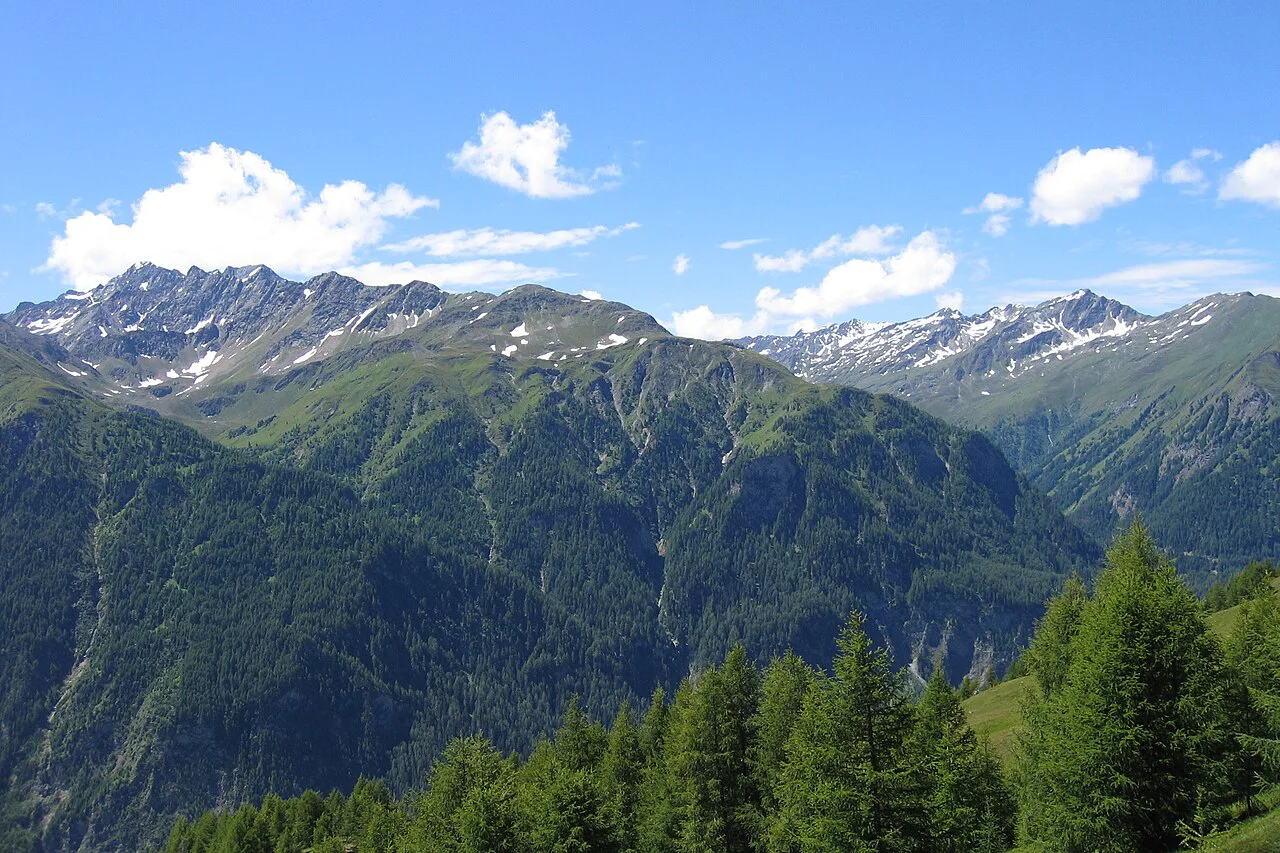
National Park Worlds Mittersill: the anchor exhibition
National Park Worlds in Mittersill is the park's main visitor exhibition and the best single stop if you want the geology, wildlife and glacier story in one indoor place. It appears on the park region's attraction list as included with the Nationalpark SommerCard, which makes it a natural first stop before you drive into any valley.
Treat the exhibition as orientation rather than a substitute for the mountains: it sets up what you will see at the waterfalls, on the high road and from the cable cars, and it works when weather cancels a summit plan. Mittersill itself sits on the Salzburg side, close to the Felbertal and Stubachtal valley entrances, so it slots into a drive between Zell am See and the Grossglockner road.
Krimml Waterfalls and Worlds of Water
The Krimml Waterfalls are the park's most famous single sight, and the park region lists entry to the falls, the Worlds of Water and free parking at lots P4 and P5 as included with the Nationalpark SommerCard. That makes the falls one of the card's headline inclusions rather than an add-on.
The falls sit at the head of the Krimmler Achental. The Worlds of Water add an exhibition element at the base, giving non-walkers something to do while others climb to the viewpoints; the park region publishes the current open status on its attractions list.
Grossglockner High Alpine Road: the drive and its seasonal window
The Grossglockner High Alpine Road is the park's signature drive, and the park region positions it as a summer experience. It is presented with a one-day ticket for a car or motorbike per stay with a valid Nationalpark SommerCard, so treat the card here as a listed road-ticket benefit rather than a free pass.
Plan the road as its own day, not a through-route squeezed between two towns. Weather and traffic all eat into the hours, and the northern and southern ends sit far apart. Our Grossglockner High Alpine Road guide covers the toll stations, the sequence of viewpoints and where the Pasterze Glacier sits along the way.
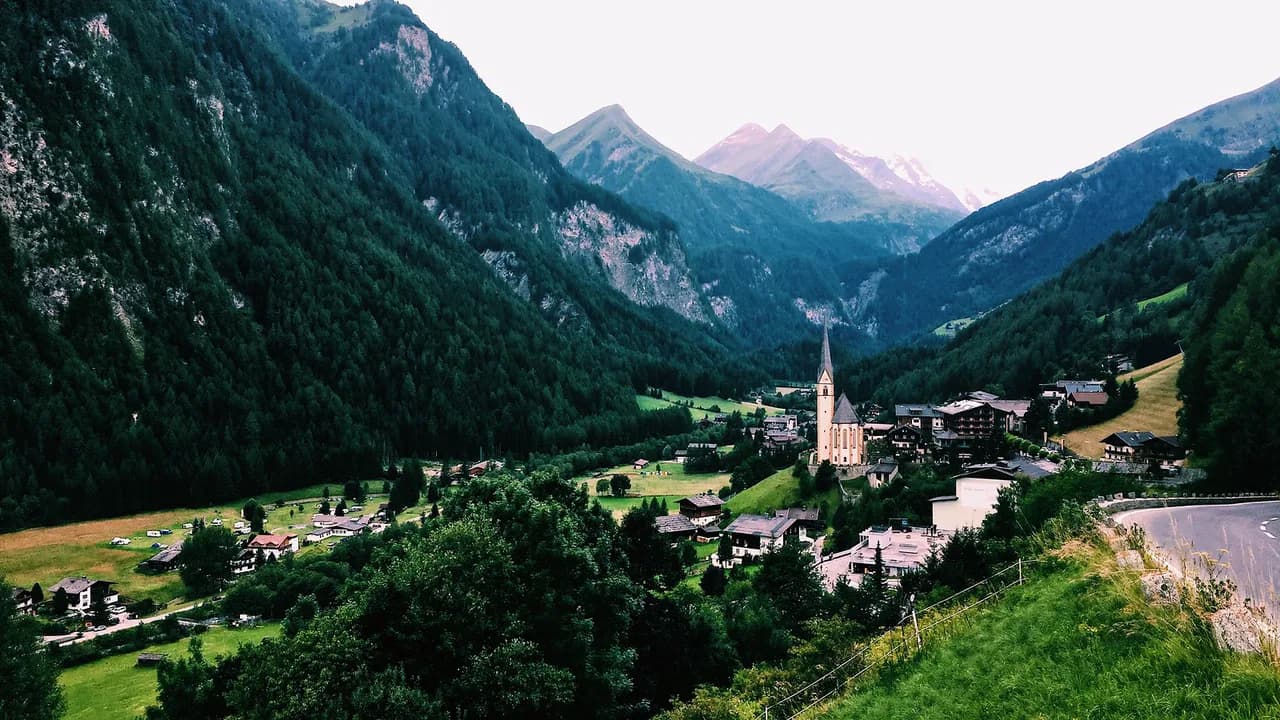
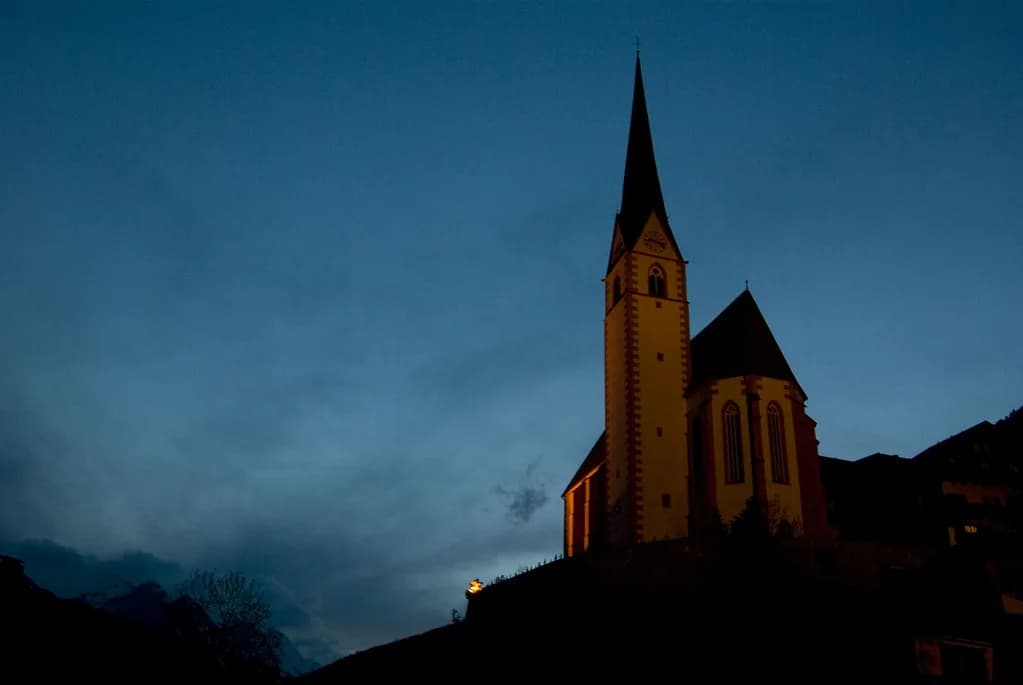
At the southern end, Heiligenblut am Großglockner gives you a village base with the famous church spire under the peak, and it is the natural overnight stop before or after the drive. The Edelweissspitze side road branches off the high road to a high viewpoint, and the Pasterze Glacier has its own visitor area near the road's summit section.
If the drive is the point of your trip, our Grossglockner High Alpine Road guide covers the toll stations, the sequence of viewpoints and the Pasterze Glacier, while the Heiligenblut am Großglockner guide handles the village at the southern end.
Cable cars that put you at eye level with the peaks
The park region counts eight summer cable cars, from the Dorfbahn Königsleiten to the Großarler Bergbahnen, and they are the shortcut to altitude for anyone not hiking up. Kitzsteinhorn, above Kaprun, markets itself as the Top of Salzburg, and the park region lists an adult TOP OF SALZBURG ticket at €56.00 as a guest-card rate without ski equipment, so treat that figure as the cardholder price rather than a general admission.
The Schmittenhöhe above Zell am See offers roughly ten percent off its Gipfelstürmer or Erlebnis tickets for adults at the cash desk with the Nationalpark SommerCard, and the Wildkogel Cable Car near Neukirchen includes ascent and descent with the card. Those three make a sensible ladder: a high glacier cable car, a classic viewpoint above a lake town and a family-friendly lift with included rides.
Cable car pricing at the ticket window differs from the guest-card rate, so check the operator's board on the day rather than budgeting from a single figure. The park region's attraction entries list what each card covers.
Quiet valleys and cultural landscape sights without a long hike
Beyond the headline sights, the park region lists smaller draws that suit a slow afternoon: the Museum Bramberg, included with the Nationalpark SommerCard, the wood exhibition at the Mühlauersäge in Fusch with a discount for cardholders, and the Kristallbad in Wald im Pinzgau with a three-hour pool ticket included.
The park's cultural landscape is part of the designation, with alpine pastures and managed huts inside the protected area, and the park region publishes an overview of its cottages and alpine pastures. That makes a valley drive to a serviced hut a legitimate park visit, not a detour from one.
East Tyrol adds its own gateways, with Matrei in Osttirol and Kals am Großglockner on the southern flank and Lienz as the region's main town for supplies and an old-town stop.
Getting around by car, Postbus and train
A car is the practical way to link the park's valleys, because the sights sit off valley roads with their own parking, and the park region flags free parking at the Krimml falls lots as part of the card's included services. Without a car, base yourself in a village with a rail or bus connection and pick one valley per day.
The park region runs a mobility section and a touring portal within its site, which is where bus and rail connections into the valleys are published. Check those pages for the current season's services before you commit to a car-free plan, since valley buses do not all run year-round.
Costs in euros: entries, cable cars and the Nationalpark SommerCard
The Nationalpark SommerCard is the single biggest cost decision in the park. It bundles entries that would otherwise be paid separately: National Park Worlds, the Krimml Waterfalls with parking, the Wildkogel Cable Car, Museum Bramberg, the Kristallbad pool ticket and a Grossglockner road one-day ticket, plus a Gerlos Alpine Road day ticket. If your plan touches three or four of those, the card usually beats buying each one.
Where the card gives a discount rather than free entry, the saving is smaller: about ten percent at the Schmittenhöhe cash desk and ten percent at the Fusch wood exhibition. The Kitzsteinhorn guest-card rate of €56.00 for an adult TOP OF SALZBURG ticket is the listed cardholder figure, and general admission is priced separately by the operator.
Guest cards are normally issued by participating accommodations, so the card's value depends on where you sleep; the park region lists its SommerCard hosts separately from its other listings. Compare that host list against your shortlist before assuming the card is available to you.
When to go: summer access versus winter
Summer is the season that opens the whole park to a non-hiking visitor: the cable cars run, exhibitions operate and the Grossglockner road sells its day ticket. The park region's winter offering shifts to ski areas and a separate Nationalpark WinterCard, with a different set of experiences.
The park region publishes the current open status of its attractions and the high road's ticket information, so check both before you plan a day around the drive.
Which gateway fits your route?
Choose Mittersill if you want the exhibition, the Krimml Waterfalls and the northern Grossglockner approach in one loop, and Heiligenblut if the drive itself is the point. Add a cable car day at Kitzsteinhorn or Schmittenhöhe only if the weather forecast is clear, since cloud on the summit turns a pricey ticket into a whiteout.
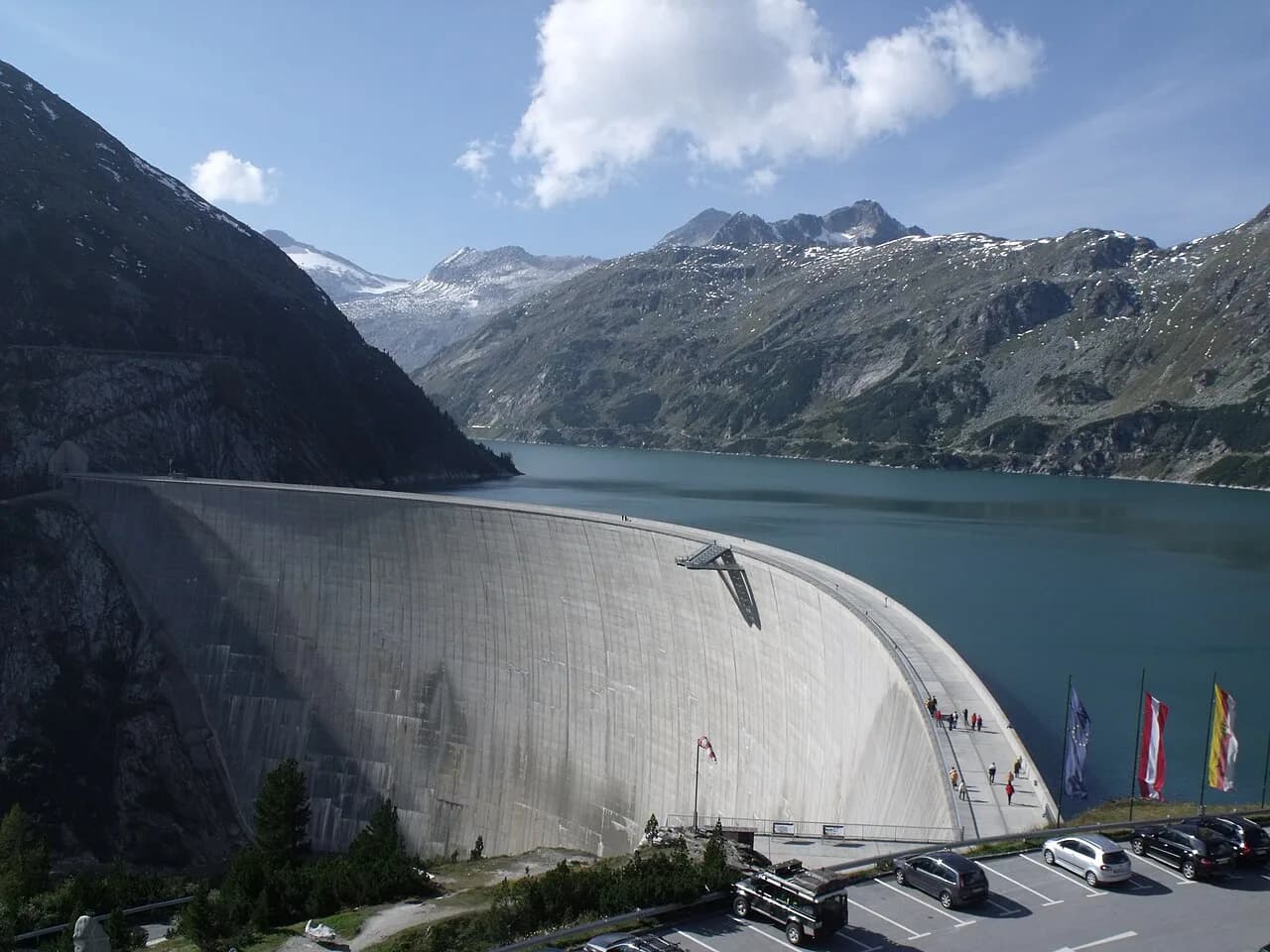
If your route continues south or east, the Malta High Alpine Road and the Nockalm Road extend the same mountain-road logic into Carinthia, and the Kölnbrein Dam gives the Malta road its destination.
Frequently Asked Questions
Do you need a car to see Hohe Tauern National Park?
Not strictly, but a car makes the park far easier. The main ticketed sights sit off valley roads with their own parking, and the park region publishes bus and rail connections through its mobility pages. A car-free visit works best with a single village base and one valley per day.
Is the Grossglockner High Alpine Road part of the national park?
The high road runs through the Hohe Tauern mountains and is marketed by the park region as one of its experiences, with a one-day ticket for a car or motorbike per stay listed for Nationalpark SommerCard holders. It is presented as a summer experience, so check the park region's current status before you build a day around it.
What does the Nationalpark SommerCard include?
The card bundles entries and services such as National Park Worlds in Mittersill, the Krimml Waterfalls with parking at lots P4 and P5, the Wildkogel Cable Car, Museum Bramberg, a three-hour pool ticket at the Kristallbad and a Grossglockner road one-day ticket. Discounts rather than free entry apply at Schmittenhöhe and the Fusch wood exhibition.
Sources
Notes for your next Austrian town break
Optional updates when we add or revise town guides.
You might also like
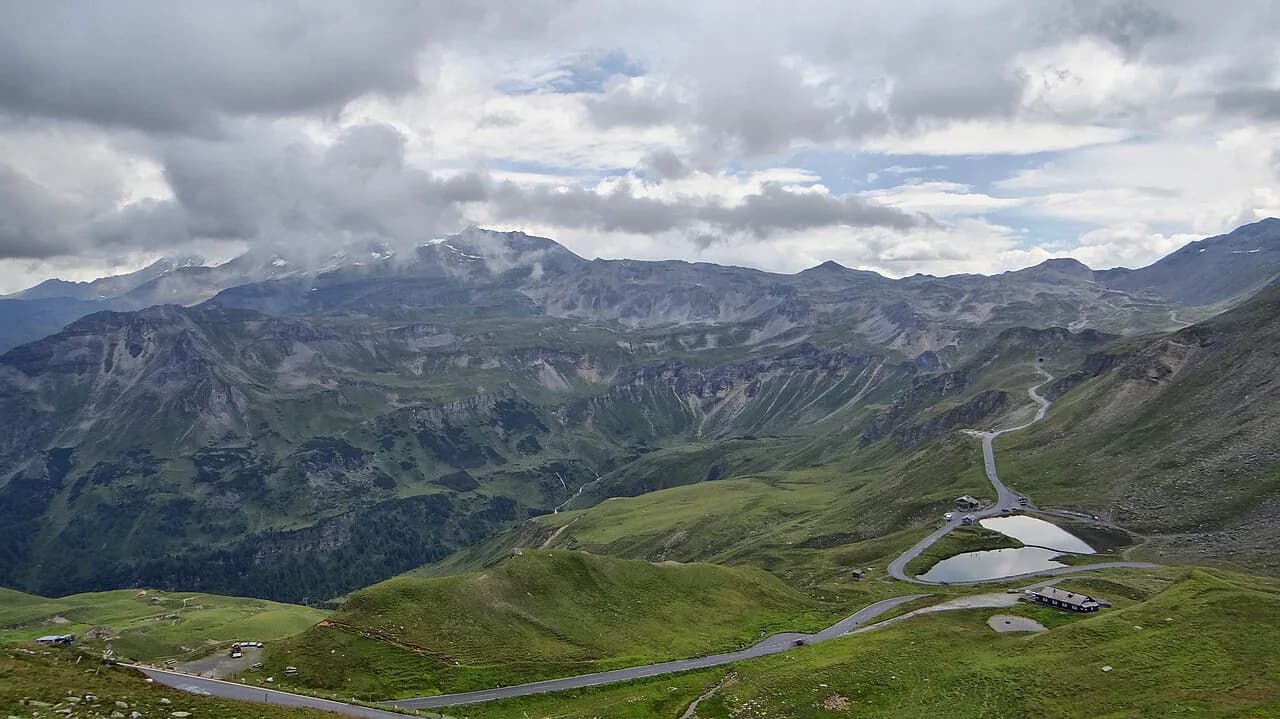
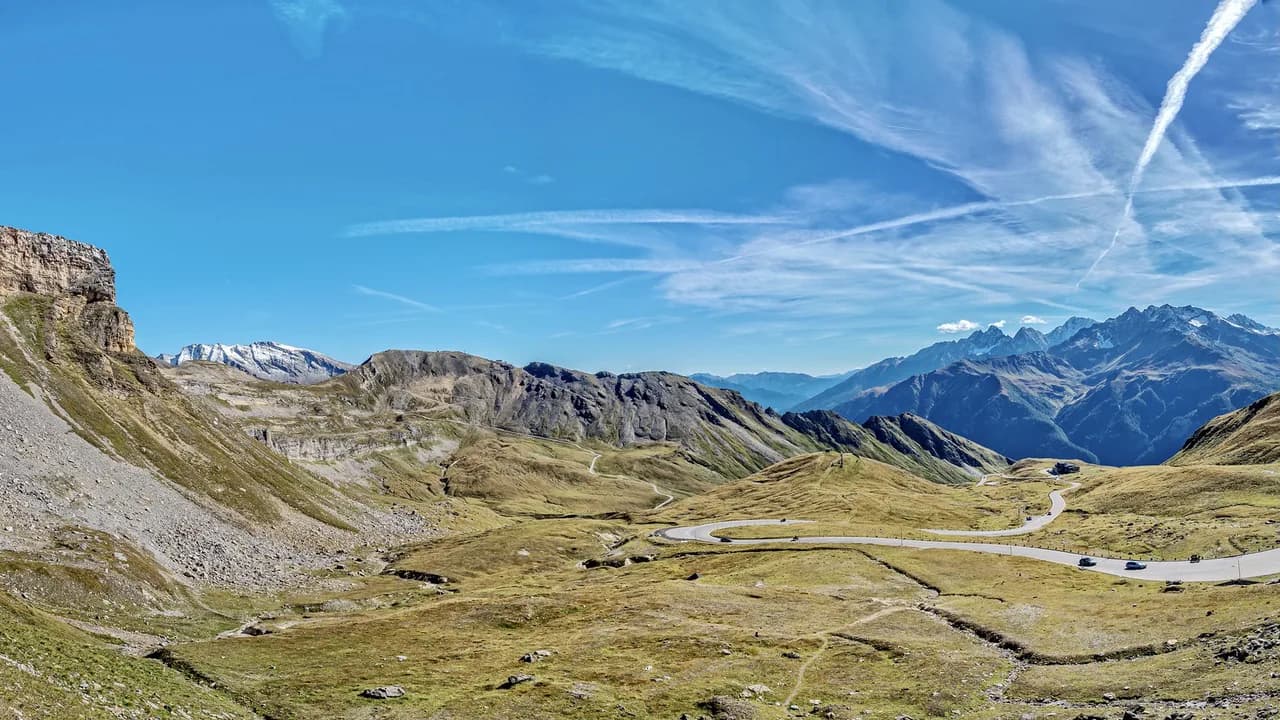
Continue reading
More guides you'll find useful