Things to Do in Linz: Old Town, Museums and Pöstlingberg
Plan a day in Linz around the Hauptplatz, Mariendom, Linz Castle, the Ars Electronica Center and Pöstlingberg, grouped by area so the city walks easily.
On this page
Linz rewards a stop between Vienna and Salzburg because almost everything worth seeing sits within walking distance of the Hauptplatz, and Austria's third-largest city sees a fraction of the crowds that fill the other two. Give it a full day and you can cover the main square, two cathedrals, the castle hill, the riverside museums and the Pöstlingberg view without rushing. This guide groups the sights by area and bank of the Danube so you can plan a route, with notes on transport and how the pieces fit into an Upper Austria itinerary.
How Linz is laid out
The old town sits on the south bank of the Danube, with the Hauptplatz as its center and the Landstrasse running south from it toward the train station. The Mariendom stands a few blocks southwest of the main square, and the castle sits on the ridge just west of the Altstadt. Across the river, the Ars Electronica Center faces the old town, so crossing a bridge puts you in a different half of the visit.
This compact layout is why the city works on foot. Everything from the Hauptplatz to the Mariendom, the Alter Dom and the foot of the castle hill is a short stroll, and you only need public transport for Pöstlingberg or the station. Trams and buses run through the center on clearly marked routes, with ticket machines at the stops.
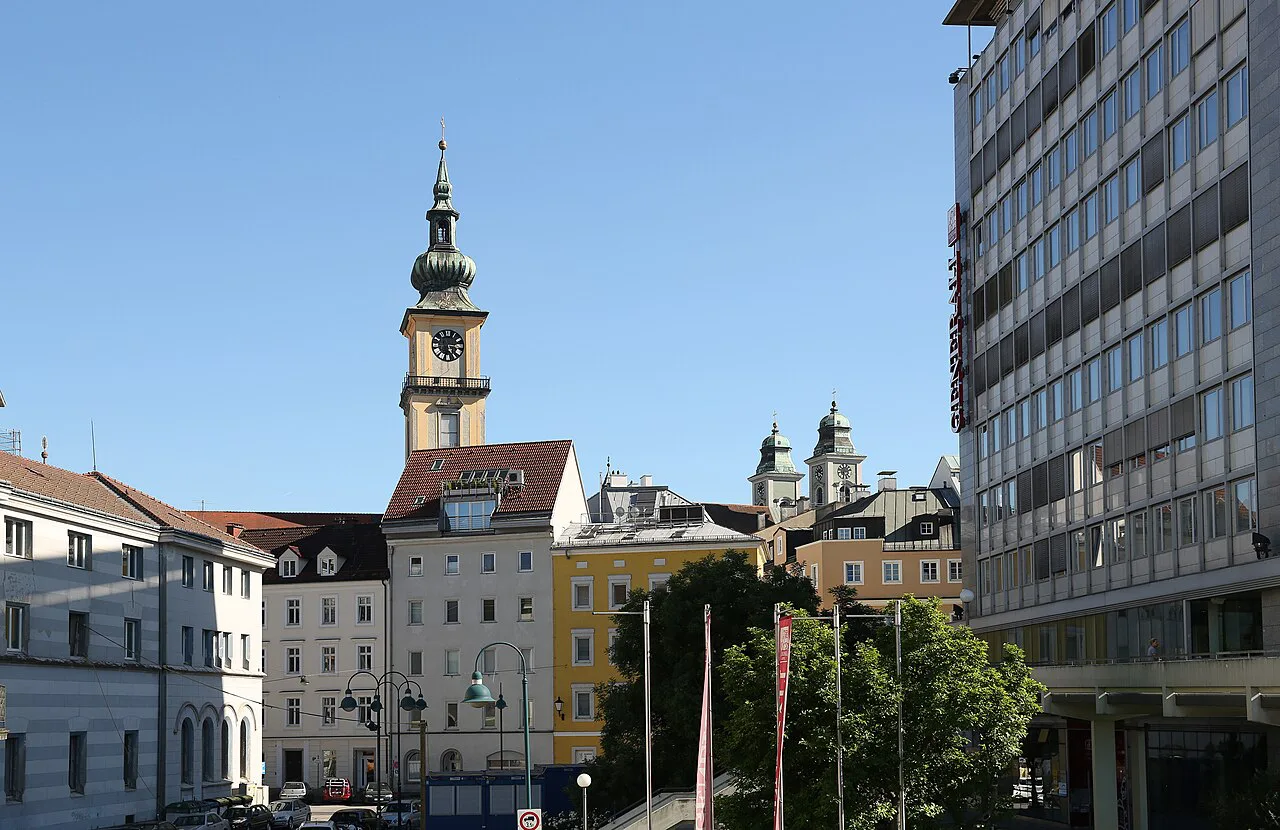
Hauptplatz and the Trinity Column
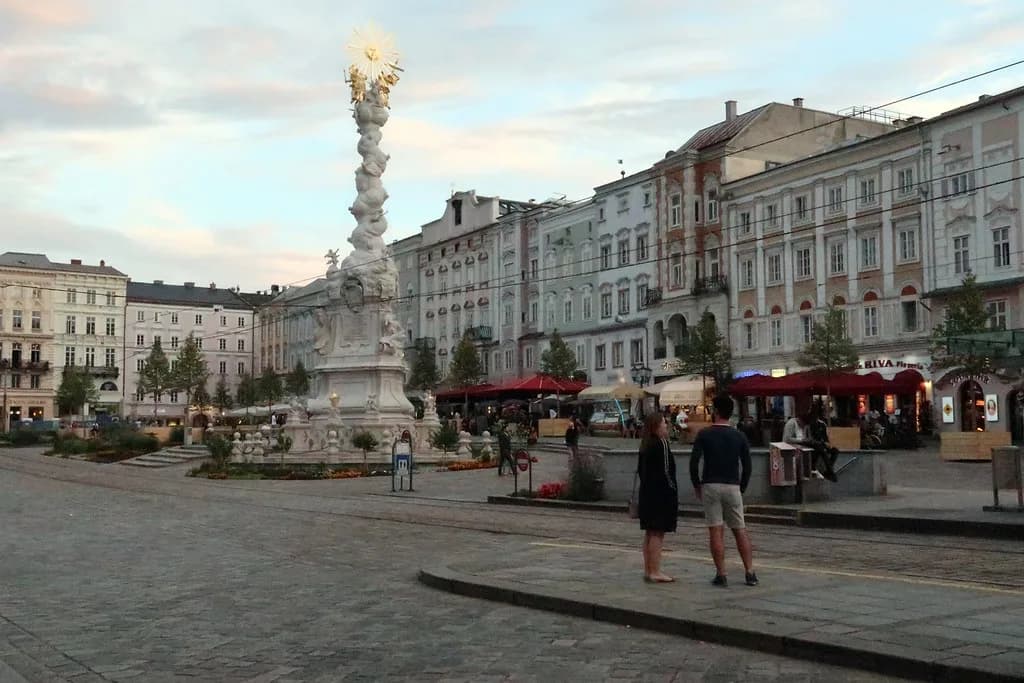
The Hauptplatz is Linz's main square and the natural place to start, a long, open space lined with buildings that show a mix of Gothic, baroque and later facades. Its centerpiece is a 20-meter column dedicated to the Holy Trinity, a baroque monument that anchors the square and gives you a fixed point to orient yourself. The square also hosts a flea market from time to time, which changes the atmosphere on those days. If you are weighing a second Austrian stop, the things to do in Graz offer another compact old town to compare.
From the square you can walk into the pedestrian streets of the Altstadt within a minute, or head south down the Landstrasse. Treat it as a junction rather than a single sight: you will pass through it several times in a day.
Wandering the Altstadt
The old town's small streets hold pastel-colored facades, independent shops and quiet corners, and because Linz draws fewer tourists than Vienna or Salzburg, walking here stays calm even when the center is busy. The lanes between the Hauptplatz and the river are the most rewarding stretch for an unhurried look at the architecture, and much of it costs nothing to see.
Allow time to loop through the streets without a fixed plan between the square and the castle hill. A guided route helps if you want the buildings explained, and the layer of medieval street plan under the later facades is where the city's history shows most clearly.
Mariendom, Austria's largest church
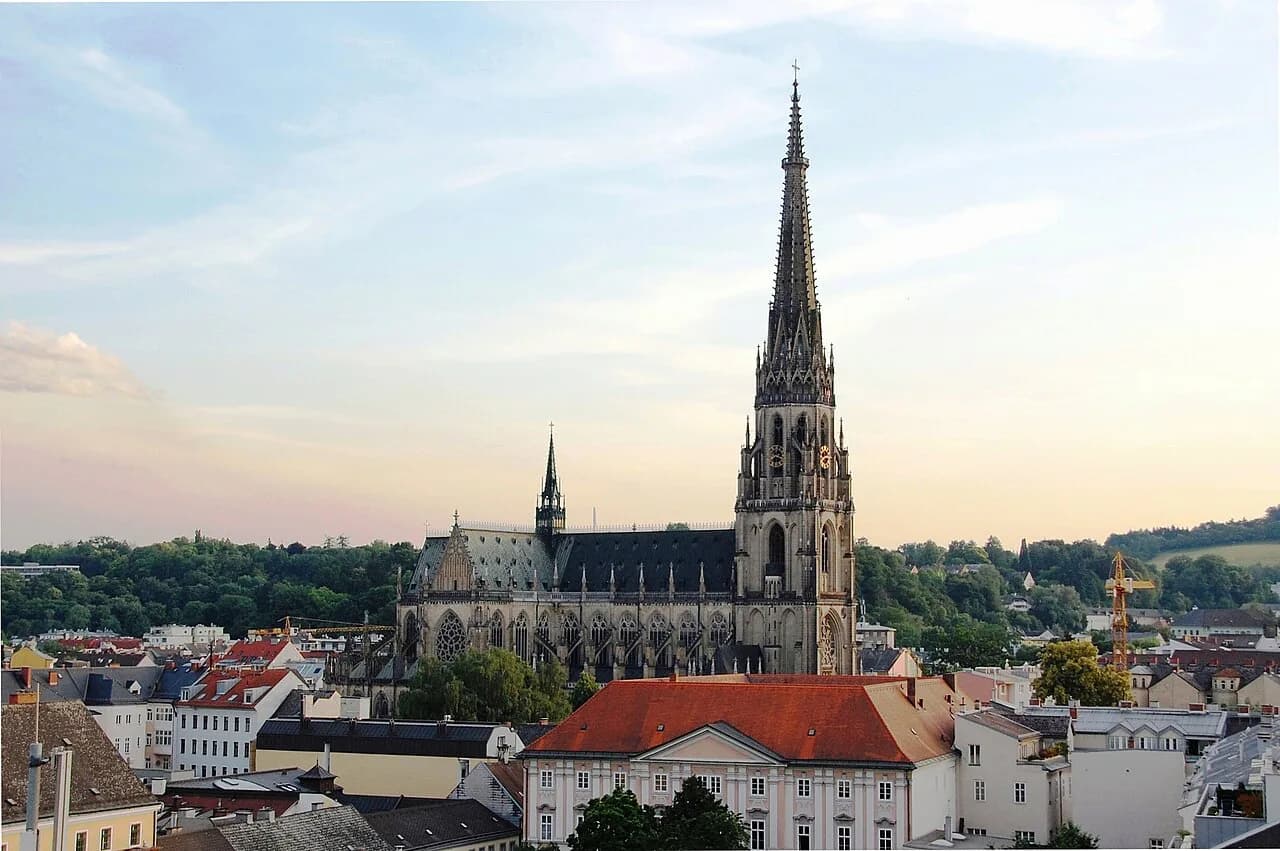
The Mariendom, or New Cathedral, is the largest church in Austria, a neo-Gothic structure built between 1862 and 1924. Its scale surprises visitors: the interior is highly symmetrical and the exterior rises in a forest of pinnacles. Look at the towers and you will find it is shorter than Vienna's Stephansdom because no building in Austria-Hungary was allowed to exceed that tower's height.
The church sits on a quiet square southwest of the old town, with room to step back and take in the facade. Step inside as well, since the symmetry and light are the reason to come.
Alter Dom and the walk between the cathedrals
The Alter Dom, or Old Cathedral, is listed alongside the Mariendom among the sights of the center, so the two make a natural pair and the walk between them takes you through the old town. A guide to nearby sites, it gives a useful contrast with the Mariendom's neo-Gothic ambition.
Walk from one cathedral to the other along the streets of the center rather than across the main traffic axis, and you pass shops and facades worth a pause. This stretch covers the city's religious architecture in under an hour.
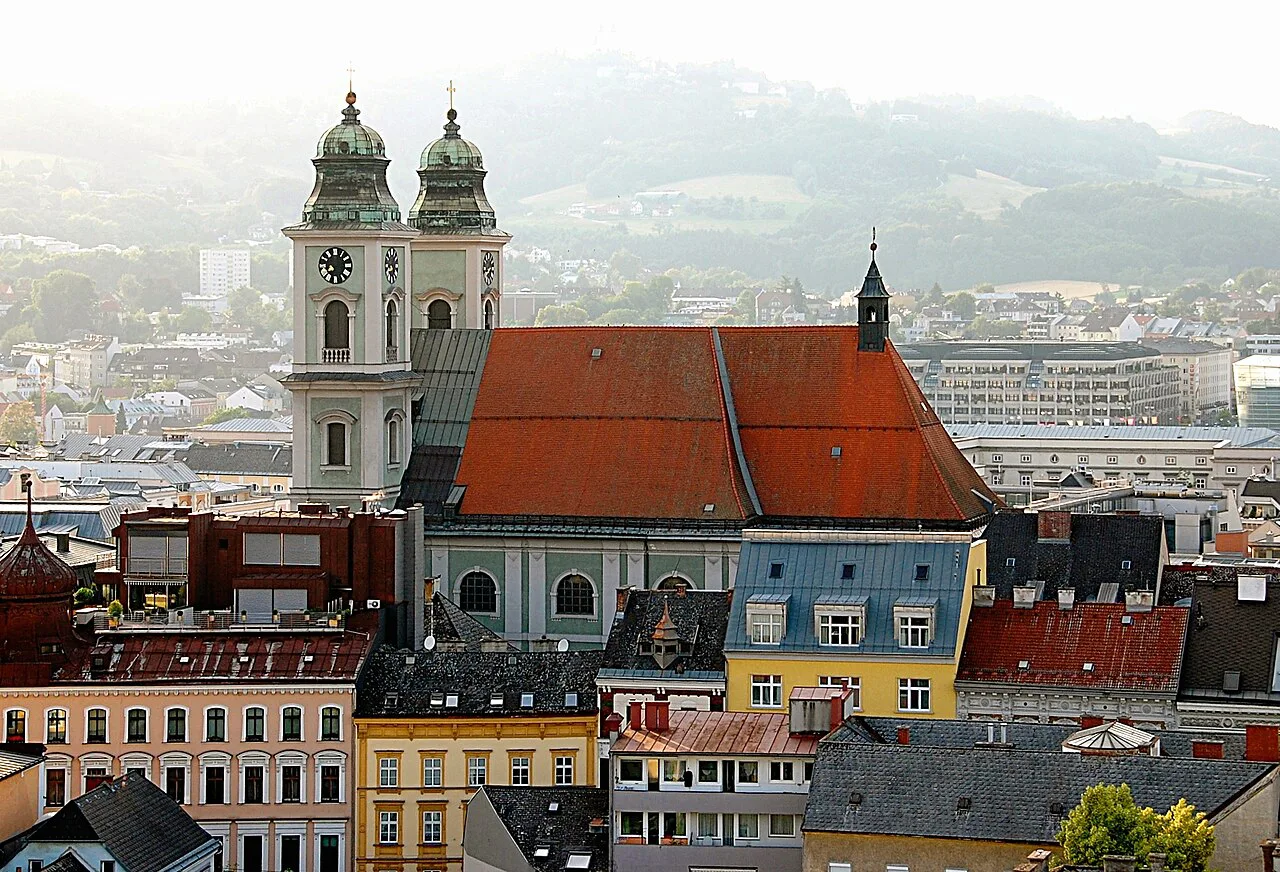
Linz Castle and the city view
Linz Castle is a medieval fortress above the old town, and the walk up from the center is short enough to do on foot. From the ridge you look over the rooftops and the bend of the Danube. Check the current opening hours before you plan the climb.
Landstrasse and the Musiktheater
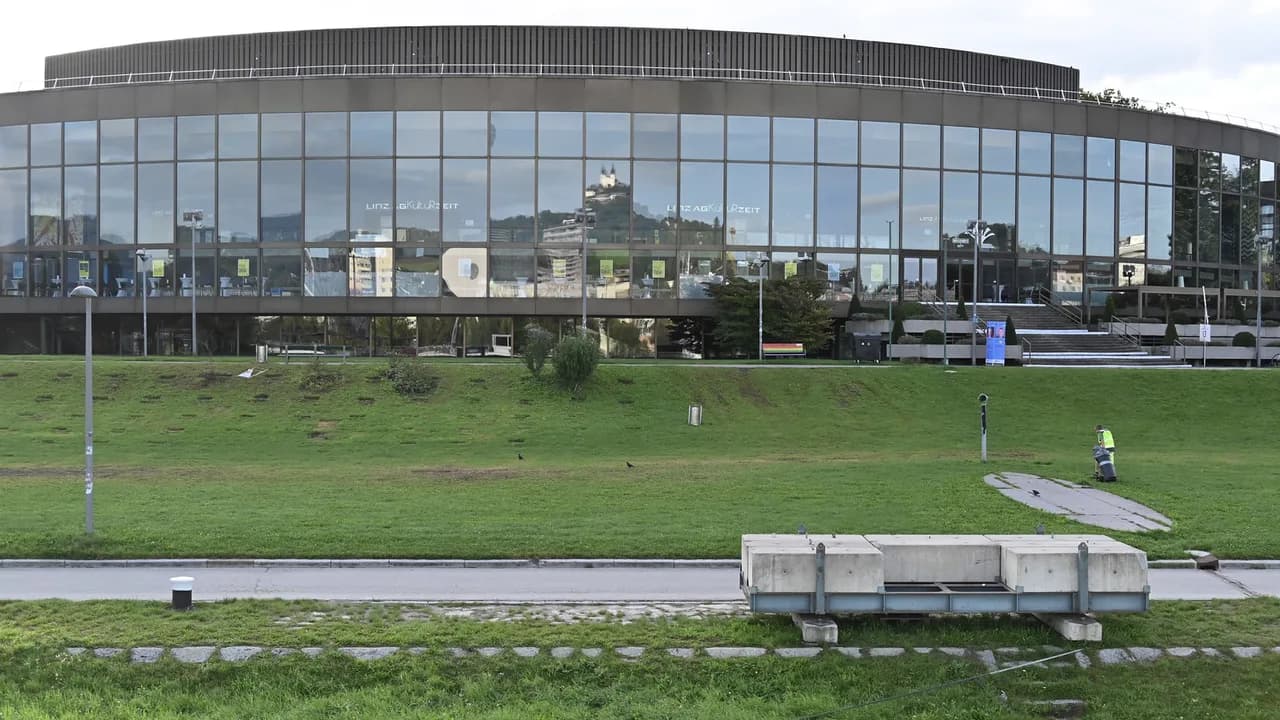
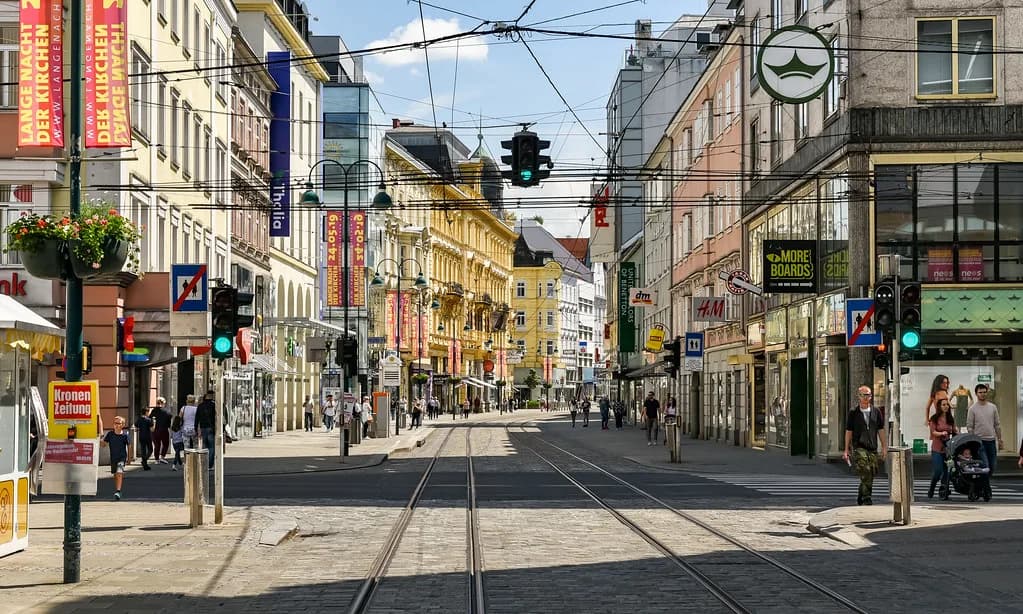
The Landstrasse is the modern spine of the city, running south from near the Hauptplatz toward the station, lined with shops and buildings from the 19th and 20th centuries. Nearby stands the Musiktheater, a striking modern structure that shows the city's contemporary side. Walk the street to see how Linz's historic center meets its 20th-century expansion.
Ars Electronica Center and the Future Museum
Across the Danube, the Ars Electronica Center houses the Future Museum, an electronic-arts museum that explores the relationship between society, new media, art and technology. It is the anchor of Linz's identity as a tech and media city. Plan on a couple of hours if you want to work through the exhibits; admission and hours change, so check before you cross.
The festival of electronic arts that carries the same name takes place in Linz each year, though the dates vary and the event is separate from the museum's regular program. If you are in town when it runs, expect the center to be busier than usual.
Lentos Art Museum
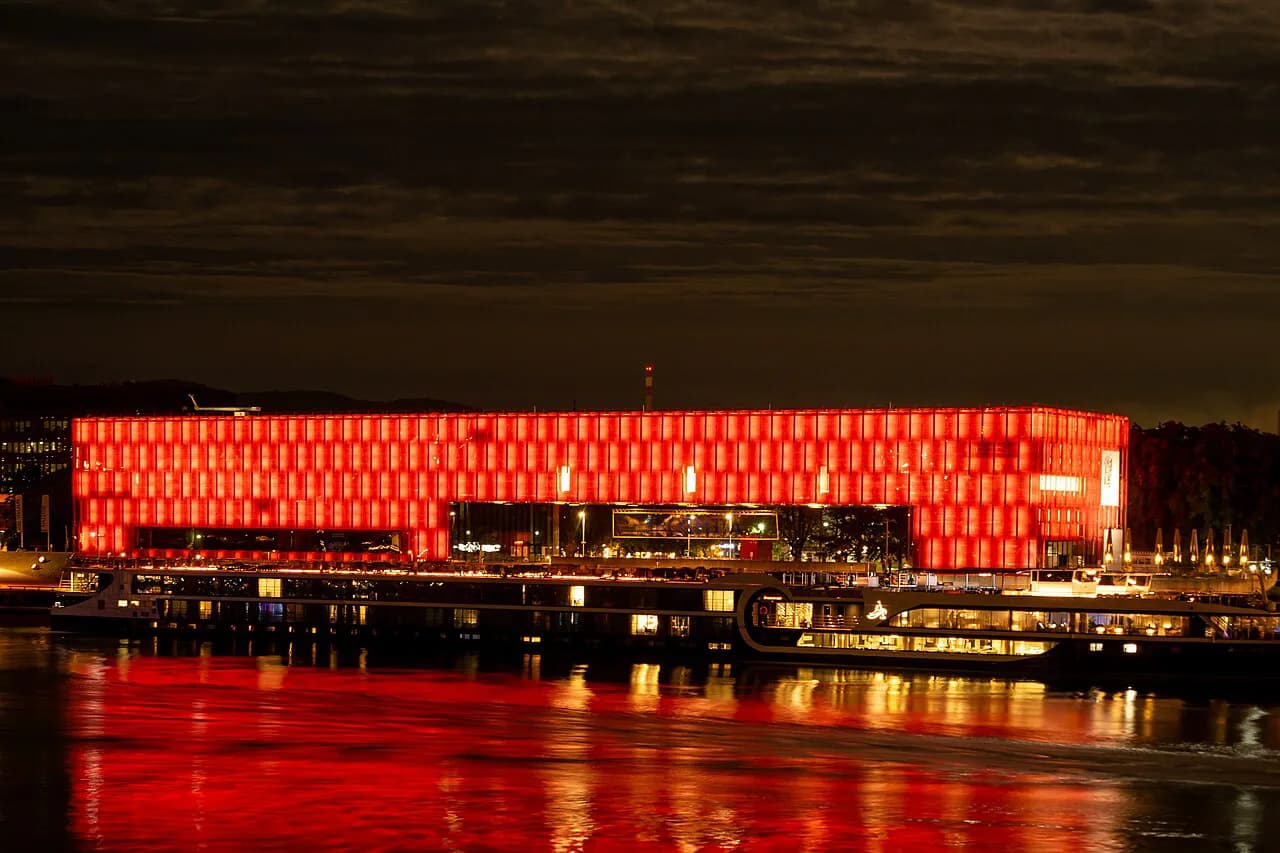
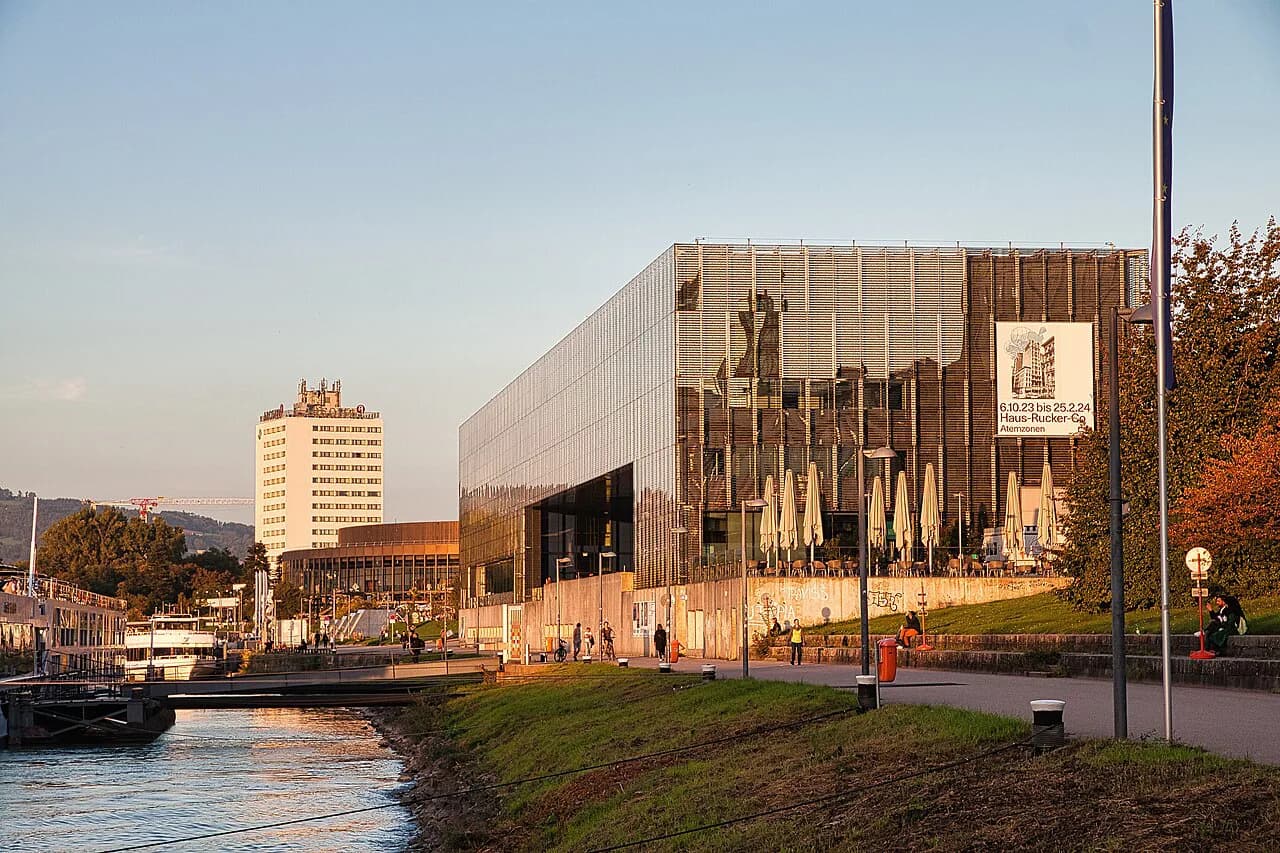
The Lentos Art Museum sits on the south bank of the Danube and focuses on modern art, its glass facade a landmark along the riverside. Its position makes it easy to combine with a walk on the riverbank after a morning in the old town. Expect a collection that leans toward modern and contemporary work rather than the historic.
Pair the museum with a stretch of the Danube bank before heading back up to the center, and keep the river for the end of the day so the art and the walk stay separate parts of the visit.
Pöstlingberg by tram or funicular
Pöstlingberg is the hill above Linz, with a pilgrimage church on top and a view over the city and the Danube that justifies the climb. The easiest route up is on the Pöstlingbergbahn, the steep narrow-gauge tram; the trip takes you from the city to the summit without a long walk. Keep in mind that the tram costs a bit more than the standard fare, though you can still buy it at the ticket machines.
At the top there is a church, a small park and refreshments, so you can spend an hour or two or turn it into a half day. Go on a clear day; the value of the trip is the view.
Donaupark and the riverbanks
Donaupark runs along the south bank of the Danube and gives you a place to slow down after the museums, with the water in sight and the city behind you. The Linz stretch of the river feels approachable and open, which makes a riverside walk a good end to the day.
Linzer torte
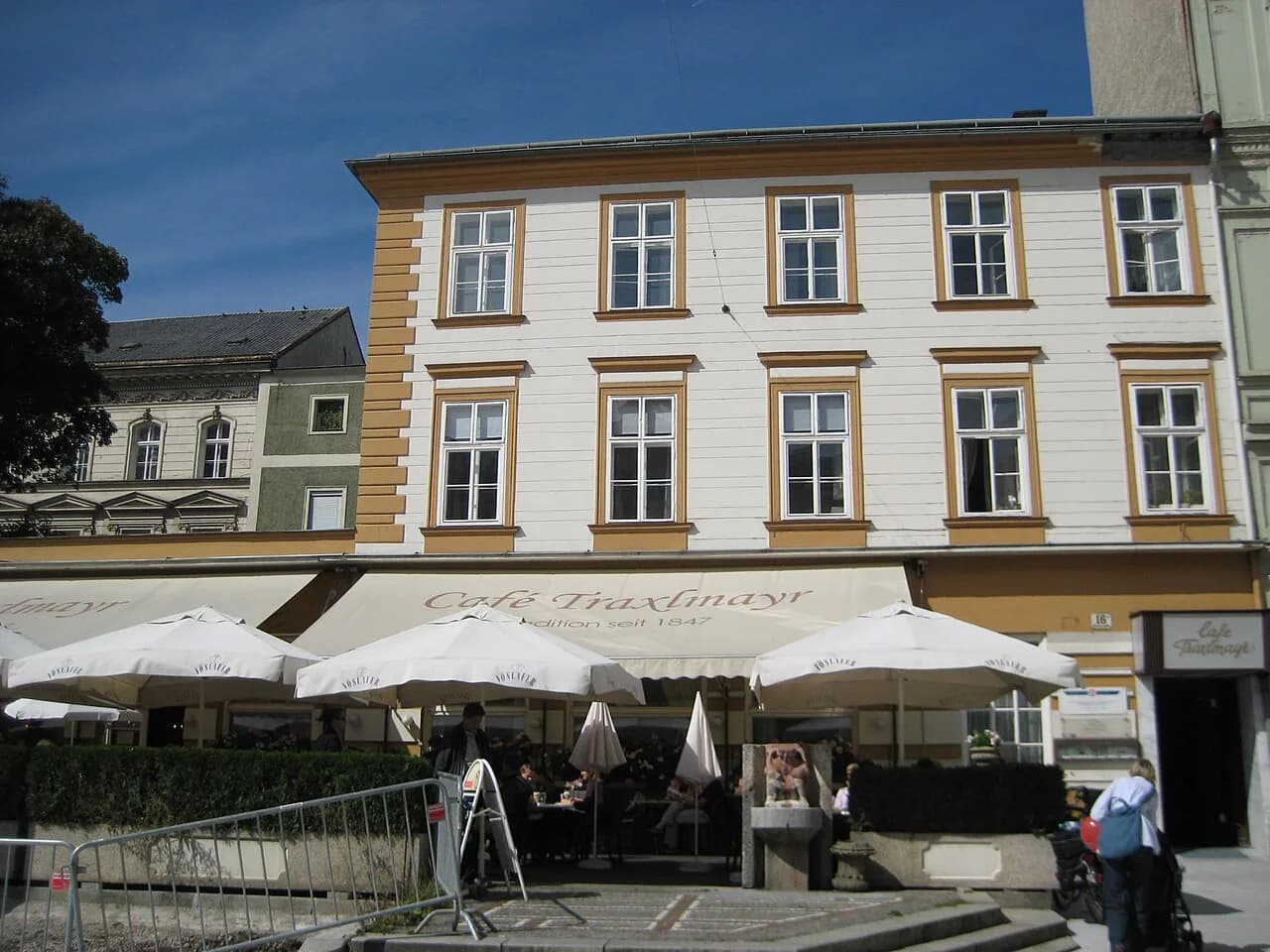
The Linzer torte is the pastry to seek out in the city: a crumbly, nut-based dough filled with jam, named after Linz itself. It works well with a coffee. Bakeries and cafes across the center carry versions, so try one before or after the old-town walk.
Getting to Linz and around
Frequent trains connect Linz with Vienna and Salzburg, and the Vienna run takes roughly 1.5 hours, depending on the connection; check the ÖBB timetable for current times and fares before you book. The station sits south of the center, a tram ride from the Landstrasse. For local trips, a single ticket covers a short hop and a day ticket covers unlimited use, but the price changes, so look it up at a ticket machine.
If you are spending a day or more, a city card can bundle transport and museum entry, but the value depends on how many sights you actually visit; run the numbers before you buy.
How much time Linz needs
A full day covers the old town, both cathedrals, the castle, a museum and the Pöstlingberg trip without rushing, and if you have less time you can cut the Pöstlingberg and the museums and still see the core. If you are in town for an event, add a day to enjoy it more slowly.
Cheaper options stretch the day further: the streets, the squares and the riverbank are open to anyone, and starting there keeps the budget for one museum and the tram up the hill.
Where Linz fits on an Upper Austria route
Linz sits between Vienna and Salzburg on the rail corridor, which makes it the obvious stop if you are moving between the two and want a city that is not one of the big tourist draws. You can take a morning train from Vienna, spend the day in Linz, and continue west in the evening.
Is Linz worth the stop?
Yes, if you want a mid-size Austrian city that is walkable, has a compact old town and a strong contemporary art scene, and sees far fewer tourists than Vienna or Salzburg. Its interest lies in the mix of cathedrals, castle, museums and the Pöstlingberg view, which together make the case for the stop.
Decide your priority before you go: a half day is enough for the Hauptplatz, the two cathedrals and the castle hill, while a full day adds a museum and the trip up Pöstlingberg.
Explore more Linz guides
Sources
Notes for your next Austrian town break
Optional updates when we add or revise town guides.
You might also like
Continue reading
More guides you'll find useful