Free Things to Do in Linz: Squares, Churches, River Walks
Plan free things to do in Linz, from the Hauptplatz and Altstadt lanes to the Mariendom and Danube riverside, plus the sights that charge admission in EUR.
On this page
The free things to do in Linz center on the public spaces: the Hauptplatz and Altstadt lanes, the Danube riverside, and the view from the Pöstlingberg, whose summit basilica is free to enter. The Ars Electronica Center, the Lentos Art Museum, the voestalpine Stahlwelt exhibition, the Mariendom tower climb and the Mural Harbour boat tour all charge admission. This guide sorts the free stops from the paid ones, explains how the old town sits against the river, and shows how to string the free sights together on foot.
Free in Linz at a glance: which sights cost nothing and which charge
Linz spreads across the Danube, with the old town on the south bank and the Urfahr district on the north side. The free stops cluster in the center: the Hauptplatz, the Altstadt lanes around Bischofstraße and the riverside promenade. The paid stops are mostly single buildings, so you can walk past their exteriors and facades without spending anything. Plan the day around the free core and treat the museums as optional add-ons.
The admission figures matter because they show exactly where a free day ends. The Ars Electronica Center is listed at 11.5 EUR, the Lentos Art Museum at 11 EUR, and the voestalpine Stahlwelt exhibition at 10 EUR, or 22 EUR with the factory tour, while the Mariendom tower ascent is listed at 5 EUR with registration required. These are listed rates rather than guarantees, and both museums are free with the Linz Card.
Hauptplatz and the Altstadt: how the old town is laid out and how long to allow
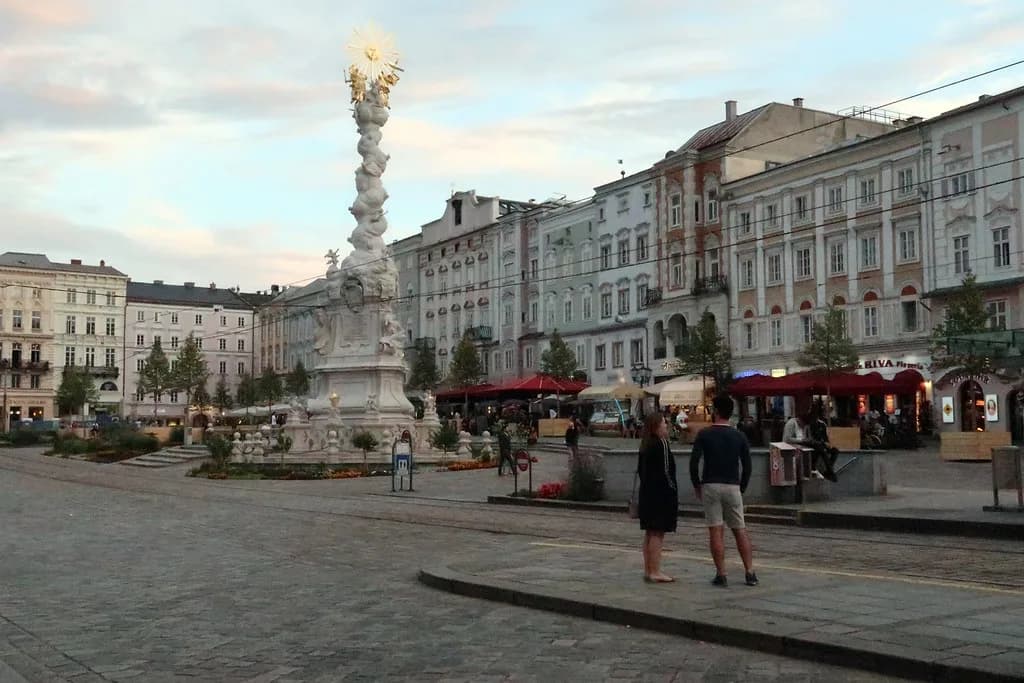
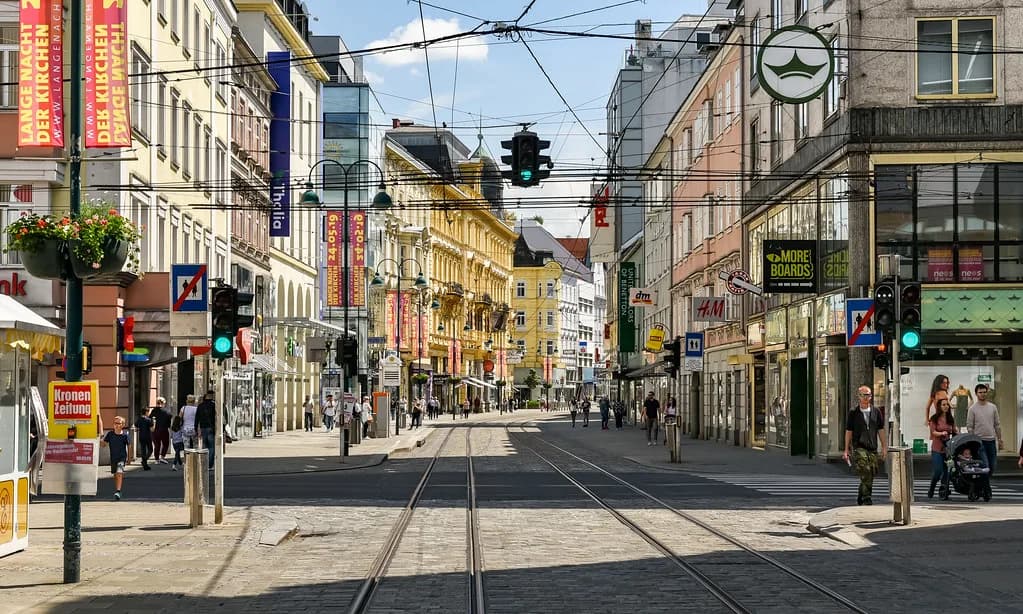
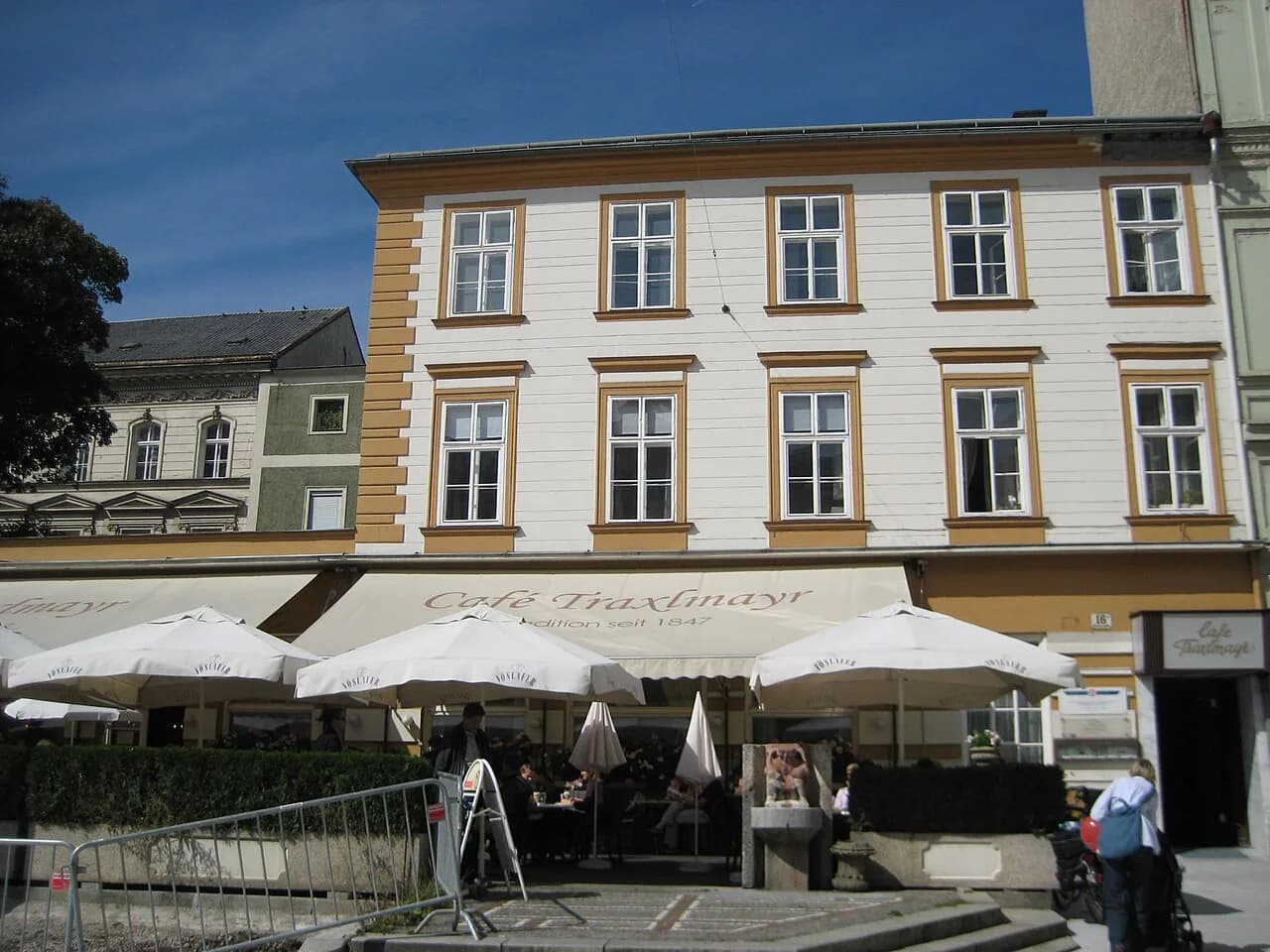
The Hauptplatz is the heart of Linz, a broad square with trams running through it, and the Altstadt runs off toward the river. The lanes around Bischofstraße and the street simply called Altstadt are the most atmospheric stretch, and they hold the Cafe Friedlieb und Tochter. Walk the square and the lanes in one sweep and give them an hour, more if you stop for coffee.
Old towns reward attention to detail, and Linz is no exception: baroque facades on the Hauptplatz, courtyards off the side streets, and the river opening up at the end of the Altstadt. The whole circuit is flat and compact, so it fits easily before or after a paid museum visit. If you want a structured loop through the center, a walking tour is the alternative to wandering on your own.
Mariendom (St. Mary's Cathedral): the tower climb and what it costs
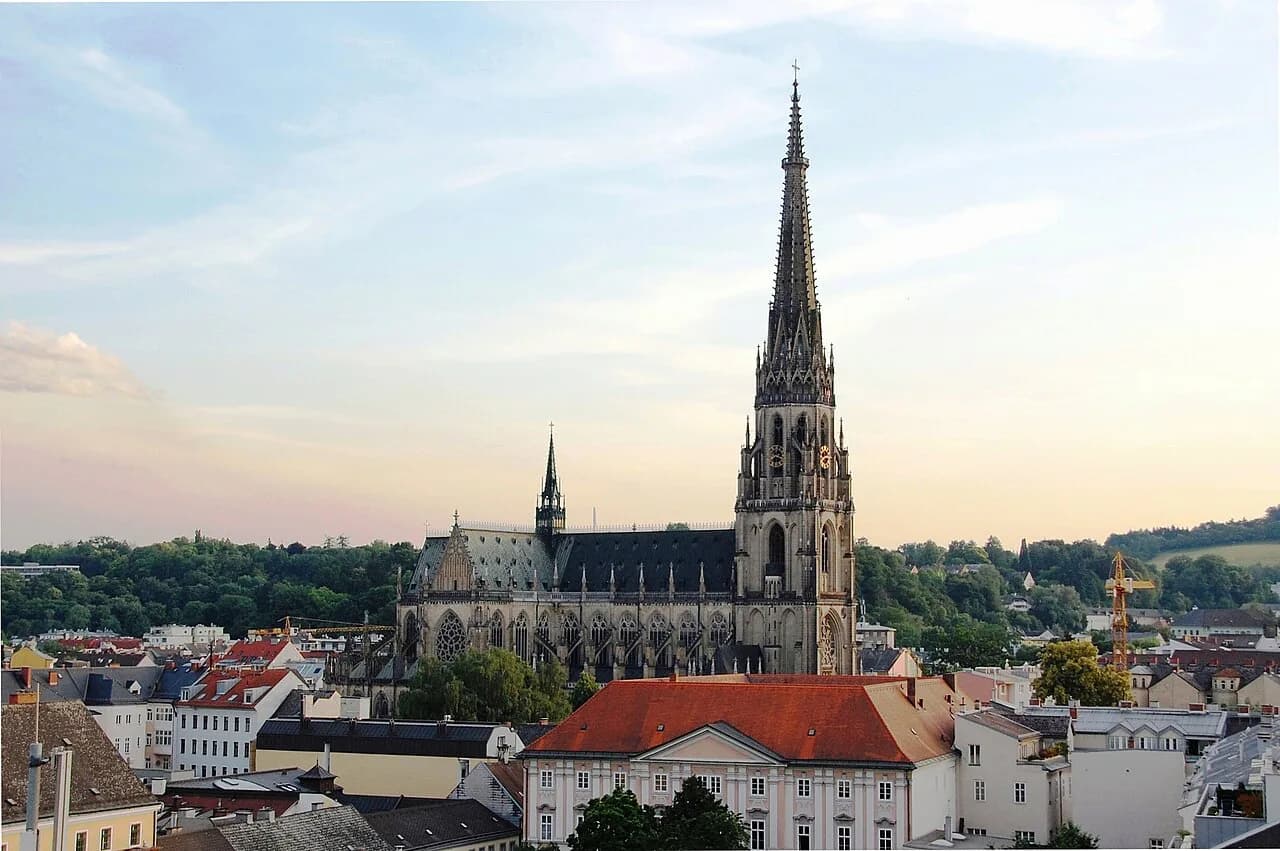
The Mariendom, formally the Mariä-Empfängnis-Dom, is Austria's largest cathedral, though it stands two meters shorter than Vienna's Stephansdom, and it sits a short walk from the Hauptplatz. The tower is the paid extra: 395 steps up, with the climb listed for Saturday, Sunday and public holidays at 2pm, taking about 45 minutes and priced at 5 EUR with registration required. That listing makes the tower a weekend proposition, so check the date before building it into your plan. The 360-degree view over the city is the reward for the stairs.
Because the climb is listed only for Saturday, Sunday and public holidays at 2pm, it is a weekend proposition; plan the rest of the day around the free squares and the river and treat the tower as an add-on. Outside those times the cathedral exterior and the nearby streets are what you see without a ticket.
Danube riverside and the Lentos promenade: a walk between the old town bank and the Urfahr side
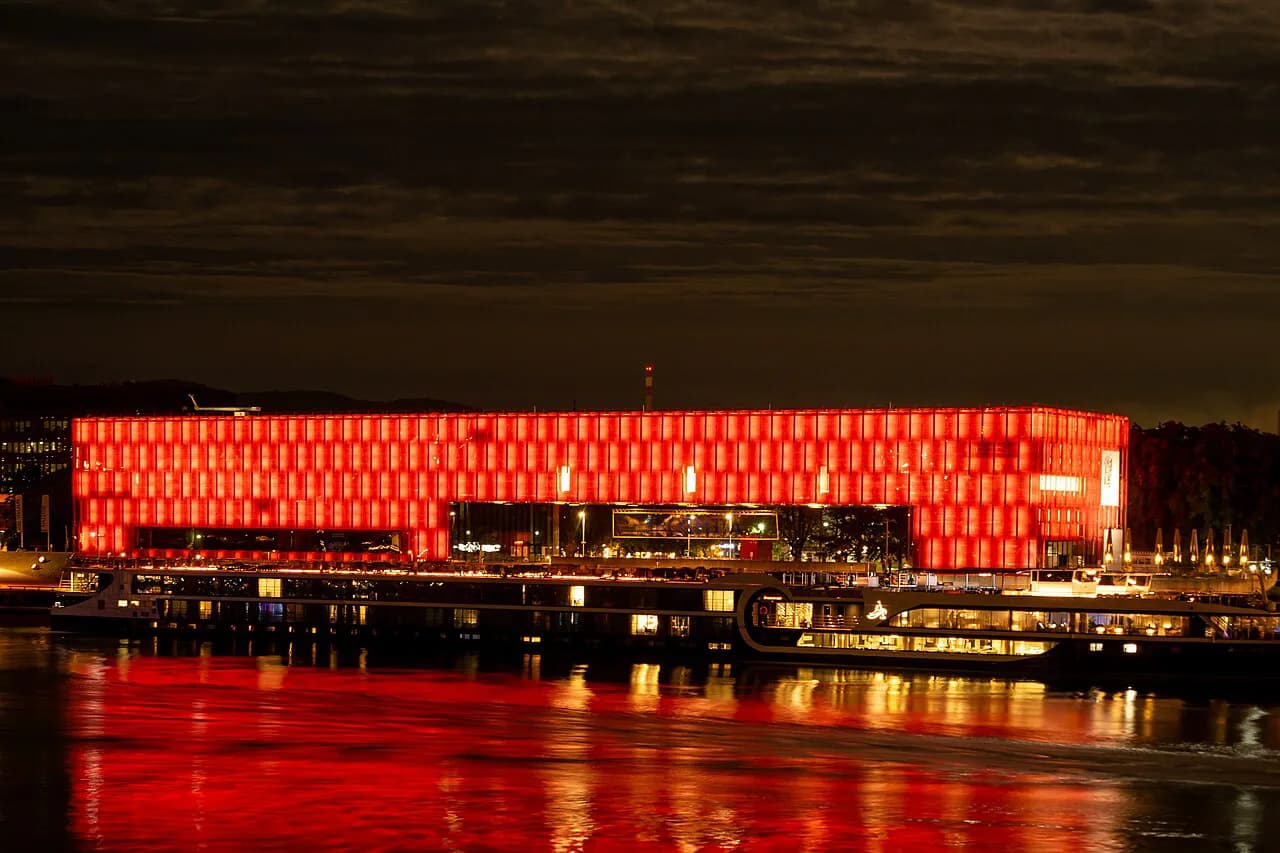
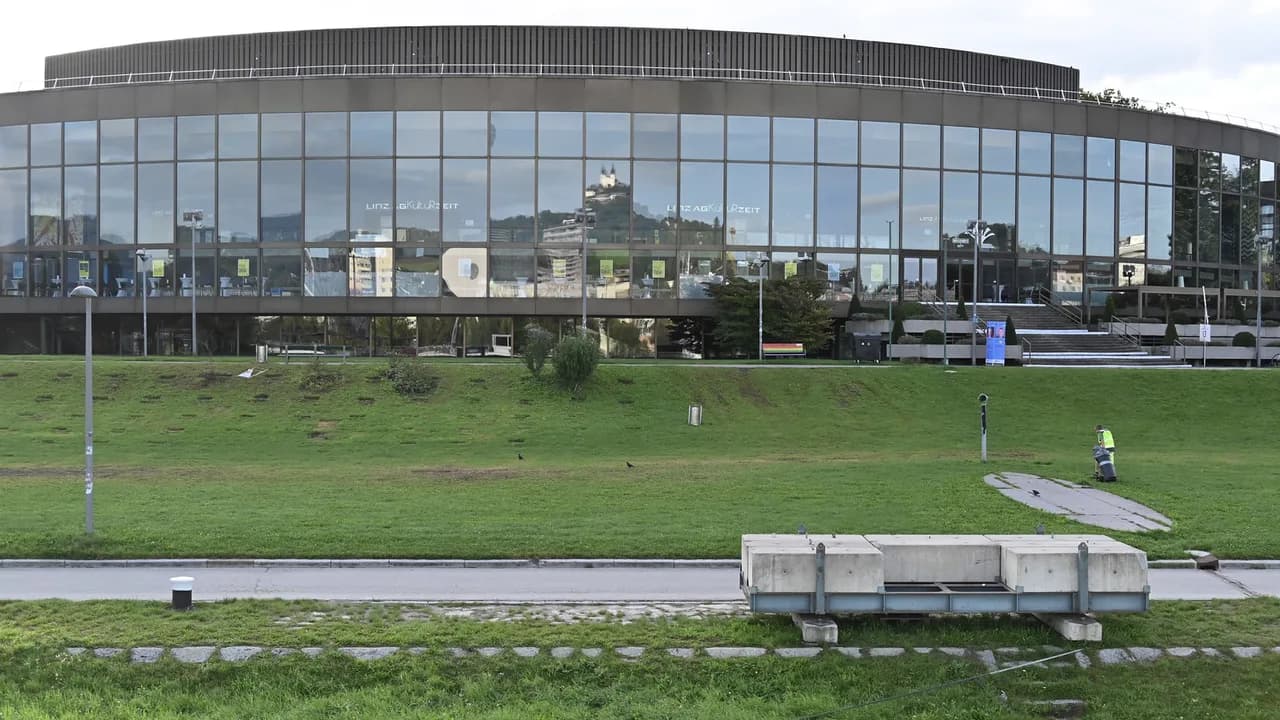
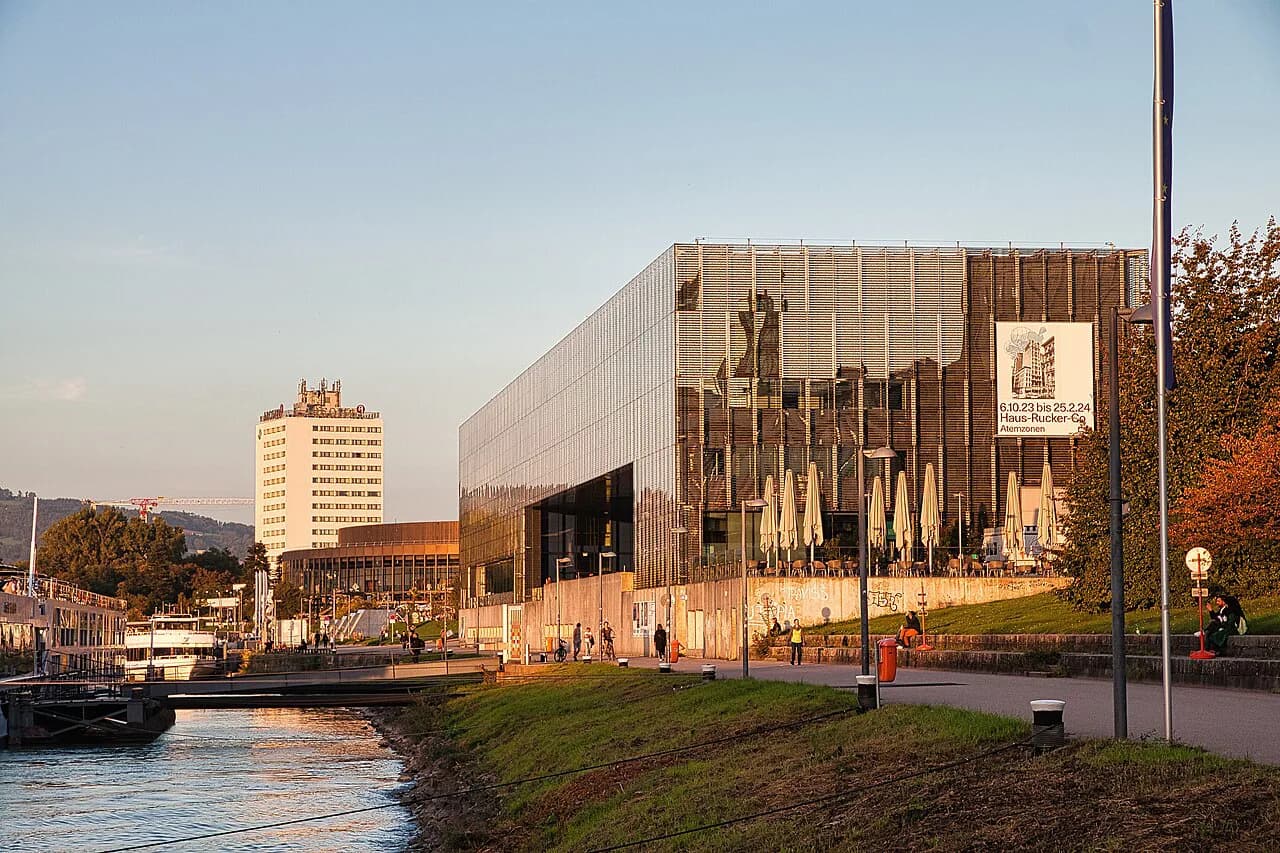
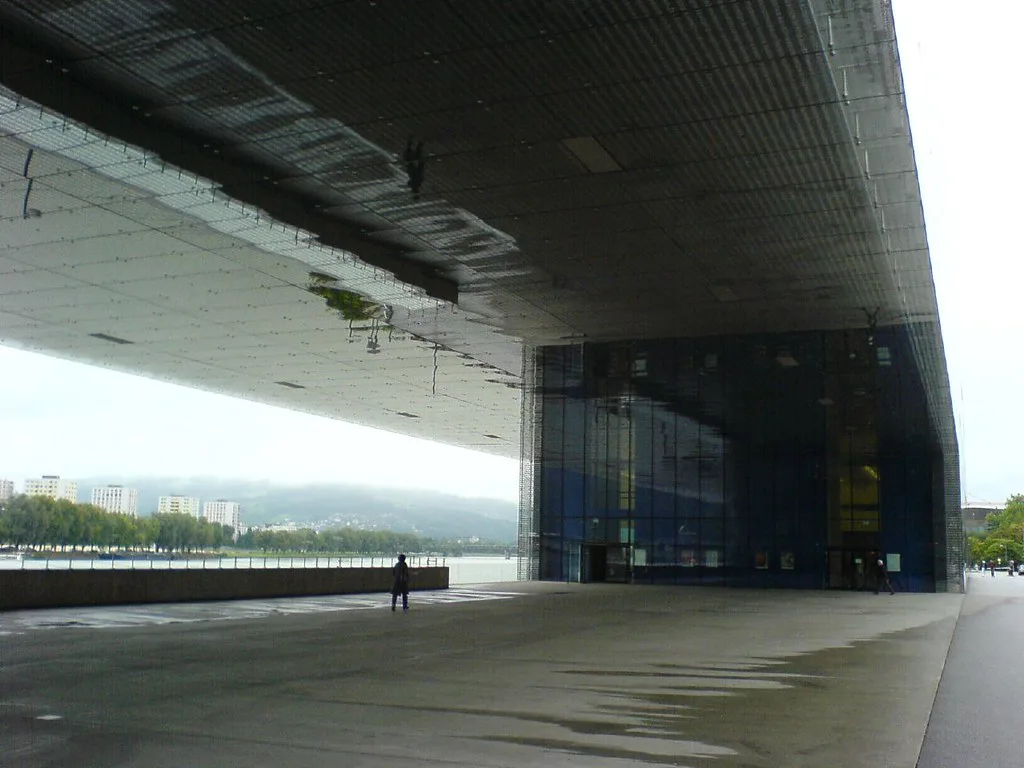
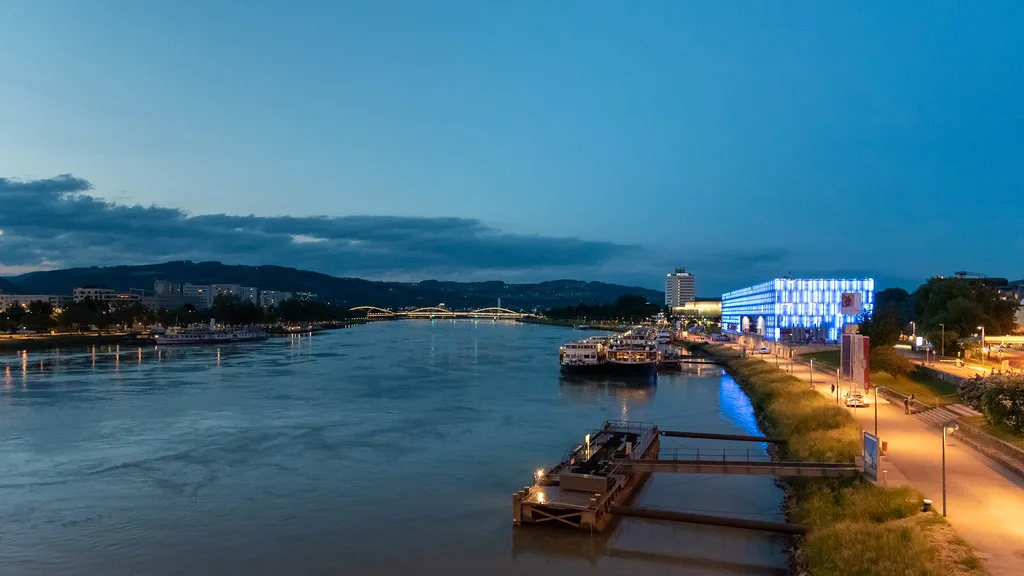
The Danube bank on the old town side carries the riverside promenade, and the Lentos Art Museum sits along it at Ernst-Koref-Promenade 1 as a 130-meter glass building. You can walk the bank and take in the building from outside without buying a ticket. The Ars Electronica Center stands directly on the Danube at Ars-Electronica-Straße 1, a few minutes' walk from the old town over the bridge, so the two paid museums sit on opposite banks rather than side by side.
The Ars Electronica Center is the interactive technology and media museum, with exhibitions that ask visitors to take part. Its riverside setting means you can walk past the building and along the Danube path outside for free while saving the exhibitions for a paid visit. Budget the riverside walk as an hour of flat strolling that links the old town with the bridge crossing.
Mural Harbour: outdoor murals you can see without a ticket, and what the boat tour costs
The Mural Harbour is an outdoor gallery of murals on the buildings of the Linz port at Industriezeile 40, painted by national and international artists at several hundred square meters each. The address sits about 30 minutes on foot from the old town, so public transport or a taxi is the realistic way to reach it. That distance is the trade-off: a long detour to an outlying corner of the port.
The murals can also be seen on a boat tour of the harbor, which takes about one hour; a separate two-hour tour including a graffiti crash course is listed at 39 EUR. The harbor is the one stop here that needs a real time commitment and transport, so it works best when you have a spare half day rather than a tight schedule.
Pöstlingberg: the summit basilica and the Pöstlingbergbahn
The Pöstlingberg is Linz's local mountain, rising right in the city, with a basilica on top that is visible from various corners of the old town. The view over the city and the Danube is the reason to go up, and the basilica at the summit is free to enter.
The classic ascent is the Pöstlingbergbahn, the mountain tram that many visitors and locals use to reach the summit. The tram ride is the only cost of the trip, while the basilica and the panorama at the top are free.
Where the free stops run out: Ars Electronica Center, Lentos and voestalpine Stahlwelt admission in EUR
The Ars Electronica Center, or Museum of the Future, is an interactive research-lab-style museum on technology, innovation and media where visitors are asked to take part. Plan at least 1.5 to 2 hours for the visit, and expect admission to be free with the Linz Card. The Lentos Art Museum shows alternating modern and contemporary exhibitions in its riverside building, also free with the Linz Card. The voestalpine Stahlwelt is the industrial outlier: an exhibition with a factory tour of about 1.5 hours through the blast furnace, hot rolling mill and blank manufacturing, though operational closures can cut plants from the route. Photos are prohibited on the tour, and the exhibition alone and the exhibition plus tour are listed separately. Free parking on site makes it the easiest paid stop for drivers.
For a wider look at the city's collections beyond these three, the range from art to technology is set out in our Museums in Linz guide. The free-versus-paid split holds across the board: exteriors and public spaces cost nothing, interiors charge. If you are choosing where to spend a ticket, compare what each one covers before committing.
Fitting the free sights into one walking route from the Hauptplatz
A workable free loop starts at the Hauptplatz, cuts through the Altstadt lanes around Bischofstraße, then drops to the Danube bank and the Lentos promenade before crossing to Urfahr for the skyline view. That route stays flat and compact and fills a half day at an easy pace. Add the Pöstlingberg tram in the afternoon for the summit view without spending on a museum.
The Mural Harbour breaks the loop because of its distance, so treat it as a separate outing by public transport rather than a walking detour. If your time is short, keep the old town, the cathedral and the river. For a tighter schedule that still covers the essentials, one day in Linz is enough to walk the center and see the main free stops.
Free versus paid trade-offs: time, walking distance and what to skip if the budget is tight
The honest trade-off is time against money: the museums are indoor, weather-proof and paid, while the squares, church and riverside are free but exposed to the weather. On a tight budget, the Hauptplatz and the riverside walk give you the shape of the city for nothing. The paid stops make sense when you want curated collections or the factory tour rather than streetscape.
Walking distances decide the plan more than ticket prices. The Lentos and Ars Electronica Center sit on the riverbank within minutes of the bridge, and the Mural Harbour is the one stop that demands transport. If you are on foot and short on time, the Pöstlingberg tram is a quicker way to a top-of-the-city view than the ride out to the harbor.
Which free stops to build your Linz day around
Build the day on the Hauptplatz, the Altstadt lanes, the Danube promenade and the Pöstlingberg view, then let the weather decide how long you stay outside. Those free stops give you the layout and the landmarks of Linz without a single ticket. Treat the museums, the tower climb and the harbor boat tour as optional spends you can slot in when time and budget allow.
Explore more Linz guides
Frequently Asked Questions
What is Linz, Austria known for?
Linz is the capital of Upper Austria and sits on the Danube, with a compact old town around the Hauptplatz, the Mariendom as Austria's largest cathedral, and a contemporary side led by the Ars Electronica Center and the Lentos Art Museum. Its industrial identity comes from voestalpine, whose Stahlwelt exhibition and factory tour are open to visitors.
Which cities and regions are close to Linz?
Linz is on the Danube corridor between Vienna and Salzburg, with the old towns of Upper Austria around it and the Salzkammergut lake country to the south. Rail and bus connections set the practical limits, so check times on the operator's current timetable before planning a day out.
Sources
Notes for your next Austrian town break
Optional updates when we add or revise town guides.
You might also like
Continue reading
More guides you'll find useful