Mauthausen Memorial: Visiting the Former Camp Site Near Linz
A sober guide to the Mauthausen Memorial east of Linz: what the preserved camp site and memorials hold, how to reach it, and how to visit with care.
On this page
The Mauthausen Memorial is the preserved site of the former Mauthausen concentration camp, set on the heights above the village of Mauthausen roughly 20 kilometers east of Linz on the Danube. A visit here is not a sightseeing stop among the things to do in Linz; it is a memorial ground of original buildings, a quarry and national monuments that asks for time and quiet. This guide covers what the site contains, how the grounds are laid out on foot, and how to reach them by train or bus.
Where the memorial stands and what it is today
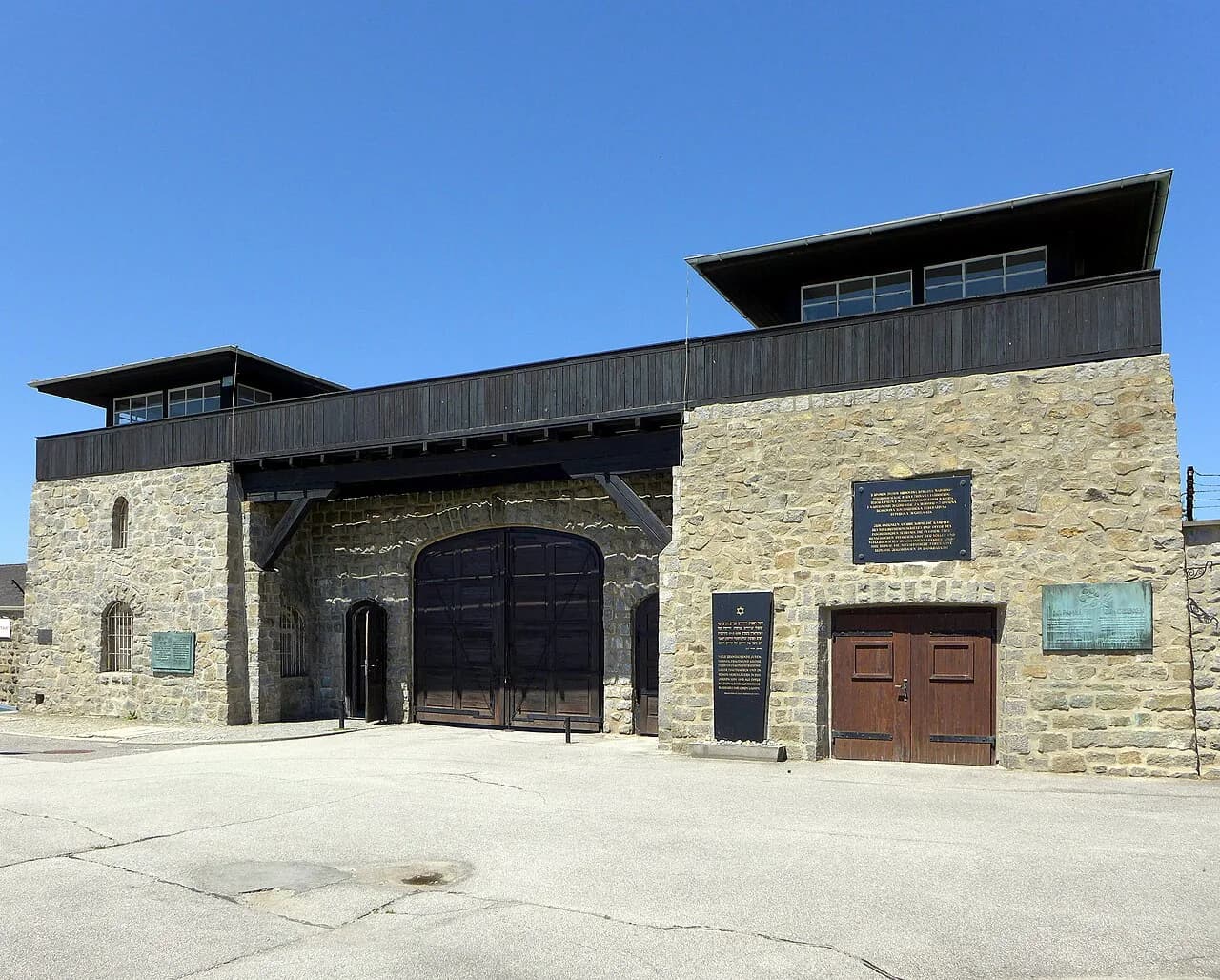
The camp was built above Mauthausen in Upper Austria, on the Danube east of Linz, and the memorial site now occupies the former main camp. The Austrian federal government turned the site into a public memorial in 1949 together with former prisoners, and it is maintained by the Federal Ministry of the Interior. The grounds are maintained as a place of remembrance rather than a conventional museum campus, which shapes how you move through them.
If you are based in Linz, treat Mauthausen as a separate half-day commitment rather than something to fold between city sights. The Linz museums and the riverfront are a different kind of visit entirely.
What happened at Mauthausen, briefly
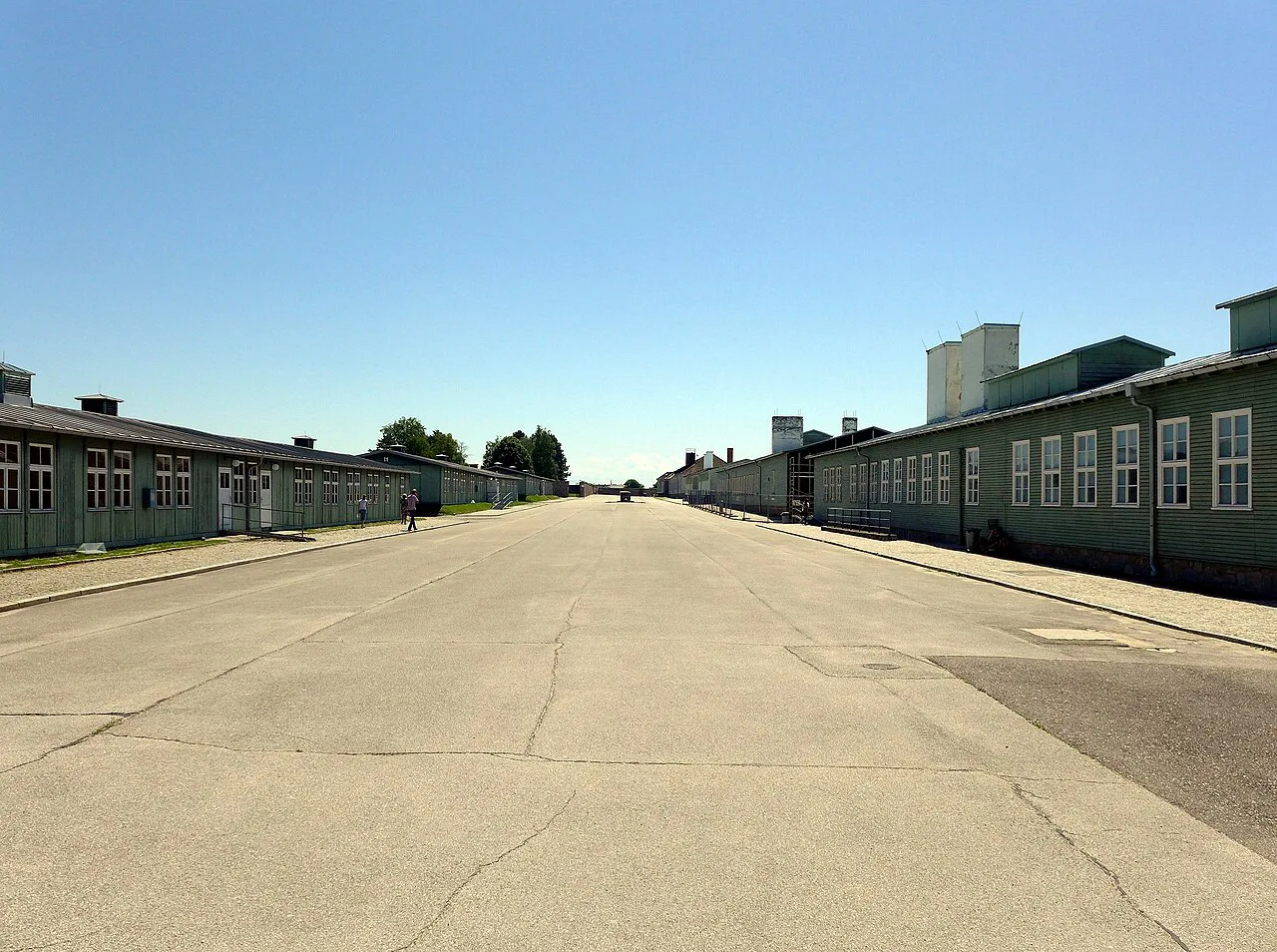
Construction of the camp began on August 8, 1938, five months after Austria's annexation to the German Reich, and was carried out by prisoners brought from Dachau. Most prisoners were forced into heavy physical labor in the quarry until exhaustion, and death from the gas chamber, the gallows, gunfire and abuse dominated daily life.
From 1943 the Nazi arms industry was moved into underground installations and the camp's functions expanded, with more and more sub-camps added to the main camp and most prisoners assigned to them. Around 200,000 people from more than thirty nations were deported to Mauthausen and its sub-camps over seven years, and about half of them died there. The site was liberated on May 5, 1945, when the complex covered around 120 hectares.
What you see: the preserved camp, the quarry and the stairs
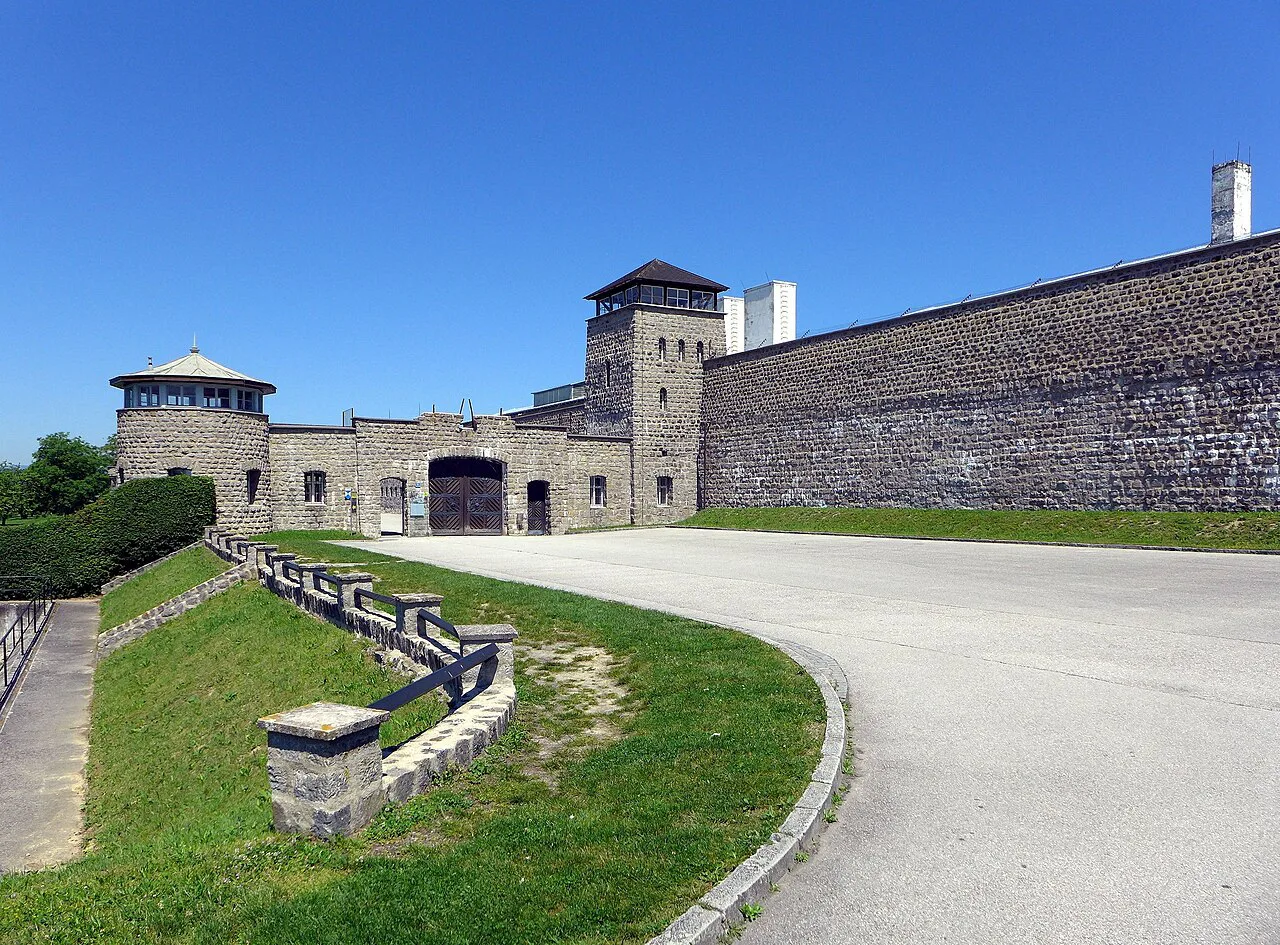
The memorial's defining feature is the original topography of the camp itself. The fortress-like installation survives in its preserved buildings, so you read the site through its walls, paths and layout as much as through display panels.
Below the camp lies the Wiener Graben quarry, where prisoners were worked, with the rock face known as the Fallschirmspringerwand (parachutists' wall) and the Todesstiege, the death stairs prisoners climbed under guard. These are outdoor features on a slope, so the walk between camp and quarry is the physical core of the visit. Expect uneven ground and a climb, and wear shoes that handle it.
Commemorative plaques placed by relatives of victims mark specific areas, including the crematorium and gas chamber. These are the most intimate markers on the site and deserve a pause rather than a passing glance.
The national memorials along the path to the quarry
After September 1949, nations and communities affected by the camp erected memorials along the pathway between the main campsite and the quarry. Their architecture reflects the outlook of those who commissioned them and covers a wide spectrum of artistic expression, from monumental sculpture to restrained stone markers. Walking that path in order gives the visit a natural sequence: camp first, then monuments, then the quarry.
Mauthausen within a wider camp system
Mauthausen was the largest Nazi concentration camp on Austrian territory and the center of a system of sub-camps spread across the country. Separate memorial sites exist at Gusen and Ebensee, both administered as memorial properties in their own right, and they are visited as distinct places rather than as annexes of the Mauthausen grounds. If you want to follow the system further, plan those as separate stops.
Getting there from Linz and Vienna
Mauthausen village sits on the Danube east of Linz, and the memorial stands on the heights above the village. Plan your arrival around the connections you can confirm for your own travel date rather than any fixed estimate, and treat the climb from the village to the site as part of the visit.
From Vienna, the trip goes west along the Danube to the Linz area and then onward to Mauthausen, which makes it a long day rather than an hour's excursion. Travelers coming from Vienna usually combine it with an overnight in Linz; the city's history is worth reading up on before you go.
If you are working out how a memorial half-day fits around a city visit, the Linz attractions guides cover what else fills the rest of the day.
How the grounds are laid out on foot and how long to allow
Plan the visit around the preserved camp at the top and the quarry below, linked by the path of national memorials. The walk down to the quarry with the Fallschirmspringerwand and Todesstiege is on a slope, and climbing back up is the demanding part, so keep energy in reserve for the return.
Budget several hours rather than a quick hour: the camp alone holds enough to absorb, and the quarry walk adds time and effort. A half-day is realistic if you read carefully and take the slope at a slow pace. Confirm current opening hours and any seasonal restrictions before you travel.
Keep the rest of the day light and plan something quiet in Linz afterward rather than an ambitious walking tour of the old town. A Linz map helps you pace the return.
Visiting respectfully and what to expect emotionally
This is a cemetery as much as a museum, so treat the buildings, stairs and monuments as graveside ground: quiet voices, no climbing on structures, no posed photos at the quarry or the death stairs. The camp's documented history is harrowing, and reading it takes a toll, so build in breaks and do not schedule the visit before something celebratory.
The memorial's architecture and the national monuments reward close attention as objects in their own right. If you want a gentler counterweight afterward, Linz architecture and its modern buildings make an easy contrast for the same afternoon, and the city's cafes are a place to sit quietly.
Guided tours and educational programs
The Mauthausen Komitee Österreich, the official successor organization to the survivors' association, runs guided programs at more than twenty former sub-camp locations across Austria for groups aged fourteen and up, with preparation and follow-up workshops. Those programs are booked in advance through the committee rather than arranged on arrival.
If your visit falls on a museum day in Linz, the museums in Linz make a different kind of afternoon and a gentler way to close the day.
Should Mauthausen be part of your Linz itinerary?
Yes, if you are prepared for a serious half-day on a slope above the Danube rather than a stop on a sightseeing circuit. The preserved camp, the national memorials and the quarry together tell the story in a way no museum display can, and the visit stays with you. Allow the time, dress for the ground, and keep the rest of the day uncluttered.
If you are in Linz without a car, build the trip around the published train and bus connections and confirm them for your date. Then spend the evening on the riverfront rather than adding another museum.
Explore more Linz guides
Frequently Asked Questions
Is the Mauthausen Memorial suitable for children?
The site is a memorial ground with harrowing documented history, and the quarry walk is uneven and steep. School and youth programs run by the Mauthausen Komitee Österreich are aimed at groups aged fourteen and up, which is a reasonable guide to the age the material is pitched at.
Can you visit the Mauthausen Memorial without a guide?
Yes. The camp buildings, the national memorials along the path and the quarry are visited on foot independently, and guided formats can be booked in advance through the Mauthausen Komitee Österreich.
Are Gusen and Ebensee part of the same visit?
They are separate memorial sites in the former Mauthausen camp system, administered as their own properties. Plan them as distinct stops rather than as extensions of a single visit to the main camp.
Sources
Notes for your next Austrian town break
Optional updates when we add or revise town guides.
You might also like
Continue reading
More guides you'll find useful