Linz Architecture: Gothic, Baroque and Modern Buildings to See
Linz architecture runs from the neo-Gothic Mariendom to the Ars Electronica Center on the Danube. Here are the buildings to see and a route that links them on foot.
On this page
Linz is the one Austrian city outside Vienna where you can read four centuries of building in a single afternoon on foot: a neo-Gothic cathedral tower, a baroque former Jesuit church, a Renaissance-era town hall block and a glass museum on the Danube bank all sit within roughly a square mile. This guide sorts the buildings by era, says what you see from the street versus what needs a ticket, and gives a walking order that starts at Hauptplatz and ends uphill at the castle.
The key decision is whether you treat Linz as a street-level architecture walk or budget half a day for interiors. The exterior layer — Hauptplatz, the Mariendom, the old town lanes and the castle hill — costs nothing to look at, while the museums and the cathedral interior are where tickets come in. If you are building a wider route through the region, the same buildings also anchor the things to do in Linz beyond architecture.
Why Linz architecture is worth a detour
Most travelers treat Linz as a rail stop between Vienna and Salzburg, which is why the center stays calm even when the cathedral square fills. The payoff is density: the neo-Gothic Mariendom, the baroque Alter Dom and the modern Ars Electronica Center are all within a walk of the main square, so you can compare eras without a bus. That concentration is what makes a half day here feel substantial rather than rushed.
The city's building history also runs in layers that are easy to name. The Mariendom is a neo-Gothic design by Vinzenz Statz from the mid-nineteenth century with a 135 m tower, the Alter Dom is the former Jesuit Ignatiuskirche, and the Ars Electronica Center opened on the Danube in 2009 as the Museum of the Future. Knowing those three labels is enough to orient yourself on a map before you arrive.
Start at Hauptplatz and the old town core
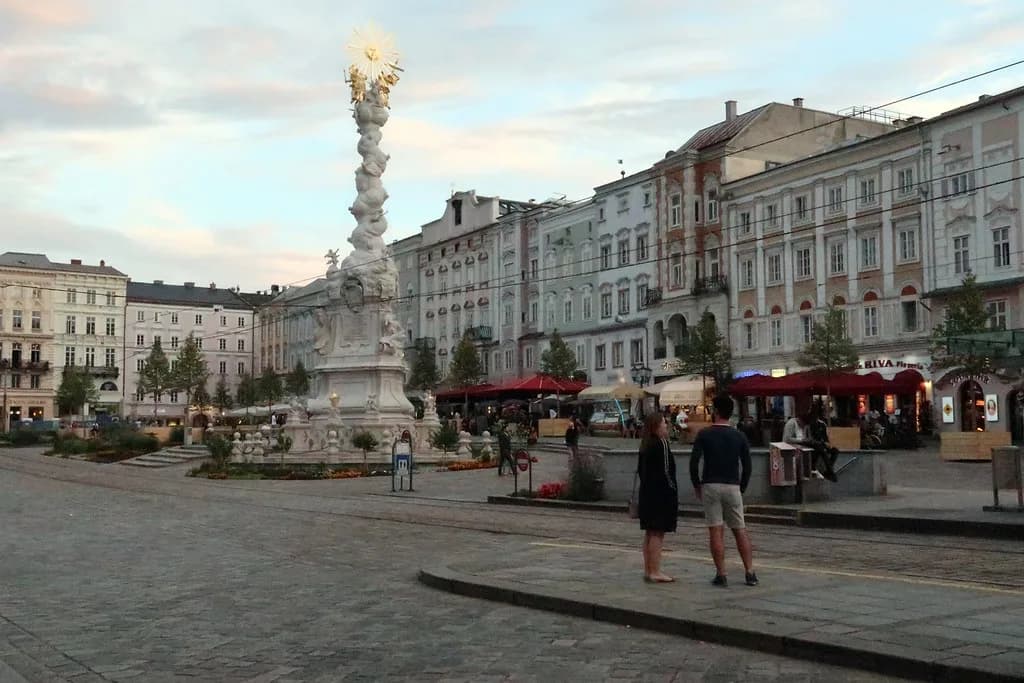
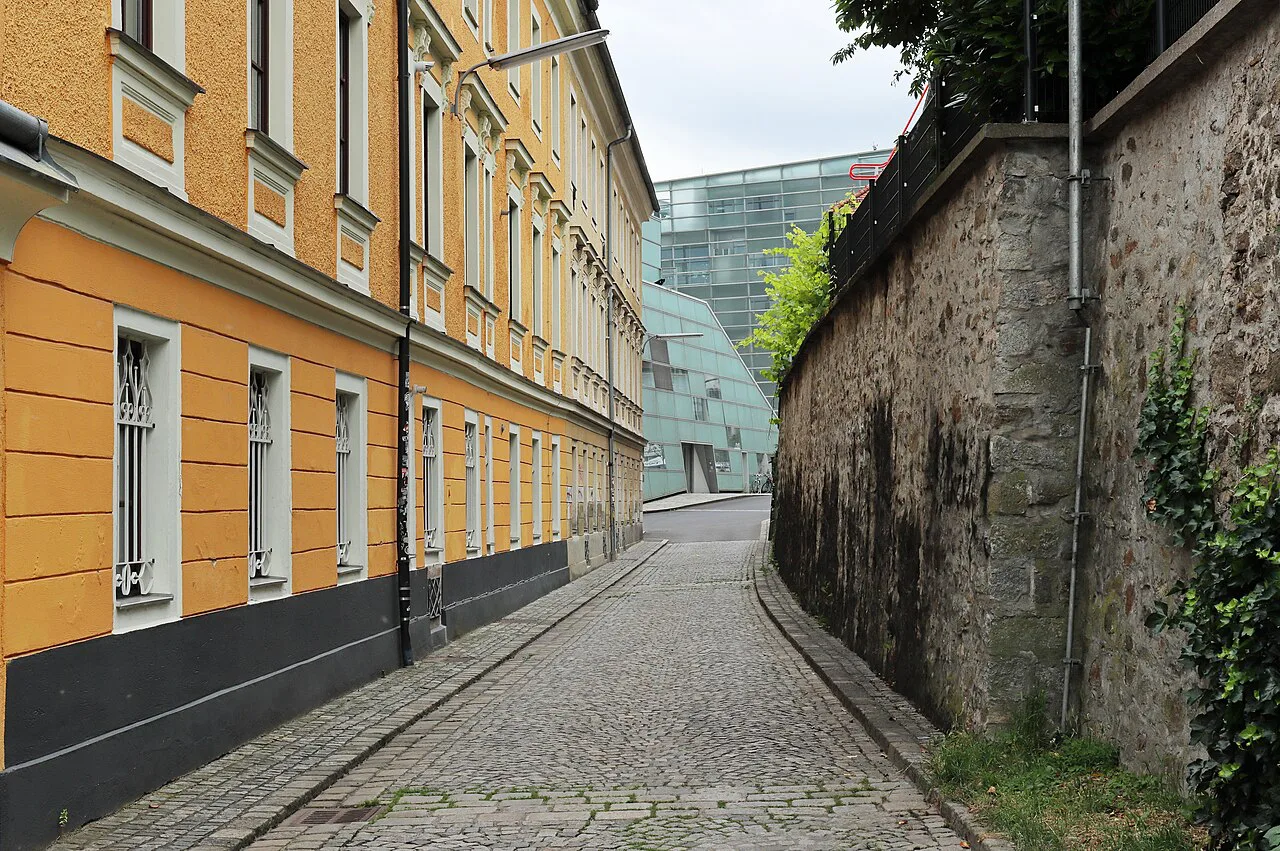
Hauptplatz is the natural starting point: a long market square lined with baroque and historicist facades, with the Old Town Hall and the Trinity Column in view. Walk it once end to end before turning into the side lanes toward Domplatz, because the square reads best at street level and gives you a sense of the town's scale. The lanes behind it hold the denser old-town fabric that most day visitors skip.
For context on how the square and the streets around it developed, the Linz history pages fill in the periods the buildings represent. Pair that with the Things to Do in Linz guide if you want the surrounding sights grouped by area, and a short walking tour if you want the street order fixed for you rather than worked out on the fly.
The neo-Gothic layer: the Mariendom on Domplatz
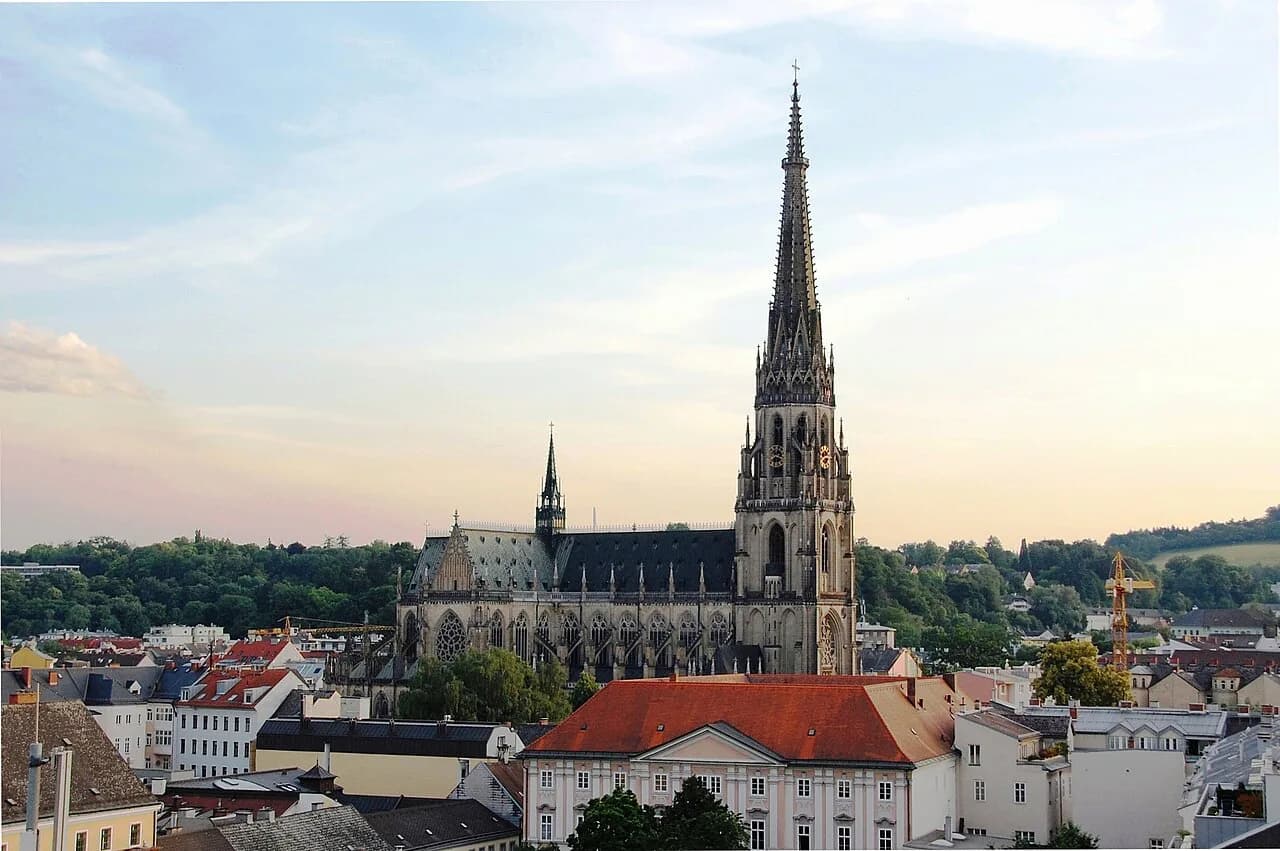
The Mariendom, also called the Neuer Dom or New Cathedral, is the building that defines the skyline above Domplatz, with a 135 m tower and a capacity given as up to 20,000 people. Its neo-Gothic exterior is the part you see for free from the square, and it is worth walking a full circuit to read the pinnacles and flying buttresses against the sky. The cathedral sits at Domplatz 1, a short uphill walk from Hauptplatz.
Entry to the interior and any tower access are managed by the cathedral itself, so check the Mariendom's own pages for current times before you build a plan around going up. If the tower is your priority, schedule it first and let the rest of the walk flex around it.
Baroque in Linz: the Alter Dom and the pilgrimage basilica
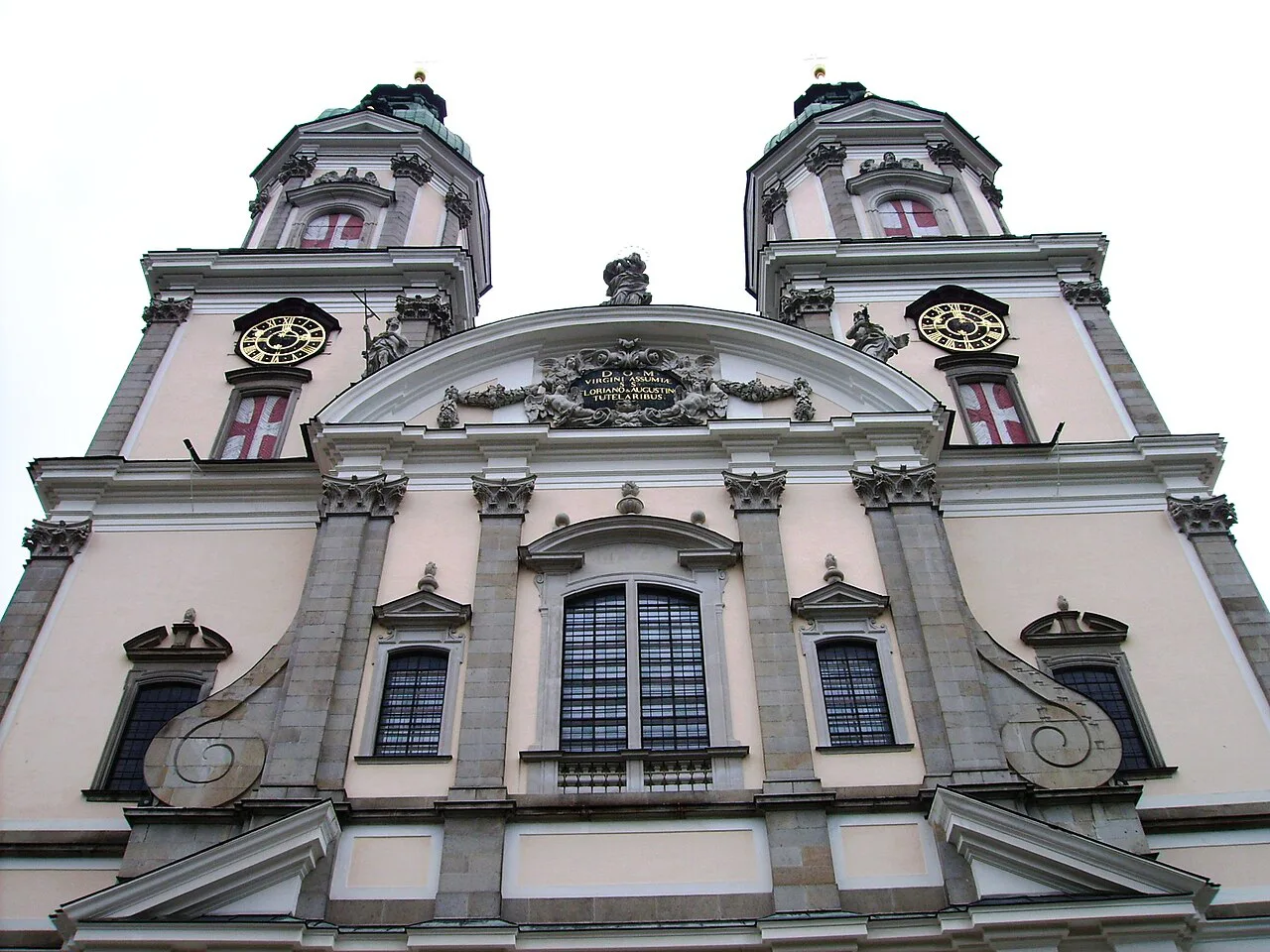
The Alter Dom, the former Jesuit Ignatiuskirche, is the baroque counterweight to the neo-Gothic cathedral and sits close enough to compare the two within minutes. Its facade and interior are the quieter, more ornamented layer of the town, and the surrounding streets are worth slowing down for. Treat it as a ten- or fifteen-minute stop rather than a full sight.
Outside the center, the Wallfahrtsbasilika Sieben Schmerzen Mariae is the other religious building worth naming for anyone following the baroque thread out of town. It works as an add-on to a car day rather than a walk from Hauptplatz.
The Schlossmuseum on the hill
The castle above the town, now the Schlossmuseum Linz, is the piece that completes the skyline when you look back from the Danube. The climb is the trade-off: it costs you time and effort, and it is best done at the end of a walk rather than the start. Once up, the view down over the roofs and the river is the reason to go.
Inside, the regional collections carry the story further than the facades can, so the castle is where a street-level architecture walk turns into a museum visit. If you want to compare it with the city's other collections before committing, the museums in Linz guide sets out the options.
Modern Linz: the Ars Electronica Center and the Kunstuniversität
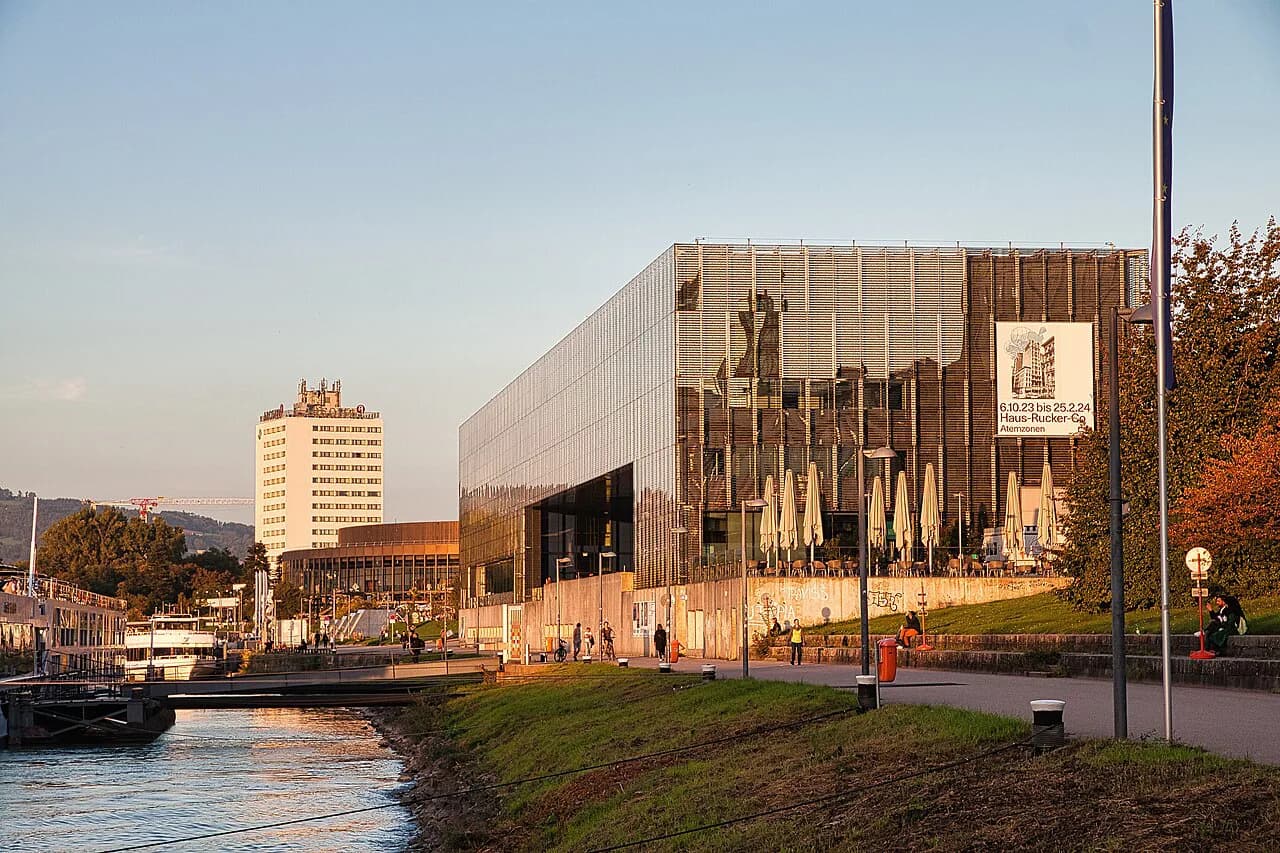
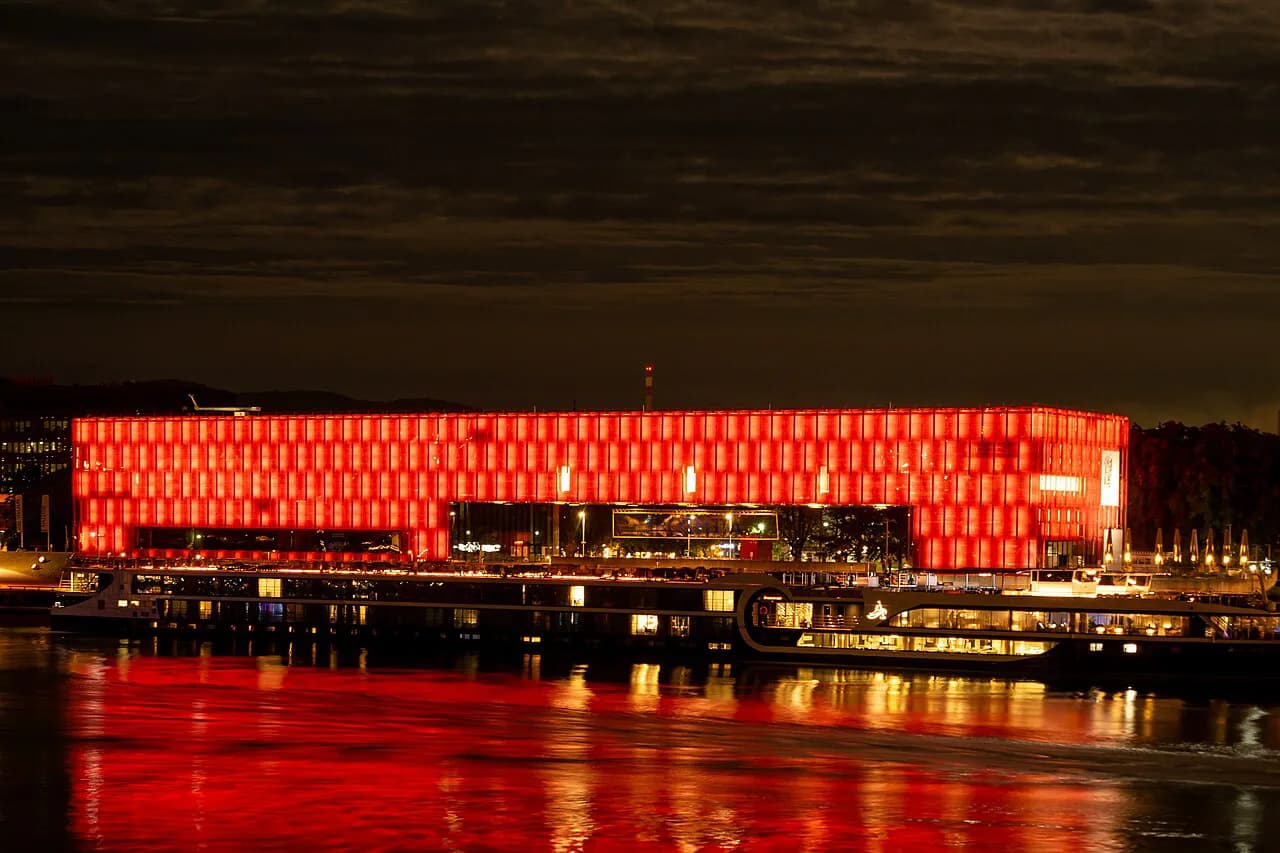
The Ars Electronica Center, known as the Museum of the Future, opened in its current building on the Danube in 2009 after being established in 1996, and its glass form is the sharpest contrast in town to the cathedral. It is a landmark on the river bank and the anchor of any modern-architecture walk. For a town that otherwise reads as baroque and historicist, this is the building that resets the tone.
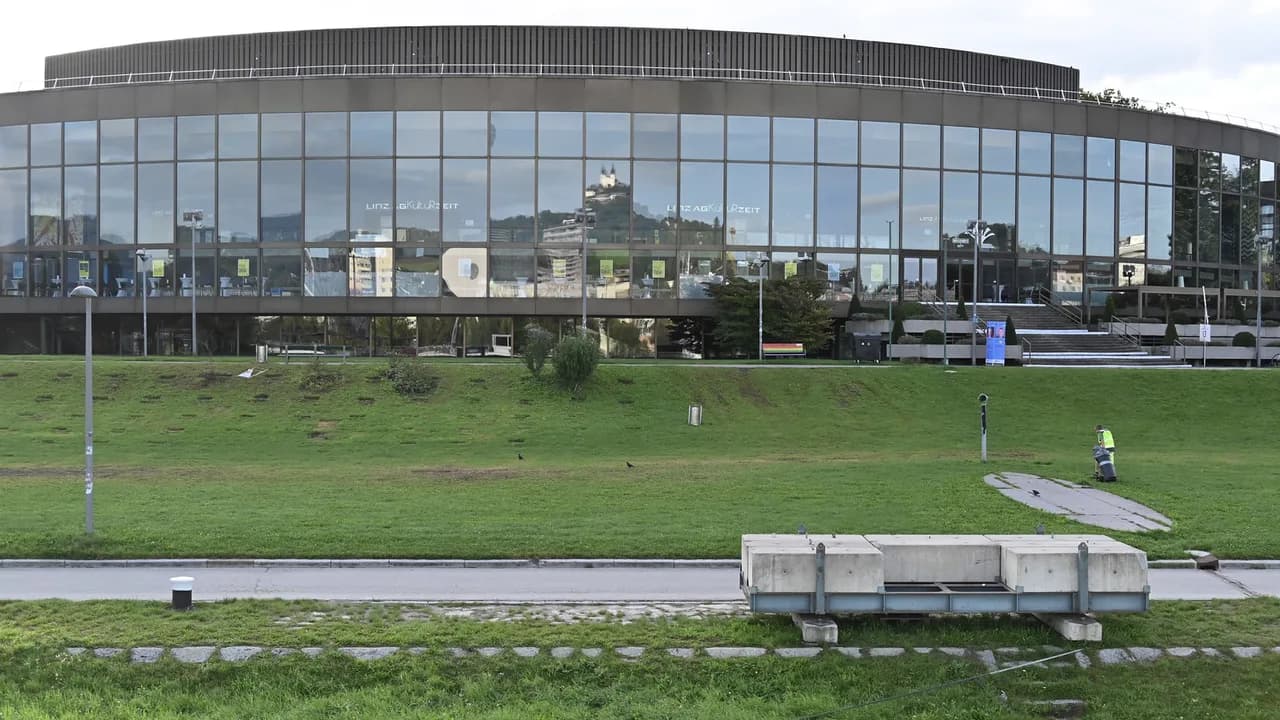
The Kunstuniversität Linz adds a second modern reference point: its Institute for Design is based at Hauptplatz 6, with further space at the Tabakfabrik, and its fields cover industrial design, space and design strategies, and fashion and technology. These are working university buildings rather than visitor attractions, so treat them as architecture to look at from outside. The address alone is useful if you want to see how a contemporary institution fits into an old square.
The Linz Card bundles transport and museum entry, which is worth pricing out if you plan to visit the Ars Electronica Center plus one or two more ticketed sights in a day. Read the terms before buying and compare against single tickets.
Museums that carry the story further
The Lentos Kunstmuseum Linz is the modern-art counterpart on the river side, and its building is as much a piece of architecture as the collection inside. It fits naturally into the Danube end of a walking route. If your interest is the art rather than the building, decide on the collection before you commit the time.
The Lentos Kunstmuseum Linz and the Schlossmuseum are the two collections that most directly extend the architectural story. For the full spread of the city's collections, including smaller specialist museums, the museums in Linz guide sets out the options so you can choose indoor stops that work when the weather turns.
Outlying architecture that rewards a short trip
Stift St. Florian (St. Florian Abbey) sits outside the city and is the obvious extension for anyone following baroque building beyond the center. It works as a half-day add-on by car or bus rather than a walking leg. Combine it with the Sieben Schmerzen Mariae basilica if you have a vehicle.
A half-day walking route: Hauptplatz to the Danube, then uphill
Start at Hauptplatz, look at the Old Town Hall and the Trinity Column, then take the lanes uphill to Domplatz for the Mariendom. Walk down toward the Danube for the Ars Electronica Center and the Lentos, then finish with the climb to the Schlossmuseum. That order keeps the uphill work at the end and puts the river light in the middle.
If you only have a day, the one day in Linz itinerary shows how to trim this route without losing the cathedral or the river. The Linz walking tour fixes the order if you prefer a set route.
Practical trade-offs: what to see from the street and what needs a ticket
The honest split is this: Hauptplatz, the Mariendom exterior, the Alter Dom, the castle hill and the Danube bank are all architecture you can look at from outside without buying anything. The ticketed layer is the interiors — Schlossmuseum, Ars Electronica Center and Lentos — and that is where the time and cost accumulate. Budget your day by deciding which interiors matter before you start walking.
Lunch fits neatly into the middle of the route; the best restaurants in Linz are within reach of Hauptplatz, which keeps the walking order intact. A short Danube cruise can replace the river-bank leg if you would rather see the skyline from the water.
Which Linz building do you start with?
If you have one priority, make it the Mariendom on Domplatz — the 135 m tower and neo-Gothic shell give you the town's silhouette before you see anything else. From there, work downhill to the Alter Dom and the Danube, then finish at the Schlossmuseum for the view back. That sequence costs you only the interiors you choose to enter.
Explore more Linz guides
Frequently Asked Questions
How do you see Linz's main buildings in a single day?
Start at Hauptplatz, walk uphill to Domplatz for the Mariendom, then head down to the Danube for the Ars Electronica Center and Lentos, and finish with the climb to the Schlossmuseum. The uphill work sits at the end, and you can drop any interior you do not want to pay for.
Which Linz sights are free to see from the street?
Hauptplatz, the Old Town Hall, the Mariendom exterior, the Alter Dom, the castle hill and the Danube bank can all be viewed from outside without tickets. The interiors — Schlossmuseum, Ars Electronica Center and Lentos — are the ticketed part, so decide those in advance.
Does it matter which era you start with?
Not to the route, but it changes what you notice. Starting at the neo-Gothic Mariendom and moving to the baroque Alter Dom gives you a contrast; ending at the Ars Electronica Center on the Danube closes the loop on modern Linz.
Sources
Notes for your next Austrian town break
Optional updates when we add or revise town guides.
You might also like

Continue reading
More guides you'll find useful