Things to Do in Graz: Old Town, Schlossberg and Schloss Eggenberg
Plan things to do in Graz by area: the Old Town east of the Mur, Schlossberg viewpoints, Schloss Eggenberg, the Kunsthaus, churches and cafes.
On this page
The best way to see Graz is to group its sights by area rather than chase a checklist: the Old Town on the east bank of the Mur, the Schlossberg hill rising directly behind it, and Schloss Eggenberg out west near the main station. Graz is Austria's second-largest city and holds one of Europe's best-preserved historic centers, so most of the classic stops sit within a walkable core. This guide lays out what to see in each zone, which museums and churches justify a detour, where to eat breakfast, and how the trams and guided tours knit it together.
Old Town Graz: Rathaus, squares and lanes to walk first
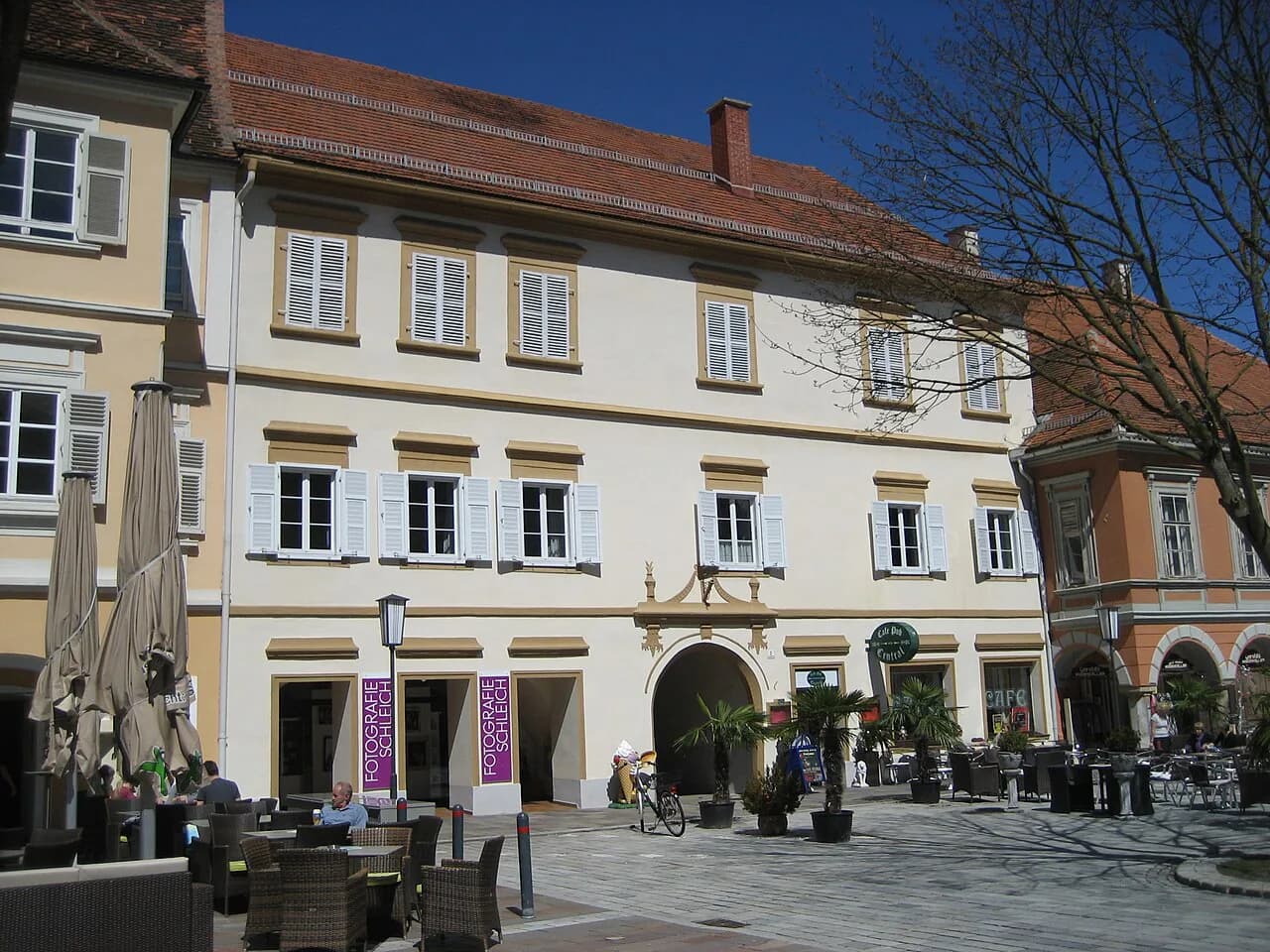
Start on the east bank of the Mur in the Altstadt, where colorful facades, meandering alleyways and ground-floor cafes and boutiques make the best walking. The Rathaus der Stadt Graz, the city hall, anchors the central square where trams pull up, and it sets the tone for the grandiose civic architecture around it. Go early, after first light but before the streets fill, because this is a district that reads best without crowds.
Allow the Old Town a proper half day rather than a quick pass, since the courtyards and side lanes are the point. Graz Tourism steers visitors toward romantic courtyards, cobbled streets and tiled roofs before moving on to the headline sights. If you want more depth on the lanes, squares and building history, the Graz Altstadt guide covers the district in detail.
Schlossberg hill: the Uhrturm, the Chinese Pavilion and the climb
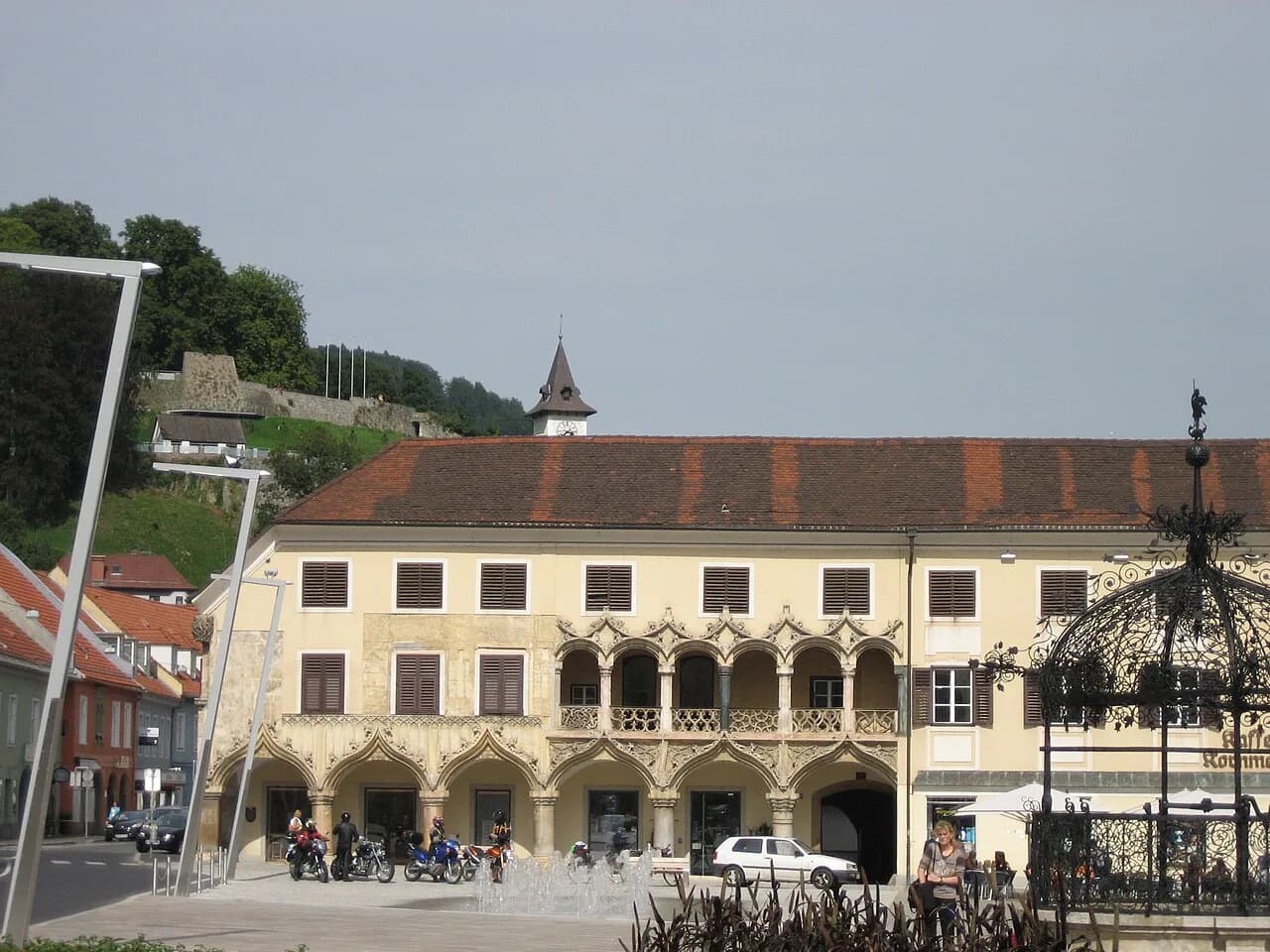
The Schlossberg is the hill pressed against the Old Town, and it holds several of the city's landmarks in one compact space. The Uhrturm, a 28-meter clock tower with gold-plated hands and origins in the 13th century, is the most visible: it survived Napoleon's 1809 capture because the citizens paid a ransom to spare it from demolition. The Chinese Pavilion, a small ornate hut built in 1890, gives another framed view over the roofs below.
Decide up front whether you want the exercise or the shortcut. Graz Tourism groups Schlossberg adventures under a ride-up, swoosh-down heading that points to the Schlossberg lift and the Schlossbergbahn funicular, and the same page names the old town tram as a way to cover ground in the center. Walking up costs nothing but time; the lift and funicular trade a small fare for your legs.
Schloss Eggenberg west of the main station
Schloss Eggenberg is Graz's grand Baroque palace, built in the 17th century on a site with origins back to 1460, and it is a UNESCO World Heritage Site in its own right. The draw is the combination: the preserved castle, well-kept gardens and four museums on the grounds, enough to fill a half day on its own. The honest trade-off is location. It sits west of Graz's central train station rather than in the Old Town, but it is reachable by tram, so it slots into a day without a car.
Pair Schloss Eggenberg with a museum afternoon rather than squeezing it in before dinner. The [Graz Attractions hub](/attractions/graz) links the individual guides for the palace and the city's other headline sights. Ticket combinations and opening seasons change, so confirm them with the palace before you build the day around it.
Kunsthaus Graz and the Joanneum district
The Kunsthaus Graz is the city's unmistakable modern landmark, a biomorphic structure nicknamed the Friendly Alien, designed by Peter Cook and Colin Fournier and built after Graz's 2003 European Capital of Culture year. It has no collection of its own; it devotes the space to temporary exhibitions. That shapes the decision: you go for whatever is showing, not for a permanent hang.
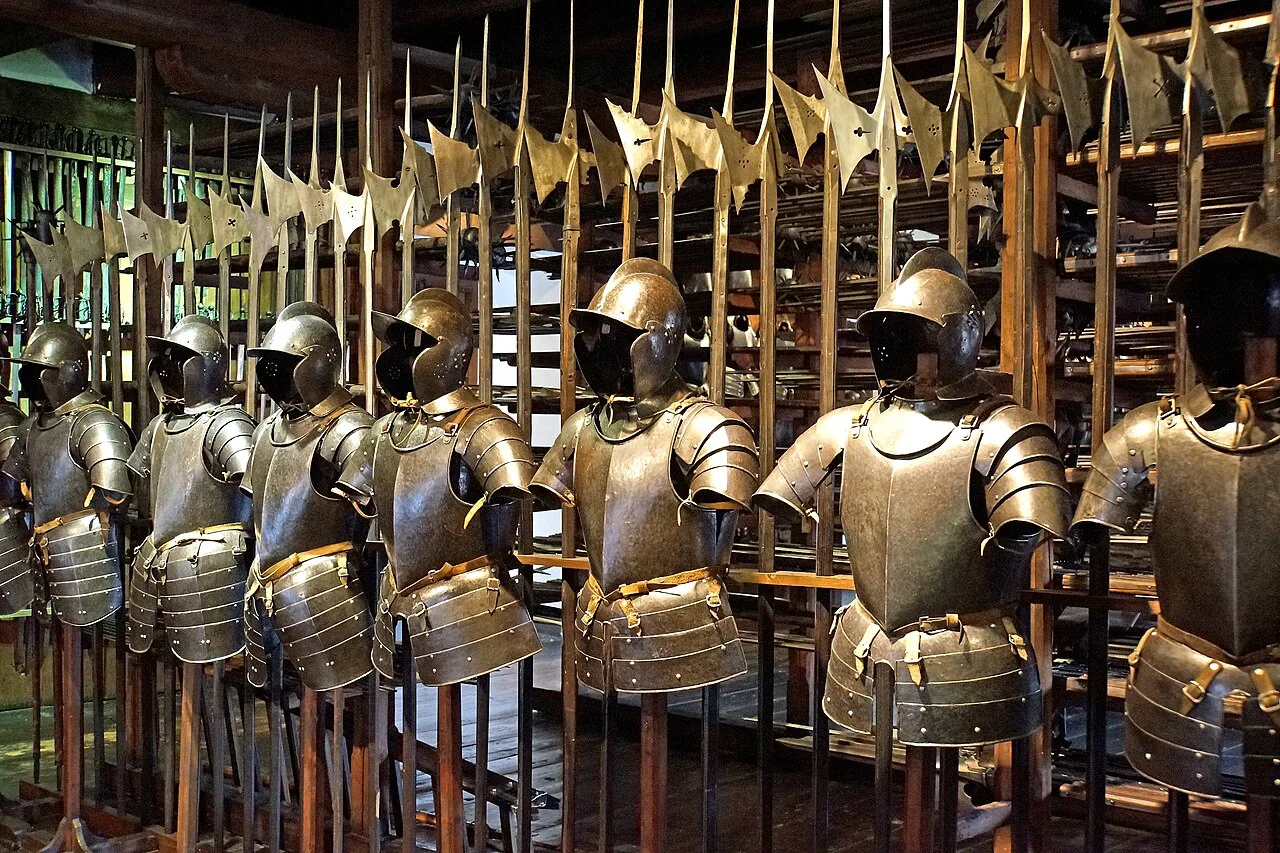
The surrounding Joanneum district, with the Neue Galerie Graz and the Styrian Armoury (Landeszeughaus), makes the museum stop a cluster rather than a single visit. Graz Tourism's 24-hour plan lists the Styrian Armoury, the Joanneum district and the Neue Galerie as guided-tour stops for travelers who want context. Use the [museums in Graz guide](/museums-in-graz) to pick which ones fit your time and interests.
Graz Cathedral and the Gottesplagenbild fresco
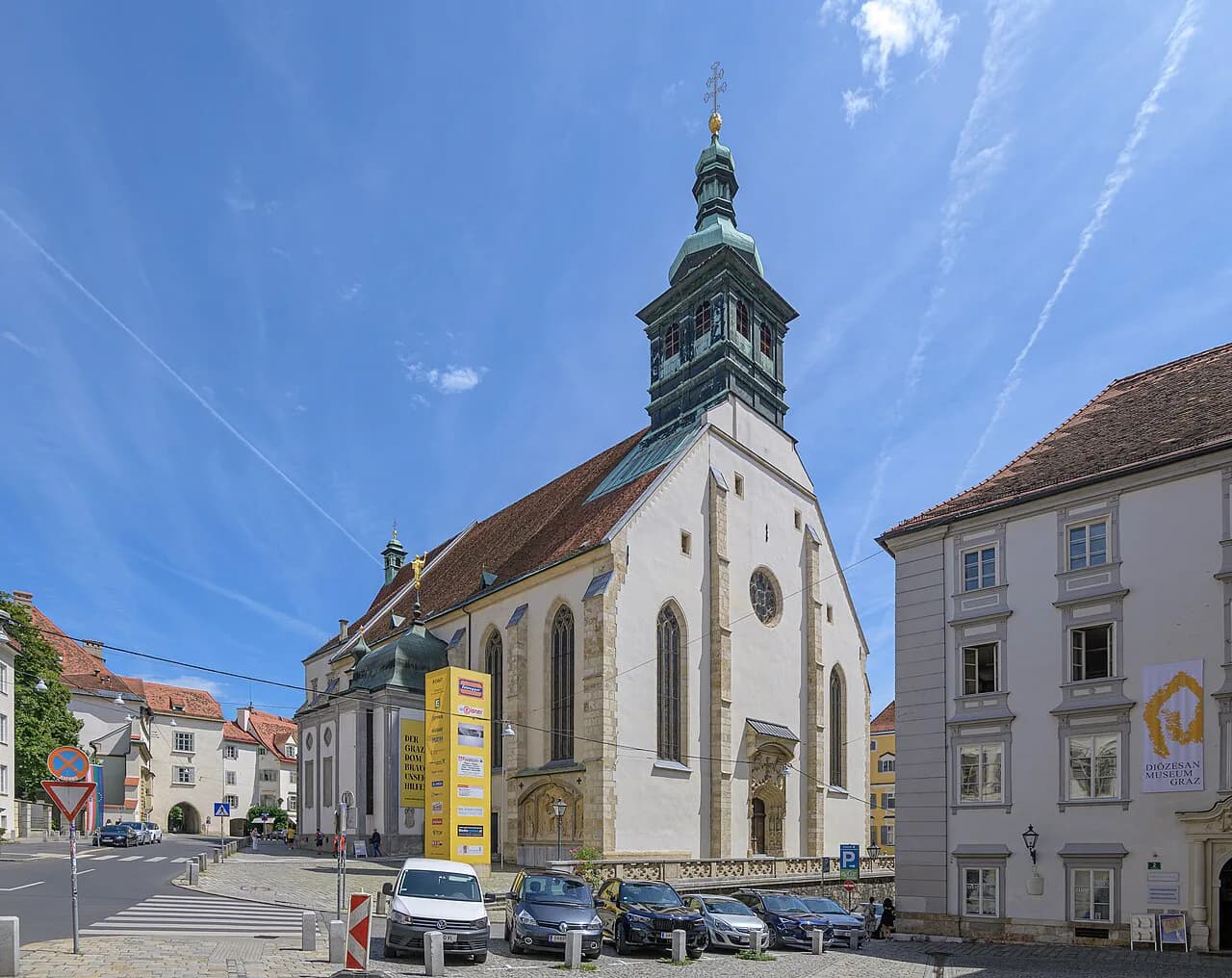
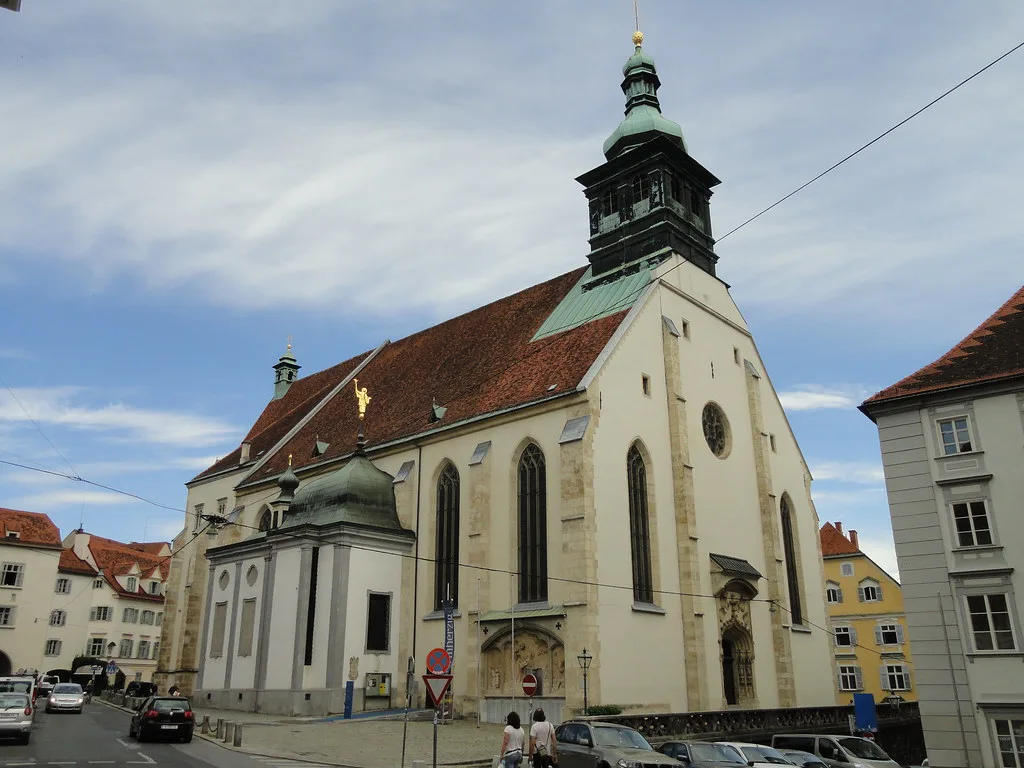
Graz Cathedral, also called St. Giles' Cathedral, sits in the historic center and is easy to misjudge from outside, where the Gothic shell looks plain. Inside, the drawing card is the Gottesplagenbild, the God's Plagues fresco that anchors the interior. Emperor Frederick III erected the church in 1438, so it is a Gothic stop rather than a Baroque one, a useful contrast to the pilgrimage church elsewhere in the city.
Allow twenty to thirty minutes here and combine it with the Old Town walk, since it sits within the same core. The [Graz churches guide](/churches-in-graz) groups the cathedral with the city's other religious sites if you want to plan a deliberate church route.
Herz-Jesu-Kirche and its Neo-Gothic tower
Herz-Jesu-Kirche, the largest church in Graz, stands just east of the center and is worth the short walk for its Neo-Gothic scale. Its tower reaches 109.6 meters, and construction ran from 1881 to 1887. The stained-glass windows are the standout detail, a rare feature in Austrian churches.
Pair it with a visit to the Kunsthaus if you're already on the east side, since both sit outside the tightest Old Town loop. It is a quick stop, best used as a visual counterweight to the Gothic cathedral rather than a destination on its own. Chapter and door times change with services, so plan around what you find on arrival.
Mariatrost Basilica on Purberg Hill
Mariatrost Basilica sits northeast of the center on Purberg Hill, a Baroque pilgrimage church recognizable by its bright yellow facade. It was built in 1714 and remains a well-known pilgrimage destination in Styria. The climb up the hill is part of the visit, and the elevated position gives you a second viewpoint over the city beyond the Schlossberg.
This is the stop to make when you want Baroque church architecture and a quieter setting than the center. Give it a half-morning or pair it with the east-side sights; it rewards unhurried time rather than a quick look. For more on the city's layered past, the [Graz history guide](/graz-history) explains the periods behind these buildings.
Coffee, breakfast and Styrian food in the city
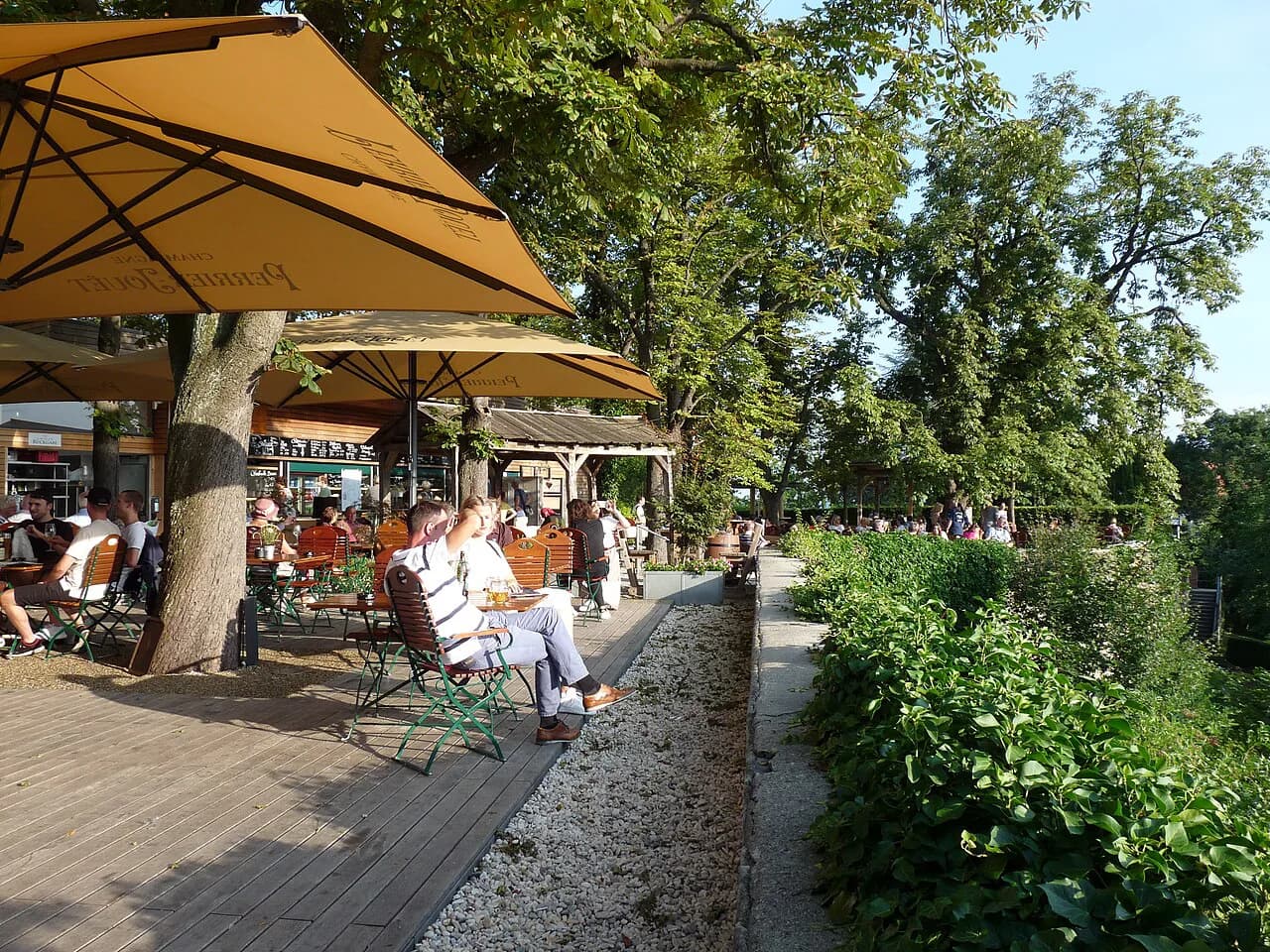
Graz Tourism recommends industrial-style cafés such as the Kunsthauscafé and Tribeka for coffee and snacks, both popular with visitors of all ages. On weekends, it advises reserving in advance if you want breakfast at a city café. Bäckerei Sorger, a bakery-café with multiple locations, is another solid morning stop in the Old Town.
For lunch and dinner, think Styrian and Austrian cooking rather than international chains; Graz is billed as the culinary capital of Austria. Farmers' markets are the best place to assemble a picnic of regional products before heading up the Schlossberg. The [best restaurants in Graz guide](/best-restaurants-in-graz) helps narrow the choice when you want a proper sit-down meal instead of a market snack.
Getting around Graz on foot, by tram and by bike
Graz is compact and walkable, so most of the Old Town, Schlossberg and east-side churches fit on foot. Graz Tourism covers buses and trams, the Graz old town tram and the Schlossberg lift and funicular under its getting-around section: use the tram for Schloss Eggenberg and the funicular when you'd rather not climb the hill. The city is also bike-friendly thanks to its student population, which makes two wheels a practical option for covering the spread-out sights.
Plan your ticket around how many paid sights you'll actually enter. City tourism sells the Graz Card and Graz Card Light, with different inclusions depending on the card, so the value depends on your itinerary. Check what each covers before buying.
Guided tours and city bus tours
If you want context rather than a self-guided loop, Graz offers guided city tours, city walks, city bus tours, public raft trips on the Mur and culinary walking tours. Graz Tourism lists a historic center walking tour running daily from May to October 2026, at 10.30 am in German and 4.30 pm in German and English.
For a first visit, a walking tour in the morning followed by an independent afternoon works well. If you're traveling onward, our guides to [things to do in Linz](/things-to-do-in-linz) in Upper Austria and [things to do in Innsbruck](/things-to-do-in-innsbruck) in the Tyrol show how Graz fits a wider Austria route.
Day reach from Graz into Styria
Graz Tourism keeps dedicated sections for Styrian wine roads and the Styrian Castle Road, which outline the excursion routes through the surrounding countryside. These are the natural extensions for a second day: castles and open country rather than more city blocks. For the palace side of that plan, see our guide to Austrian Castles and Palaces: A Region-by-Region Guide. If you're building a longer Styria itinerary, use these as the framework and check seasonal openings for the castles before you drive out.
Which Graz sights to book first
Book the guided walking tour first if you want instant context: the historic center tour runs daily May to October 2026, at 10.30 am in German and 4.30 pm in German and English. Then commit a half day each to Schloss Eggenberg and the Old Town with the Schlossberg, and treat the Kunsthaus as a bonus depending on what's showing.
Explore more Graz guides
Frequently Asked Questions
What language is spoken in Graz?
German is the everyday language in Graz, the local standard being Austrian German. English is widely understood in hotels, museums and cafes, and Graz Tourism publishes its city information in English, German and Italian. Guided city tours often include an English-language departure, so you can choose one that matches your language.
How do I get up the Schlossberg?
You can walk up the hill from the Old Town, or use the Schlossberg lift and the Schlossbergbahn funicular, which Graz Tourism lists under its transport and getting-around pages. The funicular is the shortcut when you'd rather save your legs for the viewpoints at the top, including the Uhrturm and the Chinese Pavilion.
Sources
Notes for your next Austrian town break
Optional updates when we add or revise town guides.
You might also like
Continue reading
More guides you'll find useful