Austrian Castles and Palaces: A Region-by-Region Guide
Plan a route through Austria's castles and palaces by province, from Hochosterwitz and Hohenwerfen to Forchtenstein and Eggenberg, with what each offers.
On this page
Austria holds more than a thousand castles, palaces and fortresses, so the practical question is which ones fit the route you are already driving or riding. This guide groups the strongest candidates by province, from Hochosterwitz in Carinthia to Ambras in Tirol, and explains what kind of building each one is. That distinction matters, because a hilltop fortress, a Renaissance palace and a baroque garden complex ask for different amounts of time and different footwear.
Castles cluster along the same rail and road corridors as Austria's abbeys and lake towns, which makes a combined loop realistic. You can pair a Carinthian rock fortress with a Wörthersee stop, or a Styrian palace with Graz, without adding much driving. The sections below cover what each site offers, how the approach works, and where seasonal access or a set tour format shapes the day.
Fortresses, palaces and ruins: how to tell them apart
A Burg is a fortified structure, usually medieval and often on a crag or hill, while a Schloss is a residence, frequently rebuilt in Renaissance or baroque style with gardens attached. A Burgruine is a fragment, sometimes just walls and a viewpoint, and it may cost nothing or a small fee. Reading those three words correctly on a map stops you from budgeting two hours for a ruin that takes twenty minutes, or twenty minutes for a palace that needs two hours.
The physical setting drives the visit. Hochosterwitz sits on a 150-meter limestone rock that stands alone in the landscape, so the climb and the view compete with the interior for your attention. Palace complexes such as Eggenberg in Graz spread horizontally across parkland, which suits a slow half-day rather than a quick stop. Decide before you go whether you are buying a viewpoint, an interior tour or a garden stroll.
Two Austrian sites carry UNESCO World Heritage status: Schönbrunn Palace in Vienna and Eggenberg Palace in Graz. That listing signals architectural weight, not convenience, and Schönbrunn in particular sits in the capital rather than on a provincial castle route. Treat the pair as benchmarks for what a state-run palace visit looks like, then build your itinerary from the smaller sites that fit your direction of travel.
Many of these buildings are restored and open to the public, and plenty double as concert or festival venues. That means interiors can close for an evening performance while the gardens stay open, so a morning slot is usually the safer choice for a guided interior. Guidebooks rarely flag this, but event listings and the site's own calendar will.
Carinthia: rock fortresses, eagle shows and a lake peninsula
Hochosterwitz is Carinthia's signature image, a fortress perched on an isolated limestone crag, with panoramic views from the top. Landskron near Villach is known both for its eagle arena and for a well-regarded gourmet restaurant, so it works as a combined wildlife and lunch stop rather than a pure history visit. Both reward a clear morning, since the drama is as much topographic as architectural.
What is the most famous castle in Austria? Schönbrunn Palace in Vienna is the best-known, and it holds UNESCO World Heritage status along with Eggenberg Palace in Graz. Neither is typical of a provincial castle route, though, so travelers heading beyond the capital usually build around fortresses such as Hochosterwitz or Hohenwerfen instead.
Which castles can I reach without a car? Ambras is accessible from central Innsbruck, Eggenberg sits inside Graz, and the Danube and Kamptal rail lines reach the Wachau and Rosenburg area. Rural sites such as Greinburg, Herberstein and Bernstein realistically need a car or a regional bus connection.
Are any of these castles closed in winter? Grafenegg Castle can only be visited in the summer months, and Clam Castle's overnight apartments are likewise a summer option. Many hilltop fortresses and outdoor ruins are best in dry, warm weather, while furnished palace interiors can usually be toured year-round.
In Spittal an der Drau, Porcia Castle is a Renaissance building used today for exhibitions and events, which makes it a flexible stop if the weather turns. Maria Loretto sits on a peninsula of the Wörthersee and is popular for weddings and celebrations, so expect an exterior visit to be the main draw outside event days. Finkenstein, a ruin above the Faaker See, contains a 1,000-person arena for events and is worth a look when nothing is scheduled.
Route Carinthia by car if you want to link Hochosterwitz, Landskron and the lakes in one day, because the sites sit off the main rail lines. Train works for Klagenfurt and Villach as bases, with buses or a taxi covering the last stretch. Check the fortress's own site for the seasonal opening pattern before committing a day to it.
Salzburg province beyond the city: Hohenwerfen and Mirabell
Hohenwerfen Fortress stands in the Salzach valley south of the city, a hilltop stronghold that pairs naturally with a drive toward Werfen and the Eisriesenwelt, so it slots into a mountain day rather than a city day. If the ice cave and fortress together tempt you, our Werfen guide covers approach, tickets and timing for both. The full detail on approach, tickets and timing sits in the guide to castles near Salzburg.
Inside Salzburg itself, Mirabell Palace and its baroque pleasure garden are a low-commitment add-on: the Marmorsaal is one of the most sought-after wedding halls in the country, and the gardens are open to walk through. If you are weighing a city stop against a fortress excursion, the guide to castles near Salzburg sets Hohensalzburg Fortress and Hohenwerfen side by side.
Upper Austria and the Salzkammergut: island castles and a museum in a fortress
Ort Castle occupies a tiny island in the Traunsee and became famous on Austrian television as the setting of a long-running series; it counts among the oldest buildings in the Salzkammergut. It is a short stop, best folded into a lake day around Gmunden rather than a destination in its own right. Greinburg in the Strudengau holds the title of the oldest inhabited castle in Austria, which makes it a different proposition from a museum-piece ruin.
Linz Castle began as a fortification and now houses a museum, so you get galleries plus the elevated view over the Danube city in one ticket. Clam Castle in the Mühlviertel offers something rarer: overnight stays in bower apartments and suites furnished with 18th-century pieces, though the cited source limits that to the summer months. If you want a castle bedroom, book that in advance rather than turning up.
The Salzkammergut rail and bus network reaches Gmunden and the Traunsee without a car, and boat services on the lake make the island approach memorable. Greinburg and Clam sit further out and are easier by car. Plan the lake sites for public transport and the rural ones for a driving day.
Styria: Eggenberg, Riegersburg and the garden castle
Eggenberg in Graz is the largest and most important baroque palace complex in Styria and holds parts of the Universalmuseum Joanneum, so a visit doubles as a museum day. Because it sits inside the city, it works on foot or by tram from the center. Allow more time than you would for a standalone country palace.
Riegersburg offers three distinct approaches: a glass lift, a walk up through seven castle gates, or a climbing route for the fit and properly equipped. That choice is the visit, so pick deliberately; the gate walk gives the most sense of how the fortress was defended. Herberstein, by contrast, is a garden castle with animals and art, a gentler half-day for mixed interests.
Two more Styrian sites round out a loop. Seggau, in the southern wine country, has a wine cellar more than 300 years old, and Piber is the stud farm where the Lipizzaner stallions that perform in Vienna are bred. Neither is a conventional castle tour, which is exactly why they break up a run of state rooms.
Graz anchors the region by rail, with direct trains from Vienna and Salzburg, and buses serve the Riegersburg area. Herberstein and Seggau are easier with a car. Build Styria around Graz as a base and treat the rural castles as day excursions.
Burgenland: volcanic cones and the Esterházy legacy
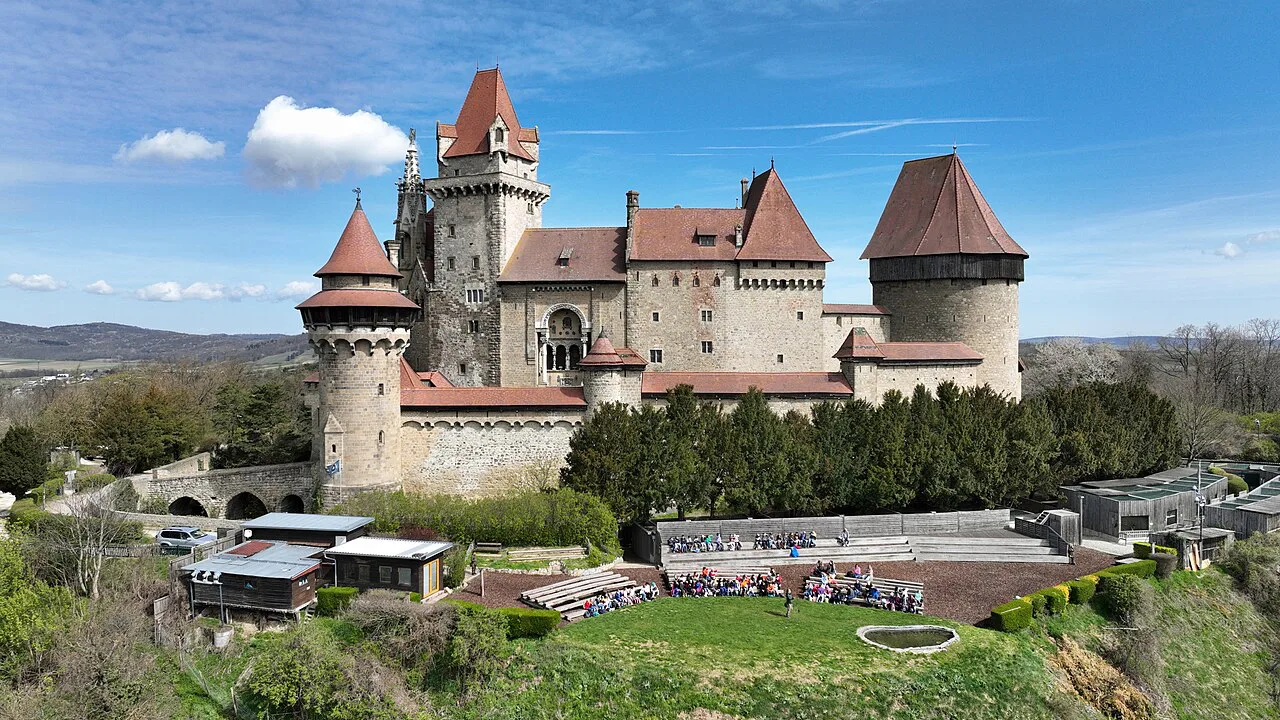
Güssing Castle is the oldest in its province and was built on an extinct volcano, which explains the profile you see from a distance. Lockenhaus was once home to the Knights Templar, and Schlaining now includes a Peace Museum, giving the region an unusual mix of military and civic history. Forchtenstein Castle anchors the Esterházy story alongside Esterházy Palace and the Renaissance complex at Lackenbach.
Bernstein Castle is a family-run hotel in its fourth generation with original furnishings, one of the clearest cases in Austria of sleeping inside the history rather than beside it. Halbturn is a baroque building with a park that served as an imperial summer residence. Both reward booking ahead if you want an interior rather than a drive-by.
Burgenland is Austria's flattest province, which makes it good cycling and driving country, and the castles sit within reasonable distances of each other. Rail reaches Oberwart and Mattersburg, but a car or a regional bus is the realistic way to string Güssing, Schlaining and Forchtenstein together in a day.
Lower Austria: Danube palaces, Kamptal ruins and a terracotta courtyard
Schloss Hof offers magnificent chambers plus a reconstructed baroque garden with a maze, and it sits close enough to Vienna for a half-day excursion. Laxenburg combines a medieval old castle with the baroque Blue Court, a pairing that shows how these buildings accumulated over centuries. Both are covered in more depth in the guide to castles near Vienna, which also sorts out Kreuzenstein Castle.
Rosenburg sits high above the Kamptal on a massive rock, with falconry birds circling overhead, and pairs well with a Wachau day. Schallaburg is a thousand-year-old site with changing exhibitions and 1,600 terracotta figures in its arcade courtyard; the figures alone justify the detour. Aggstein, a ruin above the Danube, hosts medieval festivals and craft markets.
Grafenegg Castle can only be visited in the summer months, so slot it between late spring and early autumn or skip it. Schallaburg and Rosenburg sit on routes that connect readily with the Danube and Kamptal lines plus short bus rides, covering most of these sites without a car.
Tirol and Vorarlberg: Ambras, Ehrenberg and western strongholds
Ambras Castle rises above Innsbruck, and it is the easiest big castle visit in western Austria for travelers based in the city. The guide to castles near Innsbruck sets it alongside the other strongholds in the Inn valley.
Ehrenberg, near Reutte, is a ruined stronghold that suits travelers driving between Bavaria and Tirol. Vorarlberg has fewer marquee castles but plenty of small strongholds in the valleys. Treat the far west as a driving region where you stop at what lies on your route.
Gardens and parks worth building a stop around
Several of these sites are worth visiting for the grounds alone, which is a cheap way to break a long drive. Mirabell's baroque pleasure garden, Schloss Hof's reconstructed garden with its maze, and Halbturn's park all let you wander without committing to a full interior tour. Eggenberg's parkland in Graz works the same way.
Austrian baroque gardens follow a recognizable grammar of clipped hedges, axes and sightlines, and knowing that helps you read what you are looking at. If the formal language interests you, the guide to Austrian baroque explains how architects such as Johann Bernhard Fischer von Erlach shaped the era that later remodeled many of these palaces.
Reading the map: grouping castles by province
Group your list by province and you will cut driving sharply, because the sites in this guide cluster around a handful of hubs: Graz, Klagenfurt and Villach, Linz and the Salzkammergut, Innsbruck, and the Danube west of Vienna. Rail covers the hubs well, and regional buses fill many of the gaps, but rural castles such as Greinburg, Herberstein and Bernstein usually need a car.
A realistic pattern for a two-week trip is one province per two days: Carinthia for the rock fortresses, Styria for Graz and Riegersburg, Burgenland for the Esterházy sites, Lower Austria for the Danube, and Tirol for Ambras. Book rail legs on the national operator's site and regional buses on the provincial operators' sites, checking the specific line rather than relying on a general pass.
If your route starts in Vienna, the guide to castles near Vienna handles Kreuzenstein Castle and the Laxenburg and Artstetten Castle options in more detail, including Artstetten Castle's link to Archduke Franz Ferdinand of Austria and the Family Crypt. Those are genuinely day-sized excursions rather than detours.
What a visit costs and how tours work
Ticket prices vary widely by site and by operator, and the state-run palaces, private family castles and municipal ruins each set their own. Each castle's official page lists current prices in euros and any family or combined ticket, and that is the figure to budget from. Do not carry a number over from a guidebook, because these change with the season.
Guided tours are the norm in furnished interiors, and anecdotes about Habsburg daily life are part of the appeal; some sites run them at fixed times rather than continuously. Outdoor sites such as Aggstein and the Dürnstein ruin are self-guided. Where a tour is timed, arrive early and expect to wait for the next slot rather than wandering in.
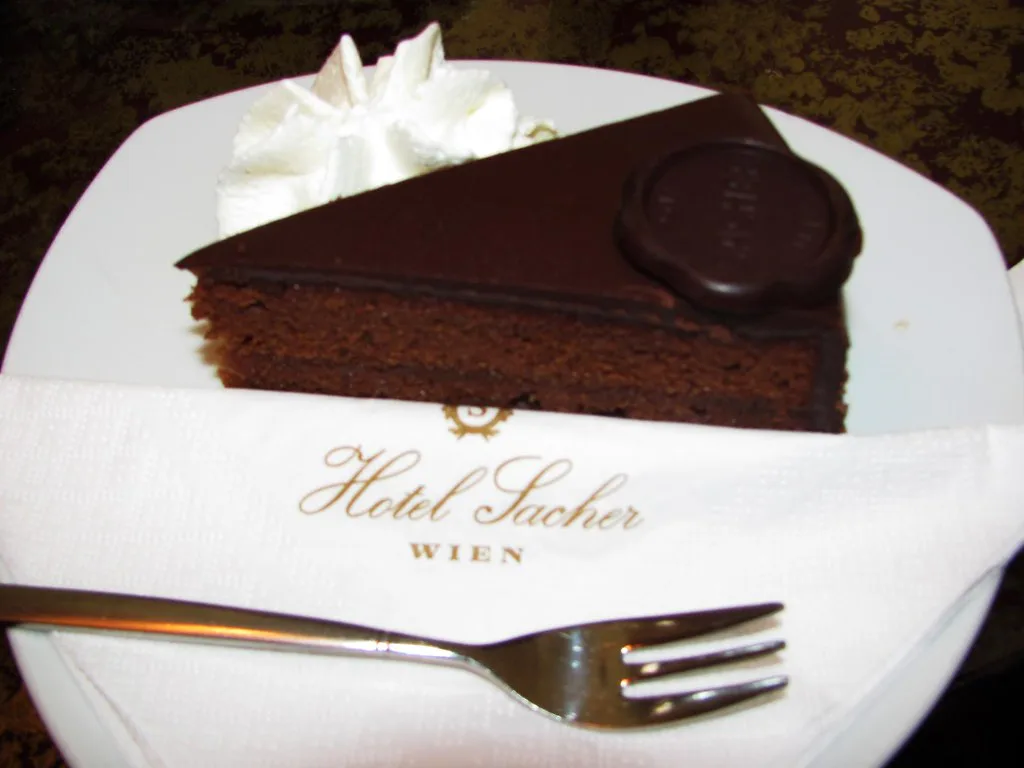
Castle restaurants are common at the larger sites—Landskron's gourmet restaurant being one example—and a coffee stop is often the easiest way to see an interior courtyard. If you want something sweet afterward, the guide to Austrian desserts covers the classics worth ordering.
Seasonal openings that reshape an itinerary
Not every castle is a year-round stop. Grafenegg can only be visited in the summer months, and Clam's overnight apartments are likewise a summer option, so a winter route through Lower Austria or the Mühlviertel will look different. Build the seasonal sites into the middle of your trip, when you have slack to move them.
Outdoor ruins and fortress climbs are best in dry, warm weather, which in practice means May through October for the high, exposed sites such as Hochosterwitz and Riegersburg. Indoor palace tours work in any month. Mix the two so a rainy day still has a plan.
Mountain roads serving some of these castles close in winter, so a car-based castle itinerary in the Alps needs a summer window. Rail and bus schedules change with the season too. Confirm the specific service you intend to use before booking accommodation around it.
Sleeping in a castle, briefly
A handful of Austrian castles operate as hotels, and Bernstein is the clearest example, run by the same family for four generations with original furnishings still in place. Clam offers bower apartments and suites with 18th-century furniture in summer. Both are genuine alternatives to a standard hotel if you want the building itself to be the experience.
Book directly with the property and read what is included, since a castle room may not come with breakfast or access to the museum wings. Parking and access roads matter at hillside sites. Confirm both before you commit.
Which castles earn a place on your route
Build your route around one or two provinces rather than chasing a list, and pick a mix: one fortress for the climb and the view, one furnished palace for a guided interior, and one garden or park for a slow hour. Carinthia and Styria give you the most variety within a short drive.
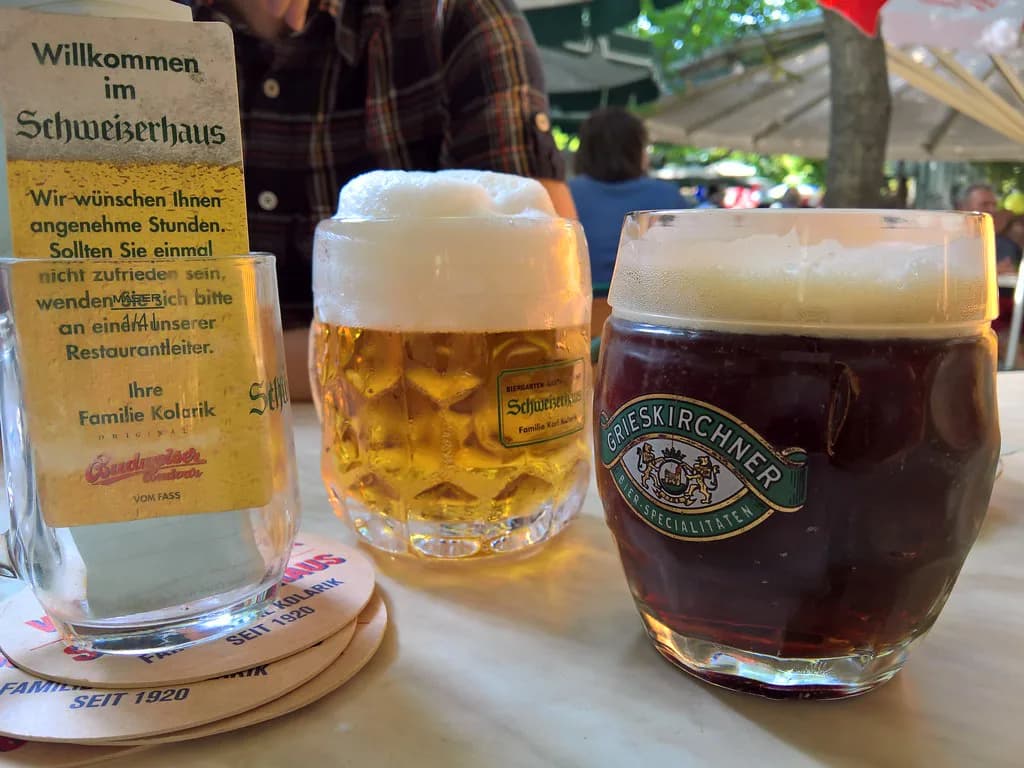
Check each site's own page for prices, tour times and seasonal openings before you fix dates, since those details shift by operator and month. On the road, Austrian beer and a castle café are a reliable way to end the day.
Explore more Austria guides
Frequently Asked Questions
What is the most famous castle in Austria?
Schönbrunn Palace in Vienna is the best-known, and it holds UNESCO World Heritage status along with Eggenberg Palace in Graz. Neither is typical of a provincial castle route, though, so travelers heading beyond the capital usually build around fortresses such as Hochosterwitz or Hohenwerfen instead.
Which castles can I reach without a car?
Ambras is accessible from central Innsbruck, Eggenberg sits inside Graz, and the Danube and Kamptal rail lines reach the Wachau and Rosenburg area. Rural sites such as Greinburg, Herberstein and Bernstein realistically need a car or a regional bus connection.
Are any of these castles closed in winter?
Grafenegg Castle can only be visited in the summer months, and Clam Castle's overnight apartments are likewise a summer option. Many hilltop fortresses and outdoor ruins are best in dry, warm weather, while furnished palace interiors can usually be toured year-round.
Sources
Notes for your next Austrian town break
Optional updates when we add or revise town guides.
You might also like
Continue reading
More guides you'll find useful