Castles Near Innsbruck: Ambras, Tratzberg and the Fortresses by Rail
Castles near Innsbruck range from Schloss Ambras to Tratzberg and the Kufstein fortress. Here is what each offers, what Ambras costs and how to reach them.
On this page
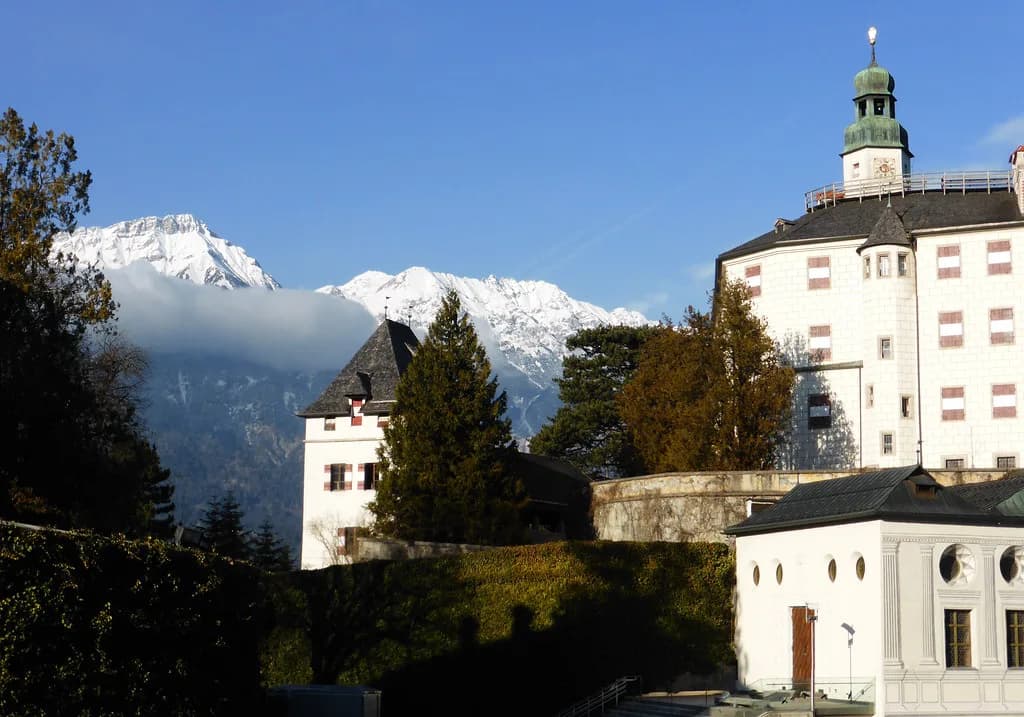
Schloss Ambras (Ambras Castle) is the castle to see inside Innsbruck itself, and it is the easiest of the lot: a Renaissance palace on the hillside above town, open daily from 10:00 to 17:00 except in November, with tickets sold both at the door and online. Beyond it, the castles near Innsbruck are a train ride away in the Inn valley (Inntal), from the towns east of the city to the border country near Germany. This guide sorts them by travel time and by what you actually get inside, so you can pick two or three rather than trying to tick off every wall in Tyrol.
Why Innsbruck works as a castle base
Innsbruck splits the castle question neatly in two. One palace, Ambras, sits within the city and can be reached on foot or by a short bus ride, while the fortresses and castles of the Inn valley lie east of town along a rail line that runs through Hall in Tirol and on to Kufstein. That means you can plan a morning indoors at Ambras and an afternoon on a train, or reverse it if the weather turns.
Hall in Tirol sits east of Innsbruck on the same east–west Inn valley rail line that continues to Kufstein, so the fortresses and castles of the valley line up as one chain rather than scattered detours. If you are building a wider loop through the country, this cluster belongs with the other Austrian Castles that reward a train-based trip rather than a coach tour.
Schloss Ambras: the first museum kept in its original setting
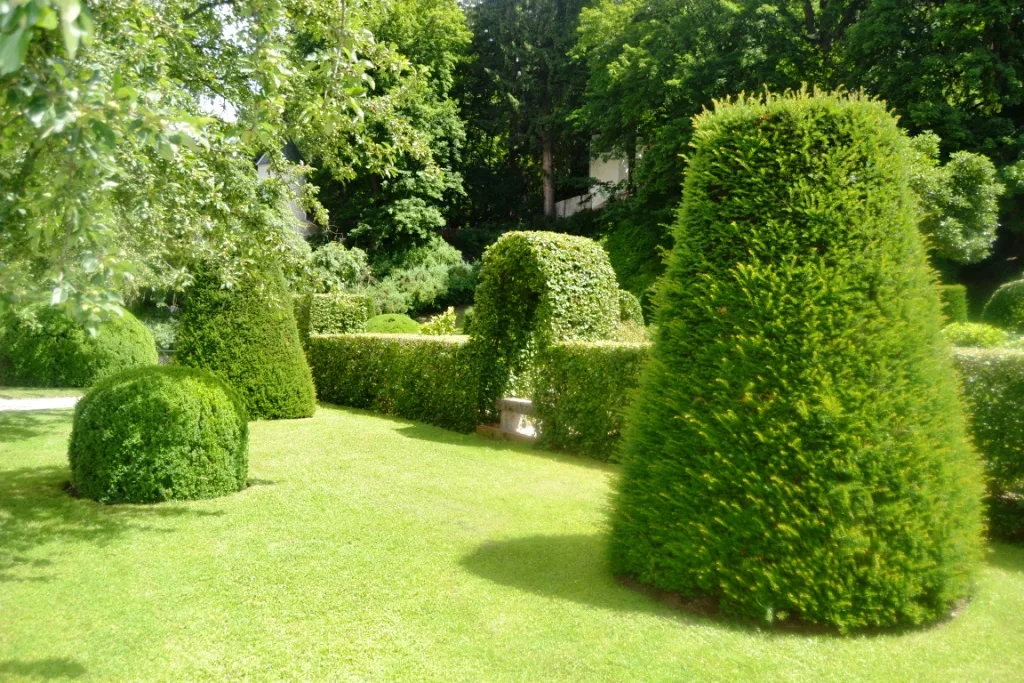
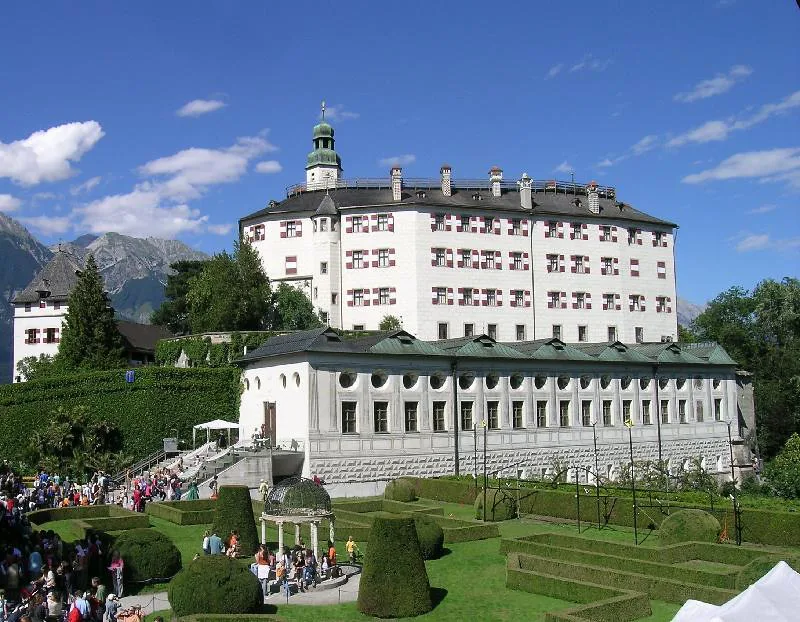
Ambras presents itself as the world's first museum still standing where it was created: a Renaissance collection assembled in the sixteenth century, not a royal residence rebuilt as a display. That history shapes what you see: the Spanish Hall, a long vaulted room lined with painted portraits, the Armory with its parade armor, and the Kunst- und Wunderkammern full of coral, carved stone and curiosities.
Allow two to three hours if you read the labels and take in the grounds, which include a terrace garden and a view back over Innsbruck. The castle sits at Schlossstraße 20, 6020 Innsbruck, uphill from the city center, so the climb on foot is real; a bus up the hill saves your legs for the halls.
Rainy days are when Ambras earns its keep, since the collection is almost entirely indoors and the café on site gives you a reason to wait out a shower rather than head back down the hill. Travelers who treat it as a filler stop tend to rush the Spanish Hall and miss the point.
Schloss Ambras practical detail: hours, tickets and tours
The castle opens daily from 10:00 to 17:00 and closes for the whole of November, a gap that catches travelers slotting a castle stop into a late-autumn Tyrol route. Tickets are 16 euros at the door and 12 euros online, so booking ahead saves money on admission.
Guided tours run as a programmed format rather than a free-for-all, and the castle publishes its tour program alongside the exhibitions. Check the day's tour times when you buy, because a guided pass through the Spanish Hall and the collections adds context the labels alone do not.
Tratzberg Castle in the Inntal
Tratzberg, above the Inn valley near Jenbach west of Innsbruck, is described in a booking-platform listing as one of Austria's best-preserved Renaissance castles. Its own interior and visitor access should be confirmed with the castle before you build a half-day around it.
Tratzberg's visiting arrangements are worth confirming before you build a train trip around it. Use the valley below for the rest of the day and keep Tratzberg as a single fixed point rather than the anchor of a whole itinerary.
Kufstein Fortress above the old town
Festung Kufstein is the landmark of its town, a long fortress complex on the rock above the Inn, reached by a steep walk up from the old town square. The view down over the river and the rooftops is the reason most people climb.
Kufstein is the longest trip of the group from Innsbruck, sitting close to the German border, so treat it as a half-day out rather than a quick stop. Trains make the town reachable without a car, and the walk from the station to the old town is short.
Burg Hasegg in Hall in Tirol
Hall in Tirol, a short train ride east of Innsbruck, pairs a compact medieval old town with Burg Hasegg, the castle that housed the town's mint. The mint tower is the draw, and the museum there explains the machinery and the trade that made the town rich.
Hall suits a low-effort castle afternoon. You can walk the old town's arcaded streets, climb the mint tower for the view, and be back in Innsbruck for dinner, which makes it the best choice when you have only a few hours and no car.
Friedberg Castle and the smaller castles nearby
Friedberg, east of Innsbruck, is a small town with a castle and a quiet old center, the kind of stop that fills a gap between bigger names rather than anchoring a day. The same is true of the scattered smaller castles in the region, which usually need a car and a flexible schedule.
For these lesser-known sites, the honest advice is to check locally rather than trust a route planned from a distance. Opening seasons, tour times and whether the interior is open at all vary widely, and a phone call or a look at the town's own website saves a wasted detour.
Getting around without a car
ÖBB regional trains and Postbus routes cover the Inn valley towns, which puts Hall, Kufstein and the Inntal stops within reach of a traveler based in Innsbruck. For Ambras, the climb from the center is walkable but steep, and local buses run up the hill; the castle's own site gives the address and access information.
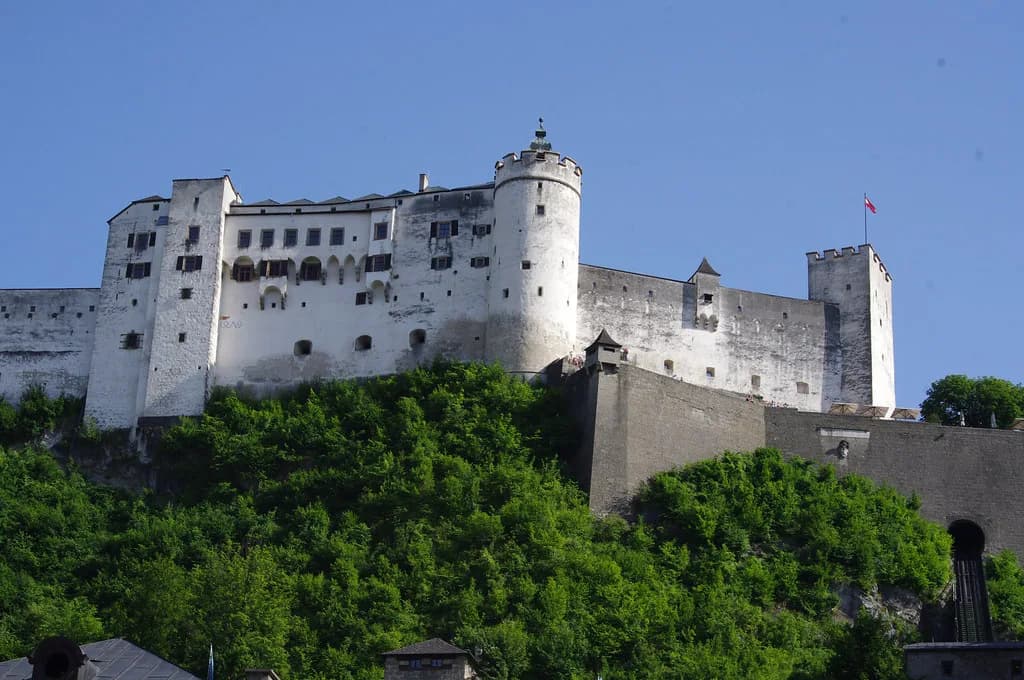
The castles that genuinely need a car are the ones off the rail line, where a shuttle or taxi may bridge the last stretch from the nearest station. If your trip continues east toward the Salzkammergut or the Danube, the castles near Salzburg make a natural next cluster on the same rail corridor.
Practical trade-offs: closures and planning
The biggest planning trap is Ambras in November, when the whole castle closes, so a late-autumn visit to Innsbruck means choosing between the other castles and waiting for December. Check opening seasons and tour formats before you commit to any other castle, because the smaller sites often run visits only at set times rather than open-door hours.
Shorter daylight in the shoulder season argues for putting the outdoor climbs, Kufstein's fortress path especially, in the morning and keeping Ambras for an afternoon. Booking the Ambras ticket online also locks in the lower price, which matters if you are paying for several people.
Where castles fit a longer Tyrol route
Innsbruck's castles work best as the western bookend of a route that then runs east through the Salzburg Alps and into the Danube valley. Travelers heading that way can pair the Tyrol fortresses with Hohensalzburg Fortress and Hohenwerfen Fortress before turning north toward the abbeys.
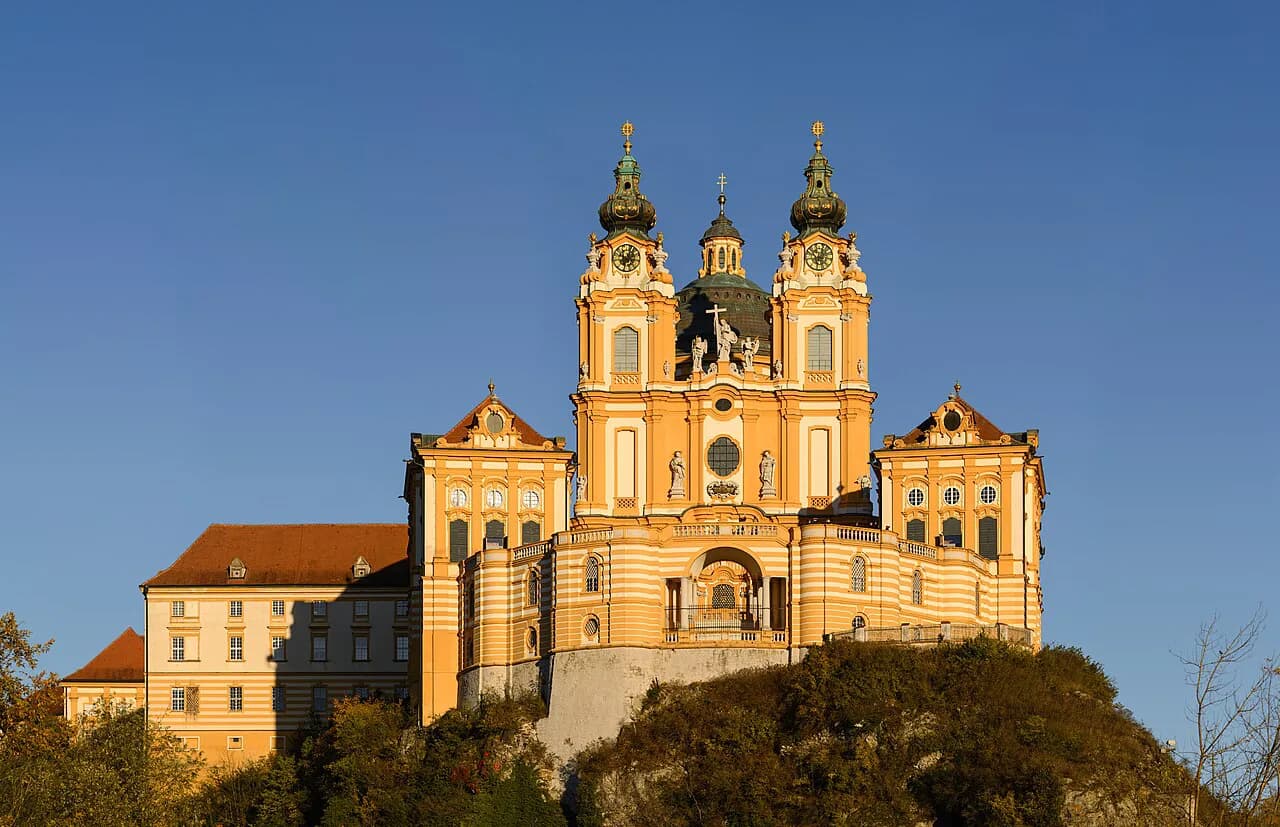
If your interests lean toward the eighteenth century rather than the medieval, the Austrian baroque tradition and its great churches make a different kind of castle-adjacent trip, and the abbeys at Melk and elsewhere reward the same train-based planning. Travelers who want a Vienna-side comparison can look at the castles near Vienna, where the capital's easy-reach palaces sit within a short trip of the city.
Which castle should you book first?
Book Ambras first: it is the one castle here with published daily hours, a November closure you can plan around, and a 12-euro online ticket that beats the 16-euro door price. Add Tratzberg or Kufstein only after confirming their visiting arrangements, and use Hall in Tirol as the easy train afternoon when you want a castle without a production.
If the trip runs longer, take the same logic east: pick one Salzburg-area fortress and one Danube abbey, and keep the rest of the days for the towns themselves. That is a better use of a Tyrol-based week than chasing every tower on the map.
Explore more Austria guides
Sources
Notes for your next Austrian town break
Optional updates when we add or revise town guides.
You might also like
Continue reading
More guides you'll find useful