Austrian Schnapps: Marille, Williams and Other Fruit Brandies
Austrian schnapps is a clear fruit brandy, not a sweet liqueur. Learn the Marille, Williams, Vogelbeer and Zirbe types, how it is served, and how it is made.
On this page
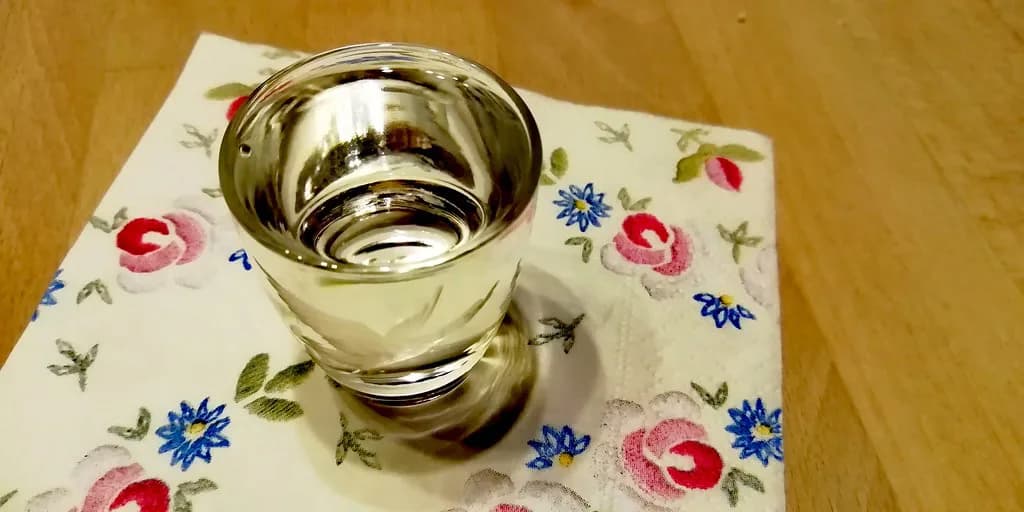
Austrian schnapps is a clear fruit brandy, usually sipped neat from a small glass at the end of a meal, and it has almost nothing to do with the sweet, brightly colored schnapps liqueur sold in US liquor stores. If you order Schnaps in a Tyrolean or Wachau inn, you are getting a distilled spirit that tastes of apricot, pear, plum or rowan berry rather than a cocktail mixer. This guide runs through the main Austrian types, the two production methods behind them, how they are served, and what a bottle costs when you buy one to take home.
Austrian schnapps versus the sweet schnapps you know
In the United States, the word schnapps mostly appears on bargain liqueur labels, and those bottles are sweet, often brightly colored and made for mixing rather than sipping neat. Peach schnapps in that style is the backbone of 1980s drinks such as the Fuzzy Navel and Sex on the Beach, which is why many American travelers arrive expecting something sugary.
In Germany and Austria, Schnaps or schnapps means fruit brandy instead. The spirit is distilled from fermented fruit or from fruit infused into neutral alcohol, and it normally carries no added sugar or flavoring after distillation, so the glass smells and tastes of the orchard rather than of candy. That single difference explains why the Austrian version is served in tiny portions and the American version in cocktails.
The main Austrian types
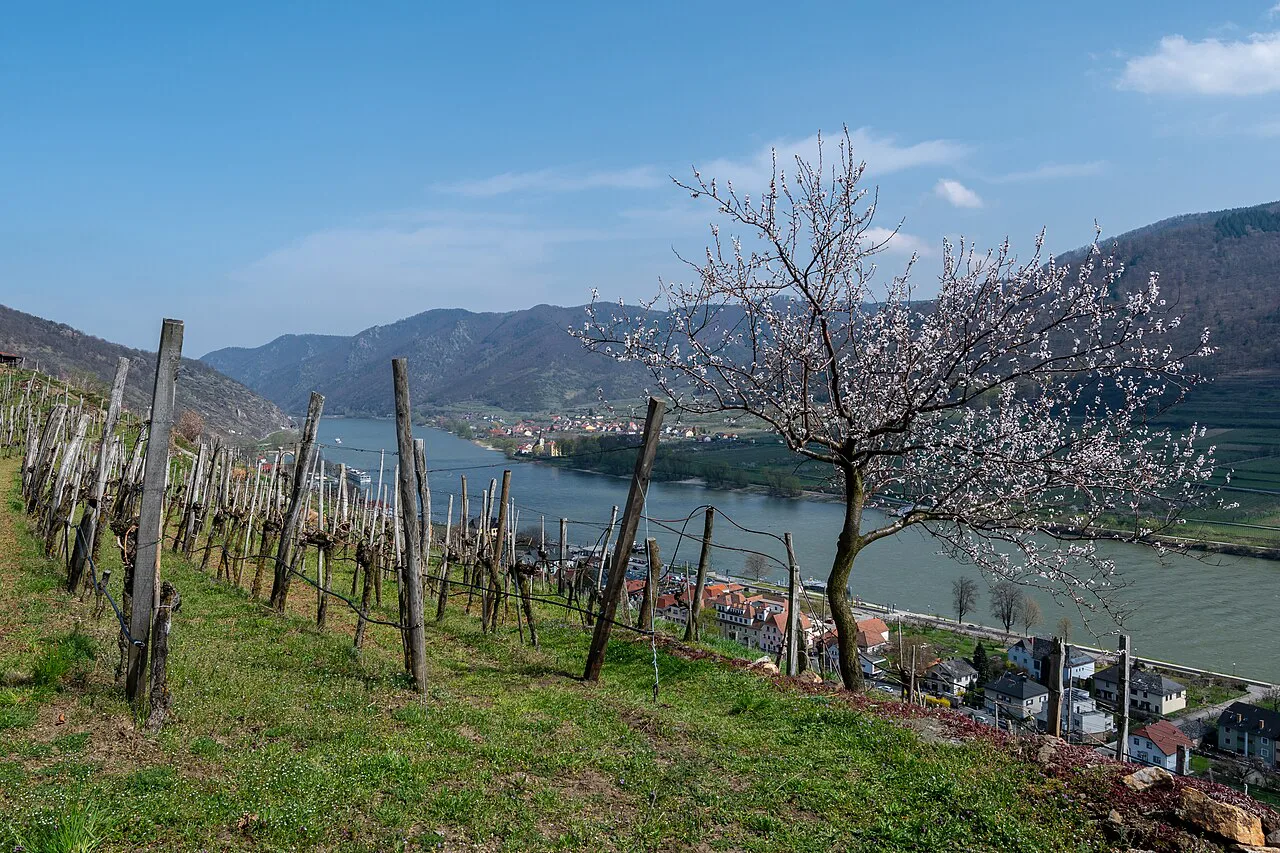
Marillenschnaps is the apricot brandy most closely tied to the Wachau, the Danube valley west of Vienna where apricot growing is a local specialty. It is the bottle to order if you want the classic Austrian introduction, and it works equally well as a souvenir.
Is Austrian schnapps the same as the peach schnapps in US cocktails? No. Austrian schnapps is a clear fruit brandy distilled from fermented fruit or from fruit infused into neutral spirit, and it is sipped neat in small measures.
What is the difference between Brand and Geist on an Austrian label? Brand means the fruit was fermented and then distilled, with no added sugar or flavor afterward. Geist means fruit was steeped in neutral spirit and the batch was redistilled, similar to gin production, so the fruit sits on a neutral base rather than forming the spirit itself.
How should I drink Austrian schnapps? Serve it neat in a small measure after a meal and sip it slowly, as a digestif. It is not usually mixed with juice or ice, and the small pour is deliberate because these are strong spirits.
Williams is the pear brandy, named for the Williams Christ pear, and it is usually the softest and most aromatic of the common types. Plum brandy, known elsewhere in Central Europe as slivovitz, is drier and sharper. Obstler or Obstbrand is a blend, most often apple and pear, and it is the everyday label you will see across the Alps.
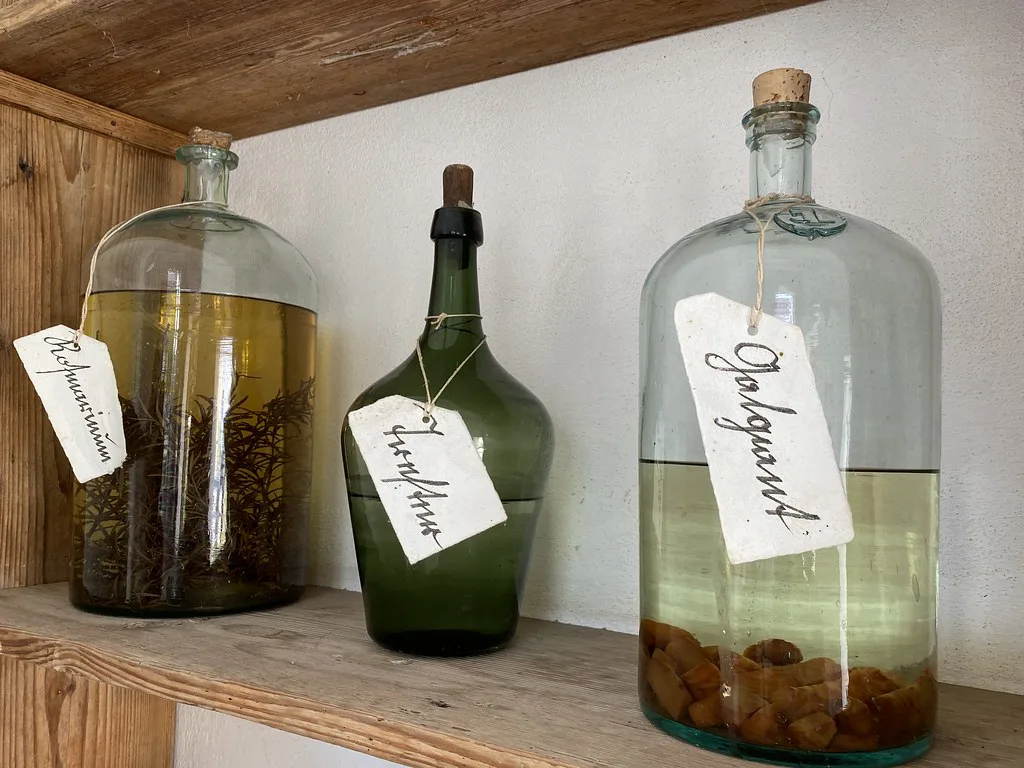
Beyond fruit, Austria and the wider Alpine region distil Vogelbeer (rowan berry), Zirbe (stone pine) and Enzian (gentian). Rowan berry is tart and slightly bitter, stone pine is resinous and forest-like, and gentian is the bitterest of the group, often taken as a digestif when you have eaten heavily. Tyrolean shops list all three alongside the fruit brandies.
Where the fruit comes from
Apricots for Marillenschnaps come from the Wachau and nearby Danube country, which is why the bottle often travels with apricot jam and apricot liqueur on the same shelf. Tyrol supplies the stone pine, gentian and rowan berry side of the range, distilled by small regional operations rather than large industrial plants.
If you are driving through the Wachau or the Tyrolean valleys, a farm shop or distillery counter is the place to buy, and the shop staff can tell you which fruit went into which bottle. For the beer side of an Austrian trip, our guide to Austrian beer covers the other half of the country's drinking culture.
How it is made: Brand versus Geist
Brand is the true eau-de-vie method: the fruit is fermented, then distilled, then rested and bottled without added sugar, added flavor or barrel aging. Cherry, pear, apple and plum are the usual fruits, and a mixed batch of apple and pear may be sold as Obstler or Obstbrand.
Geist takes a different route. Fruit is steeped in neutral spirit and the whole batch is redistilled, much as gin is made, so the base alcohol is present before the fruit ever arrives. Geist can be intensely aromatic, but it tastes of fruit laid over a neutral frame rather than of fermented fruit alone.
For a traveler choosing a bottle, the distinction matters more than the fruit name. A Brand shows the fruit's own acidity and texture, while a Geist delivers a cleaner, more perfumed hit. If the label does not make the method clear, ask at the counter before you commit.
How Austrians serve it
Schnapps is served in small measures and sipped rather than knocked back, and it is conventionally taken after a meal as a digestif rather than mixed with juice or ice. Ordering one at the end of dinner is the easiest way to try several types without committing to a bottle.
The pour is small for a reason: these are strong spirits, and the aroma is the point rather than the volume. If you want a nonalcoholic alternative with the same Alpine-herb character, Almdudler is the Austrian soft drink to know.
Reading a label and a menu
On a drinks list, Obstbrand and Obstler mean a fruit brandy from fermented fruit, while Geist signals the infused and redistilled method. Marille and Williams name the apricot and the pear; Vogelbeer names rowan berry, Zirbe the stone pine and Enzian the gentian. If a menu lists Schnaps without a fruit, ask what it is made from before ordering.
Bottle labels follow the same vocabulary. Look for the fruit name plus Brand or Geist, and treat a label that reads like a sweet liqueur as a different product altogether. Austrian distillers do not usually print added-sugar claims, so the method is your best guide to what is inside.
Buying a bottle in EUR
Online Alpine specialists sell Tyrolean schnapps by bottle and ship them in shatterproof packaging, which is useful if you are building a suitcase stash before you fly home. Listings include apricot, Williams pear, plum, rowan berry, gentian and stone pine, plus sample packs if you want to compare several types.
Prices are listed per bottle in euros and vary by distillery and by presentation, with gift-boxed and barrel-aged bottlings sitting above the standard line. Treat shop prices as retail rather than bar prices, and expect to pay considerably more per glass in a restaurant than per bottle in a shop. Check the current listing for the exact figure before you order, since seasonal and limited bottlings rotate.
Airline liquid rules apply to anything you carry in the cabin, so plan to check a bottle or buy at the airport on the way out. Beer is the other Austrian drink worth learning before you go, and our guide to Stiegl explains the Salzburg brewery's range in the same practical terms.
Tasting notes by type
Marille is round and slightly tart, with the apricot skin rather than the sugar dominating. Williams pear is floral and softer, plum is drier and more forceful, and apple-pear Obstler sits in the middle as an easy all-rounder.
Vogelbeer brings a bitter, tart edge that divides drinkers, Zirbe is resinous and sappy like a walk through a pine forest, and Enzian is unapologetically bitter with a long finish. If you dislike bitter flavors, start with Williams or Marille and work outward from there.
Strength and how it compares with vodka
Austrian fruit brandies are strong spirits, distilled rather than brewed, and they are served in small measures for that reason. Vodka is typically neutral by design, while a good Brand keeps the fruit's aroma and a little texture, which is why it is sipped rather than mixed.
The sweet US schnapps liqueurs are lower in alcohol and higher in sugar, so they behave completely differently in the glass. If you enjoy an Austrian schnapps, do not assume the peach schnapps back home will taste the same; the two products barely overlap.
Which bottle to bring home
For a first bottle, buy a Marillenschnaps from the Wachau or a Williams pear brandy and serve it slightly cool in a small glass after dinner. If you want something more unusual, add a Vogelbeer or a Zirbe, and buy a sample pack if you would rather compare before committing.
Buy from a shop listing that names the fruit and the method, and check the current EUR price and the distillery details on the listing before you order. A bottle bought in the Wachau or in Tyrol carries the same spirit home in your checked luggage, minus the shipping cost.
Explore more Austria guides
Frequently Asked Questions
Is Austrian schnapps the same as the peach schnapps in US cocktails?
No. Austrian schnapps is a clear fruit brandy distilled from fermented fruit or from fruit infused into neutral spirit, and it is sipped neat in small measures. The sweet, brightly colored peach schnapps sold in the US is a liqueur made for mixing, so the two products taste and behave very differently.
What is the difference between Brand and Geist on an Austrian label?
Brand means the fruit was fermented and then distilled, with no added sugar or flavor afterward. Geist means fruit was steeped in neutral spirit and the batch was redistilled, similar to gin production, so the fruit sits on a neutral base rather than forming the spirit itself.
How should I drink Austrian schnapps?
Serve it neat in a small measure after a meal and sip it slowly, as a digestif. It is not usually mixed with juice or ice, and the small pour is deliberate because these are strong spirits.
Where can I buy Austrian schnapps to take home?
Farm shops and distillery counters in the Wachau and Tyrol sell bottles directly, and Alpine online specialists ship apricot, pear, plum, rowan berry, gentian and stone pine bottlings in shatterproof packaging. Check the current EUR price on the listing before ordering and plan for airline liquid rules if you carry it in the cabin.
Sources
Notes for your next Austrian town break
Optional updates when we add or revise town guides.
You might also like

Continue reading
More guides you'll find useful