Towns in Austria Worth Visiting: A Region-by-Region Guide
Towns in Austria worth building a trip around, grouped by region, with what each old town is known for and how to link them by train, bus, or boat.
On this page
The towns worth building an Austrian trip around are Innsbruck, Graz, Linz, Bregenz, Villach, Klagenfurt, and Steyr, plus the lake and river towns of the Salzkammergut, Carinthia, and the Wachau. This guide groups them by region and rail line rather than in a single ranked list, so you can see what each one actually gives you and how the pieces connect.
Vienna and Salzburg stay useful as arrival points, but they are not the subject here. The point of going town by town is that the scale changes: a compact old town you can cross on foot, one defining square, one castle on the hill above it, and a train station ten minutes from the center.
Which Austrian towns are worth a stop, and how to read this guide
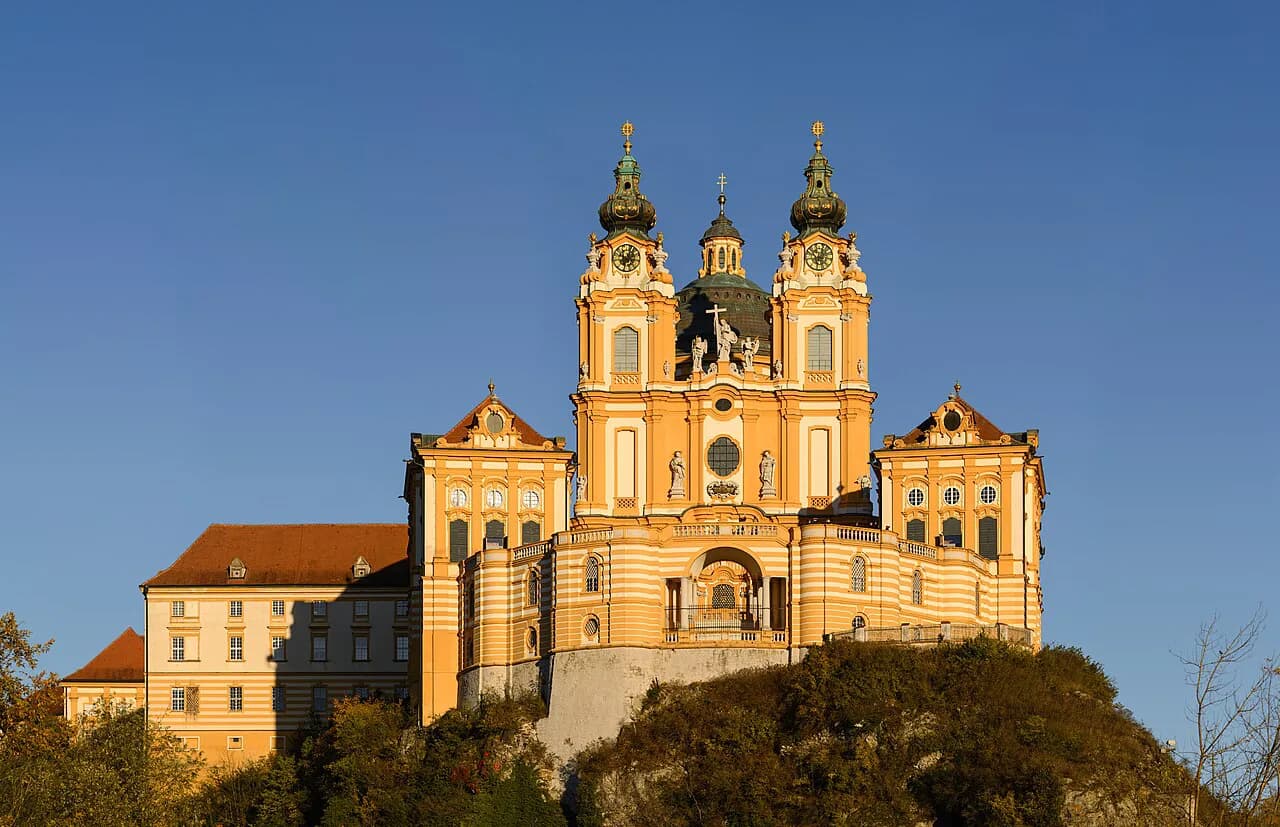
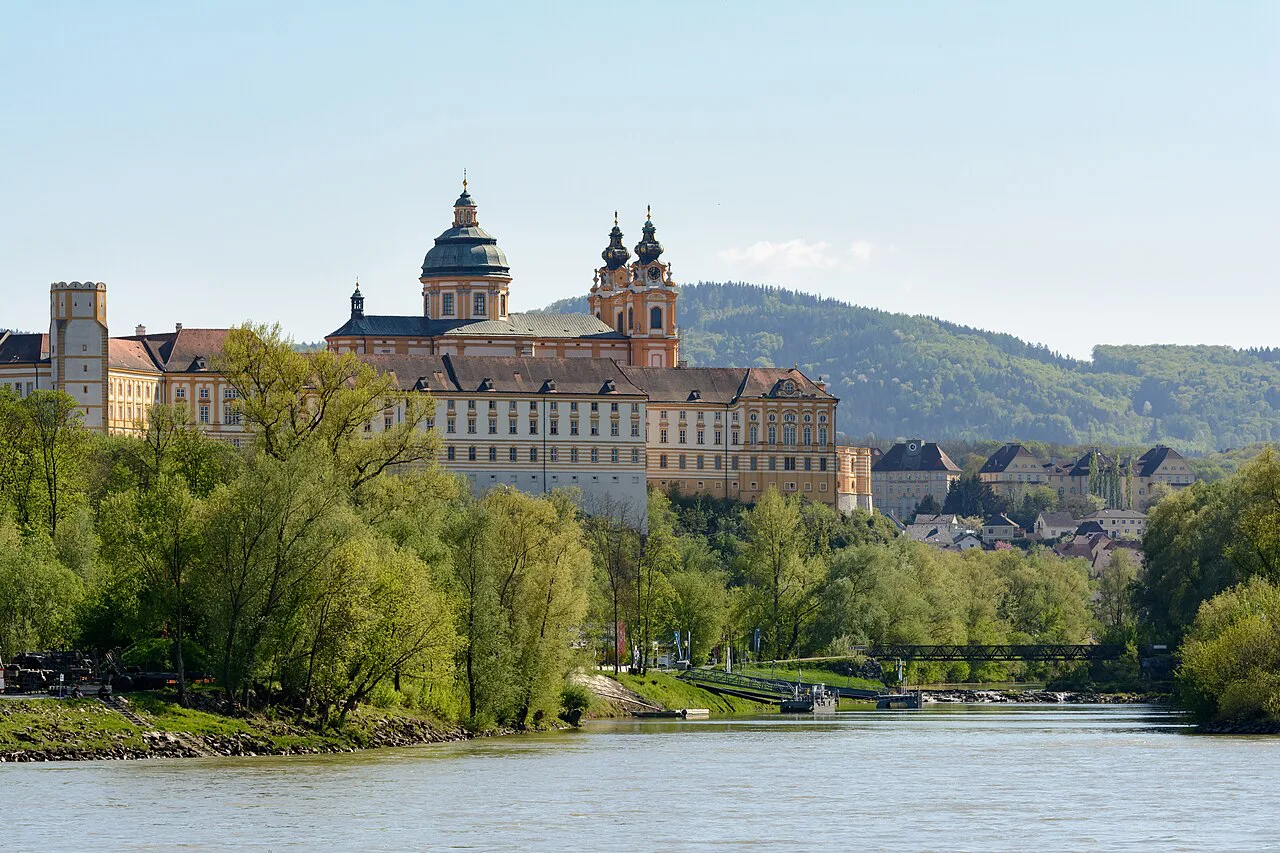
Read the sections in the order you might travel. Tyrol and the far west hold the Alpine river towns, Carinthia holds the lake towns around Wörthersee, Styria is anchored by Graz, Upper Austria gives you Linz and Steyr, and the Danube corridor west of Vienna runs through Krems and Dürnstein toward Stift Melk (Melk Abbey).
Austria's urban character comes from centuries of influence from all sides, with German cooking and Italian baroque architecture showing up in the same streetscape, and the mountains never far from the rooftops. That mix is why a town list organized purely by size tells you almost nothing about what a place feels like.
If you want smaller places than the ones below, the same logic applies at a different scale, and a separate guide covers the villages in Austria that reward a slower route. Treat this page as the framework and drop the smaller stops into the gaps between the regional centers.
Tyrol and the west: Innsbruck, Kufstein, Hall in Tirol, Bregenz, Feldkirch
Innsbruck is the Tyrolean capital, laid out along the river Inn with the Nordkette range rising directly behind the roofs, and it pairs a medieval Old Town with a funicular that climbs to roughly 2,000 meters. That combination makes it the one western town where an urban morning and an Alpine afternoon fit into the same day.
What are the five largest cities in Austria? Vienna is the capital and largest, and Graz is the second-largest city and a major university town. Linz is the third-largest and the capital of Upper Austria, with Salzburg and Innsbruck completing the group of largest urban centers.
Is Austria cheap or expensive? Town days in Austria are mid-range for Western Europe: a museum or castle ticket, a sit-down lunch, and a coffee with cake form the core of the spend, and prices are set by each operator and business. Rail fares depend on train type and how far ahead you book, with ÖBB publishing its own fares and discount cards.
Where is Austria geographically? Austria sits in the center of Europe, bordered by Germany and the Czech Republic to the north, Slovakia and Hungary to the east, Slovenia and Italy to the south, and Switzerland and Liechtenstein to the west. The Alps run across the western and southern part of the country, which is why Tyrol, Carinthia, and the Salzkammergut read as mountain and lake country while the Danube corridor east of Linz opens into gentler terrain.
Kufstein sits on the Tyrolean border with Bavaria and is defined by its fortress above the town, while Hall in Tirol a short ride east keeps one of the best-preserved old cores in the region. Both work as half-day stops on the rail line between Innsbruck and Salzburg rather than as bases.
Bregenz, in Vorarlberg on Lake Constance, is a lakeside town with a cultural calendar built around a floating stage on the water, and the Pfänder mountain above it gives the panorama back over the lake. Feldkirch, further up the Rhine valley, closes the western loop with a medieval center of its own.
If your western stop is Innsbruck in warm months, plan around the outdoor season; the summer guide covers what opens up once the snow clears, including the Goldenes Dachl. The castles and fortresses along this corridor, Kufstein's included, are collected in the castles guide.
Carinthia and the south: Klagenfurt, Villach, and the lake towns
Klagenfurt is the Carinthian capital and the logical rail hub for Wörthersee, the long lake east of town with resort towns strung along its shore. Villach, to the west, is described as the gateway to the Alpine lakes of Faak and Ossiach and as a place with a down-to-earth pace away from the tourist crowds. For the old town, Hauptplatz and lake connections in detail, our Villach guide takes the planning further.
The trade-off in Carinthia is that the lakes are the draw and the towns are the infrastructure. Villach and Klagenfurt give you stations, old centers, and everyday Austrian city life; the swimming and the shoreline sit a bus or short train ride away.
Base yourself in one of the two cities and treat the lake villages as day moves rather than booking a different bed every night. The lake settlements themselves, including the smallest ones, are covered in the villages in Austria Worth the Trip guide.
Styria: Graz and its red-roofed old town
Graz is Austria's second-largest city and a university town, which gives it a young population inside a medieval center of red roofs and cobbled streets lined with bars, bistros, and boutiques. As the capital of Styria it also carries the region's farmland and wine-growing reputation into one of the country's strongest culinary scenes.
The old town is a UNESCO World Heritage Site, and the Schlossberg hill above it gives the view back over the roofs; the Kunsthaus Graz provides the modern counterweight. Schloss Eggenberg, on the edge of the city, is the other anchor for anyone interested in baroque palace interiors.
Graz rewards a full day rather than a transfer stop, because the center and the Schlossberg sit on opposite sides of the same visit. If you are collecting the country's showpiece towns, it belongs on the shortlist of most beautiful towns in Austria rather than on a scenic-detour list.
Upper Austria: Linz, Steyr, and the Salzkammergut lake towns
Linz is the third-largest city in Austria and the capital of Upper Austria, with a baroque old town on the Danube and a contemporary art and technology scene centered on the riverside Ars Electronica Center. Steyr, south of the Danube, is the smaller counterpoint: a historic town on its own river with a compact center.
The Salzkammergut is where Upper Austria turns into lake country, with Hallstatt on the Hallstätter See as the name most travelers already know. The provincial tourism board keeps the full list of Upper Austrian towns and villages, which is the practical way to find the smaller lake and valley settlements between Linz and the mountains.
The honest trade-off here is fame. Hallstatt's setting is genuinely spectacular and the village is small, so the sensible move is to see it early or late and spend the middle of the day in a larger Salzkammergut town instead. The most beautiful villages in Austria guide covers the alternatives.
Zell am See, south of Salzburg, works as a lake town with rail access and a mountain backdrop, and it slots naturally into a route that continues toward Carinthia. If you are assembling a multi-region drive or rail trip, the Austria itinerary covers how such pieces fit.
The Danube and the Wachau: Krems, Dürnstein, and the abbey towns
Krems an der Donau is the practical base for the Wachau, the Danube valley west of Vienna where terraced slopes and stone towns line the river. Dürnstein is the compact stop most associated with the stretch, with its blue-and-white abbey tower and ruined castle above the water.
Stift Melk (Melk Abbey) anchors the western end of the same corridor, and river boats connect the Wachau towns along the Danube in season rather than year-round. Check the operator's published sailing calendar for the dates you plan to travel before you build a day around a boat.
Rail is the backbone: the Danube line runs from Vienna through Krems and on toward Melk, so the Wachau is one of the few Austrian regions where you can leave the car behind entirely. That makes it a good first region for a traveler arriving by air into Vienna.
How the towns connect by train, bus, and boat
ÖBB runs the main rail corridors, and the pattern that matters for a town trip is the east-west line from Vienna through Linz and Salzburg to Innsbruck and on to Bregenz, with Graz, Klagenfurt, and Villach hanging off it on the southern lines. Regional trains do the short hops between places like Innsbruck and Hall in Tirol better than long-distance services.
Postbus fills the gaps, especially to lake villages and valley towns that have a station name but no useful service pattern. Pull the operator's own timetable for the specific route rather than trusting a map distance, because rural Austrian bus service can be a handful of runs a day.
Boats matter in exactly three settings: the Danube in the Wachau, the Carinthian lakes, and the Salzkammergut. In each case the boat is a seasonal, weather-dependent extra rather than the way you get between towns on a schedule.
Town squares, old towns, and what you actually walk through
A typical Austrian old town is one main square, one long shopping street that used to be the market street, and a parish church with a baroque interior, all inside a ring of former walls. Once you have walked two or three, you start navigating by the square rather than by the map, which is why knowing the name of the square is more useful than knowing the town's population.
The baroque layer is what separates the standout centers: Innsbruck's medieval lanes, Graz's red roofs, Linz's riverside old town, and Bregenz's lakeside promenade each give you a different street plan to walk. The most beautiful towns in Austria guide goes deeper on the ones that justify the detour on architecture alone.
Allow roughly half a day for a town center and a full day if it has a hill, castle, or museum you actually want to enter. The walking itself is almost never the constraint; the constraint is how many interiors you can absorb before they blur.
Castles, fortresses, and abbeys that anchor a town visit
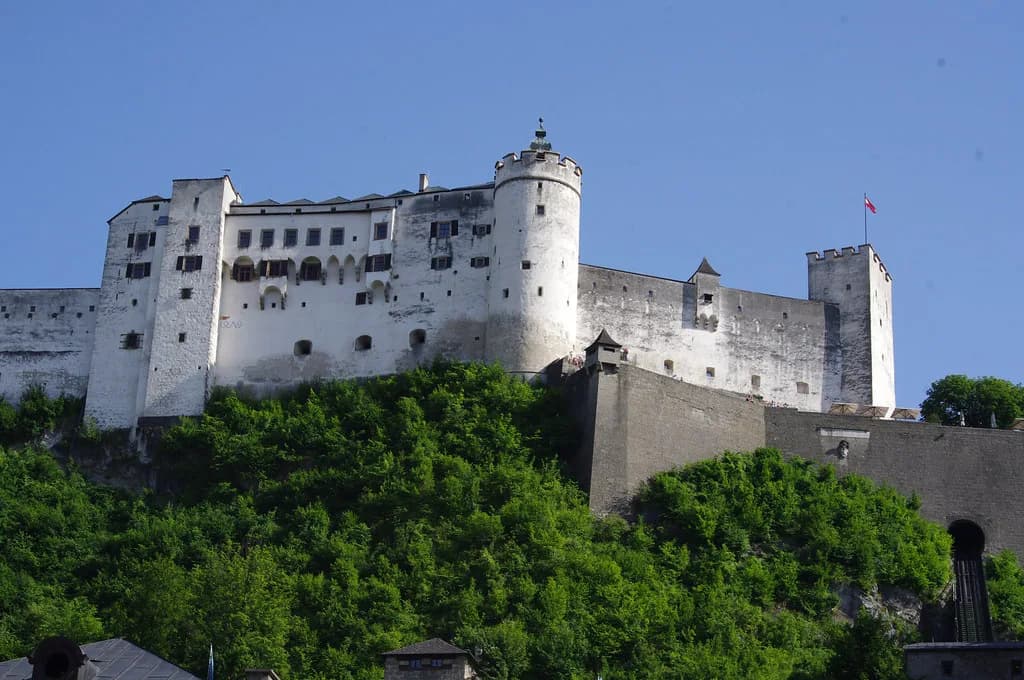
The castle above the town is the standard Austrian arrangement, and it is usually the reason to give a small town more than an hour. Hohensalzburg Fortress, Festung Kufstein, and the hilltop ruins at Dürnstein all do the same job of giving the old town below a skyline and a viewpoint.
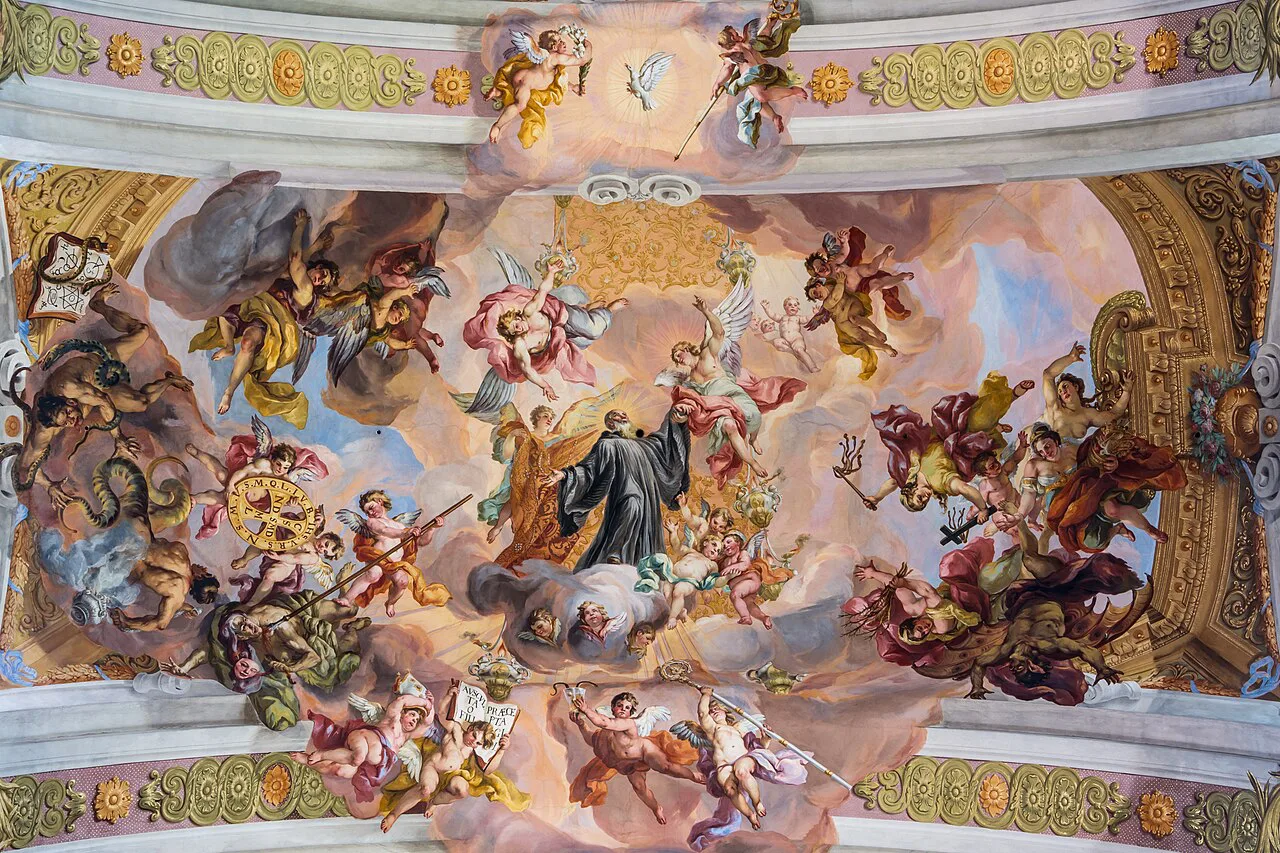
Abbeys and pilgrimage churches are the other anchor, and they run on their own schedules. Stift Melk (Melk Abbey) and the Wachau's monastic sites are visitable interiors with fixed opening seasons, while the great baroque libraries and halls are often shown only on guided tours at set times.
Build the day around the interior you most want to see and let the town fill the rest. That single decision saves more time than any transport optimization, because a missed tour window can cost you the whole reason for the stop.
Costs in euros: what a town day actually runs
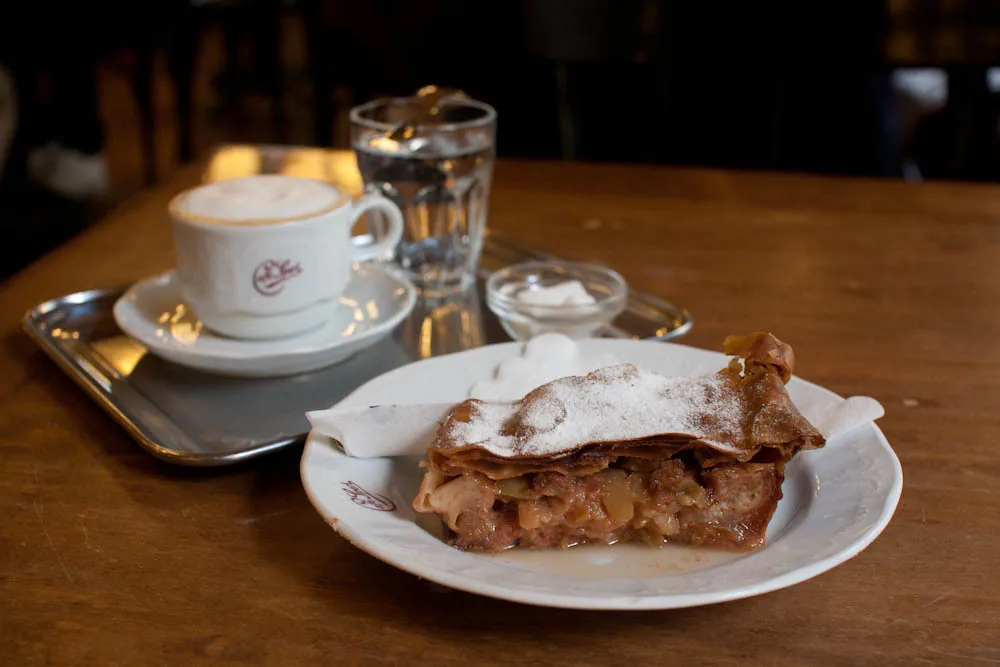
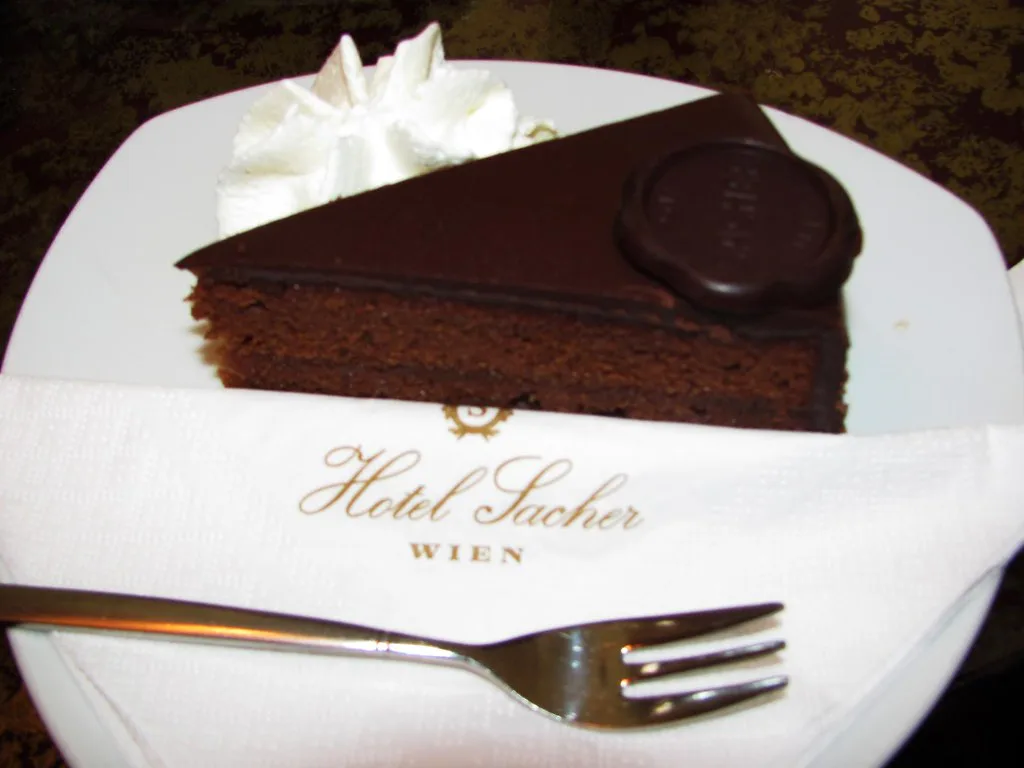
Budget in thirds: one museum or castle ticket, one proper lunch, and one coffee with cake. The coffeehouse stop is not optional in an Austrian town day; the cake and coffee tradition is the cheapest way to sit inside a grand room for an hour.
Ticket prices differ by site and are published by each operator, so check the official page for the castle, abbey, or museum you plan to enter rather than relying on a general figure. Rail fares vary by train type and how far ahead you book, and ÖBB publishes its own fares and discount cards.
Smaller towns are cheaper mostly because there is less to buy, not because prices are lower across the board. A village with one church and one cafe can cost you less than a city day while giving you more of the thing you came for.
Where towns are crowded, and when to shift the schedule
The crowding problem in Austria is concentrated: a few small places absorb enormous numbers while the larger towns stay comfortable. Hallstatt is the clearest case, and the useful response is to see it outside the middle of the day and give the rest of the day to a town with more capacity.
Villach, in Carinthia, is described as a place where life rolls on away from the tourist crowds, which is a fair description of how most Austrian regional centers feel compared with the famous villages. If you want company, go to the icons; if you want an actual town, go to the second city of a region.
Monday is the recurring practical problem in Austria, because many museums close that day. Check the specific museum's published days before you assign a town to a Monday, and use Monday for a castle hill, a walk, or a lake instead.
Choosing a base: one big town or several small ones
Pick one base per region and day-trip outward. Graz for Styria, Linz or Steyr for Upper Austria, Klagenfurt or Villach for Carinthia, Innsbruck for Tyrol, and Krems for the Wachau gives you five bases for a two-week trip instead of a new bed every night.
The alternative, moving every night, only works on the main rail line where the trains are frequent. Once you are on a Postbus route or a lake boat, a single base with a rental car for one or two days beats a chain of one-night stays.
If you are still deciding which towns make the cut, the places to visit in Austria guide gives the wider view, and the villages guide handles the smaller stops that fit between these regional centers.
Which towns should your route actually include?
Build the route around two or three regional centers and let the famous villages be day moves. Innsbruck and Graz are the two towns that justify a full day on their own, Linz and Steyr cover Upper Austria, and Krems gives you the Danube without a car.
Before you book, confirm two things with the operators: the rail or Postbus timetable for each leg, and whether the specific castle, abbey, or museum you want is open on the day you plan to be there. Those two checks prevent most of the wasted days on an Austrian town trip.
Explore more Austria guides
Frequently Asked Questions
What are the five largest cities in Austria?
Vienna is the capital and largest, and Graz is the second-largest city and a major university town. Linz is the third-largest and the capital of Upper Austria, with Salzburg and Innsbruck completing the group of largest urban centers. For a town-focused trip, Graz, Linz, and Innsbruck are the three that fit this guide best.
Is Austria cheap or expensive?
Town days in Austria are mid-range for Western Europe: a museum or castle ticket, a sit-down lunch, and a coffee with cake form the core of the spend, and prices are set by each operator and business. Rail fares depend on train type and how far ahead you book, with ÖBB publishing its own fares and discount cards. Smaller towns feel cheaper mainly because there is less to spend on.
Where is Austria geographically?
Austria sits in the center of Europe, bordered by Germany and the Czech Republic to the north, Slovakia and Hungary to the east, Slovenia and Italy to the south, and Switzerland and Liechtenstein to the west. The Alps run across the western and southern part of the country, which is why Tyrol, Carinthia, and the Salzkammergut read as mountain and lake country while the Danube corridor east of Linz opens into gentler terrain.
Sources
Notes for your next Austrian town break
Optional updates when we add or revise town guides.
You might also like
Continue reading
More guides you'll find useful