Most Beautiful Villages in Austria: Lakes, Old Towns and Alpine Hamlets
A candid pick of Austria's most beautiful villages, from Hallstatt and St. Gilgen to Dürnstein, with what each one offers and when the crowds arrive.
On this page
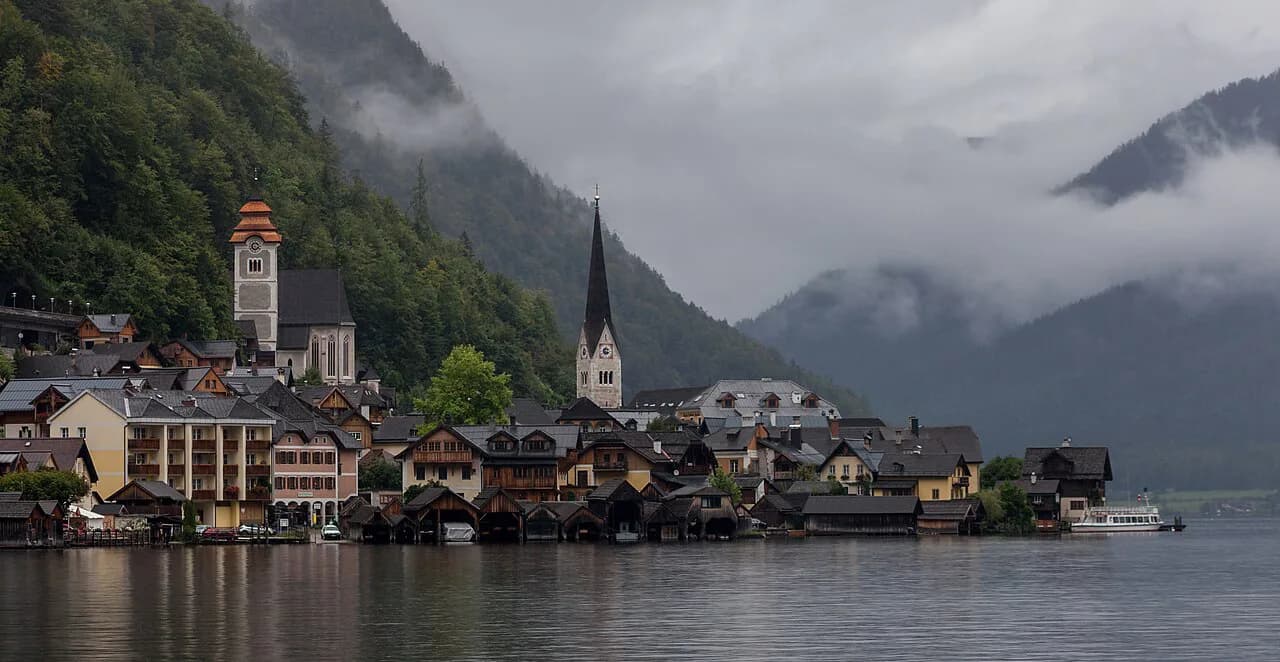
Hallstatt on the Hallstättersee is the village most travelers picture when they think of Austria, and the setting justifies it: a tight row of color-washed houses between a five-mile lake and steep mountains. Spend the night if you can, because the place is at its best before the buses arrive in the late morning and after they leave in the afternoon. This guide covers that village plus seven others in the Salzkammergut, the Wachau and the Alps, with the layout, the specific sight worth seeking out and the transport realities for each.
The picks are our own. They favor villages where you can name what you came to see — a square, a charnel house, a lakeside promenade, a river bend — over places that are merely pretty from a photo. If you want the wider list of Austrian towns with old centers and museums, start from our towns in Austria guide and work backward to the small places.
What makes an Austrian village worth the detour
Three things separate a village that rewards a stop from one that only looks good in a photograph. First, a compressed layout you can walk end to end in under an hour, so a two-hour stop is genuinely enough. Second, one specific sight with a story: a painted skull, a baroque facade, a castle on a rock above the water. Third, some way to be there when the day-trippers are not, which usually means sleeping nearby or arriving early.
The trade-off is that Austria's prettiest small places are also its most congested. Hallstatt in particular absorbs busloads of visitors who walk the lanes and then settle into the waterside cafés for lunch, so the village you have read about and the one you meet at noon are different places. Treat timing as part of the itinerary, not an afterthought.
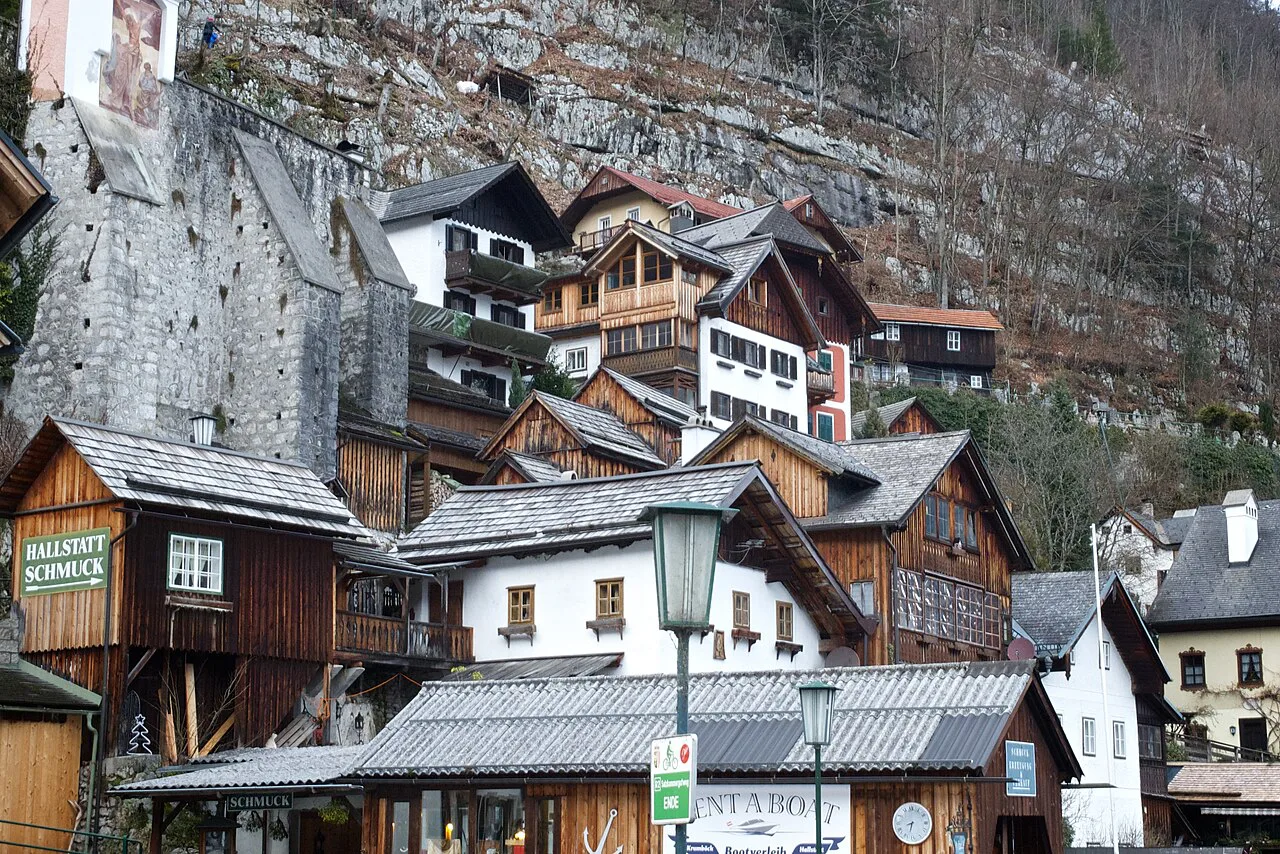
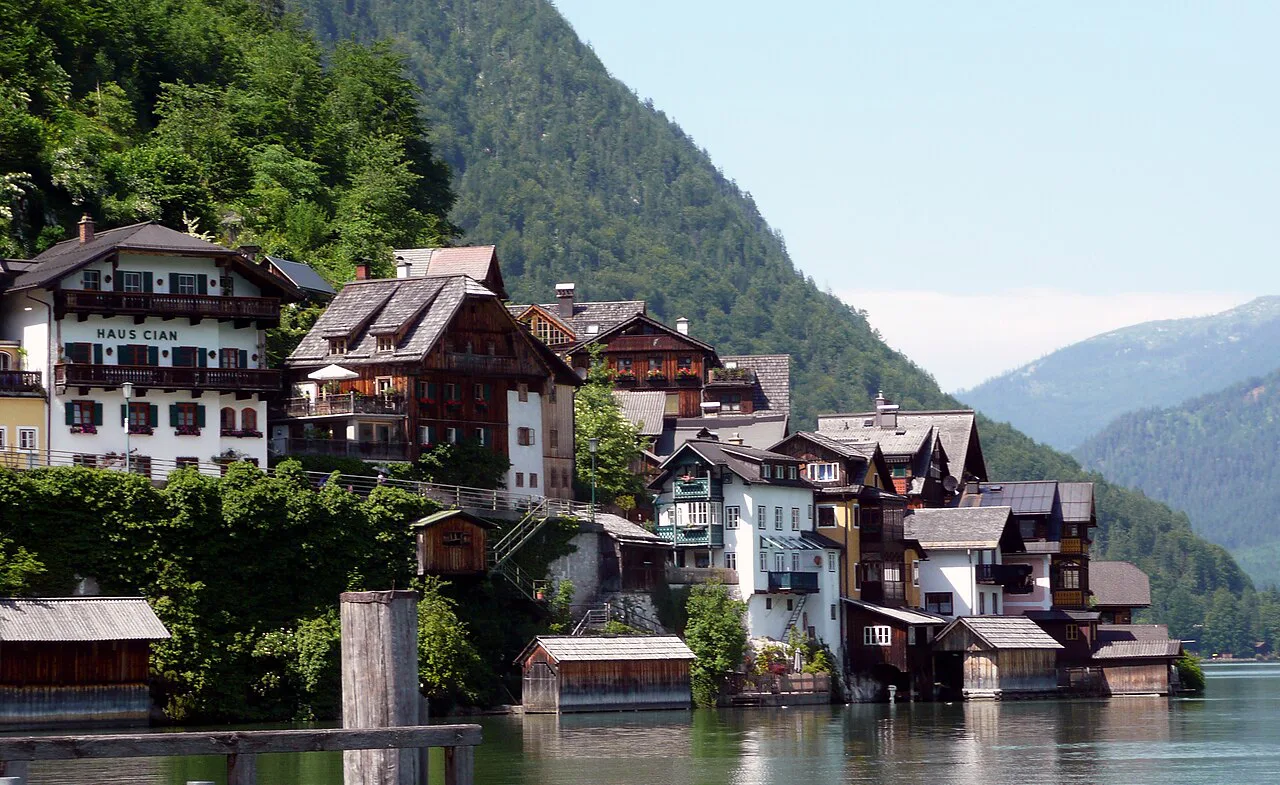
Hallstatt on the Hallstättersee: the lakeside setting and Market Square
Hallstatt gave its name to an Iron Age period, the Hallstatt period of roughly 800 to 400 BC, and was inscribed as a UNESCO World Heritage site in 1997. Those facts explain the steady stream of visitors, but the reason people stay is visual: houses stacked along the shoreline of the Hallstättersee with mountains rising directly behind them. The lake runs about five miles long, and the village occupies a narrow strip of it.
Can you see Austria's prettiest villages without a car? Yes, with planning. The Wachau villages are reachable from Vienna by train to Krems plus bus or river boat, and the Salzkammergut lakes are served by Postbus and regional rail.
What is the most famous village in Austria? Hallstatt, on the Hallstättersee in the Salzkammergut, is the name most travelers know. Its setting along a narrow lake shore, its UNESCO World Heritage listing and its position as the origin of the Hallstatt period have made it the emblem of the Austrian village abroad.
When is Hallstatt least crowded? Early morning and evening. Most coach groups arrive in the late morning and leave in the afternoon, so the lanes, Market Square and the waterfront cafés are calmest before they arrive and after they go.
Market Square is the village's living room, lined with sixteenth-century buildings and small shops, and the lanes that climb from it toward the hillside are where the quiet corners are. Walk those steps slowly; a stream runs through the middle of the village and the upper lanes open onto rooftops rather than postcard views. Cars stay outside the center, so everyone arrives on foot from the same parking area where the buses unload.
Hallstatt timing: why mornings and evenings beat the midday bus crowds
Plan Hallstatt around the bus schedule, not around opening hours. Arrive before the late-morning wave and the village is close to silent, with shopkeepers sweeping and guests drinking coffee on hotel balconies. By midday the same lanes are packed and the cafés along the water are full.
Staying overnight is the cleanest solution, because you get both windows in one visit: the early morning and the evening after the coaches leave. If you are passing through, aim to be in the lanes before 9 a.m. or after 5 p.m. and use the middle of the day for the salt mine or a lake crossing instead of the square.
Hallstatt's charnel house at the Chapel of St. Michael
Next to the parish church, surrounded by a small cemetery, the Chapel of St. Michael holds the sight most Hallstatt roundups skip: hundreds of skulls, neatly stacked and painted and numbered. They were removed from graves in the eighteenth century when the tiny cemetery ran out of room. It is a small room, and it asks for a quiet five minutes rather than a tour.
Pair it with a walk through the lanes above the square, where weathered wooden houses carry window boxes of chrysanthemums and geraniums against dark timber. This is the part of Hallstatt that stays pleasant even when the waterfront is busy, because the climb filters out most of the crowd.
St. Gilgen on Lake Wolfgang: a quieter Salzkammergut base
St. Gilgen sits on Lake Wolfgang about five miles from Fuschl am See, with a population around 4,000 and a working village feel rather than a stage set. The lake provides the backdrop; the village provides cafés and shops to fill a low-key afternoon. It is the Salzkammergut stop for travelers who want the scenery without queueing for it.
The trade-off is that St. Gilgen does not give you a single must-see sight the way Hallstatt does. Its value is as a slower base or a lunch stop between Wolfgangsee and Fuschlsee, not as a destination you cross the country for. Build it into a loop through the lake district and it earns its place.
Fuschl am See: turquoise water and a short hop from Salzburg
Lake Fuschl's color is the draw: a green-blue that shows up from the road and pulls cars over. The village of Fuschl am See sits about 25 minutes by road east of Salzburg, which makes it the easiest Salzkammergut stop to bolt onto a Salzburg-based trip. It is small, with a shoreline that invites a picnic and a swim rather than a checklist of sights.
Boat rental is the classic way to spend an hour here. Operators set their own rates and change them by season and motor size, so confirm the price at the dock before you take a boat out rather than budgeting from an old figure.
Gmunden and the Esplanade cafés
Gmunden, at the northern end of the Traunsee, has the most urban feel of the Salzkammergut picks. One reader highlights the cafés along the Esplanade and Schloss Ort, a small castle on an island just offshore, as the signature sight. Plan a slow hour on the promenade rather than a dash between photo spots.
Of the villages here, Gmunden is the one that also works as a town: you can shop and eat properly without feeling you have wandered into someone's backyard. That makes it a sensible base for a loop that also takes in Hallstatt and St. Gilgen.
Dürnstein in the Wachau
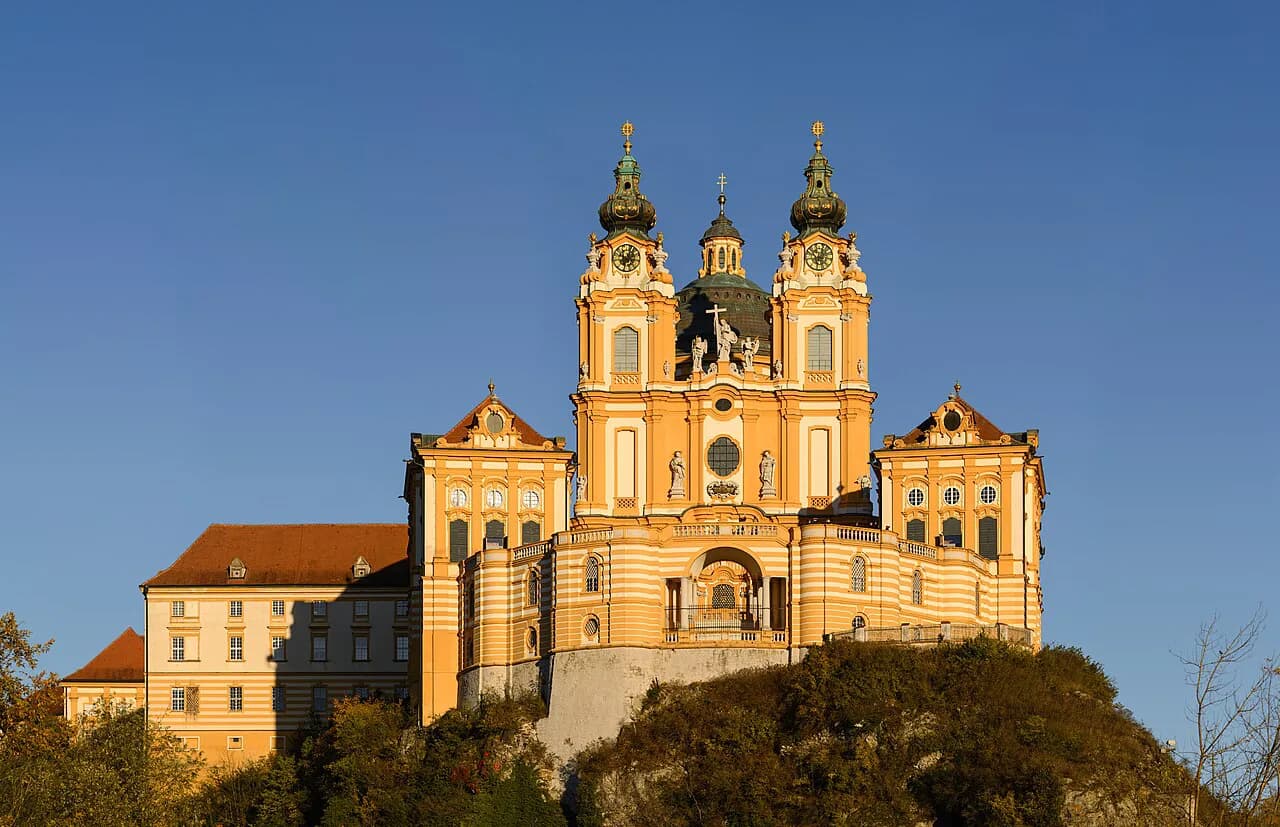
Dürnstein compresses the Wachau into a few hundred yards: a baroque abbey tower above the river, old houses below it, and terraced vineyards climbing the slope behind. It is the most photographed village on the Danube between Krems and Melk for good reason, and it is small enough to cover on foot in an hour or two.
Vineyards dominate the slopes, and the Wachau corridor is a wine landscape first, but the reason to come as a sightseer is the river setting and the abbey. Approach Dürnstein from the water if you can: the river bend and the tower together are the image everyone comes for. If you would rather base in a larger place with more services, compare it with the most beautiful towns in Austria before committing a night.
The Wachau trio: Dürnstein, Weissenkirchen and Spitz
Treat Dürnstein, Weissenkirchen and Spitz as one corridor rather than three separate stops. All three sit on the same stretch of the Danube and are commonly grouped in local advice for travelers scouting pretty villages near Vienna. The practical consequence is that you can see two or three in a day by river boat, bus or a mix, without repacking.
The three sit on the same stretch of the Danube, so if you only have an afternoon, choose one and walk it properly instead of ticking all three off from a bus window.
How to move between the Salzkammergut villages by car or bus
The Salzkammergut cluster is where a car pays off. Fuschl am See is about 25 minutes by road east of Salzburg, and St. Gilgen sits about 40 minutes further on toward Hallstatt, so a car lets you chase the light and dodge the tour-bus peak. Parking sits outside Hallstatt's center, so you walk in from the lot at the edge of the village.
Without a car, Postbus routes and the regional rail network connect the lake towns, but timetables change by season and most travelers will be surprised by how sparse Sunday service can be. Check the current ÖBB and Postbus timetables for the exact day you travel rather than relying on a remembered schedule.
A sensible shape is a loop: land in Salzburg, take the bus to Fuschl am See, continue to St. Gilgen on Lake Wolfgang, then reach Hallstatt by bus or by car. If you are building a longer route across the country, our Austria itinerary shows where the Salzkammergut fits against other regions.
How to reach the Wachau villages from Vienna
The Wachau is the easiest beautiful-village region to reach from Vienna, which is why Dürnstein, Weissenkirchen and Spitz turn up in travelers' advice on pretty villages near the capital. Trains run to Krems from Vienna, and from there buses, boats and the Danube cycle path connect Dürnstein, Weissenkirchen and Spitz. In summer the river boats are the most scenic link; the train-and-bus combination is faster and runs outside the boat season.
Boat schedules vary through the season. Confirm the day's sailings with the operator before you build a day around one, and keep the bus as a fallback for the return leg.
Which village suits which kind of trip
Hallstatt is the one to prioritize if you want the iconic image, and it rewards an overnight. St. Gilgen and Fuschl am See suit travelers who want lake scenery at a gentler pace and are already near Salzburg. Gmunden works best for anyone who wants a proper town with a promenade. Dürnstein and its Wachau neighbors are the pick if you are based in Vienna or following the Danube.
If your taste runs to castles, abbeys and old squares rather than lake views, the villages in Austria Worth the Trip collection covers other small places that fit a route built around architecture. And if you are still assembling the shape of a summer trip, Austria in summer explains how the season changes what is open and reachable.
For a broader shortlist of places to visit in Austria that goes beyond the Salzkammergut and the Wachau, our regional guide adds Alpine towns and Danube stops that pair well with these villages.
Where to stop for coffee and cake in Hallstatt
Hallstatt has a konditorei worth planning around: a pastry counter and coffee in the afternoon is the natural pause between the charnel house and the lake. You will pass cafés on the main lanes and along the water without needing a recommendation. Go before the buses arrive or after they leave and you may have more room to yourself.
If you carry food home, the shops around Market Square sell the usual Austrian edible gifts, and our guide to Austrian souvenirs explains which ones travel well in a suitcase.
Which Austrian village should you build your route around?
Start with Hallstatt if you have never been, but plan the overnight or the early morning, because the lakeside setting and the charnel house at the Chapel of St. Michael are worth seeing without a coach party in front of them. Add Gmunden if you want a promenade and cafés, and St. Gilgen or Fuschl am See if you would rather have the Salzkammergut to yourself.
If your base is Vienna, skip the lakes and head straight for the Wachau, where Dürnstein, Weissenkirchen and Spitz sit on one river corridor reachable by train to Krems and then by boat or bus. Either way, build the trip around timing and transport rather than a list of names.
Frequently Asked Questions
Can you see Austria's prettiest villages without a car?
Yes, with planning. The Wachau villages are reachable from Vienna by train to Krems plus bus or river boat, and the Salzkammergut lakes are served by Postbus and regional rail. Service thins out on Sundays and outside the summer season, so confirm the connections for your exact dates before booking.
What is the most famous village in Austria?
Hallstatt, on the Hallstättersee in the Salzkammergut, is the name most travelers know. Its setting along a narrow lake shore, its UNESCO World Heritage listing and its position as the origin of the Hallstatt period have made it the emblem of the Austrian village abroad.
When is Hallstatt least crowded?
Early morning and evening. Most coach groups arrive in the late morning and leave in the afternoon, so the lanes, Market Square and the waterfront cafés are calmest before they arrive and after they go. Staying overnight gives you both windows in a single visit.
Sources
Notes for your next Austrian town break
Optional updates when we add or revise town guides.
You might also like
Continue reading
More guides you'll find useful