Austria in Summer: Lakes, Towns and Long Alpine Days
Plan an Austria summer trip around lakes, towns and Alpine scenery, with long daylight hours and warm-weather timing for sights, walks and travel days.
On this page
Austria in summer works best when you plan by landscape rather than by a checklist: a lake base in the Salzkammergut or Carinthia, a Tyrolean town with mountains directly overhead, or a stretch of the Danube and the Wachau where abbeys and river towns sit close together. The season rewards slow routing, because the longest days let you keep sightseeing into the evening. This guide covers how the warm months shape a trip, how the towns fit a route, and what the heat and crowds ask of you.
Why summer shapes an Austria trip
Summer is when Austria is most fully open and most usable. Rick Steves notes that daytime runs long, with light until after 21:00, and that the trade-off is heat and crowds in the middle of the day; he also cautions that some performances pause in July. Take the long light as your planning tool: put an old town, a fortress or an abbey garden in the morning, then hold the late afternoon and evening for squares and lakefronts.
Austria's towns in summer are a mix of open-air squares, terraced cafes and interiors that reward a timed visit. The practical rhythm is to choose one anchor sight per half day, then let the town fill the gaps: a town square for lunch, a church for shade, a viewpoint for the evening. The Towns in Austria guide is the place to match a shortlist to the route you are actually driving or riding.
Base yourself by landscape: Salzkammergut, Tyrol, Carinthia and the Wachau
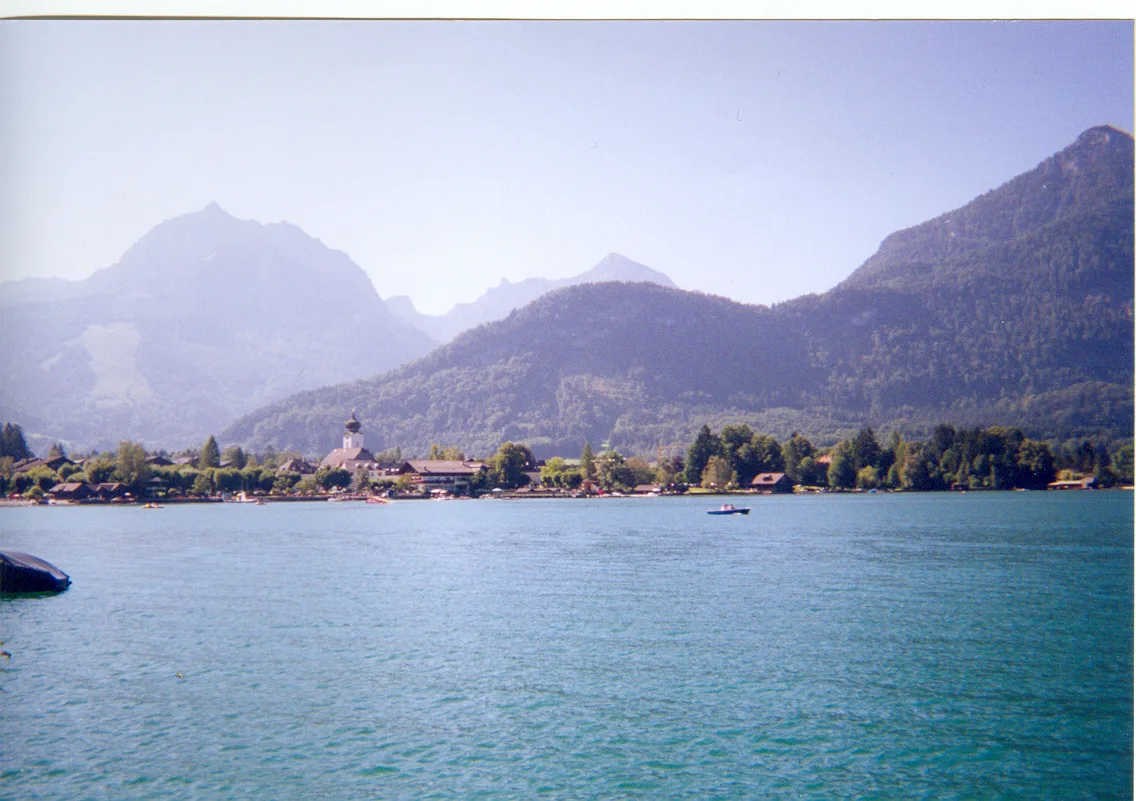
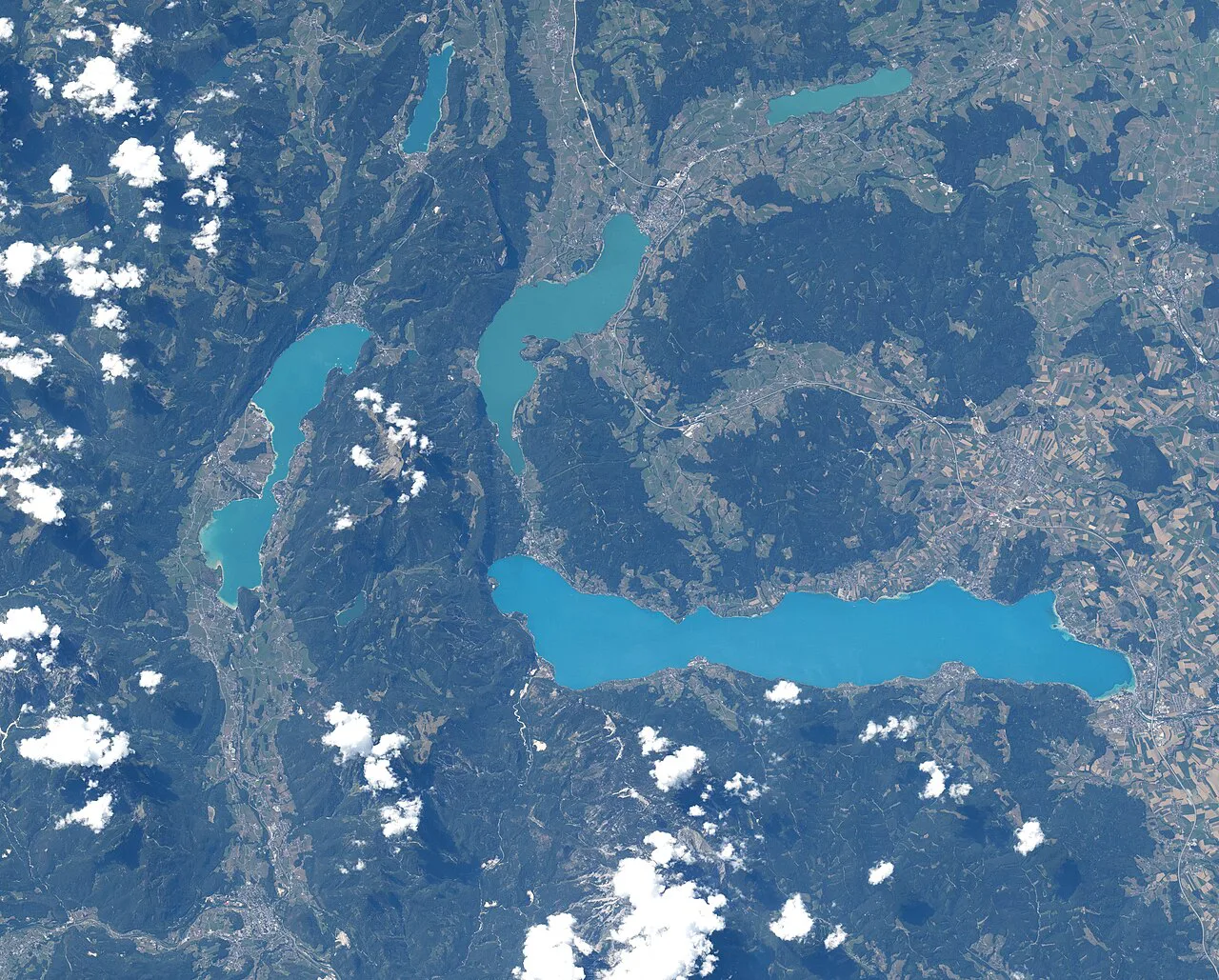
Four landscapes carry most of a good summer route. The Salzkammergut gives you the lake towns near Salzburg, Tyrol gives you Innsbruck and the Alps rising straight out of the valley, Carinthia gives you lakes around the Wörthersee, and the Danube and the Wachau give you river towns, terraced slopes and baroque monasteries on a short rail line. Pick one or two for a week rather than trying to thread all four.
A base is a routing decision as much as a comfort one. If you want to reach several lake towns, a car helps with the small roads but becomes a liability for parking in the middle of the day. If you want abbeys, river towns and one or two cities, the train and Postbus cover the ground well. An Austria itinerary built around one landscape will always feel calmer than one that hops between them.
Innsbruck in summer: the Altstadt, the Stadtturm and the Nordkette
Innsbruck is the Tyrolean town where the mountains feel like part of the city rather than a day trip from it. The 15th-century Stadtturm, about 51 meters tall, gives a 360-degree view over the Goldenes Dachl with its gilded copper roof, the baroque Helblinghaus facade across the cobbles, and the arc of Maria-Theresien-Straße running away from the old town. Put the tower at the start of the day, when the light is cleanest and the streets are quietest.
The Nordkette range sits directly above the city. Innsbruck's streets also hold the Triumphal Arch, the Imperial Palace with its green copper roofs and the Bergisel hill, so a single day can be spent largely on foot. Wear what you would wear in a US mountain town: jeans and a light layer are ordinary dress here.
Lake towns of the Salzkammergut
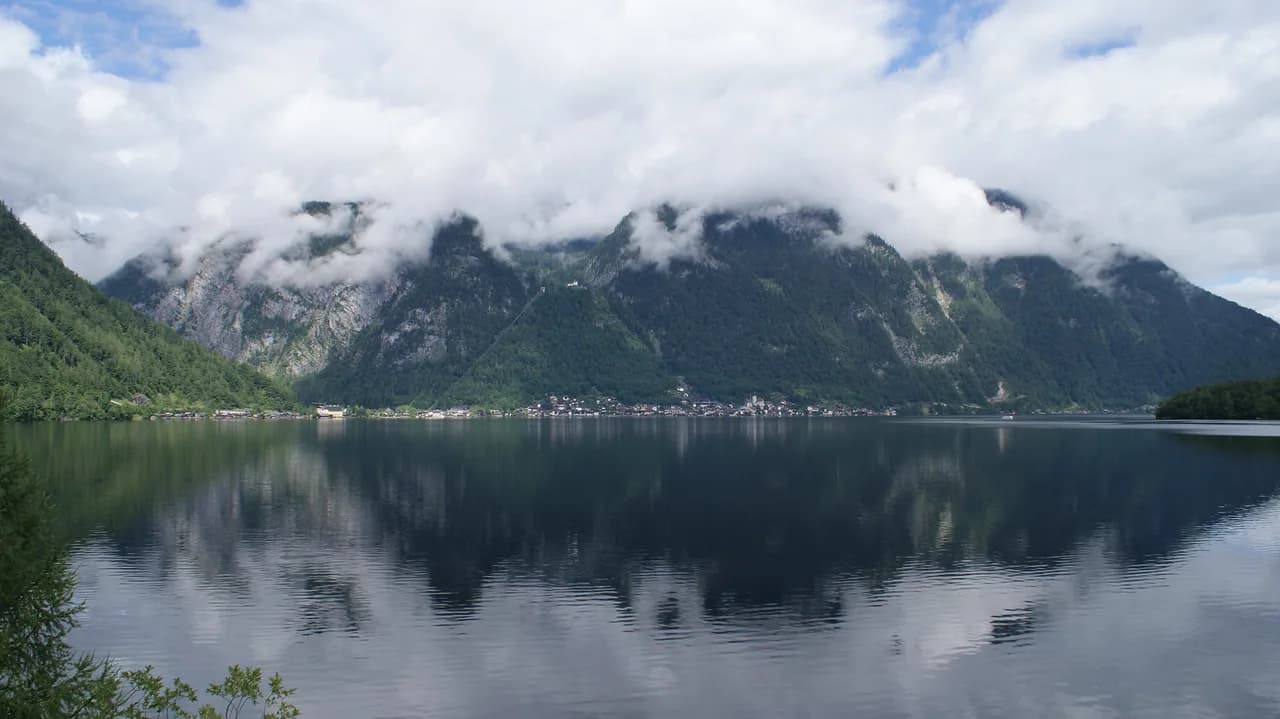
The Salzkammergut lake towns are the classic Austrian summer picture, and Hallstatt is the one everyone pictures. The village sits on a narrow strip between the lake and the slope, so the lakeside lane and the viewpoints above it carry the crowds that arrive through the day. Build the day around Hallstatt rather than squeezing it in between other stops, or stay nearby and walk the lane when the tour groups have gone.
Spread the rest of the region out rather than using one village as a hub. The Hallstätter See shoreline, the smaller villages around it and the market towns further along the lakes each give you a different afternoon. The Villages in Austria Worth the Trip guide helps you tell the genuinely small lakeside places from the ones that now function mainly as a backdrop.
Carinthia and the Wörthersee
Carinthia's lakes are the southern alternative to the Salzkammergut, and the Wörthersee is the largest and the obvious anchor. The lake towns make a reasonable base for several days rather than a single stop. The mood is gentler than the Salzburg lakes: promenades, lake bathing and short boat crossings rather than a single famous viewpoint.
Use Carinthia for the parts of the trip that do not need a schedule. A lake town there lets you alternate a swim, a short hop to a neighboring town and an abbey or castle interior in the afternoon heat. If you are building a longer list of stops, the most beautiful towns in Austria are a useful cross-check for which lake settlements are worth a night rather than a lunch.
Alpine roads and passes in the warm months
Austria's high Alpine roads are seasonal by nature, and a pass that carries traffic in July can be closed by snow outside the warm months. Give a mountain road its own day, with viewpoints along the way and a schedule that depends on the season and the weather. Check the road operator's own page before you build a day around it, and never assume a pass is open because the valley below is.
Toll roads change the cost of a driving day, so treat them as part of the routing decision. A scenic pass can save you a long detour or cost you an hour in slow traffic, depending on the hour you drive it. If you are comparing landscapes, the Places to Visit in Austria guide sets the mountain roads alongside lakes and old towns so you can see which ones fit a single loop.
Cable cars and mountain viewpoints
Cable cars and mountain viewpoints above the valleys are the easiest way to get high without a long climb, and they run on their own seasonal calendars. Confirm operating dates and last descent times with the lift company before you go up, since the weather can shut a line even in midsummer.
Above the tree line the temperature drops and afternoon storms build, so an early ascent beats a late one. Take a layer even on a hot day in town, and keep the descent time in mind rather than relying on the last car. The payoff is the view back over the old town squares and river valleys that you will walk through later.
Baroque abbeys, pilgrimage churches and palace gardens in the warm months
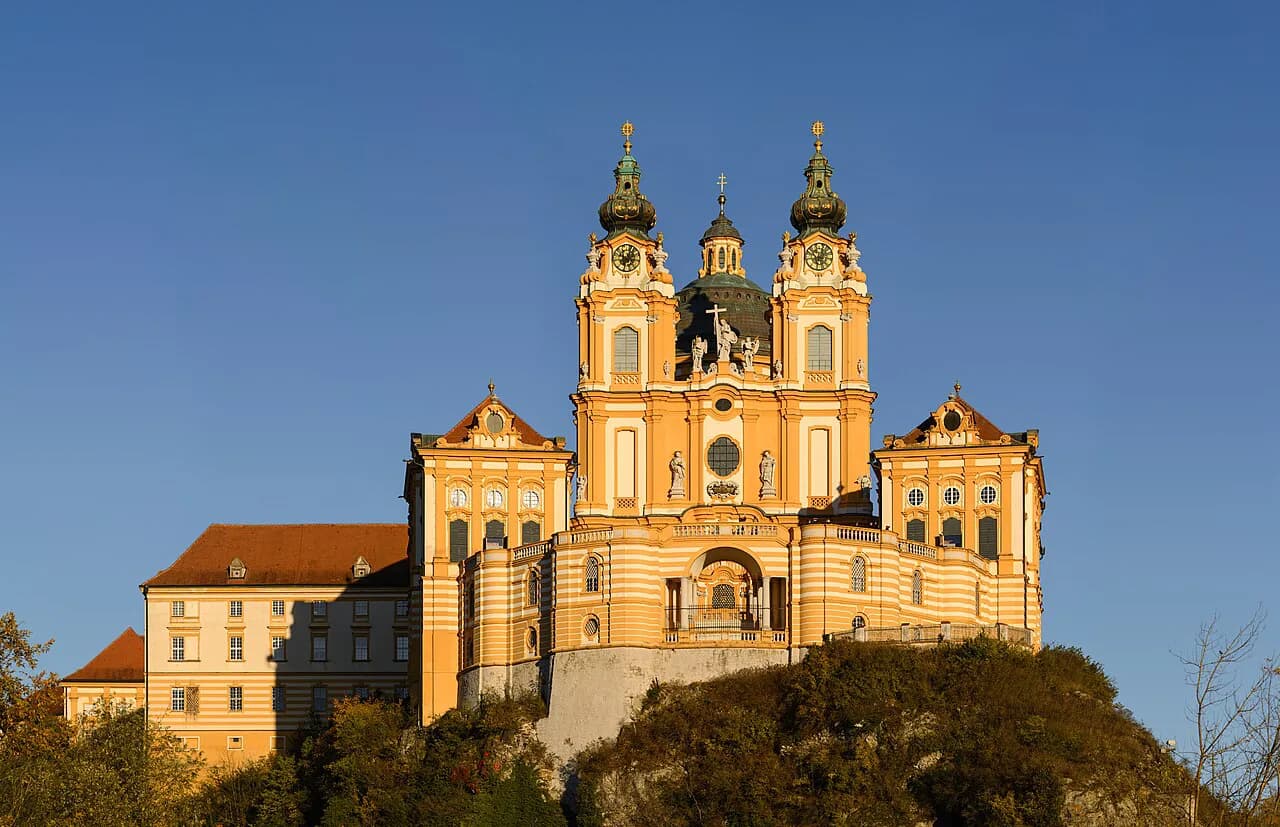
Austria's baroque monasteries and pilgrimage churches are interior visits, which makes them the natural choice for the hot middle of the day. Stift Melk (Melk Abbey) above the Danube is the best-known stop on the Wachau rail line, and its terraces and gardens are part of the visit rather than an afterthought. Abbey tours tend to run at set times, so plan the day around the tour you want.
Pair an abbey with a garden or a palace rather than stacking two interiors back to back. Palace gardens give you shade, benches and a view without a timed ticket. Build the day so the interior is fixed and the garden is the flexible part.
Getting around by train, Postbus, boat or car
The train links the cities, the Danube and the Wachau, and it runs on published timetables you can check before you commit. Postbus services fill the gaps to smaller villages and trailheads, so check the connection before you choose a base far from a station. Boats on the larger lakes are a way to move between towns as well as a sightseeing trip, so check the operator's schedule rather than assuming a frequent service.
A car earns its place for the Alpine roads, the scattered lake villages and the passes, and it costs you parking and tolls in exchange. For a route built on abbeys, old towns and rail lines, the train plus a bus is usually the simpler choice. Decide by the day, not for the whole trip: pick up a car for the mountain loop and give it back before the city days.
Heat, storms and crowds: picking your hours and your days
Austrian summer days are long but they have a shape. Mornings are clear and cool, afternoons bring heat in the towns and thunderstorms over the mountains, and evenings stay light late enough for a second walk. Give the popular village or lakefront an early slot, and keep the indoor sight for the hours when the sun is hardest.
Weekends and the peak weeks of July and August are the busiest, and a small town with one lane through it feels that pressure quickly. Where you can, shift the famous stop to a weekday and use weekends for the less crowded lakes or the larger towns with more space. The most beautiful villages in Austria are often the ones that absorb a crowd without losing their shape.
What a summer trip costs, in euros
Budget in euros and separate the fixed costs from the variable ones. Train tickets, cable cars and toll roads are the predictable summer expenses, and a scenic toll road is a real line item rather than a rounding error. Tolls on Alpine roads are set by the operator, so check the current figure with the road operator before you commit a day to it.
Museums, abbeys and palaces publish their own ticket prices, and many are cheaper for a short visit than for a full day. Boats and Postbus fares depend on the distance and the operator, so ask at the counter or check the line's own page. Keep a little slack in the budget for a cafe terrace, because sitting out the hottest hour is part of how the trip works.
Which landscape gets your first week?
Build the week around one landscape and let the season do the rest. If you want mountains above the rooftops and a compact old town, Innsbruck in Tyrol is the cleanest single base; if you want lakes, the Salzkammergut gives you the classic picture at the cost of midday crowds, and Carinthia gives you a slower version around the Wörthersee. A Danube and Wachau route suits anyone who would rather link abbeys and river towns than drive a pass.
Whichever you pick, put the one seasonal sight that matters most to you at the start of the trip and give it a backup day. That single rule handles the Alpine road that closes, the cable car that stops for weather and the abbey whose tour times do not fit your afternoon. The rest of the trip can then follow the long light.
Explore more Austria guides
Sources
Notes for your next Austrian town break
Optional updates when we add or revise town guides.
You might also like
Continue reading
More guides you'll find useful