Zillertal Guide: Valley Towns, Cable Cars and the Steam Railway
Plan a summer trip through the Zillertal in Tyrol: the valley towns, cable cars to high viewpoints, Zell am Ziller's sights and how the valley fits a wider route.
On this page
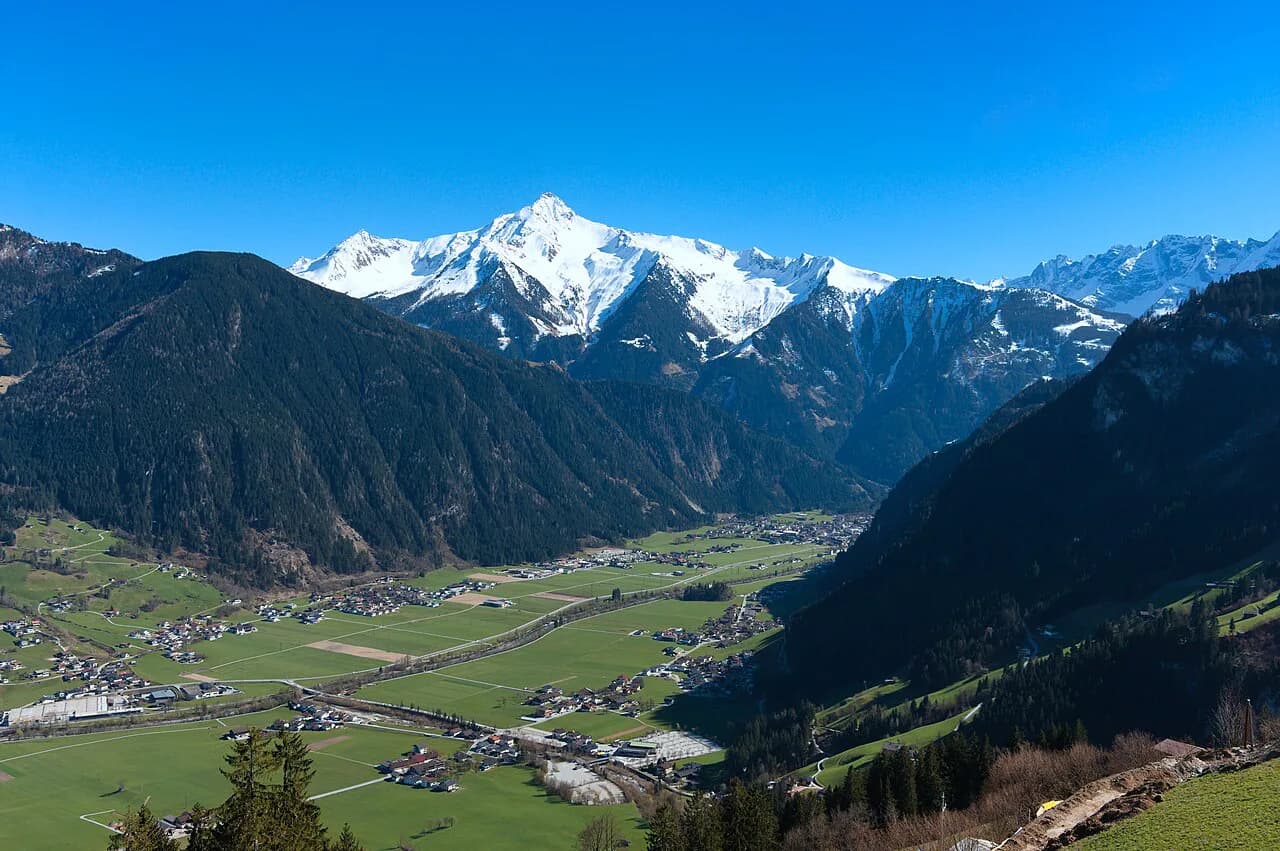
The Zillertal rewards travelers who treat it as a string of stops rather than a single destination. It is a long north-south valley in Tyrol, and its towns sit one after another along the Ziller river and the main road, so the order of your stops matters more than any one place. This guide explains how the valley is laid out, which towns deserve a pause, which lifts carry you to a high viewpoint in summer, and how the valley fits a route through Tyrol.
Most visitors enter from the north, where the valley opens toward Innsbruck and the Inn valley, and work south toward Mayrhofen and the high ground beyond. Understanding that line is the key to planning: you can stop at two or three towns in a day without doubling back, or base yourself in one and reach the rest by train and bus. It is a sound alternative to the more heavily traveled valleys west of Innsbruck, such as the Stubai Valley, if you want a longer valley with more towns.
How the Zillertal is arranged
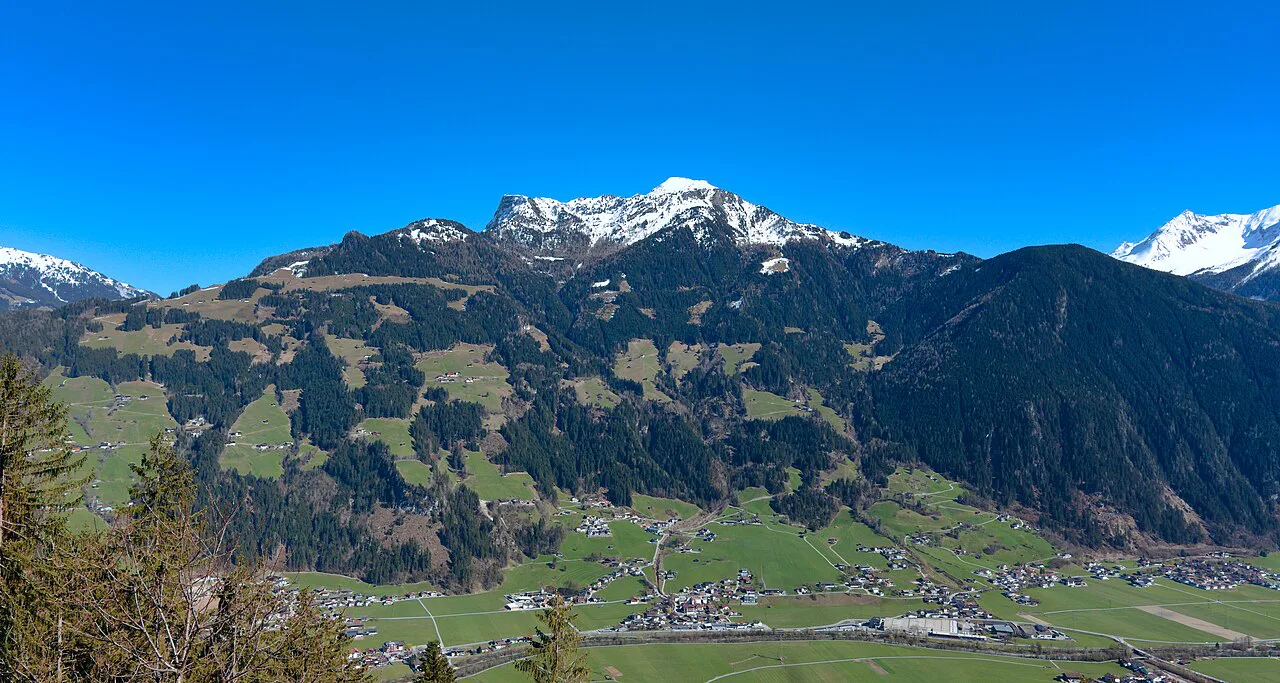
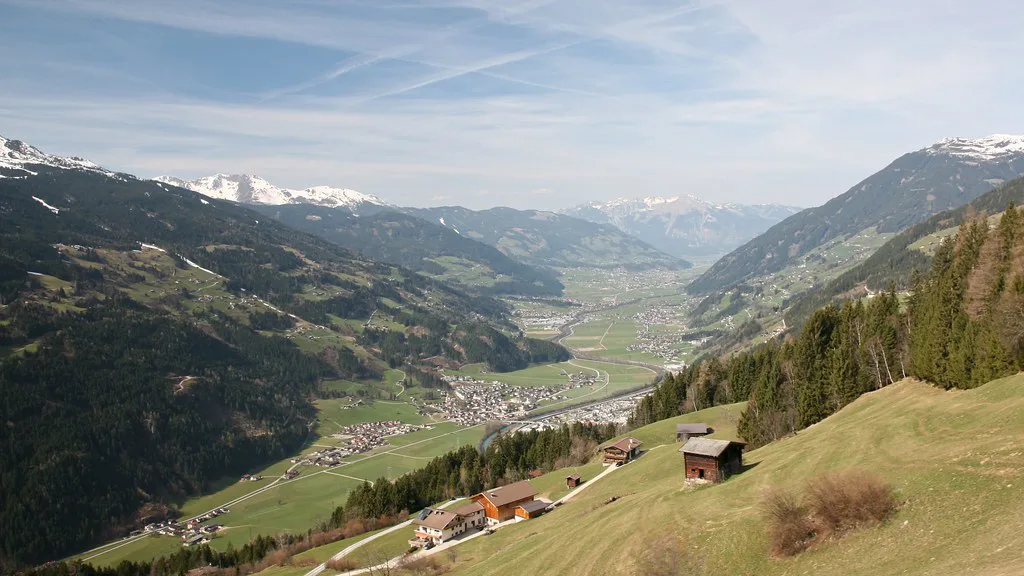
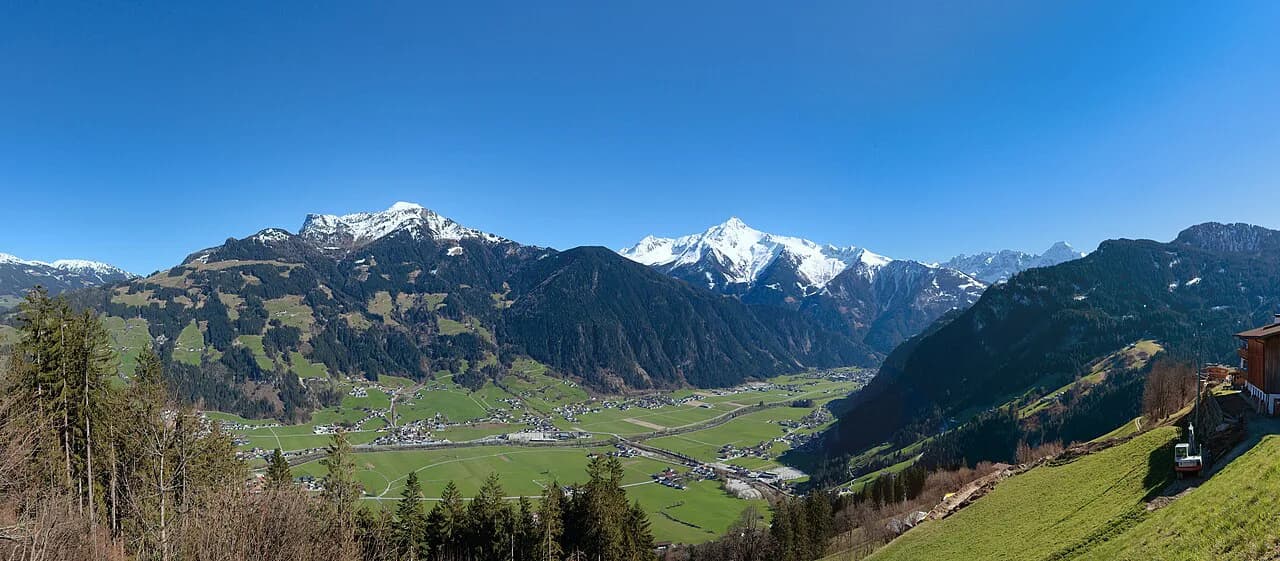
Picture the Zillertal as a single line running from north to south, with the Ziller river and the valley road threading through it. Towns are strung along that line, so a stop is easy to slot in as you move up or down the valley rather than a detour. The northern end sits closest to the Inn valley and the approach from Innsbruck; the southern end climbs toward Mayrhofen, Hintertux and the high passes.
That linear shape is what makes the valley practical without a car. A narrow-gauge railway and Postbus services run along the valley floor, so you can link towns and lifts on foot and by public transport. The trade-off is that the far southern end, toward Hintertux, is a longer haul and rewards a dedicated half-day rather than a quick pause.
The valley towns worth a stop
The main towns form a useful checklist as you move along the valley: Mayrhofen, Zell am Ziller, Fügen, Schlitters and Gerlos, with Finkenberg and Hintertux further up the valley. Mayrhofen is the best-known name, Zell am Ziller is the market town at the center, and Fügen and Schlitters anchor the northern, more open stretch. Gerlos is reached by the high road that branches over the Gerlos pass from the Zell area, so it sits off the main valley line rather than on it.
Pick your stops by position rather than by fame. If you are arriving from the north, Fügen and Schlitters come first and make an easy introduction; Zell am Ziller follows as the cultural center; Mayrhofen is the transport hub for the upper valley. Squeezing all of them into one day leaves little time for a lift or a museum, so two or three stops is a realistic pace.
Mayrhofen: the valley's transport hub
Mayrhofen is where the valley's transport threads come together and where the Penken cable car begins its climb. It is the natural base for the upper Zillertal, with the railway terminus and bus connections putting the surrounding towns within easy reach. If your plan includes one high viewpoint, this is the most straightforward place to start.
Treat the Penken cable car as summer access to a high viewpoint rather than a fixed appointment. Mountain lifts in the valley run on seasonal schedules and can pause for weather or maintenance, so build in flexibility and confirm the day's operation before you commit. Finkenberg and the Tux side lie beyond Mayrhofen for travelers continuing south.
Zell am Ziller: the market town center
Zell am Ziller is the valley's market town and administrative heart, and its center holds the sights most worth a deliberate stop. The parish church has a Baroque central building and a Gothic tower, and its interior frescoes by Franz Anton Zeiller date from 1779, which makes the church the single most specific reason to walk into the old center.
The Regionalmuseum adds the everyday side of valley life, with original furniture, tools and household objects set in a preserved 17th-century farm building. It is the kind of small museum that suits a rainy hour or a slow afternoon rather than a rushed checklist. Pair it with the church and you have a compact half-day in town.
Cable cars and high viewpoints in summer
The summer lifts are how you get above the valley floor without a long climb. Above Zell am Ziller, the Rosenalmbahn carries you past 1,700 meters into a broad area of trails and open ground, and the Gerlossteinbahn gives access to the slopes on the opposite side. Both turn a town stop into a half-day with a view.
The honest trade-off is altitude and weather: a high viewpoint can sit in cloud while the valley floor is sunny, and a lift that runs in one season may sit idle in another. Confirm the operating season and the day's conditions with the lift operator before you pay, and keep a valley-floor plan as a backup. Treat any ski-area statistics you encounter as winter infrastructure, not summer attractions.
Fügen, Schlitters and the northern valley
The northern stretch of the Zillertal is the most open, and Fügen and Schlitters are the natural first stops if you arrive from the Inn valley. They come before Zell am Ziller and Mayrhofen on the valley line, which makes them convenient for a short pause early in your drive or train ride. They are a good place to break the journey rather than a destination in their own right.
If your main goal is a high viewpoint or a museum, these northern villages work better as a passing stop on the way south. If you want a quieter base closer to the valley entrance, they fit an itinerary that continues into the Inn valley or on toward the towns beyond it.
Gerlos, the Gerlos pass and the high road
Gerlos sits along the high road that branches east from the Zell am Ziller area and crosses the Gerlos pass toward the Krimml side. This is where the route becomes a mountain road rather than a settled valley floor, and where the scenery changes fastest. It rewards a slower drive or a dedicated bus leg rather than a hurried pass-through, and it is a detour off the north-south valley line rather than its southern end.
The southern head of the valley lies beyond Mayrhofen, where Finkenberg and Hintertux take you toward the highest ground. These are longer distances from the valley entrance, so they suit a plan with a base nearby rather than a day trip from the north. Check seasonal operation on any lift or high road you intend to use before committing to the far end of the valley.
Getting around by train and bus
The valley is served by a narrow-gauge railway and by Postbus services along the main road, which together make a car-free visit realistic. The railway links the valley towns and the bus network reaches the side valleys and lifts, so a base in Mayrhofen or Zell am Ziller opens up most of the valley on public transport. Confirm current departure times with the operator rather than relying on a remembered schedule.
Driving gives you the freedom to reach Gerlos and Hintertux at your own pace, but it comes with the usual mountain-valley constraints: parking in the busiest towns, and high roads that can close in winter. If your route continues west, the Stubai Valley is a similar long valley on the other side of Innsbruck, and the Ötztal another, each with its own road and rail logic worth comparing before you set a plan.
How the Zillertal fits a Tyrol route
The Zillertal is a natural side trip from the Inn valley and a practical extension of any North Tyrol itinerary. It sits close enough to Innsbruck to reach in a morning, yet long enough to hold several days of stops, which makes it flexible for both a day stop and a longer stay. Plan the valley as a linear sequence and you can join it at either end without wasting time.
For a broader Tyrol plan, compare the Zillertal with other valleys before you commit your days. The Ötztal and Pitztal offer similar long-valley layouts with their own towns and roads, while villages such as Ehrwald and Reutte sit on the western side of the region and suit a different route entirely. Reading a few of these side by side helps you decide which valley earns your limited time.
If your trip leans toward towns and castles rather than mountain roads, look at Imst and the towns of the Oberland as a counterweight to a valley-focused route. The point is to treat the Zillertal as one strong option among several in Tyrol, and to choose it when its linear towns and summer lifts match what you want from the day.
Tyrolean beer culture at the BrauKunstHaus
Zell am Ziller is home to a private brewery with more than five centuries of brewing behind it, one of the oldest in Tyrol. The BrauKunstHaus presents that history through multimedia exhibits and walks you through Tyrolean beer culture rather than a single tasting. It is a sensible indoor stop to pair with the Regionalmuseum and the parish church in the same afternoon.
To go, check the current opening days and any tour arrangements with the brewery directly, since museum hours vary by season. The venue suits travelers who want a cultural stop that is not a mountain lift, especially on a day when the high ground is in cloud.
Should you base yourself in Mayrhofen or Zell am Ziller?
Base in Mayrhofen if you want the most transport connections and the quickest route to the upper valley and Penken. Base in Zell am Ziller if the market town's church, Regionalmuseum and brewery are the draw, and you prefer a central position on the valley line. Either choice keeps the rest of the towns reachable by train and bus.
Whichever base you pick, plan the valley as a one-line sequence, confirm seasonal lift and road operation before you travel, and leave room for a cloudy day indoors. That approach turns the Zillertal from a list of names into a workable itinerary that fits the rest of your Tyrol route.
Explore more Innsbruck guides
Frequently Asked Questions
Do you need a car to see the Zillertal?
No. A narrow-gauge railway and Postbus services run along the valley floor and link the towns, so a base in Mayrhofen or Zell am Ziller lets you reach most of the valley on public transport. Check current departure times with the operators before you travel.
What is there to see in Zell am Ziller?
The parish church has a Baroque central building with a Gothic tower and frescoes by Franz Anton Zeiller from 1779. The Regionalmuseum displays original furniture, tools and household objects in a preserved 17th-century farm, and the BrauKunstHaus covers the town's long brewing history.
Sources
Notes for your next Austrian town break
Optional updates when we add or revise town guides.
You might also like
Continue reading
More guides you'll find useful