Stubai Valley Guide: Villages, Cable Cars and the Glacier
Plan a Stubai Valley summer trip beyond skiing: the five villages, four cableways, the Top of Tyrol platform and how the Stubai Super Card works.
On this page
The Stubai Valley is one valley with four separate mountain areas, not one single sight: the Stubaier Gletscher at its head, then Schlick 2000, the Elferbahnen and the Serlesbahnen closer to the entrance. Planning means choosing two or three of those areas by altitude and weather rather than trying to cover all of them. The river Ruetz runs the length of the valley through the Stubai Alps, and the five villages sit along that road south of Innsbruck.
Where the Stubai Valley sits south of Innsbruck
The Stubaital is an Alpine valley in Tyrol and the central valley of the Stubai Alps, drained throughout by the Ruetz. It runs south from the edge of Innsbruck into increasingly high terrain, ending at the glacier area that feeds the upper valley. On a map the valley is a single corridor, so everything you visit hangs off one road and one rail line.
That geography decides how you spend a day here: you pick a valley village as a base, then ride up one mountain area at a time. Distances between the lower villages are short, but the glacier road to the head of the valley adds real time to any plan. If you are building a wider route across the region, this valley slots naturally into a Tyrol itinerary alongside Innsbruck and the other side valleys.
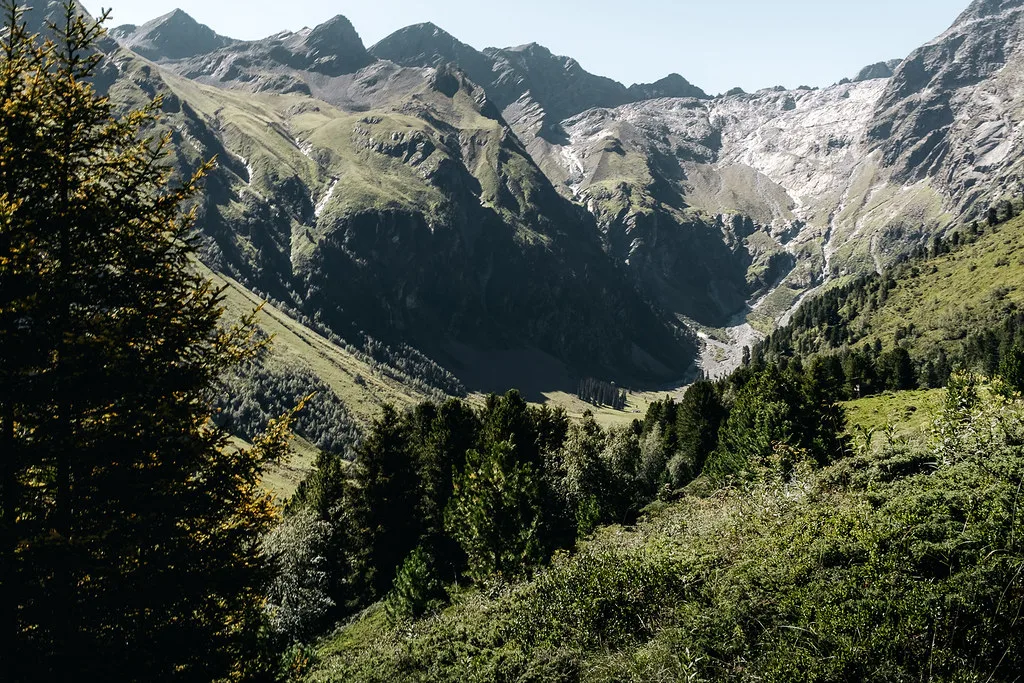
The five villages: Neustift, Fulpmes, Telfes, Mieders and Schönberg
The valley's five villages are Neustift, Fulpmes, Telfes, Mieders and Schönberg, running from the head of the valley back toward the entrance. Neustift sits highest, which makes it the natural base for the glacier road; Fulpmes is the main lower village. Telfes, Mieders and Schönberg sit nearer the mouth of the valley.
For a short stay, Fulpmes and Neustift between them cover most needs: one gives you a larger village base, the other shortens the morning drive to the cable cars. The lower villages suit travelers who want quieter surroundings and quick access to the Serlesbahnen, described by the valley's own tourism site as the recreational area at the entrance to the Stubai Valley.
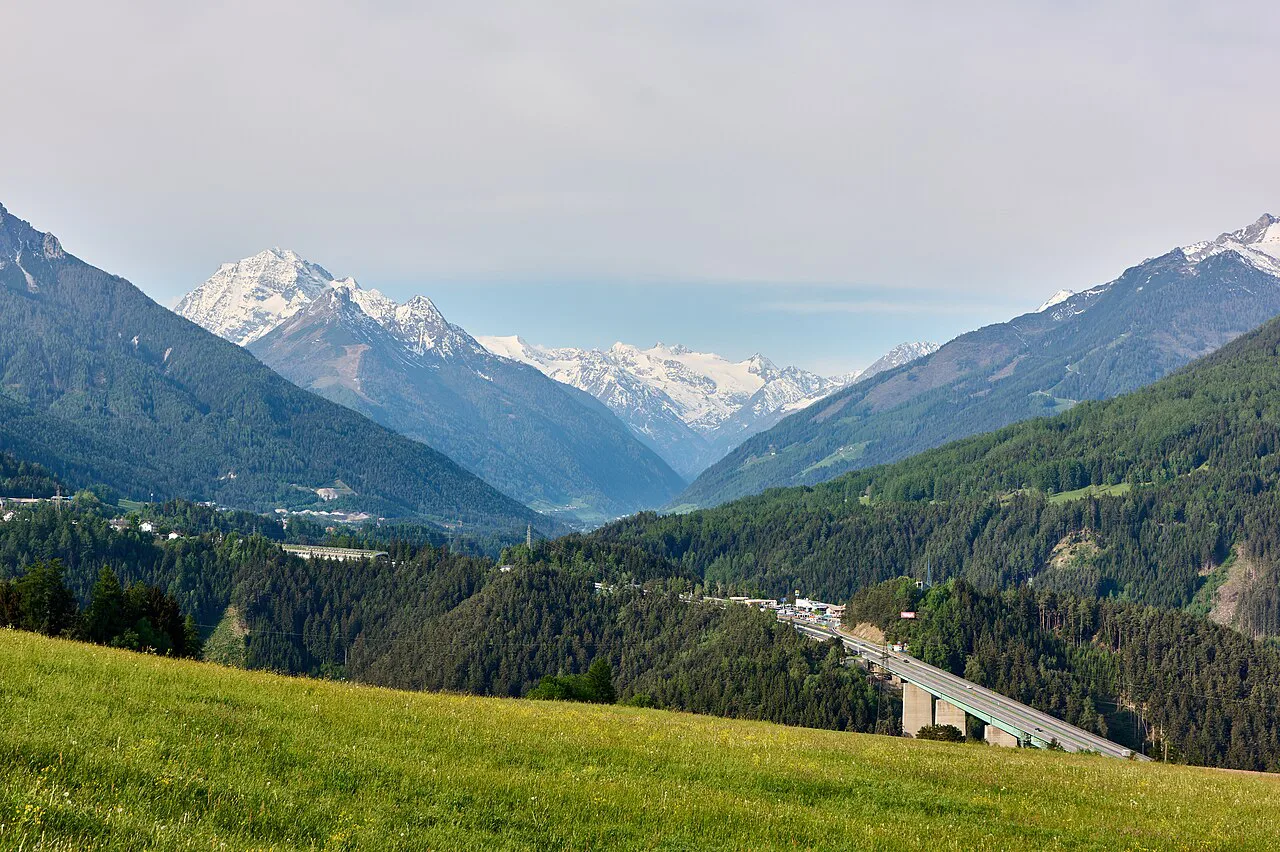
Getting there from Innsbruck without a car
The valley can be reached from Innsbruck by public transport, and the official valley site publishes directions, timetables and a free-arrival page for the car-free approach. Use the published timetables rather than assuming a frequency, since services change by season. The lower cable-car stations sit close to the villages themselves, so the villages make a sensible base without a car.
Inside the valley, local buses and the same transport network connect the villages and the higher stations, and the official site lists timetables and free-arrival details for guests. Traveling by public transport also lets you reach Innsbruck's own sights on the same trip, so a stay here can double as a city-and-mountains combination.
The four mountain cableways: Stubaier Gletscher, Schlick 2000, Elferbahnen and Serlesbahnen
The valley's official tourism site names four mountain cableways: the Stubaier Gletscher, Schlick 2000, the Elferbahnen and the Serlesbahnen, and treats each as its own area. They differ sharply in altitude and character, so they are not interchangeable: the glacier is a high-mountain excursion, Schlick 2000 a mountain of trails at the foot of the Kalkkögel, the Elfer a viewpoint area with marked paths, and the Serlesbahnen the lowest and easiest to reach.
A sensible plan pairs one high area with one lower one rather than stacking two big ascents into a single day, since high mountain weather can close in while the valley stays clear. Before setting out, check the open-facilities pages the valley publishes for current conditions on each mountain.
Riding up to the glacier: the Top of Tyrol platform at 3,210 m and the Schaufeljoch chapel
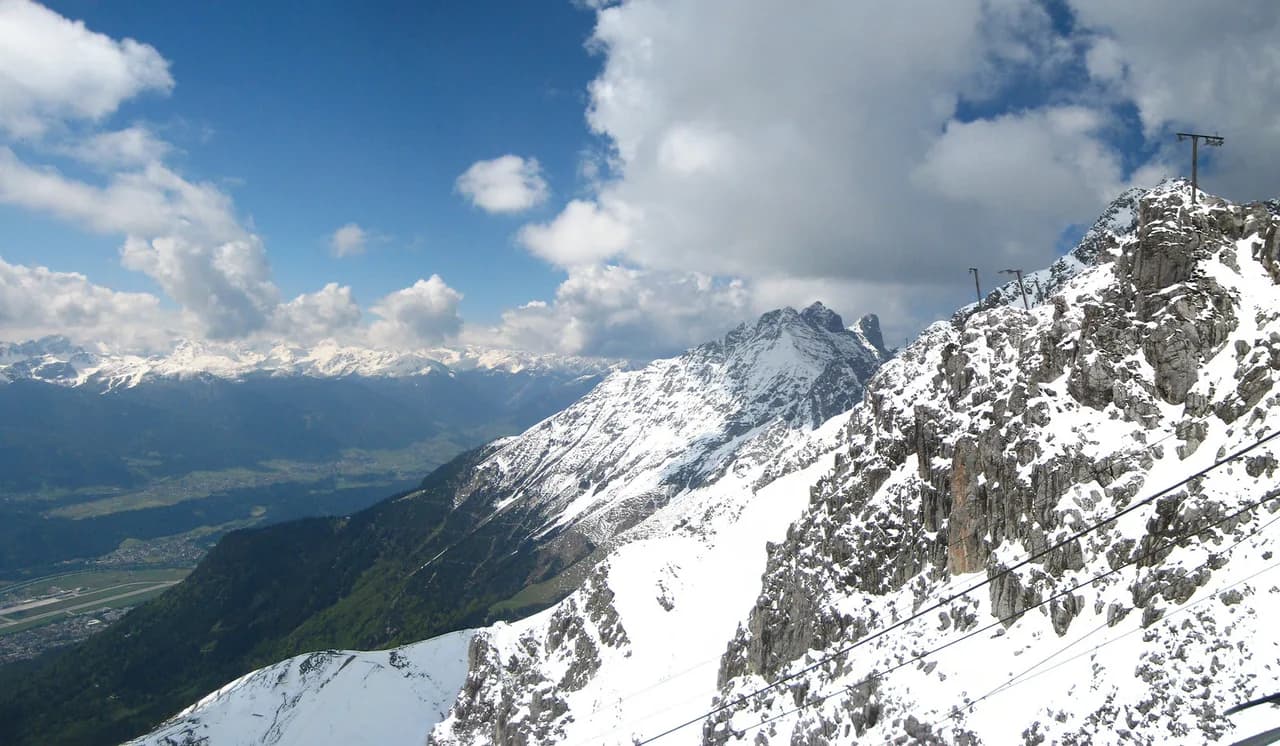
A series of cable cars climbs from the glacier station to high terrain where you can find snow even in summer, and the glaciers are visible beneath the lift line as you ascend. At the top, the Top of Tyrol viewing platform stands at 3,210 m and gives a 360-degree panorama; on a clear day the view takes in 109 peaks in Austria and Italy. Nearby are the Schaufeljoch chapel and the Jochdohle mountain restaurant at 3,150 m, the highest mountain restaurant in Austria.
Two practical points shape a glacier day. The Stubai Glacier Ice Grotto is permanently closed, so do not plan around it, and walking down to the Eisgrat station requires proper clothing and footwear. Pick a sunny day or check conditions before you go, because the summit can sit above the clouds when the valley is gray.
What the Stubai Super Card covers and when it pays off
The Stubai Super Card is a guest card offered with stays at participating accommodations rather than a ticket you buy at the lift window. The valley's site presents it as one card covering the mountain cableways along with public transport and other local attractions. That means the card is only relevant if you book a participating host, so the card question is a booking question.
Because lift fares are the largest single cost in the valley, the card can change the arithmetic over a multi-night stay. Ask your host which cable cars and transport lines the card currently covers before you count on it.
Schlick 2000: the Stubaiblick platform and the Sunnenseit'n suspension bridge
Schlick 2000 sits at the foot of the Kalkkögel, the rocky range on the western side of the valley, and the official site calls it a natural jewel and a mountain full of experiences. The area has an educational nature trail and the Stubaiblick viewing platform. The Sunnenseit'n Weg path includes a suspension bridge, one of the area's signature stops.
Treat Schlick 2000 as a half day rather than a quick stop: the lifts rise from the valley floor and the trails above spread out once you are up. It suits travelers who want viewpoints and walking without the altitude of the glacier. Hiking routes are not this guide's territory, so choose trails from the valley's own map at the cable-car station.
Elfer and Serles: the lower cableways and the summer toboggan run
The Elferbahn area above Neustift offers numerous hikes at all difficulty levels, as the official valley site describes it. The Serlesbahnen serve the lower, more accessible end of the valley, with the Serles summer toboggan run and the Serles park among the attractions listed for that area.
These two areas are the sensible choice on a short visit or a cloudy day, when the glacier may be in cloud and the lower slopes are clear. The summer toboggan run gives non-skiers a reason to ride the Serlesbahnen even without walking far. Compare them with the higher, larger lift areas in neighboring valleys such as the Zillertal if you are weighing where to base yourself.
Grawa waterfall and the Wild Water Trail
The Grawa waterfall is one of the valley's well-known natural sights, and the Wild Water Trail links waterfalls in the upper valley. The glacier road passes close to the falls, and the area around them is where livestock sometimes slows traffic on the road.
Plan the waterfall stop around the cable-car day rather than as a separate outing, since it sits on the way to the glacier stations. Spring melt and summer rain make the falls loudest. If the valley is your first stop on a longer mountain trip, the Ötztal to the west offers a comparable mix of waterfalls and high roads.
Autumn in the valley: what changes after the summer season
Autumn in the Stubai is its own season on the valley's calendar, and the official site promotes a mountain autumn of clear air and outdoor days. The trade-off is that lift operating periods tighten as the season turns, and the highest terrain can see early snow. Check the open-facilities page before committing to a glacier day late in the year.
In autumn, the lower valley villages become the better base, since walks start directly from the road and do not depend on a lift. Several Tyrolean side valleys keep their character into October, and Ehrwald below the Zugspitze is a comparable autumn stop if you are stringing together mountain villages.
What things cost in EUR and where to check current prices
Lift fares are the main expense in the valley, and the price of a glacier ascent differs from the lower cableways. Prices are set per cableway and change by season, so confirm the current rate on the official valley site or at the ticket window rather than budgeting from an old figure. Some host cards bundle lifts, transport and attractions, so check what is included before you book.
Beyond lifts, budget for valley transport and food in the villages; the mountain restaurants at the top charge high-altitude prices for the convenience. The official site's offers and card pages are the place to confirm what a given card includes before you book a host. Compare that structure with other Tyrolean valleys, where separate guest cards also bundle summer lifts.
Which Stubai area to book first
Book the glacier for your clearest day and pair it with one lower area, Schlick 2000 or the Elferbahnen, on the day after. If you are arriving without a car, reach the valley from Innsbruck by public transport and stay in Fulpmes or Neustift so the lifts and the valley road are close. One further Tyrolean valley guide worth reading before you commit is the Landeck guide, which covers where the valley roads split.
Explore more Innsbruck guides
- Austrian Alps Villages
- Gerlos: The Tyrolean Village Between the Zillertal Arena and the Krimml Road
- Imst: A Tyrolean Town Guide to the Old Center, the Rosengartenschlucht and Hoch-Imst
- Pitztal in Summer
- Plansee: The Long Alpine Lake Near Reutte in Tyrol
- Reutte: A Practical Guide to Tirol's Ausserfern Town
- Stams Abbey
- The Austrian Alps
- Timmelsjoch
- Tratzberg Castle
- Waterfalls in Austria
Frequently Asked Questions
Is the Stubai Glacier actually a glacier?
The Stubaier Gletscher is a real glacier area at the head of the valley, with snow and ice present through the summer months at the top of the lift system. The lifts climb from the valley station to high terrain where the glacier ice is visible, and the Top of Tyrol platform sits at 3,210 m.
Is the Stubai Glacier ice grotto open?
No. The Stubai Glacier Ice Grotto is permanently closed, so plan the glacier day around the Top of Tyrol platform, the Schaufeljoch chapel and the Jochdohle restaurant instead. Travelers who want an ice tunnel should look at other glacier areas in the Alps.
Do I need a car to visit the Stubai Valley from Innsbruck?
No. The official valley site publishes directions, timetables and free-arrival details for arriving without a car, and buses and the local transport network connect the villages and lift stations inside the valley. Check the published timetables on the official valley site, since services vary by season.
Sources
Notes for your next Austrian town break
Optional updates when we add or revise town guides.
You might also like
Continue reading
More guides you'll find useful