Pitztal in Summer: Rifflsee, the Glacier and the Valley Villages
Plan a Pitztal summer visit beyond skiing: the Rifflsee lake at 2,232 m with its raft and loop walk, the villages up the valley and the Imst gateway.
On this page
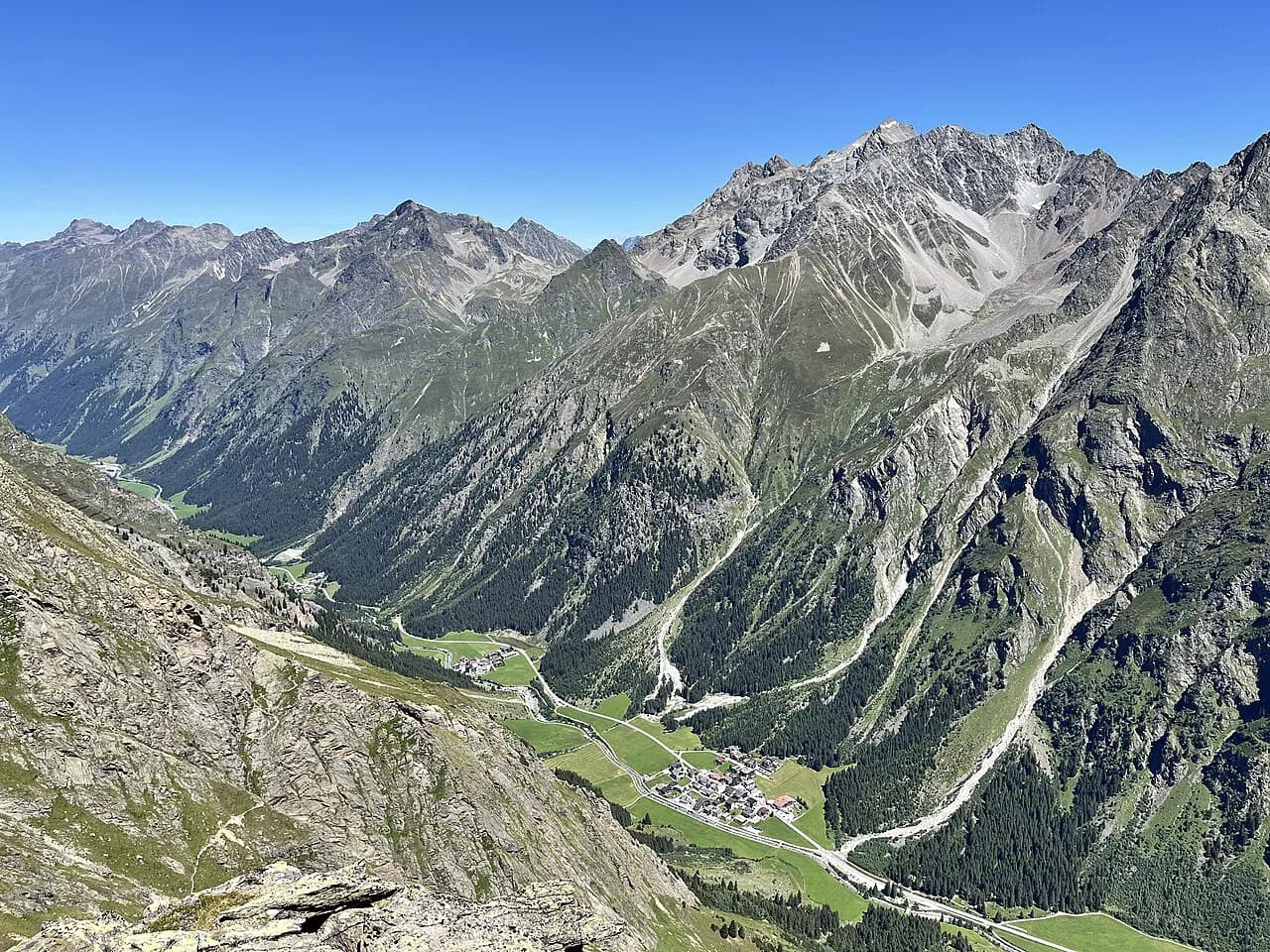
The Pitztal is a high side valley of the Tyrol that runs south from Imst toward the Pitztaler Gletscher, and in summer it offers two distinct mountain days rather than one. The Rifflseebahn rises to a lake at 2,232 m where a raft and an easy loop trail wait, while at the head of the valley the glacier world holds the Café 3440 at 3,440 m.
This guide lays out how the valley is structured from Imst to Mandarfen, what happens at each of the two mountain stations, which villages and side sights are worth a stop, and how to think about cost and season before booking a day. Skiing, lift passes and long hiking routes are left to other pages; this one is about a summer visit by car, bus or train through Imst. The season calendars for both lifts decide whether your plan works, so fix those dates first.
What the Pitztal is and where it sits in Tyrol
The Pitztal branches off the Inntal at Imst and heads south into the mountains, ending in the glacier basin below the Wildspitze. That means it belongs to the same family of valleys as the Ötztal and the Stubai Valley, but it is shorter, narrower and less built up along the valley road. Approaching from Innsbruck, you leave the motorway at Imst and turn up the valley in one move.
For route planning, treat the Pitztal as a there-and-back valley with one road: you drive or ride up past the villages and come back the same way. That structure makes it easy to combine a mountain morning with a village stop on the return. Arriving by train means the Bahnhof Imst as the valley's rail gateway before the road climb begins.
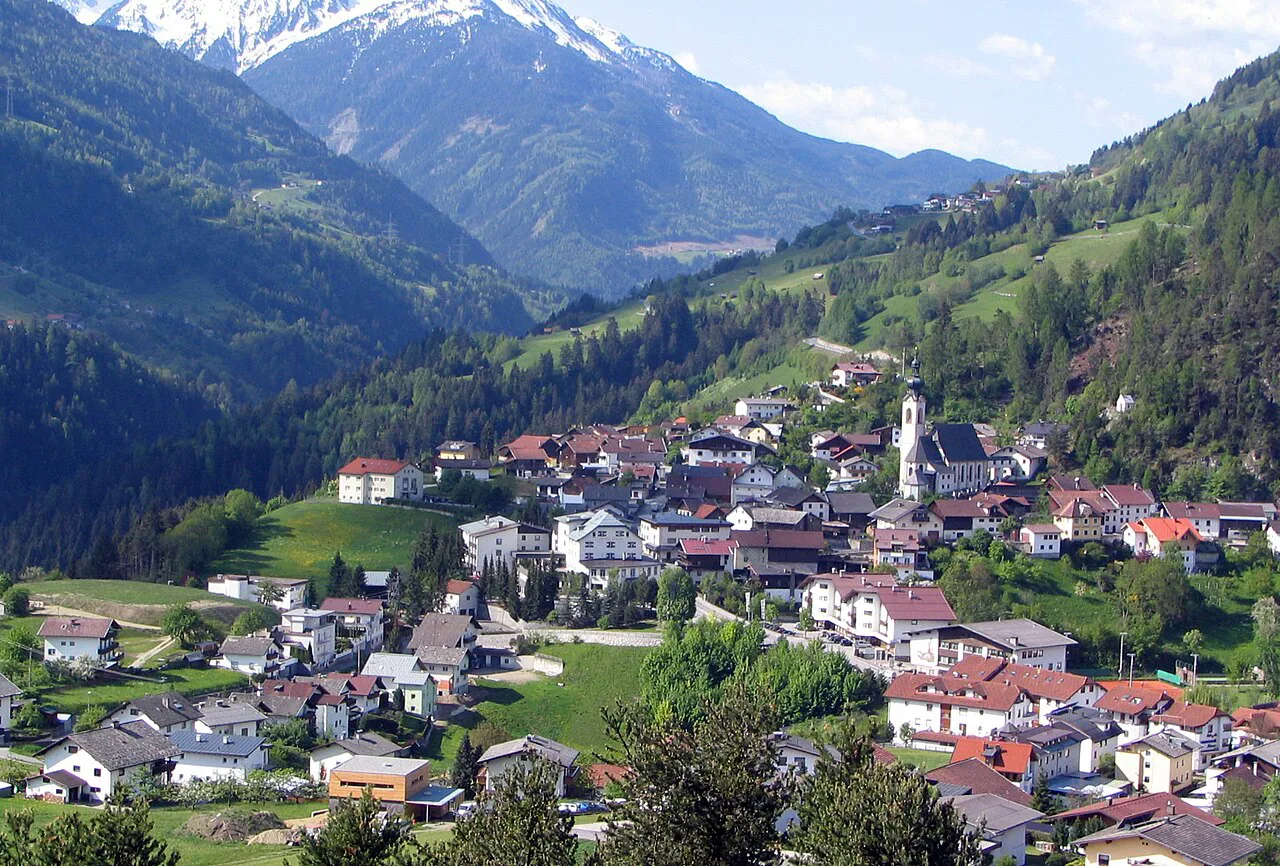
How the valley is laid out: Imst, Wenns, Jerzens, St. Leonhard and Mandarfen
Imst is the gateway town at the mouth of the valley, with an old center and the Rosengartenschlucht gorge on its edge. The road then climbs through Wenns, where the Stamserhaus is described as the oldest farmhouse in Tyrol and hosts art and culture events, before the side road to Jerzens branches off toward the Hochzeiger.
Jerzens has the Zirbenmuseum, the Wasserwelten Pitztal, the XP-Abenteuerpark and the PitzPark, a family adventure world with a natural swimming pond and water play stations. Beyond Jerzens the main road continues to St. Leonhard im Pitztal and finally to Mandarfen, the hamlet at the base of the Rifflseebahn and the access point for both mountain days. Plan your village stops for the trip back down, when the light is behind you.
The Pitztaler Gletscher and the Café 3440 at 3,440 m
The Pitztaler Gletscher sits at the head of the valley and holds the Café 3440, described as Tirol's highest café at 3,440 m, with views over the ice. This is the highest experience in the valley, and the lift must be running for the day to work, so settle the operating calendar before you go. The operator publishes summer tickets and hours on its own site. Budget for cold, thin air and changing cloud even in midsummer.
Treat the glacier as a half day at a fixed upper station rather than a full-day outing: ride up, spend time at the café and the viewing areas, and ride down before afternoon weather builds. Settle opening hours and tickets with the operator before you go. When you plan the valley, put the glacier on the clearest forecast day of your stay.
Rifflsee: the lake at 2,232 m reached by the Rifflseebahn
The Rifflseebahn climbs from Mandarfen to the Rifflsee at 2,232 m, a mountain lake ringed by high slopes. The operator presents it as a summer destination with something for adventurers, casual walkers and families alike, from a children's program to time spent simply sitting by the water. It is the lower and easier of the valley's two mountain days, and the one to choose if the glacier seems too high or too cold.
Because the lake sits at just over 2,200 m rather than above 3,000 m, the difference in feel from the glacier is real: gentler air, more paths at lake level and a shorter day. The trade-off is fewer dramatic ice views, so travelers who want the high alpine scene should not substitute the lake for the glacier. Ride up in the morning and keep the lake for the afternoon if you do both on separate days.
The raft ride on the Rifflsee and the Sunna Alm at the mountain station
At the lake the operator runs what it calls the highest raft trip in Europe: roughly 45 minutes on a 140-square-meter wooden raft, with commentary on the history and present of the Pitztal. That makes it a reason to allow more than an hour at the top. Children can also pick up a detective sheet for the small ibex mascot Pitzi at the Sunna Alm and return it there for a small gift.
The Sunna Alm sits directly in the Rifflsee mountain station, with a large sun terrace, a playground for children and Tyrolean dishes for hungry walkers. Plan lunch or a late coffee here rather than in the valley, since it is the natural base at the top of the lift. Check the raft's operating times with the lift company before counting on it, since it runs as part of the summer operation.
The Rifflsee-Rundwanderweg lake loop as an easy walk from the mountain station
The Rifflsee-Rundwanderweg starts and ends at the Sunna Alm and circles the lake on a comfortable path that the operator says is easy even with a stroller. Figure about an hour of walking time, which leaves room for the raft and a meal in the same visit. It is the right choice for travelers who want the lake scenery without committing to a long mountain route.
Stronger walkers use the Fuldaer Höhenweg from the Rifflseebahn mountain station toward the Taschachhaus, then continue over a glacier moraine to a material cable car where a mountain bike can be rented for the return to Mandarfen after a phone booking. That is a serious high route rather than a stroll, and it belongs on a separate day from the lake loop. Take the loop if your group mixes walkers and non-walkers.
Valley sights: the Rosengartenschlucht, Zirbenmuseum and Schloss Starkenberg
Imst pairs with the valley as a gateway stop, and local listings name the Alpine Coaster and the wild Rosengartenschlucht gorge among its draws. The town is worth an hour on the way up or a longer stop on the way back, especially if you arrive by train and need to switch to a bus. Use it as the buffer in your schedule rather than the main event of the day.
Further along, Schloss Starkenberg offers guided tours and tastings in a medieval setting as a beer-themed stop. These are low-altitude options that work when cloud sits on the peaks and the lifts look unappealing. Slot one in as a backup rather than trying to fit everything into a single day.
Beyond the valley: Kaunergrat, the Gachen Blick and the Kaunertal
The Naturpark Kaunergrat is a protected zone for threatened animals and plants, and its rangers lead guided tours and walks year-round. The Kaunertal next door is named for its viewpoint platform at the Gachen Blick, which makes a natural extension if you have a car and a second day. These are separate valleys from the Pitztal, so plan them as their own outings rather than squeezing them into a glacier day.
If your trip continues east, the Zillertal offers a contrasting Tyrolean valley with its own village bases, and the Austrian Alps villages stretch across the same mountain belt. Use one valley per day and keep the driving short. The point of the Pitztal is depth, not breadth.
Getting there and around: arriving via Imst
Rail travelers arrive at Bahnhof Imst, which the lift operator names as the target station, then continue by bus or car up the valley road toward Mandarfen. Drivers leave the Inntal motorway at Imst and follow the single valley road past Wenns, Jerzens and St. Leonhard.
Postbus timetables are the thing to check before committing to a car-free day, and the lift company lists a bus schedule alongside its operating hours. A car gives flexibility for the village stops at Wenns and Jerzens. Decide which one you need before you fix the day.
What to expect on cost and opening seasons
Both mountain days are summer-season operations, so the operating hours and summer single and multi-day tickets on the operator's site are the numbers that matter. Prices are not repeated here because they change; buy through the operator rather than a reseller and confirm the season dates when you book.
The honest trade-off is altitude against comfort: the glacier delivers the highest café in Tirol but can be cold and cloudy, while the Rifflsee gives a gentler lake day with the raft and the loop trail. Pick the glacier for the big view and the lake for a relaxed half day, and keep a valley sight such as the Rosengartenschlucht or Schloss Starkenberg as the fallback when the weather turns. Check the day's operating status on the lift company's site before driving up, and the same for the buses.
Which mountain day should you book?
If you have one clear day in the Pitztal, head for the Café 3440 on the Pitztaler Gletscher for the high glacier scene and Tirol's highest café at 3,440 m. If you are traveling with children, prefer a shorter day or want the raft on the water, book the Rifflseebahn to the Rifflsee instead. With two days, do the glacier first and the lake second, then use the return drive for the Stamserhaus at Wenns or the Rosengartenschlucht at Imst.
Either way, the season calendar and the bus schedule decide the day, so settle those before you leave Innsbruck or Imst. Skiers and long-distance hikers should look elsewhere on this site; the Pitztal in summer is best treated as two mountain days with village stops in between.
Explore more Innsbruck guides
- Ehrwald: A Tyrolean Mountain Village Below the Zugspitze
- Gerlos: The Tyrolean Village Between the Zillertal Arena and the Krimml Road
- Landeck: A Practical Guide to the Castle Town Above the Inn
- Plansee: The Long Alpine Lake Near Reutte in Tyrol
- Reutte: A Practical Guide to Tirol's Ausserfern Town
- Stams Abbey
Frequently Asked Questions
Where is the Pitztal Glacier?
The Pitztaler Gletscher sits at the head of the Pitztal, the valley that runs south from Imst in Tyrol. Drivers leave the Inntal motorway at Imst and follow the valley road past Wenns, Jerzens and St. Leonhard to Mandarfen, where the Rifflseebahn and the valley's mountain lifts begin. Rail travelers arrive at Bahnhof Imst, which the lift operator names as the target station, and continue by bus or car up the valley.
What is the highest café in Tirol?
The Café 3440 on the Pitztaler Gletscher is described as Tirol's highest café, at an elevation of 3,440 m. Confirm the lift's hours and summer ticket options with the operator before you plan the day around it.
Sources
Notes for your next Austrian town break
Optional updates when we add or revise town guides.
You might also like
Continue reading
More guides you'll find useful