Tyrolean Food: Speck, Knödel, Gröstl and What to Order
Tyrolean food explained: Speck, Knödel, Schlutzkrapfen, Gröstl and Kaiserschmarrn, what each dish is, and which Tyrolean settings you order them in.
On this page
Tyrolean food is Alpine mountain cooking: smoked Speck, bread dumplings, pan-fried potatoes, cheese spaetzle and sharp mountain cheese, with Mediterranean threads running through it. It is not Viennese cuisine, and a menu in Innsbruck or a village Gasthaus reads nothing like one in Vienna. This guide covers the dishes worth knowing, how each one is served, and which Tyrolean setting to order it in.
The cooking rests on what the mountains produce, and the region's history did the rest. South Tyrol, which is Italian and called Alto Adige, sits south of the Brenner and shows the mix most clearly: menus there put Kaasknödel (cheese dumplings) alongside cold sliced veal in tuna sauce, and old wheat-and-milk dishes such as Muas alongside modern plates. Knowing that range helps you read a menu on either side of the border in Tyrol.
What Tyrolean food is, and how it differs from Viennese cooking
Tyrolean cooking is defined by cured and smoked meat, dumplings made from stale bread, potatoes in every form, and dairy from small mountain dairies. Viennese food leans on boiled beef, schnitzel and pastry from a city kitchen; Tyrolean food tastes of the hut and the farm. Both are Austrian, but only one of them matches the landscape you are driving through.
The Mediterranean side comes from geography and history rather than fashion. South Tyrol's kitchens combine Alpine staples with Italian ingredients, so you find spinach-and-ricotta pasta pockets next to dumplings, and mountain herbs and foraged mushrooms worked into dishes that would be plain further north. Expect the food to be hearty first and refined second, even in an elegant dining room.
Speck: the smoked cured ham that starts the meal
Speck is a distinctly smoked, cured ham, and it is the region's most recognizable ingredient. It arrives as an appetizer on its own, sliced thin with bread, or chopped into dumplings, soups and pan dishes as a flavor base. The smoking is what separates it from Italian prosciutto: denser, more aromatic, and built to survive a mountain winter.
Order it as a starter when you want to judge a kitchen quickly, since a good Speck needs nothing but bread and maybe a little horseradish. A Speck platter also works as a light lunch when you have a long afternoon of sightseeing ahead. If you see a farm shop counter with whole smoked legs, that is the same product sold by weight.
Knödel in its Tyrolean forms
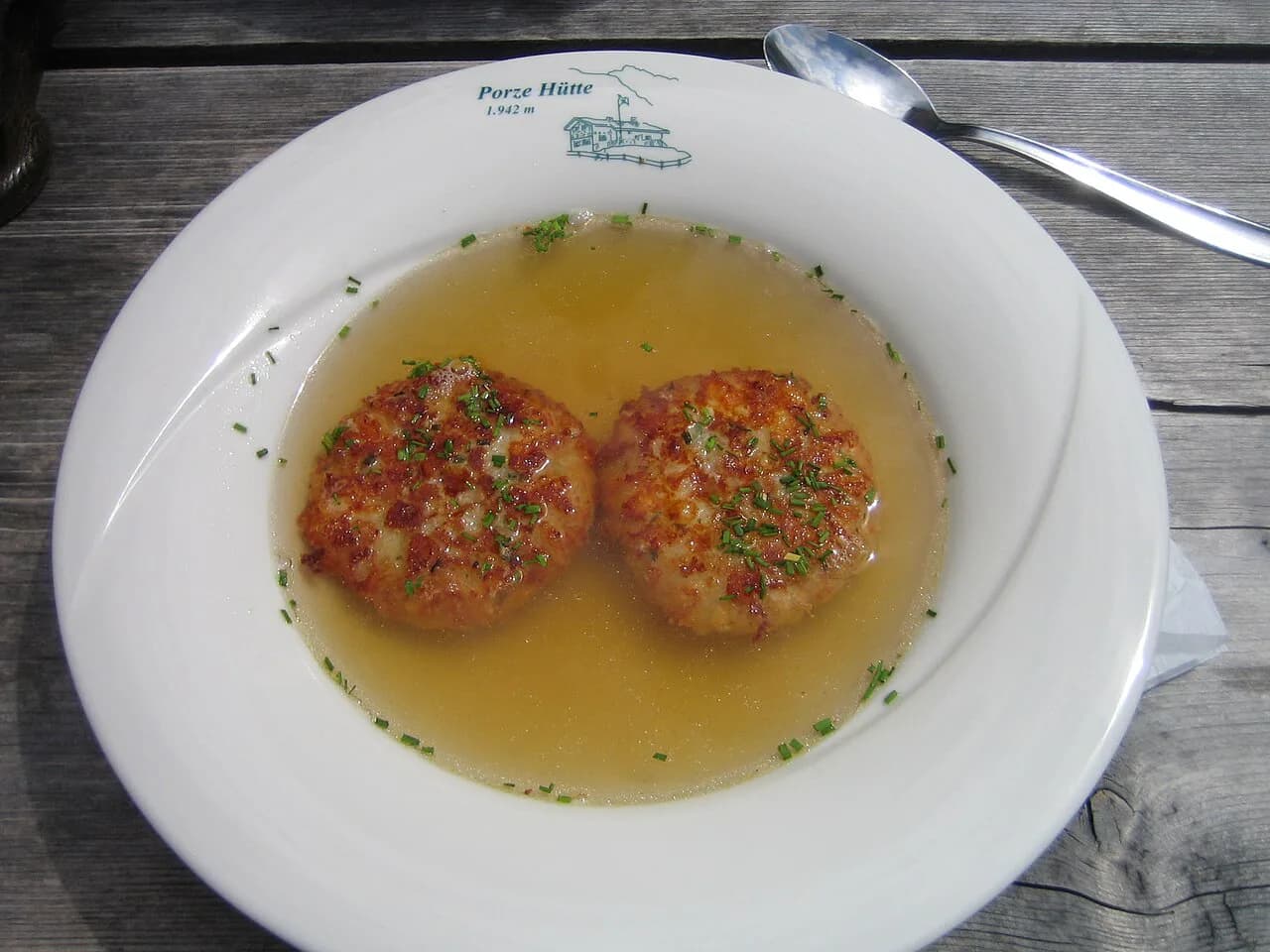
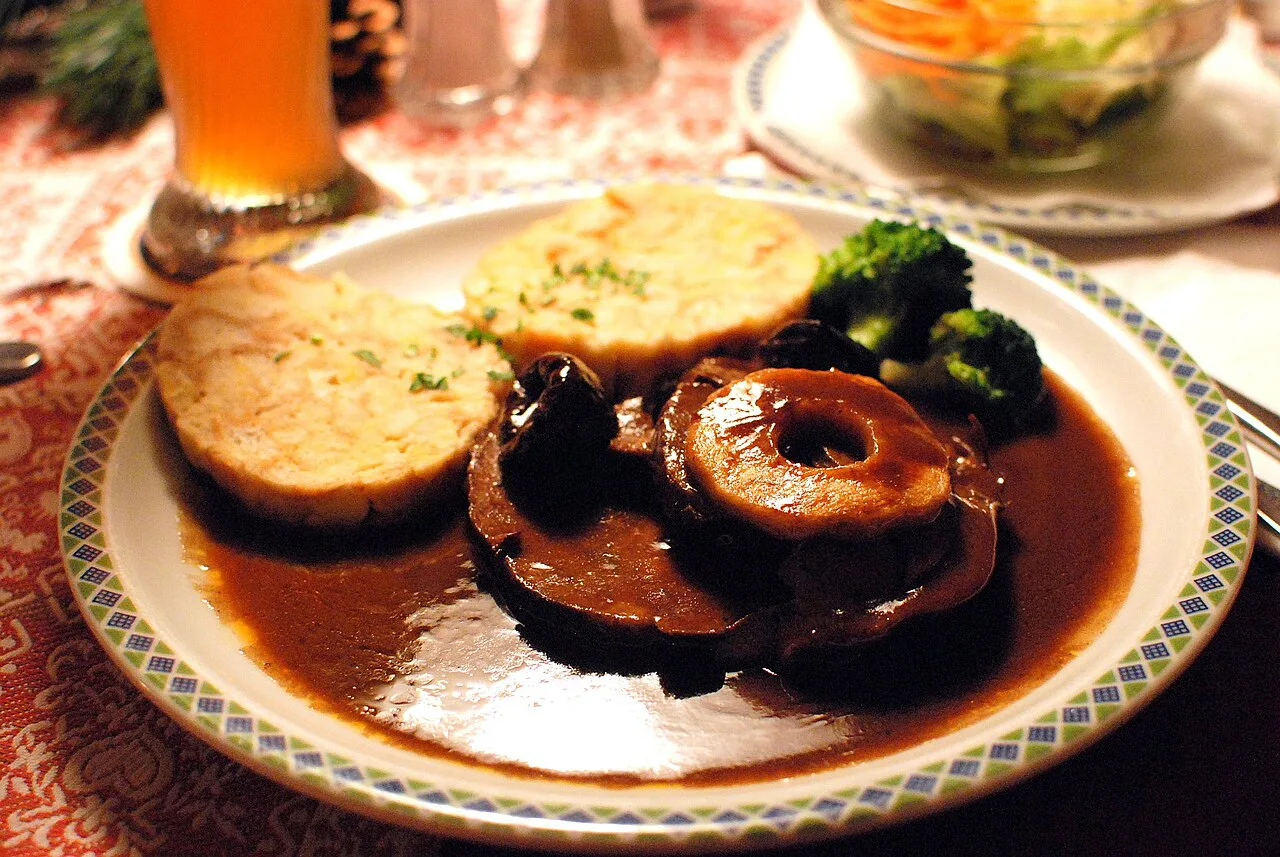
Knödel are bread dumplings, made from stale bread, milk, eggs and often Speck, and they appear in three main guises. In broth they open a meal as a soup; with melted butter they come as a side or a light main; alongside goulash they turn into a full plate. The dumpling is the region's comfort food, and portions are generous. If you want the wider picture beyond Tyrol, Knödel: A Traveler's Guide to Austrian Dumplings covers the national variations.
South of the Brenner the same dumpling is called Canederli, so an Italian-language menu is not a different dish. Learning the pair saves you from ordering cautiously in South Tyrol because the words look unfamiliar. If you like one version, the others are worth trying on separate days, since the sauce changes the character completely.
Schlutzkrapfen: the half-moon pasta pockets
Schlutzkrapfen are half-moon pasta pockets, typically filled with spinach and ricotta, then finished with melted butter and Parmesan. They sit somewhere between ravioli and dumplings and show the Italian thread in Tyrolean cooking most clearly. The dish is light enough to order as a first course before a meat main, and substantial enough to be lunch on its own.
Look for them on menus in both North Tyrol and South Tyrol, where the fillings shift with what the kitchen has. A version with curd cheese will taste sharper and denser than the spinach-ricotta standard. If the menu lists them as a starter portion, order a salad alongside rather than a second pasta.
Gröstl and Käsespätzle: the hut lunch
Tiroler Gröstl is a fried pan dish that is most associated with a mountain hut lunch. It is heavy, salty and exactly right after a cold morning outdoors. Some kitchens vary the recipe, but the fried-potato structure stays constant.
Käsespätzle is the cheese spaetzle that anchors the same kind of menu and is a full meal rather than a side dish. Order one or the other, not both, unless you are sharing across a table.
Mountain cheese and cheese plates
Milder mountain cheeses from small dairies appear on the same boards alongside the hard aged wheels, and the range runs from mild to pungent. A cheese plate with bread is a sensible shared course before a main, and it lets you taste several dairies in one sitting. Ask what is local rather than what is famous.
South Tyrol combines Alpine staples with Italian ingredients, from mountain dairy and cured meat to foraged herbs and mushrooms. Farms and dairies there produce a range of cheeses, from mild to pungent, that often reach the table on a shared cheese plate.
Kaiserschmarrn, Apfelstrudel and coffee
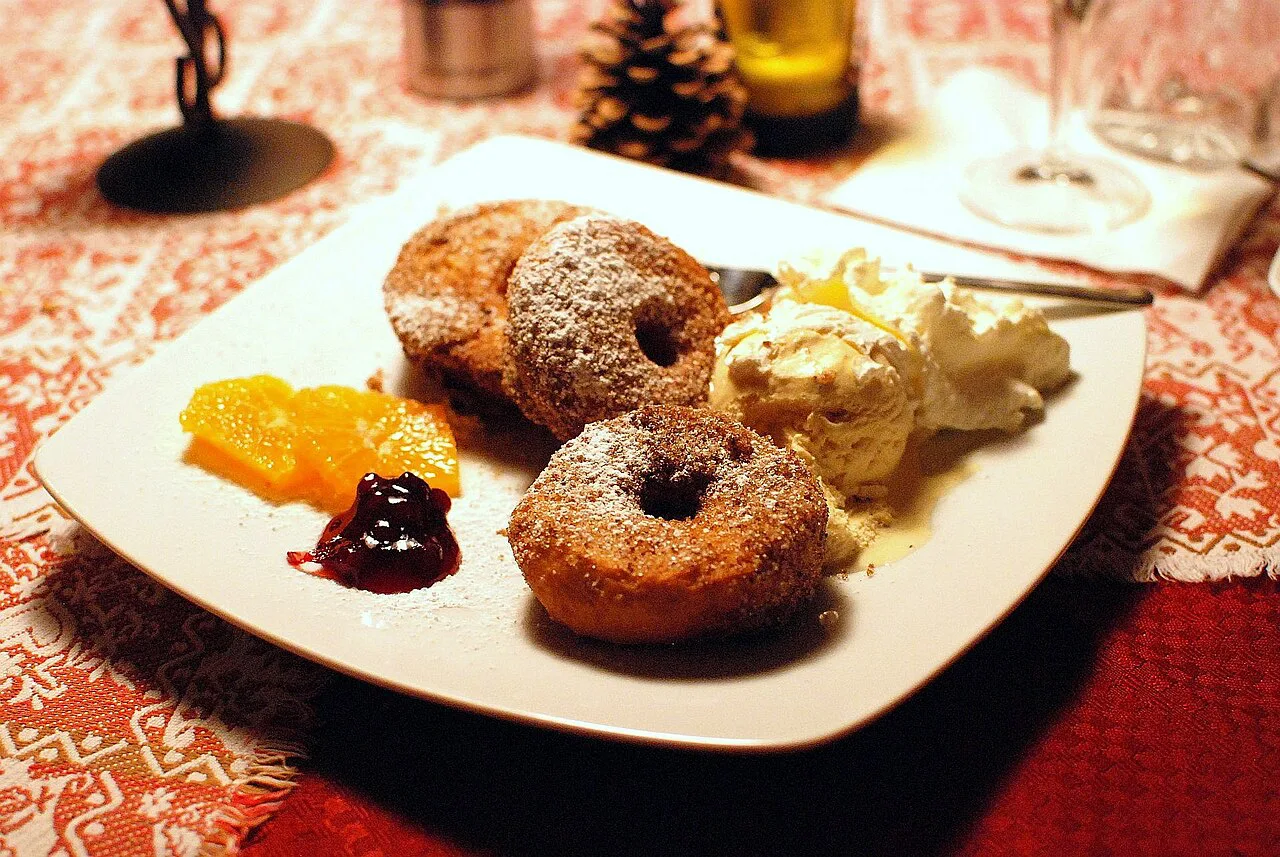
Kaiserschmarrn is the shredded pancake served as a dessert, and Apfelstrudel is the apple strudel that closes many Tyrolean meals. Both are sweet enough to share, and both pair better with coffee than with a second glass of anything. If you have room for one, take the Kaiserschmarrn warm; the strudel carries well if you want it later. For the Austrian classic in full, see Kaiserschmarrn: Austria's Torn Pancake, How It's Served and Eaten.
The strudel is a flaky pastry around a warm, spiced apple filling, and in the Dolomites it often comes with cream or vanilla ice cream. That version is heavier than the plain pastry and worth choosing deliberately. Coffee is the standard finish, and a long lunch is normal rather than indulgent.
Gasthaus, mountain hut and Stube: where you eat it
Three settings shape what you get. A Gasthaus serves a full menu in a dining room, with cooked dishes, a daily plate and table service. A mountain hut keeps a shorter menu built around pan dishes, soup and cheese, because everything arrives by cable car or service road. A Stube, the wood-paneled bar inside a house, is where locals and travelers gather over a drink and a short menu of hearty dishes.
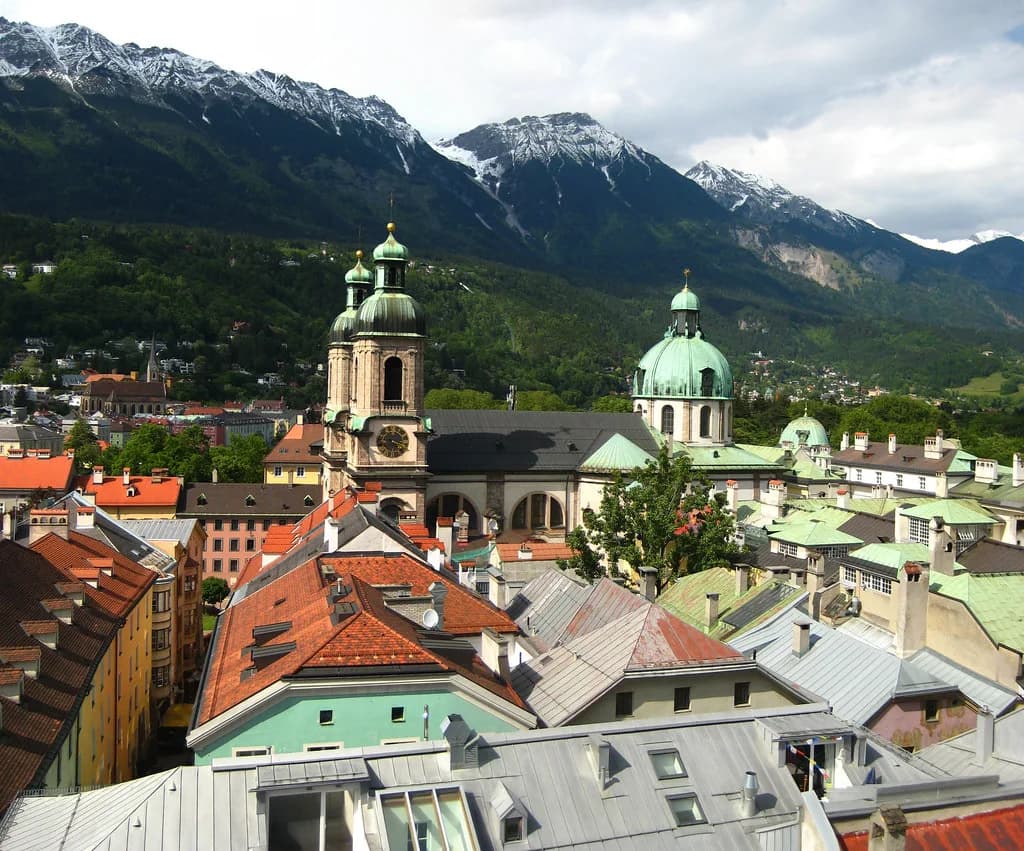
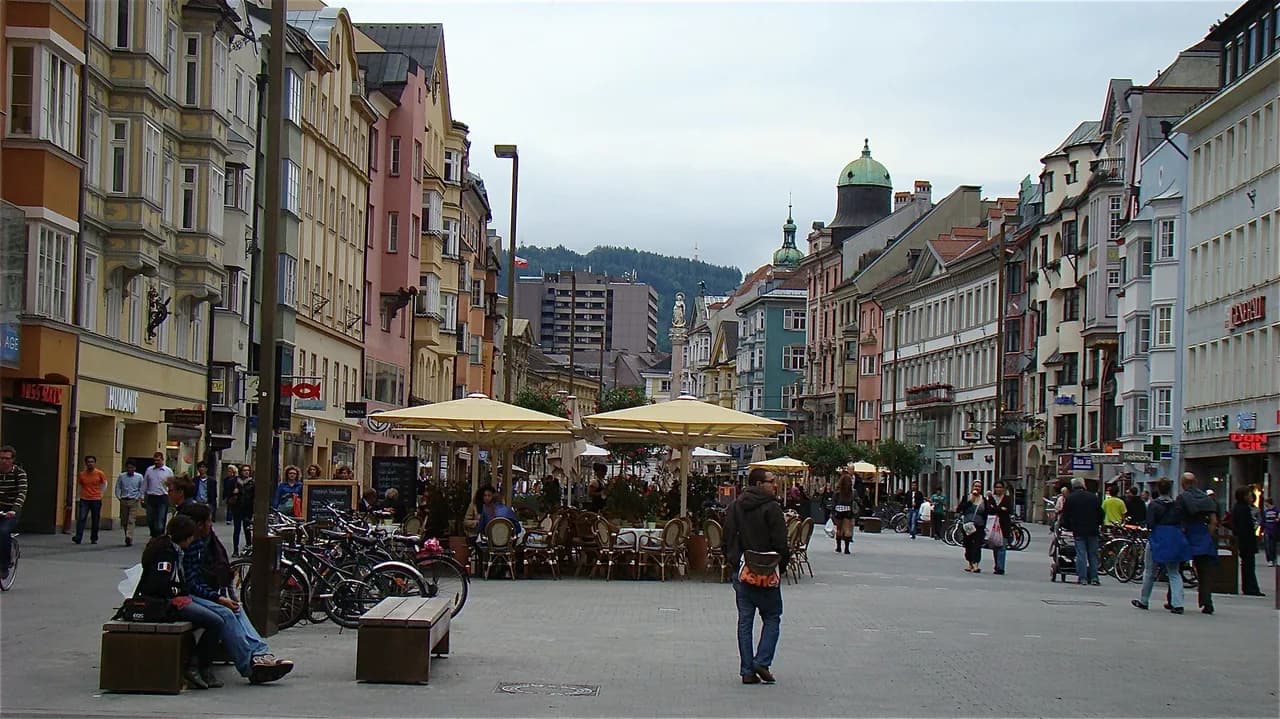
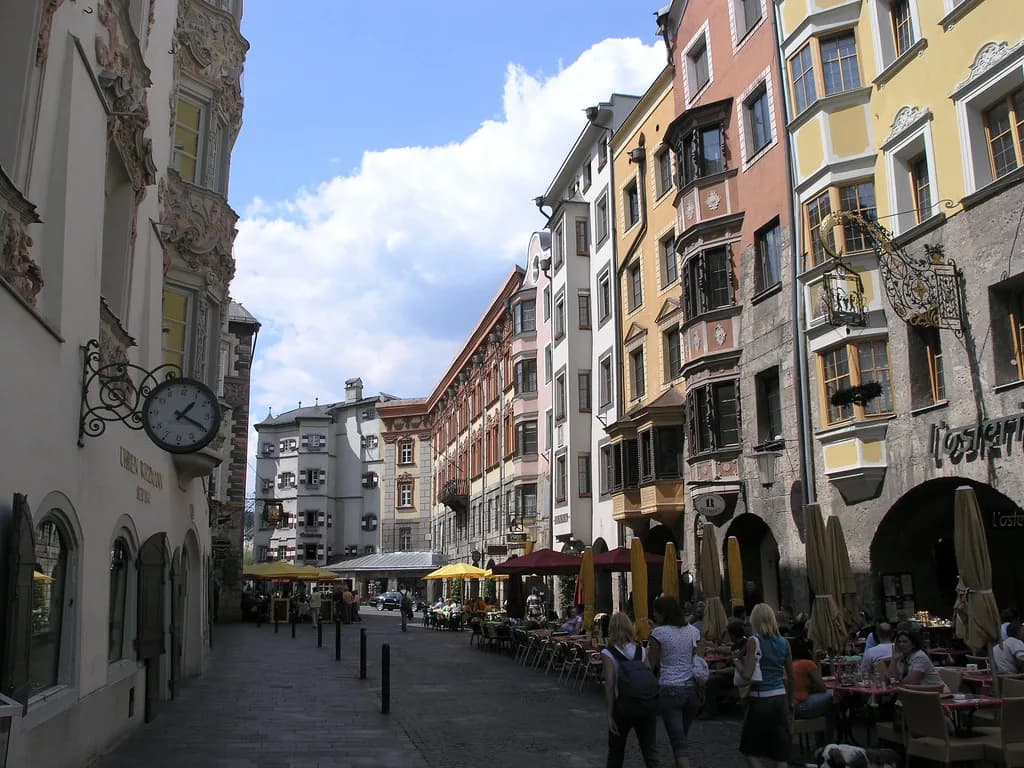
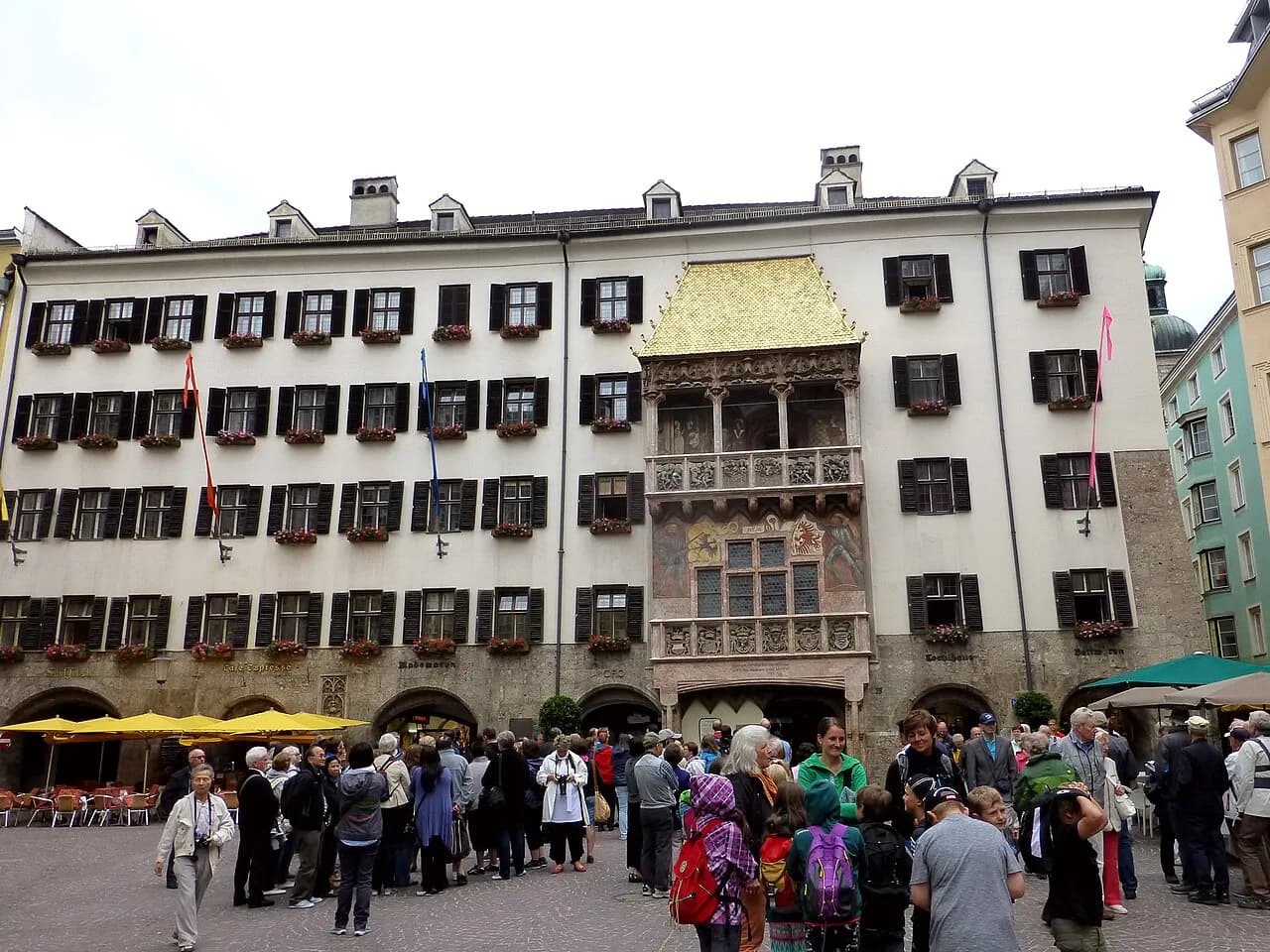
Match the setting to the meal: a hut for lunch, a Gasthaus for dinner, a Stube for something simple and quick. In Innsbruck the choice is wide, and the old town around the Goldenes Dachl puts several settings within a few minutes of each other. Plan the eating around the sightseeing rather than the reverse, so it helps to skim the things to do in Innsbruck before you book a table.
A first Tyrolean menu, dish by dish
For one meal, start with a small Speck plate or a broth with a Knödel, then take Schlutzkrapfen or the Gröstl as a main, and finish with Kaiserschmarrn to share. This covers the smoked, the boiled, the pasta and the fried sides of the kitchen in one sitting without overloading the table. Skip the second dumpling course if you want dessert.
If you prefer cheese to meat, skip the Speck and take Käsespätzle as the main. Check the description before ordering if you want to keep the meal meatless. Either way, bread and a salad do more work on a Tyrolean table than you might expect.
Reading a Tyrolean menu: dumplings, portions and German names
Several words repeat on every menu, and learning them is the fastest way to order with confidence. Knödel means dumpling, Spätzle means the small egg noodles, Gröstl means a fried pan dish, and Speck means smoked ham. Canederli, in South Tyrol, is the Italian word for the same dumpling.
Portions run large, so a soup plus a main is usually enough for one person. Dumplings in broth are a starter sized for a full appetite, not a token course. When a dish is listed with butter and Parmesan, as Schlutzkrapfen often is, treat it as a rich plate rather than a light one.
Tyrolean food beyond Tyrol: South Tyrol and the autumn Törggelen
South Tyrol is in Italy, and its food is part of the same Alpine tradition with an Italian accent layered on top. Dishes carried over generations, such as wheat flour cooked in milk or the spinach ravioli pockets, sit on menus next to newer plates. The result is recognizable Tyrolean cooking rather than a separate cuisine.
Törggelen is an autumn custom in South Tyrol, tied to the new wine and the season's produce, and it is not a year-round menu item. It matters to travelers visiting between the grape harvest and the first cold, when the region's eating shifts toward chestnuts, smoked meat and young wine. If your trip falls outside autumn, plan around the regular dishes instead.
Practical eating notes: lunch, hut kitchens and paying in euros
Menus are priced in euros, and you should confirm the day's price and opening time at the door or on the venue's own listing before you commit to a detour. Build a mountain-hut meal around lunch, when kitchen hours are most reliable, and keep a Gasthaus for dinner.
Mountain huts open with the season and may shut outside it, so treat a hut lunch as a summer plan unless a listing says otherwise. Carry some cash in small huts, where card acceptance can be unreliable. Tipping is by rounding up or adding a few percent, as elsewhere in Austria.
Which Tyrolean dish do you order first?
Start with Speck and a dumpling in broth, then choose between Schlutzkrapfen and Gröstl depending on whether you want pasta or potatoes. Finish with Kaiserschmarrn if the table shares. That single meal shows you the whole shape of the cooking.
Build the next day around a mountain hut lunch and a Gasthaus dinner, and you will see how the setting changes the menu. In Innsbruck, the old town makes both easy to reach on foot between sights.
Explore more Innsbruck guides
Frequently Asked Questions
What is Tyrolean food?
It is the Alpine cooking of Tyrol: smoked Speck, bread dumplings called Knödel, pan-fried dishes, cheese spaetzle, mountain cheeses, and desserts like Kaiserschmarrn and Apfelstrudel. It relies on mountain dairy and cured meat rather than the city cooking of Vienna, and in South Tyrol it picks up Italian ingredients.
What are some examples of Austrian food?
Beyond Tyrol, Austrian menus include Wiener schnitzel, boiled beef, goulash and a wide range of pastries. Tyrolean versions of goulash often come with dumplings instead of bread, and the dumpling and cheese dishes are the clearest regional marker on an Austrian menu.
Do I need German to order Tyrolean food?
No, but a handful of words help. Knödel means dumpling, Spätzle the small egg noodles, Gröstl a fried pan dish, and Speck smoked ham. In South Tyrol the same dumplings appear as Canederli on Italian-language menus.
Sources
Notes for your next Austrian town break
Optional updates when we add or revise town guides.
You might also like
Continue reading
More guides you'll find useful