Graukäse: Austria's Grey Cheese, Explained for Travelers
Graukäse is a rennet-free sour-milk cheese from the Tyrolean Alps, strong and grainy, served with onion and vinegar or beer. Here is how to eat it.
On this page
Graukäse is a rennet-free sour-milk cheese made from skimmed cow's milk in the Tyrolean Alps, and you eat it the Tyrolean way: sliced with vinegar and raw onion, or alongside a beer. It is not a mild table cheese, so expect a grainy paste and a sharp, tangy flavor. This guide covers what the cheese is, how the pressed and unpressed styles differ, how to order it, and how it fits into Tyrolean food more broadly.
What Graukäse is: a rennet-free, sour-milk cow's cheese
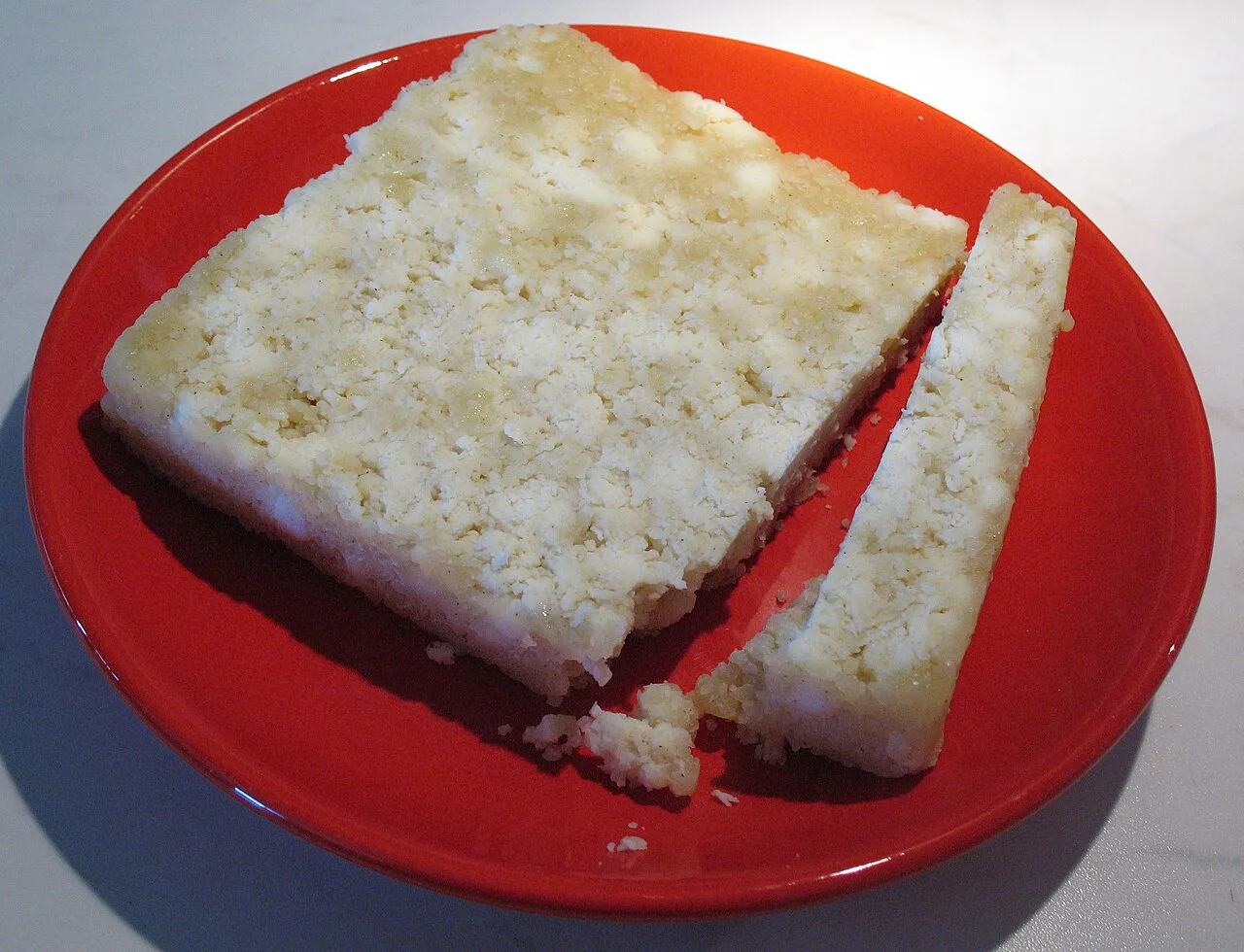
Graukäse, also sold as Tiroler Graukäse or Tyrolean grey cheese, is an acid-curd cheese made in the Tyrolean Alp valleys of Austria: the milk is left to acidify and coagulate on its own rather than set with rennet. The curd is then filtered, salted and molded raw and unpressed, which gives the cheese its soft, grainy body. The base is skimmed cow's milk, and the cheese carries little fat.
In South Tyrol the cheese is traditionally served with beer and slices of fresh onion, which is the simplest introduction for a first-timer. For travelers, the practical point is that this is farmhouse food from the Alpine valleys, and it turns up on plain menus in plain settings.
Why it is called grey cheese and why the flavor is so strong
The name means grey cheese, and the paste is yellowish and tends toward grey. The flavor is intense, with notes of hay and stable. The older version is stronger, and that is where opinions split: some eaters find it bracing, others need a few bites to warm up.
No rennet means the cheese gets its character from lactic fermentation instead, and the lack of rennet is itself part of the strong flavor. Because the milk is skimmed, there is little fat to round off the acidity. If you have eaten a strong, crumbly sour-milk cheese before, you have the reference point.
Pressed vs. unpressed wheels: the two textures and how long each ages
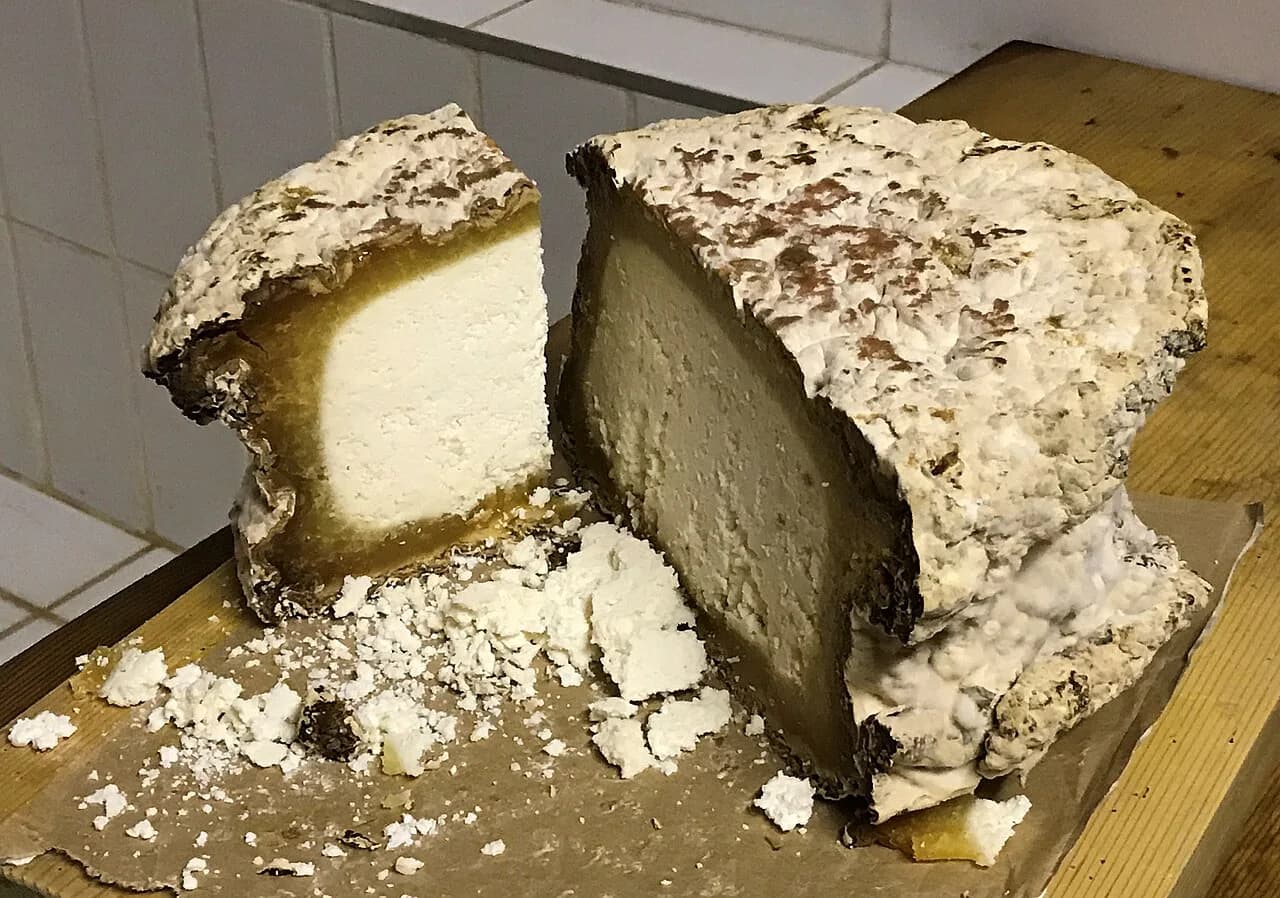
The main buying decision is pressed or unpressed, because the two eat differently. Unpressed wheels are filled loosely, so there are gaps and the cheese turns yellow and dries through; it is eaten at one to two weeks. Pressed wheels are packed tightly, stay white inside, and develop a greyish, rubbery outer layer over three weeks or longer.
In the mouth the unpressed version is drier throughout; the pressed one has a gummy outer layer with a crumbly center and uneven grains. If you are buying a piece to take home, ask which style it is and how long it has aged, since that single question predicts most of what you will taste.
How it is made, in brief: skim milk left to sour, cut, salted, molded
The make is short. Skimmed milk is warmed, seeded with a little cheese from the previous batch, and left to sour and coagulate over roughly a day until it sets like soft yogurt. The curd is then cut and gently heated in stages, drained in a cloth, broken by hand into coarse and fine crumbs, salted with a little black pepper, and packed into molds. That is the whole story behind the tang you taste.
How Austrians eat it: vinegar, onion and a slice of bread
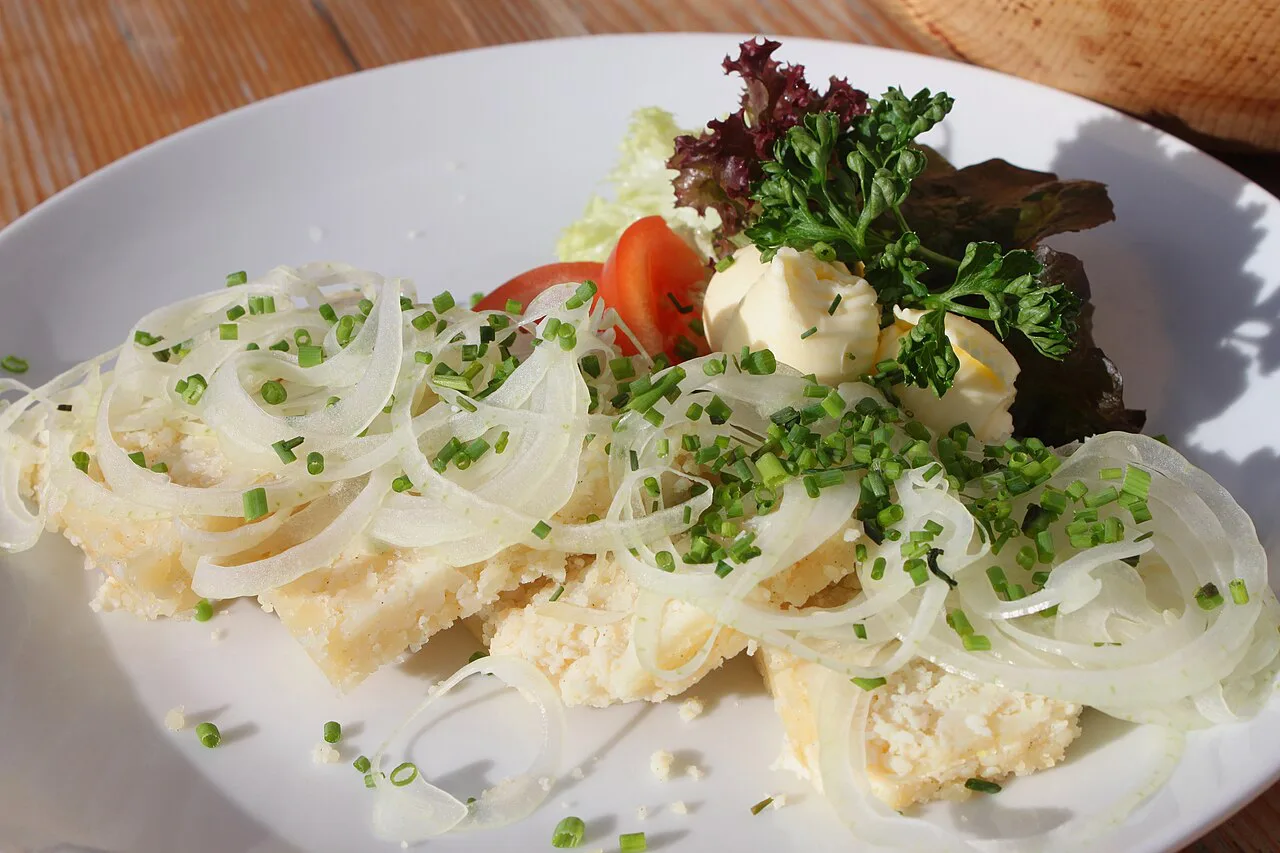
One classic serving is a plate of sliced or cubed Graukäse dressed with vinegar and topped with raw onion, with bread on the side. The vinegar cuts the sourness and the onion adds crunch and bite. In South Tyrol, the cheese often arrives with sliced fresh onion and a beer, which is the simplest introduction for a first-timer.
If the cheese turns up grated or melted, that is a different dish: Käsespätzle tops soft egg noodles with cheese and fried onions, and it is a milder, richer way into Tyrolean dairy. Order both across a couple of meals and you get the range of the region quickly.
How to order it: what to ask for, and the beer pairing
Ask for Graukäse mit Zwiebel und Essig, or simply point to the cheese plate and say you want it dressed with vinegar and onion. If the menu offers a choice of age, take the younger wheel first; the gamey, longer-aged version is better as a second taste once you know the baseline. A light beer or a crisp white is the standard pairing, and the malt makes the sourness feel rounder.
Portions are small and the cheese is strong, so one plate shared at the start of a meal is usually enough. Say so if you want it without the onion, though you lose the texture that makes the dish work.
Where to find it on a Tyrol route: dairies, alpine huts and markets
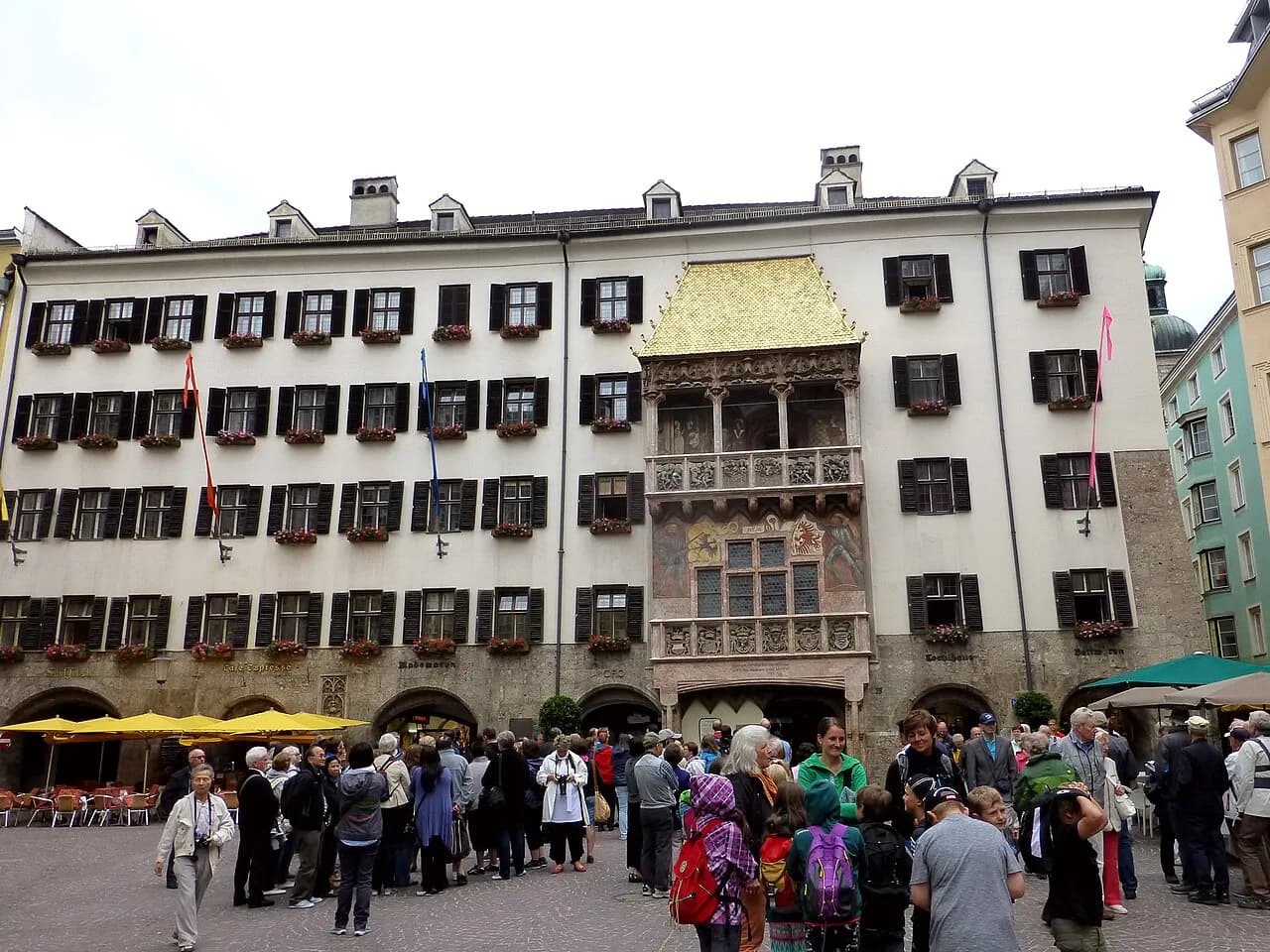
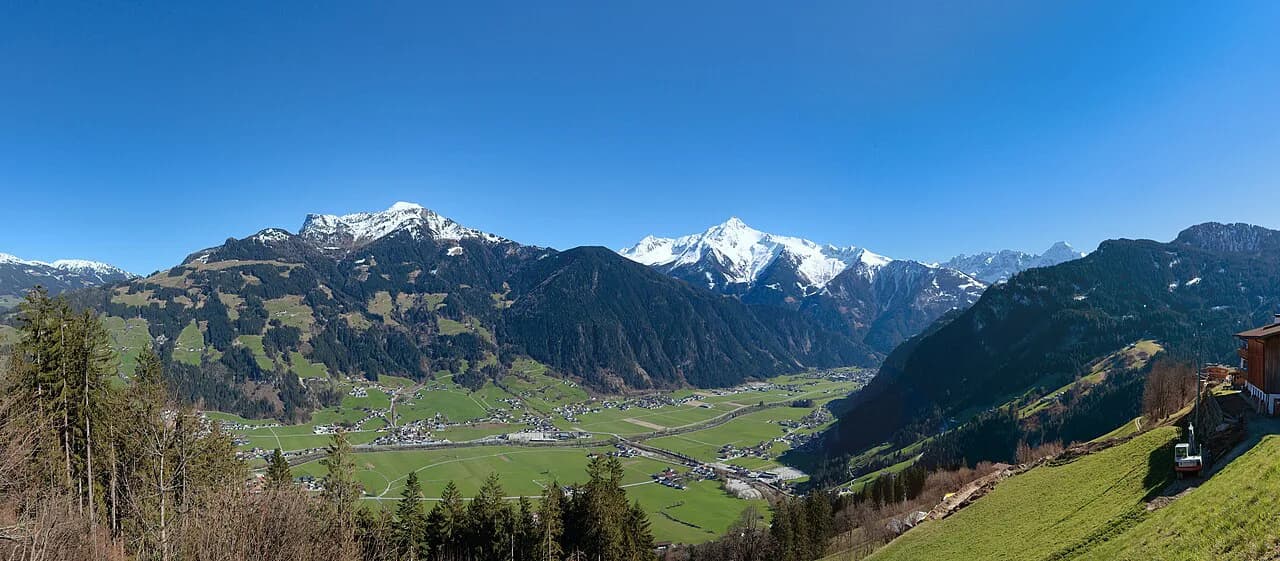
Graukäse is produced by cheesemakers in the Ahrntal and other valleys of Alto Adige, so the valleys south of the Brenner are where to look for it at the source. In Innsbruck and across the Austrian Tyrol, look for it on tavern menus and at cheese counters before you head into the valleys.
The cheese is produced mainly in summer, when the cows are on high pasture and the milk follows them, so that is when the freshest selection turns up. Older wheels are the deeper, gamier version. Seek out a dairy counter where you can compare the pressed and unpressed styles side by side.
Buying it to take home and what the taste test tells you
For a suitcase, longer-aged wheels are the sturdier choice, since the young unpressed style dries through within a couple of weeks. Buy from a counter where you can taste before you commit, and ask for a vacuum pack if the shop offers one.
The taste test is also the honest way to decide how much to buy. Start with the young crumbly type, then try an older pressed piece; if the gamey edge is too much, stay young. Graukäse is not a wine-and-cracker cheese, so buy it with the onion-and-vinegar plate in mind rather than as a snack on its own.
Should you seek out Graukäse on your Tyrol trip?
Yes, if you want one honest taste of Alpine farmhouse food rather than another mild cheese board. Order it as a shared starter with vinegar and onion, try both the pressed and unpressed styles, and pair it with a beer. If the first bite is a shock, that is the point, and the second usually lands better.
Explore more Innsbruck guides
Frequently Asked Questions
Is Graukäse the same as Tyrolean grey cheese?
Yes. Graukäse, Tiroler Graukäse and Tyrolean grey cheese are names for the same rennet-free, sour-milk cow's cheese, and the name simply means grey cheese. In Austria it is made in the Tyrolean Alp valleys; in South Tyrol, the German-speaking north of Italy, it is also made and traditionally served with beer and fresh onion.
What does Graukäse taste like?
Intense and tangy, with notes of hay and stable and a sour edge from the acid curd. The young, loosely filled unpressed style dries and yellows through within one to two weeks; the tightly packed pressed style stays white inside under a greyish, rubbery outer layer and turns stronger with age.
What cheese is similar to Graukäse?
Look for other rennet-free sour-milk cheeses from Alpine dairying country, which share the same grainy texture and lactic tang. Try both the pressed and unpressed styles of Graukäse before comparing it to anything else.
Sources
Notes for your next Austrian town break
Optional updates when we add or revise town guides.
You might also like
Continue reading
More guides you'll find useful