Imst, Tyrol: Town Guide to the Old Center, Rosengartenschlucht and Hoch-Imst
Imst sits at the mouth of the Pitztal in Tyrol, with a compact old center, the Rosengartenschlucht gorge and the Hoch-Imst cable car above town.
On this page
Imst is worth a stop, not a pilgrimage: give the compact old center half a day, and add the Rosengartenschlucht gorge or the Hoch-Imst cable car if you have a full day and the weather holds. The town sits in the Tyrolean Oberland where the Pitztal opens off the Inn valley, roughly halfway along the rail corridor between Innsbruck and Landeck.
What follows separates the town you can walk from the station from the outdoor region branded around it, names the sights the regional tourism board actually lists, and explains which part of Imst suits a route stop and which part demands a base. Imst Tourismus is the city's own tourist office and publishes the current list of sights and excursion targets.
What Imst is and where it sits
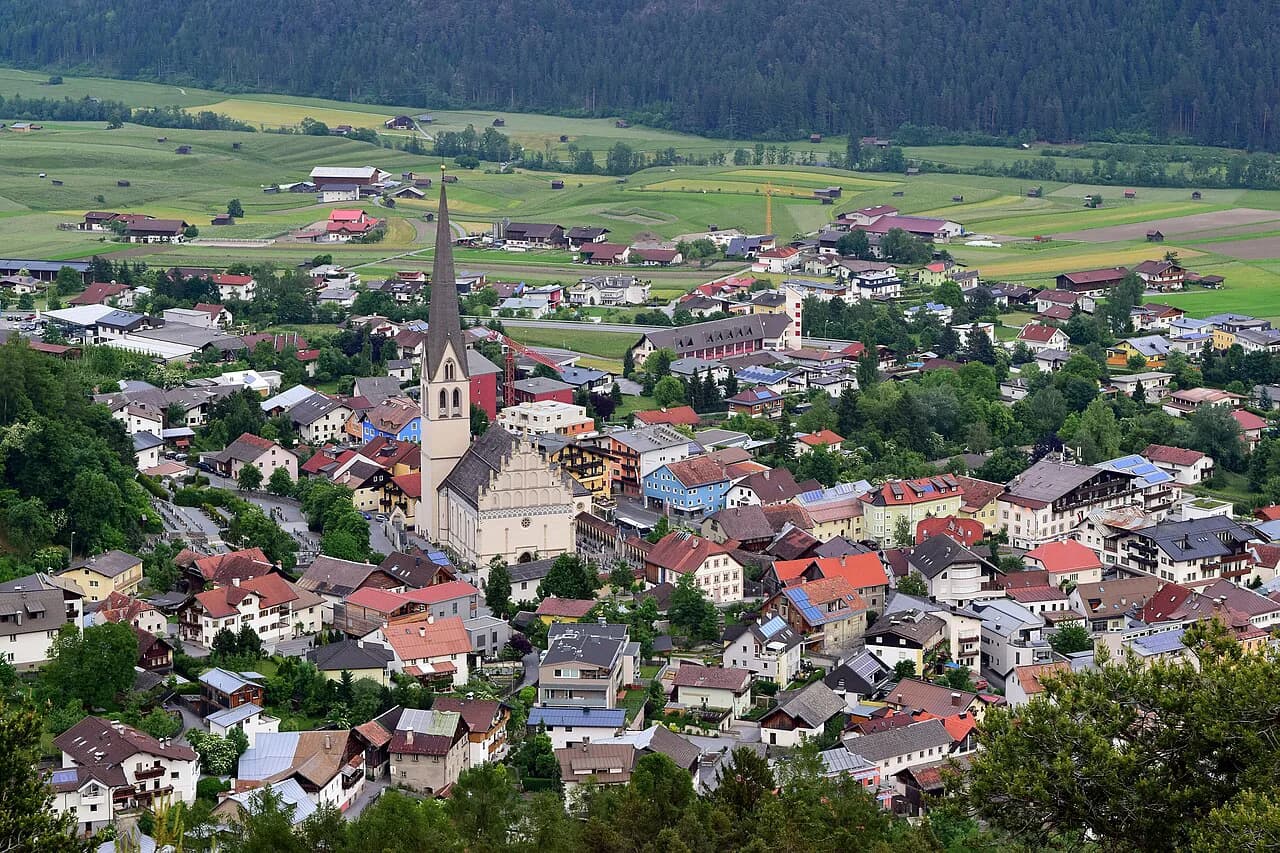
Imst is a market town of the Tyrolean Oberland, placed at the mouth of the Pitztal where that side valley meets the broad Inntal. That position explains almost everything about it: it is a junction town with a rail station on the main line, a bus interchange toward the valley, and a medieval core small enough to cross on foot in minutes.
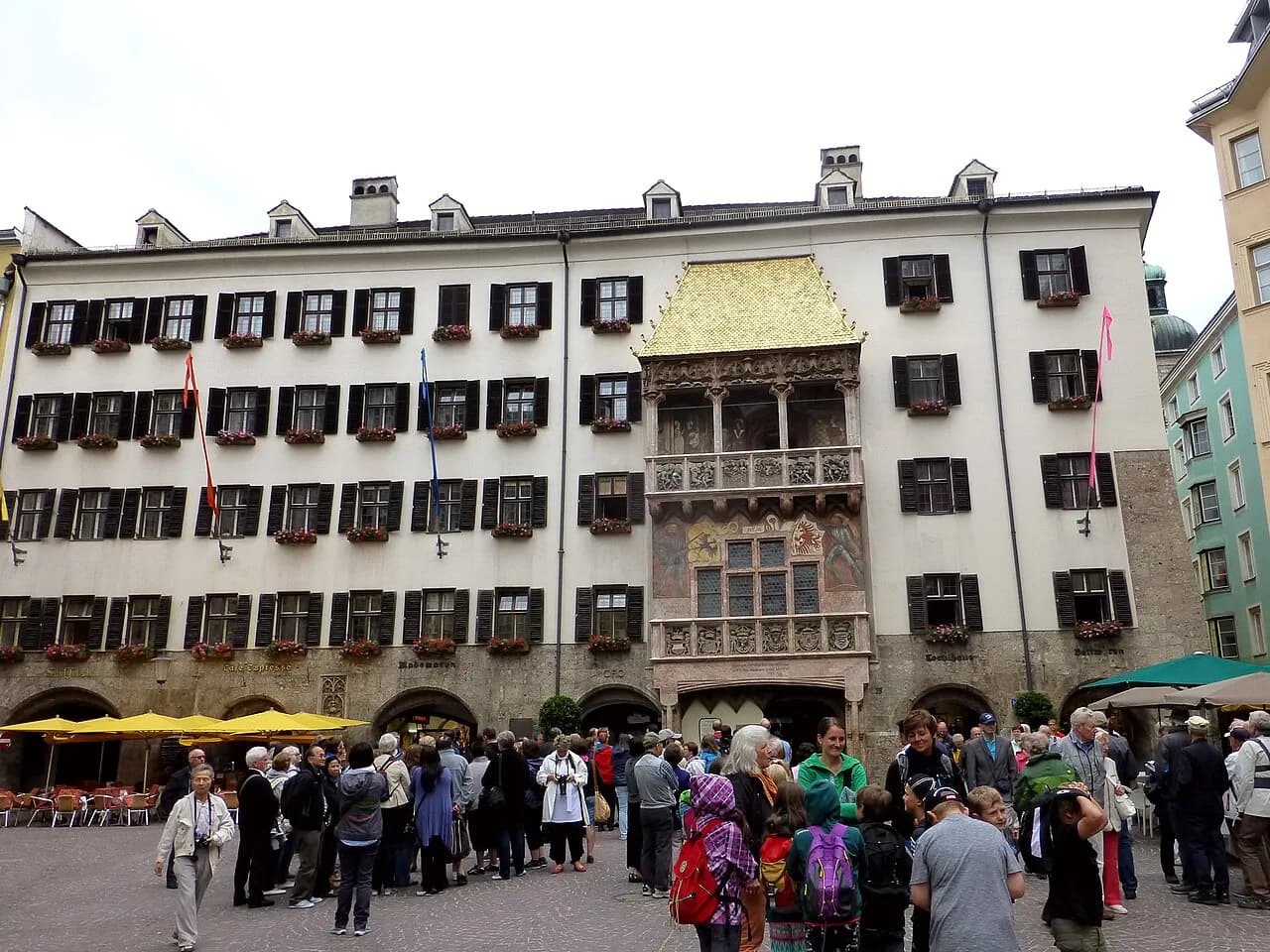
It differs from Innsbruck as a stop in scale and purpose. Innsbruck offers a city visit with its Altstadt and the Goldenes Dachl among the highlights the region lists; Imst gives you a working town, a gorge and a mountain terrace, and it sits on the corridor toward Landeck rather than at the end of a line.
Think of it as a hinge. The Inntal rail line runs through the valley floor, the Pitztal opens to the south, and the slopes above town climb to the Hoch-Imst terrace. Pick Imst for the town plus one outdoor target, and pick the Pitztal when the valley itself is the point.
How Imst is laid out
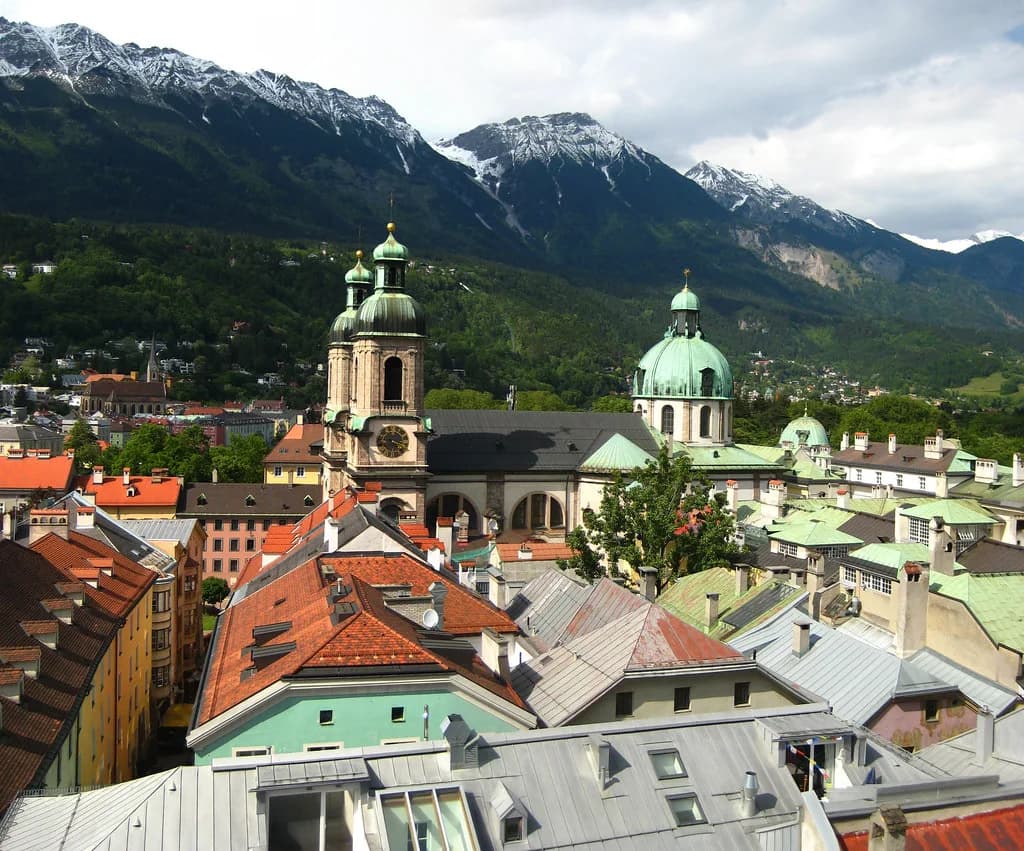
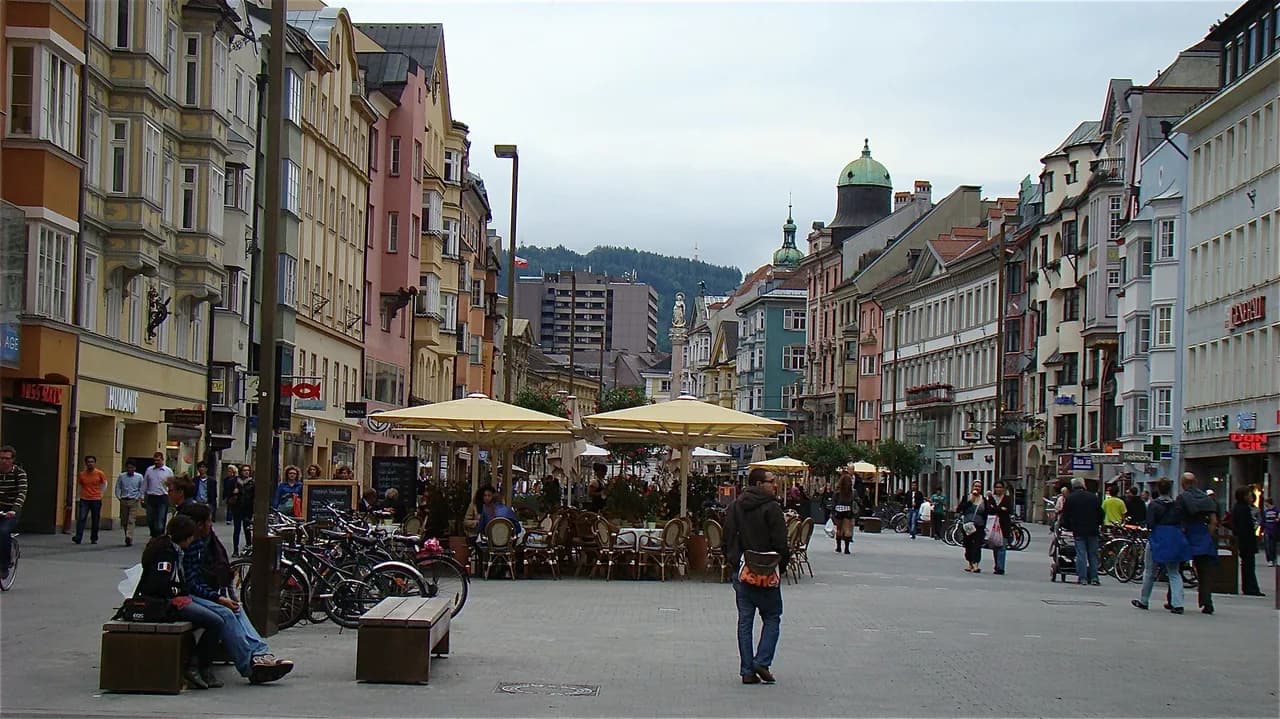
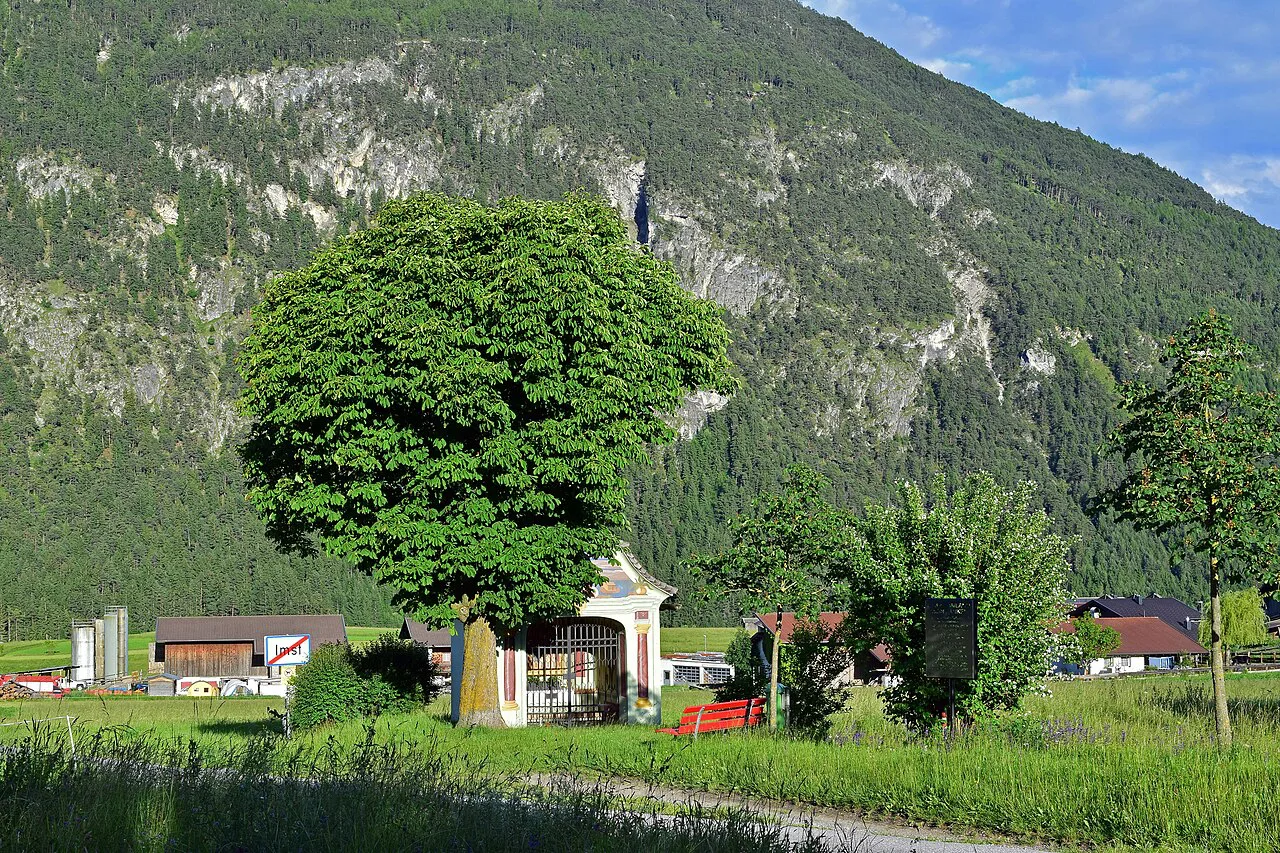
The old center clusters around Johannesplatz, the square that anchors the historic core and carries the tourist office address. Around it runs a tight net of lanes and small squares rather than a single grand boulevard, which is why a loop through the center takes far less time than the map suggests.
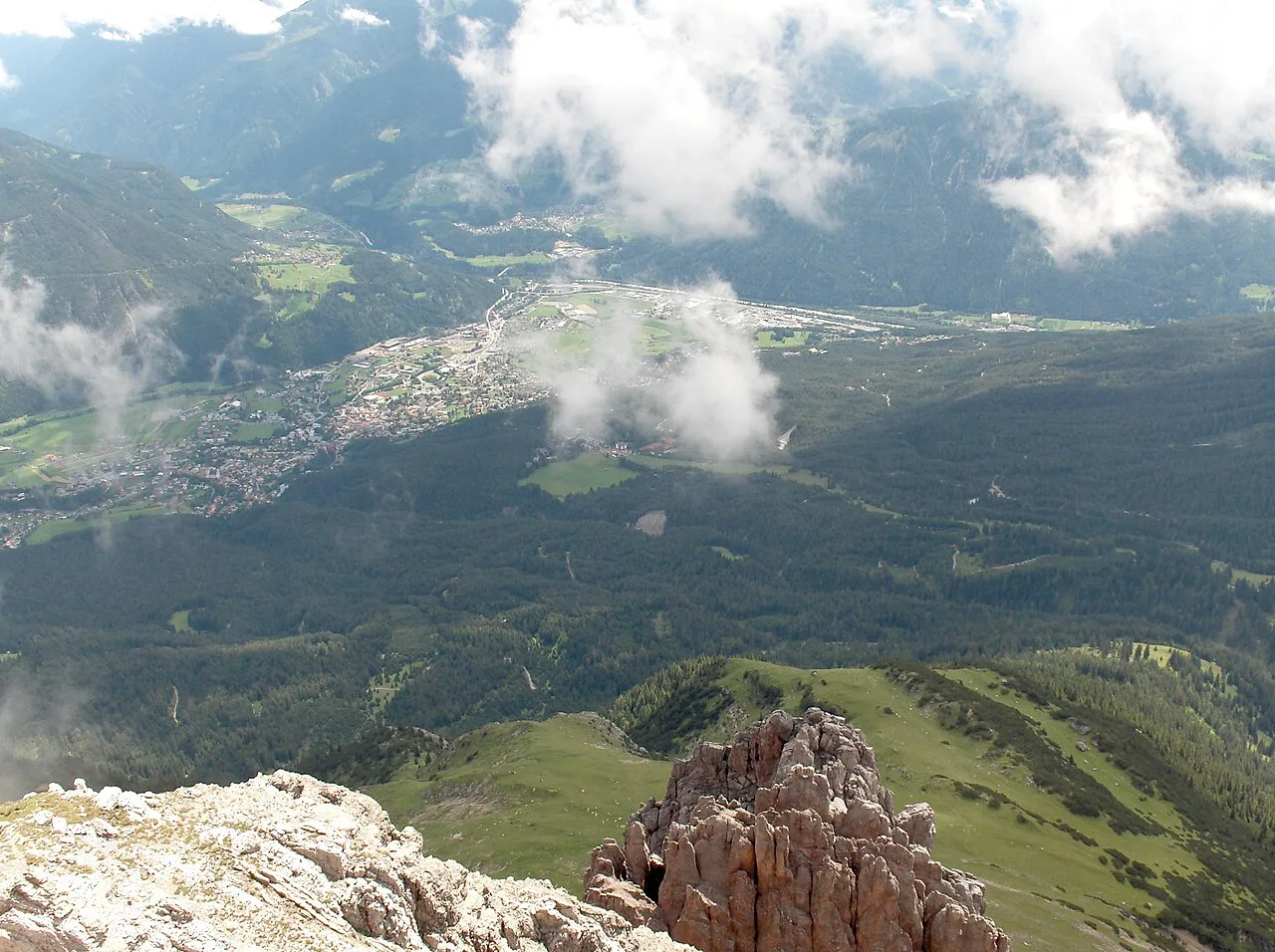
From the center, the town spreads down toward the Inn valley floor and its station, and up toward the terraces above. The Rosengartenschlucht sits just above the built-up area, and the Hoch-Imst terrace is reached from town by road or bus rather than by a stroll from the main square.
Orient yourself by the two axes: the Inntal rail line below for arrivals and onward travel, and the Pitztal road above for the valley and the mountain terrace. The region's own sight list stretches well beyond town, from the Silberbergwerk Schwaz to Reschensee with its church tower standing in the water since 1950, so treat those as separate outings rather than part of the town walk.
The old center on foot
Start at Johannesplatz, walk the lanes off it, and look into the town's churches before drifting toward the edge of the center where the ground begins to rise. Treat the core as a short, unhurried circuit of lanes, small squares and churches rather than a checklist: the appeal is the continuity of a Tyrolean market town, not any single monument.
Because the regional listings name craft and culinary stops among Imst's excursion targets but give no hours, build the walk around what you find open.
The lanes reward a second pass at a slower pace. Look up at the façades and the rooflines, note where the town opens toward the valley, and keep the square as your reference point so you never need a map.
The Rosengartenschlucht above town
The Rosengartenschlucht is the gorge the region lists among its natural jewels, cut into the slope above Imst. It is the region's closest listed natural sight to the center, which makes it the natural partner to an old-center morning if you want to stay in town.
Treat the gorge as a landscape outing, not a town walk: walking into a gorge means wet rock, spray and cold air close to the walls, so shoes with grip matter, and the climb is a hill walk rather than a flat valley stroll. Build the day around the weather, and take a wet morning as a sign to stay in the center or a museum.
Rain in the catchment makes a gorge a poor place to be, so a wet day is better spent in the center or a museum.
Hoch-Imst and the mountain above town
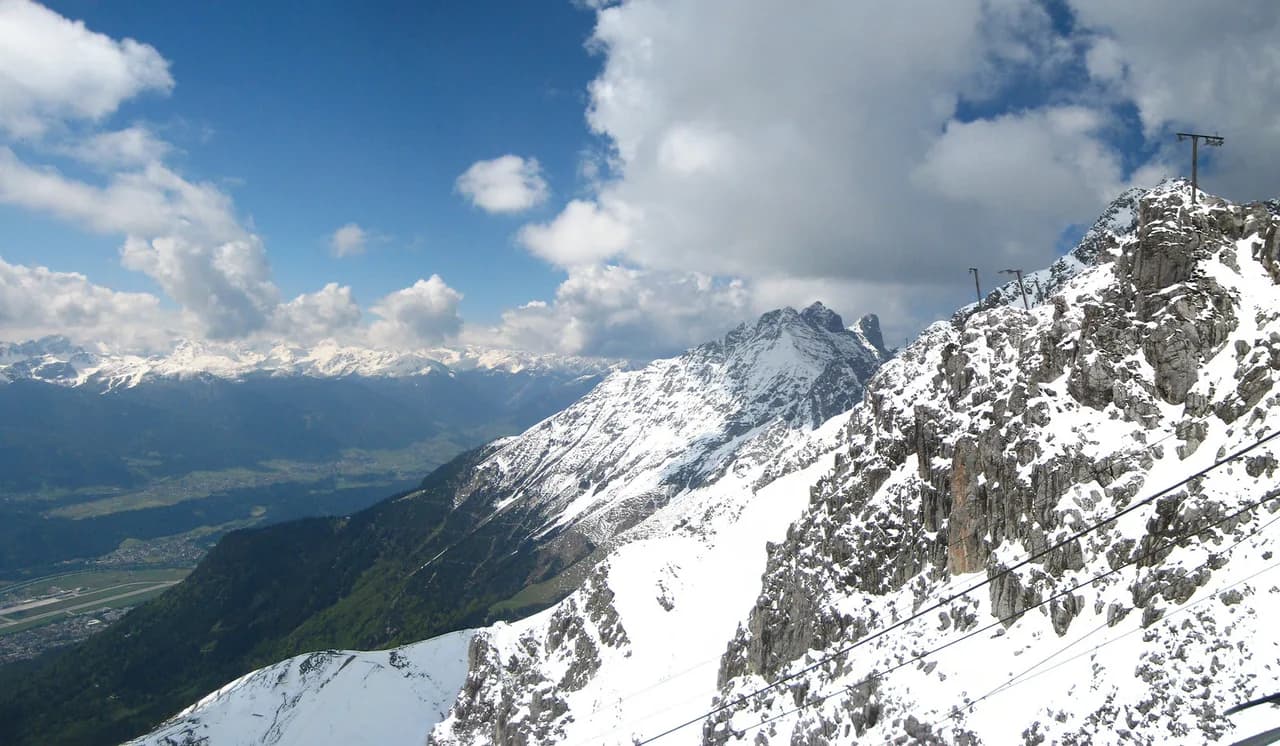
Hoch-Imst is the mountain above town and appears on the region's summer excursion list. Check the operator's own dates before you plan around the lift.
Choose between the gorge and the lift: they compete for the same half-day. The gorge gives you water and rock at close range, the lift gives you altitude, a view over the Inntal and a ride that suits non-hikers and children. Only one of them fits a short stop.
Before you count on the lift, confirm the season. Mountain lifts run on published operating periods and do not run year-round, so check the operator's own dates for your trip before building the day around them.
Museums and craft in Imst
The regional tourism board sorts Imst's excursion targets into themes: natural jewels, craftsmanship and enjoyment, huts and alpine pastures, and museums. That structure is a fair way to plan a wet half-day, because the museum and craft strand stays close to town while the hut and pasture strand takes you up the slopes.
The wider region adds heavier-hitting collections within driving distance: the Silberbergwerk Schwaz, billed as the largest silver mine of the late Middle Ages, and the Swarovski Kristallwelten, both listed as highlights in the surrounding area. Both are outings of a half-day or more rather than add-ons to an old-center walk.
The same sight list also names the Kronburg in Zams, described there as offering a view of Tyrolean history, and the Burgenwelt Ehrenberg, a castle ruin and fortress with a 400-meter suspension bridge. Both sit well beyond Imst, so treat them as separate outings rather than part of the town walk.
Imst with children and non-hikers: two very different options
Some Imst options suit travelers who will not be climbing anything: AREA 47, the outdoor park the region lists among its excursion targets, and the gondola-style ride on the Hoch-Imst lift. The gorge, by contrast, is a landscape walk rather than a town stroll. The first two are commercial activity sites, the third is wet rock and water, and they attract different moods.
For a mixed group, split the day: old center in the morning, then either the gorge for those comfortable on wet rock or the lift for everyone else, meeting back at Johannesplatz. That structure lets the non-hikers skip the gorge without anyone spending the afternoon waiting.
AREA 47 is a separate park with its own operator and booking rules, so check availability and prices with the operator before you promise a slot to a group. The region's excursion pages list it among the targets, but the operator rules the day.
Getting to Imst and onward
The rail station on the Innsbruck–Landeck line is a short walk from the old center. Check current train times before you travel; the valley's trains run on the main line but not every service stops at Imst.
Into the Pitztal, buses and the VVT network serve the valley rather than a private car being required, and the region encourages visitors to move around by bus and rail. The VVT Smartride timetable search, linked from the region's excursion pages, is the place to plan a valley run or a lift-base connection.
By car, Imst sits on the Inntal route, a natural pause on the drive between Innsbruck and Landeck. The Zillertal lies east of the Inntal corridor on a different road; our guide to the Zillertal covers that side valley.
How long Imst needs
Half a day covers the old center, the square and the church with time left for a coffee. A full day adds the gorge or the Hoch-Imst lift, but not comfortably both, since each takes a chunk of the middle of the day and the light on the terrace is best later.
Staying overnight changes the arithmetic. You can take the gorge early before the day-trippers arrive, keep the afternoon for the center, and continue toward Landeck or the Pitztal the next morning without losing travel time.
If Imst is a pause on a longer Inn valley run, skip the region's wider add-ons and stay inside town. Schwaz, the Swarovski Kristallwelten and Ehrenberg each cost you half a day of driving or more on their own; the local guide to the Ötztal shows how those side valleys compare.
Where Imst fits in an Austria route
Imst works as a corridor stop between Innsbruck and Landeck, and as a Pitztal base for anyone heading up that valley. It is not a destination in the Innsbruck or Salzburg class, so give it a slot rather than a week: a day, or two nights broken across a longer Inn valley route.
West, Landeck and the Arlberg road lead on; north of the Inn, the Plansee near Reutte and the village of Ehrwald below the Zugspitze make a different Tyrolean loop. South, over the pass, the Ötztal runs to Sölden and its high-mountain sights.
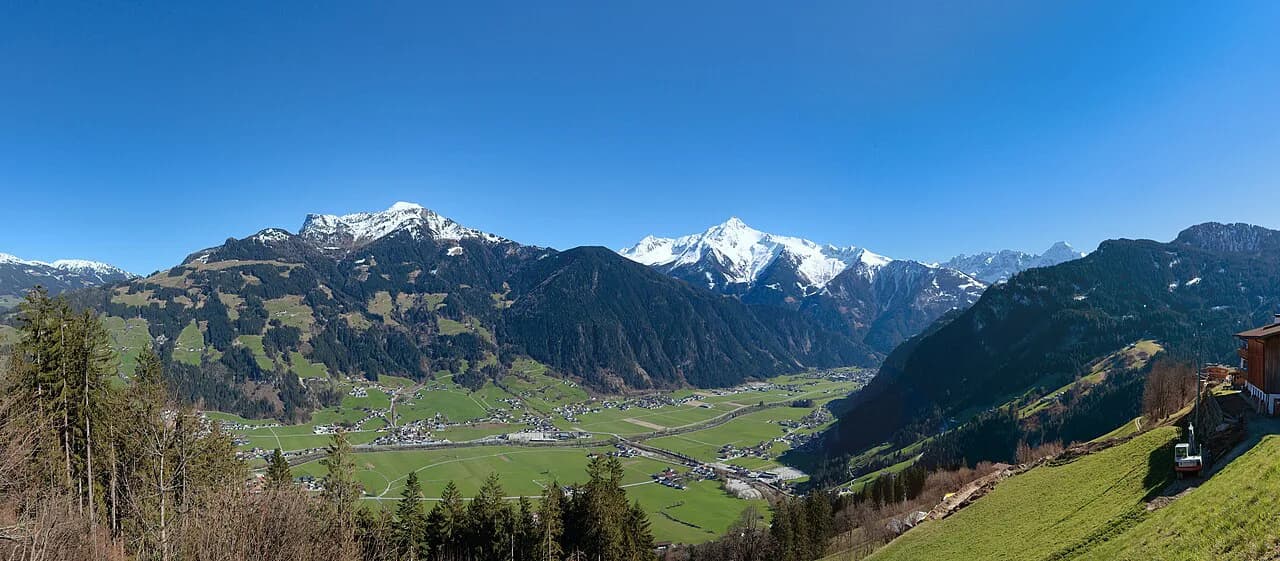
East, the Zillertal and Gerlos offer a contrasting side-valley landscape, with the Zillertal Arena on one side and the road toward Krimml on the other. Stams Abbey, with its Cistercian church, sits between Imst and Innsbruck on the Inn valley floor and makes an easy stop on the same rail line.
Costs in EUR and what to confirm
Budget for the lift and for anything that is actually a museum or a park as an entry fee paid to the operator. Use the operator's own page for the current euro amount, because mountain lift prices change by season.
The regional tourism pages sell experiences and activities through an online booking system that shows current prices at the point of sale. Use that checkout, or the operator's own page, to get the exact euro amount before committing.
For a family, count each head carefully, because lift returns and activity parks price per person. A half-day in town plus one paid attraction is a sensible ceiling for a short stop; the rest of Tyrol is expensive enough without stacking add-ons.
Practical downsides of an Imst stop
The main risk is seasonal: lifts run on their published calendars, and a shoulder-season visit may find them closed. The gorge is weather-dependent in the other direction, risky or unpleasant after heavy rain. Watch the forecast before you commit a day.
Midday in a working town is not the moment for the gorge. Shoppers and delivery traffic fill the center at lunch, and the gorge path fills with families; an early start or a late afternoon gives you both the streets and the water at a better pace.
Beyond town, distances are real: Schwaz, the Swarovski Kristallwelten and Ehrenberg are not strolls, and each eats a half-day of a short trip. Weigh those against closer options before you commit the car. A stop in one of the Austrian Alps villages can be folded into the same corridor.
Imst as a stop or as a Pitztal base?
Choose Imst as a corridor stop if you are moving between Innsbruck and Landeck and want a compact old center plus one landscape: the gorge on a dry morning, the lift terrace on a clear one. Choose it as a Pitztal base if the valley is the plan, and treat the town as the evening walk.
Whichever you pick, book any paid attraction from the operator's own page and watch the forecast before you commit a day. Everything in Imst rewards a short, well-placed visit more than a long, padded one.
Explore more Innsbruck guides
Frequently Asked Questions
Do you need a car to reach the Rosengartenschlucht from Imst?
The gorge is the closest listed natural sight to the town center, so it pairs with an old-center morning. Check the route, access and the forecast before you go, since a gorge is weather-dependent.
Is Imst worth visiting as a stop between Innsbruck and Landeck?
Yes, if you want a compact Tyrolean old center rather than a city visit. Half a day covers Johannesplatz and the lanes, and a full day adds the Rosengartenschlucht or the Hoch-Imst lift. Treat Imst as a corridor stop, not as a destination to build a trip around.
Can you reach Hoch-Imst without hiking up?
Hoch-Imst is reached from town by road or bus rather than on foot from the main square, and the region lists a cable car on the mountain. Confirm the operating dates with the operator before you plan the day, since mountain lifts run on published seasons.
Sources
Notes for your next Austrian town break
Optional updates when we add or revise town guides.
You might also like
Continue reading
More guides you'll find useful