Gerlos, Austria: A Village Guide Between the Zillertal Arena and the Krimml Road
Gerlos is a small Tyrolean village in the Zillertal Arena, near the Krimml waterfalls and the Gerlos Alpine Road. Here is how the village is laid out.
On this page
Gerlos is a small village in the Zillertal Arena, the ski and hiking area strung across the upper Zillertal between Zell am Ziller and Hochkrimml. A resort guide puts the population at about 800 residents. This guide covers how the village is arranged, where the side valleys and summits sit, what the Krimml waterfalls and the Gerlos Alpine Road add to a visit, and how to reach the village by road through the Zillertal.
Treat Gerlos as a base with three faces: the valley-floor village, the wooded flank toward Gerlosstein, and the open Isskogel side. The high road over the Gerlos Alpine Road connects the Zillertal with the Salzburg side and runs past the Durlaßboden reservoir, so a stay here combines a village with a mountain crossing.
Where Gerlos sits in the Zillertal
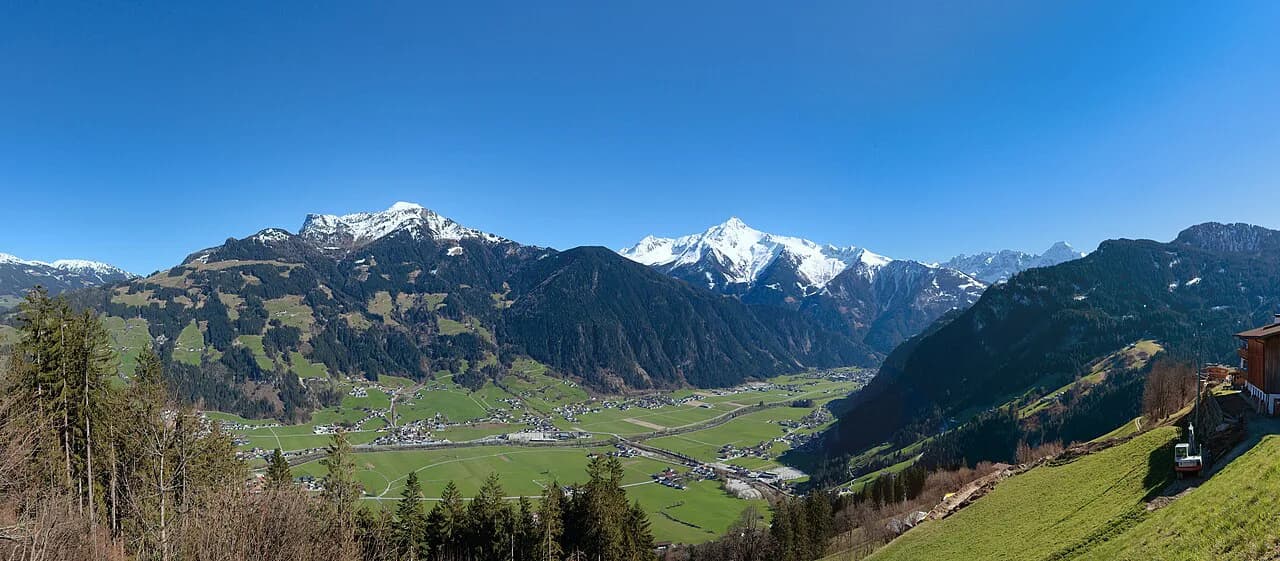
Gerlos occupies the upper section of the Zillertal, the long valley that runs south from the Inn into the Zillertal Alps. The Zillertal Arena stretches from Zell am Ziller at the valley entrance to Hochkrimml at its far end, with Gerlos roughly in the middle according to a resort guide to the area. That position makes the village a natural stop between the busier lower valley and the high country toward the Salzburg border.
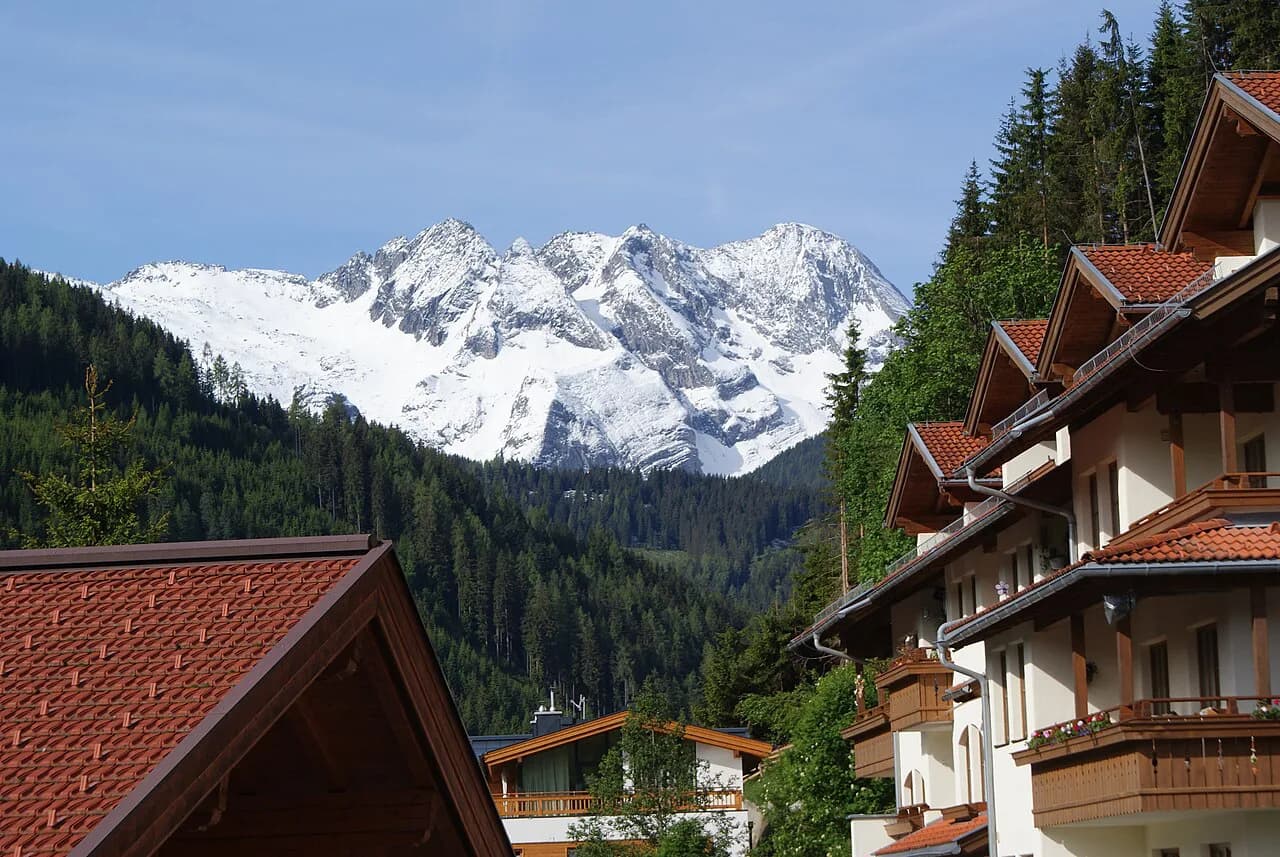
The village sits in the district of Schwaz, close to the Hohe Tauern National Park, whose boundary runs along the ridges above the valley. A route guide describes Gerlos as lying in the Zillertal Alps within the Schwaz district, surrounded by peaks such as Isskogel and Kreuzjoch and by five distinct side valleys, including the Schwarzachtal and the Wimmertal. For a visitor, that translates into short drives to several quite different landscapes without changing base.
How the village is laid out
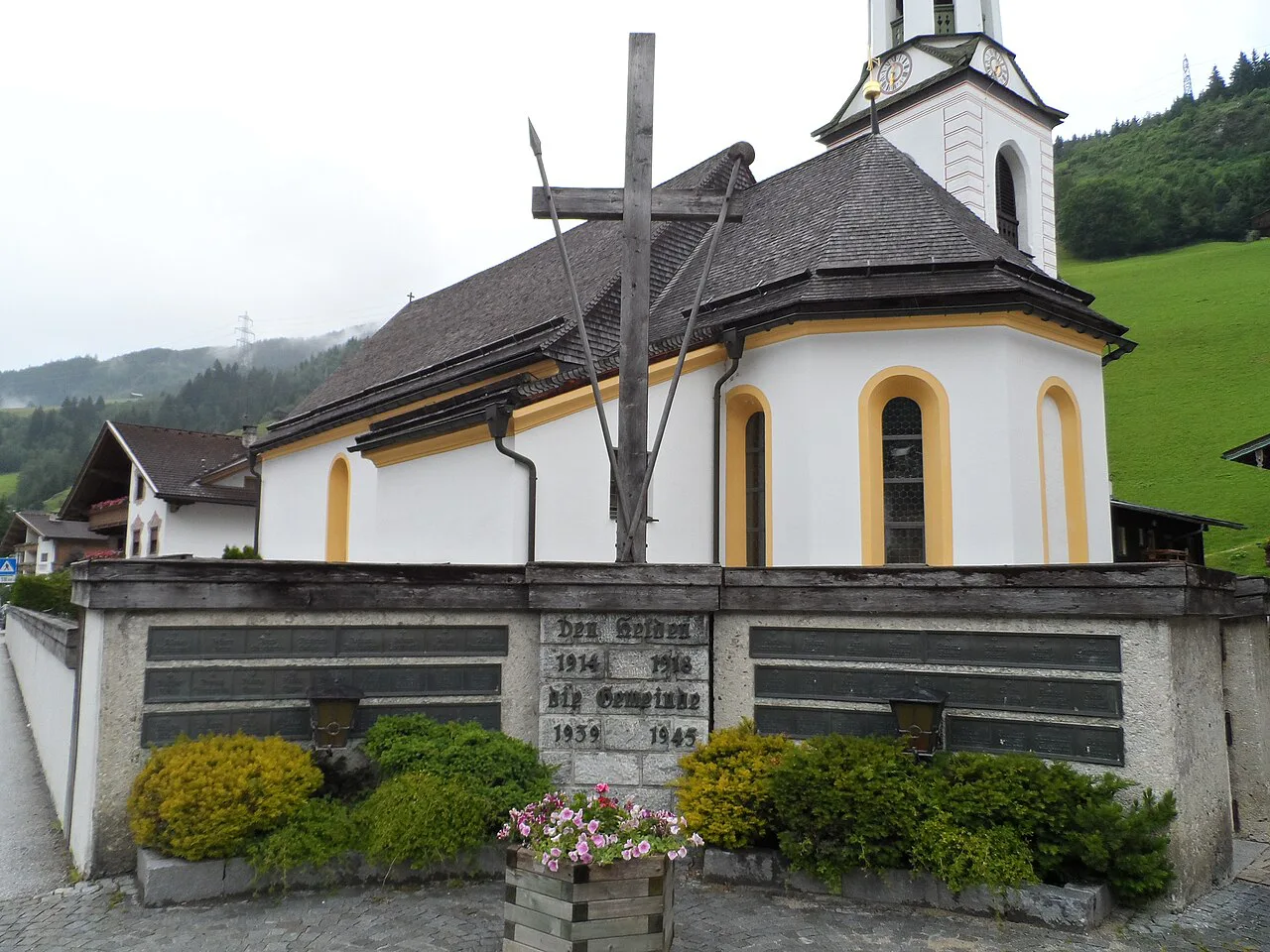
The built village follows the valley floor along the road, with guesthouses, cafes and sports shops grouped in a short, walkable center. There is no old town to tour; the draw is the setting and the access to the surrounding slopes. The Zillertal Arena tourist office sells a town plan of Gerlos as a printed A3 map, which is useful if you plan to walk between the hamlets rather than drive.
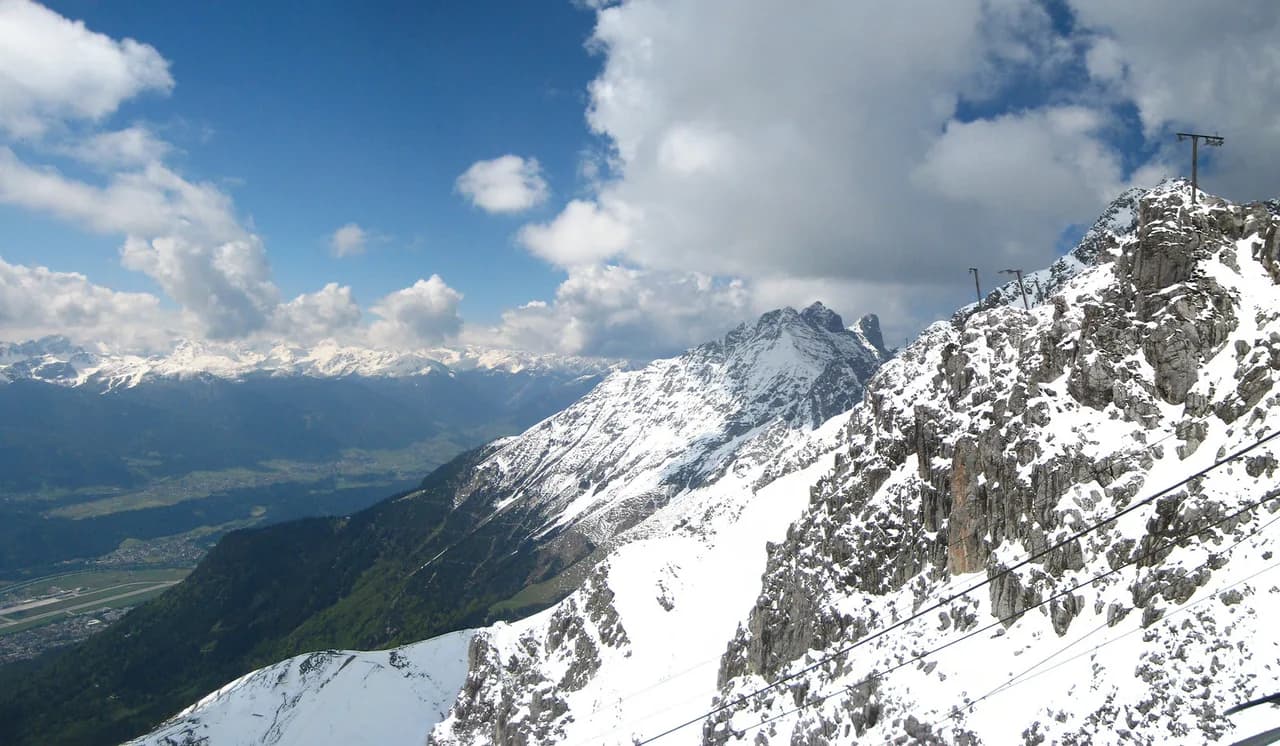
Above the village the terrain splits into two characters. The Gerlosstein side is the wooded flank, while the Isskogel side opens toward the high summits and the road over to Salzburg. Walking routes, cable cars and huts all follow their own seasonal schedules, so plan each day around what is actually running.
The Krimml waterfalls and the toll road
The Krimml waterfalls lie about 11 km from Gerlos. A resort guide notes that a toll is charged on the road from Gerlos and Königsleiten toward Krimml, so budget for that charge on top of any parking at the falls themselves. In winter the falls can freeze over and attract ice climbers, though the road and paths are a different proposition then.
Plan the falls as a half day rather than an hour: the approach road climbs, and the walk up to the viewing points takes time on its own. The toll applies to the mountain crossing, so if you are driving from the Zillertal toward Salzburg anyway, the falls fit naturally into the route. Drivers coming only for the waterfalls should weigh the toll against the value of the stop.
The Gerlos Alpine Road and Durlaßboden reservoir
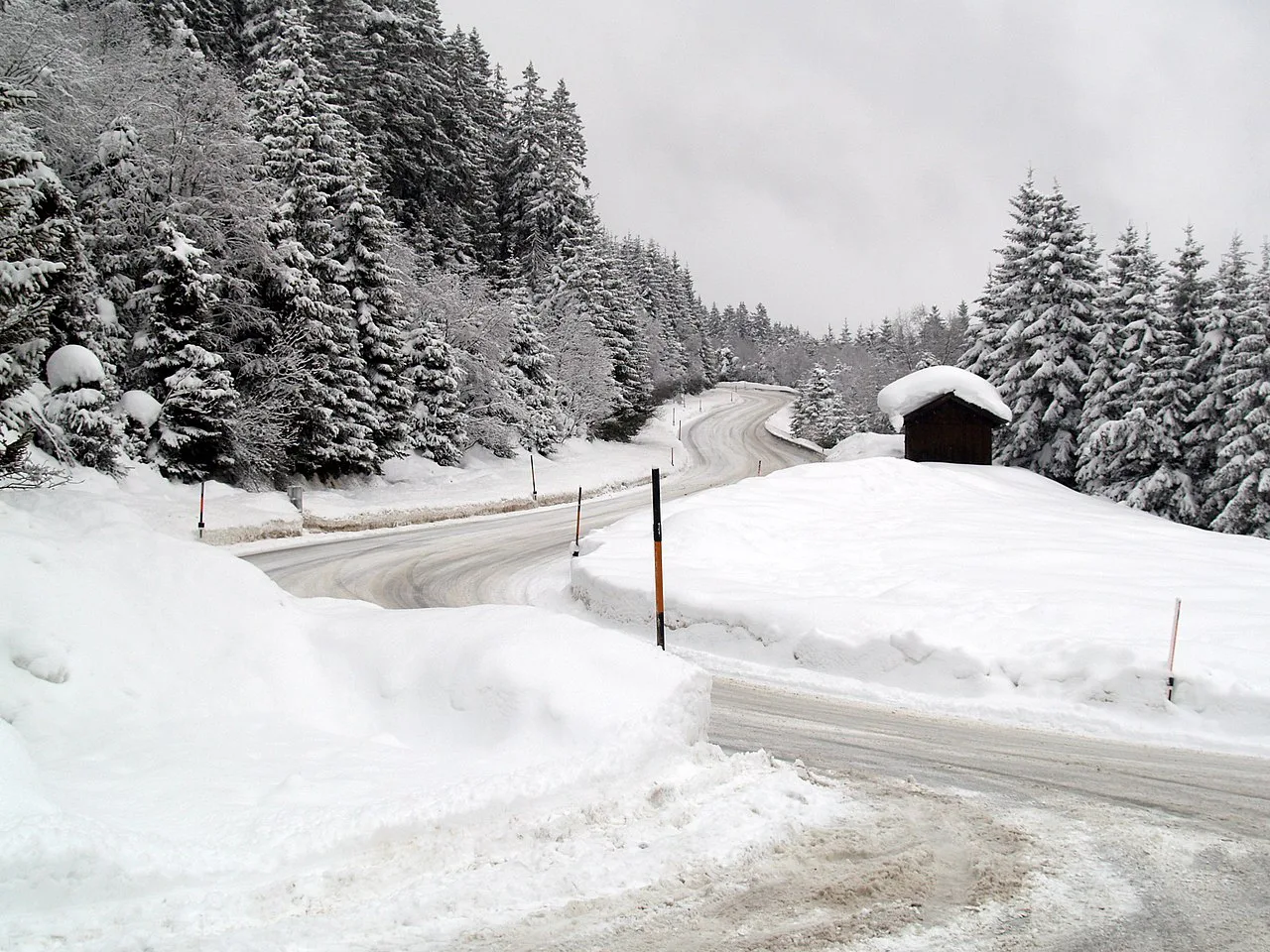
The Gerlos Alpine Road is the high pass road that links the Zillertal with the Salzburg side, climbing high above the valley before descending toward Krimml. Along the way it passes the Durlaßboden reservoir, a lake held behind a dam in a bare, high bowl that walkers and drivers both see on the crossing. The scenery changes quickly from meadow and forest to rock and water, which is the reason to take this road rather than a faster valley route.
Check the road's seasonal opening before you commit to the crossing, because a high Alpine pass does not operate year-round in the same way as a valley road. The reservoir and the pass are also the link between the village and the Krimml side, so the toll and the opening season affect both excursions at once. Allow time for photo stops; the pull-offs above the lake are the point of the drive.
Summer on foot: valley loops and summits
Walking from Gerlos splits neatly by effort. Short loops of about 4.8 to 6 km start from the Gerlostal side, including a circuit to the Schwarzachtal snack station and another to a viewpoint over the Schwarzach valley, both rated easy in a route guide for the area. These take under two hours each and suit a morning before the afternoon clouds build.
The Isskogel summit at 2,264 m is the moderate objective, reached on a roughly 9.4 km loop with about 450 m of climbing that the same guide rates moderate. The bigger day is the traverse to Isskogel and Kreuzjoch, about 17.5 km and 6 hours 19 minutes with 640 m of ascent and 1,280 m of descent, rated hard. Choose the shorter Isskogel loop unless you have a full day and good fitness, and note that the traverse's long descent is the part that tires legs.
The Wilde Krimml loop, marked as route No. 12, runs about 12.9 km with 350 m of ascent and 990 m of descent over roughly 4 hours 36 minutes. It is a classic half-day from the village and can be combined with the drive toward the waterfalls. Carry water; the high sections are exposed and the snack stations along the way keep limited hours.
Toboggan runs and the Arena Coaster
Gerlos and nearby Krimml both have floodlit toboggan runs, and a resort guide also mentions an Alpine coaster, the Arena Coaster, near the bottom lift station at Zell. The Arena Coaster is the more local option if you want an hour of activity without a full walk, and the floodlit runs matter in shoulder season, when daylight ends early in the valley.
Running times and prices for the toboggan runs and the coaster change with the season and are posted locally, so confirm them at the lift station or tourist office before setting out. Treat these as an add-on to a walking day rather than the reason for the trip. The coaster sits at the Zell end of the valley, which means a short drive from Gerlos itself.
Eating and drinking in the village
The village supports a compact but real eating scene: a resort guide counts around 20 cafes and restaurants in Gerlos, alongside bars that mostly serve the après-ski trade. For a place of about 800 residents that is a generous spread. Expect Tyrolean staples, mountain-hut plates and Italian options rather than fine dining.
A mountain-hut stop is the other half of the food picture. The routes above pass snack stations and alpine huts, and the Isskogel and Schwarzachtal walks both break at places serving simple hot food. Hut kitchens keep shorter seasons than village restaurants, so plan a sit-down lunch on the mountain and a village dinner rather than the reverse.
Getting to Gerlos and getting around
Gerlos is reached by road up the Zillertal, with Zell am Ziller the last sizable town before the climb; the village sits roughly in the middle of the Zillertal Arena, beyond Zell. A car makes the Krimml falls, the reservoir and the pass road far easier than buses, which thin out above the main valley.
Once in the village, most guesthouses and hotels sit within walking distance of the center, so the car can stay parked for village evenings. For anything beyond the valley floor, including the reservoir and the falls, you need wheels or an organized transfer. This is a place to plan in the Tyrol road-trip sense rather than a car-free base.
Practical trade-offs before you book
Three things shape a Gerlos stay. The Krimml road carries a toll on the Gerlos and Königsleiten stretch, the cable cars and lifts run a summer program that does not match the winter one, and the village fills in high season, so midday is the worst time to arrive at the falls or the reservoir. Plan the falls for early morning or late afternoon and the pass drive for a clear day.
Summer is the season this guide covers: walking, the pass road, the reservoir and the waterfalls. Skiing and lift passes belong to the winter side of the Zillertal Arena and are not part of this plan. If your trip is built around winter sports, use the village as a base but expect a different set of opening times and prices.
Is Gerlos the right base for the Krimml side of the Zillertal?
Gerlos earns its place as a base if you want the Krimml waterfalls, the Gerlos Alpine Road and the Durlaßboden reservoir within a short drive, with a walkable village and a real choice of restaurants at the end of the day. It is not a town with monuments to tour, and its appeal depends on the pass road and the summer lift program being open when you visit.
Book around a clear-weather window, budget for the Krimml road toll, and pair the village with the wider Zillertal rather than treating it as a standalone destination. Travelers working through the Tyrol town by town will find Gerlos fits naturally between the lower Zillertal and the Hohe Tauern side.
Explore more Innsbruck guides
- Austrian Alps Villages
- Ehrwald: A Tyrolean Mountain Village Below the Zugspitze
- Imst: A Tyrolean Town Guide to the Old Center, the Rosengartenschlucht and Hoch-Imst
- Landeck: A Practical Guide to the Castle Town Above the Inn
- Pitztal in Summer
- Plansee: The Long Alpine Lake Near Reutte in Tyrol
- Reutte: A Practical Guide to Tirol's Ausserfern Town
- Stams Abbey
- Stubai Valley
- The Austrian Alps
- Timmelsjoch
Frequently Asked Questions
Do you need a car to visit the Krimml waterfalls from Gerlos?
A car is the practical way to reach the falls and the Gerlos Alpine Road, since the toll road from the Gerlos and Königsleiten side climbs well above the main valley. Without a car, plan on an organized transfer or a taxi from the village.
How long does the Gerlos Alpine Road crossing take?
The crossing links the Zillertal with the Salzburg side past the Durlaßboden reservoir, and most drivers allow a couple of hours with photo stops at the lake and the high pull-offs. Check the road's seasonal opening before you set out, because a high pass does not run year-round.
Sources
Notes for your next Austrian town break
Optional updates when we add or revise town guides.
You might also like
Continue reading
More guides you'll find useful