Austrian Alps: Towns, Scenic Roads and Lakes for a Summer Trip
Plan an Austrian Alps summer trip around Alpine towns, toll roads, cable cars and lakes in Tyrol, Salzburgerland, Carinthia and Vorarlberg.
On this page
Plan the Austrian Alps around regions, not a single list of peaks. Tyrol, Austria gives you Innsbruck, the Ötztal and high passes; Salzburgerland adds Hohenwerfen and Eisriesenwelt; Carinthia delivers warmer lakes; Vorarlberg holds Lech and St Anton as quiet summer villages; and the Salzkammergut sits where the Alps meet the Danube. This guide covers those regions, the toll roads and cable cars that shape a day, and the trains and buses that make a car optional.
Two decisions organize any Austrian Alps trip. The first is your base region, which determines whether you are driving a pass, riding a lake boat or walking a town center. The second is the season: high roads and mountain lifts run on fixed opening periods, so a route built around one of them needs a date that fits.
What the Austrian Alps cover: five summer regions and what each gives you
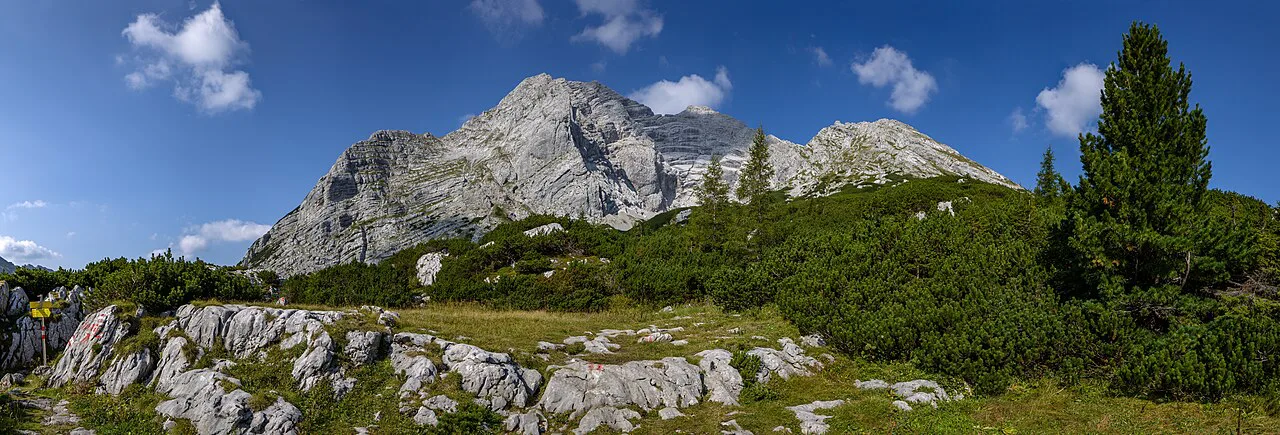
The Austrian Alps spread across Vorarlberg in the west, Tyrol and Salzburgerland in the center, Carinthia in the south and Styria in the southeast. Each region pairs mountains with a different kind of day: Arlberg villages in Vorarlberg, a provincial capital and long side valleys in Tyrol, salt-and-castle country in Salzburgerland, lake swimming in Carinthia and green alpine foothills in Styria. Picking one region for three or four nights beats stringing together a dozen stops.
The Arlberg area around Lech and St Anton sits at roughly 1,450 to 2,450 meters and receives heavy snowfall in winter, which is why both villages built their reputation on snow. In summer the same valleys turn green, with hiking and biking trails replacing the pistes. The villages keep their wooden chalets and onion-dome steeples, and the crowds thin out considerably.
Salzburgerland and the Salzkammergut suit travelers arriving from Salzburg, while Carinthia works best as a southern leg reached by train through the Tauern range. Styria's alpine edge around Schloss Eggenberg and the vineyards near Graz is a different landscape entirely. A route that tries to cover all five regions in one week spends its days on trains and sees none of them properly.
Tyrol and Innsbruck: the base for Alpine towns, the Nordkette and the Ötztal
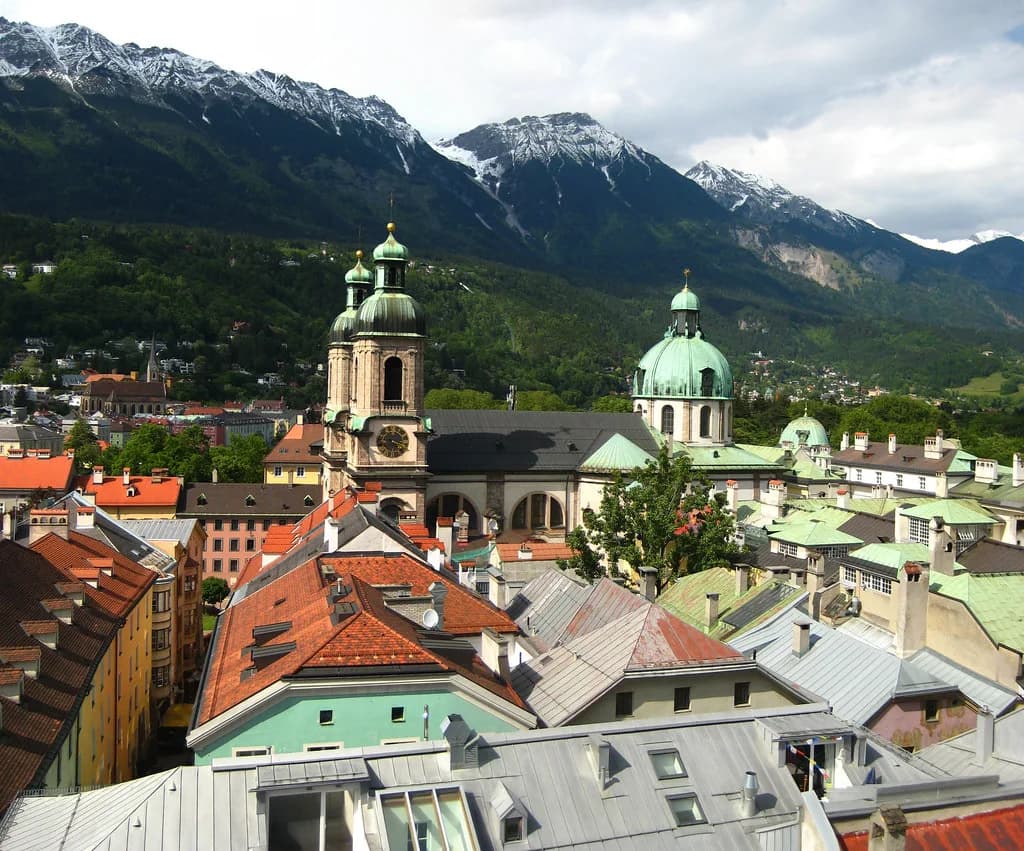
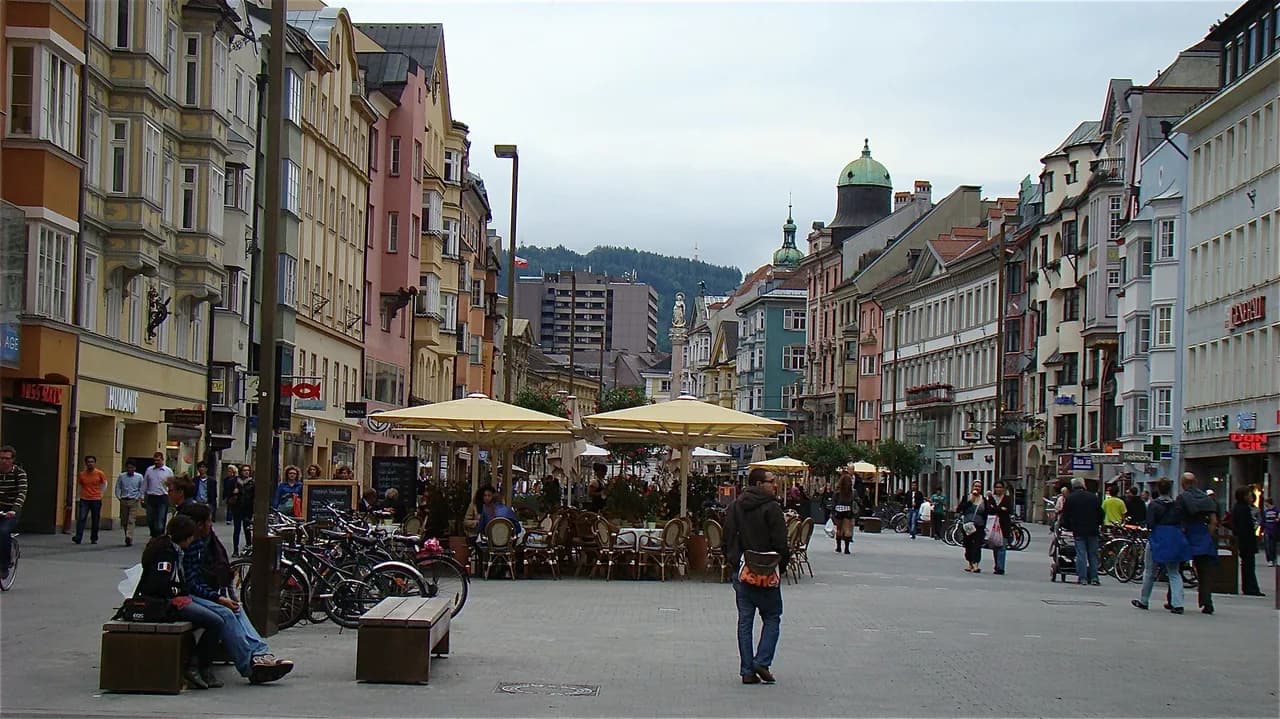
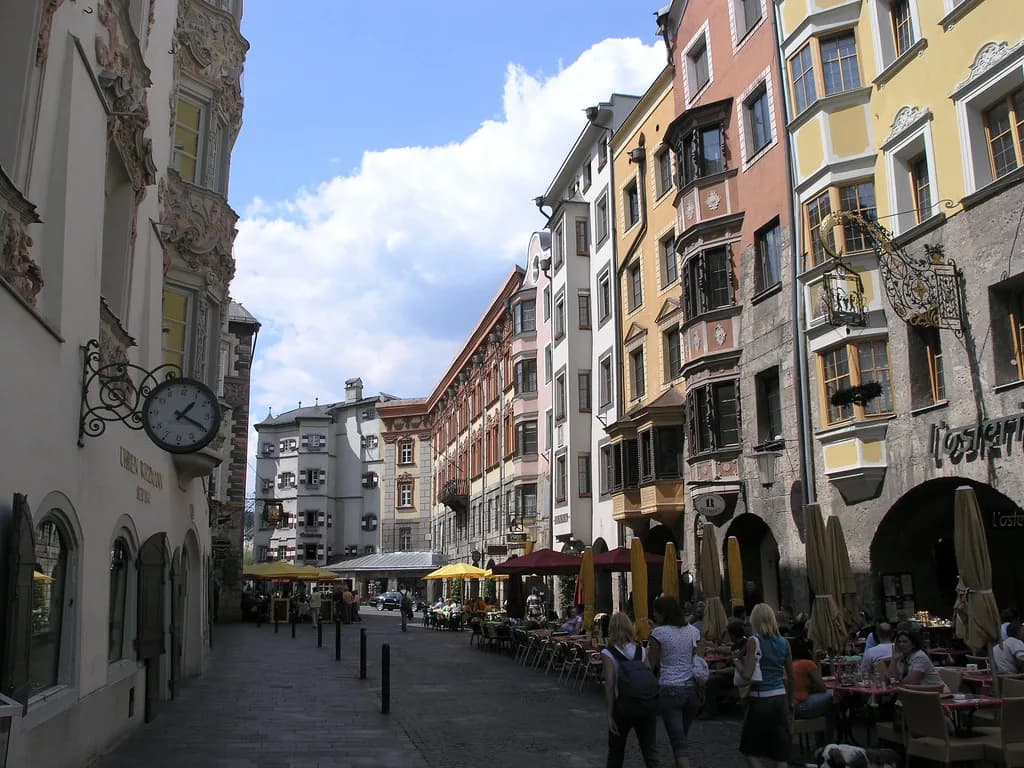
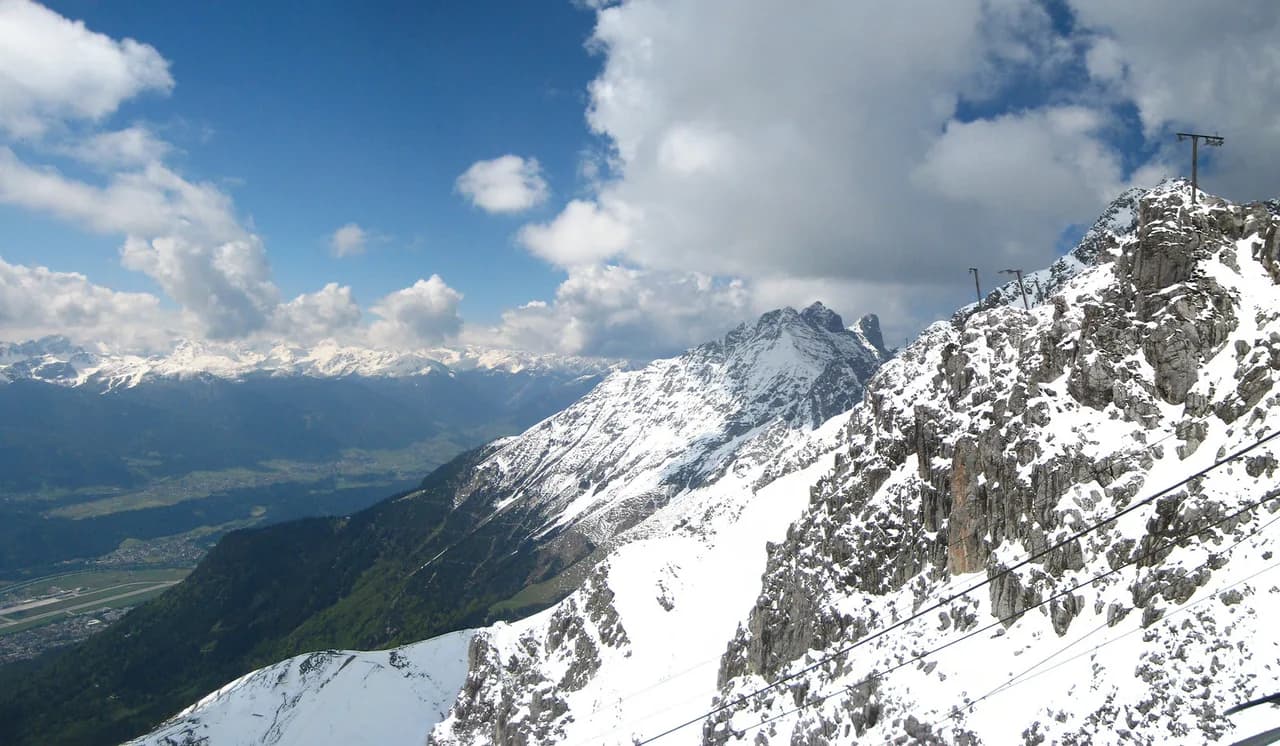
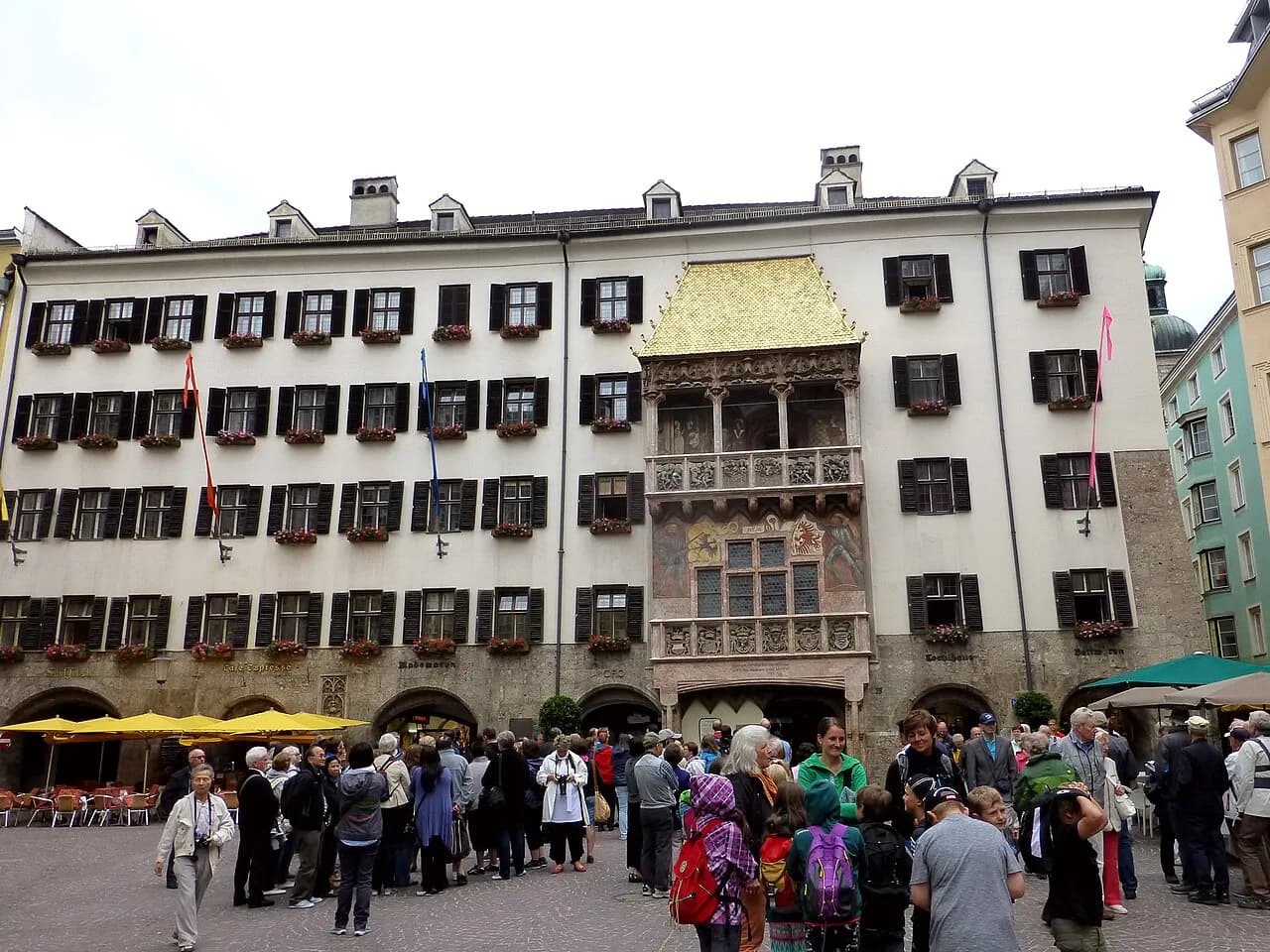
Innsbruck is the practical capital of the Austrian Alps: an old town of arcaded streets under steep rock walls, with the Nordkette cable car rising directly from the city edge. Use it as a starting point rather than a destination in itself, then fan out along the Inn valley by train.
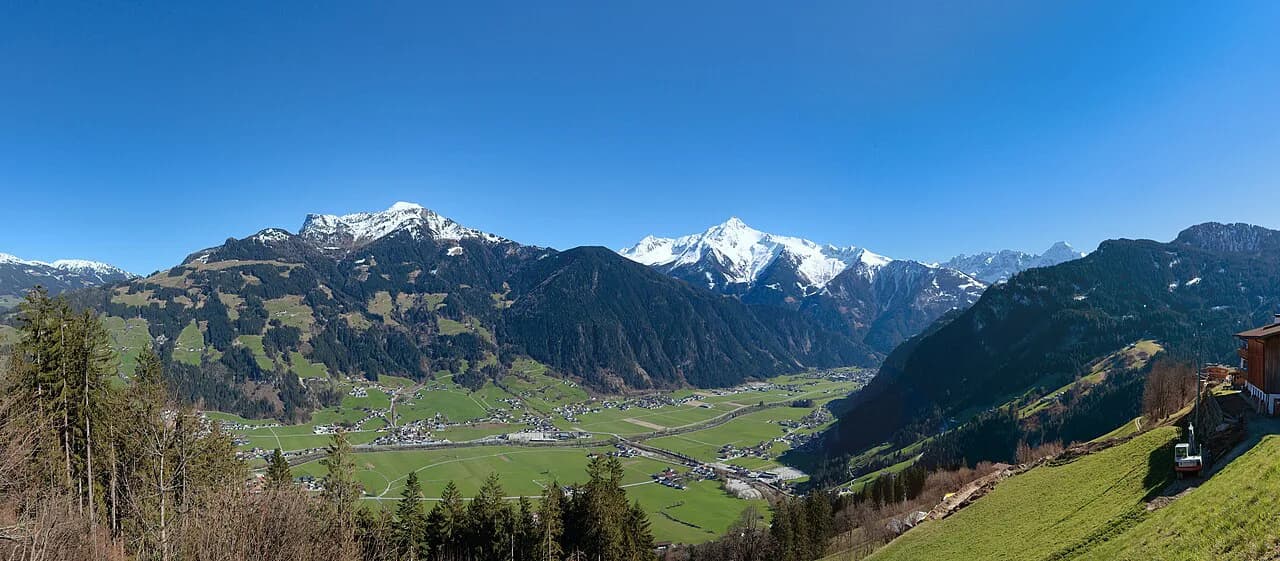
South of the city, the Ötztal runs deep into the mountains and links villages, waterfalls and alpine roads along one long valley floor. The Ötztal repays a full day if you want to see how a Tyrolean side valley works: a road along the river, small towns with churches and museums, and side roads climbing to higher hamlets.
East of Innsbruck, the Zillertal offers a similar structure, with the main valley leading to side valleys and the village of Zell am Ziller as a mid-valley anchor. Farther north, Kufstein and Kitzbühel sit on the rail line toward Salzburg and Munich.
West of Innsbruck, the Inn valley narrows toward Landeck, where the roads split toward the Arlberg, the Engadin and the upper Inn. Landeck itself has a castle above the river and makes a logical pause between Innsbruck and Vorarlberg. The Stubai Valley south of the city is the closest side valley to the capital if you have only half a day.
Grossglockner and the high roads: what a toll road buys you
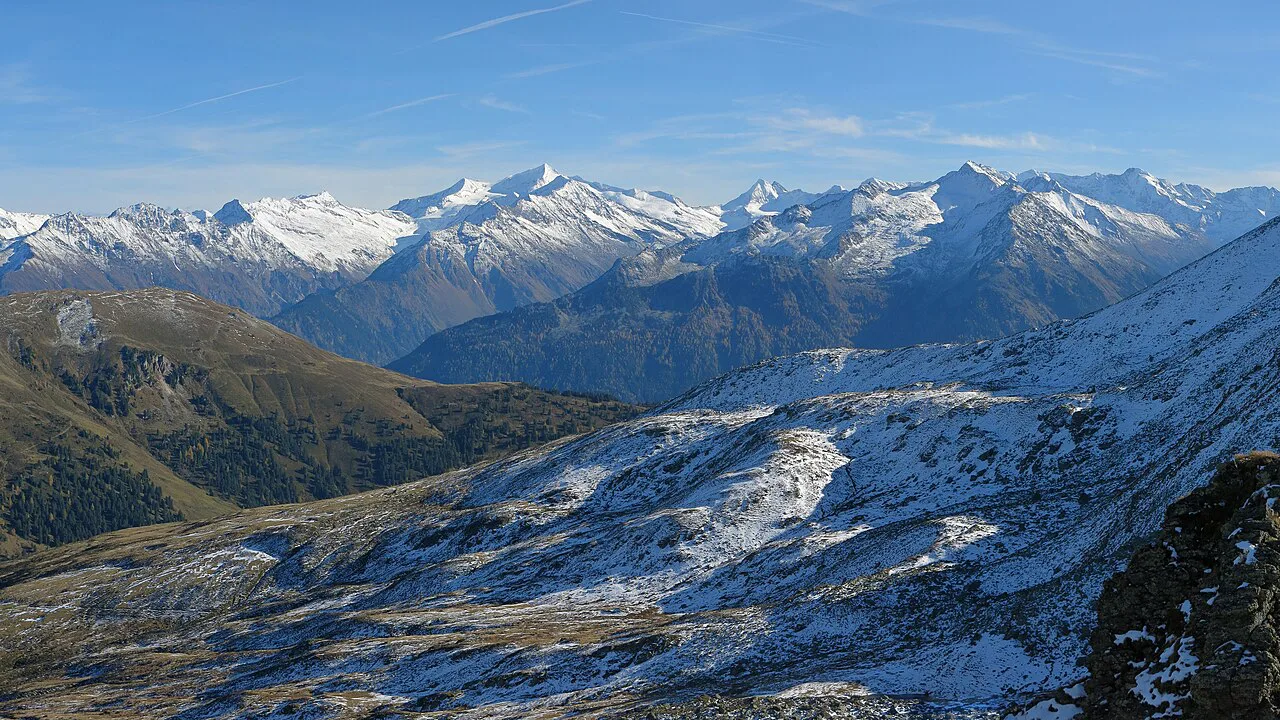
The Grossglockner High Alpine Road is the best-known paid mountain road in Austria, climbing in hairpins from the Salzburgerland side toward the foot of the Grossglockner. You pay a toll to drive it, and the road opens seasonally rather than year-round. That combination makes it a planned excursion, not a spontaneous detour: check the operating season and the toll rate on the road operator's own site before committing a day to it.
Other alpine roads behave the same way. Toll roads in the Austrian Alps typically run from late spring into autumn, close with the first heavy snow and charge by vehicle category. If your route depends on one, build the drive into the middle of your trip and keep a valley alternative in reserve for Bad weather.
The payoff is the altitude itself: viewpoints, glacier-fed streams and the switchback driving that makes the eastern Alps distinctive. The trade-off is time. A high road is slow, and drivers share it with motorcyclists and tour buses in July and August.
Salzburgerland: Hohenwerfen, Eisriesenwelt and the towns south of Salzburg
South of Salzburg city, the Salzach valley strings together Werfen, Hohenwerfen and Eisriesenwelt, the ice cave complex above Werfen. Hohenwerfen is a hilltop fortress reached by a steep path or lift from the village, and Eisriesenwelt is a natural limestone cave with ice formations that visitors walk through on a guided tour. Both run on seasonal schedules and set tour times, so a single day works only if the tour slots line up.
The Salzkammergut, east of Salzburg, is where the Alps meet the lake district. Hallstatt on the Hallstätter See is the famous stop, with a compact lakeside center and a funicular to a viewpoint above the village. Hallstatt fills up in the middle of the day when tour buses arrive, so an early train from Salzburg or an overnight stay gives you the town at a calmer hour.
Farther east along the Danube, Stift Melk (Melk Abbey) overlooks the Wachau and works well as a stop between the Alps and Vienna. The abbey runs on guided-tour slots rather than free wandering, so plan the visit around the entry time you book.
Carinthia and the Wörthersee: lake towns with warmer water
Carinthia's lakes sit in a southern basin where summer temperatures run warmer than in the Tyrolean high valleys. The Wörthersee is the largest and best connected, with Klagenfurt at its eastern end and a string of small towns along the shore. Trains and buses link the lake towns, so a car is optional here.
The trade-off in Carinthia is season length. Lake swimming is a summer activity, and the boats and beach facilities that make the Wörthersee pleasant operate in a defined season rather than all year. Check the lake operator's published timetable before you plan a crossing.
Styria lies east of Carinthia and offers a softer alpine landscape around Graz, with Schloss Eggenberg as a baroque palace on the edge of the city. It suits travelers connecting the Alps to the Danube or to Hungary rather than those staying within the high mountains.
Vorarlberg and the Arlberg: Lech and St Anton in summer
Lech am Arlberg and St Anton am Arlberg are western Austrian villages that turn quiet once the snow melts. Lech is the smaller and more traditional of the two, with wooden chalets bunched along the valley and a church steeple at its center. Zürs, farther up the valley, is more purpose-built, with hotels and apartment buildings.
St Anton is the larger and livelier village, with alpine architecture stretching down the valley floor and peaks rising on both sides. In summer both villages work as walking and biking bases, and the Arlberg passes connect them toward Landeck and the Inn valley.
The train line through the Arlberg tunnel links St Anton with Innsbruck and Bludenz, which makes Vorarlberg reachable without a car. A stop here pairs naturally with a Tyrolean leg, because the same line continues down the Inn valley.
Cable cars, waterfalls and viewpoints: seasonal openings
Many alpine cable cars in Austria operate in two windows, one in summer and one in winter, and close in between for maintenance. That means a lift that carries you to a ridge in July may sit idle in late October. Check the operator's seasonal calendar rather than assuming year-round service, and build your day around the lift's opening time.
Waterfalls follow the same rhythm. Snowmelt keeps alpine falls strong in early summer, while late summer brings lower flow. A waterfall visit is still worthwhile in August, but the spectacle you see in June is partly a function of the season.
Getting around without a car: ÖBB trains, Postbus lines and lake boats
ÖBB runs the main rail corridors through the Austrian Alps, including the Inn valley between Innsbruck and Kufstein, the Arlberg line to Vorarlberg and the southern line through Carinthia. Regional trains stop at smaller towns, which makes a car-free route feasible along those corridors. Postbus lines fill the gaps on side valleys and lake shores, though departures thin out in the evening and on Sundays.
Lakes add a boat option. The Wörthersee and the Salzkammergut lakes have passenger boat services that connect shoreline villages, and a boat crossing can replace a bus leg on a summer day. Timetables are seasonal, so confirm the sailing you need on the operator's site before you build a day around it.
Toll roads are the one part of the Austrian Alps a car-free traveler cannot reach. If Grossglockner or another high road matters to you, plan that day around a rental car or a guided excursion from a base town, and keep the rest of the trip on trains.
Costs in euros: tolls, cable cars, castles and how they add up
Alpine sightseeing in Austria is priced in euros and adds up faster than the rail fares. A high toll road, a return cable car ride, a castle entry and a guided cave tour in one day can easily outrun the cost of the train ticket that got you there. Build a daily budget around two paid attractions rather than four.
Published rates change by season and by operator, so confirm the toll for your vehicle class on the road operator's site and the lift fare on the cable car's own page before you commit. Castle and abbey entries go through their ticket desks, and guided tours may be included in the entry price or sold separately.
Where the Alps fit on a route through Austria
The cleanest alpine route runs west to east along the rail corridors: Vorarlberg and the Arlberg, then Innsbruck and the Tyrolean valleys, then Salzburgerland and the Salzkammergut, and finally the Danube and Vienna. Each leg sits on a direct train line, and the stops in between are towns rather than transfers.
A southern variant drops from Salzburgerland through the Tauern range into Carinthia, loops the Wörthersee and continues east toward Graz and Styria. That route trades high passes for lakes and works better later in the summer, when the water is warm enough for swimming.
If you want variety without moving hotels every night, pair a main-line base with one side valley. Innsbruck plus the Ötztal, or Kufstein plus the Zillertal, gives you a city, a valley and a mountain day from a single bed.
Trade-offs: midday crowds, Monday closures and set tour times
Austria's alpine sights run on schedules that are not built around your itinerary. Fortress and abbey visits often go through a guided tour at a fixed time, museums may close on Mondays, and lakeside towns fill up when the buses arrive around midday. Plan the highest-demand sight for early morning and keep the afternoon flexible.
The other trade-off is weather. A high road or a cable car is only worth the money when the summit is clear, and summer storms roll in fast in the eastern Alps. Leave a buffer day in any alpine base so you can swap a peak day for a valley day when the clouds drop.
Which alpine base to book first
Book the region before the individual sights. Tyrol gives you the widest choice of towns and valleys from one rail corridor, Salzburgerland puts fortresses and ice caves within an hour of the city, Carinthia adds warm lakes and Vorarlberg offers quiet Arlberg villages on the western line.
Once the base is set, layer in the paid days: one high road or cable car, one castle or abbey, one lake. Keep the rest of the trip on trains and buses, and confirm the seasonal opening and ticket rate for each paid sight before you lock the dates.
Explore more Innsbruck guides
- Ehrwald: A Tyrolean Mountain Village Below the Zugspitze
- Gerlos: The Tyrolean Village Between the Zillertal Arena and the Krimml Road
- Imst: A Tyrolean Town Guide to the Old Center, the Rosengartenschlucht and Hoch-Imst
- Landeck: A Practical Guide to the Castle Town Above the Inn
- Pitztal in Summer
- Plansee: The Long Alpine Lake Near Reutte in Tyrol
- Reutte: A Practical Guide to Tirol's Ausserfern Town
- Stams Abbey
Frequently Asked Questions
Does Salzburg have the Alps?
Yes. Salzburg sits at the northern edge of the Alps, and the mountains begin immediately south of the city. The Salzach valley toward Werfen, with Hohenwerfen fortress and the Eisriesenwelt ice caves, is the closest alpine excursion from Salzburg, and the Salzkammergut lakes lie east of the city.
What are the three highest mountains in Austria?
The Grossglockner is Austria's highest peak and the anchor of the High Alpine Road in the Hohe Tauern range. The other two places on the national list sit in the same high Tauern and Ötztal ranges. If summit heights matter to your route, check the national survey office's published figures.
Is Austria expensive for a holiday?
Rail travel and small-town hotels are moderate by western European standards, but alpine toll roads, cable cars and guided cave tours are premium add-ons. A trip built around trains plus one paid mountain day per region stays reasonable; a trip built around a rental car, a toll road and a lift every day does not.
What is the snowiest month in Austria?
In the western Alps, the heaviest snowfall typically arrives in January and February, which is why the Arlberg villages around Lech and St Anton built their reputation on reliable snow. For a summer trip, the relevant fact is the reverse: snowmelt feeds the waterfalls in June, and the high roads open after the snow clears.
Sources
Notes for your next Austrian town break
Optional updates when we add or revise town guides.
You might also like
Continue reading
More guides you'll find useful