Reutte, Austria: Old Town, Ehrenberg Castles and the Plansee
Reutte is a small Tirol town near the German border, with an old center, the Ehrenberg castle ruins and the highline179 bridge. Here is how to see it.
On this page
Reutte is a small market town in the Ausserfern, the western tip of North Tyrol, sitting on the B179 close to the Bavarian border and calling itself the gateway to Tyrol. Plan it as two separate half-days: the compact center around the Untermarkt, then the castle world on the ridge east of town, where four fortifications and a long pedestrian suspension bridge share one slope. This guide covers the layout on foot, what each part of the Ehrenberg fortress actually is, the two inclined lifts that carry you up, and how the town slots into a route through the Allgäu and over the Fernpass.
What Reutte is and where it sits in the Ausserfern
Reutte lies directly on the Bavarian border in the Naturparkregion Reutte, the valley floor of the Lech just before it turns north into Germany. The B179 runs through the area and is the road most drivers use to reach the town, with the Fernpass route connecting it south toward the Inntal. Because the border is minutes away, Reutte mixes Austrian town life with day traffic from the Allgäu, and the surrounding villages of Breitenwang, Ehenbichl, Pflach and Vils belong to the same small region. For a wider map of the province, see the Tyrol guide.
The town center: the Untermarkt on foot
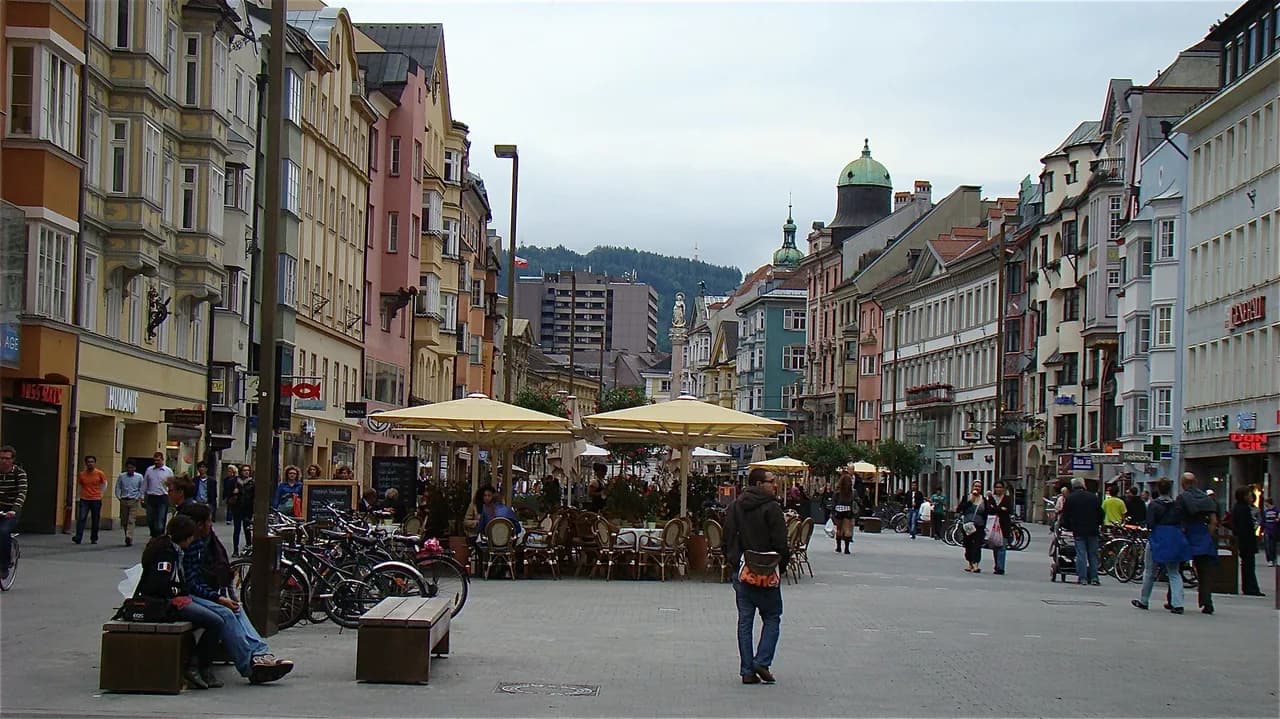
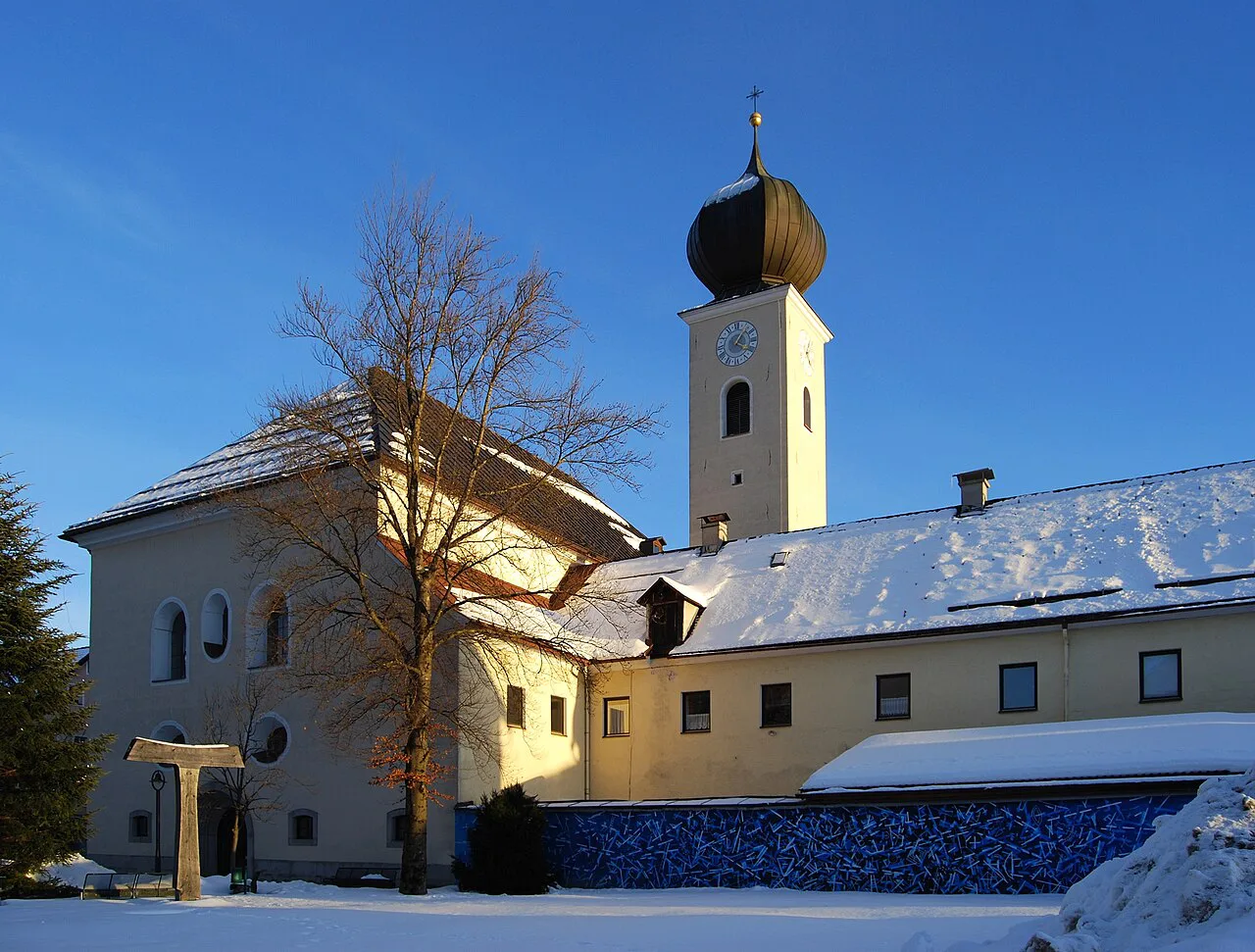
The town's own tourist office sits at Untermarkt 34, which puts the address at the heart of the historic center and gives you a useful landmark when you arrive. Reutte is not a walled medieval showpiece; it is a working market town with a low-key square, churches and chapels scattered through the streets, and a historic walk the region itself promotes as a way to see them. Give the center an hour or two on foot rather than a full day, and treat it as the calm counterweight to the castle ridge.
The regional tourism office lists churches and chapels, monuments and art treasures, and museums as separate categories of sight, which tells you the scale: small sites seen one after another rather than a single blockbuster attraction. Pick two or three that appeal and let the rest go. If you are travelling onward toward Innsbruck, the Innsbruck Attractions collection is the natural next stop for planning.
Burgenwelt Ehrenberg: four fortifications, one ticket area
East of Reutte the ridge carries the Burgenwelt Ehrenberg, a fortress ensemble the site describes as one of the most significant in central Europe. It is not one castle but four distinct parts: the Sperrgebäude der Klause, the ruined Burgruine Ehrenberg on its rock, the Festung Schlosskopf on the highest point above it, and Fort Claudia across the B179. The Klause once barred the valley as a defense and customs post, the ruin was the visible seat of power, and Schlosskopf was built to command the heights.
Knowing which part is which matters because your ticket, your lift and your walking time all depend on it. The Ehrenberg Liner inclined lift reaches the Hornwerk, the ruin and the bridge, while the Top Liner runs from the Hornwerk up to Schlosskopf. Both lifts make the ensemble step-free, which is unusual for a fortress complex of this size. Plan the ruin and the bridge together, then decide whether the extra climb to Schlosskopf fits your day.
highline179: the suspension bridge over the valley
The highline179 is a pedestrian suspension bridge more than 400 meters long that spans the valley below the Ehrenberg ruin, and it is the single most photographed thing in the area. The Ehrenberg Liner takes you up to the level where the bridge begins, so you do not have to climb to reach it. Crossing is the point: the walkway is narrow, open to the air, and sways slightly under foot traffic, which is either the attraction or the reason to wait below.
Go early in the day if crowds bother you, since the bridge is a short walk from the lift station and tour groups arrive in blocks. The same lift also serves the DragonFly zipline, described on the site as Europe's first zipline accessible to wheelchair users, so the upper station is busier than a ruins visit alone would suggest. If you only want the bridge, you still ride up with everyone heading for the museums and the fortress.
The Erlebnismuseum and who it suits
The experience museum at Ehrenberg, titled Dem Ritter auf der Spur, spreads across 14 rooms and uses the site's own history of siege, defense and repair to explain fortress life. It is built for families as much as specialists, with a museum rally and treasure hunts for children alongside the displays. Adults with a real interest in fortification architecture will get more from the ruin and Schlosskopf themselves; the museum earns its place when you have children in tow or rain sets in.
The wider fortress story includes twenty years of restoration work documented on the site, which explains why parts of the complex look consolidated rather than raw. On site you will also find a café and a three-star hotel with 38 rooms attached to the historic rooms, useful if you want to stay on the ridge rather than in town. Rates and availability are a question for the hotel directly, not something to assume from a town guide.
How much time Reutte needs
For the town alone, half a day is generous: the Untermarkt, a couple of churches, a coffee, and you have seen it. Add Burgenwelt Ehrenberg and the day fills properly, because the lift rides, the ruin, the bridge crossing and the museum each take time and the site is spread across a slope rather than a single courtyard. A realistic split is one afternoon in town and one full morning or afternoon on the ridge, rather than trying to compress both into a few hours.
Getting there and onward
By car, Reutte sits on the B179, the corridor that links the Fernpass and the Inntal with the Bavarian border and the Allgäu beyond. Drivers coming from the Innsbruck side use that road, and the Ehrenberg complex has its own approach and parking east of town, detailed on the official site. Public transport exists in the form of rail and Postbus services, but frequencies and connections change by season, so check the current ÖBB and Postbus timetables for your date rather than relying on a remembered schedule.
The region promotes a guest card that includes free bus travel and free entries during participating periods, which can change the economics of a short stay if you are overnighting locally. Whether it applies to your dates and your accommodation is something to confirm at booking. For a parallel Tyrolean valley with its own transport rhythm, the Zillertal guide shows how a valley bus and rail line shape a visit.
Where Reutte fits a route through Tirol and the Allgäu
Reutte works as a hinge rather than a destination in its own right: you pass through it between the Fernpass and the Bavarian border, or use it as a base for the Lech valley and the Plansee. Coming from the south, the Fernpass brings you over from the Inntal; coming from the north, the B179 links you to Füssen and the Allgäu castles. That position makes it a natural one-night stop on a longer Tyrol circuit rather than a place to build a week around.
Day options: Plansee and the Naturpark Tiroler Lech
The Plansee, a clear lake west of Reutte, is the obvious short add-on, and the region lists it among its natural highlights alongside the Lech and the Stuibenfälle. The Naturpark Tiroler Lech protects the river valley itself, with the wild water and gravel banks that make the Ausserfern distinctive. Both cost you a half-day each if you want to do them properly, so choose one rather than squeezing both around a castle visit.
Practical trade-offs: lift revisions and seasonal operations
The Ehrenberg Liner closes for its annual revision, and the official site posted a closure for 27 and 28 October 2026. That is a scheduled maintenance window, not a seasonal shutdown, but it shows why lift-dependent plans need a look at the site's notices before you travel. If the lift is down, the ruin and the bridge remain reachable on foot, though the climb changes the effort involved.
Mountain operations around Reutte generally follow warm-season rhythms, with some facilities open only through the milder months and the fortress itself billed as open in every season. Rather than guess, check the opening hours page on the Ehrenberg site and the regional listings for the specific week you plan. A short phone call to the ticket office settles what a website cannot.
Should you stop in Reutte or drive past?
Stop if you want a fortress complex you can actually walk through in a morning, a suspension bridge with real exposure, and a small town that asks nothing of you afterward. Drive past if your trip is built around baroque abbeys and lake towns, because Reutte's appeal is military architecture and mountain scenery rather than gold altars. The honest answer is that Reutte rewards a single well-planned day, and the castle ridge is the reason to spend it.
Explore more Innsbruck guides
- Austrian Alps Villages
- Ehrwald: A Tyrolean Mountain Village Below the Zugspitze
- Gerlos: The Tyrolean Village Between the Zillertal Arena and the Krimml Road
- Imst: A Tyrolean Town Guide to the Old Center, the Rosengartenschlucht and Hoch-Imst
- Landeck: A Practical Guide to the Castle Town Above the Inn
- Pitztal in Summer
- Plansee: The Long Alpine Lake Near Reutte in Tyrol
- Stams Abbey
- Stubai Valley
- The Austrian Alps
- Timmelsjoch
Frequently Asked Questions
Can you cross highline179 without visiting the museums?
highline179 is a pedestrian suspension bridge more than 400 meters long, and the Ehrenberg Liner inclined lift takes you up to the level where the bridge begins, so you do not have to climb to reach it. That upper area is also where the fortress, the museum and the DragonFly zipline are, so expect it to be busy with families; check the site's own ticket and opening-hours pages for what a given ticket covers.
Is Reutte reachable by train from Innsbruck or Munich?
Reutte has rail access and is served by Postbus routes, but service patterns change by season, so confirm connections against the current ÖBB and Postbus timetables for your travel date. Drivers use the B179, which links the town to the Fernpass and the Bavarian border.
Sources
Notes for your next Austrian town break
Optional updates when we add or revise town guides.
You might also like
Continue reading
More guides you'll find useful