Austrian Alps Villages: Alpine Towns Worth a Stop
Austrian Alps villages from Feldkirch to Lienz: what each old town looks like, how it fits a route, and which quiet mountain hamlets reward the detour.
On this page
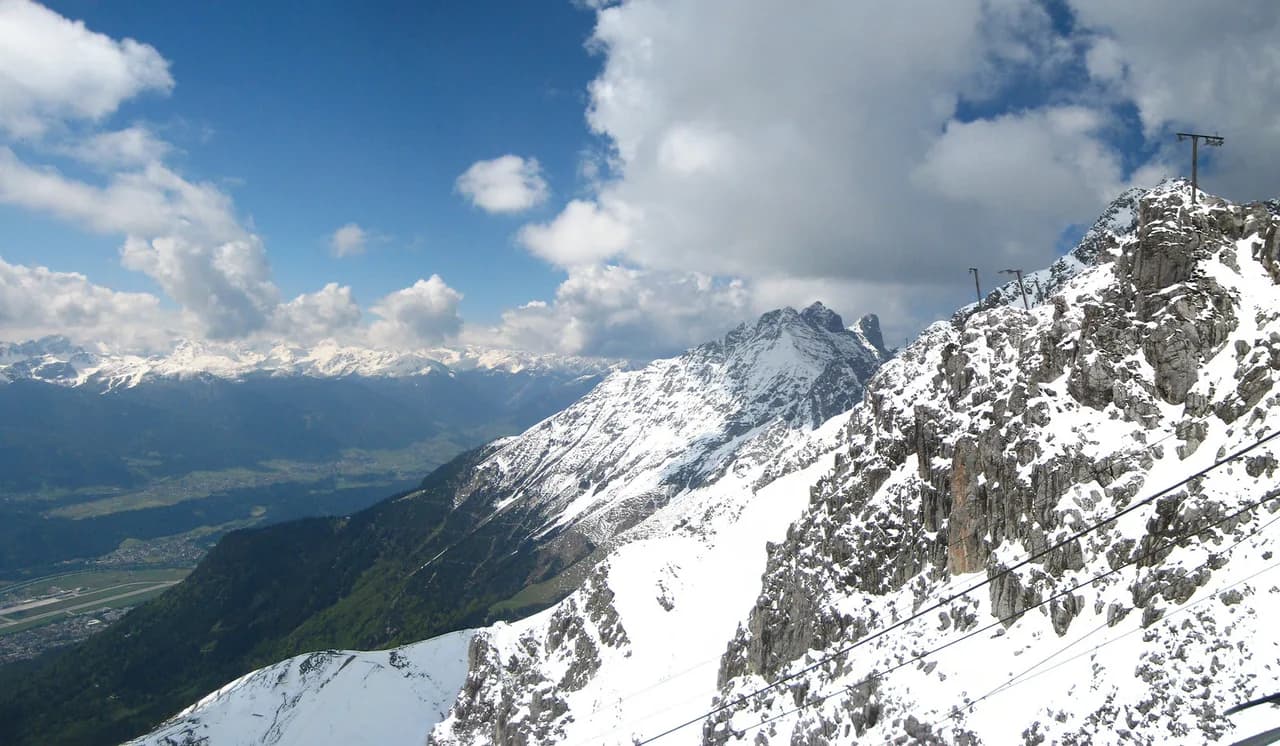
The Austrian Alps cover almost two-thirds of the country, so the villages worth stopping for are rarely a single category. Pick by what you want to see: a walled medieval center with a castle above it, a lake shore with a glacier at the end of the valley, faded Belle-Époque facades in a gorge, or a high hamlet of a few hundred people. This guide groups them that way and explains how each fits a route through the Alps by train, bus or car.
Two practical rules shape everything below. First, the busy valley towns and the quiet mountain villages fail in opposite ways: lake towns have frequent trains and plenty of services but crowds and full hotels in summer, while the small hamlets in the Bergsteigerdörfer network stay calm because buses are few and the season is short. Second, the villages here are stops on a line, not destinations in themselves, so plan them around the rail and road corridors that link them rather than as separate day trips.
What counts as an Alpine village in Austria
Austria's Alpine population lives in a range of settlement sizes, from cities like Innsbruck and Bregenz down to hamlets of a few dozen farms, and the official tourism board treats all of them as Alpine places shaped by altitude, tradition and seasonal rhythm. For a traveler, the useful split is between towns with a real historic core and a rail station, and villages that exist because a valley floor or a high shelf allowed them to. The bigger Alpine towns are where you find museums, old-town squares and daily train service; the smaller ones are where you find a church, a single road and long silences.
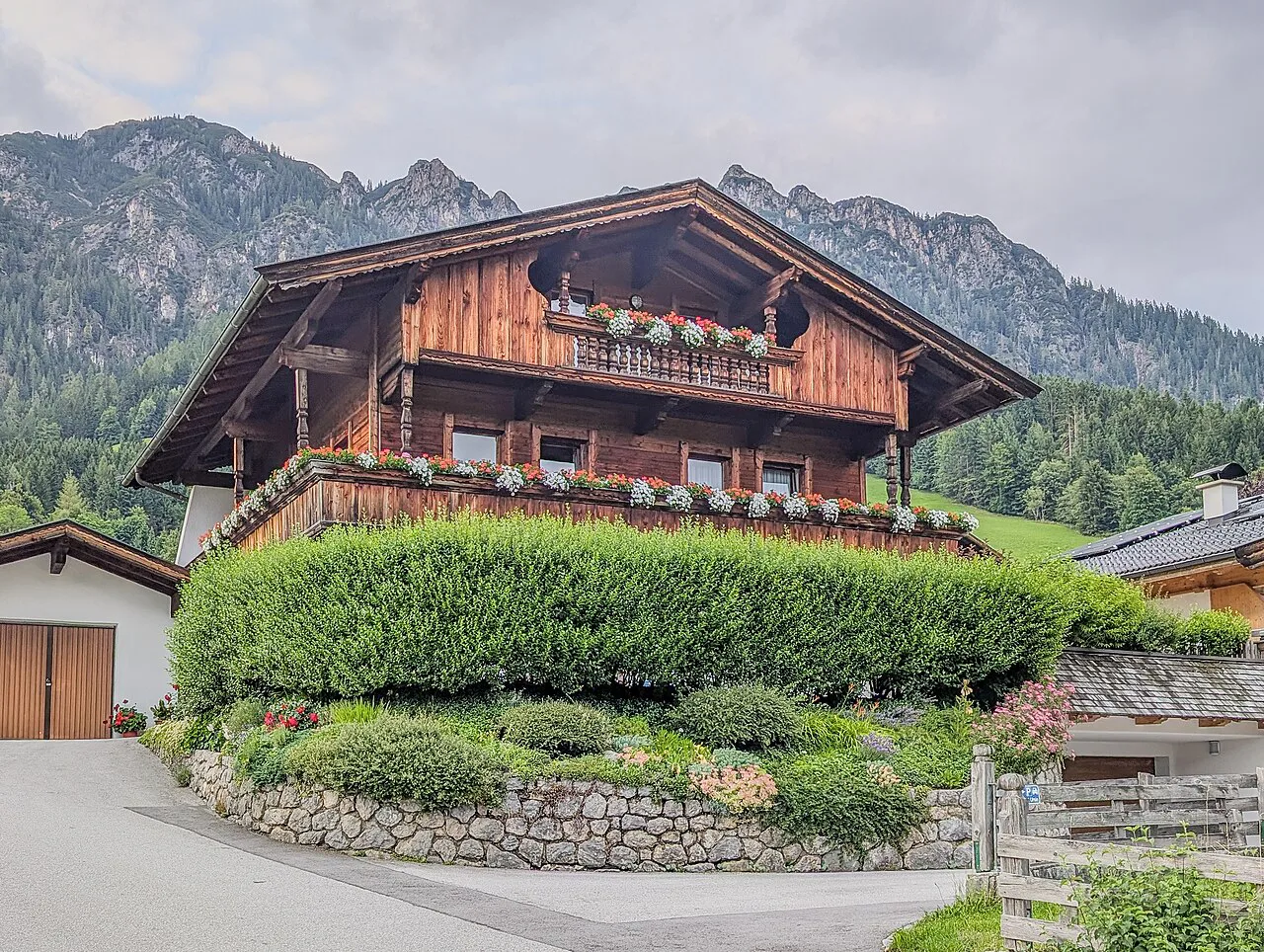
Most of the villages in this guide sit in the western and southern mountain provinces: Vorarlberg, Tyrol, SalzburgerLand and Kärnten (Carinthia). If you are building a route around the Tyrol, the regional guide to Tyrol, Austria covers the valleys and towns in more depth than a single article can, and it pairs well with the village entries below.
Feldkirch: a medieval old town in Vorarlberg
Feldkirch, in Austria's far west, spent centuries as a trade and cultural center, and its draw today is a compact medieval old town with the Schattenburg castle and the cathedral above and inside it. This is the village entry with the most urban texture: lanes, gates and stone facades rather than a single photogenic square. Give it a half day to walk the center and climb to the castle, which is the reason to stop rather than pass through on the way to the Arlberg.
Feldkirch works as an arrival or departure point for a western Alps route because it sits near the Swiss and Liechtenstein borders, so it fits a loop that enters Austria from Zurich or from the Rhine valley. Come in the morning if you are continuing east the same day; the old town is small enough that an afternoon arrival still leaves time for the castle.
Zell am See-Kaprun: lake, glacier and meadows
Zell am See-Kaprun bundles three things in one valley: a lake with a town on its shore, a glacier at the head of the valley, and flower meadows in between. The town itself is the busiest kind of Alpine village stop, with a walkable center and a shoreline promenade, while Kaprun a few kilometers up the valley is the base for the high mountain end. Treat the pair as one stop of a full day rather than two separate visits.
This is also the Alpine stop where summer crowds concentrate, so build slack into your day if you arrive by car and expect to park near the lake. The train line through Zell am See connects the town to Salzburg and to the Tyrolean valleys, which makes it one of the easiest Alpine villages to reach without a vehicle.
Bad Gastein: Belle-Époque facades above a gorge
Bad Gastein is the odd one out among Alpine villages: a stack of grand Belle-Époque villas and hotels set against raw mountain scenery, with a gorge cutting through the middle of the settlement. The architecture is the sight, and the waterfall and gorge give the town a vertical layout that makes wandering the streets the main activity. It sits in SalzburgerLand, south of Salzburg, on the rail line that climbs into the Gastein valley.
Because the historic buildings are spread up and down the slope, plan on stairs and steep paths rather than a flat old-town stroll. It fits a route between Salzburg and Carinthia, and it rewards an overnight stay more than a rushed lunch stop, since the atmosphere depends on seeing the facades in low light.
Lienz: the East Tyrol base below the Lienz Dolomites
Lienz calls itself East Tyrol's sun town, and it sits between the Lienz Dolomites and the Pustertal, the valley that runs east toward Italy. It is the largest town in this group and functions as a regional hub, with a proper center, services and road and rail connections in several directions. If you are driving from Carinthia toward the Tyrol, Lienz is the natural place to break the journey and see a town rather than a hamlet.
The town's position also makes it a useful gateway: the Pustertal leads east toward the Dolomites, while the Drau valley runs back into Carinthia. That means Lienz suits a traveler crossing the Alps by car in summer, when the valley roads are open.
Quiet mountain villages: the Bergsteigerdörfer
Austria's Bergsteigerdörfer network, or mountaineering villages, is a group of small communities that have deliberately kept their traditional character and resisted heavy development. The six named in the network's own listing are Lesachtal in Kärnten, Vent in the Ötztal at roughly 1,900 meters, the Grosses Walsertal biosphere reserve in Vorarlberg, Hüttschlag in the Grossarltal inside the Hohe Tauern National Park, the Villgratental in East Tyrol and the Styrian Kraukau area. What they offer is authenticity and quiet, not a full menu of visitor services.
Vent, high in the Ötztal, is the clearest example of the trade-off: at that altitude the village is small and the surroundings are high mountains, and the valley road is long. A guide to the Ötztal helps you judge whether Vent fits a route that already includes the lower valley stops. Similarly, Hüttschlag sits deep in the Grossarltal, so reaching it takes deliberate planning rather than a quick detour off a main line.
Pick one of these villages rather than several. Their charm is partly the absence of through traffic and large hotels, which also means fewer places to eat and shorter summer seasons, so a single overnight stays quiet while three in a row starts to feel thin on things to do.
Car-free and low-traffic villages: Mallnitz, Weissensee and Werfenweng
A separate group of Alpine villages has organized itself around gentle mobility, under the Alpine Pearls label. The three named in Austria's own Alpine pages are Mallnitz in Carinthia, Weissensee, also in Carinthia, and Werfenweng in SalzburgerLand. These are villages where you can leave the car parked and still move around, which changes how a village stop feels compared with a valley town where you drive between sights.
Weissensee is built around a lake of the same name, and Mallnitz sits in a high valley on the rail corridor toward Carinthia, so both suit travelers arriving by train. Werfenweng lies south of Salzburg and pairs naturally with an arrival through the city. None of the three is a substitute for the larger towns above, but each gives you the quiet version of an Alpine village without the isolation of a Bergsteigerdorf.
How the villages connect by train, bus and car
Rail is the backbone of an Alpine village route. Alpine towns from Bregenz through Innsbruck and Salzburg to Lienz sit on main lines, and the Gastein valley has its own branch service up to Bad Gastein. The practical rule is to choose villages that share a line, so that you are never backtracking to a junction you already passed.
Buses matter more than trains once you leave the main valleys, and regional Postbus services are the way into the small villages. Schedules shift with the season and some mountain routes run only in summer, so check the operator's own timetable for the specific village and date rather than relying on a general map. Driving gives the most flexibility, but mountain roads and parking in lake towns in summer are the costs of that freedom.
For a Tyrol-based route, the Zillertal guide covers a valley with its own branch railway and a string of villages between Zell am Ziller and the valley head, and it is a good model for how a single valley can hold several stops. Add one Bergsteigerdorf or Alpine Pearls village per week rather than per day; the small places take time to reach.
Alpine food to look for in the villages
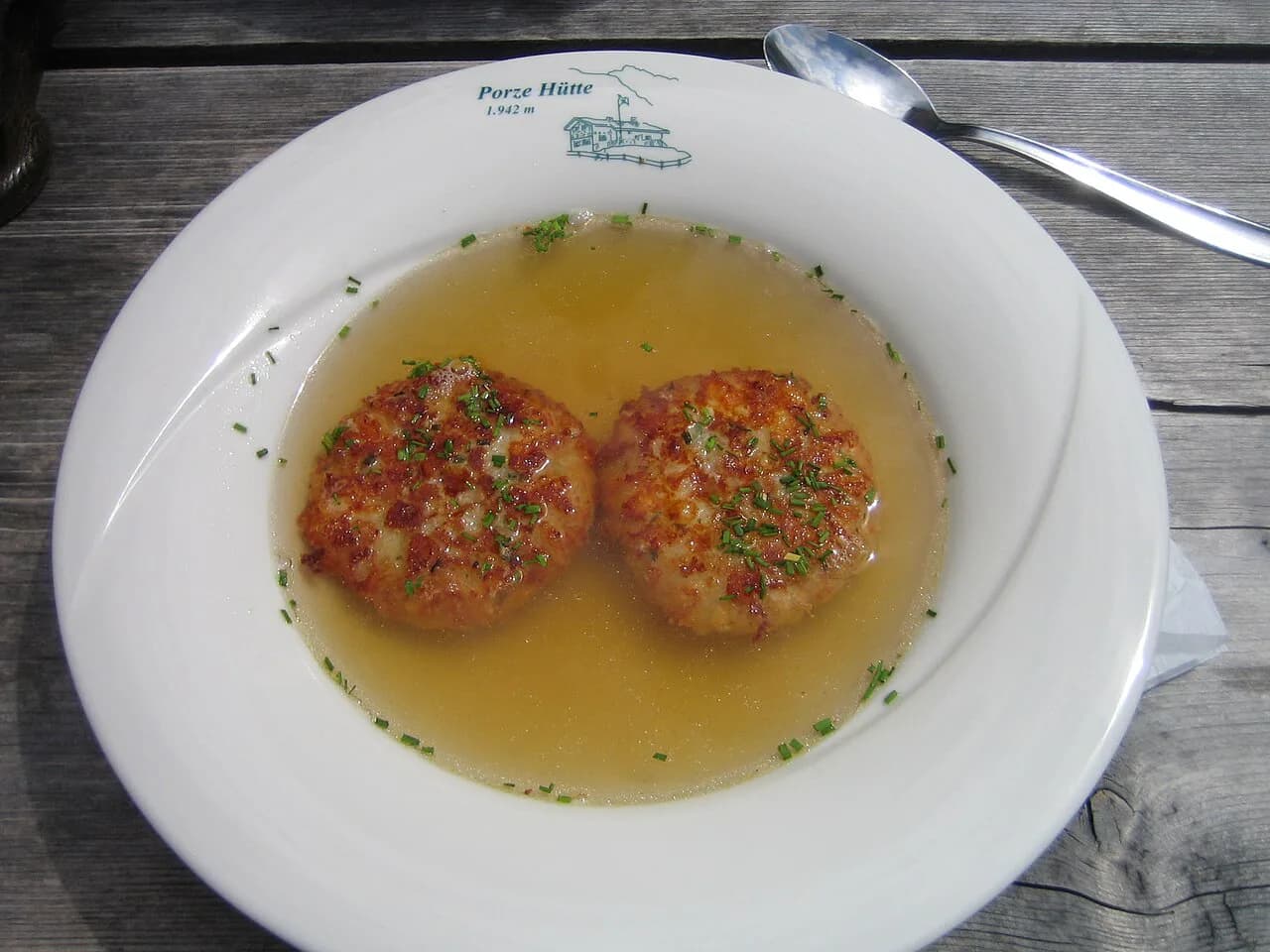
Alpine cooking in Austria is built on making a lot from a few local ingredients, and the tourism board describes a modern version that moves between rustic huts and ambitious restaurants while keeping regional produce at the center. In village inns, look for cheese and dairy from small mountain farms: the Milchbuben in Hopfgarten im Brixental, for example, age their own organic hay-milk into camembert and oven cheese.
Craft also travels well as a souvenir. Gmundner Keramik has been made by hand in Gmunden on the Traunsee since 1903, and the Goiserer shoemaker in Bad Goisern still makes mountain boots from a model designed 140 years ago. Both sit in the Salzkammergut, which fits a route between Salzburg and the Dachstein rather than the western Tyrol.
What to skip, and the trade-offs of small villages
The trade-off is straightforward. A lake town like Zell am See gives you frequent trains, shops and a promenade, but also midday crowds and a summer hotel market that fills early. A Bergsteigerdorf gives you empty streets and the sense of a place that has kept its shape, but often one bus a day, limited dining and a season that closes earlier than the valley towns. Neither is better; they serve different travelers.
Which Alpine village should anchor your route?
Anchor the trip on one town with a rail station and a real center, then add one quiet village and one lake or gorge stop. Feldkirch, Zell am See, Bad Gastein and Lienz give you the services; the Bergsteigerdörfer and Alpine Pearls villages give you the contrast. Keep the number of small stops low, because the time cost is in the last few kilometers, not the distance between towns.
Explore more Innsbruck guides
- Ehrwald: A Tyrolean Mountain Village Below the Zugspitze
- Gerlos: The Tyrolean Village Between the Zillertal Arena and the Krimml Road
- Imst: A Tyrolean Town Guide to the Old Center, the Rosengartenschlucht and Hoch-Imst
- Landeck: A Practical Guide to the Castle Town Above the Inn
- Pitztal in Summer
- Plansee: The Long Alpine Lake Near Reutte in Tyrol
- Reutte: A Practical Guide to Tirol's Ausserfern Town
- Stams Abbey
- Stubai Valley
- Timmelsjoch
Frequently Asked Questions
Does Salzburg have the Alps?
Salzburg city sits at the northern edge of the Alps, and the province of SalzburgerLand extends deep into the mountains. Villages such as Bad Gastein, Werfenweng and Zell am See-Kaprun are all in SalzburgerLand, so the city works as a rail starting point for an Alpine village route.
What are some of the major towns in Austria's Alps?
Among the Alpine towns, the official tourism board names Bregenz on Lake Constance, Innsbruck below its mountain backdrop, Salzburg and Lienz in East Tyrol. Innsbruck and Salzburg serve best as arrival points, while Lienz and Bregenz are places to stop in their own right.
Sources
Notes for your next Austrian town break
Optional updates when we add or revise town guides.
You might also like
Continue reading
More guides you'll find useful