Tyrol, Austria: A Practical Guide to the Region Beyond Innsbruck
Tyrol is Austria's western Alpine state around Innsbruck and the Inn Valley. Here is what each part offers and how to move between valleys by train and bus.
On this page
Tyrol is the Austrian Alpine state built around Innsbruck and the Inn Valley, and that single fact settles most route questions: you plan along the valley, then branch off. It should not be confused with South Tyrol, the Italian part of the same historical region, which sits across the Brenner Pass and runs on Italian transport and ticketing. This guide covers what each part of Austrian Tyrol offers a summer visitor and how the trains and buses connect.
The historical region of Tyrol was a county of Austria-Hungary until 1919, when it was divided after World War I into an Austrian north and an Italian south. Austrian Tyrol itself comes in two blocks, North Tyrol and East Tyrol, and the two are not joined to each other; East Tyrol lies beyond the main Alpine crest and is reached separately from the Inn Valley. That split matters when you build an itinerary, because reaching Lienz is a separate decision from reaching Kufstein.
What Tyrol is and where it sits
Austrian Tyrol borders Bavaria to the north, the state of Salzburg to the east, Carinthia to the southeast, Vorarlberg to the west, and Italy to the south, with the Brenner Pass as the main crossing to South Tyrol. Those borders explain the shape of a trip: many visitors enter from Munich, exit toward Salzburg or Carinthia, and use Innsbruck as the hinge. The wider region also takes in the Italian provinces around Bolzano and Trento, which cooperate with Austrian Tyrol as the Tyrol-South Tyrol-Trentino Euroregion.
German is the everyday language in North and East Tyrol, while South Tyrol is majority German-speaking with Italian and Ladin alongside. Tyrol is also the setting of the Andreas Hofer story, the rebellion against Napoleonic forces in the early 1800s that still gives the region one of its reference points. For a traveler, none of this changes logistics much, but it does explain why Tyrolean identity is spoken of as something wider than the Austrian state.
How Tyrol is laid out: the Inn Valley as the spine
The Inn Valley is the spine. Innsbruck sits in the middle of it, Kufstein anchors the northeastern end near Bavaria, and Landeck guards the western end where the valley roads split. Almost every rail journey in the state passes along this line, which is why a base on the Inn gives you options without moving hotels.
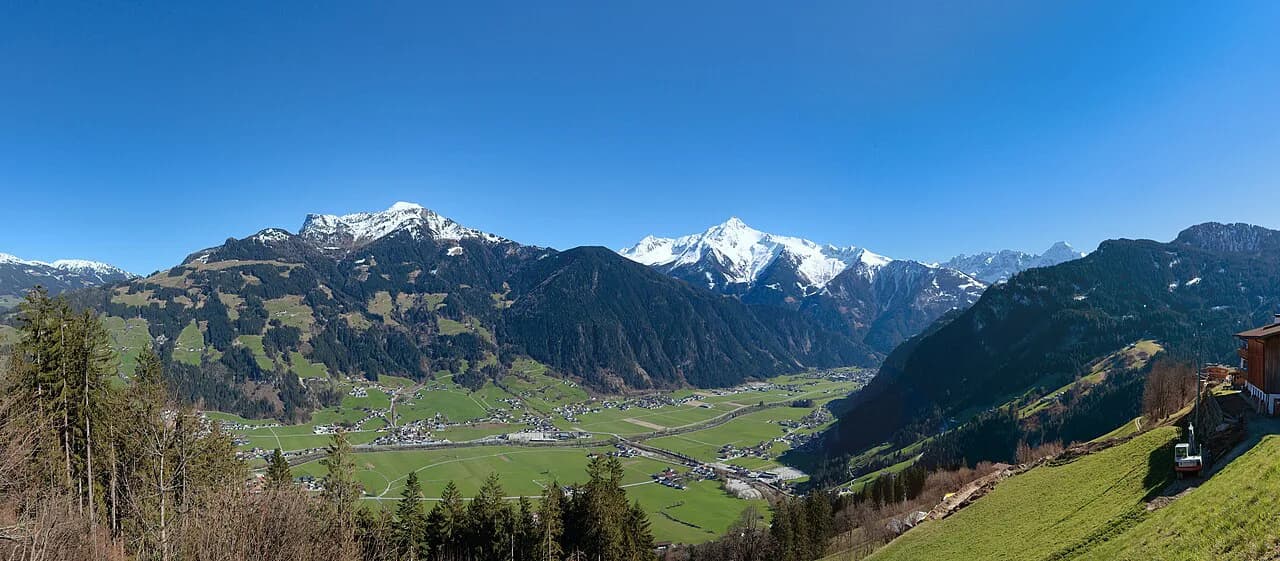
Side valleys branch south off the Inn: the Zillertal, the Stubai Valley and the Ötztal are the three that shape most summer itineraries. Kitzbühel lies southeast of Innsbruck on its own rail line, with the Hahnenkamm rising directly above town. East Tyrol around Lienz is the exception to the whole pattern, a separate block rather than a quick branch from Innsbruck.
Read the map as a trunk line with feeders and the planning becomes simple: pick an Inn Valley base, then choose valleys by travel time rather than by wish list. Trying to combine Kufstein, Kitzbühel and two side valleys in one day reads well on paper and collapses in practice.
Innsbruck in a day: Old Town, Goldenes Dachl and the Nordkettenbahn
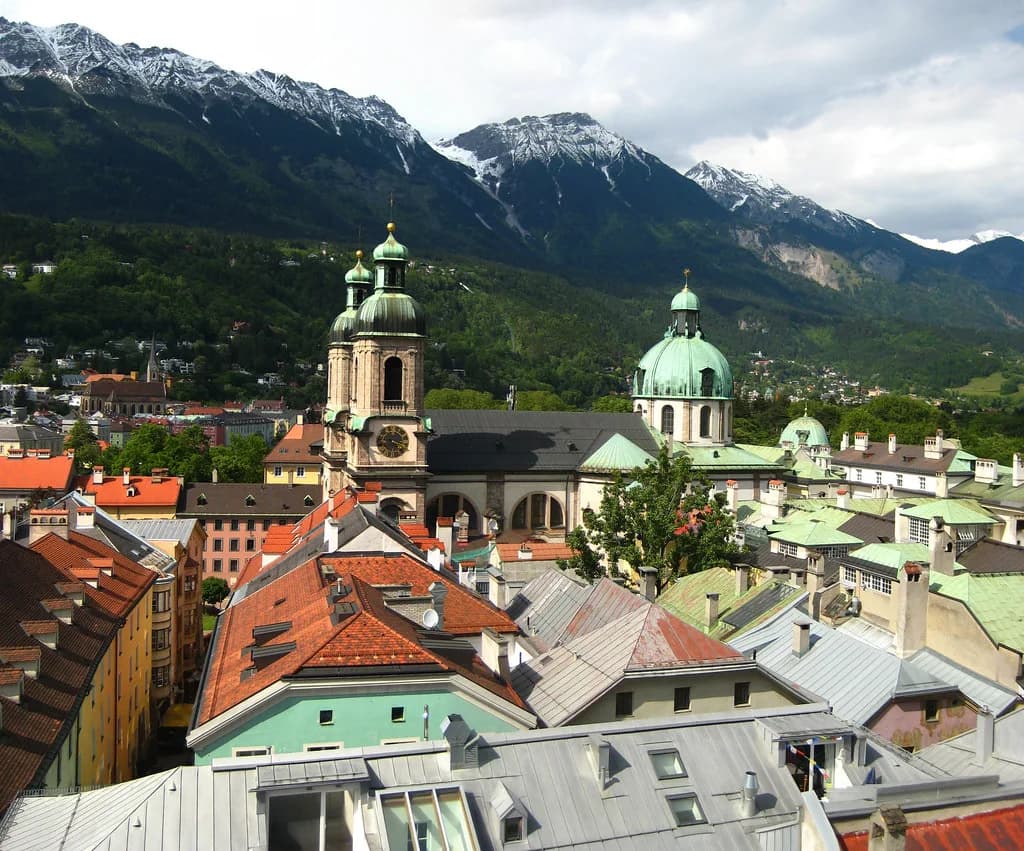
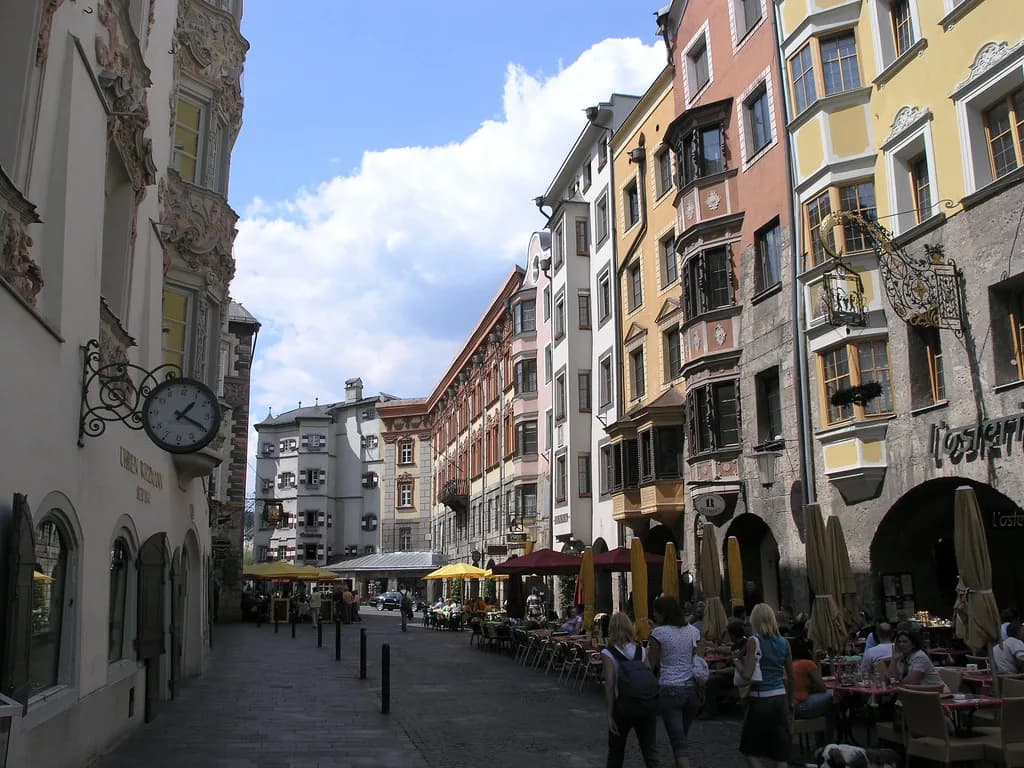
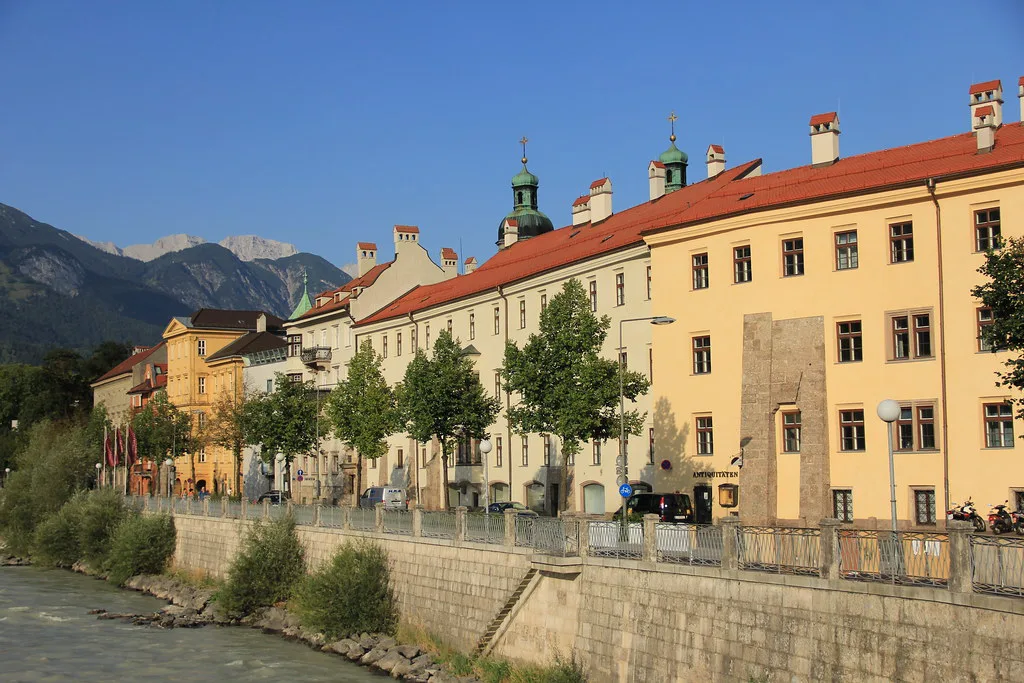
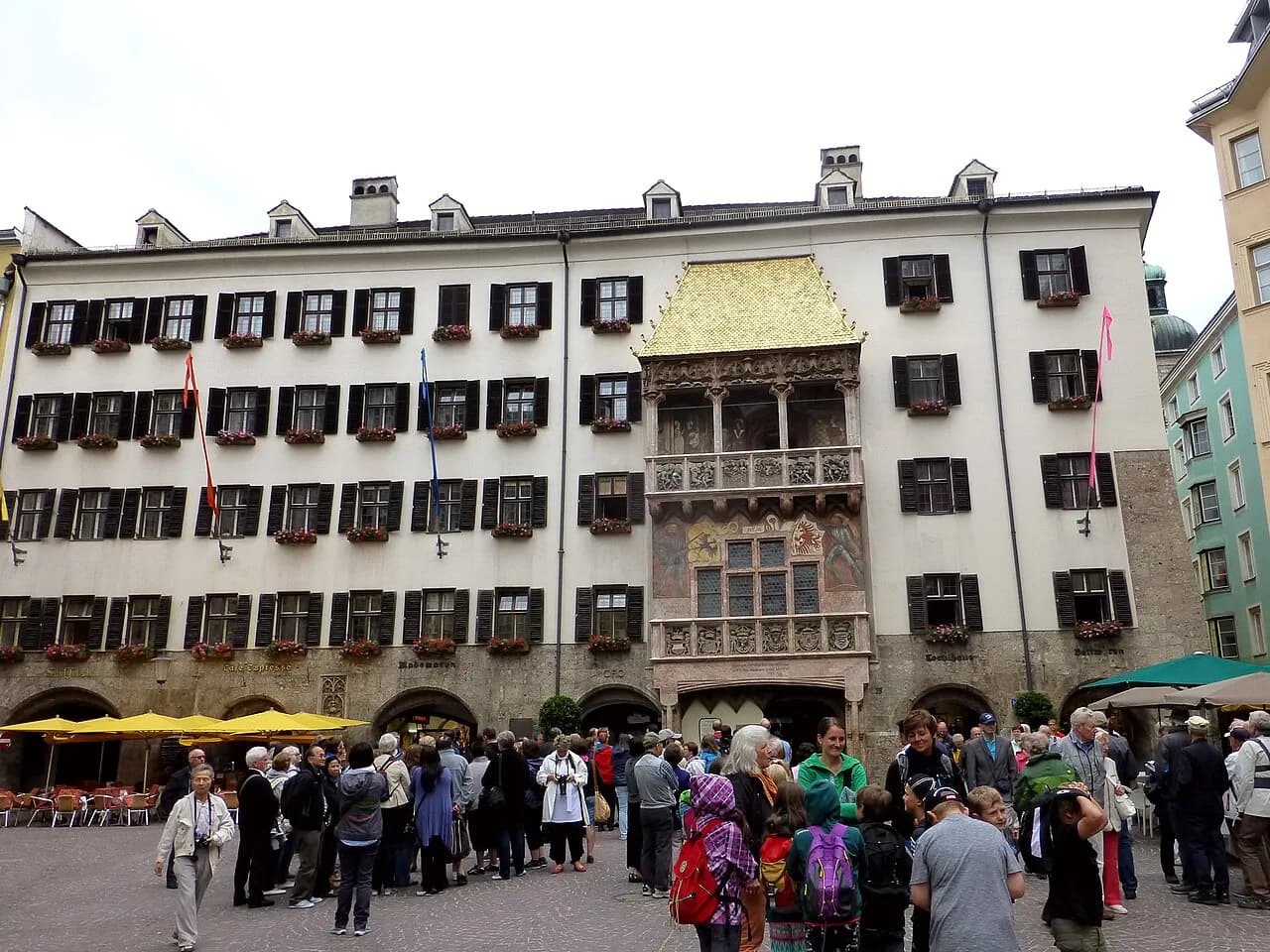
Innsbruck is compact enough for a single day of sightseeing if you stay in the center. The Old Town holds the Goldenes Dachl, the gold-roofed balcony that serves as the city's emblem, and the nearby streets carry most of the architecture a short visit is after. The Tyrolean State Museum gives the Old Town a second layer when the weather turns.
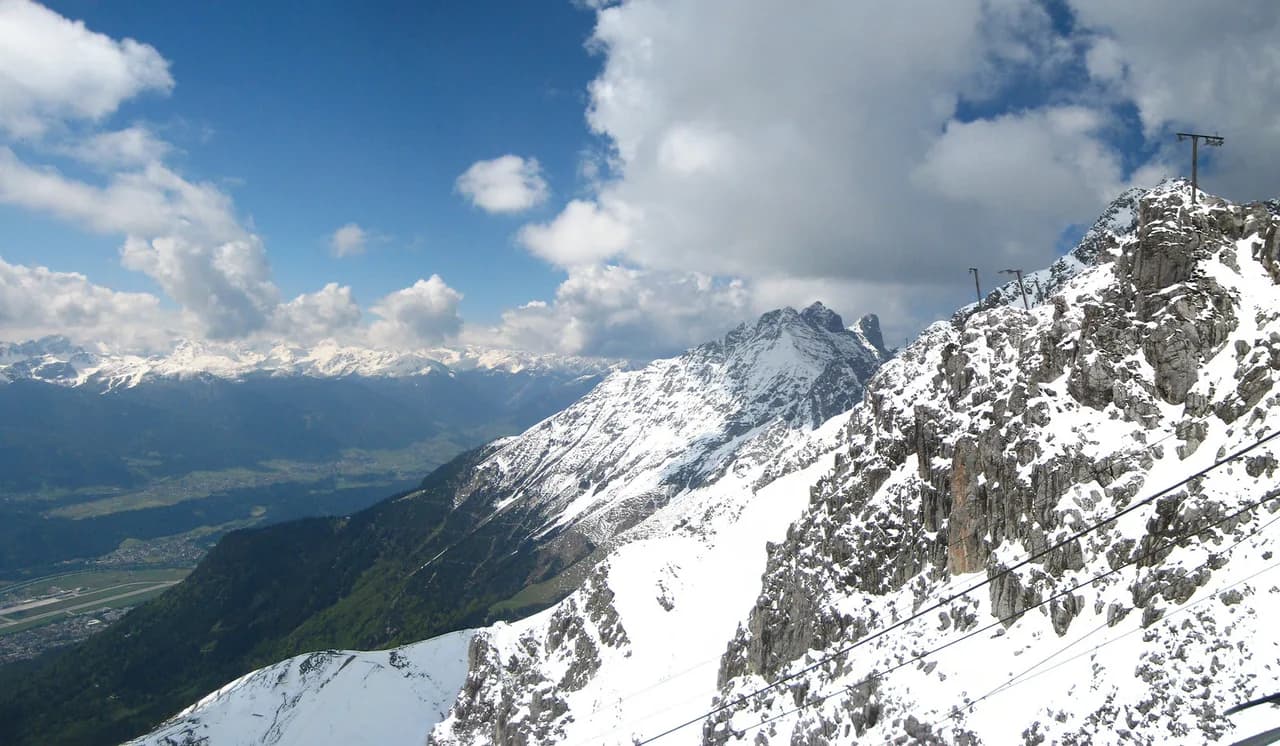
The Nordkettenbahn lifts you from the city center into the Tyrolean mountains in about twenty minutes, which makes it the one mountain excursion you can fold into a sightseeing day without a car. The trade-off is weather: a cable car into cloud buys you nothing, so keep the mountain for the clearer half of your stay. Build the rest of the day around the Old Town and the riverside instead.
For a fuller picture of the city's sights, from the Hofkirche to the Bergisel, there is enough to fill more than a day, so it is worth reading up on the full range of things to do in Innsbruck before you decide how long to stay. Most travelers treat Innsbruck as a transport hub with a good Old Town and are surprised by how much they leave behind.
Kufstein and the fortress town on the Inn
Kufstein sits on the Inn at the Bavarian edge, close enough to Munich that many visitors see it before they see Innsbruck. The town's identity is its fortress, the Festung Kufstein, raised above the river and visible from the rail approach. The old center below is small and walkable, which makes Kufstein a sensible first or last stop on a Tyrol route rather than a detour. If you are weighing it against Innsbruck as a base, our Kufstein guide sets out the fortress, the old town and the Inn riverfront.
Access to the fortress runs on seasonal operating hours, and the operator's own visitor information is the page to check before you build a day around it. Because Kufstein is so close to Bavaria, it works best as a bridge between a German arrival and an Austrian itinerary.
Kitzbühel and the Hahnenkamm side of the state
Kitzbühel lies southeast of Innsbruck on the rail line through Wörgl, with the Hahnenkamm rising directly behind the town. The town center itself is a compact grid of painted facades and arcades that takes an hour or two on foot.
If the Hahnenkammbahn is running during your visit, it gives direct access to the mountain without a car. Treat Kitzbühel as a half-day town plus a mountain excursion, not as a base for the whole state.
The Zillertal, Stubai and Ötztal valleys in summer
Each of the three big side valleys gives a summer visitor the same basic package: a valley floor with a rail or bus spine, villages that work as bases, and mountain transport that climbs from the valley to higher ground. The Zillertal is the longest and busiest, with a narrow-gauge railway running its length from Jenbach on the Inn. It rewards travelers who want a valley they can explore without driving.
The Stubai Valley runs south from near Innsbruck and is the shortest hop from the city, which makes it the easiest valley to add to a city-based stay. Villages along the valley floor are connected by bus.
The Ötztal is the longest side valley in the state, running from the Inn near Imst deep into the Alps, with waterfalls and Alpine roads along the way. It suits travelers who accept longer transfers in exchange for bigger landscapes, and it is the least practical of the three as a day trip from Innsbruck.
Smaller valley places fill in the picture. Imst, on the Inn west of Innsbruck, has an old center. Ehrwald sits below the Zugspitze in the far northwest, near the German border and the Plansee road, and works as a mountain village base rather than a rail hub.
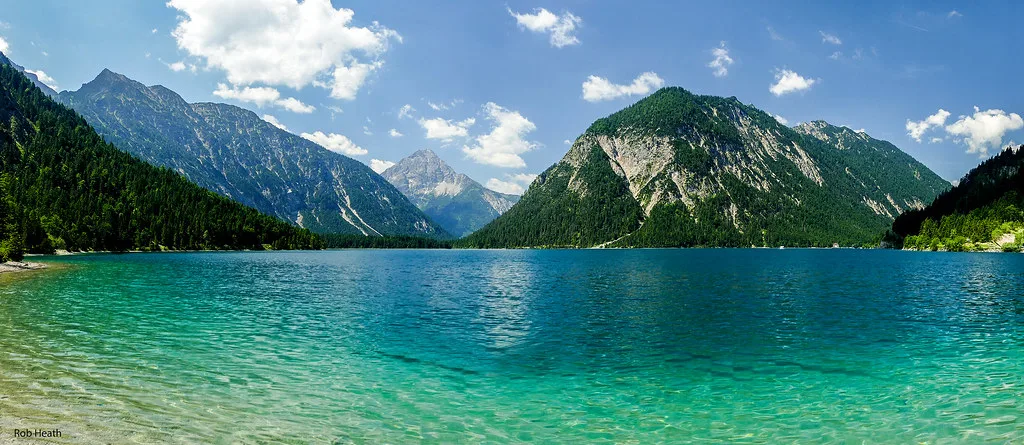
The Plansee is a long Alpine lake near Reutte, in the Reutte district of Tyrol, on the road toward Bavaria. It is a stop for drivers more than a rail destination, and its appeal is the water and the quiet rather than a town.
East Tyrol around Lienz and the Felbertauern side
East Tyrol is a separate block of the state, with Lienz as its main town, reached on its own line rather than from Innsbruck along the Inn. The land here is higher and drier, with the Lienz basin opening under the Lienz Dolomites. Because it sits apart, East Tyrol rarely fits a short trip unless you accept a longer connection or a car.
The Kals am Grossglockner area lies on the Grossglockner side of East Tyrol and gives access to high mountain country without a long valley detour. Include East Tyrol when you are heading toward Carinthia anyway; skip it when your route is a loop around Innsbruck.
Getting around Tyrol by train and Postbus
The main Inn Valley line carries the trains between Kufstein, Innsbruck, Imst and Landeck, which covers the trunk of most Tyrol itineraries. Side valleys connect by branch railway or bus, such as the Zillertal line from Jenbach, with buses filling the gaps. For actual departure times, consult the ÖBB and Postbus timetables rather than relying on any figure quoted here.
A car helps in the side valleys where bus frequency thins, and it is close to essential for reaching some of the smaller mountain villages. The trade-off is the familiar one: cars mean toll roads, parking search and a designated driver. The Brenner route also serves as the link south to Italy when that is part of the plan.
Where to base yourself for two or three nights
For two or three nights, Innsbruck is the safest base: it hits every rail line, has the deepest choice of food and museums, and lets you take a valley excursion without repacking. The cost is that you wake up in a city rather than in the mountains.
A valley base in the Zillertal or the Stubai Valley gives you mountain mornings and shorter transfers into higher ground, at the price of a rail change on the Inn. Kufstein works for a border-side arrival, and Kitzbühel for the eastern end of the state. East Tyrol belongs in a different itinerary entirely.
The Zillertal also has its own road over the Gerlos pass toward the Salzburg side, and Gerlos village sits along that route, which makes it a sensible link when your trip continues east.
What a Tyrol route costs and the toll-road question
Ticket prices for cable cars, fortresses and museums change from season to season and are set by each operator, so budget from the operators' own published prices rather than from any figure quoted in a guide. For trains, ÖBB publishes its own fares and discount cards, and for buses, Postbus publishes regional fares. Mountain road tolls are charged separately where they apply.
The toll-road question is mainly about where you drive, not how far. Alpine routes with tolls are signed and charged at the barrier or online, and some high passes close seasonally. Build those costs into a car decision before you commit to a valley base that depends on one.
Common mistakes: Tyrol versus South Tyrol, and too many valleys
The first mistake is treating Tyrol and South Tyrol as one destination. They share history and landscape, but the border at the Brenner brings a different language mix and a different transport system. Say South Tyrol when you mean the Italian side; say Tirol when you mean the Austrian state.
The second mistake is trying to see multiple valleys in one day. Each side valley runs deep off the Inn, and a round trip from Innsbruck into the Ötztal and back eats the better part of a day before you have seen anything. Pick one valley per day and leave the rest for another trip.
Which part of Tyrol should anchor your trip?
Anchor the trip on the Inn Valley. Base in Innsbruck for a first visit, add Kufstein or Kitzbühel as an eastern extension, and take one side valley as a full-day excursion rather than two. East Tyrol and Lienz belong in a separate itinerary that continues toward Carinthia, not in a short loop.
If you want mountains outside the window rather than across town, move your base into the Zillertal or the Stubai Valley for two of your nights. That single change gives you the Alpine half of Tyrol without giving up the rail spine that connects everything else.
Explore more Innsbruck guides
- Austrian Alps Villages
- Ehrwald: A Tyrolean Mountain Village Below the Zugspitze
- Gerlos: The Tyrolean Village Between the Zillertal Arena and the Krimml Road
- Imst: A Tyrolean Town Guide to the Old Center, the Rosengartenschlucht and Hoch-Imst
- Landeck: A Practical Guide to the Castle Town Above the Inn
- Pitztal in Summer
- Plansee: The Long Alpine Lake Near Reutte in Tyrol
- Reutte: A Practical Guide to Tirol's Ausserfern Town
- Stams Abbey
- Stubai Valley
- The Austrian Alps
- Timmelsjoch
- Tratzberg Castle
- Waterfalls in Austria
- Zillertal
- Ötztal: A Practical Guide to the Valley's Summer Sights
Frequently Asked Questions
What does Tyrolean mean?
Tyrolean describes the people, culture and food of the historical Tyrol region, which today spans the Austrian state and the Italian province of South Tyrol. In practice you will see the word on menus, on traditional dress and in the names of local organizations on both sides of the Brenner.
What are some cities near Tyrol?
The nearest large cities outside the state are Munich to the north in Bavaria and Salzburg to the east, both connected to Innsbruck by rail. To the south across the Brenner Pass, Bolzano and Trento in Italy sit in the historical Tyrol region, and to the west, Vorarlberg and the Swiss border lie along the Rhine valley.
Does South Tyrol want to be part of Austria?
South Tyrol has been part of Italy since the post-World War I division of Tyrol and today forms the province of Bolzano within the Italian region of Trentino-Alto Adige. It cooperates with Austrian Tyrol through the Euroregion. For travel purposes, treat it as Italy: Italian and German are both spoken, and Italian transport tickets and rules apply.
Sources
Notes for your next Austrian town break
Optional updates when we add or revise town guides.
You might also like
Continue reading
More guides you'll find useful