Waterfalls in Austria: Krimml, Golling and What Each Visit Takes
Waterfalls in Austria, from the 380-meter Krimmler Wasserfälle to the Gollinger Wasserfall in the Tennengau: access, seasons, walk lengths and honest trade-offs.
On this page
The waterfall most travelers should plan around is the Krimmler Wasserfälle in the Nationalpark Hohe Tauern, a 380-meter, three-step fall reached by a 4 km trail with several viewpoints. The Gollinger Wasserfall near Salzburg is the easier counterpoint: roughly 75 meters in two steps, on a short path, minutes from the autobahn. This guide covers what each visit involves, when the water volume peaks, and how to slot one into a route through Tyrol and the Salzburger Land.
Figure out the effort first, because the two falls reward completely different days. Krimml is a half-day commitment built around climbing; Golling is a stop you can fold into a drive between Salzburg and the Tennengau. Lower Austria, well east of both, has its own water landscapes: quiet lakes, narrow gorges and waterfall walks, including the Ysperklamm, once used for log floating, and the Trefflingfall.
What the Big Austrian Waterfalls Have in Common
Austrian waterfalls are seasonal attractions, and the season shapes the trip more than the height figure does. Krimml opens to visitors from mid-April to the end of October, so a November or March visit means looking elsewhere. Access is typically a purpose-built trail with viewpoints rather than a roadside pull-off, and the water itself varies enormously through the year.
Budget for two separate costs: any entry or parking charge at the site, and the time the walk takes out of your day. Neither is set out as a fixed figure here, so confirm the current ticket price at the ticket desk or the site's own ticket page before you commit a day. What you can plan confidently is the walking distance and the climb, both published for Krimml and for Golling.
Krimmler Wasserfälle: Three Falls and a 4 km Trail
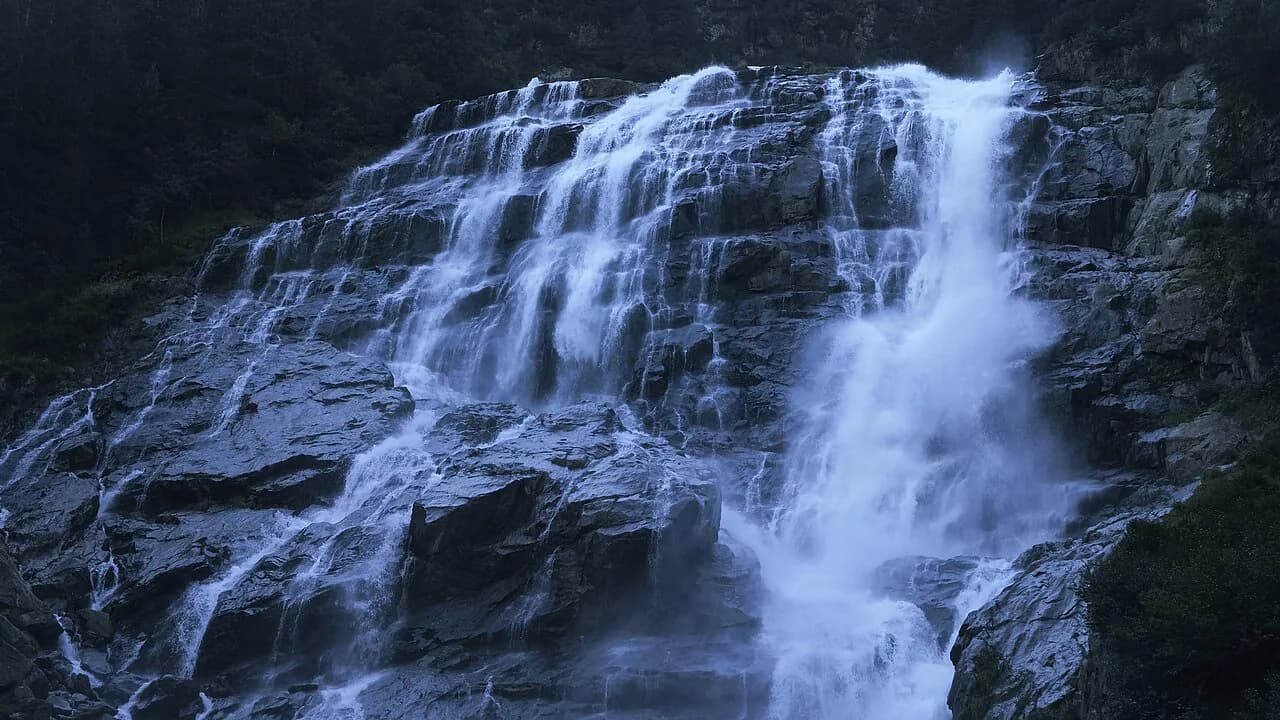
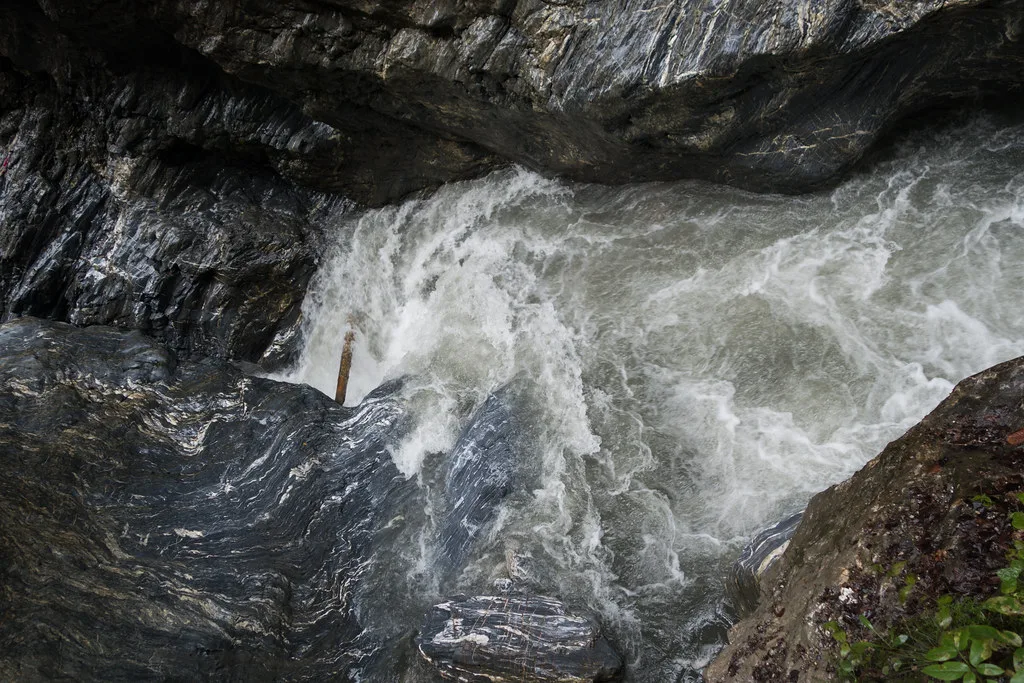
The Krimmler Wasserfälle drop about 380 meters in total, one of the largest falls in Europe, split into three stages: the Unterer, Mittlerer and Oberer Achenfall. A 4 km walking path with multiple viewing platforms runs alongside them, and that route climbs roughly 431 meters from start to top. Treat it as a proper walk, not a photo stop.
The payoff is proximity: the path puts you close enough that the spray reaches you, which is welcome on a hot summer afternoon and bracing on a cool one. The WasserWelten Krimml information and experience center sits directly beside the falls, making it the natural start point and a place to orient before the climb. Allow for the return leg on the same path, since the elevation gain works in both directions.
Krimml Season and the June-July Peak Flow
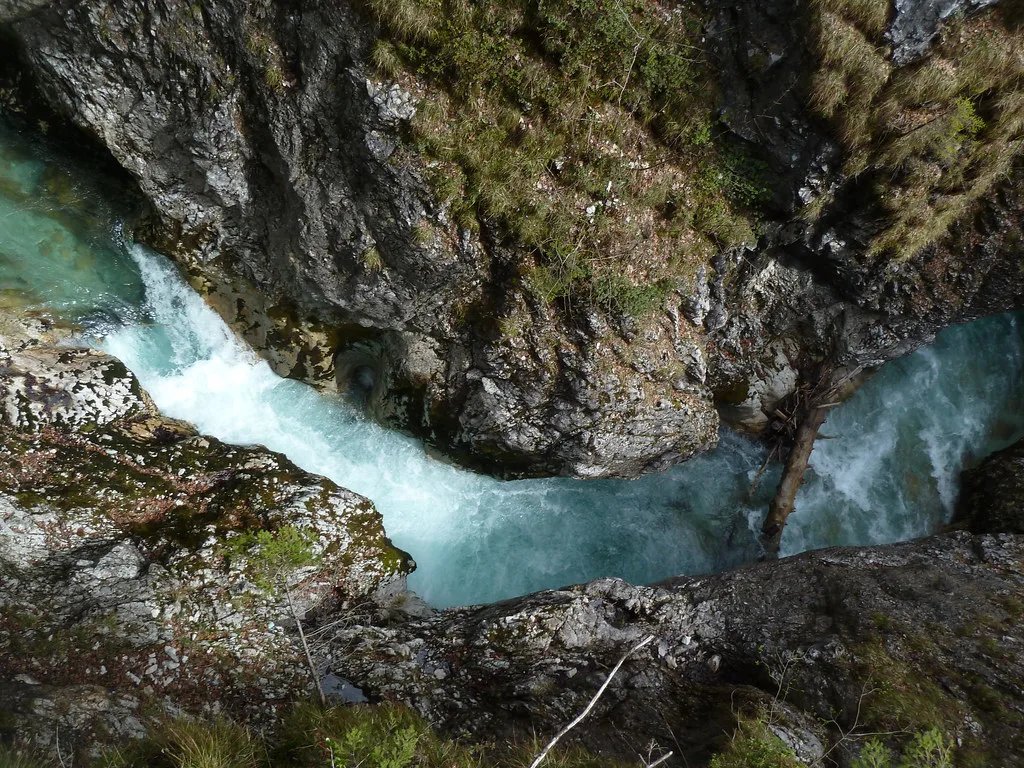
Krimml's visiting window runs from mid-April to the end of October, and within that window the water volume is not constant. June and July bring the highest flow of the year, when snowmelt feeds the Achenfall at its fullest. If seeing the falls at maximum power is the point of the trip, those two months are the ones to target.
That timing has a trade-off: peak flow coincides with peak summer travel, so the trail and the viewpoints are busiest then. An early start gets you up the path before the crowds build, and the cooler morning air makes the climb easier. Visits at the edges of the mid-April to end-of-October window can be quieter, though they may come with less water.
Gollinger Wasserfall: Two Steps, Roughly 75 Meters
The Gollinger Wasserfall in the Tennengau falls about 75 meters in two stages, and an official walking path reaches it on an easy route. The upper step is spanned by a natural rock bridge, and the fall is fed by a karst spring that flows through the Schwarzbachfall cave system. It is also known as the Schwarzbachfall or Schwarzenbachfall.
The path here has a long history: development began in 1798 under Prince Ernst Schwarzenberg and was finished in August 1805. An obelisk near the falls commemorates him, standing beside the walking path rather than in a formal plaza. Look for it on the way up, because most visitors walk straight past it toward the water.
Golling Practicalities: Between Autobahn and Karst Spring
The odd thing about Golling is its geography. The autobahn runs roughly 500 meters from the waterfall as the crow flies, yet at the falls the traffic is neither seen nor heard, and the setting reads as secluded. That combination makes it a highly efficient nature stop on a Salzburg-area drive.
The spring water stays cold all year, holding at about 5 to 6 degrees Celsius, so expect a chill in the air near the fall. Flow varies wildly with the season and the cave's discharge, from a trickle to a torrent, which means two visits can look entirely different. Bring a layer even on a warm day.
Lower Austria: Gorge and Waterfall Walks
Travelers already on a Danube or Waldviertel itinerary do not need to cross the country to see falling water. Lower Austria's water landscapes include quiet lakes, narrow gorges and waterfall walks, among them the Ysperklamm, once used for log floating, and the Trefflingfall, the highest waterfall in the province.
Many of these falls change character through the year, running stronger in spring when meltwater and spring flow swell the streams. Lake walks at the Lunzer See and the turquoise Erlaufsee give an easy add-on to a gorge or waterfall stop on the same day. Distances, fees and seasons vary by site, so confirm locally before building a day around one.
Fitting a Waterfall into a Tyrol-Salzburg Route
Krimml lies at the western edge of the Salzburger Land, and basing in the Zillertal or elsewhere in North Tyrol puts it within reach as a long day out. Travelers starting in Innsbruck or the Zillertal can treat Krimml as a full-day excursion; those heading east toward Salzburg should plan the Golling stop instead.
By public transport, plan around train and Postbus connections rather than assuming a direct service to the trailhead, and check the current timetable for the day you travel. By car, Krimml involves mountain-road driving with seasonal alpine passes to consider, while Golling is a short exit off the autobahn. Whichever you choose, build in the walk time plus the return, and keep the drive home out of the dark.
Timing the Visit: Morning, Midday and the Spring Melt
Morning is the better half of the day at both falls. At Krimml it means the cooler part of the day for the 431-meter climb; at Golling it means softer light on a short path. Midday in high summer brings the heaviest foot traffic and, at Krimml, the strongest spray.
Water volume decides how impressive the fall looks, and at Krimml it follows the snowmelt. Krimml peaks in June and July, while Lower Austria's falls generally run stronger in spring. Shoulder-season visits can still be worthwhile at Krimml within the mid-April to end-of-October window, but expect less water.
What to Wear and Expect on Sprayed Paths
Paths beside big falls are wet, and at Krimml the spray reaches the trail on warm days. Waterproof footwear with grip matters more than a rain jacket, since the rock and wooden steps stay slick. A dry bag or a plastic sleeve for a phone keeps your photos from ending in a fogged lens or a soaked pocket.
At Golling the cold spring water keeps the air near the fall cool year-round, so a light layer earns its place even in midsummer. On the Krimml trail the climb warms you quickly, which argues for layers you can shed rather than one heavy jacket. Either way, leave the flip-flops in the car for both walks.
Which Falls Pair on One Drive
Krimml and Golling sit on opposite sides of the Salzburger Land, so pairing them in one day means a long drive; pairing each with a nearer stop makes more sense. Krimml works as an extension of a Zillertal or North Tyrol day, and Golling works with a Salzburg or Tennengau loop. Travelers on a Danube itinerary should choose a Lower Austrian gorge instead of crossing to Tyrol.
Map your choices before you book anything: Krimml in the west, Golling in the center-south, the Lower Austrian falls in the east. Keeping the waterfall on the same side of the country as the rest of your route saves hours of driving and leaves room for the walk itself. Base the plan on your route, then confirm the season and ticket details for the site you pick.
Which Waterfall Fits Your Route
Choose Krimml if you want the big set piece: 380 meters of fall, a real 4 km trail and a June or July visit timed for peak flow. Choose Golling if you want a short, easy path and a stop that costs you little time off the autobahn. If your trip runs along the Danube, a Lower Austrian gorge or waterfall is the smarter pick.
Whichever you pick, set the season and the walking time first, then arrange transport and tickets around them. That order keeps the day realistic and leaves the waterfall as the highlight rather than the reason the schedule collapses. Confirm current prices, opening dates and transport times with the site or operator before you set out.
Explore more Innsbruck guides
- Ehrwald: A Tyrolean Mountain Village Below the Zugspitze
- Gerlos: The Tyrolean Village Between the Zillertal Arena and the Krimml Road
- Imst: A Tyrolean Town Guide to the Old Center, the Rosengartenschlucht and Hoch-Imst
- Landeck: A Practical Guide to the Castle Town Above the Inn
- Pitztal in Summer
- Plansee: The Long Alpine Lake Near Reutte in Tyrol
- Reutte: A Practical Guide to Tirol's Ausserfern Town
- Stams Abbey
- Stubai Valley
- The Austrian Alps
- Timmelsjoch
Sources
Notes for your next Austrian town break
Optional updates when we add or revise town guides.
You might also like
Continue reading
More guides you'll find useful