Timmelsjoch: Austria's High Alpine Road from the Ötztal
The Timmelsjoch High Alpine Road links the Ötztal with South Tyrol. See the five Experience stations, the Pass Museum and Timmel Transit.
On this page
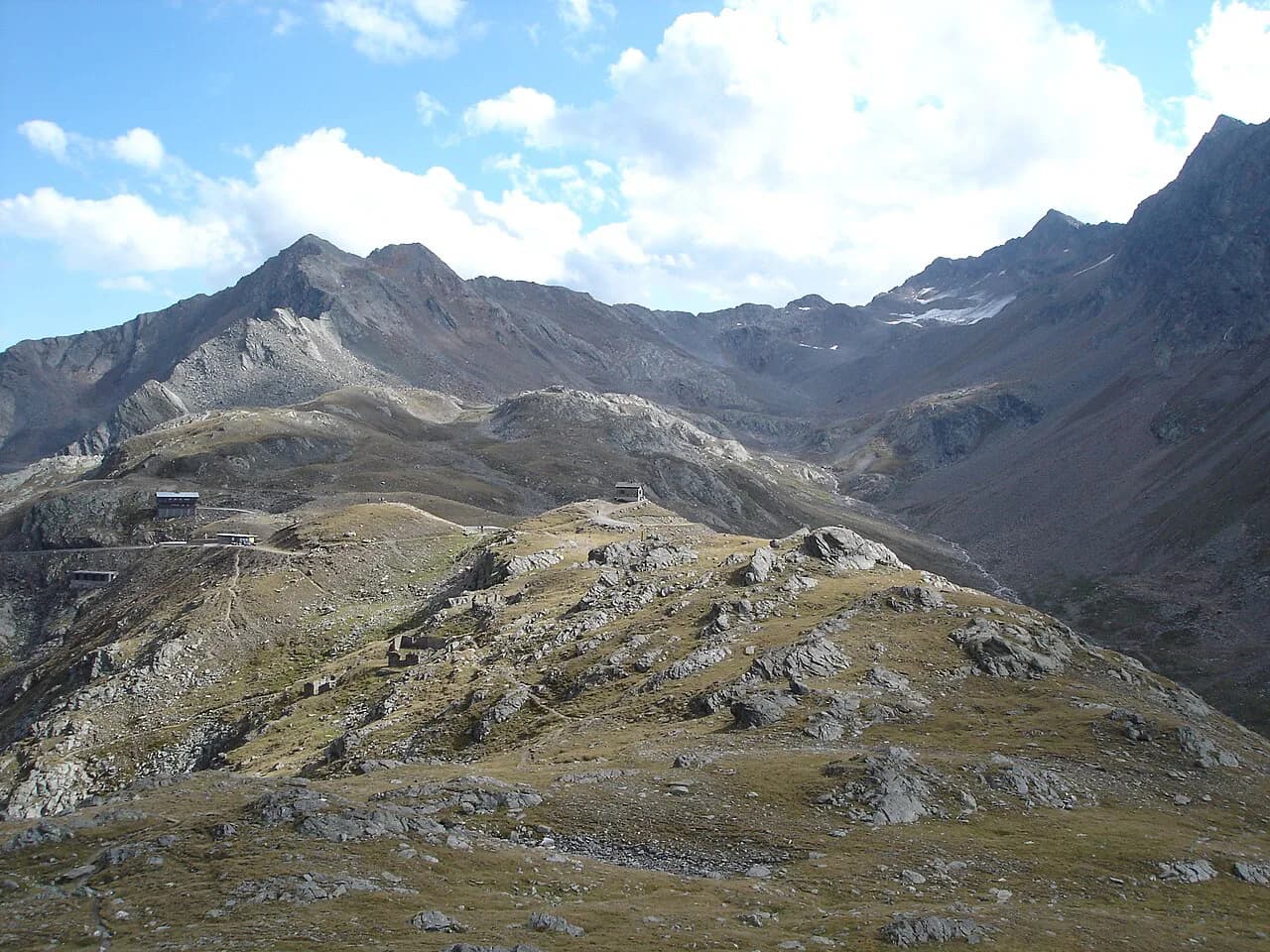
The Timmelsjoch is the high alpine road that carries you from the Ötztal in North Tyrol over a 2,509 m pass and down into the Val Passiria (Passeiertal) in South Tyrol, Italy. It is a toll road, and the five Timmelsjoch Experience stations along it, including the Pass Museum at the top, are freely accessible. This guide explains where the road runs, what each station shows and how to plan the drive around the short high-altitude season.
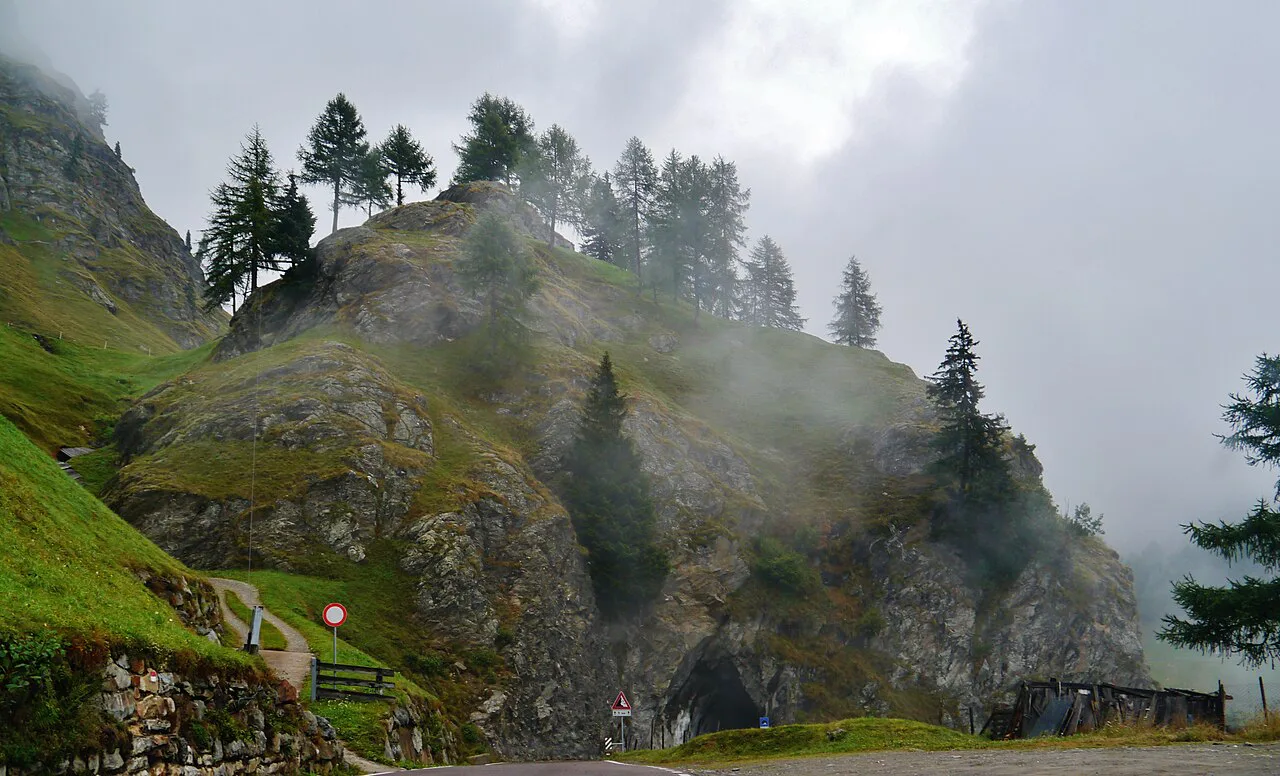
Treat the Timmelsjoch as a half-day crossing rather than a quick shortcut. The road climbs from the upper Ötztal through Hochgurgl to the pass height, crosses the state border, then descends through the Passeier valley toward Sankt Leonhard in Passeier and Meran. Because the top sits above 2,500 m, snow clearance and weather decide when it opens at all.
Where the Timmelsjoch road starts and ends
On the Austrian side, the toll road begins above Obergurgl and Hochgurgl at the head of the Ötztal, the long side valley that runs south from the Inn valley near Imst. On the Italian side it drops into the Val Passiria and continues toward Meran. That makes it a natural southbound link if you are driving from the Innsbruck side toward South Tyrol rather than looping back through the Brenner.
The geography matters for planning: the Austrian approach is a steady climb through a high, sparse valley, and the pass height itself is the border. The Pass Museum is built on North Tyrolean ground but extends 16 metres into South Tyrolean territory, so you can stand in one country and look into the other from the same building.
The toll road: what the charge covers
The Timmelsjoch is a toll road, with the charge applying to the drive over the pass itself. The five Experience stations, including the Pass Museum, are free to visit once you are up there, so the toll is for the road, not for the sights. Confirm the current rate and vehicle categories before you set out.
The road is a well-known motorcycling route on both sides of the border. If you are driving a rental car from Austria into Italy, check with the rental company that cross-border travel is allowed before you commit to the crossing.
The five Timmelsjoch Experience stations
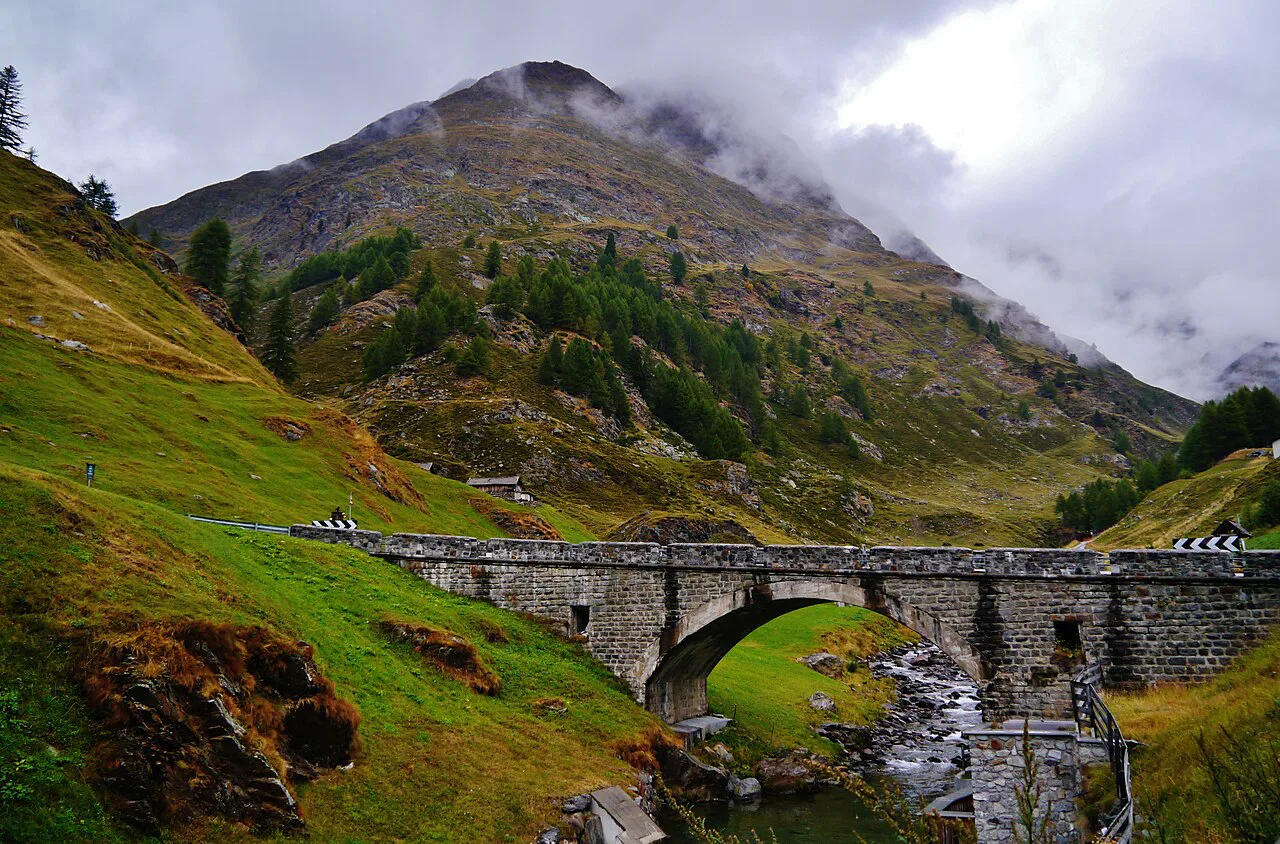
The Timmelsjoch Experience spreads across five stations that together explain the pass's history, nature, culture, economy and the people who lived around it. They are the Smuggler, Telescope, Garnet, Walkway and Pass Museum stations, and they sit on both sides of the border. Three stations are in the Val Passiria, the Walkway stands at the toll station in Hochgurgl, and the Pass Museum crowns the pass height.
Plan the stops into the drive rather than treating them as an afterthought. The Walkway at the Hochgurgl toll station is the first you meet coming up from the Ötztal, the Pass Museum is the summit highlight, and the three South Tyrolean stations come on the descent. Allow time for several stops if you want to read the panels.
The Pass Museum at the pass height
The Pass Museum is Austria's highest museum, built at the border and designed by architect Werner Tscholl with forms drawn from the local rock. Inside are an ice cave and a pre-Christian fibula found in the area, which points to the pass being crossed around 300 BC. The exhibits also cover the pioneers and the building of the high alpine road.
Its position is the point: the structure stands on North Tyrolean ground and reaches 16 metres into South Tyrol, so the museum is literally a border building. It is freely accessible along with the other stations. Expect cold, wind and changeable conditions at this altitude even in midsummer, and dress for the top rather than for the valley you left.
Timmel Transit and the road-building story
Timmel Transit was inaugurated in 2018 to mark 50 years of the Timmelsjoch High Alpine Road. It is dedicated entirely to the road's construction history, which pairs well with the Pass Museum's account of the pioneers. Together the two buildings give you the engineering story and the human story of the crossing.
The pass was long used by smugglers as a route connecting the two valleys before the modern road existed, and the Smuggler station explains that older trade. Reading the stations in order, from the smugglers' route to the twentieth-century road, gives the crossing a narrative instead of a series of photo stops.
The short open season and why it is a summer drive
At 2,509 m the Timmelsjoch sits high enough that snow shapes the calendar. The road is a summer drive, and the open period depends on snow clearance and conditions at the top. Confirm the road is passable before you build a route around it.
The season can stretch later than you might assume: in 2024 the road stayed open until November 17, the first time in its history it ran that late, so visitors could reach the Gurgl ski opening directly over the pass. That is a one-year record, not a promise. In a normal year, plan the crossing for the warm months and keep a Brenner alternative in mind.
Weather at the summit changes fast, and the descent into Italy has its own conditions. Check the current weather and conditions on the morning of the drive; a clear valley floor does not guarantee a clear pass.
Driving the pass: hairpins, altitude and the top
Because the top sits above 2,500 m and weather at the summit changes fast, plan the pass as slower than the road distance suggests and give the crossing more time than a map estimate. Avoid rushing the descent, which has its own conditions.
The pass lies between the Ötztal and Stubai Alps at 2,509 m above sea level, which is the figure to keep in mind for altitude and weather.
If you are continuing into Italy, remember the border formalities are minimal but the currency, language and driving rules change. The road ends in the Passeier valley, and from there Meran and the wider South Tyrol network are within reach.
Nearby in the Ötztal: Obergurgl and Hochgurgl
The upper Ötztal around Obergurgl and Hochgurgl is where the pass road begins, and it is worth a slow morning rather than a dash to the toll booth. The villages sit high in the valley and give you a base for the drive, with the toll station at Hochgurgl marking the start of the toll stretch.
For a broader Tyrol itinerary, continue to Tyrol, Austria, or connect east toward the Zillertal and its side valleys.
Should you cross the Timmelsjoch or take the Brenner?
Cross the Timmelsjoch if the drive is the point: the Pass Museum on the border, the five free Experience stations and the high alpine scenery make it a destination, not just a route. Take the Brenner if you need a reliable, year-round link and cannot flex around snow and season.
Whichever you choose, confirm the toll rate and the current open status with the operator before you leave the Ötztal, and carry warm layers for the summit even in July.
Explore more Innsbruck guides
- Austrian Alps Villages
- Ehrwald: A Tyrolean Mountain Village Below the Zugspitze
- Gerlos: The Tyrolean Village Between the Zillertal Arena and the Krimml Road
- Landeck: A Practical Guide to the Castle Town Above the Inn
- Pitztal in Summer
- Plansee: The Long Alpine Lake Near Reutte in Tyrol
- Reutte: A Practical Guide to Tirol's Ausserfern Town
- Stams Abbey
- Stubai Valley
- The Austrian Alps
- Tratzberg Castle
- Waterfalls in Austria
Sources
Notes for your next Austrian town break
Optional updates when we add or revise town guides.
You might also like
Continue reading
More guides you'll find useful