Austrian Beer: Styles, Breweries and Brewery Visits
Austrian beer explained for travelers: the styles you will meet, how the big and small breweries divide the market, and where brewery museums and tours are.
On this page
Austrian beer is, for the most part, lager: pale, clean and built on malt rather than on heavy hops, poured in a small Seidl or a half-liter Krügerl at any Gasthaus. The bigger surprise for visitors is the structure behind the taps, where seven very large breweries produce about three quarters of all Austrian beer while some 330 small breweries share a little over one percent of output. This guide walks through the styles you will actually meet, the brands that dominate taps and shelves, and the brewery museums and tastings worth slotting between castles and old towns.
What Austrian beer tastes like: styles on a Beisl or Gasthaus menu
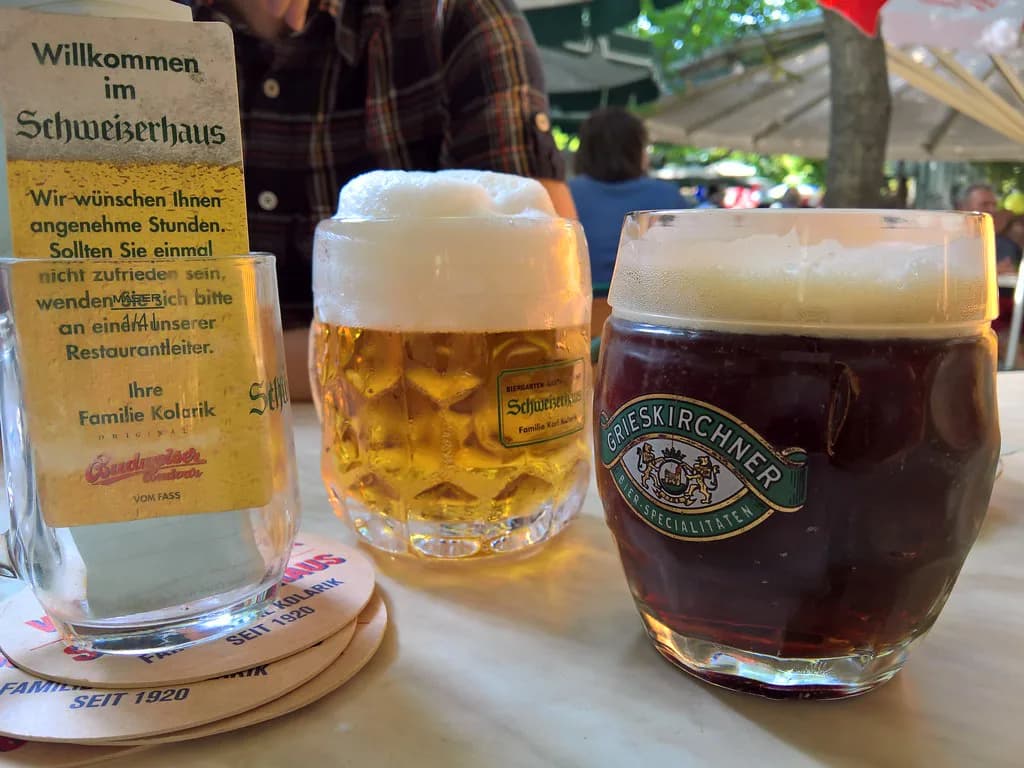
Most of what arrives at the table is pale lager brewed to be drinkable at lunch, so expect a soft malt middle, restrained bitterness and a dry finish rather than the citrus-forward hop character of a modern craft pale ale. Märzen is the amber-tinged, slightly stronger variant you will see on autumn menus, and many regional breweries keep one as their flagship. If the list offers a Zwickl or unfiltered beer, order it for a fuller, yeastier mouthfeel; Helles is the crisp, light alternative, and Weizen is the cloudy wheat beer that Austrians usually drink on its own rather than with a meal.
How Austrian breweries are sized: seven giants and a long tail
The market-share picture is the single most useful thing to know before you order. The Brauereibericht 2025 data reported by Biergasthof Riedberg groups Austria's 361 brewing sites into size classes: the seven plants producing more than 500,000 hectoliters a year account for 75.7 percent of total output, nine mid-sized sites between 100,000 and 500,000 hectoliters add 16.4 percent, and everything below that is a fraction of the total. What this means on the ground is that a village Gasthaus will usually pour a beer from one of the large groups, while a regional specialty on the menu is a deliberate choice by the landlord.
What is the most popular Austrian beer? No source ranks Austrian beers by popularity, but production volume gives a rough guide. The Brauereibericht 2025 data reported by Biergasthof Riedberg lists Stiegl, Egger, Schwechat, Wieselburg, Zipf, Puntigamer and Göss as the seven sites above 500,000 hectoliters a year, and those brands dominate taps and shelves nationwide.
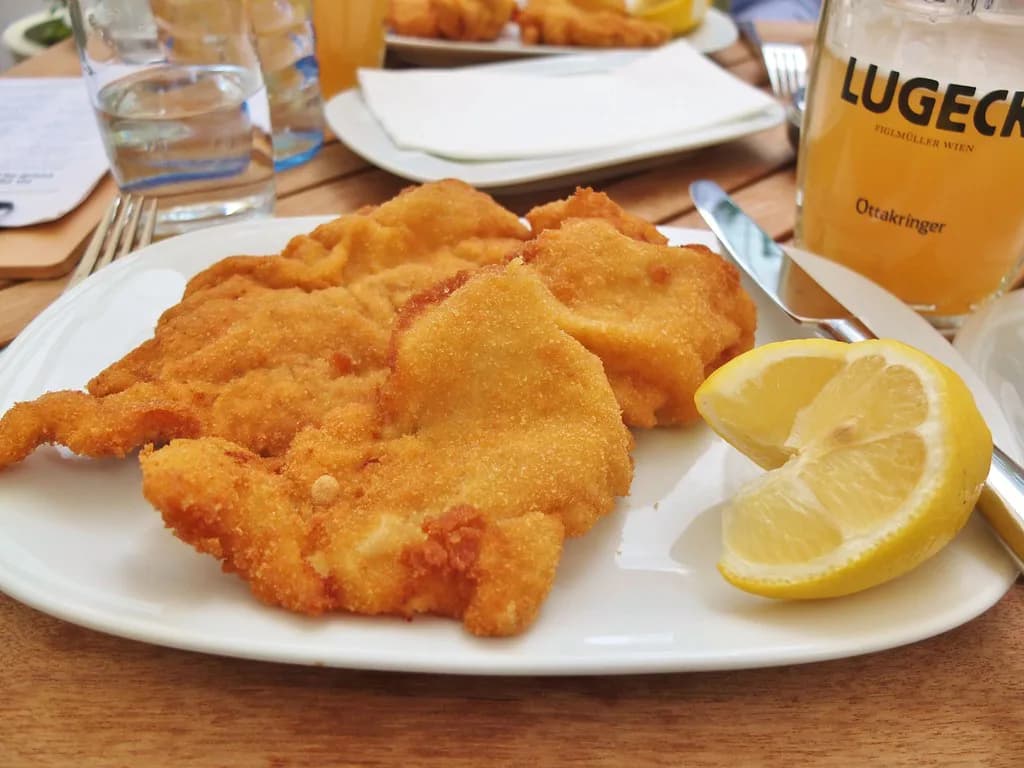
Which beer is famous in Vienna? Ottakringer is the brewery most identified with Vienna, and it also runs a small creative brewery called Brauwerk for seasonal beers. The large Schwechat plant just outside the city, part of the Brau Union group, supplies much of what is poured in Viennese pubs and restaurants.
Can you buy Austrian beer in the USA? Imported Austrian beer in the US is limited mainly to a few well-known brands, and availability shifts with distributors, so check with a specialty bottle shop or the importer rather than assuming a supermarket will stock it. The strongest selection is usually in cities with a large Austrian or German-speaking community.
The long tail is where Austrian beer gets interesting for travelers. Roughly 330 breweries produce under 20,000 hectoliters a year and together hold about 1.1 percent of output, which covers craft brewers, brewpub operations and small specialty producers. You will rarely find these on a standard drinks list outside their own region, so treat a bottle from a small local brewery as a regional sight in its own right rather than a bargain alternative to a big brand. A full list of Austrian breweries is a useful reference when you want to check where a name on a menu comes from.
The big names you will see on taps and bottles
Several of the largest plants belong to the Brau Union group, including Puntigamer in Graz, Gösser in Leoben, Zipf in Upper Austria and Schwechat near Vienna. Gösser, brewed in Leoben, is one of the country's best-known lagers and worth understanding if you plan to pass through Styria.
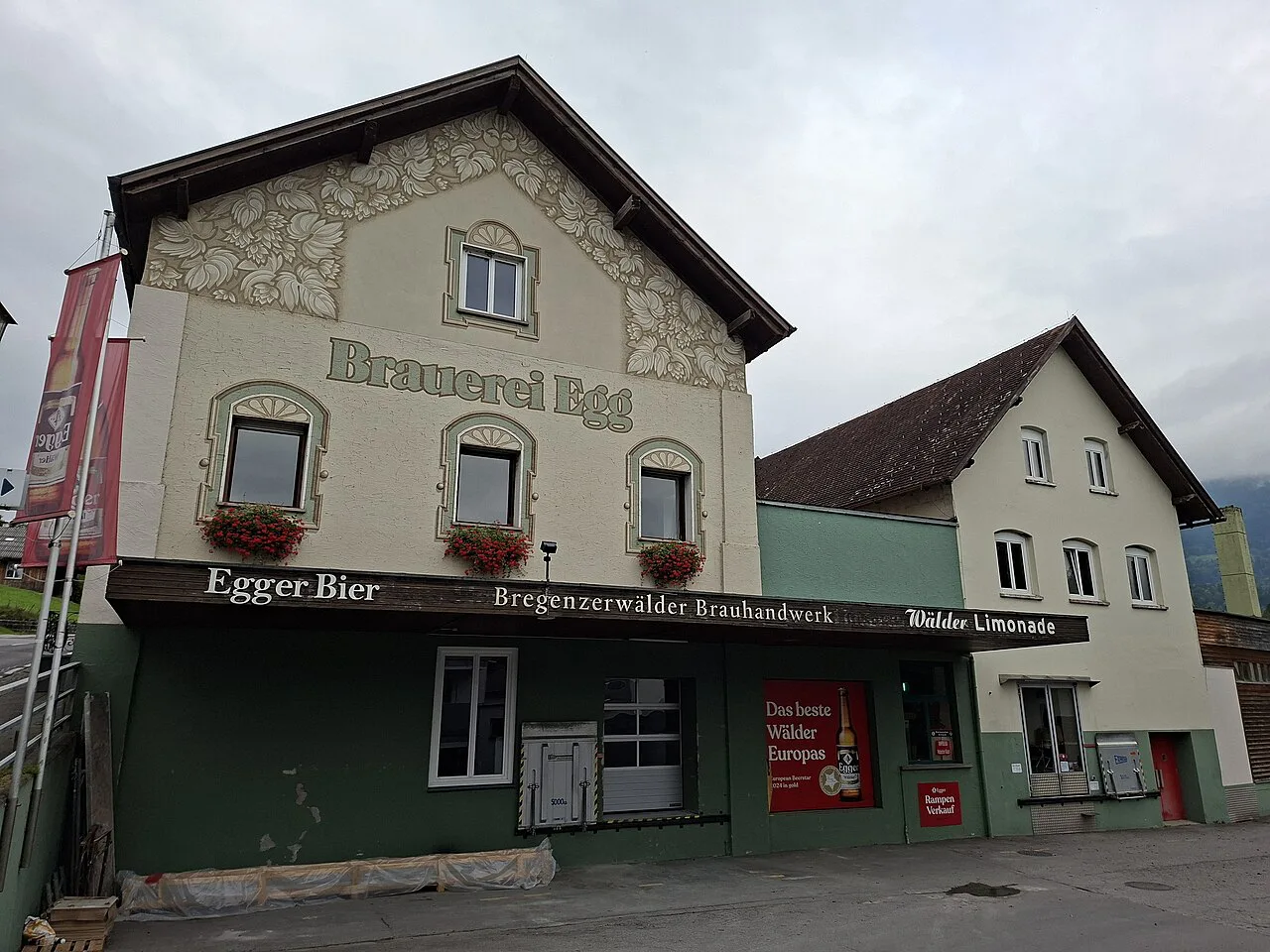
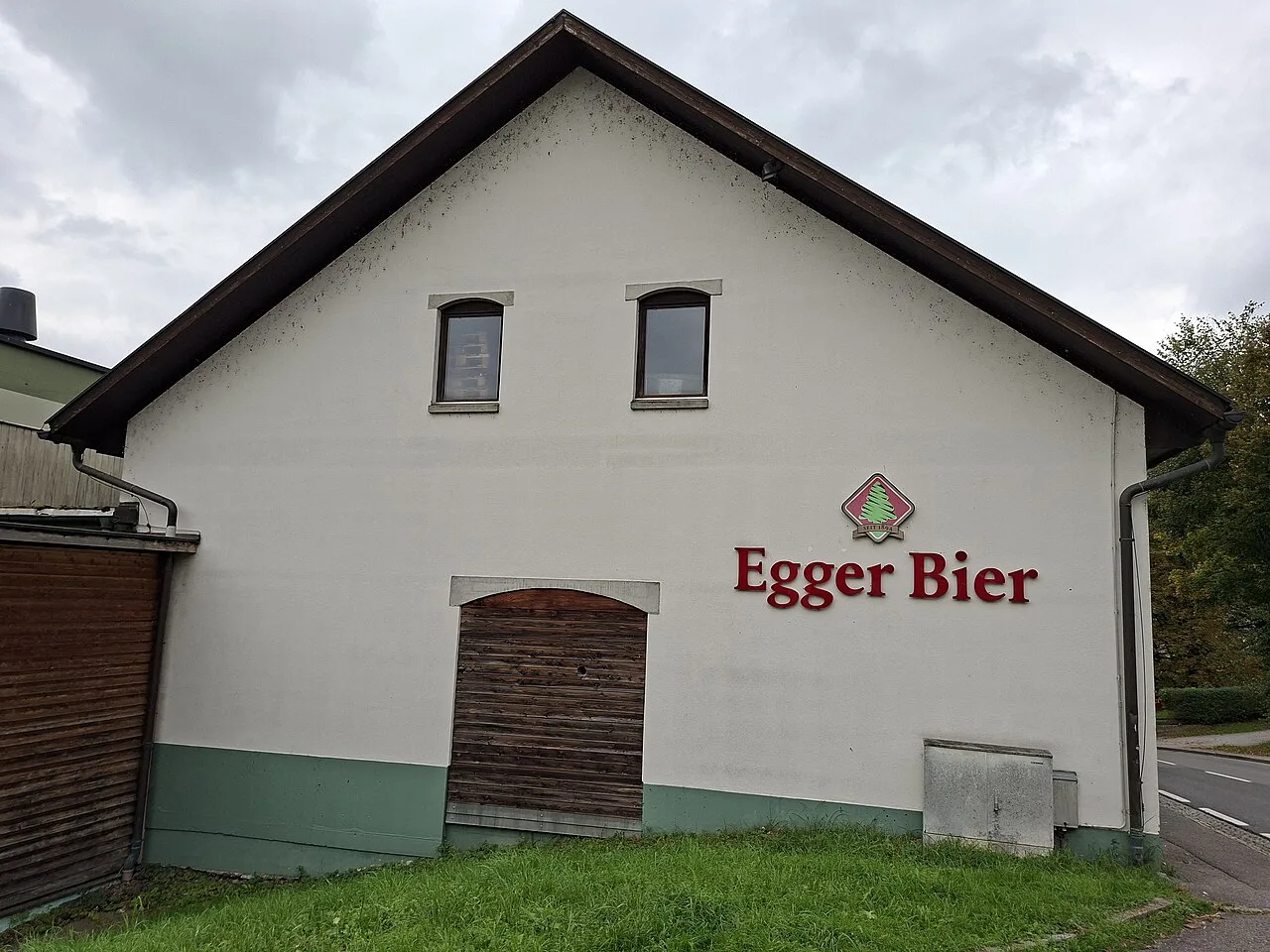
Independent of the big groups, Stiegl in Salzburg and Egger in Lower Austria are among the seven largest producers, with Stiegl a natural stop if your route passes Salzburg. Stiegl's visitor side is substantial rather than a single tasting room, which makes it a realistic half-day stop on a city break.
Among the seven largest plants, Zipf in Upper Austria is a Brau Union site, and Edelweiss is brewed there, making it the wheat beer to try if you want a change from pale lager. For travelers heading into the Salzkammergut lake country, it is the large Upper Austrian name you are most likely to meet on a drinks list.
Regional breweries worth knowing beyond the big brands
Austria's federal structure shows up in its beer, and the breweries most travelers remember are regional rather than national. In Carinthia, Hirter and Villacher both sit in the mid-sized class between 100,000 and 500,000 hectoliters a year, alongside Murauer in Styria and Fohrenburg in Vorarlberg, so a week in the south will put several unfamiliar names in front of you. Salzburg's Stiegl and the Salzkammergut's Schloss Eggenberg cover the middle of the country, and the Zillertal Brauerei covers Tyrol.
Two smaller names round out the picture. Trumer Bier, from Obertrum near Salzburg, sits in the 50,000 to 100,000 hectoliter band, and Gols in Burgenland brews with additions such as chestnuts, spelt, herbs, fruit or spices for its specialty lines. Burgenland is otherwise wine country, so a Golser bottle is a deliberate detour rather than the default local drink.
Brewery museums and visitor experiences that fit a route
Brewery visits in Austria are mostly self-guided exhibitions with a tasting at the end rather than a walk through a working brewhouse, and a few are large enough to justify an hour or two. Stiegl-Brauwelt in Salzburg runs to 5,000 square meters of museum covering the brewery's history with historical exhibits and modern displays. Zillertal Bier's BrauKunstHaus in Tyrol spreads over 5,000 square meters as well, with a multimedia tour and a beer tasting as the highlight.
Smaller experiences suit a looser schedule. The Murauer Bier Apotheke in Styria works as a shop and meeting point, selling beer specialties alongside shampoos, salves, soaps, pine products, beer cheese, mustard and jellies, so it is a shopping stop rather than a tour. In Lower Austria, Weitra Bräu's Bierwerkstatt in Schloss Weitra is a brewery museum that walks you from raw materials to glassware, and it pairs naturally with a visit to the castle itself.
Two Lower Austrian options fill out the map. Zwettler's Brauerlebnis ranges from a guided brewery tour past the brewing kettle to the bottling line to a Friday evening tasting session, and Puntigamer in Graz offers an Erlebnistour, tastings and a city walk themed on beer. These are organized events with set times, so build the rest of the day around the slot you book rather than the reverse.
Brewing your own or joining a guided tasting
If you want to do more than watch, the Freistädter Biererlebnis in Upper Austria lets visitors deepen their beer knowledge and brew under professional guidance, which makes it the most hands-on option on the list. It sits in the Mühlviertel, so it pairs naturally with the granite-country breweries described below. Both Freistadt and the Puntigamer events run on fixed dates, so check the organiser's calendar before you lock in train times.
Why the Mühlviertel became a beer region, and what granitbock is
The Mühlviertel, the granite plateau north of Linz, has the two raw materials that matter most: granite soil that filters the water to a particularly pure, soft quality, and more hop growing than anywhere else in Austria. That combination explains why a relatively rural corner of Upper Austria supports so many breweries, and it gives a brewery stop there a reason beyond the beer itself.
The signature beer of the region is granitbock from Landbrauhaus Hofstetten, a bock brewed in granite troughs around 120 years old. Granite stones are heated over open fire and plunged into the beer so the sugar caramelizes, and the sugar content is still checked by hand throughout. The result is roasty caramel with notes of dark chocolate and forest berry, a heavy, sweet beer to order at the end of a meal rather than beside one.
How to order: sizes, serving and what to ask for
The vocabulary is the practical hurdle. A Seidl is the small glass, a Krügerl the half-liter, and a Pfiff the roughly 0.2-liter pour you ask for when you want to taste something without committing to a full beer; in a Beisl the waiter will often bring a Krügerl unless you say otherwise. Beer arrives cold but not iced, with a proper head, and it is normal to order it with lunch rather than as a separate occasion.
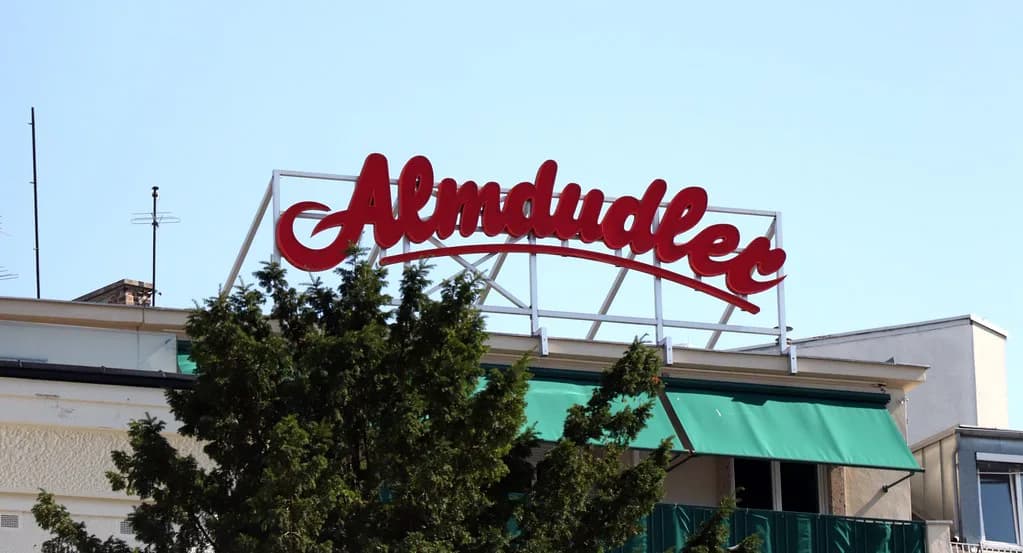
Beyond beer, the non-alcoholic order most Austrians reach for is Almdudler, an herb-based lemonade that has been part of the same drinks list for decades. If you want something stronger after dinner, Austrian schnapps covers the fruit and herbal spirits that usually follow a heavy meal.
Where beer fits into an Austria route
Treat a brewery like any other sight: it is an indoor stop that works on a wet afternoon and takes two hours at most. A Salzburg base covers Stiegl-Brauwelt and the Trumer and Stiegl beers on every list, while a Salzkammergut loop puts Zipf on every tap and Schloss Eggenberg within reach.
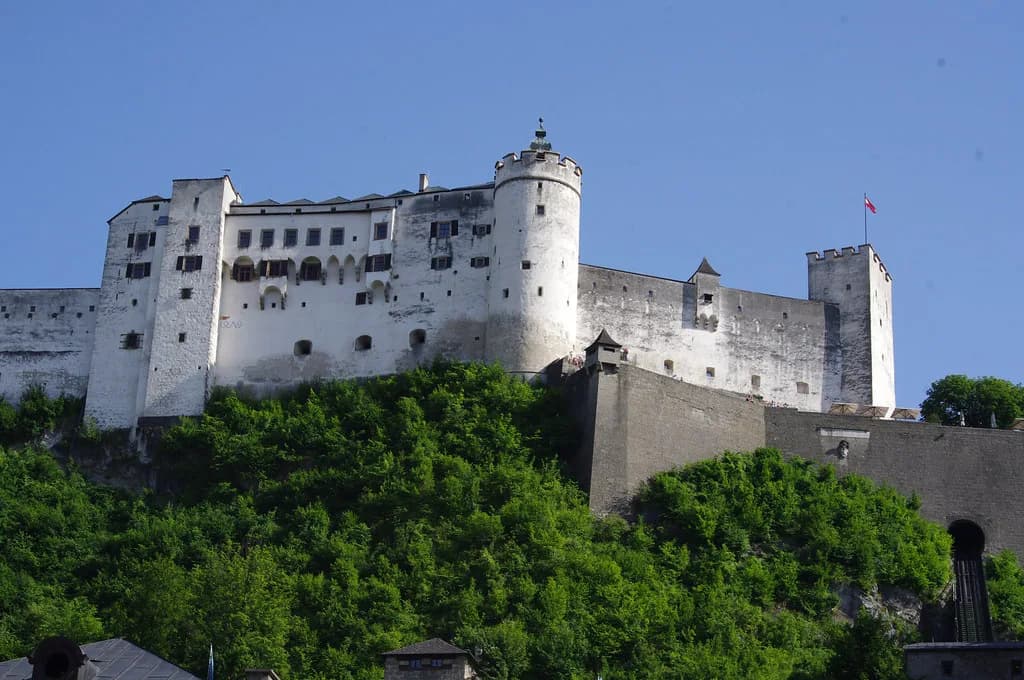
For a longer loop, the Mühlviertel and its Freistadt and Hofstetten stops sit north of Linz, and the Zillertal BrauKunstHaus fits a Tyrol leg alongside the region's castles and old towns. Castle-heavy days are easy to combine with a brewery museum because both are indoor, weather-proof stops, and our guide to Austrian castles and palaces covers the strongholds that pair best with these detours.
Which brewery stop earns a place on your route
Pick one brewery experience and build the day around it rather than collecting several small ones. Stiegl-Brauwelt in Salzburg is the easiest to fit into a city-based itinerary, the Zillertal BrauKunstHaus makes sense on a Tyrol leg, and the Freistädter Biererlebnis or a Mühlviertel brewery stop rewards anyone heading north of Linz. Confirm the day's tour slots and any seasonal closures on the brewery's own site before you commit to train times.
Explore more Austria guides
Frequently Asked Questions
What is the most popular Austrian beer?
No source ranks Austrian beers by popularity, but production volume gives a rough guide. The Brauereibericht 2025 data reported by Biergasthof Riedberg lists Stiegl, Egger, Schwechat, Wieselburg, Zipf, Puntigamer and Göss as the seven sites above 500,000 hectoliters a year, and those brands dominate taps and shelves nationwide.
Which beer is famous in Vienna?
Ottakringer is the brewery most identified with Vienna, and it also runs a small creative brewery called Brauwerk for seasonal beers. The large Schwechat plant just outside the city, part of the Brau Union group, supplies much of what is poured in Viennese pubs and restaurants.
Can you buy Austrian beer in the USA?
Imported Austrian beer in the US is limited mainly to a few well-known brands, and availability shifts with distributors, so check with a specialty bottle shop or the importer rather than assuming a supermarket will stock it. The strongest selection is usually in cities with a large Austrian or German-speaking community.
Do Austrian breweries offer tours in English?
Austria's tourism board describes the major brewery experiences as guided tours, tastings and open brewing days, but language of delivery varies by venue. Ask when you book whether the tour is run in English, and check the brewery's own site for the current schedule before you plan a day around it.
Sources
Notes for your next Austrian town break
Optional updates when we add or revise town guides.
You might also like
Continue reading
More guides you'll find useful