Zipfer Beer: What It Is and Where It Comes From
Zipfer is an Austrian beer brewed in Zipf, a small town in Upper Austria. Here is what the beer is, how the Original and the Pils differ, and how they taste.
On this page
Zipfer is an Austrian beer brewed in Zipf, a small town in Upper Austria, and it comes in two bottles most travelers will meet: Zipfer Original Lager at 5.4% ABV and Zipfer Pils at 5.2% ABV. Both are light, softly hopped lagers built for easy drinking rather than intensity, and both are the kind of beer that shows up on ordinary Austrian bar and supermarket shelves. This guide covers what each bottle is, how they taste, which to order with which food, and where the brewery sits on a route through Upper Austria.
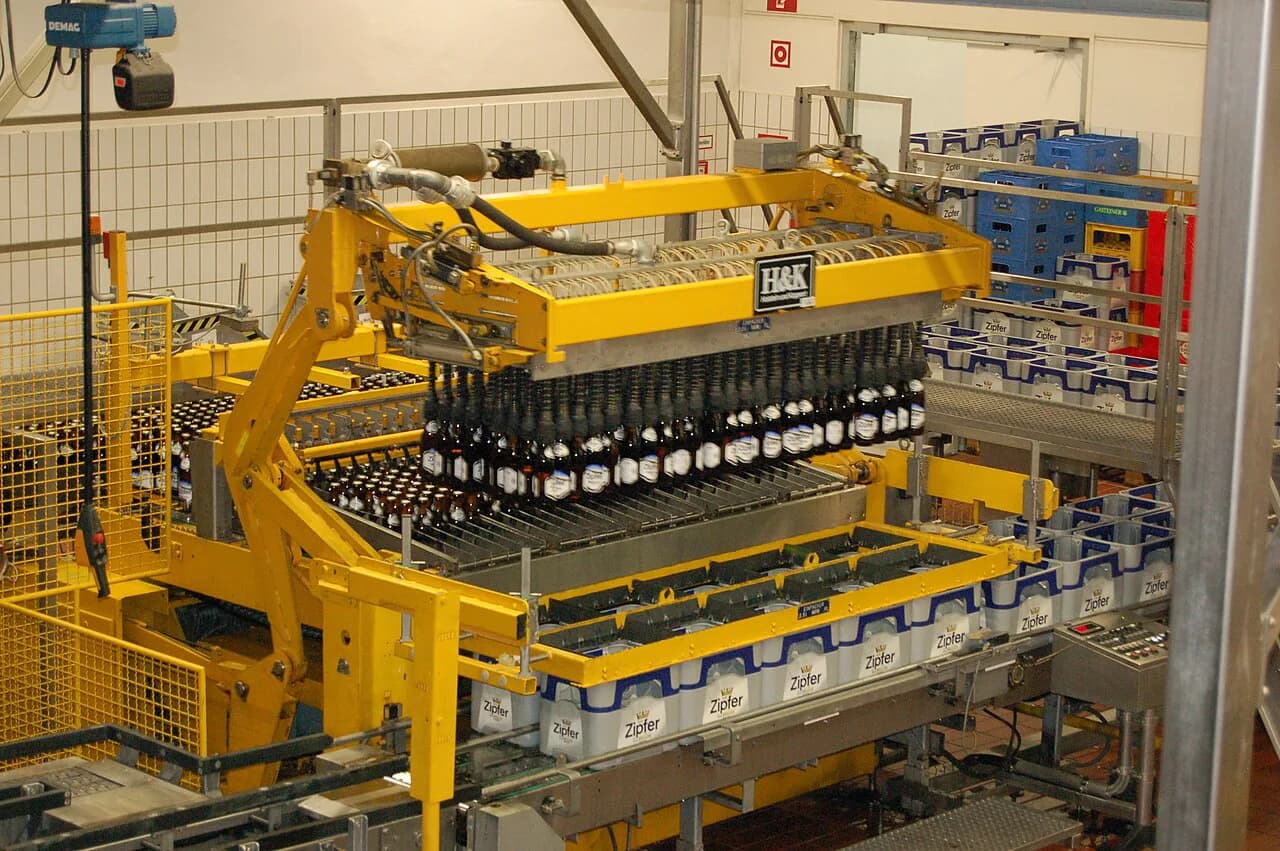
Treat Zipfer as a session beer, not a destination beer. It is brewed by Zipfer under Brau Union, the large Austrian brewing group, which explains why it turns up far from Zipf. If you are working your way through Austrian beer styles, this is a useful reference point for the pale, lightly hopped end of the spectrum.
What Zipfer beer is
Zipfer is a beer from Upper Austria, brewed in Zipf, a village small enough that the brewery is the main reason outsiders know the name. The brand belongs to Brau Union, the large Austrian brewing group, so Zipfer sits in the mainstream rather than the craft corner. That matters for the traveler: you will find it in ordinary pubs, grocery coolers and restaurant fridges rather than only in specialty beer bars.
The town's name has a second life in linguistics. Zipf's Law, the principle that a word's frequency is inversely proportional to its rank in a text, shares the name but has nothing to do with the town of Zipf itself. It is a good trivia line at the table, and a reminder that the brewery village is genuinely tiny.
The beers: Zipfer Original and Zipfer Pils
Zipfer Original Lager is the flagship: a pale lager at 5.4% ABV, described in the brand's copy as refreshing with a finely hopped flavor, built on selected hops and malt with a slow maturation. In plain terms, tasters describe a clean, golden beer with a soft hop note and no rough edges, the sort of lager that disappears quickly on a warm afternoon.
Is Zipfer a pilsner or a lager? Both, depending on the bottle. Zipfer Original Lager is a pale lager at 5.4% ABV, while Zipfer Pils is a pilsener at 5.2% ABV in a 500 ml bottle.
Where is Zipfer brewed? Zipfer is brewed in Zipf, a small town in Upper Austria, by the brewery of the same name under the Brau Union group. The beer is widely distributed across Austria and exported, so you will see it well beyond the town itself.
How strong is Zipfer beer? Zipfer Original Lager is 5.4% ABV and Zipfer Pils is 5.2% ABV, according to published beer listings and reviews. The figures apply to those two bottles, not to every beer the brewery makes, so check the label on any other Zipfer you pick up.
Zipfer Pils is the pilsener side of the family: the same house, a different style, at 5.2% ABV in a 500 ml bottle. Pilseners are generally pale, hoppy lagers, so expect a slightly firmer bitter edge than the Original, though Zipfer keeps both beers on the gentle side. If you only try one, pick based on whether you want softness (Original) or a touch more bite (Pils).
Taste profile: light, softly hopped, easy drinking
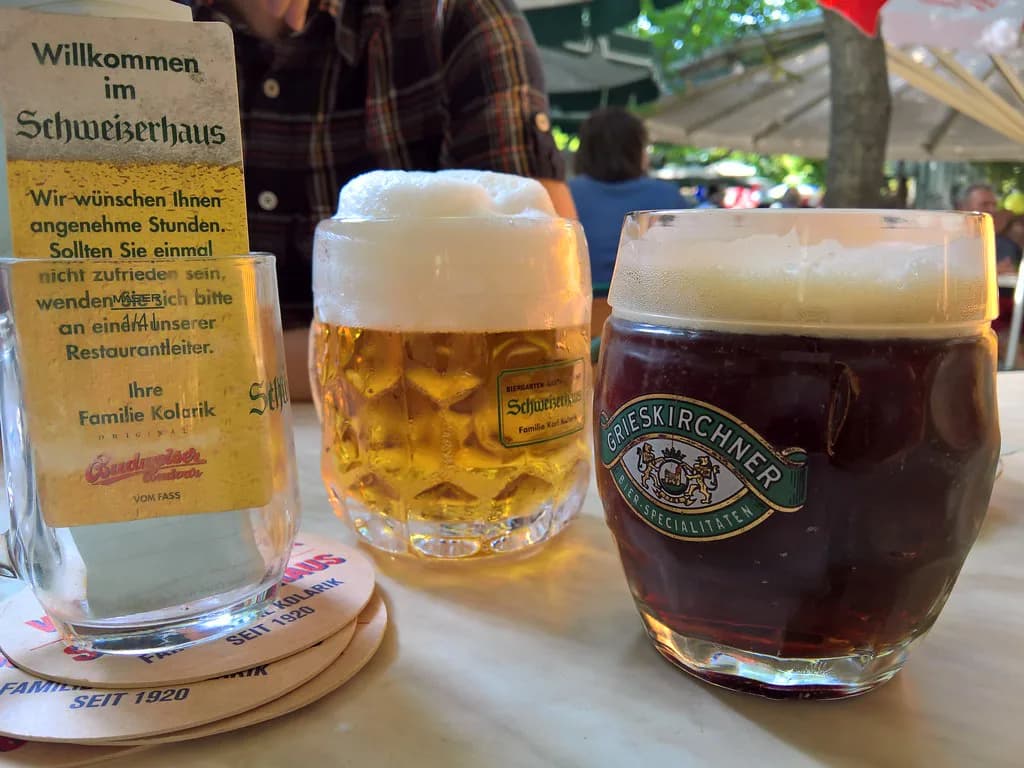
Zipfer's character is restraint. The beer pours a really golden pale color with a decent, persistent head, smells mostly of mild hops, and drinks soft and light-bodied; the finish is clean rather than bitter or malty. Travelers used to aggressively hopped craft pilsners will find it quiet, and that is the point: it is a thirst-quencher, not a beer to analyze.
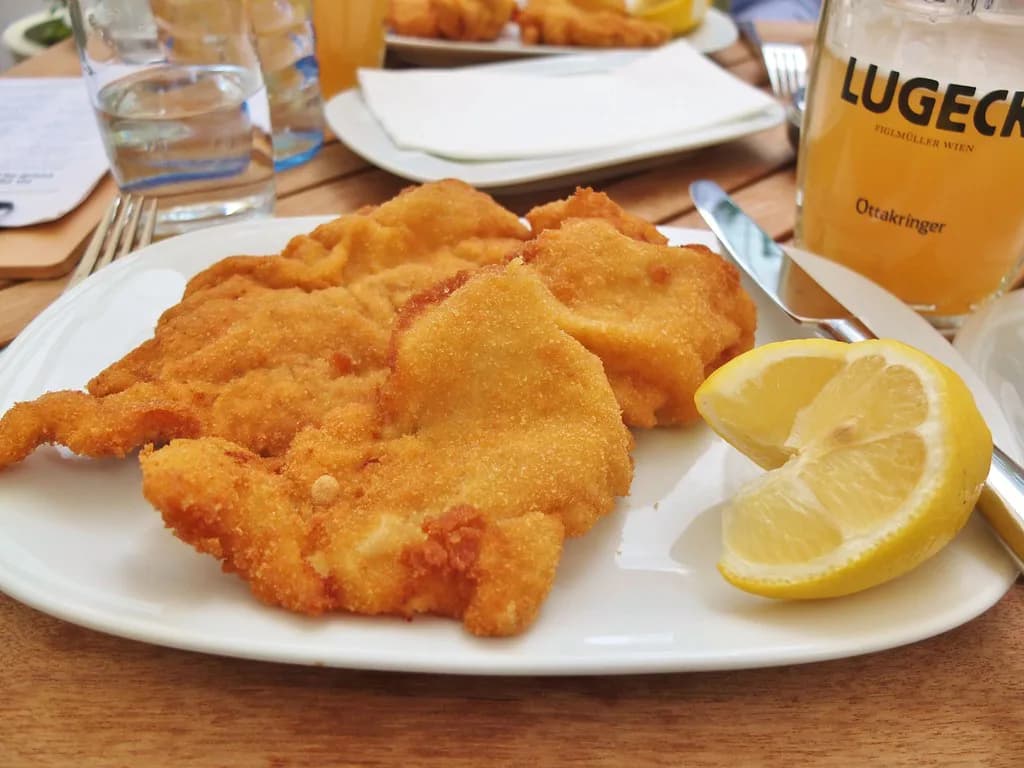
The upside of that mildness is that it pairs with almost anything on an Austrian menu, from schnitzel to sausage to a plate of cheese. The trade-off is that it will not surprise you, and a second glass tastes much like the first. Order it when you want a cold, uncomplicated beer with lunch and save the more assertive bottles for the evening.
Zipfer Original versus Zipfer Pils: which to order
Choose Zipfer Original Lager when the food is rich or fried: its soft hop profile and light body cut through breading and fat without competing for attention. Choose Zipfer Pils when you want a little more structure, such as with roasted pork, hearty stews or a long afternoon where the beer has to hold its own. The difference between 5.4% and 5.2% is negligible in practice, so decide on flavor, not strength.
Bottles are the safest way to compare the Original and the Pils side by side, since draft availability varies by venue and often runs to just one Zipfer rather than both. Neither is a heavy beer, so a midday glass with lunch is normal rather than a commitment.
How Zipfer fits a route through Upper Austria
Zipf sits in Upper Austria, the province between Salzburg and Linz, which makes the brewery's home region a natural corridor if you are moving between those two cities. Zipf itself is a small village with limited local stops, so treat it as a short stop for a meal and a glass rather than a full day, and confirm rail and bus connections before you commit.
Because the brand is widely distributed across Austria, you do not need to reach Zipf to drink it; a glass in Linz, Salzburg or a village tavern along the way gives you the same beer with less travel. To compare it with another Austrian brewery, read our guide to Stiegl, the Salzburg brewery whose beers anchor the city's drinking culture.
Where to drink it and what to expect
Zipfer turns up in ordinary Austrian bars, restaurant fridges and supermarket coolers, served in a tall glass and poured with a decent head. It is also exported, so you may meet it well outside Austria. Expect a clean, cold pale lager rather than a guided tasting or a brewery tour; for a fuller picture of the country's beer, start with our Austrian beer guide.
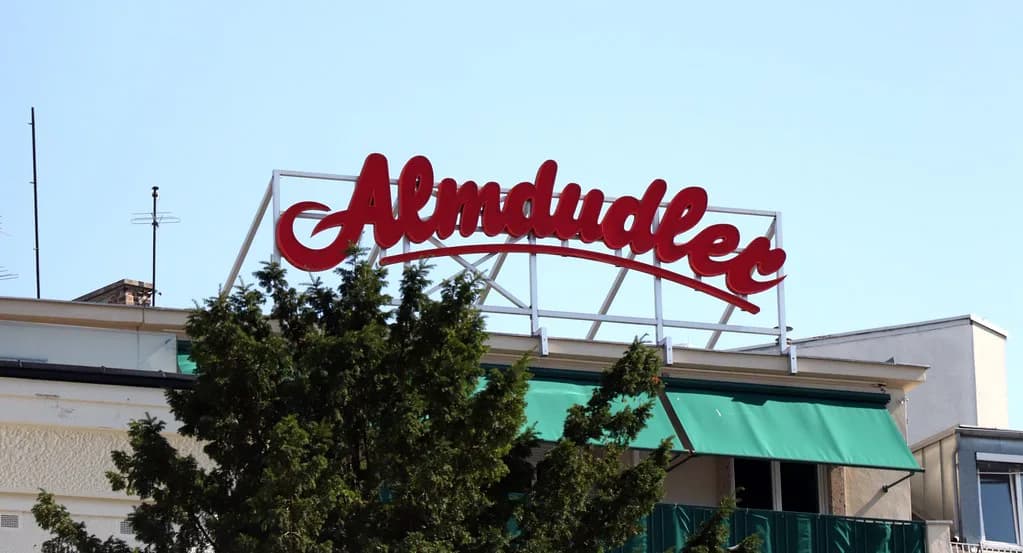
For a broader picture of what Austria drinks, the country's beer landscape runs from big-group lagers like this one to smaller regional names, and knowing where a bottle sits helps you choose. If you want a non-alcoholic alternative at the same table, Almdudler, the herbal lemonade, is the usual Austrian answer.
Buying and checking details
Zipfer is a supermarket and tavern beer, so it is widely available and you should not need a specialist shop. Prices vary by venue and region, so check the menu or shelf label rather than relying on any figure quoted online, which may be years old. If you are comparing imported bottles at home, check the label for the ABV and bottle size, since exports do not always match the Austrian packaging.
Should you order Zipfer or keep looking?
Order Zipfer if you want a clean, light Austrian lager that goes down easily with lunch and does not demand attention. Skip it if you are chasing big hop character, because that is not what this beer is built for. The Original is the safer all-rounder, and the Pils is the pick if you want a slightly firmer edge.
For a wider set of Austrian bottles to try alongside it, work through our Austrian beer guide covering the country's beer styles before you travel. Knowing the difference between the mainstream lagers and the smaller names makes bar menus far easier to read.
Explore more Austria guides
Frequently Asked Questions
Is Zipfer a pilsner or a lager?
Both, depending on the bottle. Zipfer Original Lager is a pale lager at 5.4% ABV, while Zipfer Pils is a pilsener at 5.2% ABV in a 500 ml bottle. The two styles overlap in practice: both are pale, softly hopped and easy drinking, with the Pils carrying a slightly firmer bitter note.
Where is Zipfer brewed?
Zipfer is brewed in Zipf, a small town in Upper Austria, by the brewery of the same name under the Brau Union group. The beer is widely distributed across Austria and exported, so you will see it well beyond the town itself.
How strong is Zipfer beer?
Zipfer Original Lager is 5.4% ABV and Zipfer Pils is 5.2% ABV, according to published beer listings and reviews. The figures apply to those two bottles, not to every beer the brewery makes, so check the label on any other Zipfer you pick up.
Sources
Notes for your next Austrian town break
Optional updates when we add or revise town guides.
You might also like
Continue reading
More guides you'll find useful