Stiegl Beer: A Traveler's Guide to Austria's Salzburg Brewery
Stiegl is Austria's leading privately owned brewery, brewing in Salzburg since 1492. Here's what the name means, how Goldbräu tastes, and where you'll meet it.
On this page
Stiegl is a Salzburg brewery founded in 1492 that today calls itself Austria's leading privately owned brewery, and its flagship Goldbräu is the pale lager most travelers meet first. If you order one beer in Austria without thinking, there is a good chance it will be a Stiegl. This guide covers what the brand is, what the name means, how the beer is described and rated, and where it turns up on an Austrian trip.
The practical points come first: the founding year and the Salzburg origin, the pronunciation, the style of Goldbräu, and the fact that this is a lager rather than a wheat beer or a dark. Then the page moves to route logic, because Salzburg is where the brewery sits and a stop there is the simplest way to drink Stiegl at the source, even though this is not a Salzburg city guide.
What Stiegl is: Salzburg's brewery since 1492
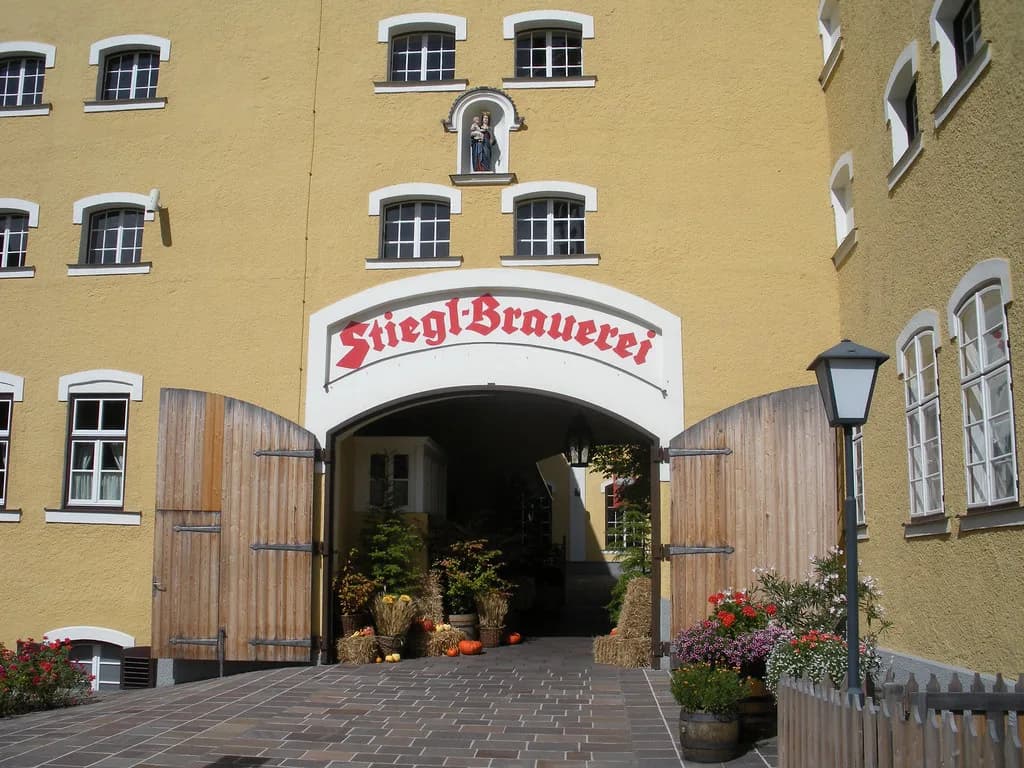
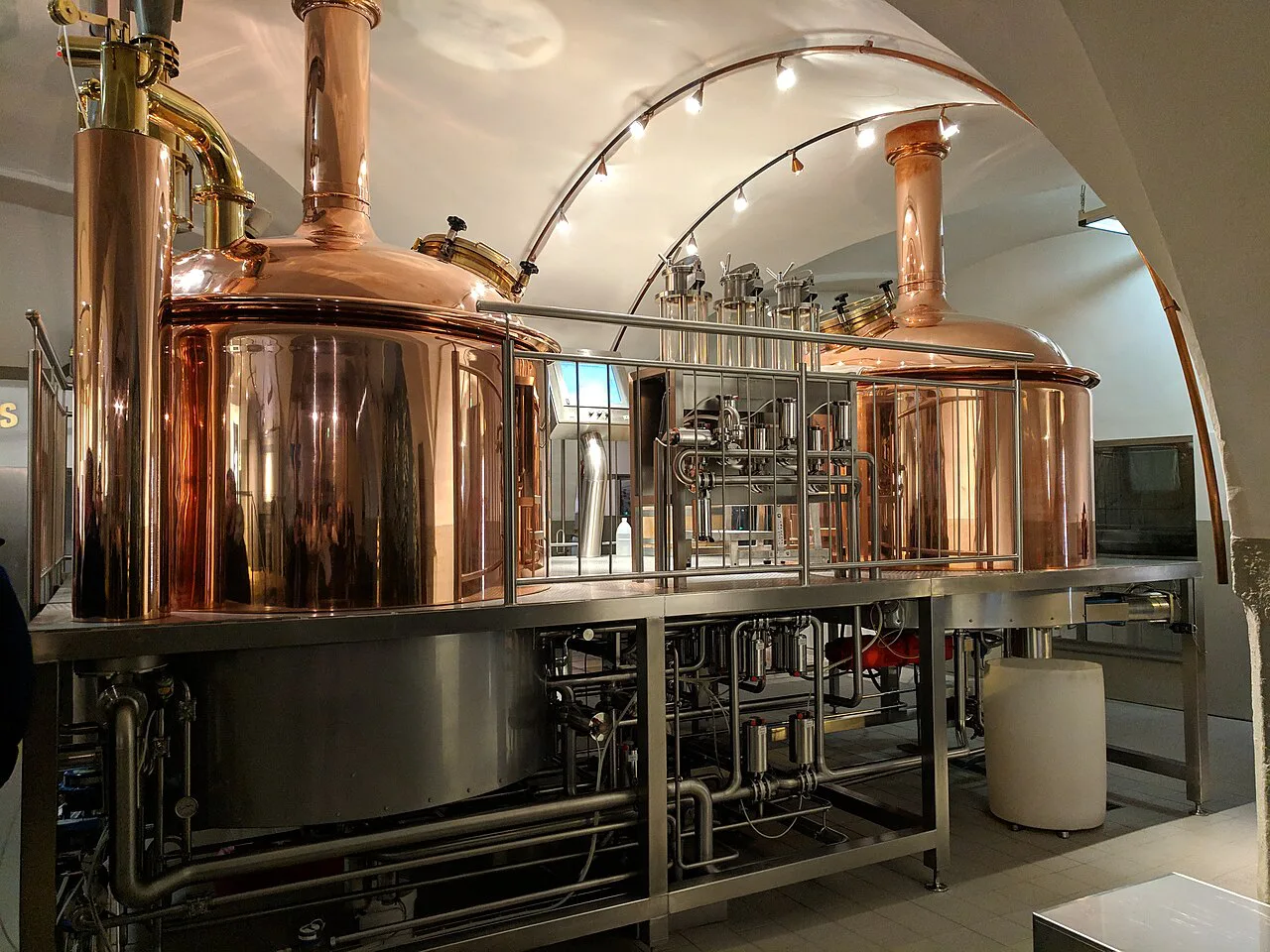
Stiegl describes itself as Austria's leading privately owned brewery and says it has guaranteed the art of brewing at its highest level for 530 years. Its home is Salzburg, the baroque city on the Salzach that most visitors already cross on the way to the Salzkammergut or the Alps. Treat the 1492 date as the founding marker and the private ownership as a current positioning claim from the company itself.
For a traveler, the useful takeaway is scale: this is a large, established producer whose beer reaches menus, supermarket shelves and tavern taps far beyond Salzburg. That matters when you are planning a route, because you do not have to detour to the brewery to drink the brand. The beers are part of the everyday Austrian landscape rather than a specialty find.
What the name Stiegl means and how to say it
Stiegl is a brand name rather than a word for beer, and asking for a Stiegl gets you the brewery's beer. Austrians will understand the English attempt at saying it, so there is no need to overthink it at a counter.
What does Stiegl mean in English? Stiegl is a brand name rather than a word for beer, with no clean English translation. Say it roughly as SHTEE-gl with a hard start and a short second syllable.
Is Stiegl a good beer? Drinkers on BeerAdvocate give Stiegl Goldbräu a score of 80 from 541 ratings on that site's scale, which places it in solidly positive territory. Whether you like it depends on your taste for clean, dry pale lagers, so read a few recent reviews and decide for yourself.
What percentage is Stiegl beer? Alcohol by volume is printed on the label and the menu, so check the bottle or ask the server for the figure on the Goldbräu you are ordering. It is not stated in the sources used here, and strengths can differ between the brewery's beers.
The word behaves like a brand, not a category, so asking for a Stiegl gets you the brewery's beer and asking for a Bier gets you whatever is on tap. Knowing that distinction saves a confused exchange in a busy pub. It also explains why the name appears on glasses, coasters and signage across the country as a mark of origin.
The Stiegl beers you'll meet: Goldbräu and the pale lager style
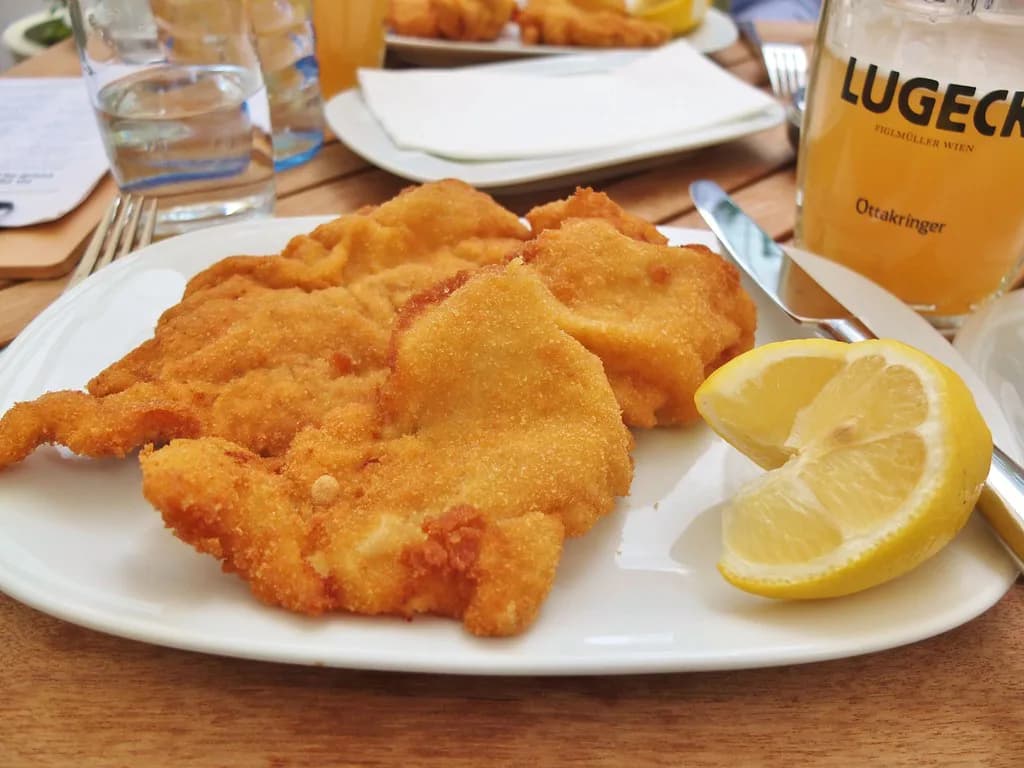
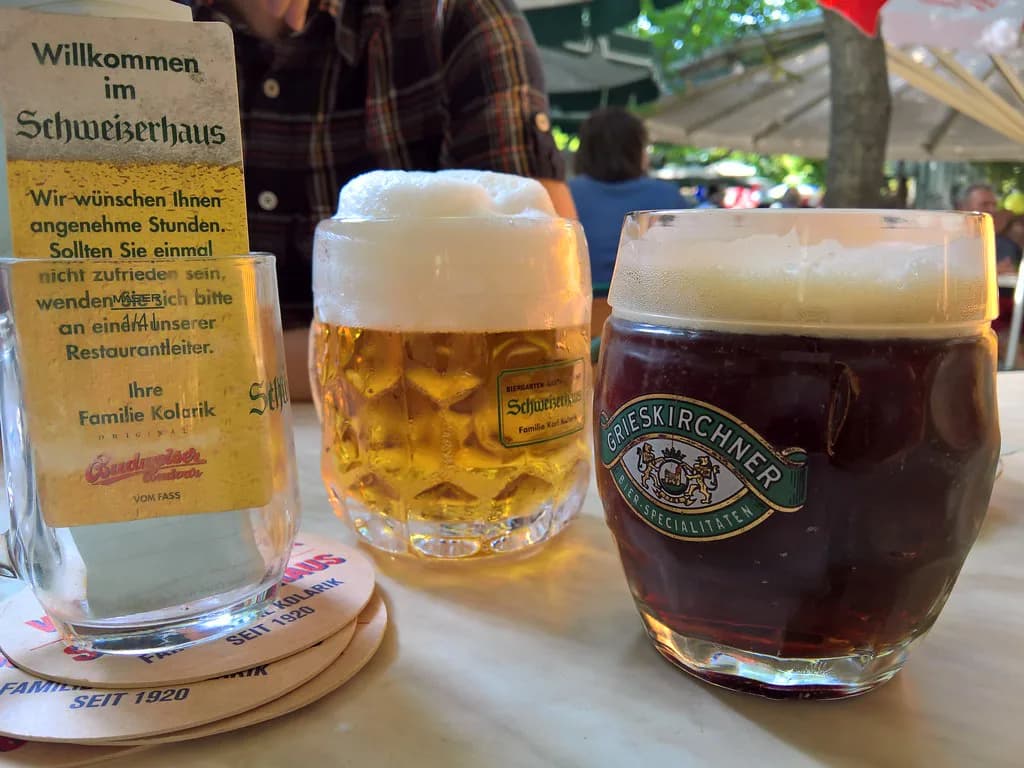
Goldbräu is the label you will see most: a European pale lager, the crisp, golden, bottom-fermented style that dominates Austrian taps and fridges. Order it as a Stiegl Goldbräu or simply a Stiegl and you will get the brewery's standard lager unless the server offers something else. It is a straightforward drinking beer rather than a heavy or bitter one, which is why it works with schnitzel, sausage and a long afternoon of walking.
Gold patterns appear through Austrian beer lists, but the quickest way to know what is in your glass is to read the label and the menu. Lagers like this are served cold and in volume, so they suit a lunch stop more than a slow tasting. If you want to branch out across Austrian producers, the wider landscape of small and regional breweries is worth a look.
Goldbräu is not a wheat beer, so do not expect banana or clove notes, and it is not a dark lager, so the color stays pale. The flavor profile is built for refreshment: clean malt, a mild hop edge and a dry finish. That makes it a safe first order for anyone unsure what to ask for in an unfamiliar pub.
How Goldbräu is described and rated by drinkers
BeerAdvocate's listing places Stiegl Goldbräu in the European pale lager style and records a score of 80 from 541 ratings on its scale. Read that as a crowd rating from that site's users, not as a verdict from this guide, and note that 80 sits in solidly positive territory on a 100-point scale. The large number of ratings matters more than the headline figure, because it shows the beer is widely drunk rather than niche.
Drinker comments on that page are the place to look for impressions of bitterness, body and aftertaste, since tastes vary and a lager's appeal is personal. Check the most recent reviews rather than the oldest, because a beer's character can shift over time. If you want a comparison, the same site lists other Austrian brands, and Gösser is the nearest point of reference for a widely available pale lager.
Where Stiegl fits on an Austrian trip: Salzburg and menus nationwide
Salzburg is the brewery's home city, which makes it the natural place to drink Stiegl if your route already passes through en route between Munich, Vienna and the Alps. You do not need to build a day around the brand, but a beer with a Salzburg address is an easy, honest local choice at dinner. Elsewhere in Austria you will find Stiegl on menus and taps next to regional brands, so you can drink it without being anywhere near Salzburg.
The brand sits in the same broad field as other large Austrian producers, and the ones you encounter shift with the province. Gösser, a Brau Union brand, appears widely across the country and is the most common alternative on a bar list, while Upper Austria's Zipfer turns up heavily in its home region and beyond.
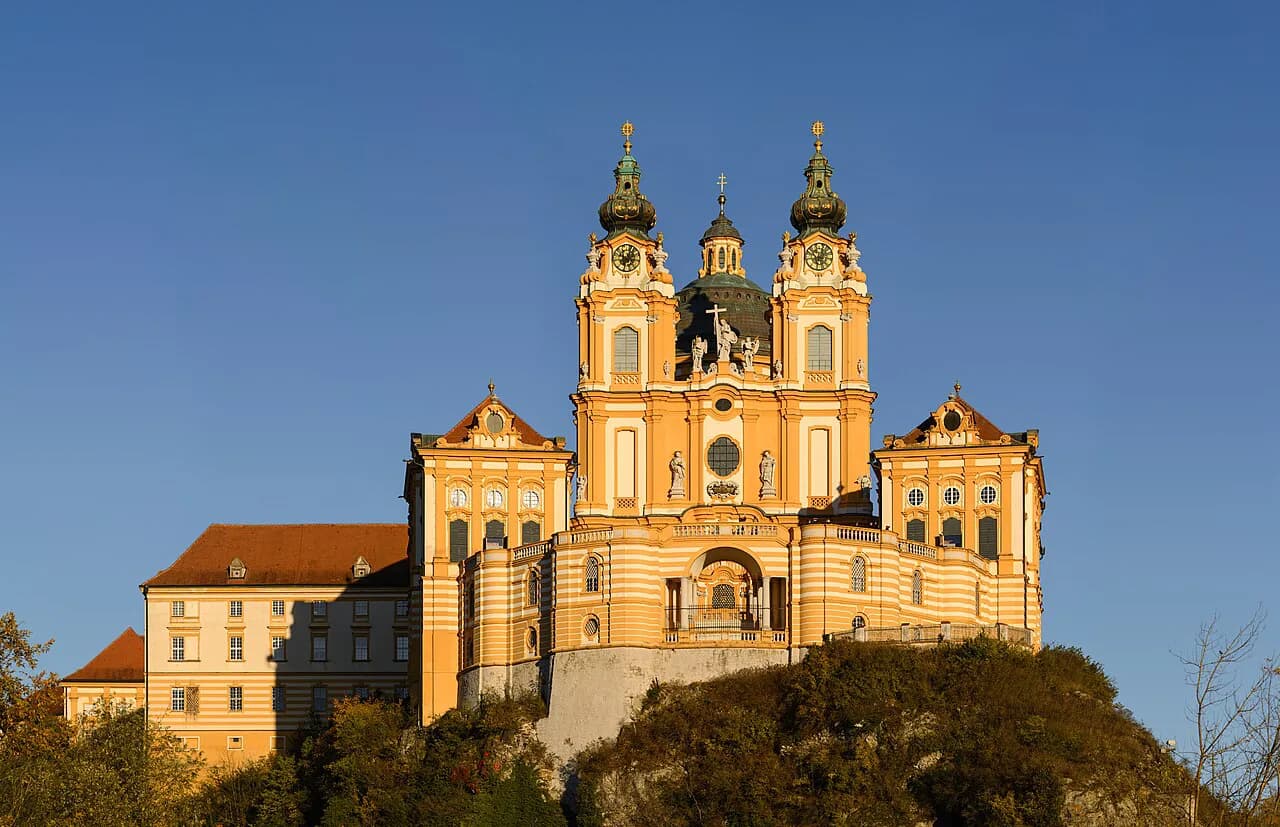
For a trip that mixes castles, abbeys and lake towns, beer is a background pleasure rather than a destination. If you are plotting a route that includes a brewery stop or a tavern lunch, the broader guide to Austrian Beer covers the styles and the producers worth knowing before you go.
Buying and drinking Stiegl: bottles, crates and glassware
In Austrian pubs and restaurants, Stiegl arrives in branded glassware, typically a tall, straight-sided lager glass that shows off the golden color and keeps a head. Bottles and multi-bottle crates are sold in supermarkets and drinks shops for drinking at home or on a balcony, which is cheaper than ordering at a table. Ask the server which size pour is standard if the menu lists more than one.
Glassware is the practical souvenir, since branded Stiegl glasses appear in pub cabinets and souvenir shops and are easy to carry. If you prefer a non-alcoholic option with a distinctly Austrian profile, Almdudler is the herbal soda you will see on the same menus in Alpine huts and city cafes. On the stronger side, Austrian schnapps makes a common after-dinner order and is worth understanding before you accept a pour.
Pub food is where the beer fits best: a Brettljause of cured meats, cheese and dark bread is the classic mountain-hut plate, and the SalzburgerLand's own guide describes it as a standard lunch at Alpine summer huts. A cold pale lager cuts through the fat of the bacon and the butter, which is exactly why the pairing endures. Order a small pour first if you are unsure of the size.
For dessert, Austrian baking offers its own logic: a Punschkrapfen is a small cube of sponge soaked in rum and jam and coated in pink glaze, and the Austria-Forum's entry describes it as a typical Austrian sweet. It is a strong, sweet finish rather than a light one, so share it or take it with coffee. Either way, it is a far better use of appetite than a second beer.
Stiegl in the Austrian beer landscape
Austria's beer market is dominated by a handful of large producers with deep regional roots, and Stiegl is one of the most visible names nationwide. The company presents itself as the leading privately owned brewery, a positioning that distinguishes it from brands owned by larger groups. That distinction is a marketing fact about the business, not a judgment on the beer.
For travelers, the practical result is a beer list where the big names are familiar and the regional ones are the adventure. A tavern in Carinthia or Styria may pour a local brand you have never seen while still stocking Stiegl or Gösser for the tourist trade. Trying the local one is usually the more interesting move.
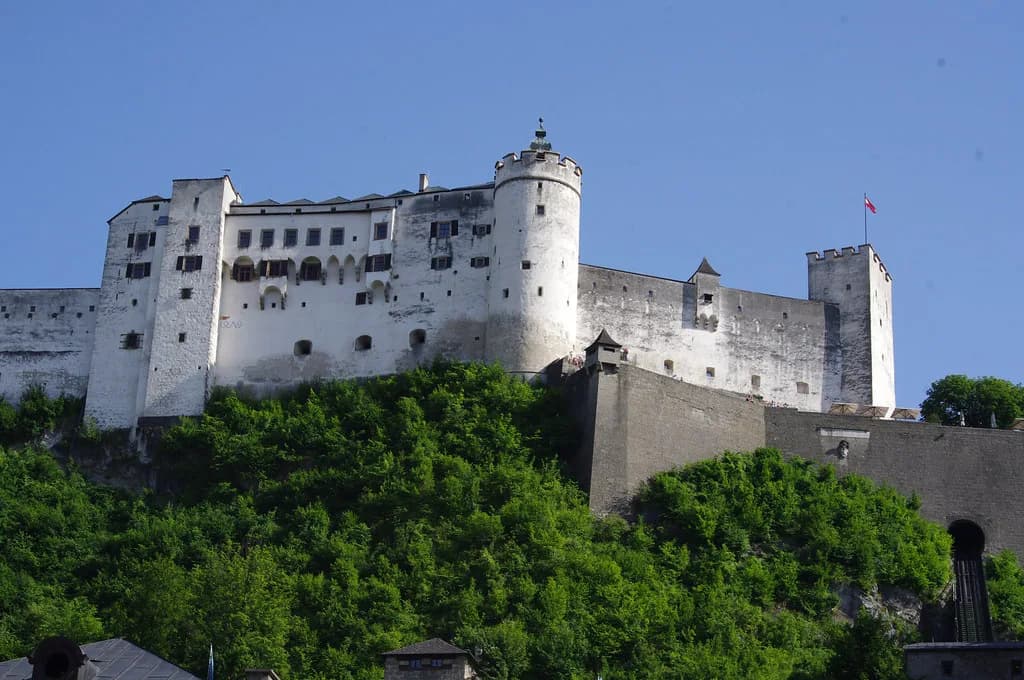
If you are building a trip around Austria's castles and palaces, a cold Stiegl after a hilltop fortress is one of the small rewards of the country's travel rhythm. The official tourism board's overview of castles and palaces shows how many of those stops cluster within a day's drive or train ride of Salzburg.
Should you order a Stiegl?
Yes, if you want a dependable, widely available pale lager in Salzburg or anywhere else in Austria, and especially if you are eating hearty pub food. The brand's strength is consistency and reach rather than rarity, so treat it as the safe order that lets you save experimentation for the regional beers.
If you are plotting a trip with a museum day, Schloss Ambras in Innsbruck is open daily from 10 to 17, closed in November, with tickets at 16 euros or 12 euros online, which makes it a good rainy-day anchor before an evening beer.
Frequently Asked Questions
What does Stiegl mean in English?
Stiegl is a brand name rather than a word for beer, with no clean English translation. Say it roughly as SHTEE-gl with a hard start and a short second syllable.
Is Stiegl a good beer?
Drinkers on BeerAdvocate give Stiegl Goldbräu a score of 80 from 541 ratings on that site's scale, which places it in solidly positive territory. Whether you like it depends on your taste for clean, dry pale lagers, so read a few recent reviews and decide for yourself.
What percentage is Stiegl beer?
Alcohol by volume is printed on the label and the menu, so check the bottle or ask the server for the figure on the Goldbräu you are ordering. It is not stated in the sources used here, and strengths can differ between the brewery's beers.
Sources
Notes for your next Austrian town break
Optional updates when we add or revise town guides.
You might also like
Continue reading
More guides you'll find useful