Austria Itinerary: 7–10 Days by Train or Car, Town by Town
Build an Austria itinerary of 7 to 10 days around Linz, the Wachau, Hallstatt, Innsbruck and Carinthia, with train and car trade-offs and seasonal constraints.
On this page
An Austria itinerary of 7 to 10 days works in two shapes: a 7-day train loop through Linz, the Wachau, Hallstatt and Innsbruck, or a 10-day car route that adds the Grossglockner Hochalpenstrasse and the Carinthian lakes. The first keeps you on ÖBB trains and Postbus connections with no tolls; the second buys mountain passes and lake towns at the price of a Vignette, fuel and seasonal road access. This guide gives a night-by-night allocation, the rail-versus-car decision, and the closure patterns that break a tight schedule.
Vienna and Salzburg work as start and finish points, not as itinerary content. The route below treats the towns in Austria between them as the reason to come: baroque abbeys, old town squares, lake villages and Alpine gateways.
Route at a glance: nights per stop
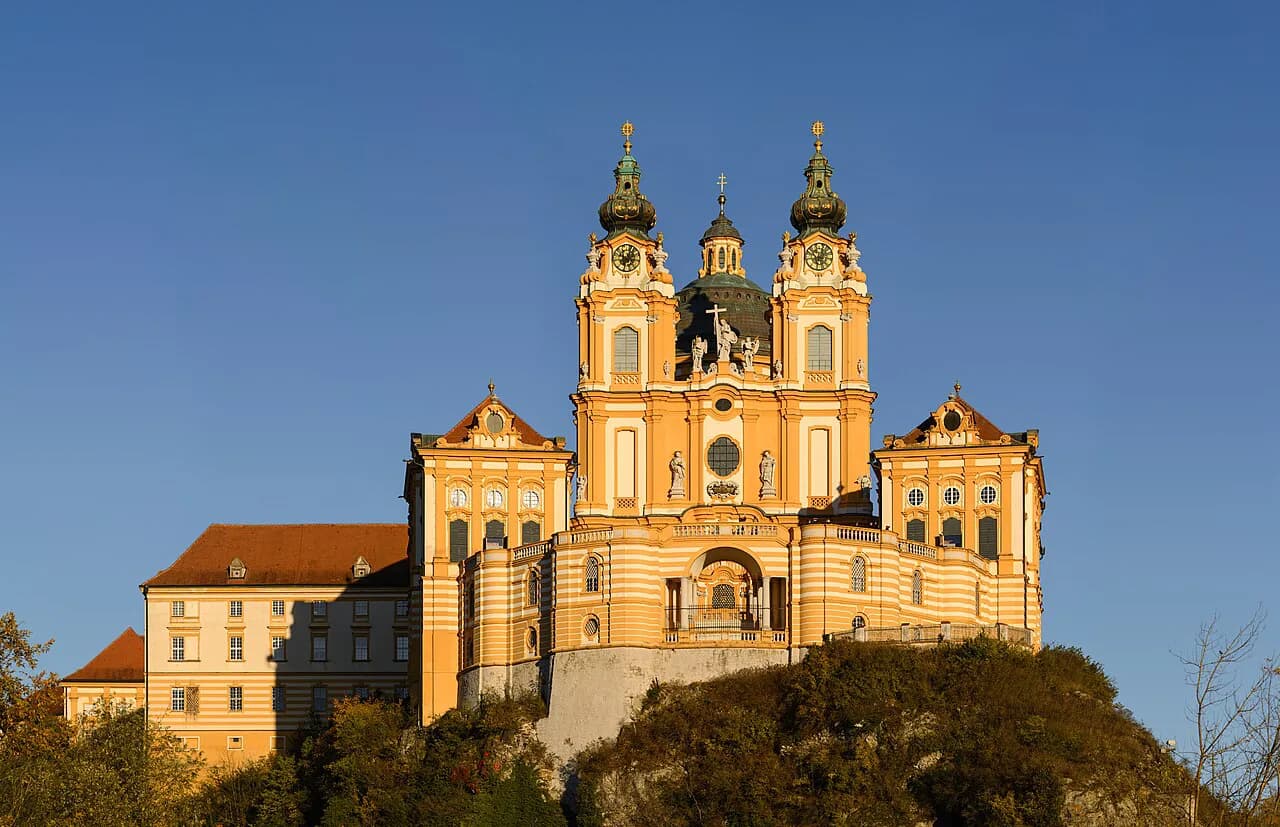
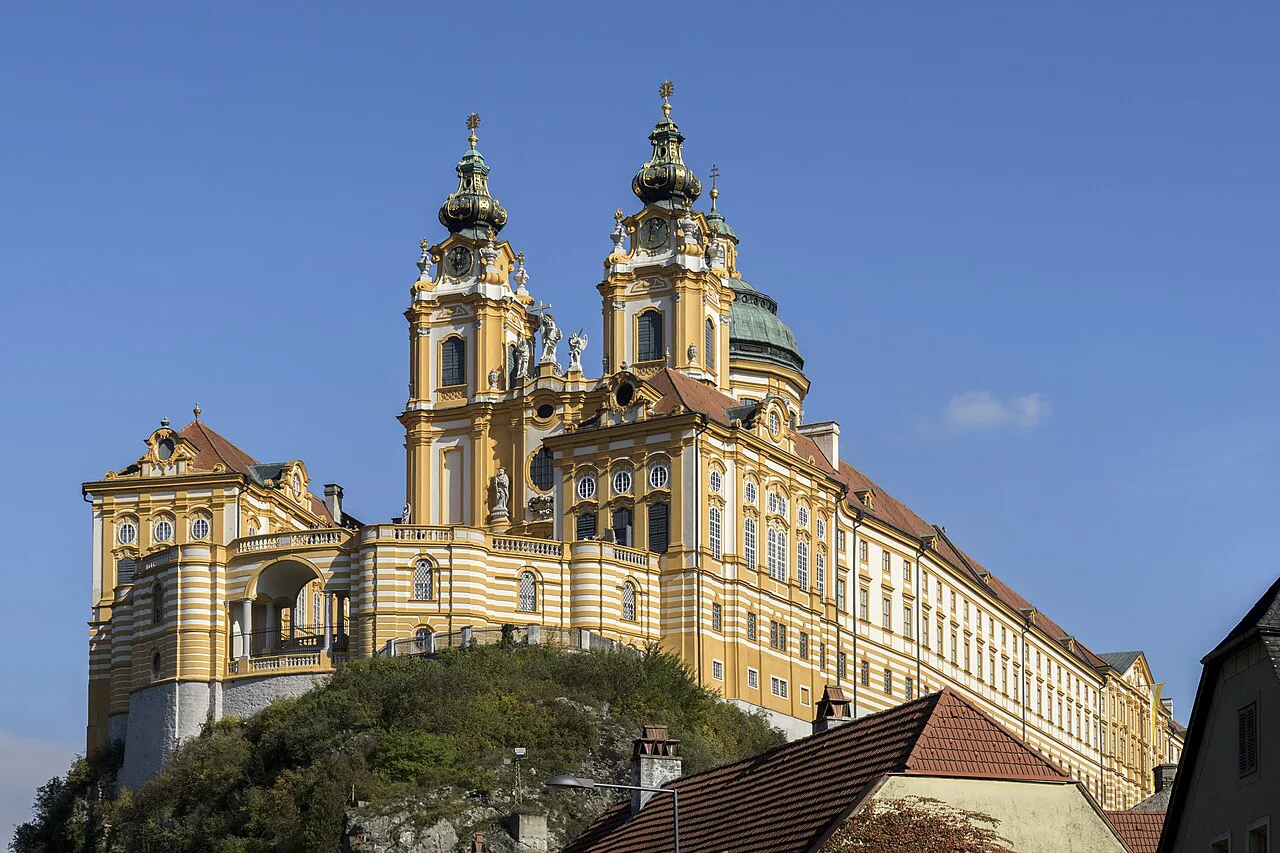
The 7-day train version uses four bases: two nights in Linz with a Wachau day, one night in Hallstatt or the Salzkammergut, two nights in Innsbruck, and a final night near Salzburg or back in Linz for the train out. That leaves the Wachau as a day trip rather than an overnight, which is the tightest part of the plan: Dürnstein and Stift Melk (Melk Abbey) both reward a slow morning.
The 10-day car version adds three nights in Carinthia and one on the Grossglockner approach. A published camping route from Walchsee through Zell am See, Lienz, Spittal an der Drau, Villach and Klagenfurt covers roughly 350 kilometers and suggests 5 to 7 days, with spring to autumn, preferably May to September, as the best window. Use that figure as a benchmark for the eastern half of your drive, not as the length of this itinerary.
If you have only 10 days and want both mountains and lakes, put Carinthia last so a delayed pass crossing does not cost you a train. Wörthersee and Klagenfurt sit close enough to Villach that one base covers both, and Burg Landskron above Villach is the kind of half-day castle stop that fills a rainy afternoon.
Rail versus car: how the two routes differ
The train route wins on the Danube and through the Alps: ÖBB carries you Linz to Salzburg and on to Innsbruck without a toll sticker, and Postbus lines fill the gaps into the Wachau and the Salzkammergut. You lose flexibility at the edges, because abbey tours run at set times and lake boats keep seasonal schedules, so a missed connection can cost a whole sight.
How many days do you need for an Austria itinerary? Seven days covers a train loop through Linz, the Wachau, Hallstatt and Innsbruck, while ten days adds the Grossglockner Hochalpenstrasse and two or three nights in Carinthia. The binding constraint is seasonal: the high pass and the lake boats run in the warm months, so a shorter trip outside that window should lean on towns and abbeys instead.
What is a good month to visit Austria on this route? Late spring through early autumn is the practical window, and a published camping route through Tirol, Salzburg and Carinthia names May to September as the preferred stretch. That timing keeps the Grossglockner and the lake crossings in play and gives you long days for the Wachau.
Can you do this Austria itinerary without a car? Yes, on the 7-day version: ÖBB trains link Linz, Salzburg and Innsbruck, and Postbus lines cover the Wachau and the Salzkammergut. The Carinthia and Grossglockner extension is where a car earns its cost, so pick up a rental in Innsbruck and return it in Klagenfurt or Villach if you want both.
The car route wins in Carinthia and around the Grossglockner Hochalpenstrasse, where a vehicle turns three scattered lakes into one day. The trade-off is cost and season: autobahns normally require a Vignette, while ordinary country roads are generally toll-free, and high mountain passes are a summer commitment rather than a year-round shortcut.
A mixed plan often beats both: train from Linz through the Wachau and Hallstatt to Innsbruck, then pick up a rental car in Innsbruck for the Grossglockner and Carinthia, dropping it in Klagenfurt or Villach before a train back. That keeps the mountain driving where it pays and avoids paying for a car on days when it sits parked.
Days 1–2: Linz as the rail gateway, then the Wachau
Linz earns its place as the first base because it sits on the main westbound rail line and puts the Wachau within a day's reach. Give the city one afternoon for its main square and the climb to the Pöstlingberg viewpoint, then spend the second day downriver in the Wachau.
In the Wachau, choose boat or bus rather than trying both. A Danube boat between Krems and Melk lets you step off at Dürnstein for the old town and the ruined castle above it, while a Postbus along the valley road is faster and runs without a boat timetable. Whichever you choose, treat Stift Melk (Melk Abbey) as a fixed appointment in the day and check its current visiting times before you travel, so the abbey anchors the schedule rather than filling a gap.
Sleep in Linz both nights and travel light to the valley; the alternative, one night in Dürnstein or Melk, buys a quieter morning but costs a hotel change and a slower train back. For a first trip, the Linz base is the better use of two days.
Day 3: Hallstatt and the Salzkammergut lake towns
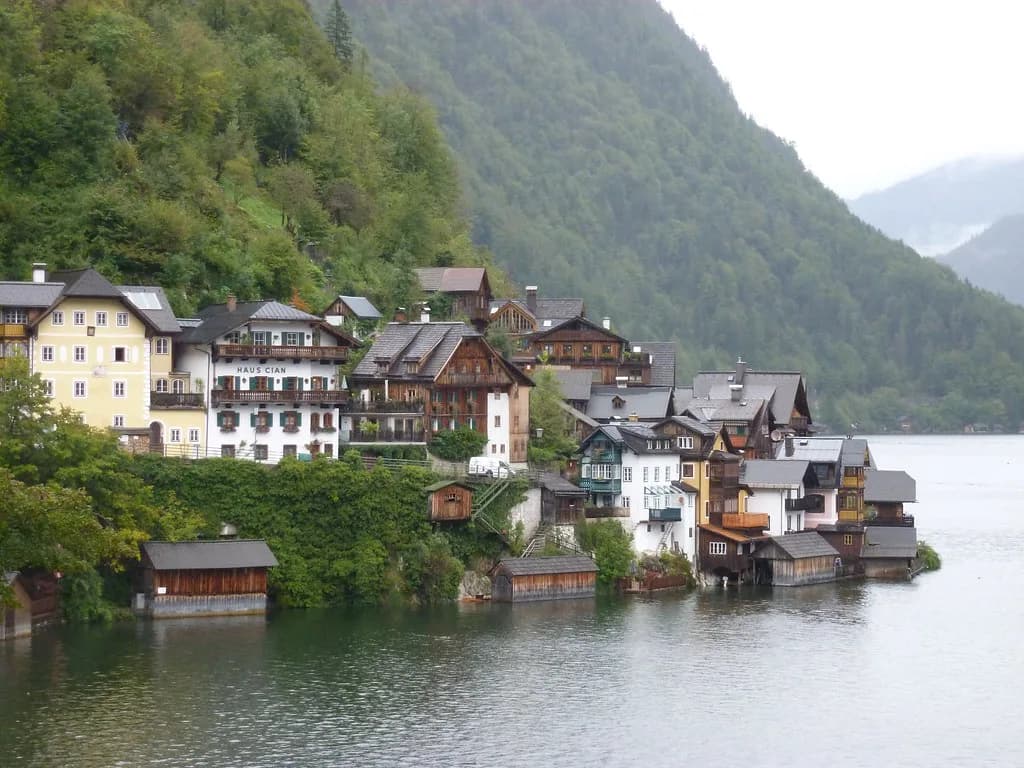
Hallstatt is the constraint, not the reward: midday brings the tour buses, and the village is small enough that the crowd lands on the same few lanes between the market square and the lake. Arrive early, walk the lakeside path first, and leave the salt-mine or museum visit for when the center thins out.
The wider Salzkammergut gives you alternatives if Hallstatt feels too tight: Gmunden, Bad Ischl and the smaller lake villages spread the same scenery across more space. A look at the villages in Austria beyond the famous names helps here, because the second-rank lake towns are where a one-night stop actually feels relaxed.
By train, Hallstatt station sits across the lake from the village and connects by a short ferry, so build the crossing into your arrival time rather than treating the station as the destination. The lakeside setting is what draws the coaches, so an early start still matters more than any single sight in the village.
Day 4: Innsbruck as a mountain-town base
Innsbruck works as a two-night base because it combines a compact old town with mountain access: the Goldenes Dachl, the Hofkirche and the riverfront are a half-day walk, and the Nordkette cable car puts you above the city without a drive. Keep the cable car as a clear-weather option; cloud on the ridge turns the trip into an expensive ride to a white wall.
On the way west from the Salzkammergut, Kufstein is the obvious pause: the fortress above the town dominates the Inn valley and gives you a castle stop without a detour. Schloss Ambras on the edge of Innsbruck is the alternative if you would rather spend the afternoon in one place than break the journey.
Two nights here also let you take one full day out of the city without losing the old town. The mistake is to book Innsbruck as a single overnight: you end up seeing the center at dusk and the mountains not at all.
Days 5–7: the car extension over the Grossglockner and into Carinthia
The Grossglockner Hochalpenstrasse is the reason to switch to a car, and it is a summer road: the high pass is a seasonal commitment, so do not build it into an April or November plan. Drive it as a mountain day in its own right, stopping at the high viewpoints and the glacier, and sleep at Heiligenblut or in the Drau valley rather than pushing on to Klagenfurt in one go.
Carinthia then slows the trip down, which is the point. Base yourself at Wörthersee for two nights: Klagenfurt for the old town and the lake promenade, Villach for Burg Landskron and the gateway to the Drau, and one boat afternoon on the lake instead of a third museum. The published camping route puts this stretch at 5 to 7 days, which tells you the region rewards more time than a single overnight.
Return the car in Klagenfurt or Villach and take the train back toward Salzburg or Vienna; the Railjet lines make the return leg the easy part of the plan. If you keep the car, remember that autobahn sections need the Vignette and that mountain roads add time on top of the map estimate.
Where to put extra nights on a 10-day trip
With 10 days, the first extra night goes to the Wachau, turning the day trip into an overnight in Dürnstein or Melk and letting you see the abbey without rushing the boat. The second goes to Carinthia, where a third night at Wörthersee covers a lake day and a castle day without doubling back.
A western option exists too: Bregenz at the far end of the country adds a lakefront stage and a different Austria, but it stretches the rail legs and works better as a separate trip than as an extension of a Linz-to-Carinthia line. Choose one extension, not both.
If your interest is baroque towns rather than mountains, spend the extra night in Steyr or Schärding on the Inn instead of adding distance. The most beautiful towns in Austria on this axis are close together, and a short hop beats a long transfer.
Getting around: trains, Postbus and the Vignette
ÖBB covers the main line from Linz through Salzburg to Innsbruck and on to Bregenz, and Postbus fills the regional gaps into the Wachau and the Salzkammergut. Regional trains are slower but often require no reservation, which suits an itinerary built around one or two fixed sights a day.
For the car days, the Vignette is the fixed cost and the Grossglockner toll is the variable one: check the current Vignette price and the pass toll at the operator before you commit, because both change by year and by vehicle category. Fuel, parking in Hallstatt and lake-town garage fees are the other lines that decide whether the car pays off.
A package benchmark helps set expectations: a tour operator lists 7-night Austria round trips from 722 euros per person in a double room with breakfast, and a 7-night 'Zehn-Seen-Rundfahrt' lake circuit from 1,142 euros. Those are package prices for a booked tour, not what you will pay for individual tickets, so treat them as a starting reference rather than a budget.
What things cost in EUR
The big-ticket items are the abbey entry, the boat ticket on the Danube or a Carinthian lake, the Grossglockner toll and any cable car. Each is priced by its own operator and changes by season, so check the operator page for the day you travel rather than budgeting from a blog.
Train and bus fares are the predictable part: ÖBB and Postbus publish fares by route, and a rail pass or a regional day ticket can undercut point-to-point tickets on the Linz–Salzburg–Innsbruck axis. Compare the pass against your actual legs before buying, since a pass only pays on longer days.
Food and museum entry are the flexible lines: a lake-town cafe lunch costs less than a restaurant dinner in Innsbruck, and many small-town museums are cheap enough that a rainy afternoon does not blow the budget.
Mistakes that break the schedule
The commonest error is treating the Grossglockner and the lake boats as year-round add-ons: both are seasonal, and a plan built on a May-to-October sight collapses if you shift the trip to March. Build the seasonal sights first and let the city days move around them.
Set abbey visiting times in advance, so a late train into Melk costs you the visit rather than merely delaying it. Plan the abbey for the middle of the day, not the last slot, and keep the boat as the flexible half of the Wachau plan.
The third mistake is Hallstatt at midday: a one-night stop with an early arrival solves it, while a day trip from Salzburg puts you in the village exactly when the coaches do. Smaller museums can keep limited hours, so call ahead or check the museum's own page before you build an afternoon around it.
Which Austria shape should you book?
Book the 7-day train loop if you want the Danube, Hallstatt and Innsbruck without a car, and accept the Wachau as a day trip with a fixed abbey time. Book the 10-day car route if the Grossglockner and Carinthia are the reason you are coming, and put the pass in the middle of the trip so a weather day can move around it.
Either way, fix the seasonal sights first, then fill the towns around them, and check operator pages for the current toll, ticket and timetable before you lock the nights. For the wider menu of stops between Vienna and Salzburg, start with places to visit in Austria and build the line from there.
Explore more Austria guides
Frequently Asked Questions
How many days do you need for an Austria itinerary?
Seven days covers a train loop through Linz, the Wachau, Hallstatt and Innsbruck, while ten days adds the Grossglockner Hochalpenstrasse and two or three nights in Carinthia. The binding constraint is seasonal: the high pass and the lake boats run in the warm months, so a shorter trip outside that window should lean on towns and abbeys instead.
What is a good month to visit Austria on this route?
Late spring through early autumn is the practical window, and a published camping route through Tirol, Salzburg and Carinthia names May to September as the preferred stretch. That timing keeps the Grossglockner and the lake crossings in play and gives you long days for the Wachau.
Can you do this Austria itinerary without a car?
Yes, on the 7-day version: ÖBB trains link Linz, Salzburg and Innsbruck, and Postbus lines cover the Wachau and the Salzkammergut. The Carinthia and Grossglockner extension is where a car earns its cost, so pick up a rental in Innsbruck and return it in Klagenfurt or Villach if you want both.
Sources
Notes for your next Austrian town break
Optional updates when we add or revise town guides.
You might also like
Continue reading
More guides you'll find useful