Villages in Austria: Lake, Wine-Country and Alpine Towns Worth the Trip
A guide to villages in Austria worth the trip, from Salzkammergut lake towns to Wachau wine villages, with what to see in each and how they fit a route.
On this page
The villages in Austria most travelers picture are lake towns and Danube wine villages, and the strongest picks cluster in three belts: the Salzkammergut around Lake Wolfgang, the Wachau west of Vienna, and Carinthia around the Wörthersee. This guide takes each village in turn, says what the center looks like, and shows how it fits a route.
Treat these places as stops with an onward connection rather than single-photo detours. Some reward a half-day between trains, others justify an overnight so you see the square before the buses arrive, and the difference usually comes down to how the rail and Postbus lines run.
What counts as a village in Austria, and why the label matters for planning
In planning terms, a village here means a small historic center with a church and a body of water or a mountain close by, not a suburb of a city. The official list of Austrian cities and towns covers the statutory cities from Vienna and Graz down to St. Pölten, and the places below sit well under that tier.
The label matters because small centers come with small infrastructure: one bus an hour, a church that opens for set hours, a ferry tied to the rail timetable. Build the day around those fixed points and use the wider towns in Austria guide for the bigger stops that anchor a longer trip.
A useful rule is to pick one village per region rather than three in a row. Two lake villages back to back blur together, while a Danube wine village and an Alpine pilgrimage town give you completely different afternoons.
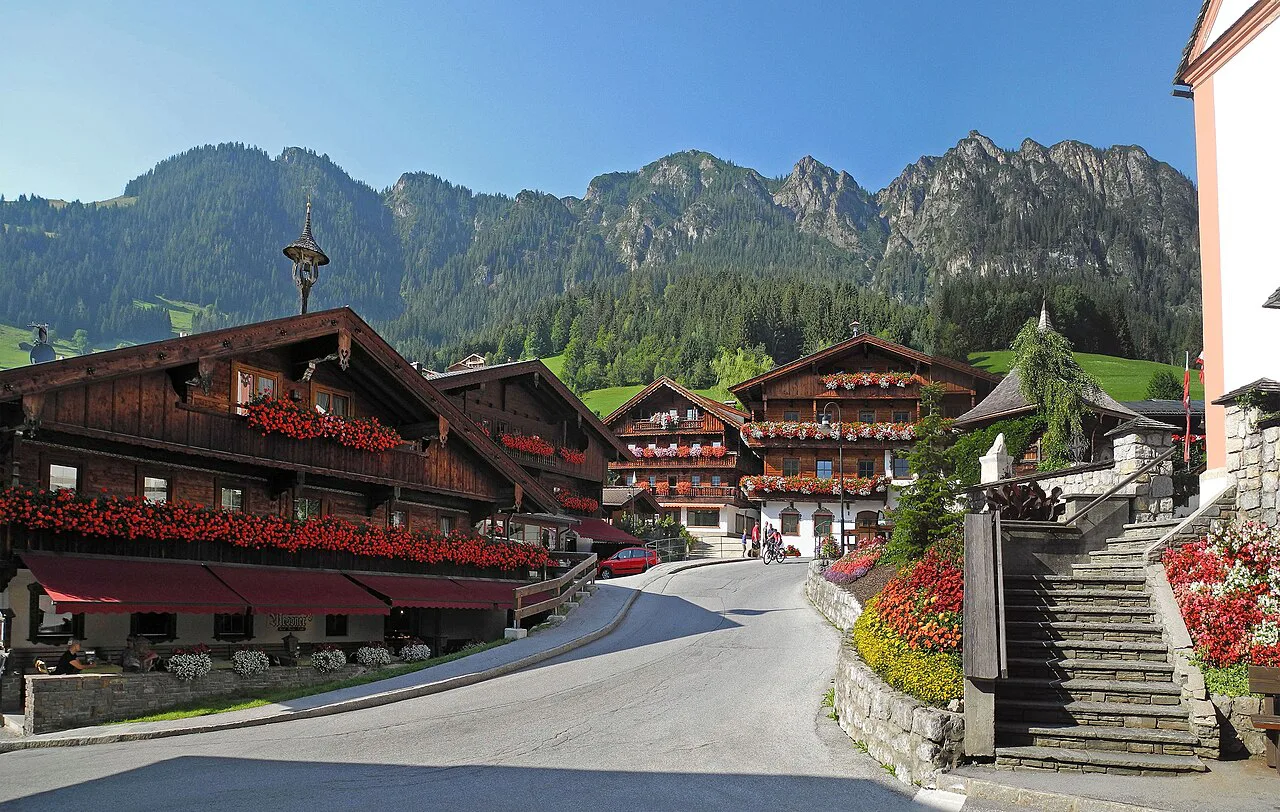
St. Wolfgang im Salzkammergut: the Wolfgangsee village with the Schafberg behind it
St. Wolfgang im Salzkammergut sits on Lake Wolfgang at the foot of the Schafberg. It is not a well-kept secret, but the flow of visitors is better distributed than in Hallstatt because St. Gilgen, Strobl and the Schafberg Railway pull people away from the single main street. If you are weighing this lake against the famous one, the most beautiful towns in Austria piece covers the bigger-name stops.
Can you give me a list of villages in Austria worth visiting? A practical shortlist is St. Wolfgang im Salzkammergut and Traunkirchen on the Salzkammergut lakes, Dürnstein and Stein an der Donau in the Wachau, Maria Wörth on the Wörthersee, Friesach and Mariazell for church and old-town stops, Steyr on two rivers, and Lunz am See and Grundlsee for quiet lake stays.
What is the most famous village in Austria? Hallstatt is the best-known village in the country and the one most affected by coach traffic, with souvenir shops now filling much of the center. St.
How do you reach these villages without a car? A train reaches many of these villages or a nearby town, with Postbus services filling the gaps, so you can often move between them on scheduled trains and buses. Check the ÖBB and Postbus timetables for your date, since lake boats and mountain railways run on their own seasonal schedules.
The village works as a base for the whole Wolfgangsee rather than a one-hour stop, and the Schafberg Railway is the reason many people come. Confirm sailing and rail times the same week you travel, since lake boats and mountain trains run on their own seasonal timetables.
Nearby Bad Aussee and Bad Goisern sit around the corner and are equally interesting, which makes the southern Salzkammergut a sensible two-night anchor. For bigger-name stops beyond the lake villages, the most beautiful towns in Austria guide is the companion.
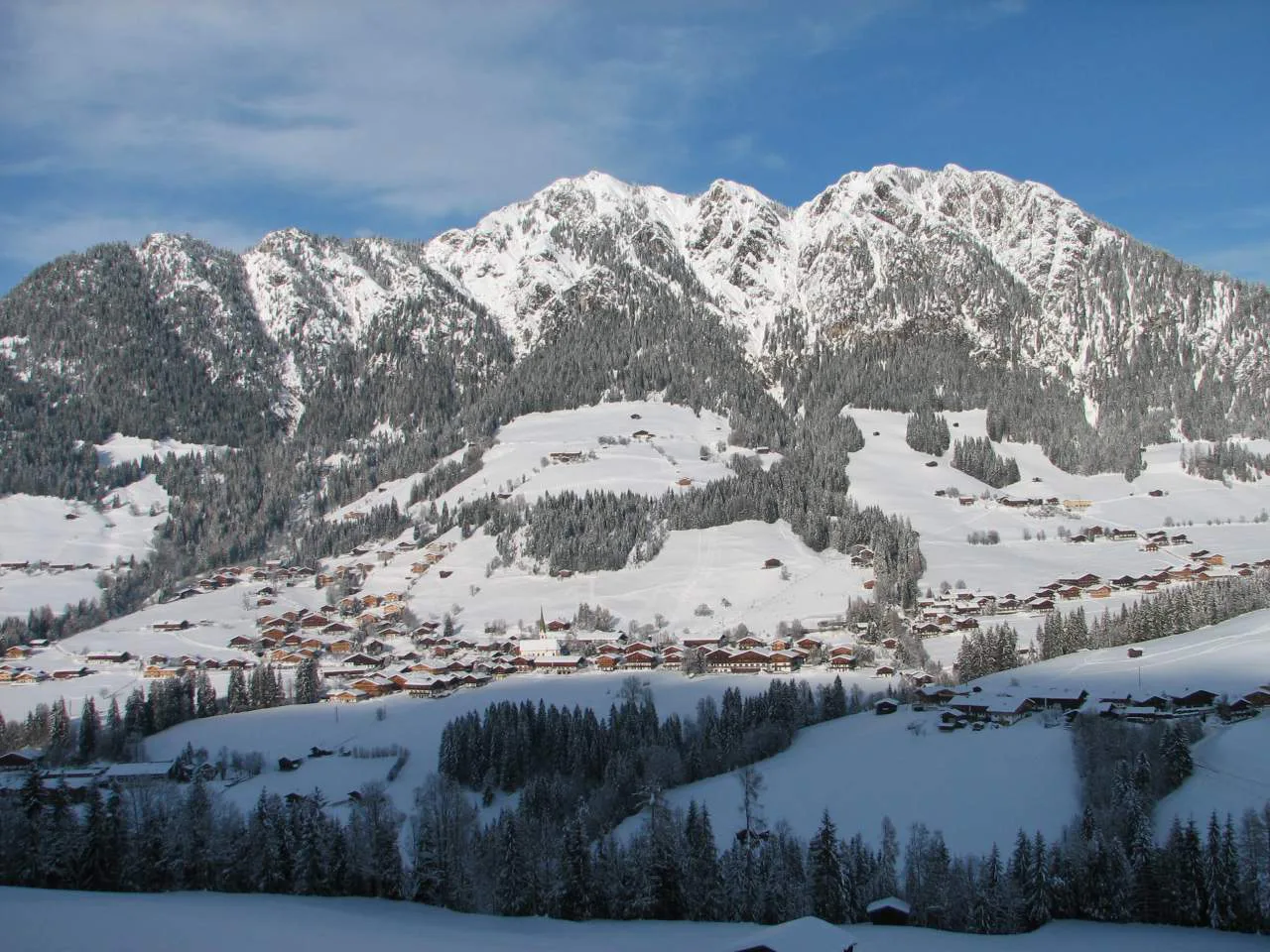
Traunkirchen: a small Traunsee village in the Salzkammergut
Traunkirchen is a compact village on the Traunsee, and it takes far less time than St. Wolfgang. Pair it with a Traunsee boat crossing or a train stop in Gmunden and you have a varied day on the lake.
The village itself is quick, so plan the stop around the lake rather than the streets, and check boat and rail times for your date before you commit to a schedule.
For travelers comparing small lake settlements across the country, the most beautiful villages in Austria collection groups these into one list by region.
Dürnstein and Stein an der Donau in the Wachau
Dürnstein is one of the most charming villages of the Wachau, roughly an hour by train from Vienna, with its blue church tower and terraced vineyards above the Danube. Stein an der Donau, just downstream, is the quieter partner with its own old lanes and riverfront.
The Wachau rewards a boat-and-train combination: sail one direction on the Danube and ride the rail line back. Check the operator's own site for the week you plan to travel before booking a rail ticket, since Wachau boat services run on their own seasonal schedule.
Both villages sit on the Krems branch of the rail network, which makes them easy to add to a Vienna-to-Melk leg. For the wider region, the places to visit in Austria guide covers what else fits around the Danube valley.
Maria Wörth on the Wörthersee in Carinthia
Maria Wörth sits on a small peninsula on the Wörthersee, with a pilgrimage church and a slower pace than Klagenfurt am Wörthersee at the lake's eastern end. It is a lake village that suits a half-day, ideally tied to a boat crossing rather than a drive.
Confirm the Wörthersee boat season before you build the day around it, since Carinthian lake services run on their own seasonal schedules.
Carinthia also gives you Klagenfurt as a rail hub and Villach as a gateway south, both worth knowing when you plan onward connections.
Friesach in Carinthia and its medieval old town
Friesach is an inland Carinthian town with a medieval core, a castle hill above the streets, and a different Carinthia from the lake resorts. It is the kind of stop that rewards a slow walk through the center and a look at the town's fortifications rather than a checklist of sights.
Because Friesach is inland on the rail line north of Klagenfurt, it fits naturally between the Wörthersee and the journey onward. Plan around the church and castle rather than a tight schedule, and check the town's own site for opening times of individual sights.
Mariazell in Styria and its pilgrimage church
Mariazell is a pilgrimage village built around a basilica that draws pilgrims from across Central Europe. The village is small and the church is the reason to come, so the visit is really about the square outside it and the surrounding mountain country.
Reaching Mariazell without a car means a bus connection from the rail network, and the trip takes a good part of a day each way. That makes it a natural overnight stop rather than a day trip from Vienna or Graz, so budget the time honestly.
If the pilgrimage church is your main interest, the most beautiful villages in Austria piece puts Mariazell in context with other small church towns.
Steyr in Upper Austria: an old town on two rivers
Steyr sits where the Enns and the Steyr rivers meet, and its old town is one of the most intact in Upper Austria, with a long main square and a castle at the confluence. It is bigger than a village but reads like one in the center, which makes it a good city-scale break between small lake stops.
Steyr works well as a rail stop on the line between Linz and the south, so it fits neatly before or after the Salzkammergut. Give it a half-day for the square and the river confluence, and check the town's own listings for museum hours if you want more than the streets.
Lunz am See and Grundlsee: quiet lake villages
Lunz am See and Grundlsee are the quiet end of the Salzkammergut, small lake villages with mountain backdrops and little of the traffic of the Wolfgangsee. Grundlsee sits at the end of its own valley road, while Lunz am See has a small lake and a rail link that makes it easier to reach without a car.
These are places to stay two nights and do very little, which is exactly the point. If your route needs a rest day between busier stops, put it here rather than at a famous lake, where the reward for slowing down is smaller.
Getting between villages by train, Postbus or car
Austrian trains reach most of these villages or a nearby town, and Postbus lines fill the gaps on their own timetables. Check ÖBB and Postbus timetables for your date rather than relying on a printed guidebook, since connections vary by hour and by season.
A car is faster between lakes but comes with trade-offs: village centers restrict parking, and mountain passes can close with weather. For a Wolfgangsee-and-Traunsee loop a car helps, while for the Wachau the train-and-boat combination is simpler.
If you are building a longer trip, the Austria itinerary guide shows how these stops chain together across the country.
How to sequence villages into a route through Austria
A sensible order is Vienna or Salzburg as the arrival hub, then one region per few days: the Wachau first if you land in Vienna, the Salzkammergut second, and Carinthia last if you are heading south. That sequence uses rail lines that already connect the regions rather than doubling back.
Keep famous villages early in the day and quieter ones for late afternoon, because that is when the coach traffic thins. Hallstatt is the clearest example of a village whose reputation now outruns its size, and the surrounding Salzkammergut spreads visitors better across St. Gilgen, Strobl and the Schafberg Railway.
For a summer road-and-rail combination, the Austria in summer guide covers seasonal openings and the mountain roads that only run in warm months.
Where village crowds concentrate and when to go
The crowd pattern is simple: one or two villages in each region absorb most of the coaches, and the rest stay calm even in August. Hallstatt is the extreme case, with souvenir shops filling much of the center and the town replicated in China, while at St. Wolfgang the influx is better distributed around the lake.
Shoulder seasons in May and late September give you the villages without the peak, but lake boats and mountain railways may run reduced schedules then. Check operator sites for your own dates.
For towns that handle crowds well and still feel like places to live, the most beautiful towns in Austria guide is the companion for bigger stops.
Which village to build your route around
Start with St. Wolfgang im Salzkammergut if you want one base for lake boats, a mountain railway and easy onward rail. Choose Dürnstein if you are traveling from Vienna and want a Danube day with a train back, and pick Mariazell or Friesach if the church and the old town matter more than the water.
Whichever you choose, lock the connections first and the sightseeing second, then let the day fill in around the church, the square and the lake.
Explore more Austria guides
Frequently Asked Questions
Can you give me a list of villages in Austria worth visiting?
A practical shortlist is St. Wolfgang im Salzkammergut and Traunkirchen on the Salzkammergut lakes, Dürnstein and Stein an der Donau in the Wachau, Maria Wörth on the Wörthersee, Friesach and Mariazell for church and old-town stops, Steyr on two rivers, and Lunz am See and Grundlsee for quiet lake stays.
What is the most famous village in Austria?
Hallstatt is the best-known village in the country and the one most affected by coach traffic, with souvenir shops now filling much of the center. St. Wolfgang im Salzkammergut is the other famous lake village, but its visitors spread across Lake Wolfgang and the Schafberg Railway, so the streets stay calmer.
How do you reach these villages without a car?
A train reaches many of these villages or a nearby town, with Postbus services filling the gaps, so you can often move between them on scheduled trains and buses. Check the ÖBB and Postbus timetables for your date, since lake boats and mountain railways run on their own seasonal schedules.
Sources
Notes for your next Austrian town break
Optional updates when we add or revise town guides.
You might also like
Continue reading
More guides you'll find useful