Places to Visit in Austria Beyond Vienna and Salzburg
Plan an Austria trip beyond Vienna and Salzburg with named towns, lakes, castles and abbeys, plus how each place fits a route by train, bus or car.
On this page
The places most worth building an Austria trip around lie outside Vienna and Salzburg: the Salzkammergut lake villages, the Danube town of Krems an der Donau and the Wachau, Graz, Innsbruck, the Grossglockner High Alpine Road and Carinthia's castles. Treat Vienna and Salzburg as arrival points, then move west and south through the towns and lakes below.
This guide groups the stops by region rather than ranking them flatly, because each one plugs into a different rail, bus or driving route. Rick Steves' outline of an Austria route shows how the big sights cluster along the main west line, with the Danube Valley and western Tirol added only on longer trips, which is exactly where the regional approach helps.
Why the best places in Austria sit outside Vienna and Salzburg
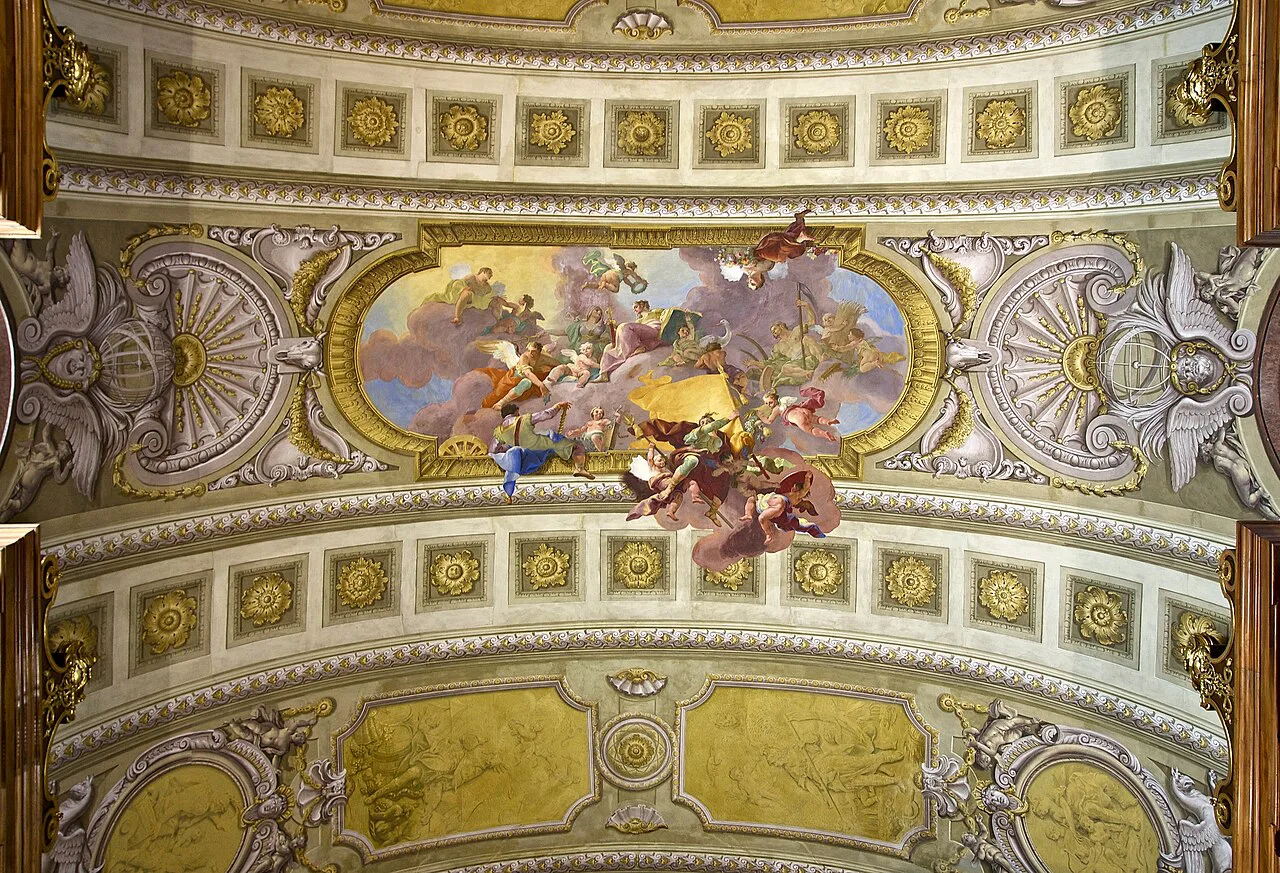
Vienna and Salzburg hold the imperial palaces, the State Hall of the Austrian National Library and Mozart's birth house, and they deserve their days. The rest of the country is where Austria thins out into lake villages, baroque abbeys and fortress towns that fit together along the main east-west rail corridor and the Alpine roads running south. Grouping stops by region lets you move in one direction instead of backtracking, and it keeps a short trip from turning into a checklist of famous names.
Hallstatt and the Salzkammergut lake towns
Hallstatt is the picture everyone brings home: 16th-century houses stacked between the lake and the mountain, a market square at the water's edge and a funicular climbing to the salt mine and the Skywalk above town. The trade-off is timing. Arrive early or stay late, and use a wooden Zille boat on the lake to see the village from the water when the lanes fill up at midday.
Around Hallstatt, the Salzkammergut villages connect by short rail hops and lake boats, so much of the area works without a car. The Hallstatt region is UNESCO-listed, and a boat trip on the lake gives you the classic view back toward the village. Build the day around published ÖBB and Postbus timetables rather than guessing at departure times.
St. Gilgen and the Wolfgangsee
St. Gilgen sits at the western end of the Wolfgangsee, listed among Austria's worthwhile stops, with a waterfront that works as a slower base than Hallstatt. From here the boats and local buses connect the villages around the water, and a cable car rises directly from town for the view over the lake. Check the cable car's operating season before you build a day around it, since Austrian lifts commonly run seasonal schedules.
If you want the Wolfgangsee without the day-trip crush, the smaller villages along the shore reward a night's stay more than a quick photo stop. Our guide to the villages in Austria covers the kind of small lakeside places that pair well with St. Gilgen.
Krems an der Donau and the Wachau, with Dürnstein
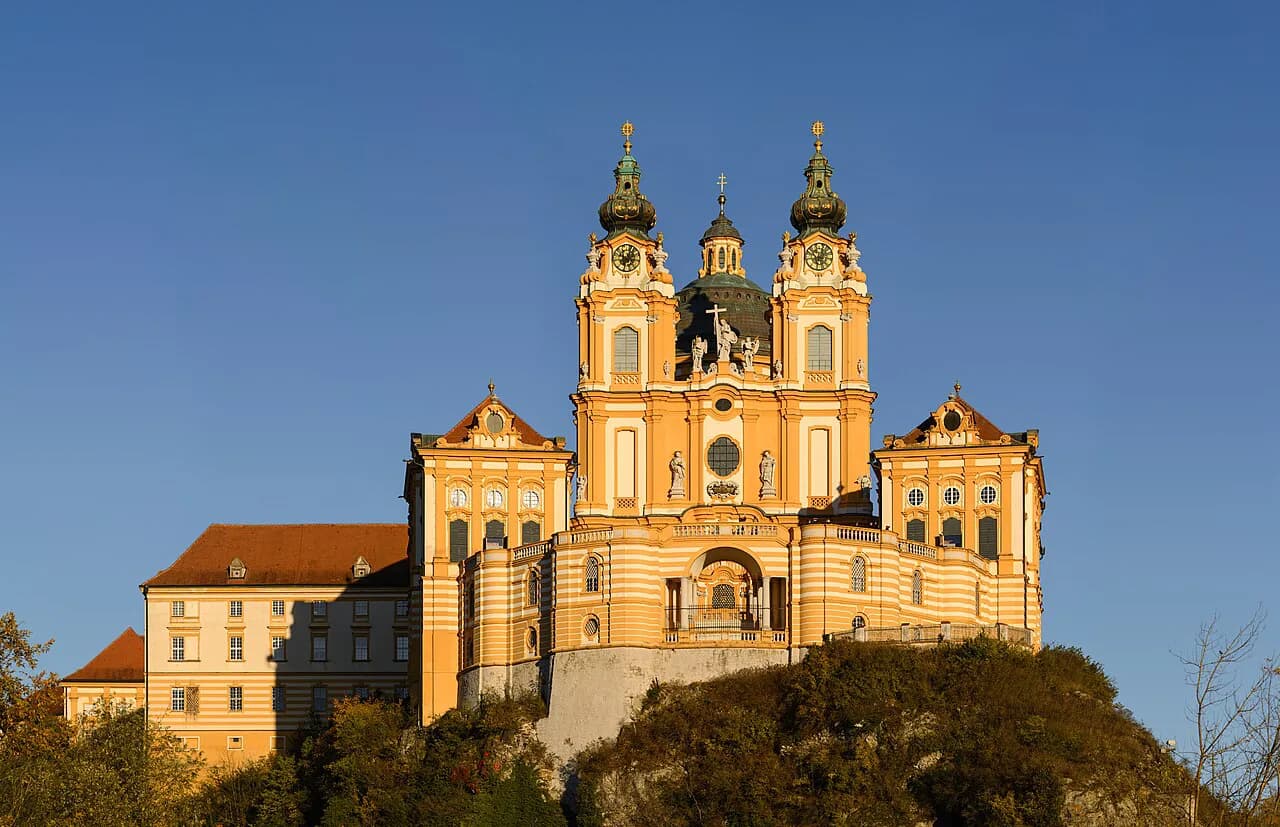
Krems an der Donau is the working town at the eastern gate of the Wachau, with a rail station on the Danube line and boats linking the valley in season. Upstream, Dürnstein packs a blue-and-white baroque abbey, terraced vineyards and a ruined castle above the river into a few walkable streets. The Wachau is wine country, so treat tastings and Heurigen as a side note and keep the architecture and the river views as the main event.
Dürnstein is the Wachau's most photographed stop for good reason, and it also shows the valley's main practical problem: it is small, and everyone arrives at once. Come by early train from Krems or stay overnight, and walk the lanes before the tour groups land.
Graz in Styria
Graz is Austria's second city and the one most itineraries skip, with a dense old town, the clock tower on the Schlossberg and a university buzz that keeps the center alive after dark. It also works as a rail hub for reaching Styria's Gesäuse and the south toward Carinthia, which makes it a useful hinge in a longer route.
Innsbruck and the Tyrol towns around it
Innsbruck sets the baroque old town against the mountains, with the Goldenes Dachl balcony, the Hofburg and the riverfront houses of the Mariahilf quarter all within a short walk. It is also the rail gateway to the Tyrol, with trains running west toward Vorarlberg and east toward Kitzbühel and Zell am See, so a base here covers several towns without changing hotels.
Alpbach, east of Innsbruck in the Tyrol, is the counterweight to the city: a single street of wooden farmhouses and flower balconies on a shelf above the valley. It is a village stop rather than a town stop, which is why it belongs on the same trip as Innsbruck only if you have the time to slow down.
Kitzbühel and Zell am See
Kitzbühel is a colorful town center below the Hahnenkamm, and its streets are worth an afternoon even if the ski season is not your reason for being there. Zell am See puts a lake and a mountain directly against the old town, with a promenade and boats in summer. Both sit in the Salzburg and Tyrol Alps, and the west line through Salzburg toward Innsbruck links the region, so they chain together easily.
For a route that places these towns in a sequence rather than as isolated stops, a longer Austria itinerary adds the Danube Valley and western Tirol once the core Salzburg and Salzkammergut stops are in place. Pairing the lake towns with the Tyrol is the most efficient way to see both in one move.
Grossglockner High Alpine Road between Salzburg and Carinthia
The Grossglockner High Alpine Road is the drive that defines an Alpine trip, climbing from the Salzburg side past the Pasterze glacier to the Edelweissspitze viewpoint and down into Carinthia. It is a toll road with a defined season, so check the operating dates before planning a crossing and never assume it is open outside them. Allow a full day, and go early: the hairpins and viewpoints fill with tour buses by mid-morning.
Hochosterwitz Castle in Carinthia
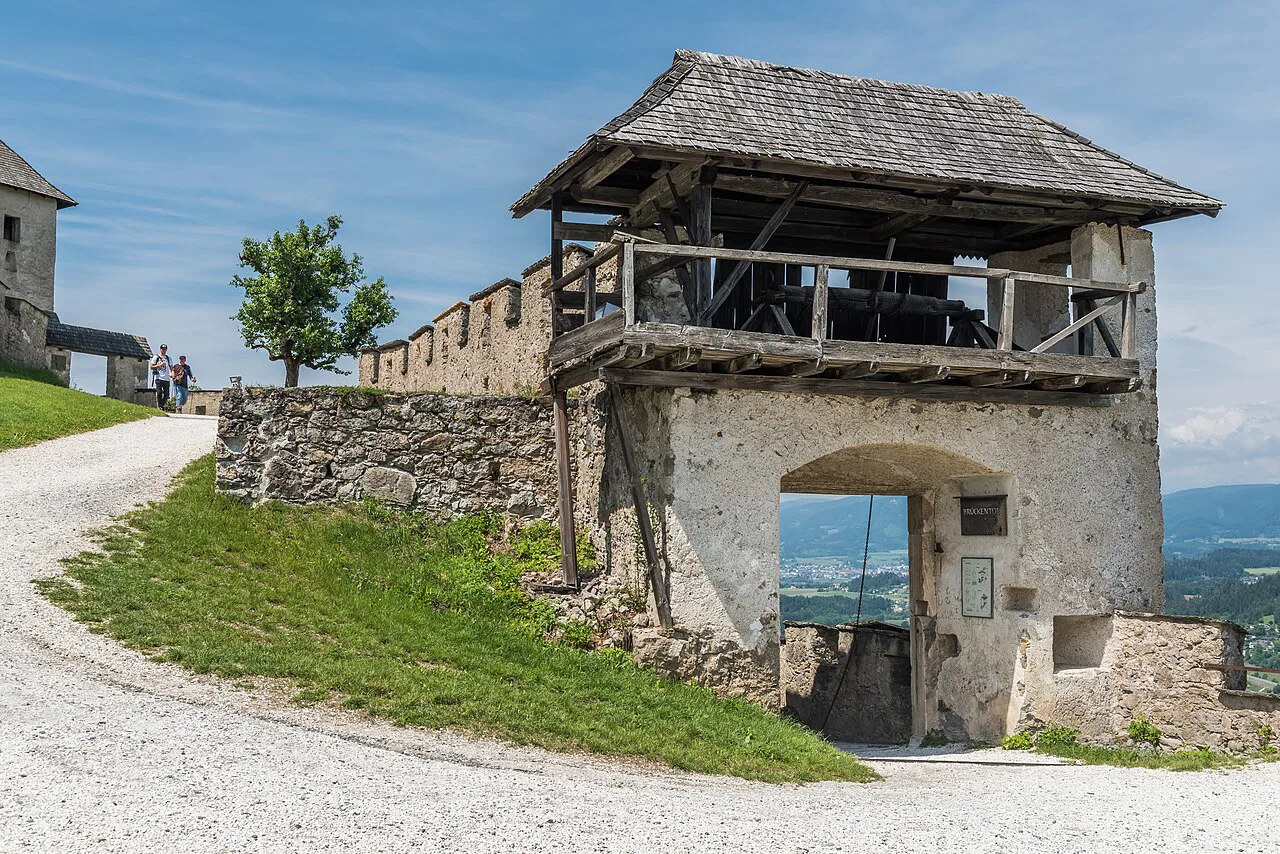
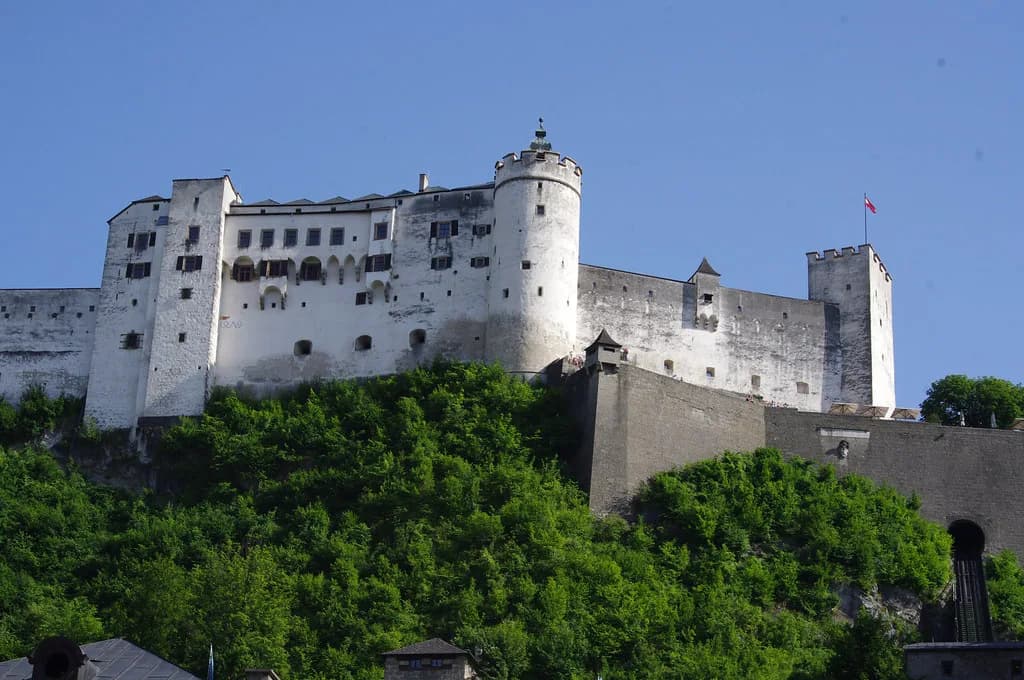
Hochosterwitz Castle is the Carinthian showpiece: a white fortress on a rock with a line of gatehouses along the climb and a wide view from the top. It is a castle visit rather than a town stop, and the walk up through the gates is part of the experience.
The Danube towns and the Wachau
The Danube between Vienna and Krems threads through the Wachau, and the riverside towns along it reward a slow day rather than a quick pass-through. Rail runs along the valley, with boats on the river in season, so the stretch works as a chain of short stops. Check visitor information for any abbey or site you plan to enter, since opening hours and tour times vary.
Vorarlberg, Bregenz and the Pfänderbahn cable car
Vorarlberg is Austria's westernmost state, bordering Switzerland, Germany and Lake Constance, and it reads differently from the east: timber architecture, storybook villages and a lakefront at Bregenz. The Pfänderbahn cable car climbs from Bregenz to the Pfänder ridge, and the Bregenz Festival is staged on the lake in summer rather than year-round.
Bregenz is on the main Railjet corridor, which makes Vorarlberg more reachable than its far-west position suggests. A stop here also breaks up the long west-east run and gives you a lake town that most Austria itineraries never reach.
Gesäuse and Thayatal for scenery instead of towns
Nationalpark Gesäuse, in Styria, and Thayatal National Park, on the Lower Austrian border, are landscape stops rather than town visits. Both suit travelers who have already covered the classic towns and want a quieter day in the scenery instead of another old-town square.
Fitting these places into a route by train, bus or car
Most of the stops above connect by rail: Salzburg, Zell am See, Kitzbühel, Innsbruck and Bregenz sit along the main west line, while Graz links south from Vienna and toward Carinthia. For the Salzkammergut, buses fill the gaps between rail stations and the villages. Rick Steves' outline of an Austria route shows how the headline stops cluster along that main line, and building the plan around published timetables is more reliable than guessing at connection times.
A car adds freedom on the Grossglockner High Alpine Road and the Carinthian lakes, but it brings tolls, parking costs and season-dependent mountain-road closures. Rental cars and fuel add up: a 2018 road trip by a family of four, covering Salzburg, Hallstatt, Linz and Vienna in six days, came to 655 EUR in total, which is history rather than a current budget. Check current rates for rentals, tolls and park entry before you commit to driving.
If you want the route to do the work rather than a list of names, our towns in Austria guide and a few small villages around the lakes filled in the gaps that the big stops leave out. Pick two or three regions for a week and let the transport decide the rest.
Which Austrian stop do you build the trip around?
Pick one region as the spine of the trip and let the others hang off it: the Salzkammergut lakes and Hallstatt, the Wachau with Krems and Dürnstein, or the Tyrol with Innsbruck, Kitzbühel and Zell am See. Add the Grossglockner drive or Carinthia's Hochosterwitz only if the transport links and seasons allow, since both reward planning more than spontaneity.
Book rail and Postbus connections from the published timetables, check the operating dates for the Grossglockner road and the cable cars before you commit, and keep one flexible day for the weather. That combination gives you the Austria that most itineraries miss without overloading the schedule.
Explore more Austria guides
Sources
Notes for your next Austrian town break
Optional updates when we add or revise town guides.
You might also like
Continue reading
More guides you'll find useful