Upper Austria Travel Guide: Linz, Steyr, Danube and the Salzkammergut
Plan an Upper Austria trip beyond Vienna and Salzburg: Linz, Steyr, Traunsee and Gmunden, the Danube valley, and the Linzer Torte, with honest trade-offs.
On this page
Upper Austria works best as a two- or three-night stop between Vienna and Salzburg, built around Linz and stretched out to Steyr, the Danube and the Salzkammergut lakes. The state runs from the Danube corridor in the north-center to the Mühlviertel hills above it and the lake country around Gmunden in the south, so you pick a zone rather than trying to cover all of it. This guide gives the Linz order of operations, the Steyr detour, the lakes worth the extra hour, and the food stop that justifies the city alone.
How Upper Austria is laid out
Linz sits in the north-center of the state on the Danube, and the river runs east from there toward Enns and Grein. North of the Danube rises the Mühlviertel, a granite hill country of small towns, while the south belongs to the Salzkammergut, the lake district shared with Salzburg and Styria. Treat these as three separate trips stitched into one state and your routing gets much simpler.
The southern lakes are the ones most travelers picture: the Traunsee at Gmunden with the Traunstein mountain rising behind it, plus quieter water in the same region. Gmunden is the natural southern hub, a ceramic town with a historic center and a landmark castle on the lake. If you only have one day south of Linz, this is where to spend it.
Linz as your base: Hauptplatz, Mariendom and the Pöstlingberg
Start at the Hauptplatz, the main square, and take the nostalgic mountain railway up to the Pöstlingberg for the broadest view over the city. Linz holds the largest church in Austria, the Mariendom, and the Schlossmuseum Linz is the country's largest universal museum. Those three anchor a first day: square, hilltop, cathedral.
The Mariendom is a neo-Gothic building with a scale that surprises visitors who expect a provincial town; give it real time rather than a photo stop. The Pöstlingberg railway departs from the Hauptplatz area, which makes the sequence logical: climb in the morning while the view is clear, then come down for the cathedral and the museums. Check the railway's operating days on the operator's own site before you build a day around it.
Museums and music in Linz
The Schlossmuseum Linz occupies the castle hill above the old town and carries the widest collection in the state, from art to natural history and technology. Below it, the Lentos Kunstmuseum sits directly on the Danube and concentrates on modern and contemporary art in a glass building that is itself part of the walk along the river. Pair them on one afternoon, since both are close to the old town.
For music, the Musiktheater am Volksgarten opened in 2013 and stages opera, ballet, musical and operetta in a technically advanced house. The Brucknerhaus, named for Anton Bruckner and set on the Danube bank, is the city's concert hall. Both are working venues, so look at the season program rather than assuming a performance on your dates.
Old town Linz on foot
The old town is compact enough to walk in an afternoon, and the specific streets matter more than a general wander. Herrenstraße and Bischofstraße carry the historic core's shops and facades, while the Landstraße is one of the best-known shopping streets in Austria and runs as a long north-south spine through the center. Walk the Landstraße once to orient yourself, then duck into the side streets.
This is also where the Linzer Torte stop belongs. Konditorei Jindrak has baked the cake since 1929 and sells it as a takeaway gift as well as a slice to eat. Do the old town on foot in the late afternoon, when the shopping street is still open and the cake counter is a natural end point. If the cake itself is the reason you came, our guide to the Linzer Torte: Austria's Lattice Cake and Where It's Linked to Linz traces its history and the addresses worth knowing.
Steyr: the old iron town at the edge of the Kalkalpen
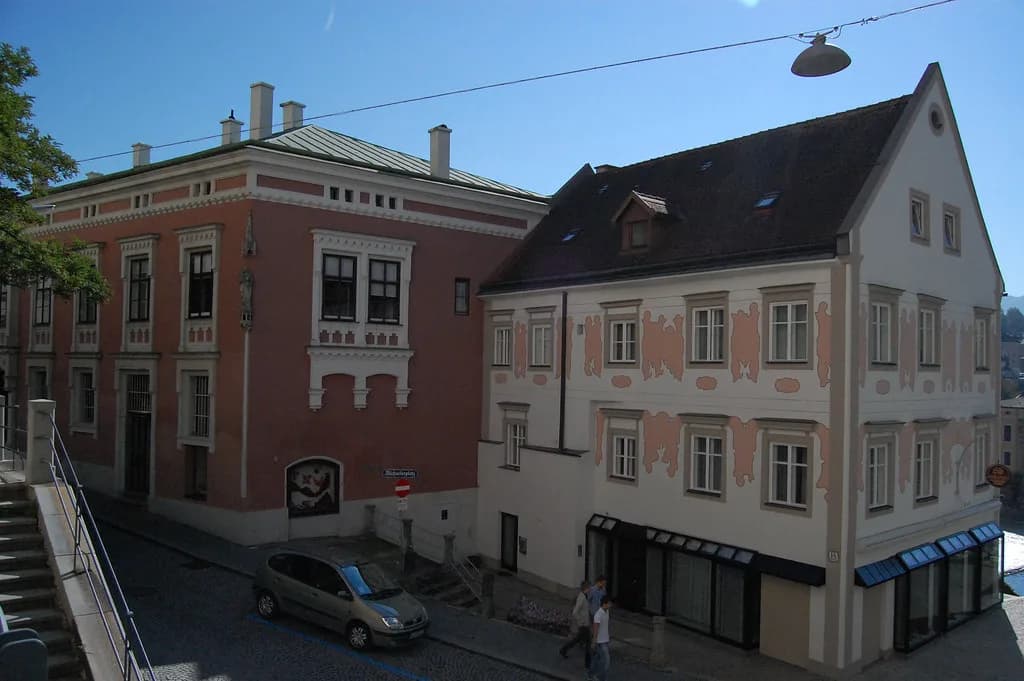
Steyr is a thousand-year-old small town at the edge of the Nationalpark Kalkalpen, and it earns a half day or more on its own terms. The town's historic core sits where the Enns and Steyr rivers meet, with a sloping main square and lanes that reward slow walking. Our guide to Steyr: A Guide to Austria's Old Iron Town at the Enns and Steyr Rivers covers the specific squares, churches and river confluence in walking order.
In summer, Steyr stages open-air performances in the Schlossgraben, the castle moat, which gives an evening reason to stay rather than pass through. The town also works as a gateway to the national park for travelers heading south. Build Steyr as an overnight or a long afternoon, not a quick photo stop between trains.
Gmunden and the Traunsee
Gmunden is the ceramic town on the Traunsee, and the Gmundner Keramikmanufaktur is the name most visitors already know before they arrive. What sells the town is the setting: the Traunstein rises steeply behind the lake, and the historic center is small enough to cross on foot. Seeschloss Ort, the castle on the water, is the town's landmark and the obvious first stop.
Boats on the Traunsee give the best angle on both the town and the mountain, whether you take a scheduled vessel of the Traunseeschifffahrt or rent a pedal or electric boat and captain it yourself. The lake is the point here, so budget time on the water rather than only in the streets. Confirm sailing times with the boat operator for your dates before committing to a loop.
The quiet lakes: Langbathseen and Gleinkersee
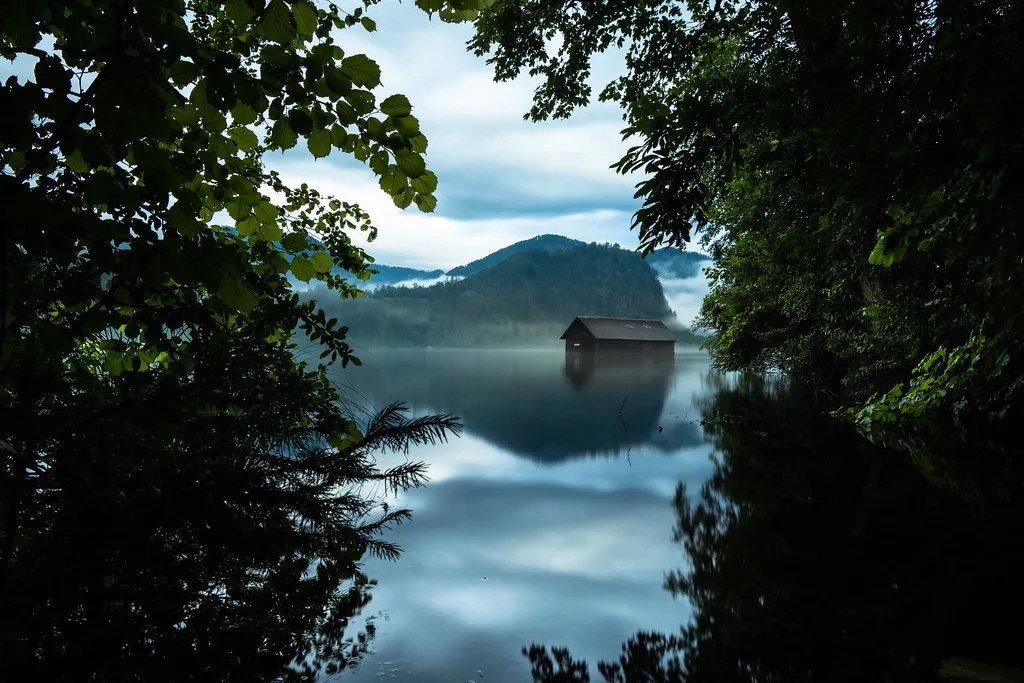
Behind Ebensee, in a valley off the southern shore of the Traunsee, lie the two Langbathseen, a pair of mountain lakes that stay far calmer than the main lake towns. They are a deliberate choice for travelers who want water without the promenade crowds, and the setting is forest and rock rather than cafés. Reach them by road from Ebensee and treat them as a half-day rather than a quick dip.
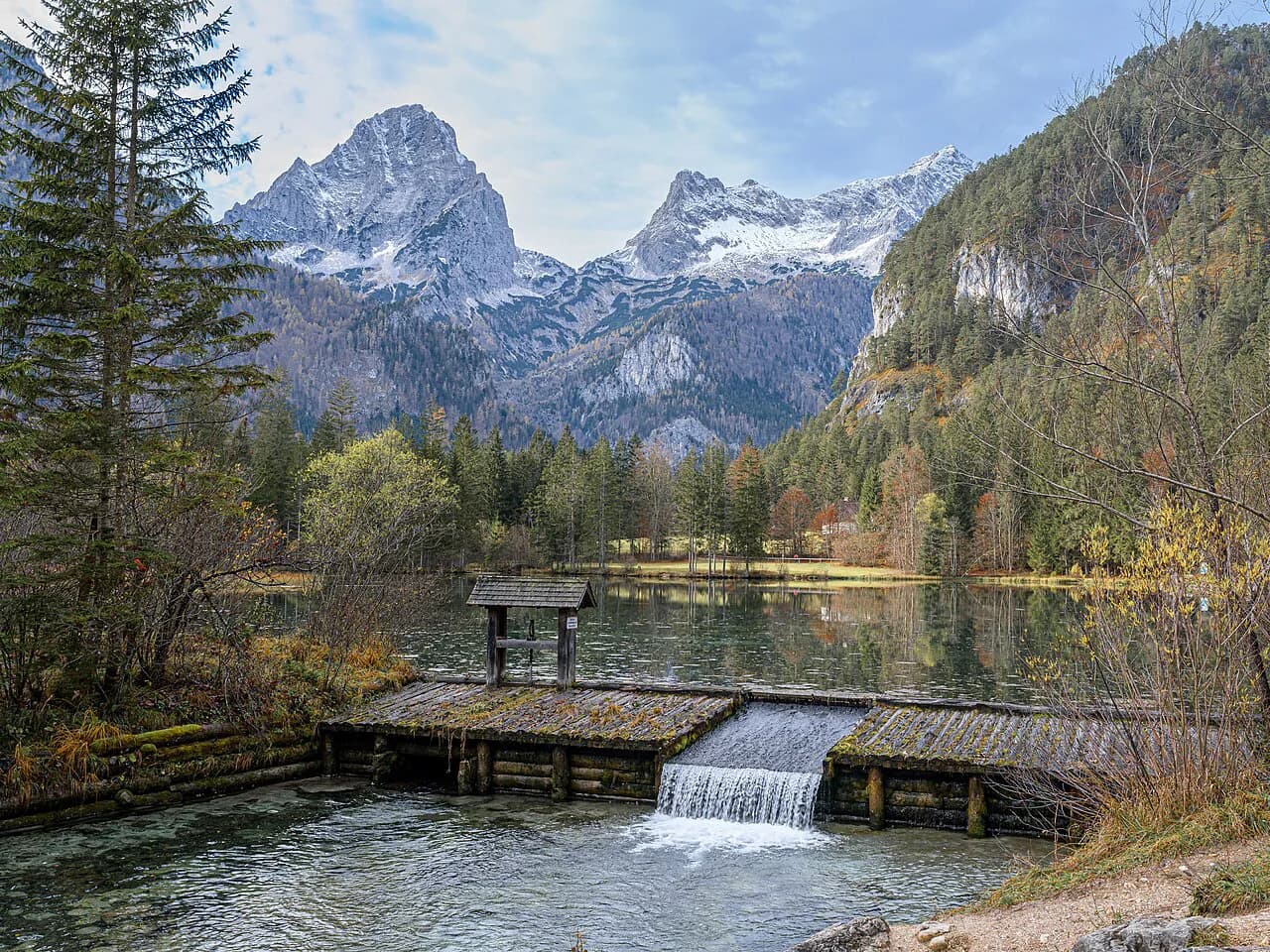
Further east in the Pyhrn-Priel region, the Gleinkersee is a small pre-Alpine lake with a wide mountain panorama and a color that looks almost staged. It is the kind of place you combine with a stop in Windischgarsten rather than a destination in itself. Both lakes are summer propositions, and neither has the infrastructure of Gmunden, which is exactly the trade-off.
The Danube and the Romantikstraße
Linz is one stop on the Romantikstraße, a 380-kilometer scenic route that links Salzburg and Vienna through the landscapes in between. Used as a driving route, it turns Upper Austria into a corridor rather than a destination, which suits travelers moving between the two cities anyway. Used as a spine, it lets you break the drive at Linz, Steyr, Enns and the abbey towns.
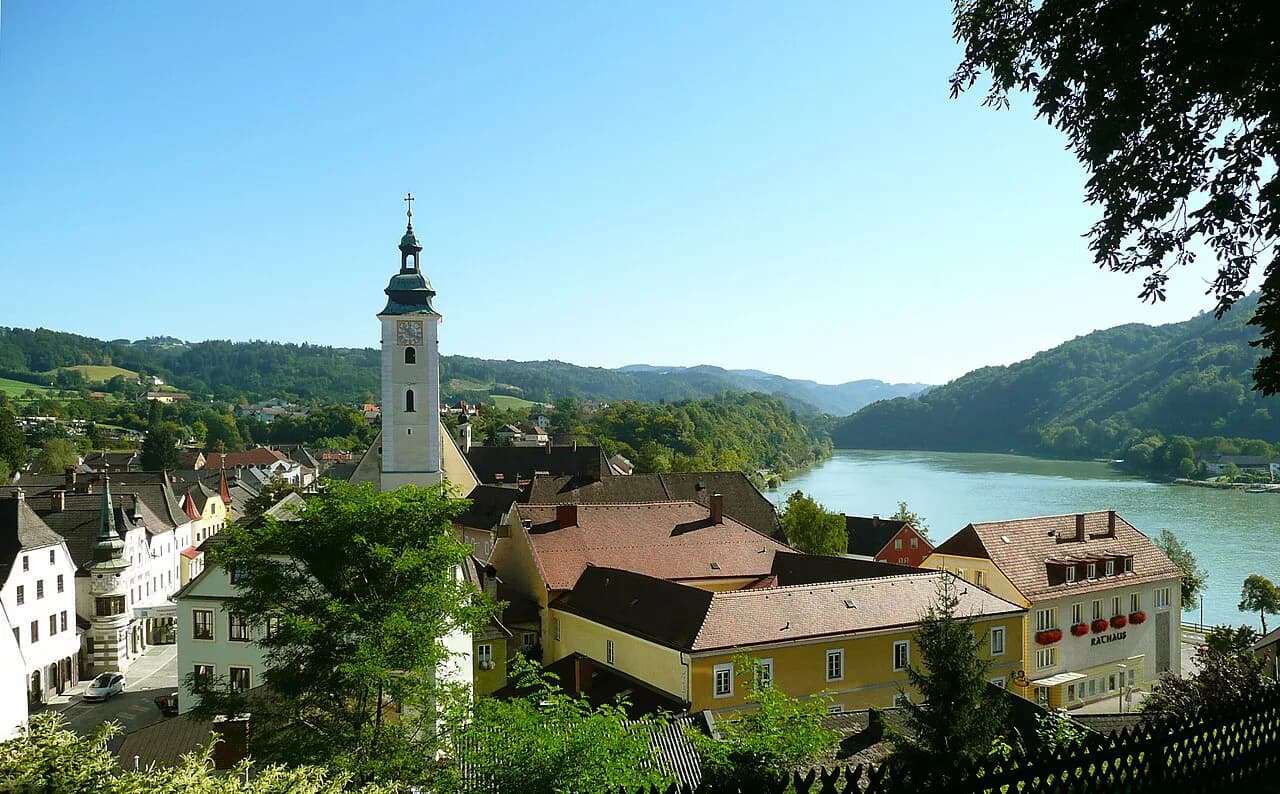
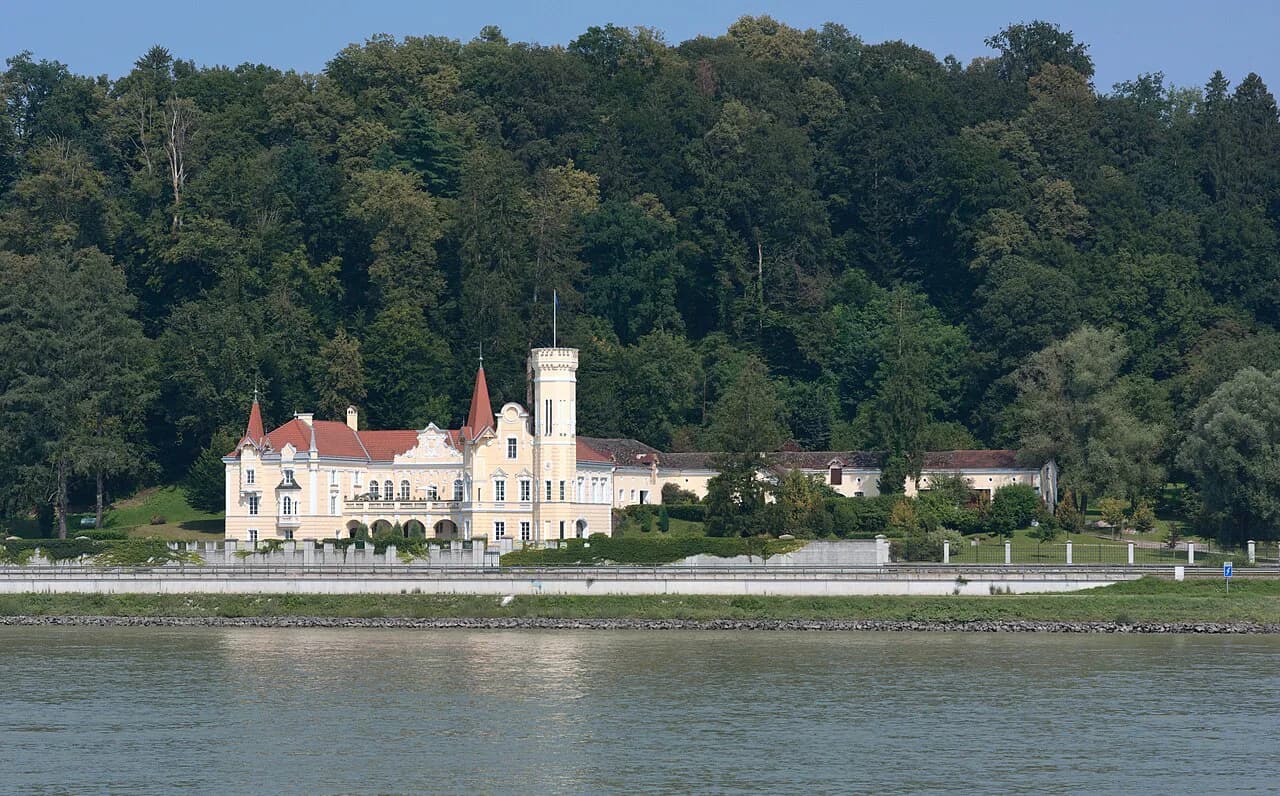
The Danube itself is the other axis: the river runs east from Linz past Enns toward Grein, with the Schlögen Danube loop as the dramatic bend upstream. The great baroque monasteries of the state, St. Florian Abbey and Kremsmünster Abbey, sit just off this corridor and make natural half-day additions. Driving gives you the most flexibility here; trains connect the towns but not the abbeys' doorsteps.
Getting around Upper Austria
Linz is the rail hub, with the main station connecting to Vienna, Salzburg and the Salzkammergut line toward Gmunden and Ebensee. Trains handle the city-to-town legs well, and regional buses fill the gaps to smaller places, though service thins out in the Mühlviertel and the lake valleys. Check ÖBB and Postbus timetables for the specific connections on your dates rather than assuming frequency.
A car earns its keep for the abbeys, the quiet lakes and the Romantikstraße, where you want to stop between towns on your own schedule. The trade-off is parking in Linz and the old-town cores of Steyr and Gmunden, which are easier on foot. A workable pattern is train into Linz, then a rental car for the southern lakes and the Danube loop.
Eating in Linz and beyond
The Linzer Torte is the state's signature food, a latticed jam tart that is denser and more spiced than its imitations abroad. Konditorei Jindrak, open since 1929, is the classic address in Linz and bakes it daily from regional ingredients. Buy a whole torte as a gift and a slice to eat on the spot, since it travels well.
Beyond the cake, the lakeside towns carry the region's freshwater fish and the Mühlviertel its hearty farm cooking, but the specific venues are best found on arrival. Use the Linz old town as your food base, since the highest concentration of options sits between the Landstraße and the river. Save one meal in Gmunden so the lake view does the work.
Which Upper Austria plan to book
Choose Linz plus Steyr for a city-and-old-town trip on trains, or Linz plus Gmunden and the Traunsee if you want water and mountains in the same itinerary. Add the quiet lakes and the Danube loop only if you have a car and a spare day. Either way, book around the Linz sights first and let the lake or the abbey towns fill the second half.
Explore more Steyr guides
- Burg Clam
- Enns: Austria's Oldest Town, Its Main Square and Roman Past
- Freistadt
- Grein an der Donau
- Kremsmünster Abbey
- Lambach, Austria
- Schärding
- St. Florian Abbey
- Steyr: A Guide to Austria's Old Iron Town at the Enns and Steyr Rivers
- Hinterstoder in Summer
- The Schlögen Danube Loop (Schlögener Schlinge)
- Wilhering Abbey (Stift Wilhering)
Sources
Notes for your next Austrian town break
Optional updates when we add or revise town guides.
You might also like
Continue reading
More guides you'll find useful