Wilhering Abbey: Austria's Rococo Church Near Linz
Wilhering Abbey is a Cistercian monastery near Linz whose abbey church holds one of Austria's grandest Rococo interiors. Here is how to visit from Linz.
On this page
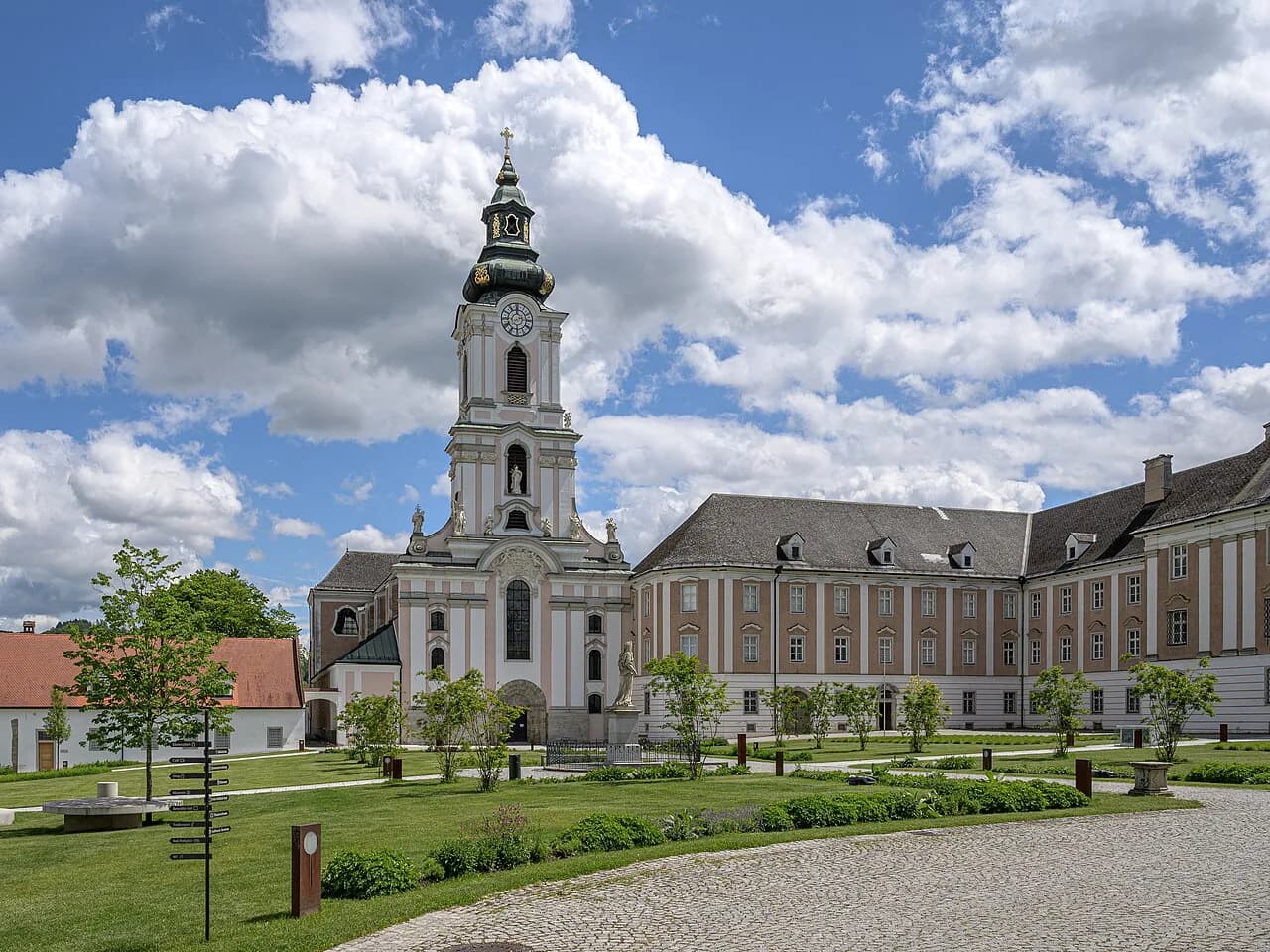
Wilhering Abbey, or Stift Wilhering, is a Cistercian monastery roughly 8 km west of Linz, and the reason to come is the abbey church: a lavishly decorated Rococo interior rebuilt after a fire destroyed most of the monastery in 1733. The church and gardens are free to enter, while the monastery buildings are not open to visitors, so treat this as a short interior stop rather than a full abbey complex. This guide covers the interior, the guided tours, the seasonal opening pattern and the Monday closure, plus bus, cab and bike options from Linz with the fares that have been reported.
What Wilhering Abbey is
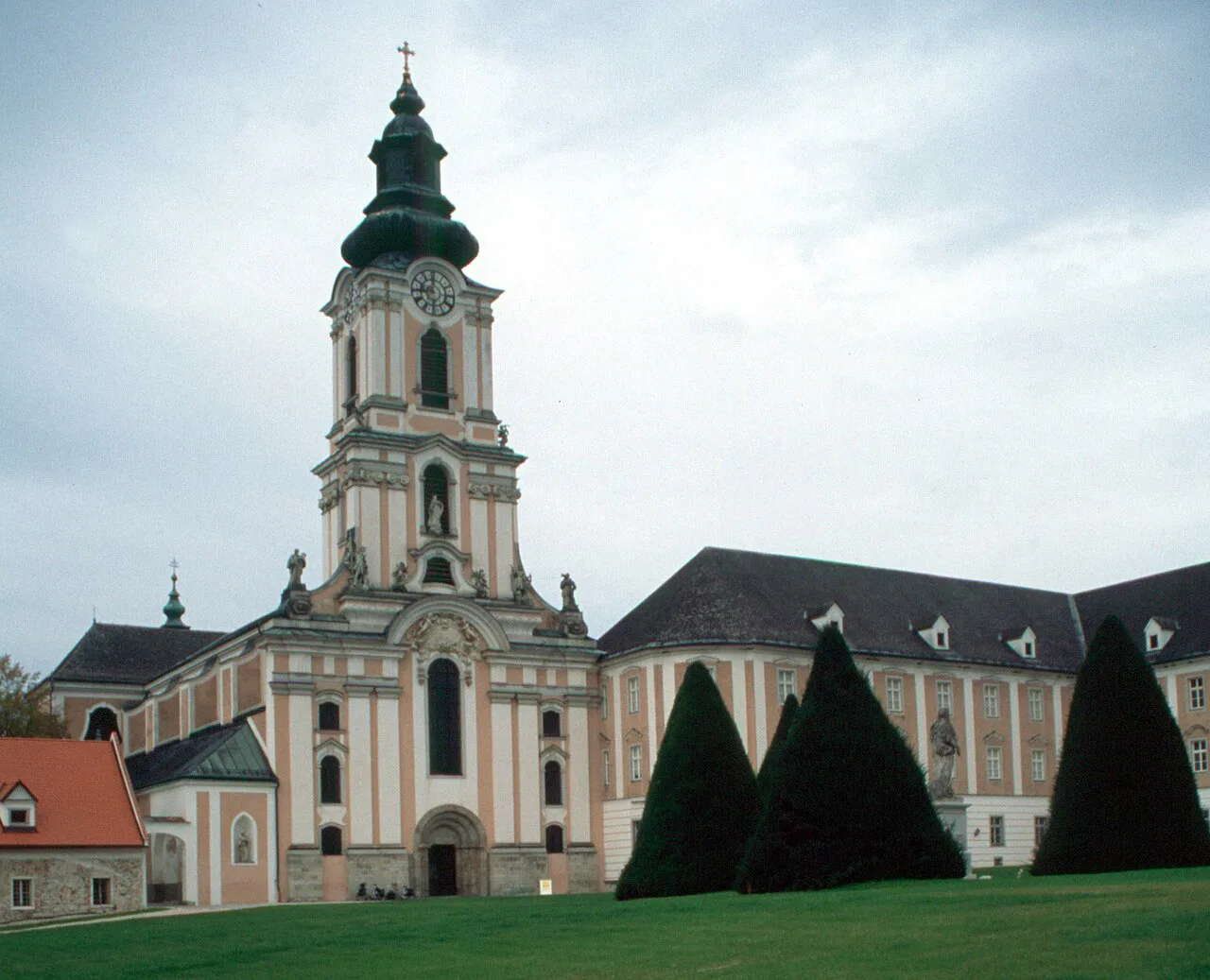
The monastery was founded in 1146 under the Cistercian rule, and the monastery buildings went up in only four years, with the abbey church erected in 1185. A vast fire in 1733 almost entirely destroyed the monastery, and the church was rebuilt in the Rococo style that followed. That sequence explains the building you see: a medieval Cistercian foundation with an 18th-century interior, not a Baroque complex built from scratch.
Wilhering sits in the countryside a few kilometers from Linz, which makes it a westward add-on to a day based in the city rather than a destination on its own. For that day to make sense, plan the abbey around what else you are seeing elsewhere in Upper Austria and keep the visit proportionate: the church interior is the draw, and the rest of the grounds are a garden walk, not a museum circuit.
The Rococo church interior
Step inside and the decoration is the point. The interior is extremely rich and heavily ornamented, with scarcely a surface left without painting or sculpture, and it stands as a strong example of Austrian Rococo church design. It is dense rather than airy, so give yourself time to look up at the ceiling and along the walls instead of walking straight down the nave.
Set expectations for the visit itself: there is no room-by-room route to follow and no collection to work through, so the stop is short. If you are comparing Baroque and Rococo interiors across the region, the church at Wilhering makes a natural contrast with the larger monastic complexes east and south of Linz, where you walk courtyards, libraries and galleries rather than one church.
How to visit and guided tours
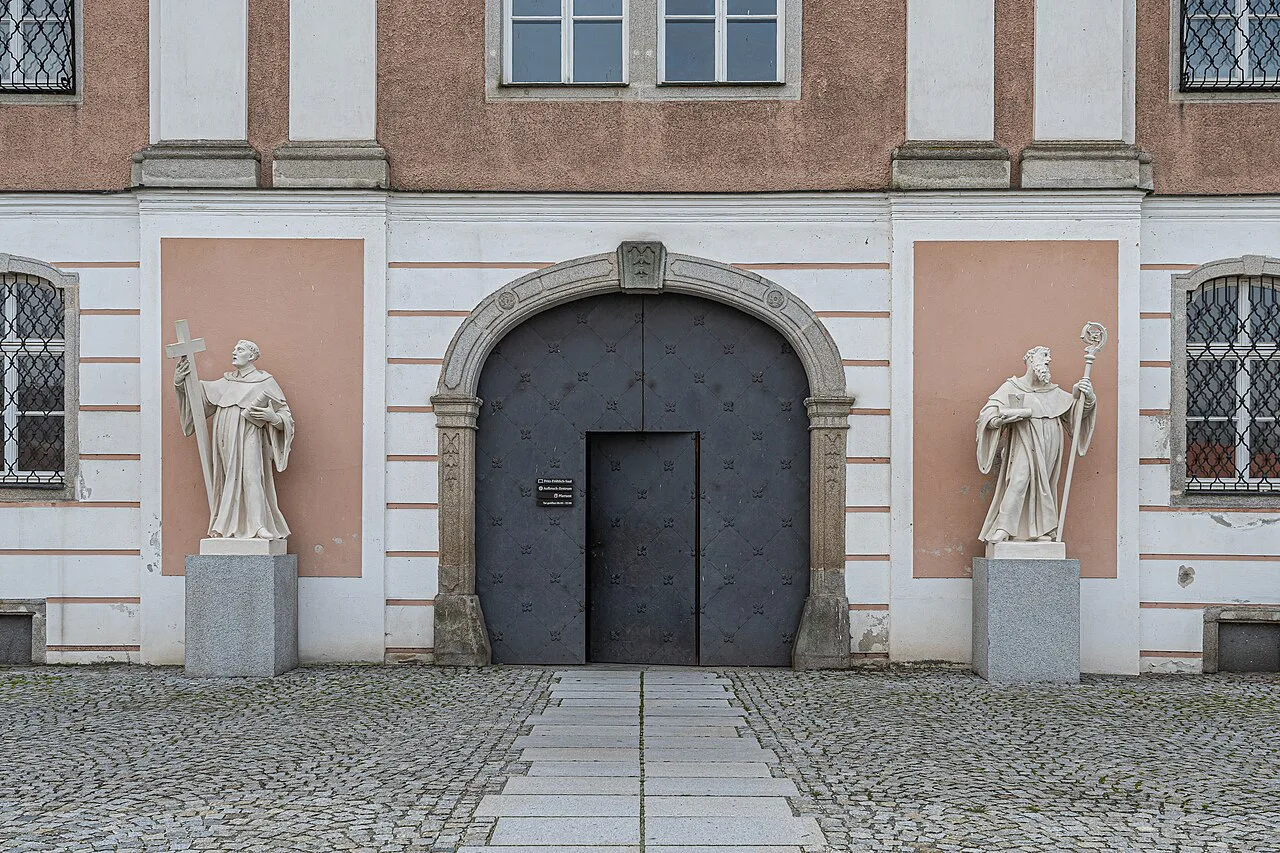
Only part of the site is open. The church and the gardens are open to the public free of charge, while the monastery itself is closed to visitors, so do not plan on touring the monastic buildings. Paid guided tours are offered in German and English, which makes the abbey workable for English-speaking travelers who want the interior explained rather than simply viewed.
The abbey publishes its own visitor information, including tour arrangements and any current schedule, at stiftwilhering.at, so confirm tour times and languages there before you set out. The address for navigation is Linzer Straße 4 in Wilhering.
Opening seasons and closures
Opening follows two seasons, and Monday is the day that catches people out: the abbey is closed on Mondays year-round. From April to October it opens Tuesday to Saturday from 10am to 5pm, and Sundays and public holidays from 9:30am to 5pm. From November to March the hours narrow to Thursday to Saturday 11am to 4pm and Sundays and public holidays 9:30am to 4pm, with Mondays, Tuesdays and Wednesdays closed.
In practice that means a winter visit must land on a Thursday, Friday, Saturday or Sunday, and a Sunday morning arrival gives you the earliest start of the week. Check the abbey's own site for holiday exceptions before you build a day around it, since public-holiday hours are the one place a printed pattern and reality can part ways.
Getting there from Linz
The cheapest option is the bus, which takes around 8 minutes from Linz, but departures are infrequent, so the real constraint is the return trip rather than the ride out. Timetables and tickets are handled through the OÖVV app, and a return ticket costs €6.
A cab removes the schedule problem at a flat cost: about €25 one-way from central Linz, which buys flexibility but doubles if you ride both ways. Cycling is the third option at roughly 45 minutes, fine in good weather and useless as a plan on a wet day. Weigh the fares against how tightly you want to tie your afternoon to a bus timetable.
What it costs
Entry to the abbey church and gardens is free, and paid guided tours are the only ticketed element mentioned for the site; the source does not give what those tours cost or when they run, so check stiftwilhering.at. For the journey, a bus return from Linz runs about €6 and a cab about €25 each way. Those fares come from a 2024 account, so treat them as reported rather than guaranteed, and confirm them in the OÖVV app when you buy.
How Wilhering fits a route through Upper Austria
Wilhering works best as a short westward stop on a Linz-based day, not as the anchor of a driving tour. Pair it with the abbey towns and old towns of Upper Austria rather than trying to reach it from farther afield: the travel time from Linz is short, but the visit is too, so a long approach eats the value of the trip.
If you are touring abbeys, Sankt Florian and Kremsmünster reward a full half-day each in a way Wilhering does not, so slot Wilhering in as the compact Rococo stop between bigger visits. Towns such as Enns and Steyr, Austria add old-town streets and squares that fill out the rest of a day, and Lambach sits on the Traun as another abbey town on the same regional circuit.
Should Wilhering Abbey be on your Upper Austria itinerary?
Yes, if you are in Linz and want one concentrated Rococo interior without a long detour: the bus is quick, the church and gardens cost nothing, and an hour or two covers it. Skip it if you are short on time and choosing between abbeys, because St. Florian and Kremsmünster offer far more to walk through.
Whatever you decide, fix the day around the closures: avoid Monday entirely, check whether your date falls in the April–October or November–March schedule, and line up the bus return before you go. Those three checks decide whether the trip is a smooth add-on or a wasted afternoon.
Explore more Steyr guides
Frequently Asked Questions
Is the abbey church at Wilhering free to enter?
Yes. The church and the gardens are open to the public free of charge, while the monastery buildings are closed to visitors. Paid guided tours in German and English are available for anyone who wants the interior explained, and the abbey publishes the details.
Can you visit the monastery itself at Wilhering?
No. The monastery is not open to visitors; the church and gardens are the parts of the site you can see. Plan on the church interior as the main stop rather than a tour of monastic rooms.
What is the quickest way to reach Wilhering from Linz?
The bus takes around 8 minutes, though departures are infrequent, so check return times in the OÖVV app before you leave. A cab from central Linz is the flexible alternative, and cycling takes roughly 45 minutes.
Sources
Notes for your next Austrian town break
Optional updates when we add or revise town guides.
You might also like
Continue reading
More guides you'll find useful