Villach, Austria: Old Town, Hauptplatz and the Carinthian Lakes
Villach in Carinthia: the Hauptplatz and Trinity Column, St. Jakob's tower climb, Heiligenkreuz church, Landskron castle and the lakes within a half-hour drive.
On this page
Villach suits travelers who want a compact Carinthian town center plus mountain and lake scenery in the same day, and it works because the historic core is small enough to walk in an afternoon. The town sits on the Drau river in Carinthia, close to both the Italian and Slovenian borders, and has served as a trading and transport crossroads since Roman times and especially through the Middle Ages, with a population of about 60,000 today. This guide covers the Hauptplatz, the two churches worth your time, the castle ruin above town, the lakes within a half-hour drive and how to fit Villach into a route through Carinthia.
Where Villach sits: the Drau, Carinthia and the border crossroads
Villach lies in the Austrian province of Carinthia, on the Drau river, in a valley ringed by mountains and close to the Italian and Slovenian borders. That position made it a hub of European trading routes in Roman and medieval times, and it still functions as a railway gateway and transportation hub for the region. Read the town this way and the layout makes sense: a walkable commercial core, rail lines converging from several directions, and lakes and mountains starting just outside the built-up area.
How the center is laid out: Hauptplatz, the Trinity Column and the lanes
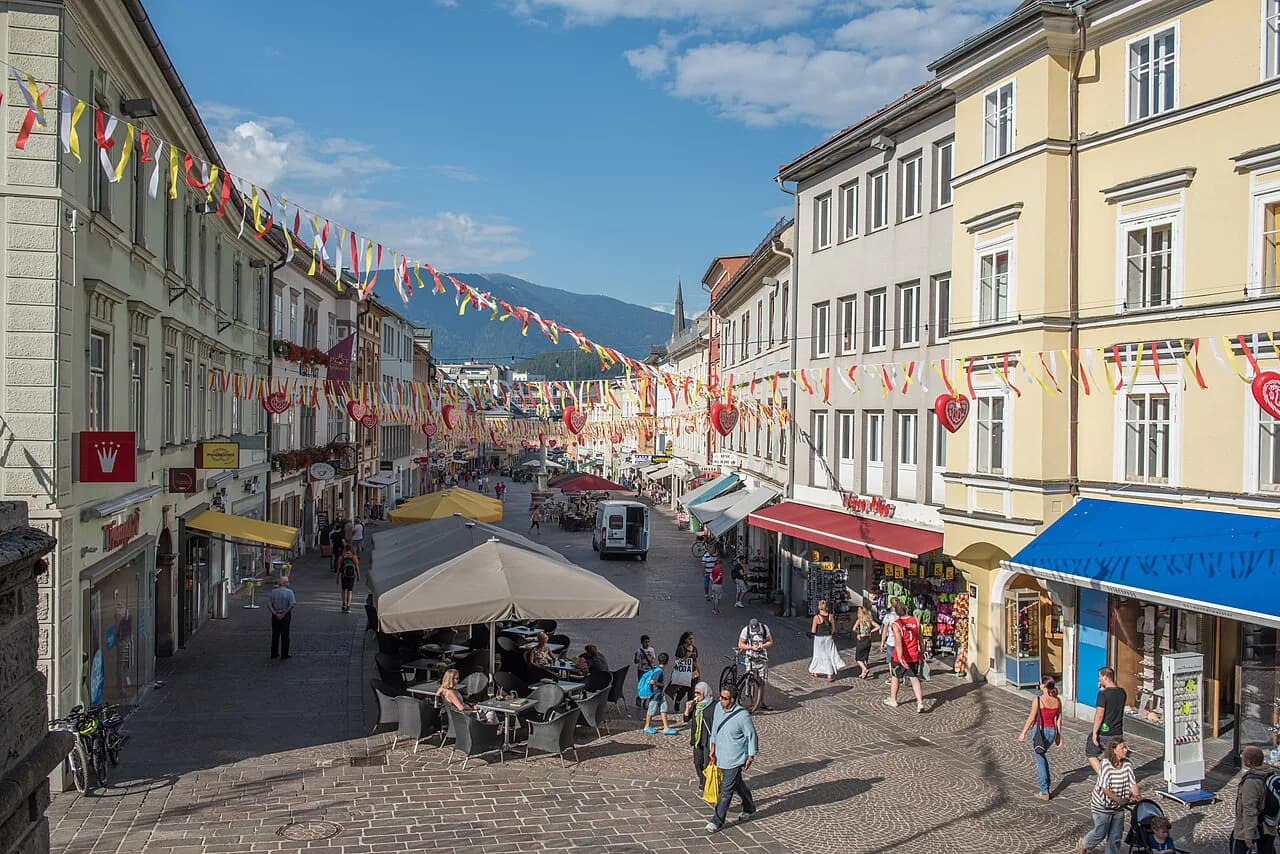
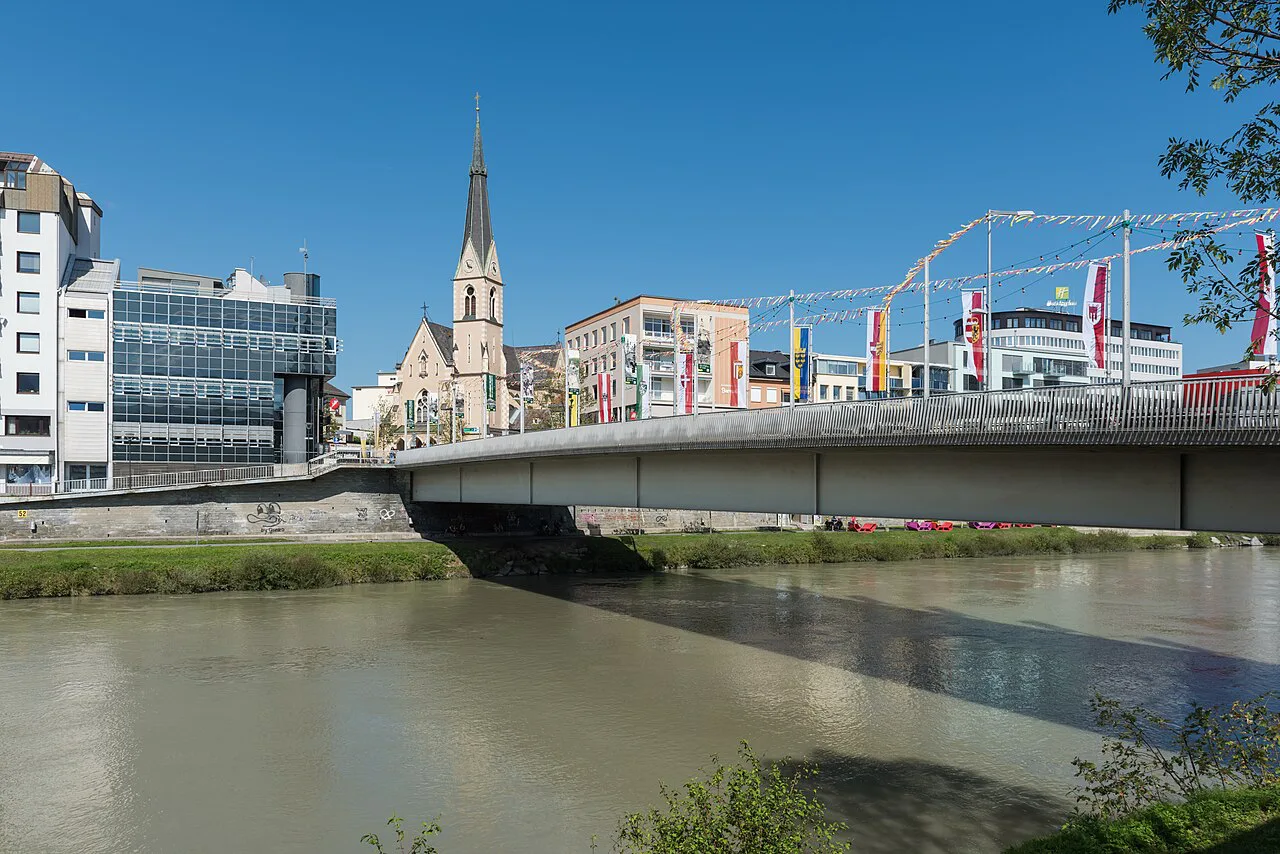
Start at the Hauptplatz, the main square and the busiest spot in an otherwise quiet town, a short walk from the Drau and the entry point to the old town's narrow streets. The square itself carries the Trinity Column, an 18th-century monument, and is lined with antique-style houses that reflect the city's commercial golden age. From here the historic center is best covered on foot, with cafés, restaurants and shops along a small but busy pedestrian zone, so park the car once and walk. The medieval main square dates to the 12th century, and much of the historic architecture is still visible as you explore the hidden alleys and courtyards off it.
Stadtpfarrkirche St. Jakob and its clock tower
The Stadtpfarrkirche St. Jakob is the city's main church, built in the 14th and 15th centuries in late Gothic style, and its clock tower rises higher than any other building in town and dominates the main square. Inside, look for the baroque altar and the red pillars that give the nave its character. The climb to the top of the roughly 94-meter tower runs about 200 steps, and the reward is the view over the roofs and valley; it is a real stair climb rather than a lift ride, so budget the effort and skip it if stairs are a problem on a hot afternoon.
Heiligenkreuz Kirche: the pink-and-white church
Heiligenkreuz Kirche, the Church of the Holy Cross, stands out for its pink-and-white facade, unusual for a Catholic church, and for the substantial towers that frame it. It was built around the 18th century, likely on the site of an earlier church, and the interior holds a spectacular 18th-century organ above the main space. Pair it with St. Jakob as a short church circuit: one late Gothic and central, the other baroque in color and set slightly apart, which gives you two different centuries of Villach in an hour or so of walking.
The Stadtmuseum and the trading-route story in brief
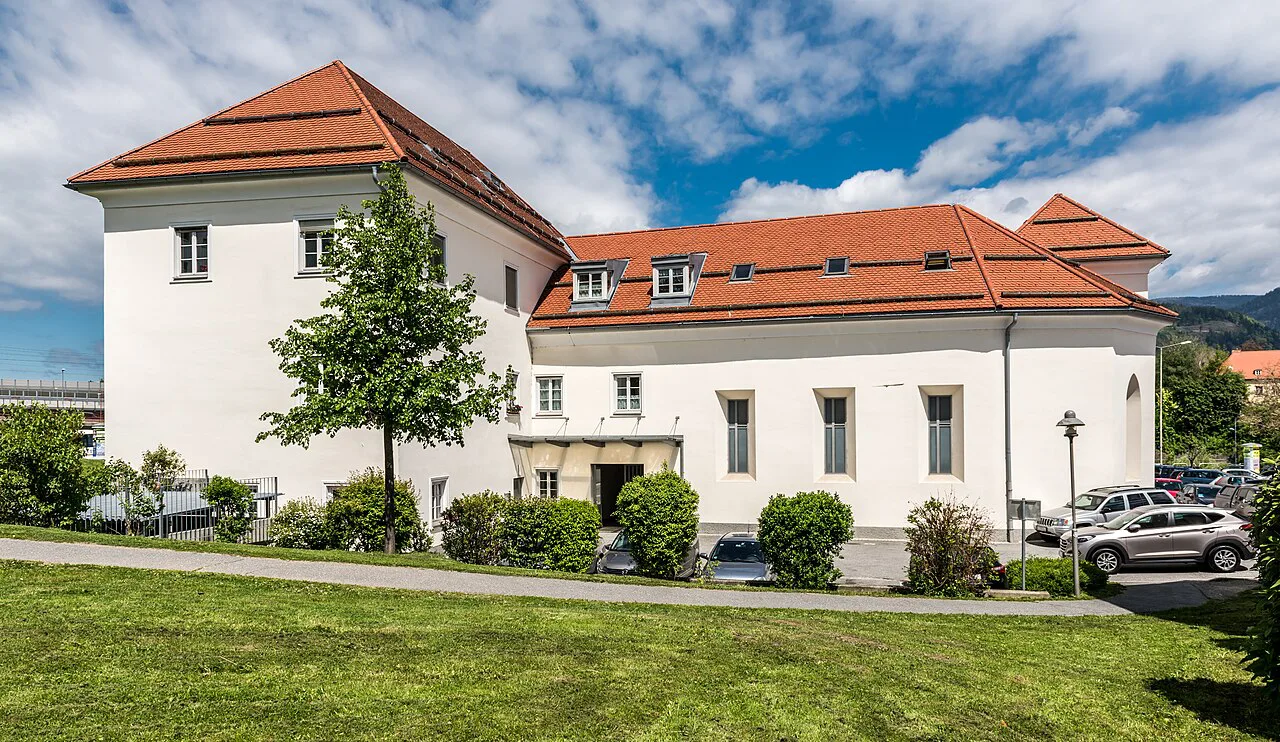
The Stadtmuseum, Villach's city museum, lays out the town's long history, which is the compact version of what you have already seen on the streets: a trading town that grew rich on routes crossing the Alps toward Italy and Slovenia. Use it as a rainy-hour stop or as context before walking the center, rather than as a half-day museum. The museum also appears among the attractions near the Hauptplatz apartment listings, which confirms its central location but says nothing about its hours, so check the entrance before you build a morning around it.
Landskron Castle: the ruin, the views and the walk up
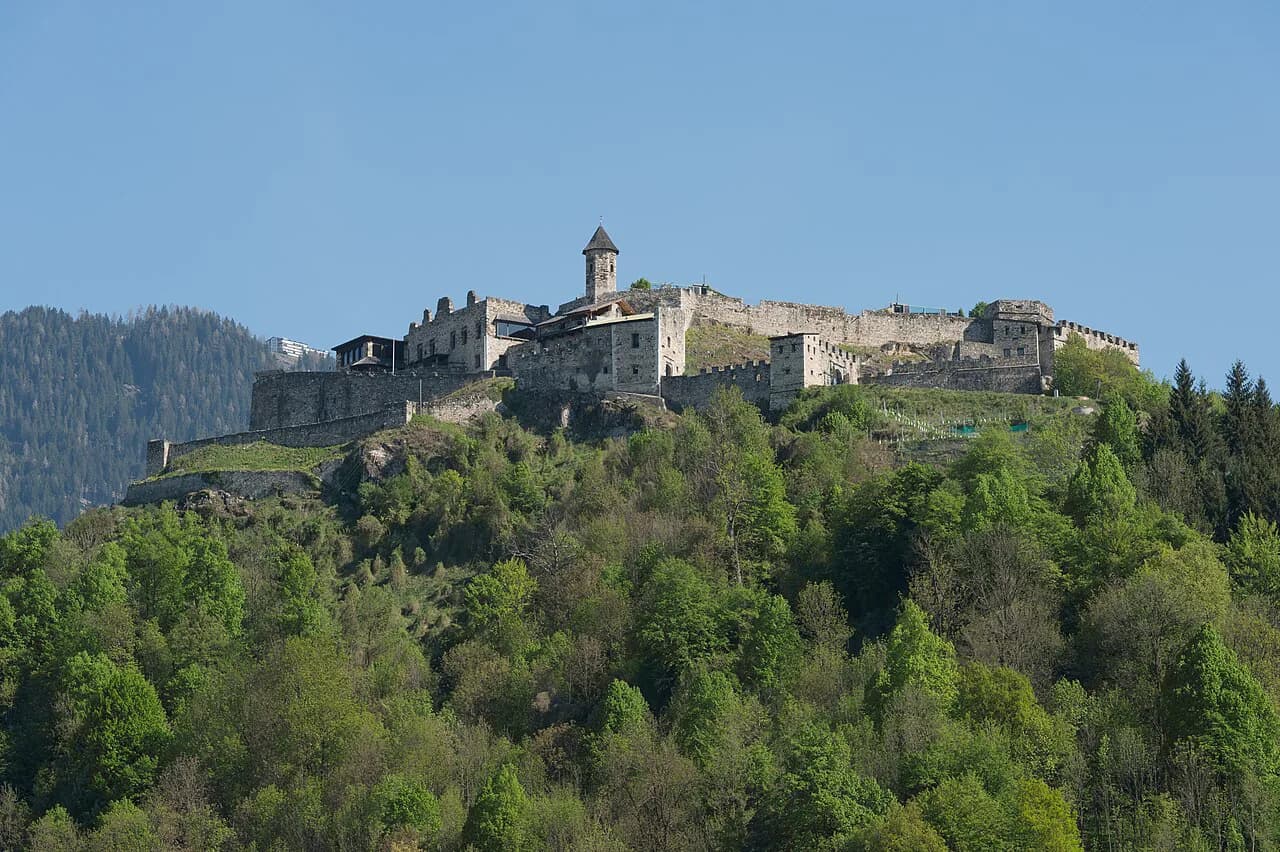
Landskron Castle sits on one of the high points above the city and is one of Villach's main attractions, though it was left in ruins in the 19th century after centuries as a noble residence. What you get is a ruined castle in a forested setting with far-reaching views, and the walk up through the woods is part of the experience rather than a mere approach. Treat the climb as a half-day outing on its own, take water, and go in the morning in summer; the castle and its surroundings are covered in more detail in the guide to Landskron Castle.
The lakes: Ossiacher See, Faaker See and Wörthersee
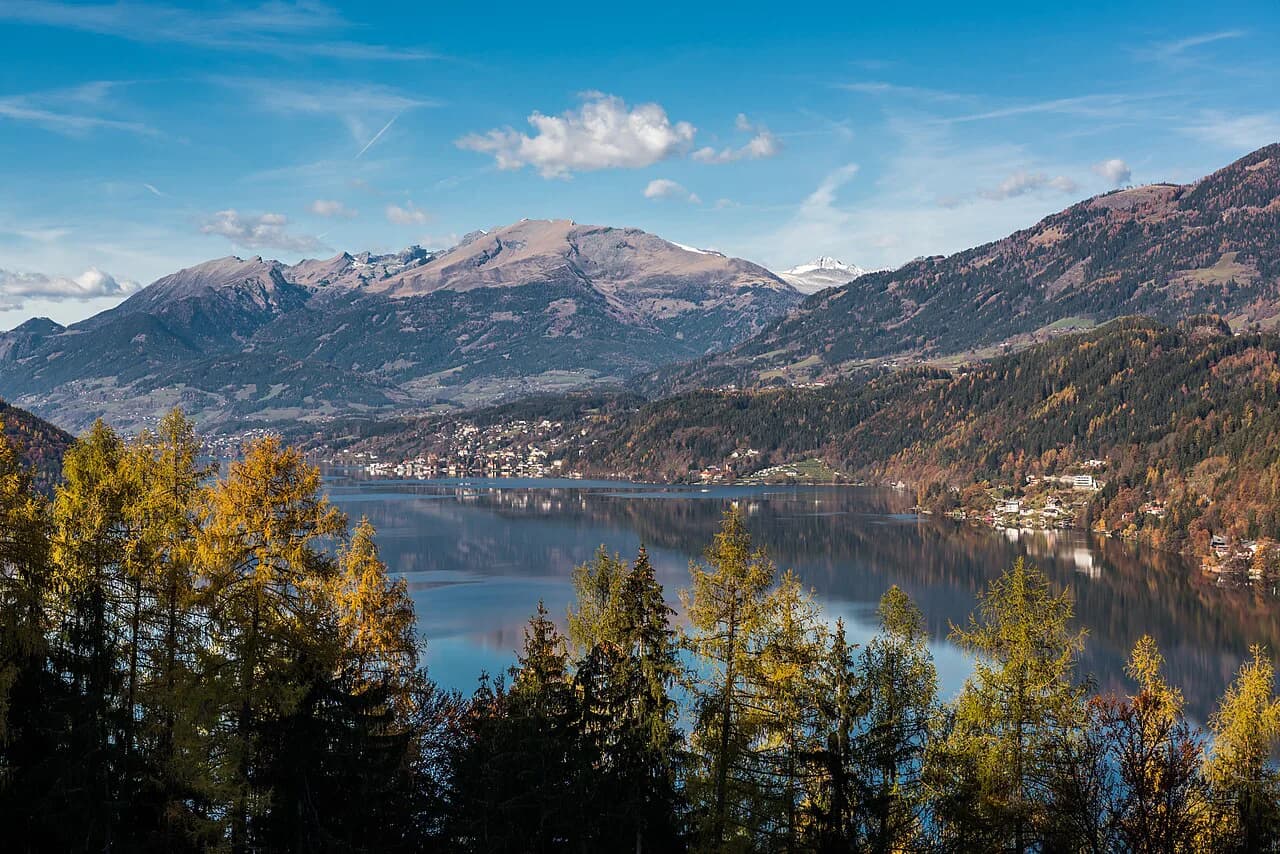
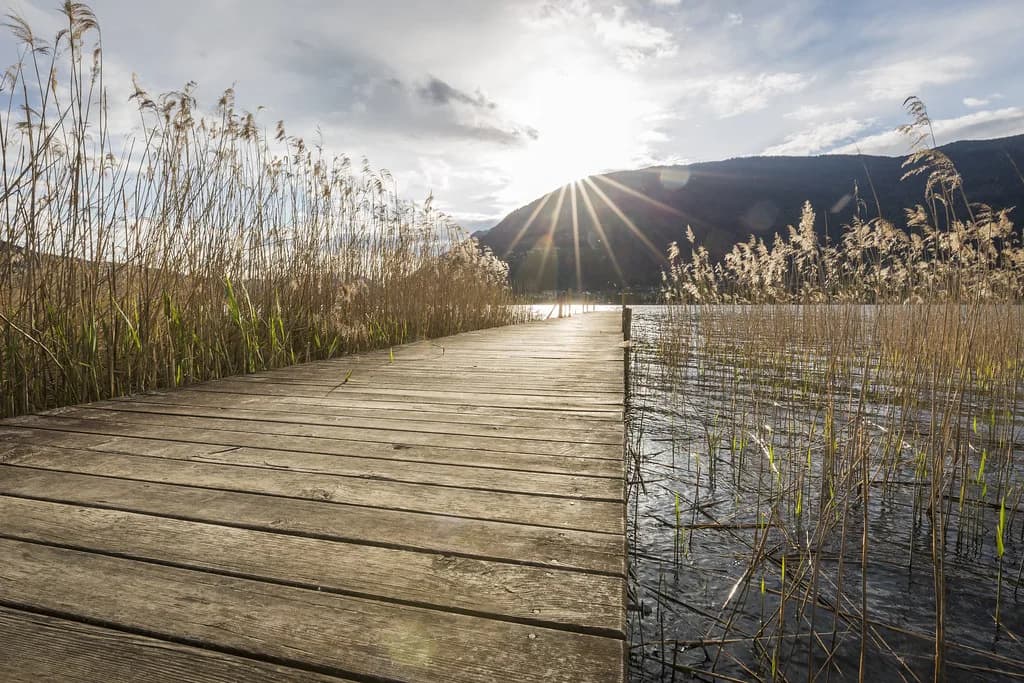
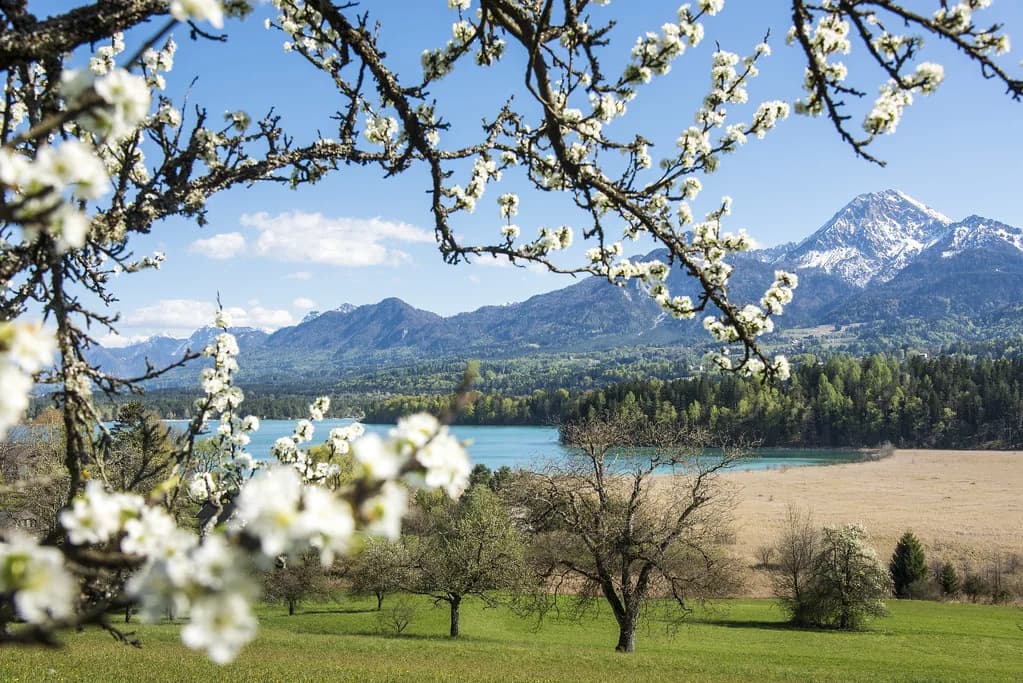
The lakes are the reason many travelers stop here at all, and three of them sit within roughly a half-hour drive of the center: Lake Ossiach, Lake Faak and Lake Wörth. Ossiacher See is the largest lake around Villach, with a surface of more than 10 kilometers, and a summer scene of swimming, windsurfing and sailing, and you can see it from a different angle from the Landskron side. Faaker See, a smaller lake southeast of town toward the Slovenian border, has a compact shoreline that suits a swim-and-lunch stop. Of the Carinthian lakes near town, Ossiacher See, Carinthia, is the one to plan a full afternoon around.
Dobratsch Nature Park and the Villacher Alpenstrasse
The Dobratsch Nature Park is one of the oldest nature reserves in Carinthia, and the mountain is reached via the Villacher Alpenstrasse, a panoramic toll road with numerous vista stops along the way. That makes Dobratsch the easiest mountain day from town if you have a car: you drive up, stop at viewpoints, and walk short distances rather than committing to a long ascent. Ranger-guided excursions run in the nature park, which is useful if you want interpretation without planning a route yourself. The toll is charged at the road, so check the current tariff at the barrier or on the operator's page before you set out.
Gerlitzen by cable car above Ossiacher See
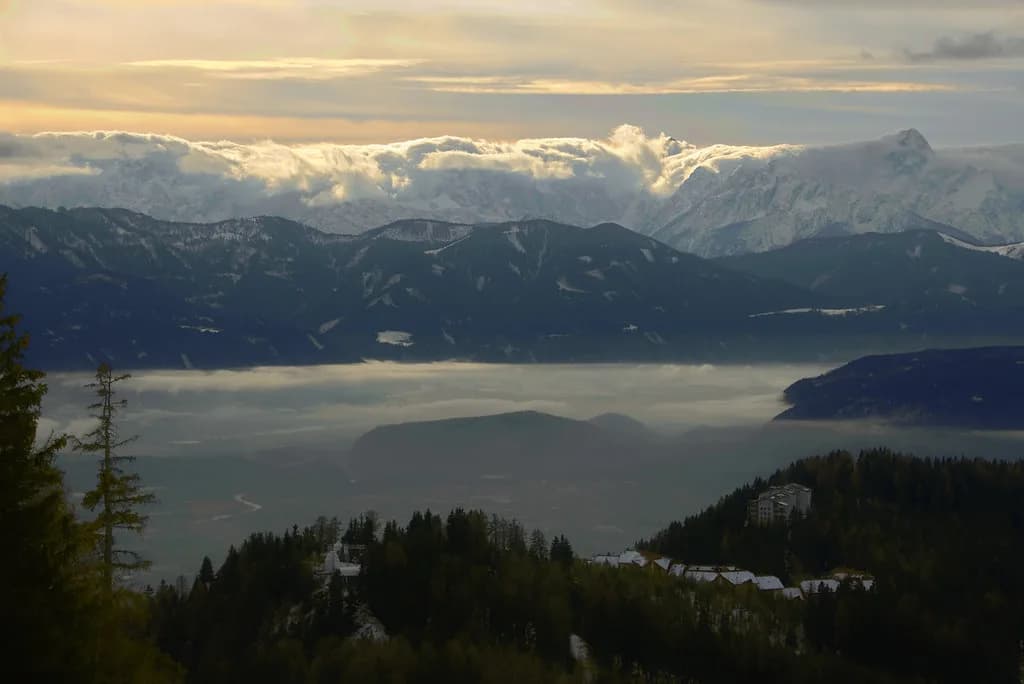
The Gerlitzen is reached by a cable car above Lake Ossiach, and it is a popular walking and hiking destination during summer and a skiing and snowboarding area during winter. The appeal is the view down over the lake and the Drau valley, plus a cool altitude on a hot day when the town center is stifling. Cable cars in this part of Austria often run seasonal schedules, so confirm the current timetable and last descent before driving to the valley station. For the lake itself, the Ossiacher See guide covers the shoreline and the towns around it.
How long Villach needs
Give the center a half day and the town a full day if you add either a lake or the castle. The compact core, Hauptplatz, St. Jakob with the tower climb and Heiligenkreuz Kirche makes a natural three-hour circuit on foot, and you can add the Stadtmuseum if it is raining. Adding Landskron costs you a morning with the walk; adding one of the lakes costs an afternoon with the drive and a swim. Travelers moving between Italy and Slovenia often use the town as a stopover, which the central geography makes practical.
Getting there and away: Villach as a rail junction
Villach Hauptbahnhof is the town's rail station, and the city functions as an important railway gateway with lines converging from several directions, which makes it one of the easier Carinthian towns to reach without a car. Check current departures and connections on the ÖBB timetable rather than relying on any fixed schedule, since timetables change by season. From the station, you can start sightseeing without a transfer, since the old center is a short walk. A car is what unlocks Landskron, the toll road and the more distant lakes on your own schedule.
Fitting Villach into a Carinthia route
Build a Carinthia loop with Villach at the center rather than as a detour: the town sits between the lakes and the borders, so it works as a base for one or two nights with day trips outward. On a train itinerary, use Villach as the junction where you change between lines and spend the half day in the center between connections. On a driving itinerary, do the town in the morning and one lake in the afternoon, keeping Landskron or the toll road for the following day. A detour south to Faak am See, Carinthia, fits naturally on the road toward Slovenia, while Millstatt am See on Millstätter See is the longer lake excursion if you have a full extra day. For a taste of a spa town further north, the Bad Ischl attractions guide shows how to plan a day in the Salzkammergut. For wider ideas on structuring the trip, see Towns in Austria Worth Visiting: A Region-by-Region Guide.
Where to eat around the center and what to look for
Eating in Villach happens around the pedestrian zone and the Hauptplatz, where cafés, restaurants and shops line the small but busy lanes, so you do not need a fixed address to find lunch. Look for Carinthian regional produce: the town's farmers market runs several times a week and sells fruit, vegetables and meat specialties, a good way to assemble a picnic before a lake afternoon. The local city brewery is another straightforward introduction to the region, and a beer there pairs well with an evening on the square. For a sit-down meal, walk one street back from the Hauptplatz, where the courtyards and alleys hold quieter tables away from the main flow.
Villach in a Carinthia itinerary
Villach earns its place on a Carinthia route as a walkable old town with a serious rail junction attached: arrive, see the Hauptplatz, climb St. Jakob's tower if your legs are willing, and choose one lake or Landskron for the rest of the day. Give it a half day if you are passing through and a full day or two nights if you want the toll road, the cable car and a swim. Book the train before the trip so the connections work in your favor, and let the weather pick between the mountain and the lake.
Explore more Villach guides
Frequently Asked Questions
What is Villach known for?
Villach is known as a Carinthian crossroads town with a compact old town around the Hauptplatz, the late Gothic Stadtpfarrkirche St. Jakob with its high clock tower, and three lakes within roughly a half-hour drive. It also functions as an important railway gateway and transportation hub near the Italian and Slovenian borders.
Which lakes are near Villach?
Lake Ossiach (Ossiacher See), Lake Faak (Faaker See) and Lake Wörth (Wörthersee) are all within roughly a half-hour drive of Villach. Ossiacher See is the largest lake around Villach, with a surface of more than 10 kilometers, and is popular for swimming, windsurfing and sailing in summer. Faaker See is a smaller lake southeast of town toward the Slovenian border.
Sources
Notes for your next Austrian town break
Optional updates when we add or revise town guides.
You might also like
Continue reading
More guides you'll find useful