Vorarlberg: Towns, Old Quarters and Alpine Valleys in Western Austria
Plan a summer trip through Vorarlberg, from Bregenz on Lake Constance to Bludenz and the mountain valleys, with regional trains and buses explained.
On this page
Vorarlberg is worth two or three nights on a longer Austria trip, not a hurried passing stop. Austria's westernmost state sits between Lake Constance and the Alps, bordered by Germany, Switzerland and Liechtenstein, and it is small enough to cross in a day yet varied enough to fill a week. For the lakeside capital, see Bregenz: A Guide to the Upper Town, the Lakefront and the Pfänder.
This guide lays out the state as a set of regions: the Rhine valley towns of Bregenz, Feldkirch and Dornbirn, the Bregenzerwald villages above them, and the southern valleys around Bludenz and the Montafon. For each it explains what the place offers a summer visitor, how much time it deserves, and how it connects by regional train and bus.
Where Vorarlberg sits and how to reach it
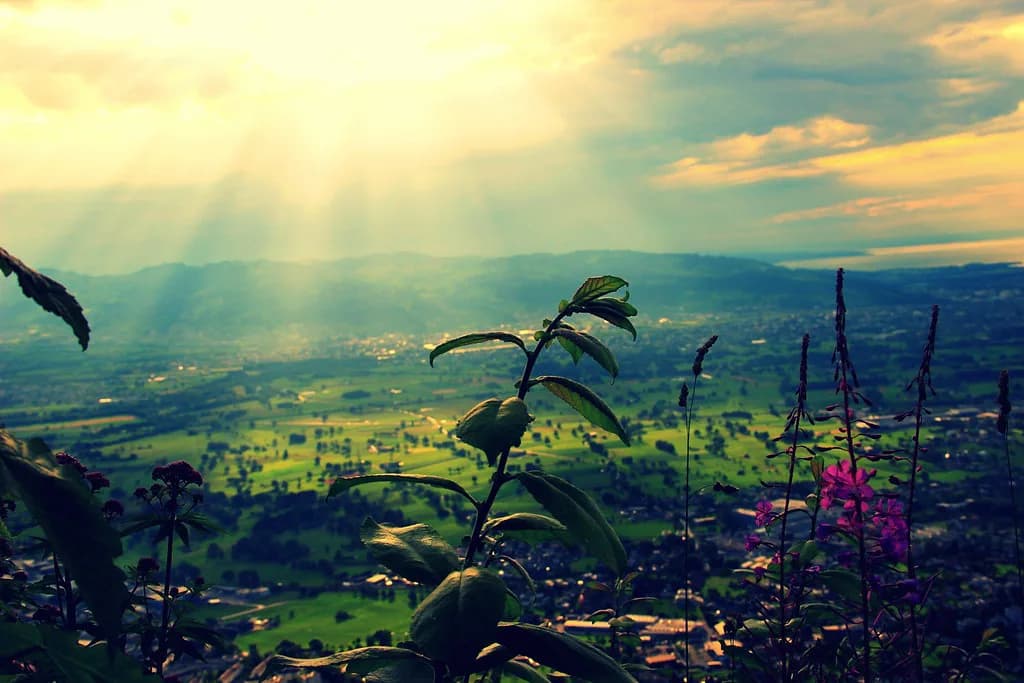
The state occupies Austria's far western corner, wedged between Lake Constance and peaks that climb past 2,000 meters, with Germany, Switzerland and Liechtenstein all along its edges. The official regional guide describes the landscape as rising from the lakeshore to high mountains within a short distance, and divides the state into six holiday regions, each with a character of its own.
Bregenz, the state capital, is the natural arrival point on the lake, and the rail line along the Rhine valley then strings the main towns together toward Bludenz. Travelers coming from Switzerland or Germany can enter by train without passing through Vienna or Salzburg at all, which makes Vorarlberg an easy first or last stop on an Alpine route.
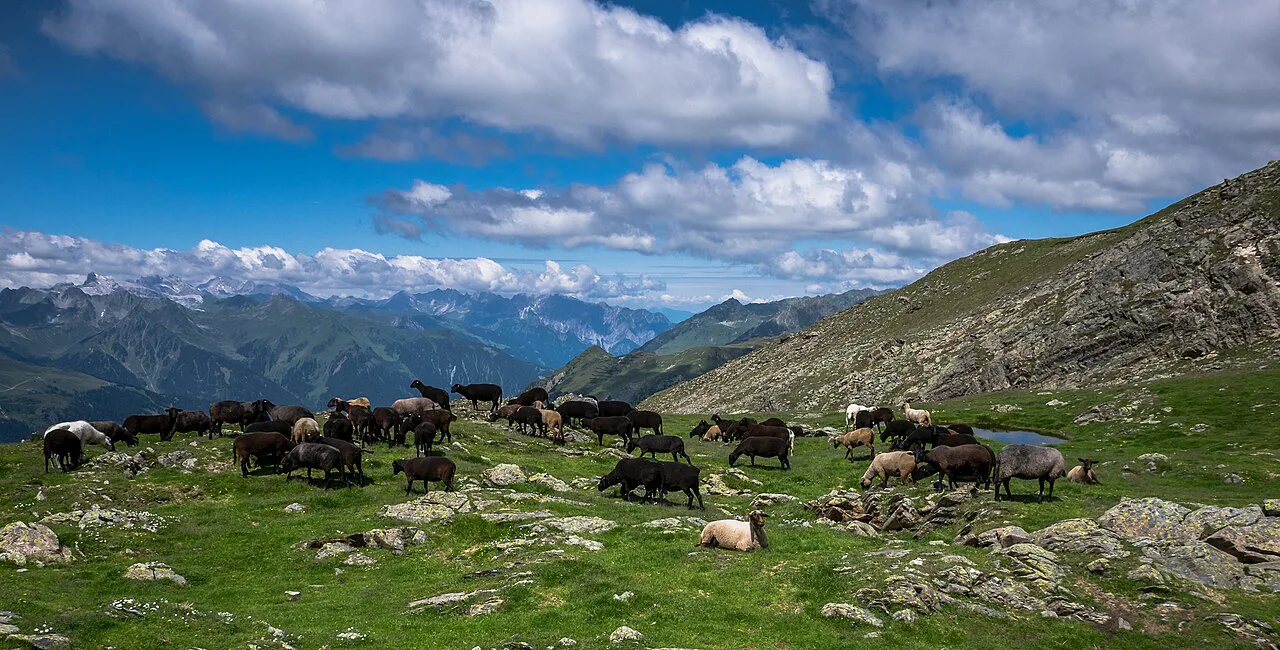
How the state is laid out: Rhine valley towns and six holiday regions
Think of Vorarlberg in two bands. The low band is the Rhine valley floor, where Bregenz, Dornbirn and Feldkirch sit in a line with fast, frequent trains between them. The high band is everything above: the Bregenzerwald to the north and east, and the Brandnertal, Klostertal, Großes Walsertal and Montafon opening south from Bludenz.
That layout decides your itinerary. Valley-floor towns are easy to combine in a single day by rail, while each mountain valley deserves its own half-day or full day because the roads and buses climb away from the main line. Pick two valley-floor towns and one mountain valley for a three-night stay, and the trip stays relaxed.
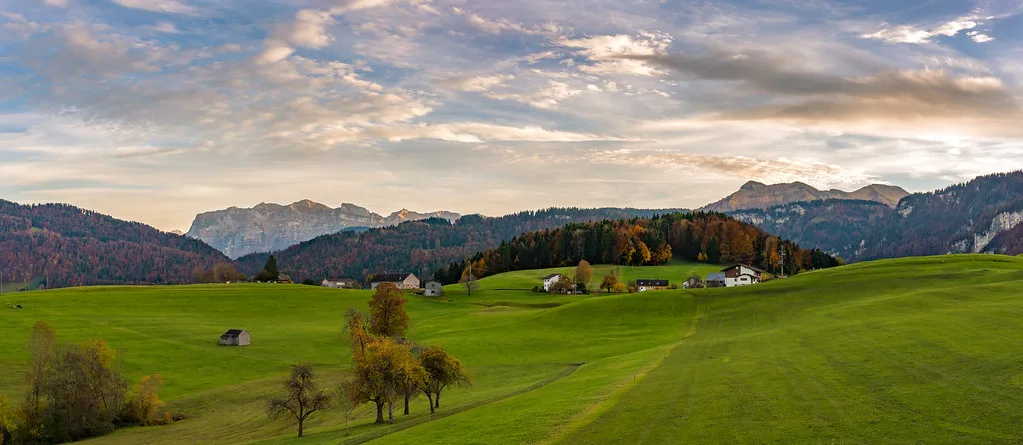
Bregenz and Lake Constance: the lakeside capital
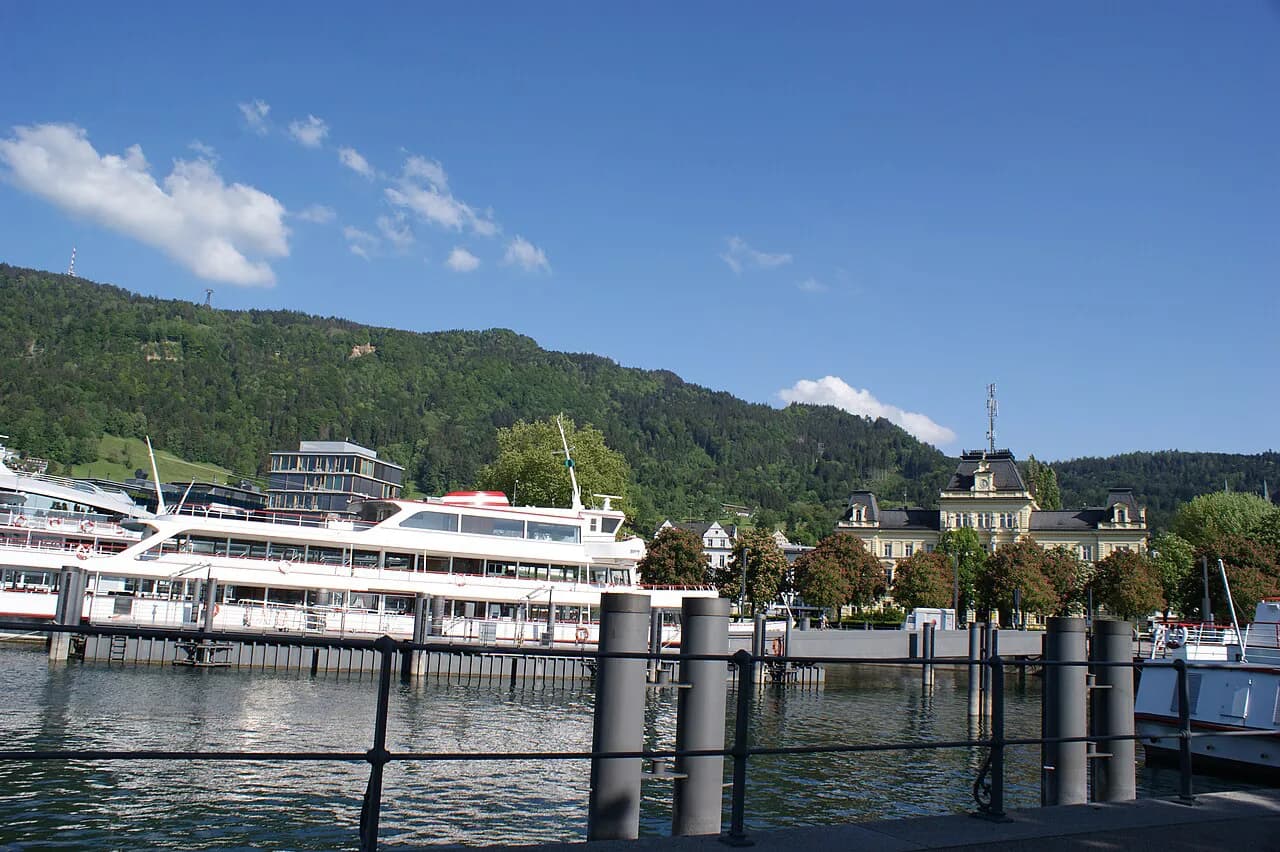
Bregenz puts the lake directly against the town, with the upper town on its terrace above the shore and the lakefront promenade below. Arriving by train drops you within a short walk of both levels, so the town works well as a first afternoon even after a long journey.
The lake itself is the reason to linger. Vorarlberg's official guide treats the Bodensee-Vorarlberg area as one of its six holiday regions, alongside the Alpenregion, Bregenzerwald, Kleinwalsertal, Lech Zürs and Stuben am Arlberg, and Montafon, and it lists holidays by the water among its summer themes.
Above the town, the Pfänder ridge gives the classic view over the lake and, on clear days, across to the Swiss shore. Treat the lift up as an access point, then walk the ridge paths at the top rather than riding straight back down.
Feldkirch and the old quarters of the Rhine valley
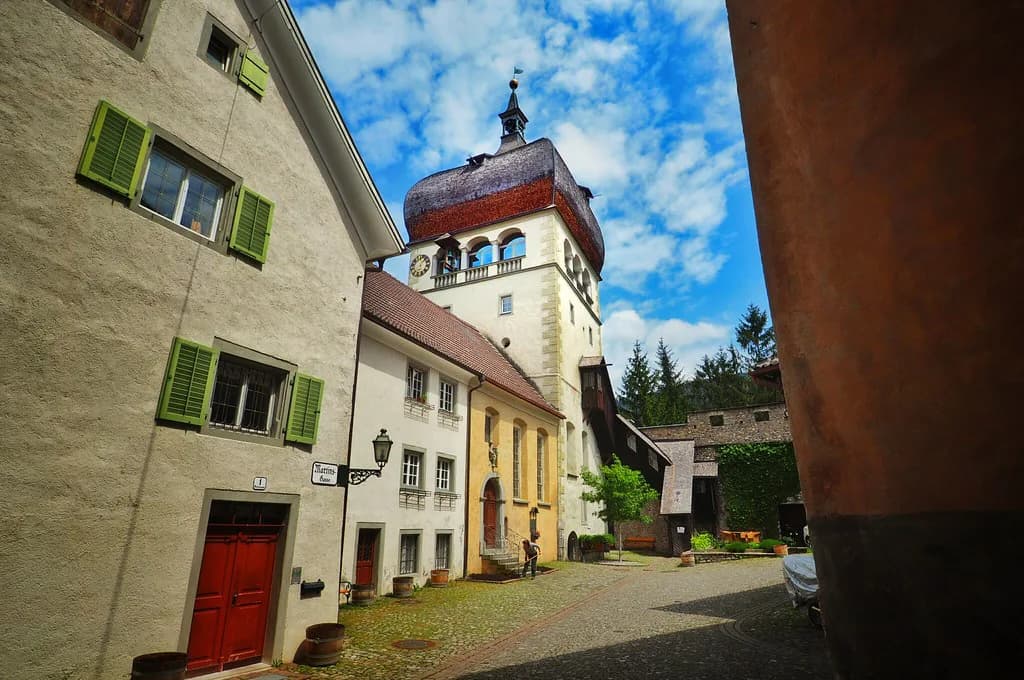
Feldkirch is the state's historic showpiece, an old town of lanes and squares on the Ill river with the feel of a place that grew rich on the Rhine trade. It rewards a slow walk rather than a checklist, and its compact center means two or three hours covers the streets without rushing.
Feldkirch is the kind of place where the streets themselves are the sight, so give the old town your time and let the squares set the pace. Keep the afternoon free for wandering rather than chasing a checklist.
Dornbirn and the valley floor as a base
Dornbirn is the practical middle of the Rhine valley: a working town with a compact center, a busy market life and quick rail links both to Bregenz and to Feldkirch. It is less picturesque than Feldkirch but useful as a base, since trains from here reach the lake shore and the southern valleys without a car.
Use Dornbirn for errands and connections rather than as a sight in itself, and let the mountain villages above the valley supply the scenery. The town also gives you a fallback on wet days, when a valley-floor afternoon beats a fogged-in cable car station.
The Bregenzerwald: village character and building culture
The Bregenzerwald is a scatter of villages on green slopes, known for a living building culture in which new timber architecture sits comfortably beside old farmhouses. The official guide lists architecture and building culture among the state's cultural draws, and this is where it shows most clearly.
This is the part of Vorarlberg that rewards a slower pace. Base yourself in one village and take the bus between the others instead of driving from sight to sight, and give the region a full day at minimum.
Bludenz and the southern valleys
Bludenz marks the turn south, where the main valley line meets the side valleys. The regional tourism board calls it the gateway to five valleys, and from here the Brandnertal, Klostertal and the Großes Walsertal open in a star shape toward the mountains.
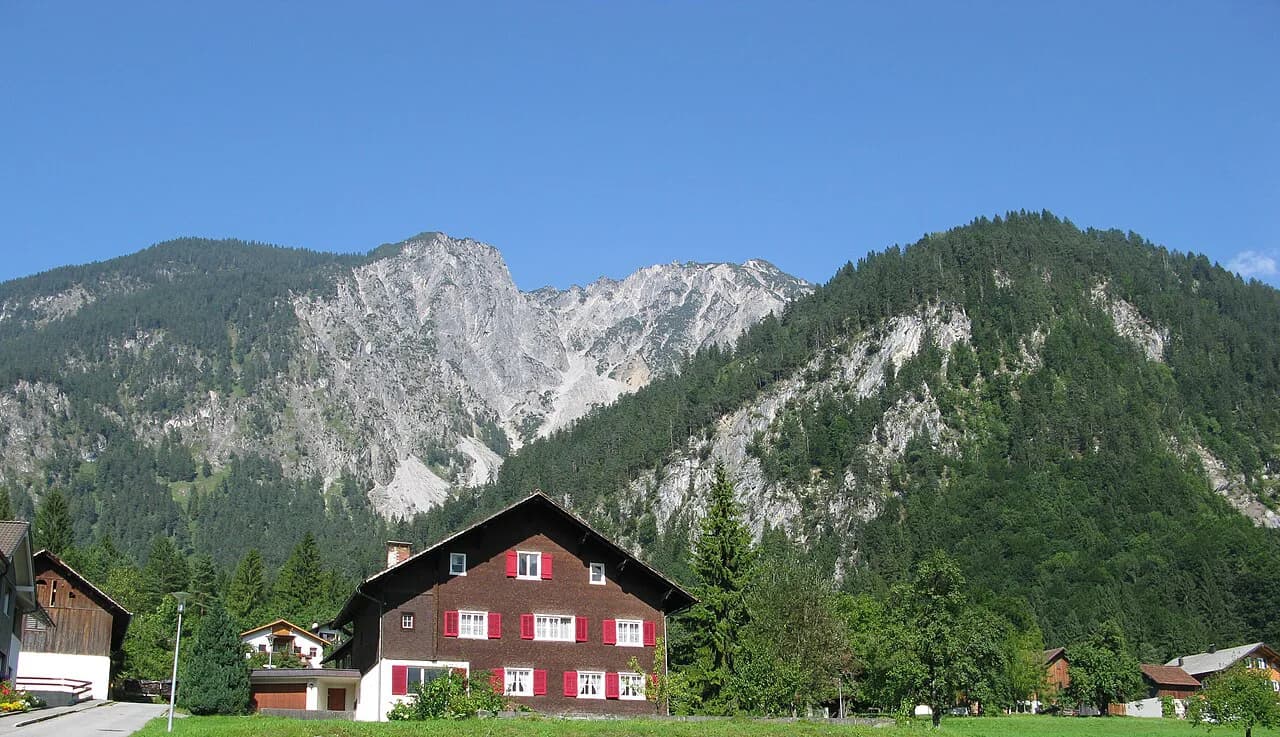
The Großes Walsertal is a UNESCO biosphere reserve, and the regional board frames it as a place to discover new perspectives in harmony with nature, which means quiet villages and marked paths rather than big attractions. The Brandnertal and Klostertal, with rugged cliffs, mountain lakes, gorges and alpine meadows, suit a half-day each.
Bludenz itself is a small town rather than a destination in its own right, so treat it as a junction and a place to stock up before heading up a valley. Regional trains from Bregenz and Dornbirn reach it directly, which makes it a sensible overnight before a mountain day.
The Montafon: where the trip changes shape
The Montafon runs south from Bludenz as a long, high valley of meadows and peaks, and it changes the rhythm of a Vorarlberg trip from town-hopping to valley-based days. Its villages sit along the valley, and the landscape climbs from the valley floor to summits close to 3,000 meters.
Give the Montafon at least one full day, and more if you plan to ride mountain lifts up and walk down. The valley is also where the state's Walser heritage is most visible, with the older settlement pattern and dialect still part of daily life.
Getting around without a car
Vorarlberg is genuinely workable by public transport. Regional trains link the main valley towns, and buses reach trailheads and cable car stations in the side valleys.
Use the state's own journey planner, vmobil.at, rather than a general mapping app, because the regional timetables are not reliable in general mapping apps. Check departure times the evening before a mountain day, since buses up the side valleys thin out outside the peak season.
The official regional guide also lists local public transport among its practical planning pages, alongside how to reach Vorarlberg and barrier-free travel information. Start there for cross-border rail connections from Germany and Switzerland.
Guest cards and local transport
Several Vorarlberg regions issue a guest card that includes local transport, and the coverage differs by area: in the Alpenregion Bludenz and the Bodensee-Vorarlberg area it is described as applying from the first night on, while the Bregenzerwald and Großes Walsertal schemes are described as starting from three nights on.
Ask your accommodation for the card on arrival, then confirm exactly which buses and trains it covers before relying on it, since the terms are set per region rather than statewide. The Alpenregion pages carry a dedicated guest card section if you want to read the current conditions before booking.
Costs in euros: what to check before you go
Fares, cable car tickets and museum admission in Vorarlberg are set by the individual operator, so confirm each price on the operator's own page rather than budgeting from a general figure.
For lake crossings, check the navigation company's timetable and fare page directly, since seasonal schedules change the number of daily sailings. Budget in euros and keep small change for valley buses.
Language and local character: Alemannic German and the Walser heritage
Travelers commonly notice that spoken German in Vorarlberg sounds closer to Swiss German than to the Viennese standard, a difference often tied to the Walser settlers who crossed from the Valais in the 13th and 14th centuries. That heritage is also visible in place names and in the region's sense of being culturally closer to its neighbors than to the capital far to the east.
For visitors this mostly means German with a strong local color, plus widely spoken English in tourism settings. Learning a few greetings goes a long way in village bakeries and buses, and place names on signs use the German forms with umlauts, so read Großes Walsertal as it is written rather than translating it.
Summer timing and how Vorarlberg fits a longer Austria route
Summer is the window when alpine country is open: mountain lifts run, valley buses keep fuller schedules and high paths are free of old snow. The official regional guide promotes autumn walking and scenic trails as well, and the seasonal pages it publishes each year are worth a look before you fix dates.
On a longer Austria route, Vorarlberg works best as the western anchor: come in from Germany or Switzerland, spend two nights split between Bregenz and Feldkirch, and add one night in a mountain valley before heading east toward Tyrol. Travelers who skip the valleys and only change trains in Bregenz miss the reason the state is worth the detour. If you are weighing other stops before or after this western corner, our Towns in Austria Worth Visiting: A Region-by-Region Guide sets out the options region by region.
Which Vorarlberg stop earns your nights
For a first visit, give Bregenz one night for the lake and upper town, Feldkirch one night for the old quarter, and a mountain valley one night for the scenery that the Rhine valley line cannot show you. Travelers with only a day should choose between the lake and Feldkirch rather than trying both, because the transfer time eats the afternoon.
Build the route around the rail line, keep the vmobil.at timetable open for the valley buses, and confirm fares with each operator. The state is small, so the constraint is not distance but how much you try to fit into one day.
Explore more Bregenz guides
Sources
Notes for your next Austrian town break
Optional updates when we add or revise town guides.
You might also like
Continue reading
More guides you'll find useful