Bregenzerwald, Austria: Villages, Timber Architecture and the Cheese Road
A guide to the Bregenzerwald in Vorarlberg: its 23 villages, timber architecture, the KäseStrasse cheese road, and how to travel between them.
On this page
The Bregenzerwald is a scattered region of 23 villages in the Vorarlberg hills between Bregenz on Lake Constance and the Arlberg, and the right way to see it is one village at a time rather than as a single destination. What ties it together is architecture: old farmhouses under wooden shingles standing beside new timber buildings by regional architects. This guide covers which villages belong on a route, what the timber-building mix looks like on foot, and how to plan a cheese-road stop.
It also covers the practical side: road distances from Bregenz and Dornbirn, the arrival points by train and bus, a concrete stop at the Bergbrennerei Löwen outside Au, and what changes when the season turns. Plan a base village or two and drive or bus between them, because the sights are spread across a valley system rather than concentrated in a town.
Where the Bregenzerwald sits in Vorarlberg
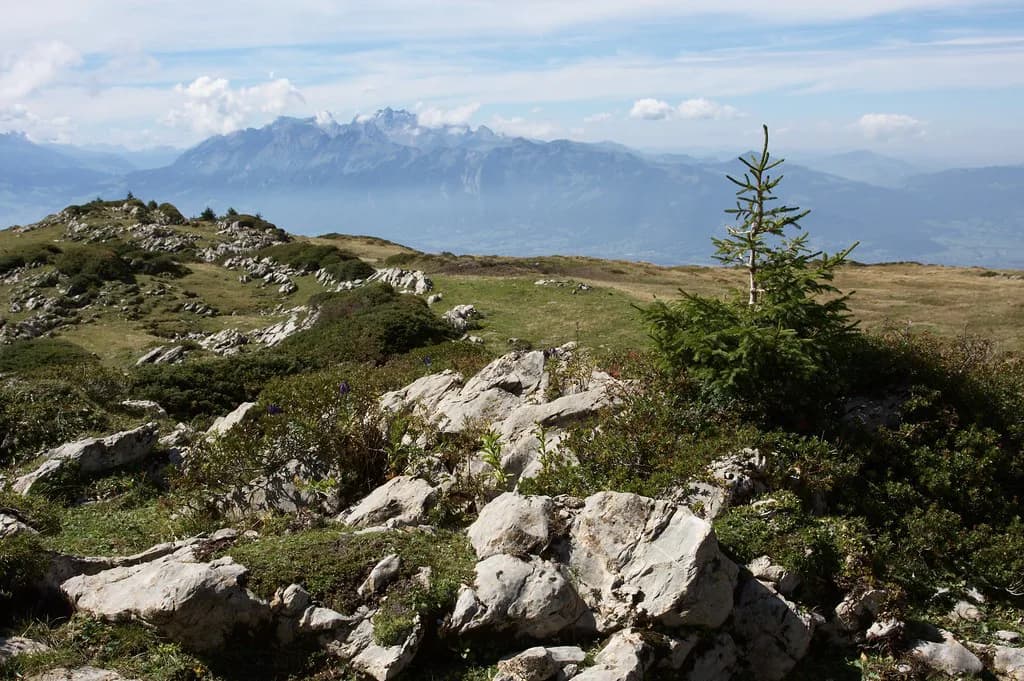
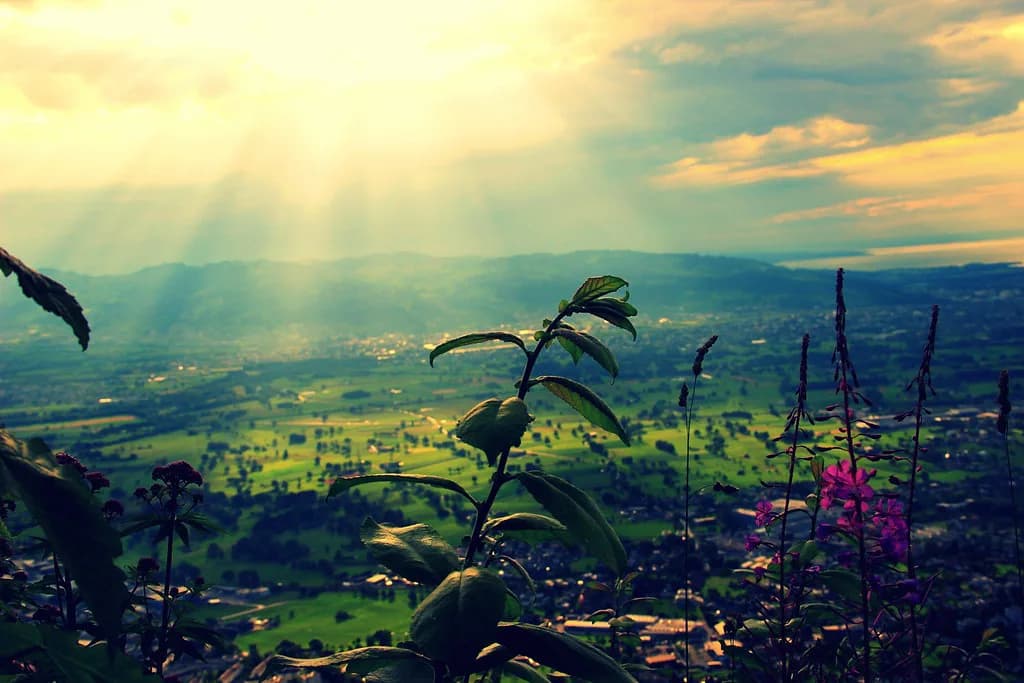
The Bregenzerwald occupies the northern part of Vorarlberg, the westernmost Austrian state, and runs east from the Rhine valley toward the Arlberg. It is a countryside of grassy ridges and scattered settlements, not a single town with a tourist center. Think of it as a region you cross by village-hopping, with Lake Constance as the western gateway and the Großes Walsertal branching off to the south.
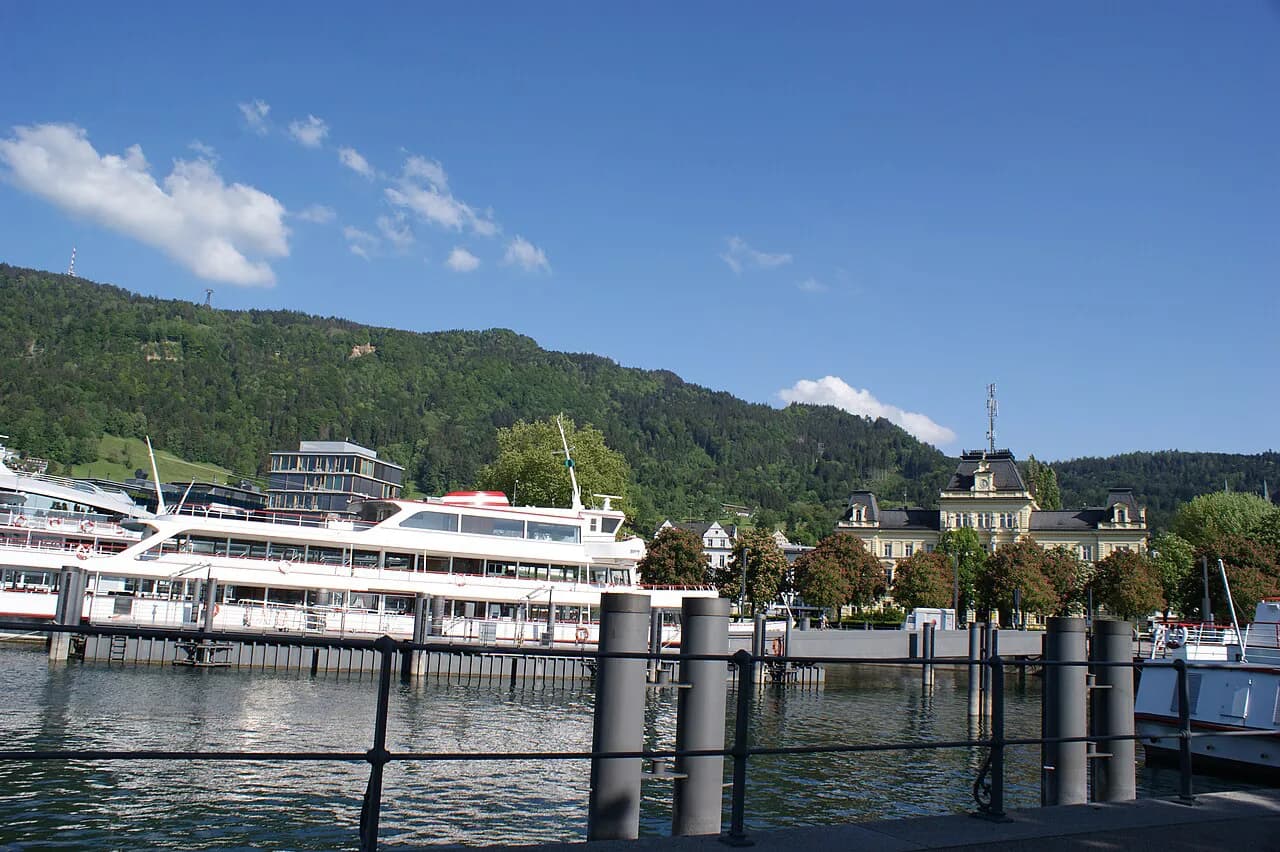
The two natural gateways are Bregenz on the lakefront, for the lakeside end of Vorarlberg, and Dornbirn to the south, which sits on the rail line through the Rhine valley. Both are useful starting points for the drive or bus ride up into the valleys.
The Bregenzerwald is small on a map but slow on the ground: roads climb into side valleys and villages sit several minutes apart. The region's tourism board counts 23 original villages with a farming tradition and an unusual mix of old and new architecture, so a sensible plan picks a short list rather than trying to tick off all of them.
The 23 villages: which ones to put on a route
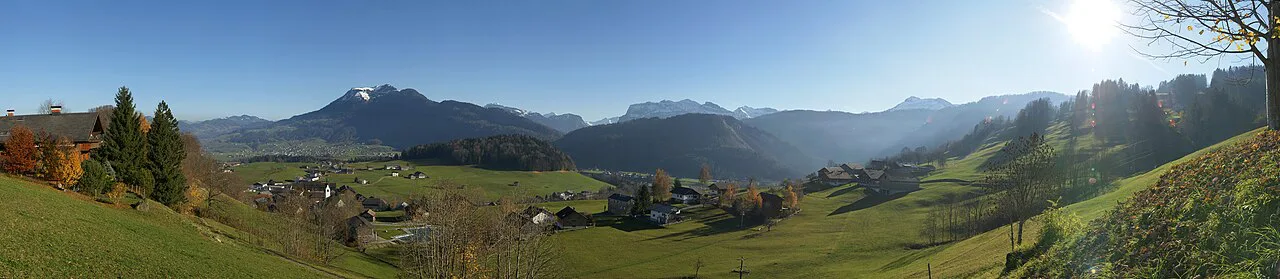
Start with Bezau as a central base: it sits in the main valley and is one of the 23 villages the region lists, with the main valley road running through it. Schwarzenberg, a short hop toward the hills, is the quieter village with a compact center and its own cultural calendar.
Then add Egg, where the Bregenzerwald tourism office is based, and Hittisau and Krumbach as villages the region includes in its list of 23; each can be visited on the same valley loop. Krumbach and Hittisau are small, so treat them as half-day stops rather than destinations in their own right.
Au and Schoppernau, at the eastern end of the valley below the Diedamskopf, are the base for the region's most dramatic scenery. That eastern end is also where the Bergbrennerei Löwen sits in the hamlet of Au-Rehmen, so the two can be paired.
Spread across four or five villages, a Bregenzerwald visit fills two or three full days without rushing. The trade-off is driving time: moving every night between villages costs more than it saves, so pick one base and take short trips.
Timber architecture and village culture on foot
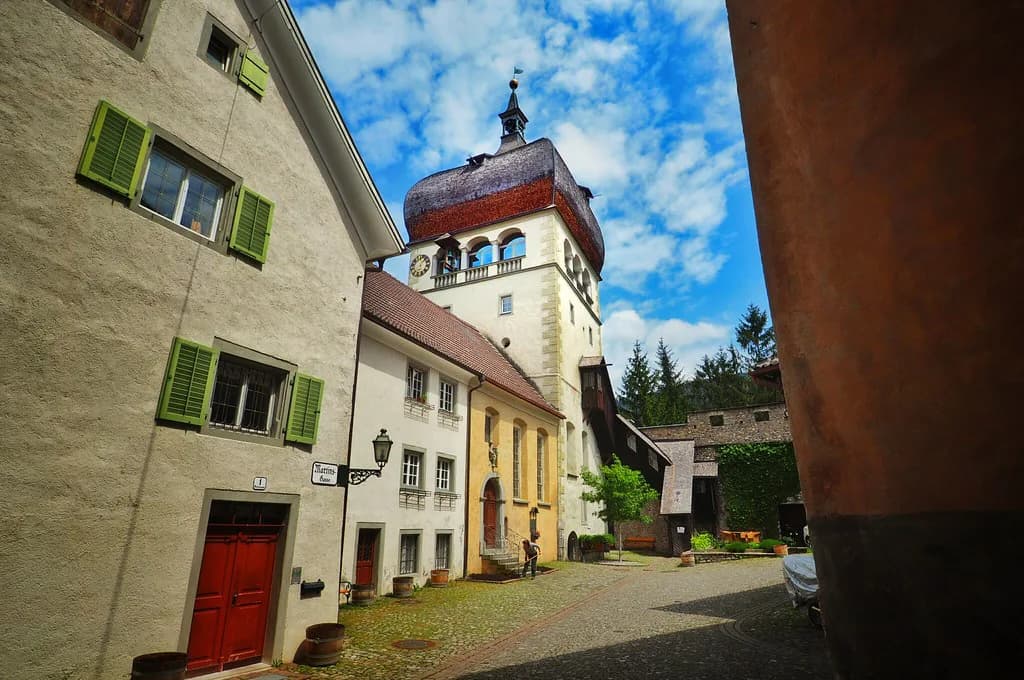
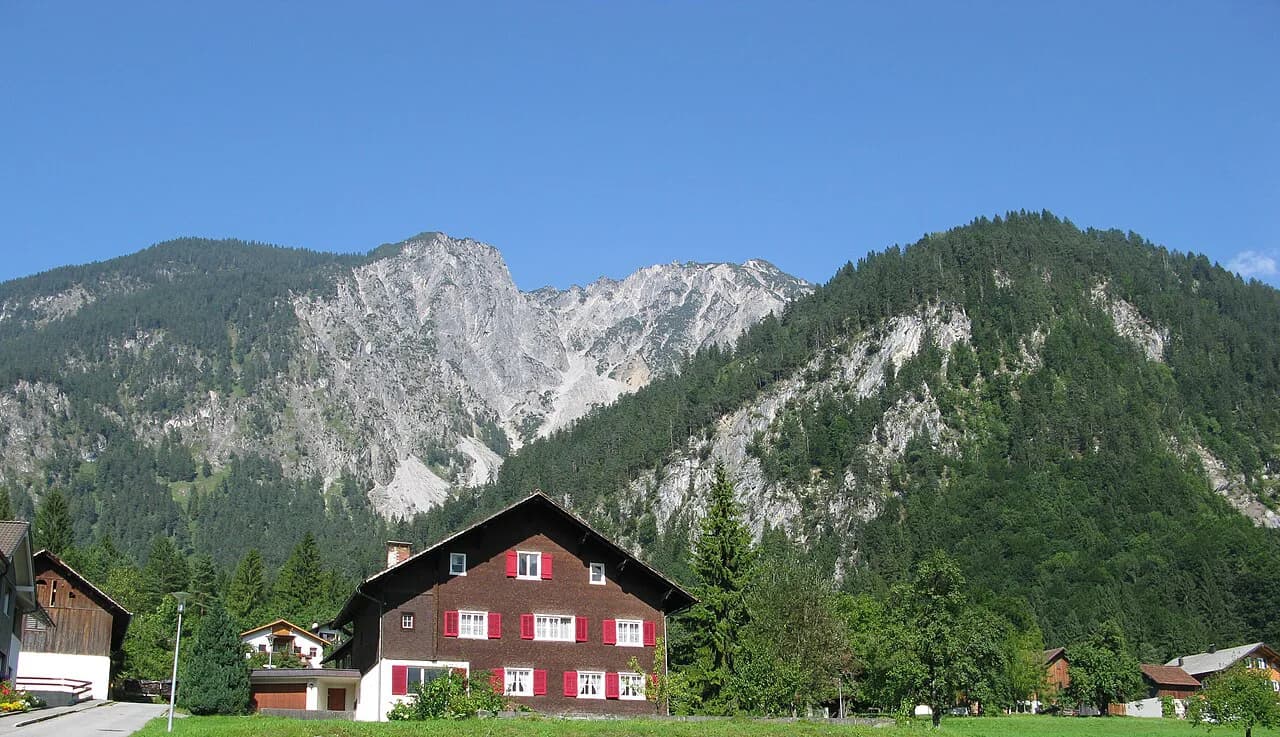
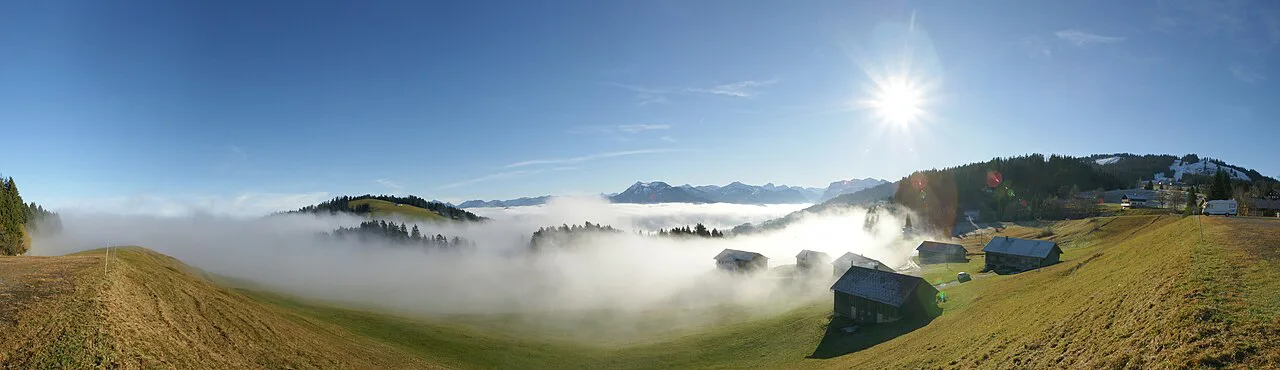
What distinguishes the Bregenzerwald from other Alpine regions is its building culture: historic farmhouses built from local spruce, shingled on the outside, stand beside contemporary timber buildings by regional architects in the same villages. The region itself frames this as an interesting mix of old and new architecture.
The region publishes a set of village and building-culture walks, which are the practical way to see old and new together rather than passing each house by car. These walks are self-guided and vary in length; some focus on the church and farmhouse core of a village.
A key modern-timber stop is the Werkraum Bregenzerwald, the regional craft house that shows the carpentry and timber-joinery tradition in one building. Check its current opening days and any tour times before you build a day around it, since a craft house runs on exhibition and workshop schedules.
Schwarzenberg and its music festival
Schwarzenberg is one of the Bregenzerwald's most distinctive villages and the one most associated with the region's cultural life. It hosts the Schubertiade, the long-running chamber-music festival whose Schwarzenberg concerts give the village a serious concert audience each season.
For a visitor without concert tickets, the village still merits a half day: a compact center, the parish church, and the painter Angelika Kauffmann, whose family came from Schwarzenberg and after whom the concert hall is named. The Kauffmann connection is why the hall carries her name.
The festival season is narrow, so a visit timed to it requires booking far ahead; a visit outside it gives you the village without the concert crowds. Either way, the Schwarzenberg square is the calmest place in the region to sit for an hour.
Cheese and food: the KäseStrasse Bregenzerwald
The KäseStrasse Bregenzerwald, the Bregenzerwald cheese road, is a working label for dairy farms where you can buy cheese and meet the people who make it. It is not a single road with an entry fee: the stops are scattered across the region, and each farm sets its own visiting arrangements.
Practically, that means using it as a lunch-and-shopping plan rather than a route: pick two or three farm dairies near the villages you are already visiting, buy mountain cheese for a picnic, and ask about short guided visits. Ask about drop-in tours rather than assuming them.
The typical Bregenzerwälder cheese stop is a farm with a small shop selling alpine and mountain cheese in wheels, plus butter and yogurt. Expect plain, honest food rather than restaurant service, and bring cash since small farm shops often do not take cards.
A stop worth timing: the Bergbrennerei Löwen in Au-Rehmen
The Bergbrennerei Löwen in Au-Rehmen, about 55 km from Lake Constance and Bregenz or roughly 40 km from Dornbirn by road, occupies an inn built between 1896 and 1900 and revived as a distillery in 2013. It sits in a valley basin between the Diedamskopf and the Kanisfluh and is a strong single stop for understanding the region's farming and craft culture side by side.
The distillery and house tours run every Thursday and Friday at 16:00 and 18:00 and are free, with no advance booking. That makes it an easy tour to plan around: build the afternoon around the 16:00 slot, and let the tour show you the still and the production rooms before you eat.
The Gasthaus Löwen serves warm regional food from 11:30 and keeps these hours: Wednesday and Saturday 10 to 18, Thursday and Friday 10 to 21, Sunday 09 to 18, closed Monday and Tuesday. Check the holiday-opening notice on the site before a long detour, and confirm the kitchen timing on the day because the kitchen closes shortly before the house does.
Pair the Löwen with a walk to the nearby Holdamoos moor and a short drive to the Diedamskopf for the mountain panorama. That gives you a compact half-day with food, a short walk and a mountain view built in.
How to get there and around
Arrive by train into Bregenz or Dornbirn on the main Vorarlberg line, then take the Postbus up into the Bregenzerwald valleys. Buses run on the valley roads and connect the villages, so check the timetable for your route and day before you commit to an evening in a village without a car.
A car gives you the most flexibility: the villages lie off the main roads and the distances between them are short. A base in Bezau or Egg puts most of the western and central villages within a half hour.
The region runs a Gäste-Card Bregenzerwald that bundles guest benefits; ask at your accommodation what it includes for your dates before you count on it. It is a guest card tied to participating hosts, not a universal pass.
Where the Bregenzerwald fits in an Austria route
The natural route pairing is with Lake Constance to the west, where the lakefront at Bregenz and the lake towns make a slow first stop before you turn inland. From the lake the drive up into the Bregenzerwald is short enough to do in an afternoon.
On the other side, the Großes Walsertal branches south off the Bregenzerwald and leads toward the Montafon and the Arlberg, so a loop from Bregenz through the Bregenzerwald toward the mountains gives a compact Vorarlberg itinerary. A side trip to Feldkirch, a small historic town on the Ill river, works well on the return leg.
Keep the Bregenzerwald at the center of the trip rather than as a day-trip add-on. Three nights in the region lets you spend one day on architecture and culture, one on the eastern valleys and the Löwen, and one on a longer west-to-east drive with stops.
Winter versus summer in the villages
Summer is the architecture-and-village season: the building-culture walks, the craft houses, the farm dairies and the mountain transport are in operation, and the villages are busy at midday. The region's tourism board presents summer as the season for activities in the valleys and mountains.
Winter is a different visit, and the region is explicit that most winter guests come to ski, with cross-country trails, winter walking and sledding as the alternatives to the slopes.
That matters for planning: village sightseeing is thinner in winter, and some building-culture stops keep winter hours. If timber architecture is your main reason for coming, put the trip in the warmer season and treat winter as a separate kind of visit.
Which villages to book as your base
If you want one base, choose Bezau or Egg: both sit on the main valley road, both are within short reach of Schwarzenberg and the western villages, and both give you a starting point for the buses toward Au and the eastern end. Add Andelsbuch and its Werkraum to the first full day.
Build the trip around two nights at least, with a third for the eastern valleys and the Bergbrennerei Löwen, and check the day-of-week details on that distillery's site before you drive over. A region of 23 villages rewards less coverage and more time in each one.
Explore more Bregenz guides
Frequently Asked Questions
What language is spoken in the Bregenzerwald?
German is the everyday language across Vorarlberg, with the local Alemannic dialect, which sounds closer to Swiss German than to the German of Vienna. People working in tourism generally speak English well, but smaller farm shops and some village businesses may not.
Sources
Notes for your next Austrian town break
Optional updates when we add or revise town guides.
You might also like
Continue reading
More guides you'll find useful