Dornbirn, Austria: Market Square, Museums and the Karren
Dornbirn is Vorarlberg's biggest city and shopping hub, with a market square, the inatura museum and the Karren cable car above the Rhine valley.
On this page
Dornbirn is the biggest city in the Rheintal valley and Vorarlberg's shopping hub, so treat it as a working Austrian city with a genuine market square rather than a preserved old-town set piece. It makes a practical stop between Lake Constance and the Bregenzerwald, with a compact center you can cover on foot and a mountain cable car directly above the rooftops. This guide covers the Marktplatz and St. Martin church, the museums and cultural centers, the architecture scene, the Karren cable car and the shops, plus how the city fits a route through the region.
What Dornbirn is and where it sits in Vorarlberg
Dornbirn is the largest city in Vorarlberg and the tenth largest in Austria, and it functions as an important commercial and shopping center. The city lies in the Rheintal valley, the broad Rhine plain that runs along Austria's western edge, which puts it on the main rail and road corridor rather than off in a side valley.
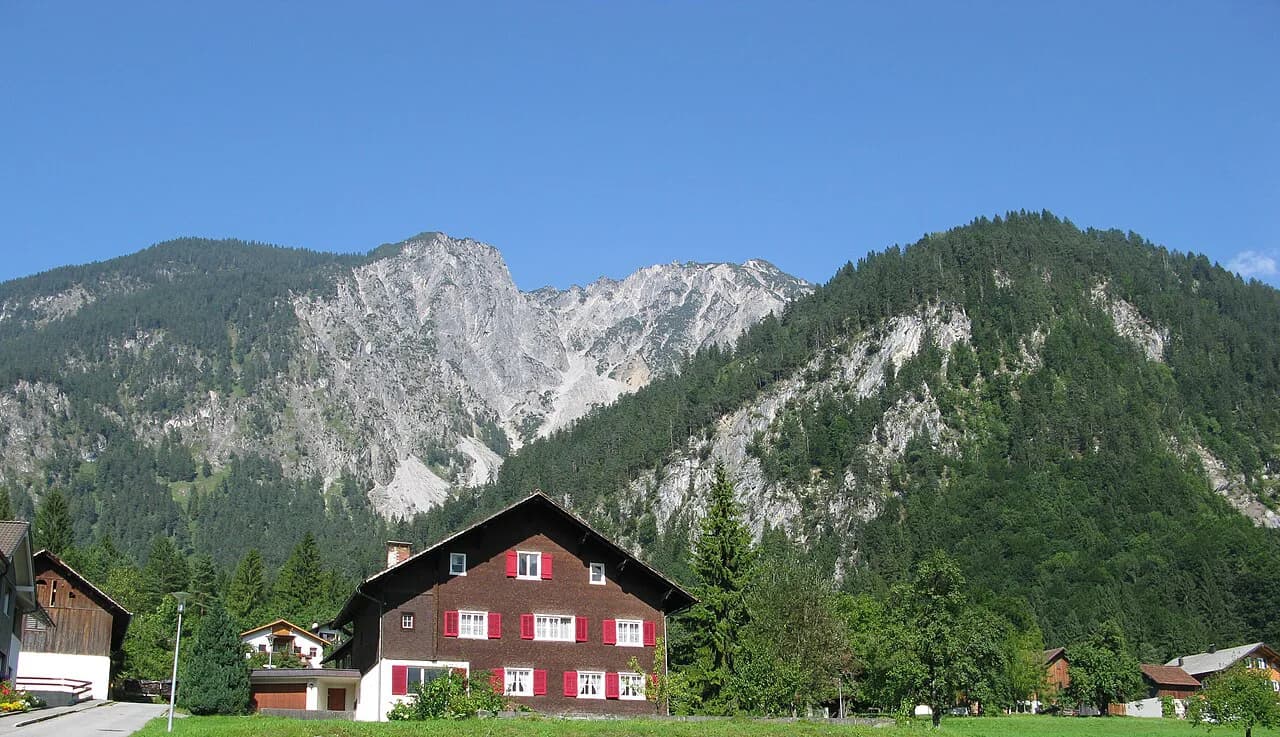
Its setting mixes dense urban infrastructure with quick access to mountains and water, so a single day can combine a market square, a museum and a summit view. Use Dornbirn as a valley base and the surrounding region opens up: the shore of Lake Constance, the villages of the Bregenzerwald and the higher terrain toward Großes Walsertal are all part of the same trip planning.
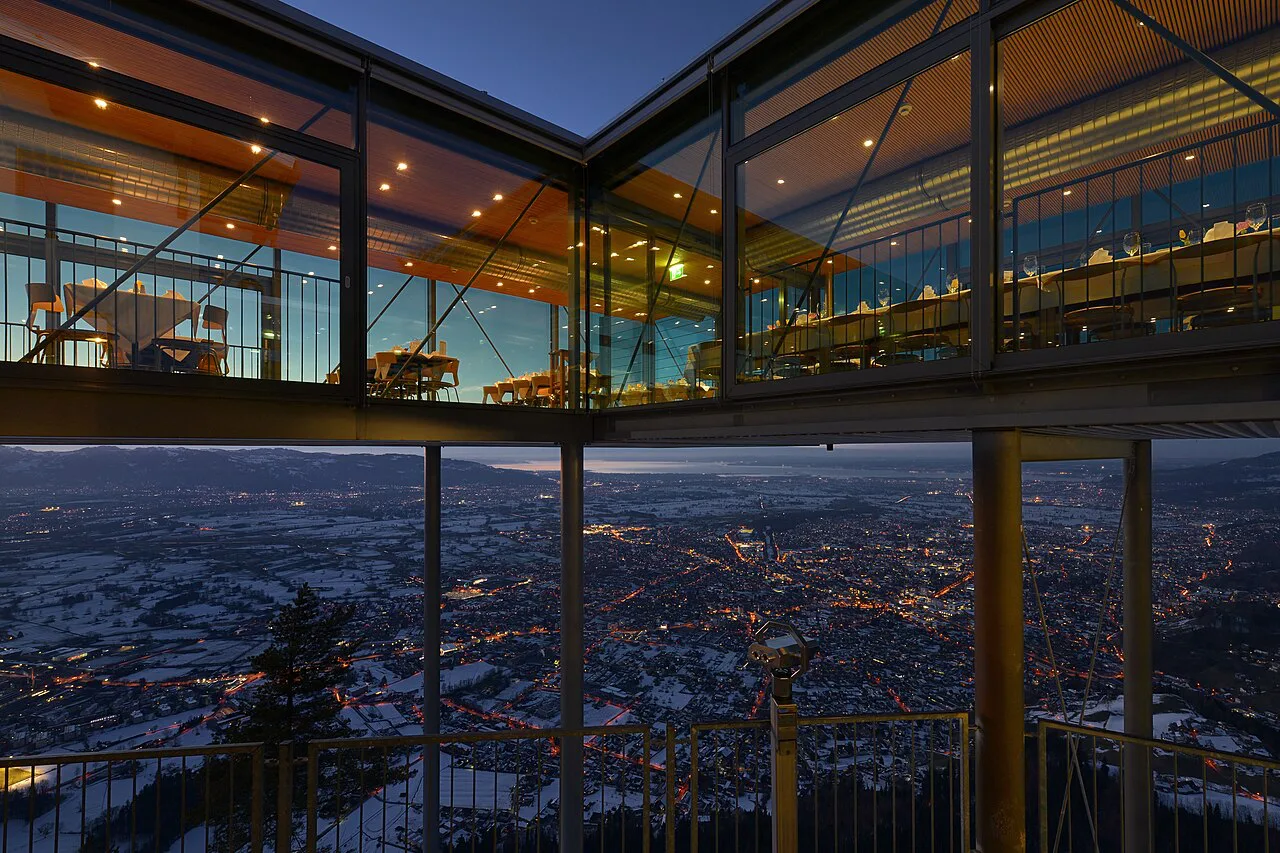
How the center is laid out: Marktplatz, St. Martin church and the shopping streets
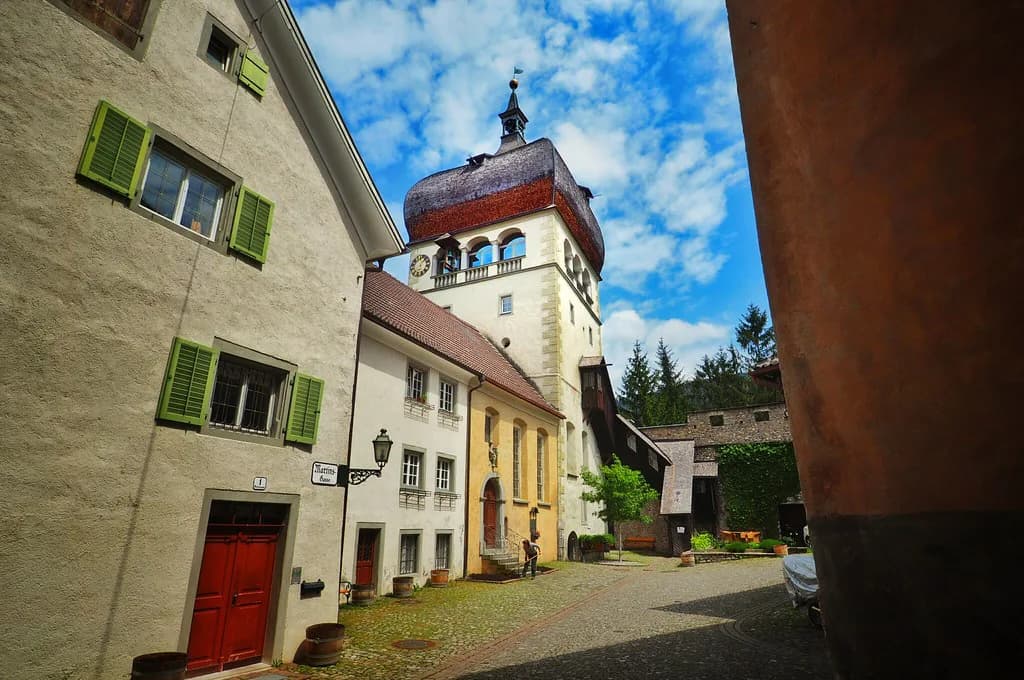
The center is compact and walkable, organized around the Marktplatz, with the church of St. Martin on the square itself. Shops, cafes and the main pedestrian routes lead off from that square, so you can orient yourself in a few minutes and then choose between browsing and sightseeing. Start at the Marktplatz and the church, and work outward along the shopping streets rather than trying to follow a rigid route.
Because Dornbirn is a shopping city first, the center feels busier and more commercial than a small Wachau or Salzkammergut town, and that is part of the honest picture. If you want quiet lanes and centuries-old squares, nearby Feldkirch delivers more of that atmosphere, and the two work well on consecutive days.
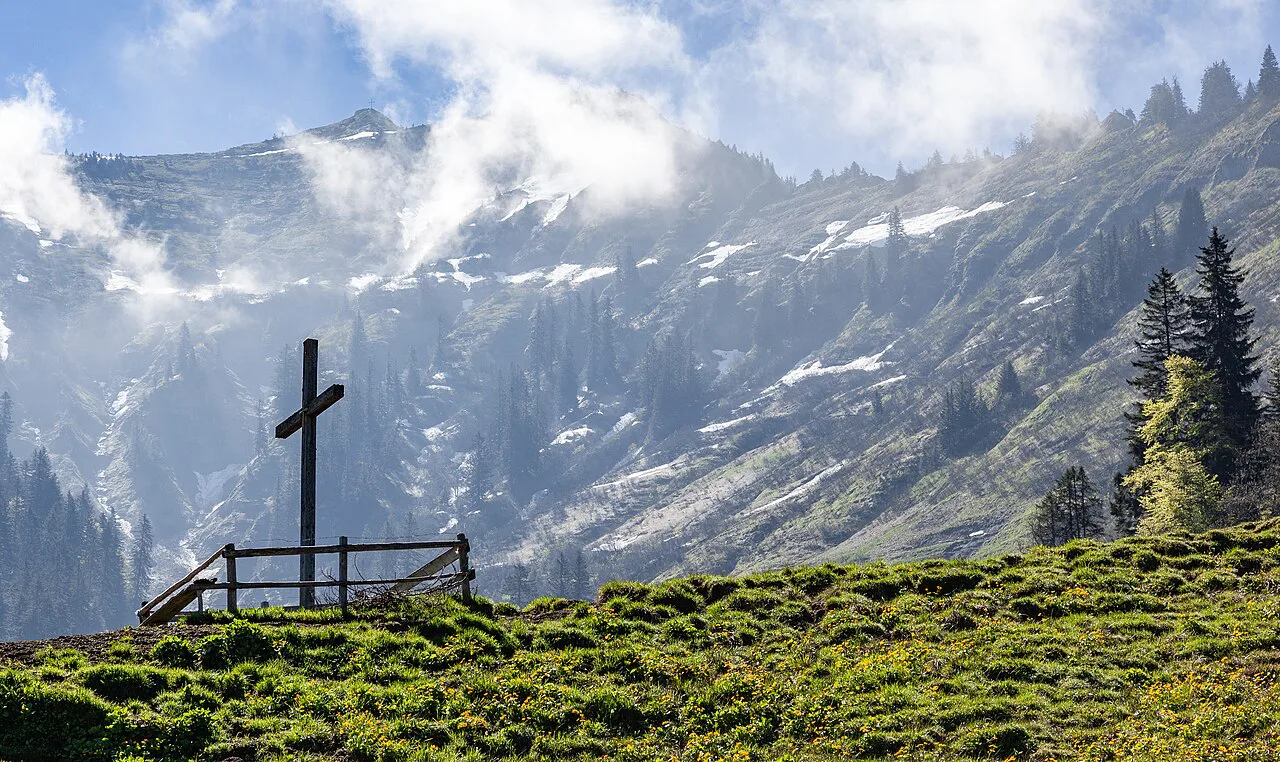
Marktplatz square: what you see and how long to linger
The Marktplatz is the city's main square, with St. Martin church on it and surrounded by the retail streets that make Dornbirn the valley's shopping address. A loop of the square and the immediate surrounding streets fits comfortably into a morning or an afternoon.
Treat the square as a starting point rather than a destination in itself: budget a short stop for the church and the market square, then move on to the museums or the cable car, which are where the paid draws are. That split keeps the day honest, since the center is a walking stop while the inatura museum and the Karrenseilbahn are the items that shape your budget.
The inatura natural history museum and the Kulturhaus and Spielboden cultural centers
The inatura natural history museum is one of the city's principal museums and a useful indoor stop when the weather turns or when you want context on the region's landscapes and wildlife. The Kulturhaus and Spielboden are the city's cultural centers, with changing programming rather than fixed displays, so check what is on before you build an evening around them.
Confirm the current inatura ticket price and opening days on the museum's own site before you go. Pair a museum block with a coffee stop nearby rather than stacking two indoor attractions, since the center is small enough that you will pass the same streets twice otherwise.
The Vorarlberg Architecture Institute and contemporary architecture in the city
Dornbirn is also home to the Vorarlberg Architecture Institute, which focuses on contemporary architecture and gives the city a design-minded strand beyond its shopping reputation. If architecture is one of your interests, the institute is a sensible starting point before you look at the region's modern buildings.
Plan the institute as a short stop in the city and use the rest of the day for the villages where the building tradition is most visible. That combination gives you the theory in the city and the buildings in the landscape.
Riding the Karrenseilbahn cable car to the Karren summit for the Rhine valley view
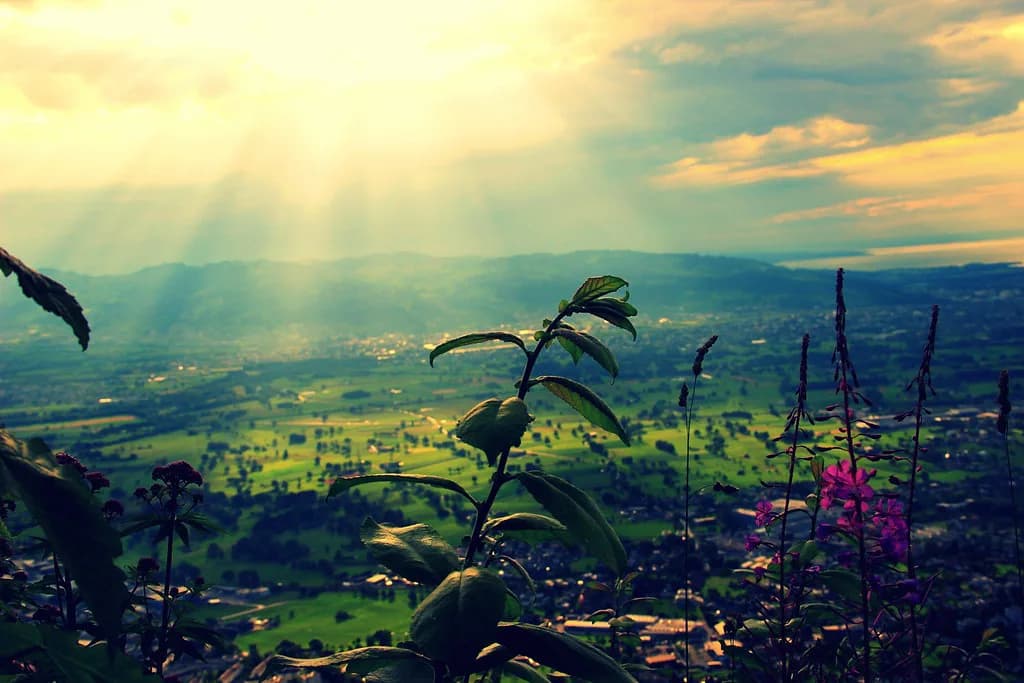
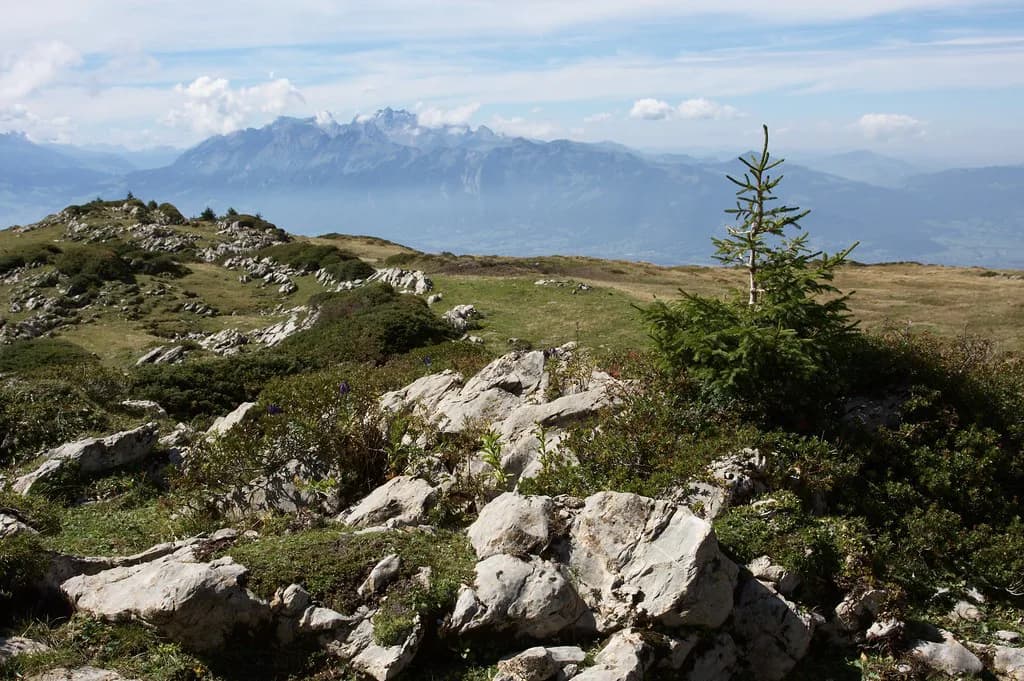
The Karrenseilbahn cable car climbs from the city to the Karren, Dornbirn's main summit, which the Vorarlberg tourism portal describes as commanding a view over the Rheintal valley. It is the one experience that turns a shopping stop into a landscape stop, and it sits directly above the city rather than requiring a drive into the mountains.
Check the operator's own timetable and ticket page on the day you plan to ride, and build the Karren as a flexible slot in your day, keeping the inatura museum as the fallback if low cloud closes the view.
Cafesito and other named stops for coffee and food in the center
Cafesito is one of the central stops the Vorarlberg tourism portal picks out for a coffee break between the Marktplatz and the shops. The city's food scene also ranges from restaurants with Gault&Millau awards to traditional Vorarlberg inns, so you can choose between a quick espresso and a full regional meal without leaving the center.
For a regional meal, look for the inns serving hearty Vorarlberg cooking rather than international chains, and treat the Gault&Millau side of the scene as a separate, more expensive evening. Prices, hours and reservation policies sit with each venue, so confirm directly with the restaurant you pick.
Shopping: 220-plus shops and Vorarlberg's retail hub
Dornbirn is Vorarlberg's shopping hub, and the Vorarlberg tourism portal counts more than 220 shops across the city center and the market square area. That density makes the city a genuine shopping destination rather than only a pass-through on the Rheintal corridor.
The portal also names individual specialist retailers, including a master shoemaker and a functional-clothing shop, which gives you a reason to look beyond the big brands on the main streets. Shop hours are set by each business, so plan retail time for the middle of a weekday and keep Sunday for the mountains and lakes.
Getting there and onward: train and car links through the Rheintal valley
Dornbirn sits on the Rheintal corridor, the main rail and road line through Vorarlberg, with Bregenz on Lake Constance at one end and Feldkirch toward the Swiss border at the other. It works as a stop between those two rather than as a detour, which makes it easy to slot into a train-based tour of western Austria.
The city is also a practical base for the Bregenzerwald and the higher valleys, with the Montafon further south for a longer loop. Confirm train times and connections in the ÖBB timetable before you commit to a schedule, since regional services set the pace of any car-free route.
How long Dornbirn needs and where it fits on a route through Austria
One full day covers the Marktplatz and St. Martin church, the inatura museum and the Karren cable car at a comfortable pace, with time left for coffee at Cafesito and a walk through the shopping streets. If you are staying overnight, two nights let you add the Bregenzerwald villages or the Lake Constance shore as separate outings.
On a longer Austria route, Dornbirn pairs naturally with Bregenz and Feldkirch on the Rheintal line, and with the Bregenzerwald if you have a car. Treat it as the western anchor of a trip rather than a stop built around baroque abbeys and palace interiors.
Is Dornbirn worth a day on your Vorarlberg route?
Yes, if you want a working city with a market square, its natural history museum, a cable car directly overhead and Vorarlberg's densest concentration of shops. If your trip is built around preserved old towns and baroque churches, give Dornbirn a half-day rather than a full one.
Plan the center on foot, ride the Karren on a clear day, and check museum tickets, cable car operation and restaurant hours directly with each operator before you travel. Use the wider Vorarlberg guide to fit Dornbirn into a route that also covers the lake and the valleys.
Explore more Bregenz guides
Frequently Asked Questions
In which country is Dornbirn located?
Dornbirn is in Austria, in the western state of Vorarlberg, in the Rheintal valley.
What language is spoken in Vorarlberg?
German is the everyday language in Vorarlberg, with a strong Alemannic dialect that differs noticeably from Viennese German. English is commonly used in shops, museums and restaurants in Dornbirn.
Is Vorarlberg a wealthy region?
Vorarlberg has a strong industrial and commercial economy, and Dornbirn is its retail and trading center. That prosperity shows in the density of shops, restaurants and cultural venues.
Do I need a car to see Dornbirn?
No. The center is walkable, the Karrenseilbahn starts from the city, and Dornbirn sits on the Rheintal rail line with connections to Bregenz and Feldkirch. A car helps only if you want to add the Bregenzerwald villages or the Montafon in the same day.
Sources
Notes for your next Austrian town break
Optional updates when we add or revise town guides.
You might also like
Continue reading
More guides you'll find useful