Millstatt am See: Abbey, Lakeside Promenade and Old Town Guide
Millstatt am See is a small Carinthian lake town built around a Romanesque Benedictine abbey. Here is what to see in the old center and along the shore.
On this page
Millstatt am See is worth a stop because one small Carinthian market town holds a Romanesque Benedictine abbey, a compact center and a lakefront you can walk in an afternoon. The monastery and its collegiate church count among Carinthia's most important monuments to Romanesque architecture, and the town sits directly on the Millstätter See. This guide covers the abbey, the Marktplatz, the lakeside, the boats, the walks above town and where to eat whitefish.
Millstatt belongs to the Spittal an der Drau District in Carinthia, and 19th- and 20th-century villas built as summer residences for aristocratic and well-off families still shape its look. That villa-lined shore is the reason the town reads as a resort rather than a working village, and it sets the tone for a visit that mixes architecture with lake time.
Millstatt at a glance: abbey, square and shore
The town has three anchors. The Benedictine monastery with its collegiate church is regarded as one of Carinthia's most important Romanesque monuments, the Marktplatz is the address of the local tourist office at Marktplatz 8, and the shore runs along the Millstätter See with a promenade and the modern Badehaus. Everything sits within a short walk of the others.
That compactness is the practical argument for Millstatt. You do not need a car to move between the abbey, the square and the water; you only need one to reach the surrounding Alpe or to continue along the lake. Plan the abbey and center first, then the shore, then decide whether the day has room for a walk uphill.
Millstatt works best as a half-day to full-day stop inside a wider Carinthia itinerary, with the abbey as the fixed point and the lake as the flexible part. Travelers coming from the direction of Villach, where the old town, Hauptplatz and the surrounding lakes make a natural base, can treat Millstatt as a lake day rather than a separate trip.
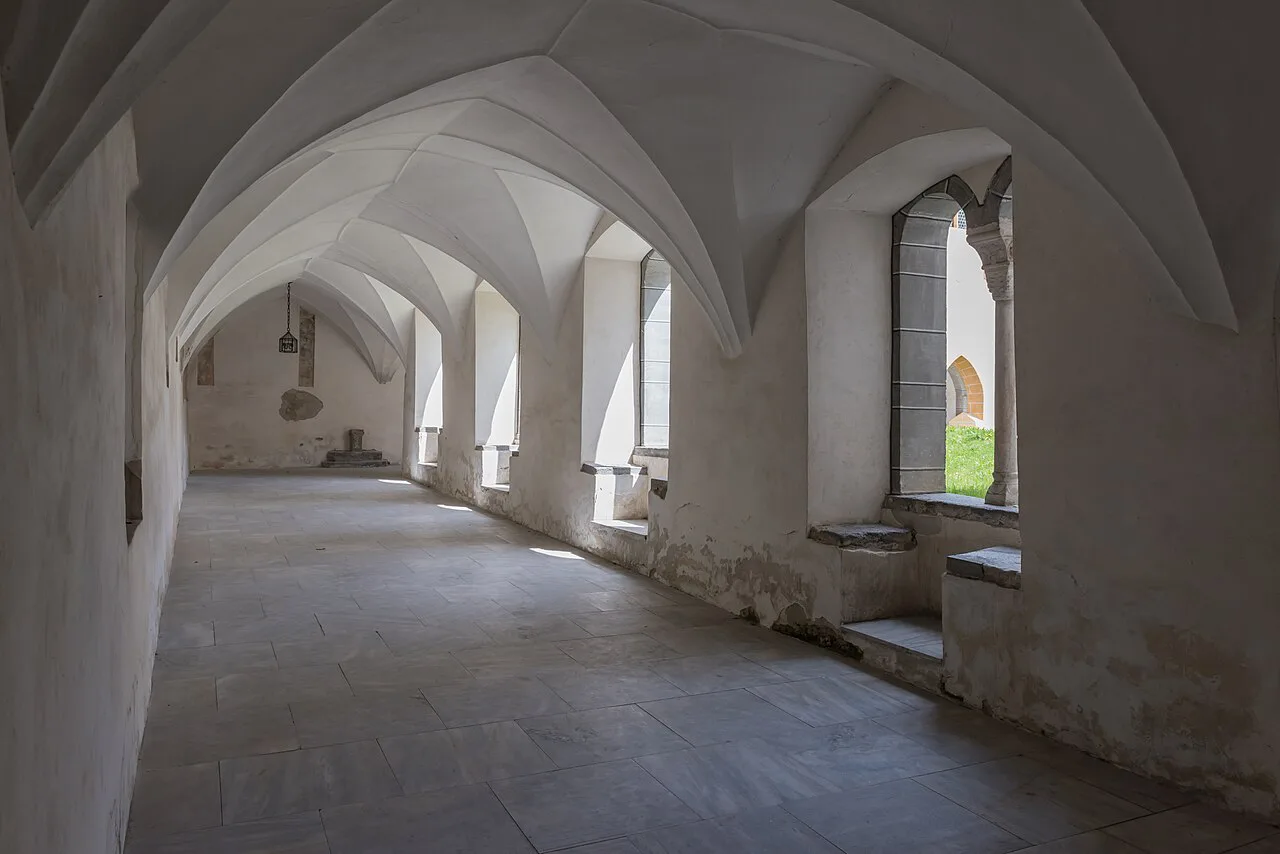
The Benedictine monastery and Stiftskirche
The Benedictine monastery and its collegiate church are the reason to come. The complex is regarded as one of the most important monuments to Romanesque architecture in Carinthia, which means the value lies in the masonry, the proportions and the survival of the Romanesque fabric rather than in baroque decoration layered on top.
Read the church as a Romanesque building and the visit makes sense: heavy walls, small openings and a clear sense of enclosure are the point, not a shortcoming. Carinthia has plenty of later pilgrimage churches and baroque interiors, so give the abbey the time you would otherwise spend photographing a facade.
The abbey also functions as a setting for cultural events, including the Millstatt Music Weeks and the International Guitar Festival. Those are reasons to check the local event calendar before fixing a date, but they do not change the architecture visit; treat them as a bonus if your travel dates happen to line up.
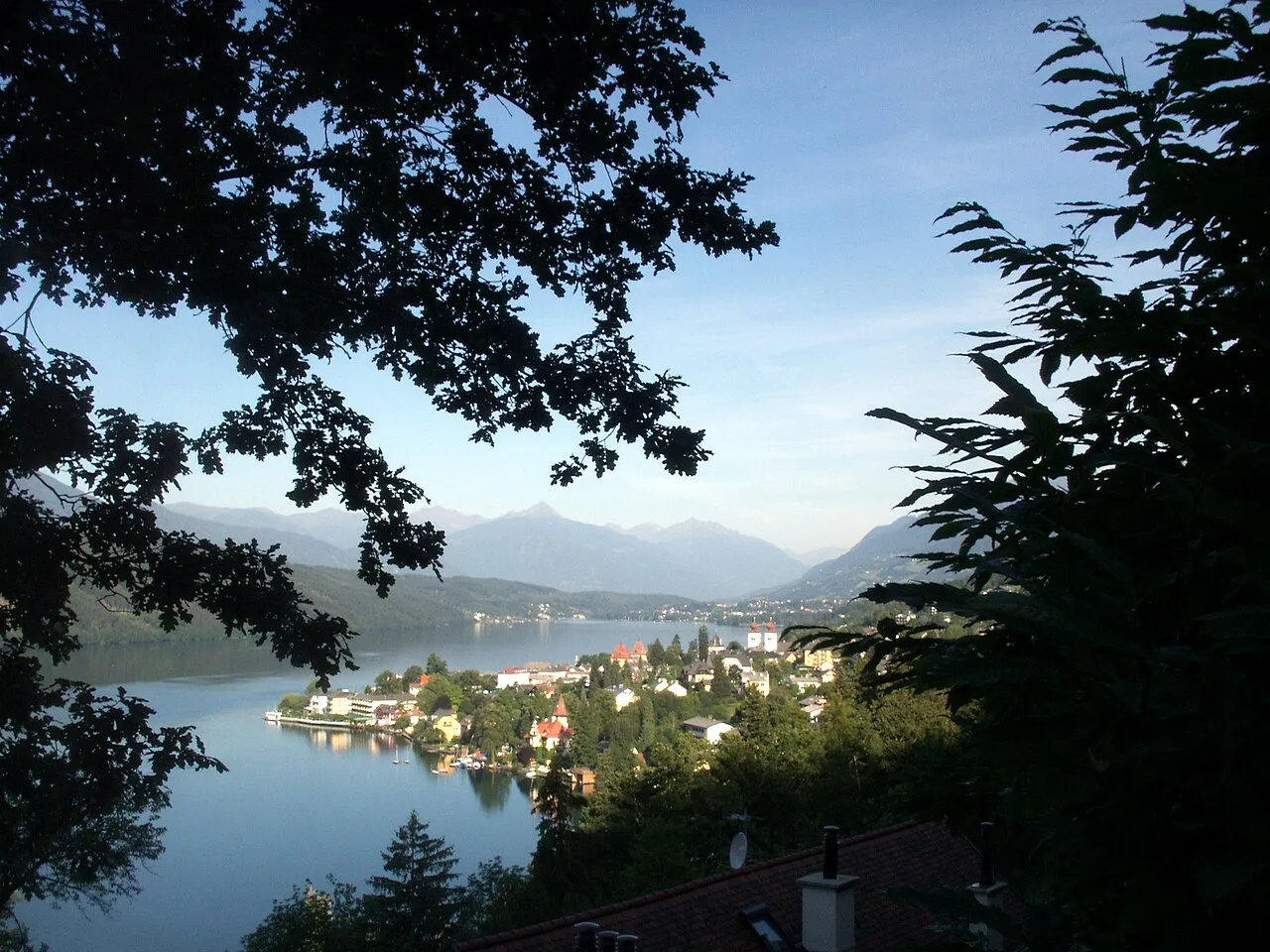
How the old center and Marktplatz fit together
The Marktplatz is the practical center of the old town, and the tourist office on it is the place to pick up a town map and confirm what is open that day. Use the square as your start and finish point: the abbey grounds lie close by, and the streets between the two are short enough to wander without a route.
Millstatt is a market town, not a walled city, so expect a small-scale center rather than a gate-and-tower ensemble. The pleasure is in the villas, the squares and the way the built town meets the lake, so budget your time for the abbey and shore and treat the streets as connective tissue rather than a sight in themselves.
The lakefront and the Badehaus Millstatt
The lakeside is where Millstatt shifts from historic town to resort. The Badehaus Millstatt was built right on the lake in the style of the first Carinthian bathhouse and opened in 2012, and it combines modern wellness facilities inside with a panoramic view of Lake Millstätter See.
For a visitor, the Badehaus is first a lakeside landmark and a viewpoint, not just a changing room. Even if you skip the facilities, the position on the water explains why Millstatt's shore feels designed rather than accidental, and it gives you a fixed point on the promenade.
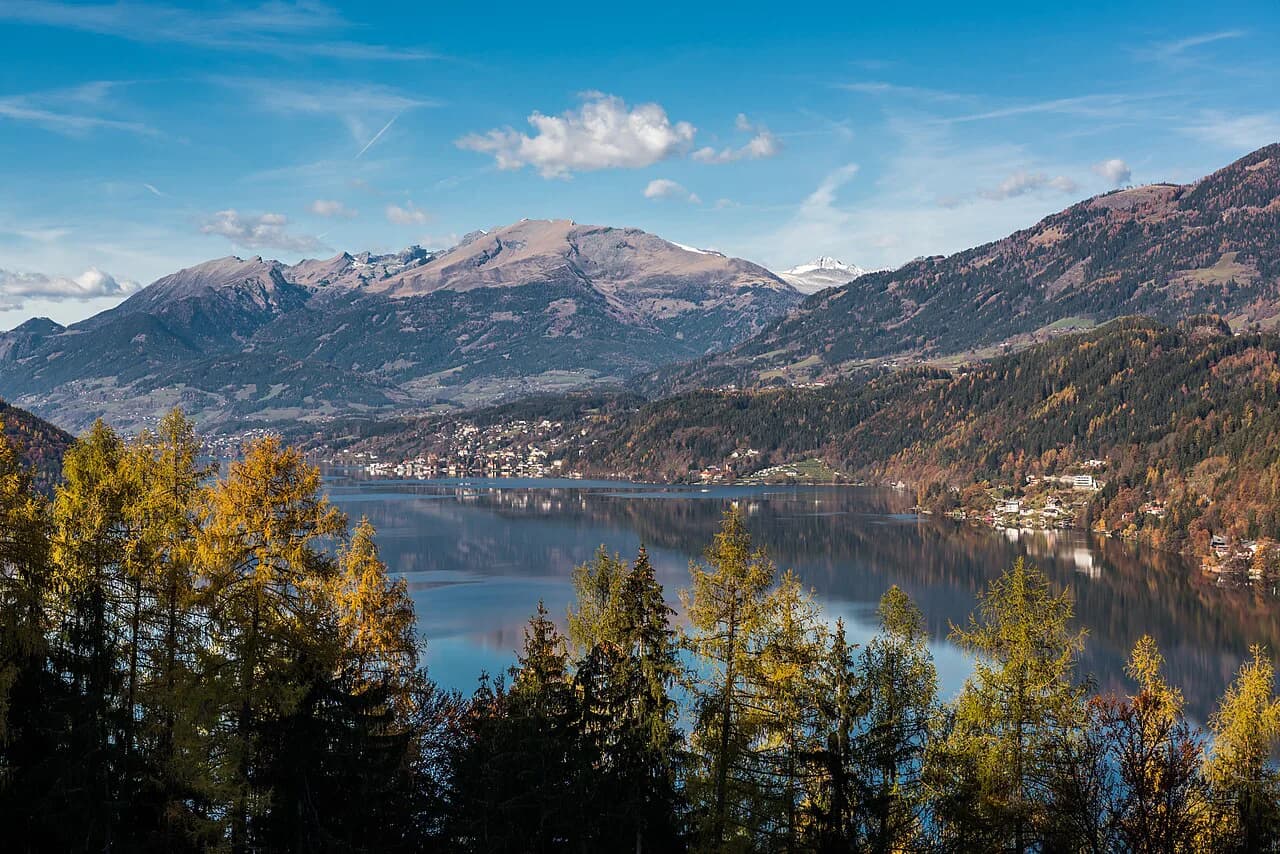
The Millstätter See itself is the main attraction on this stretch, and the shore gives you lake access close to the center. Swimming in the lake is the obvious summer move; whether you use the Badehaus facilities or the open water, keep the promenade as your walking link back into town.
Getting out on the water: ferries and the rowing tour
There are two distinct ways onto the Millstätter See, and they suit different travelers. Scheduled ferries run on the lake, which is the low-effort option for seeing the shoreline from the water, and a guided early morning rowing boat tour of the bays is the slower, quieter alternative for anyone who wants to be on the lake before the day fills up.
Ferry timetables and rowing tour departure times change with the season, so confirm the current schedule with the Millstatt tourist office or the operator before you build a day around either one. The same applies to prices; ask at the ticket desk rather than relying on an old figure.
If you have only one day, pick the ferry for the wider view and keep the rowing tour for a longer stay or a morning when you want the lake without engine noise. Both put you on the water from Millstatt rather than requiring a drive to another shore.
Walks from town: Via Paradiso and the Trail of Love
Two signed walks lead out of Millstatt. One follows the Via Paradiso, and the other, the Weg der Liebe (the Trail of Love), leads to the Granattor, described as the highest point on the Millstätter Alpe. They are different efforts: one is a lower route, the other an uphill walk with real elevation.
Treat the Granattor climb as the day's main activity, not an add-on after the abbey and a swim. The reward is the altitude and the view over the lake basin, and the mistake is starting it late in the afternoon without checking how long the ascent takes on your own pace.
The Millstätter Alpe above town is also a golf destination, with an 18-hole course high above the lake that plays hilly. That is a separate kind of day and a separate booking; the walks and the course share the mountain but not the schedule.
Eating in Millstatt: Reinankenwirte and whitefish
The Reinankenwirte restaurants in Millstatt are named for the Reinanke, the lake whitefish, and they are the first place to look for fish caught in the wild with traditional net fishing. That is the local dish to order on the Millstätter See, and the reason to choose one of these houses over a generic lakeside menu.
Prices and opening hours vary by house and season, so check the board at the door or call ahead instead of planning around a remembered menu. For a lake town this small, lunch is the safer meal to build into a sightseeing day.
In September and October the lake runs the Autumn Tables on several dates, with themed menus such as a farm table or a garnet table. Dates and prices change each year, so confirm the current program through the Millstatt tourist office before you book a trip around it.
How Millstatt fits a Carinthia route
By car, Millstatt is a straightforward stop in the Spittal an der Drau District, close to the Drau valley and the lakes of central Carinthia. By train, the nearest rail connections run through the wider region rather than into the town itself, so plan rail plus bus or a short taxi transfer, and confirm connection times with ÖBB and Postbus before you set out.
The natural pairing is with Spittal an der Drau, where Porcia Castle and the Folk Culture Museum give you a town day to balance the lake. From Villach, Millstatt and the other Carinthian lakes make a loop that works by car and, with patience, by bus.
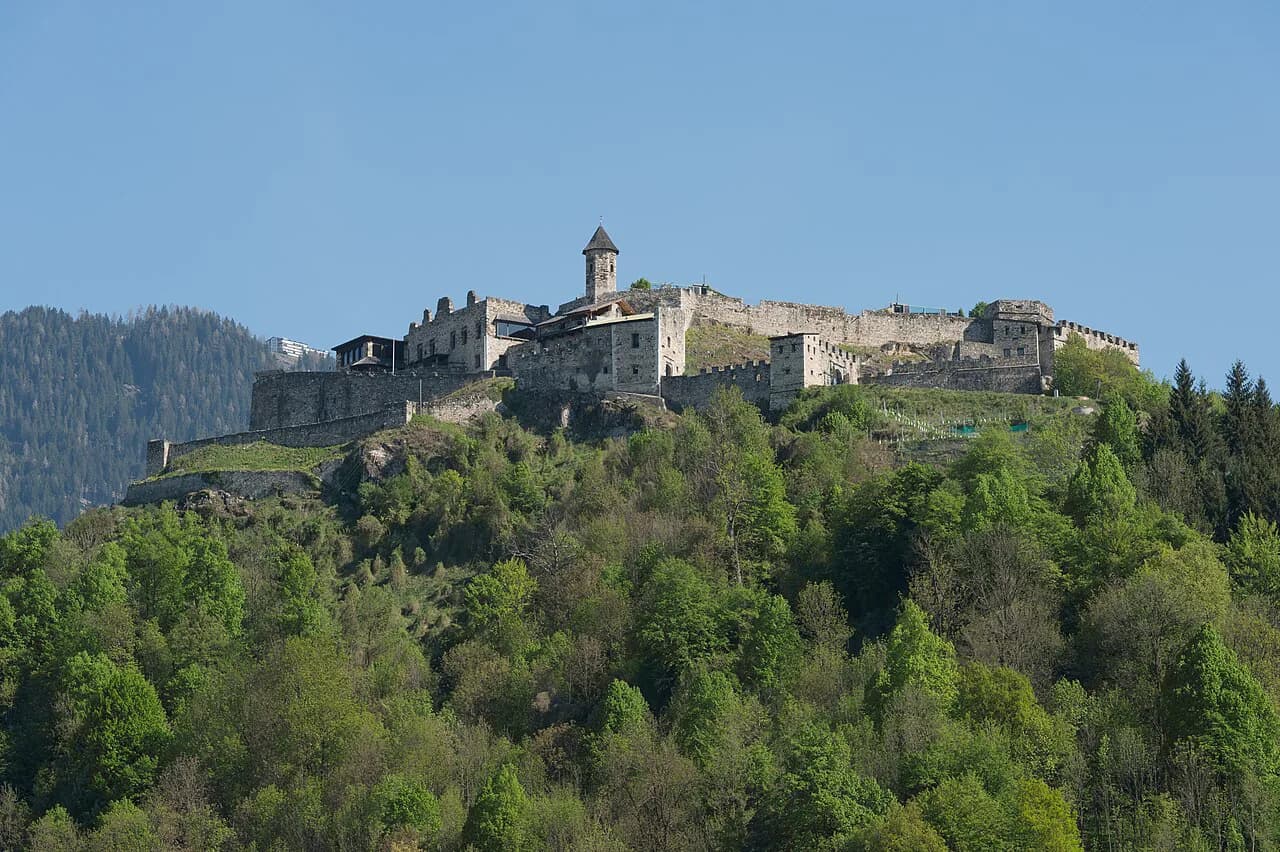
Carinthia's lakes have different temperaments, and it is worth reading a second lake guide before you fix a base. Ossiacher See to the east is the larger, busier counterpart to the Millstätter See, with Landskron Castle on its slopes and the Gerlitzen above it. Millstatt is the smaller, quieter lake day.
How long a visit needs
Give Millstatt a half day for the abbey, the Marktplatz and the promenade, and a full day if you add a lake crossing or the Granattor walk. The abbey is the fixed appointment; everything else scales with how much walking you want. Our judgment, not a published recommendation, is that the town rewards a slower pace than its size suggests.
Stay overnight only if you want the lake at its quietest, in the early morning before the shore fills. Otherwise Millstatt works as a day stop, and the surrounding lakes, including Faaker See and Weissensee, can absorb the rest of a Carinthia itinerary.
What to skip or save for another day
Golf, the higher trails of the Millstätter Alpe and the wider mountain roads are separate days. If your trip already includes a drive up the Villacher Alpenstrasse toward the Rote Wand and the Alpengarten Villacher Alpe, or a stop at Terra Mystica in Bad Bleiberg, do not try to fold Millstatt's mountain into the same afternoon.
Save Hermagor and the Gailtal Valley Alps for a route that heads west, and keep Millstatt for the lake and the abbey. Splitting the trip this way keeps each day coherent and leaves the alpine driving for the days you actually want it.
Is Millstatt worth the stop?
Yes, if you want a Romanesque abbey and a lake in the same small town. Millstatt gives you the monastery and its collegiate church, a compact old center around the Marktplatz, a lakeside promenade with the Badehaus, and boats on the Millstätter See, all within walking distance.
Skip it if your Carinthia trip is already built around bigger lakes or mountain days; the town rewards travelers who give it a half day or more. Check ferry times, event dates and restaurant hours with the tourist office on the Marktplatz before you commit.
Frequently Asked Questions
Can you swim in the Millstätter See?
The lake is the reason Millstatt developed as a resort, and the shore puts you close to the water near the center. The Badehaus Millstatt on the lake combines modern wellness facilities with a panoramic lake view, and the promenade links it to town.
What is the Millstatt abbey known for?
The Benedictine monastery and its collegiate church are regarded as one of the most important monuments to Romanesque architecture in Carinthia. Come for the Romanesque fabric of the church rather than for baroque decoration.
How do you get to Millstatt am See?
Millstatt sits in the Spittal an der Drau District, and the easiest approach is by car along the Drau valley. Rail connections run through the wider region rather than into town, so plan a bus or short transfer and confirm times with ÖBB and Postbus.
Is Millstatt worth visiting?
For travelers interested in Romanesque architecture and a quiet lake town, yes. The abbey, the Marktplatz and the lakeside promenade fit into a half day, and a lake crossing or the walk to the Granattor fills a full one.
Sources
Notes for your next Austrian town break
Optional updates when we add or revise town guides.
You might also like
Continue reading
More guides you'll find useful