Mayerling: The Hunting Lodge Where Crown Prince Rudolf Died
Mayerling is the former hunting lodge where Crown Prince Rudolf died in 1889. Here is the story, what the Carmelite convent shows today, and how to reach it.
On this page
Mayerling is the former Habsburg hunting lodge where Crown Prince Rudolf of Austria and his lover Baroness Mary Vetsera were found dead in 1889, and it now functions as a Carmelite convent and memorial site. It is a compact, sober place rather than a grand palace, so plan on a short visit and combine it with Heiligenkreuz Abbey nearby. This guide separates the historical incident from the ballets and films it inspired, explains the layout of the site, and shows how to work it into a Vienna Woods outing without a car.
The lodge sits in the Wienerwald south of Vienna, within easy reach of Baden bei Wien, which makes it a natural stop on a day built around the southern edge of the Vienna Woods. Budget roughly an hour for the visit, then add travel time between stops. Check the convent's own site shortly before you go for the days and hours it receives visitors.
What Mayerling actually is
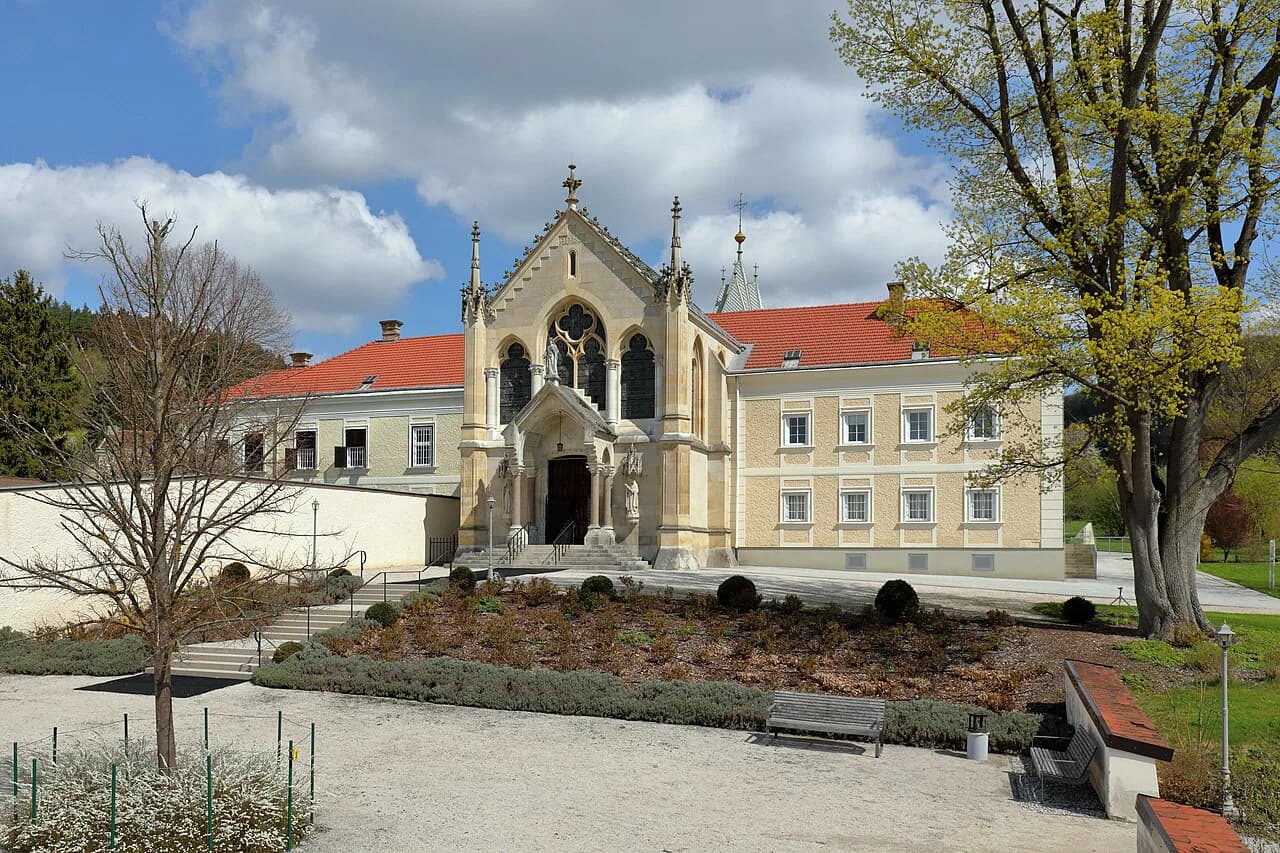
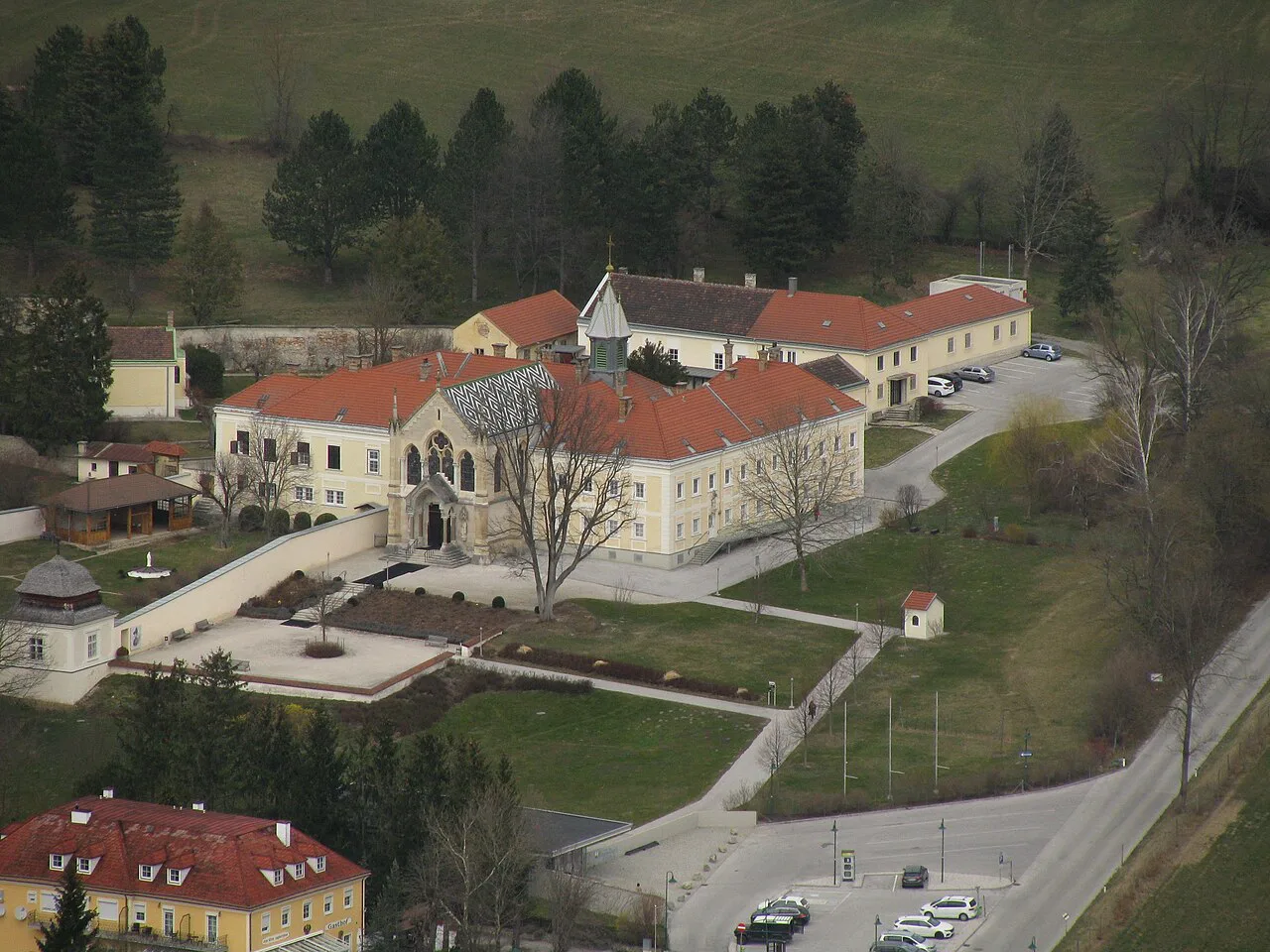
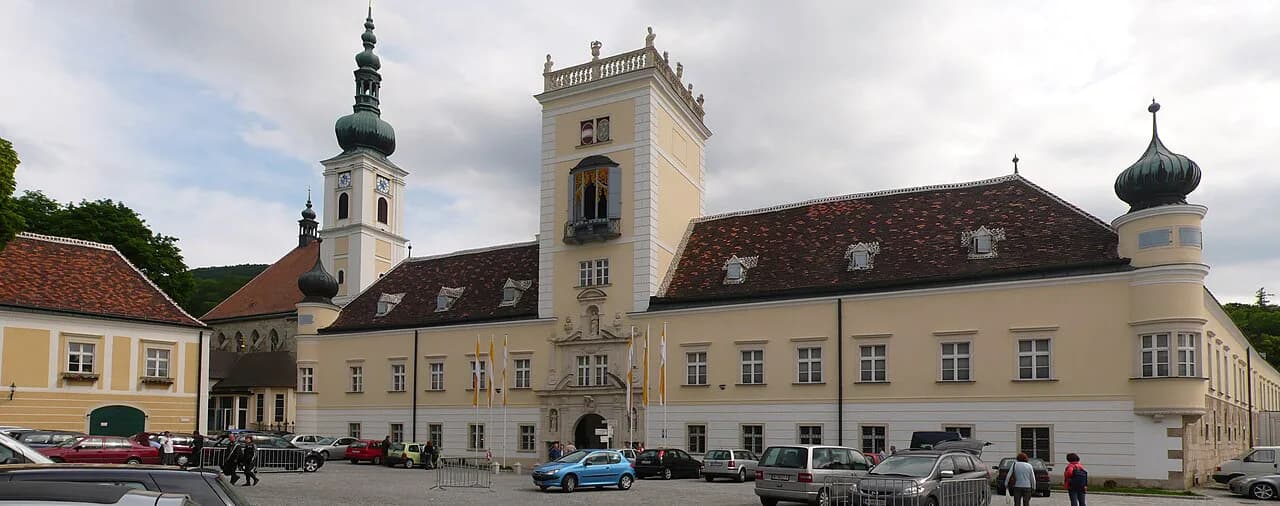
Mayerling is not a castle or a museum in the conventional sense. It is a former imperial hunting lodge in the woods of Lower Austria that was later given to a Carmelite community, and the convent and memorial site are what a visitor sees today. The building's scale is small rather than grand.
That history shapes the visit. You are walking through a working religious house and a place of remembrance, not a theme park, so it pays to treat the site with quiet respect. Treat it as a stop of about an hour rather than a full day out, and let the surrounding woods and abbey carry the rest of the trip.
What happened at Mayerling in 1889
In January 1889, Crown Prince Rudolf and Mary Vetsera were found dead at the lodge. The event is generally described as an apparent joint suicide pact, and it remains one of the most closely examined episodes in Habsburg history. Rudolf was the only son of Emperor Franz Joseph and Empress Elisabeth, known as Sisi, and he was heir to the Austro-Hungarian throne.
The political weight of the deaths came from the succession. With Rudolf gone, the crown passed along a different line of the family, and the monarchy never fully recovered its assumed continuity. The site itself was transformed soon afterward, which is why the hunting lodge no longer looks like a princely retreat.
Who Rudolf was
Rudolf was born into the most formal court in Europe and grew up between the Hofburg Imperial Palace in Vienna and the empire's hunting estates. He was intelligent, restless, and politically liberal in a court that was not, which put him at odds with his father's circle. His marriage to Princess Stephanie of Belgium was dynastic rather than happy.
Mary Vetsera was the daughter of a baroness and was seventeen when she died. The gap in age and status between them is part of why the story gripped the public, and it is also why so much of what circulated afterward was rumor rather than record. Read the memorial displays with that in mind: they present a documented life, not a melodrama.
Why the deaths remain a mystery
The official account describes a suicide pact, and the imperial court moved quickly to contain the scandal. Secrecy at the time, followed by decades of retelling, left room for competing theories about what happened in the lodge that night. Serious accounts treat the pact as the documented explanation while acknowledging what the court suppressed or never recorded.
For a visitor, the practical consequence is simple: the memorial rooms tell the story soberly, and much of what you may have heard elsewhere belongs to fiction. Approach the site as a place of mourning and dynastic history, not as a mystery to be solved.
How the story spread to stage and film
Mayerling became material for opera houses, cinemas and novelists almost immediately. The 1968 film Mayerling with Omar Sharif and Catherine Deneuve dramatized the relationship, and it takes the familiar cinematic liberties with the historical record.
Kenneth MacMillan's ballet Mayerling, first performed in London in 1978, sets the story to music by Franz Liszt and entered the Paris Opera repertoire in 2022. The Opéra national de Paris staged it at the Palais Garnier in the 2024/25 season, running from late October to mid-November 2024 with a duration of about two hours and forty-five minutes across three parts and two intervals. Treat those dates as history, not as a current program, and check the opera house's own season pages if you want to see whether it returns.
The Paris staging opens with a prologue in which a coffin is buried in the cemetery of the abbey of Heiligenkreuz in Lower Austria, which is a useful reminder that the real geography of the story extends beyond the lodge itself. If you know the ballet, the nearby abbey becomes a second stop rather than an unrelated detour.
What you see at Mayerling today
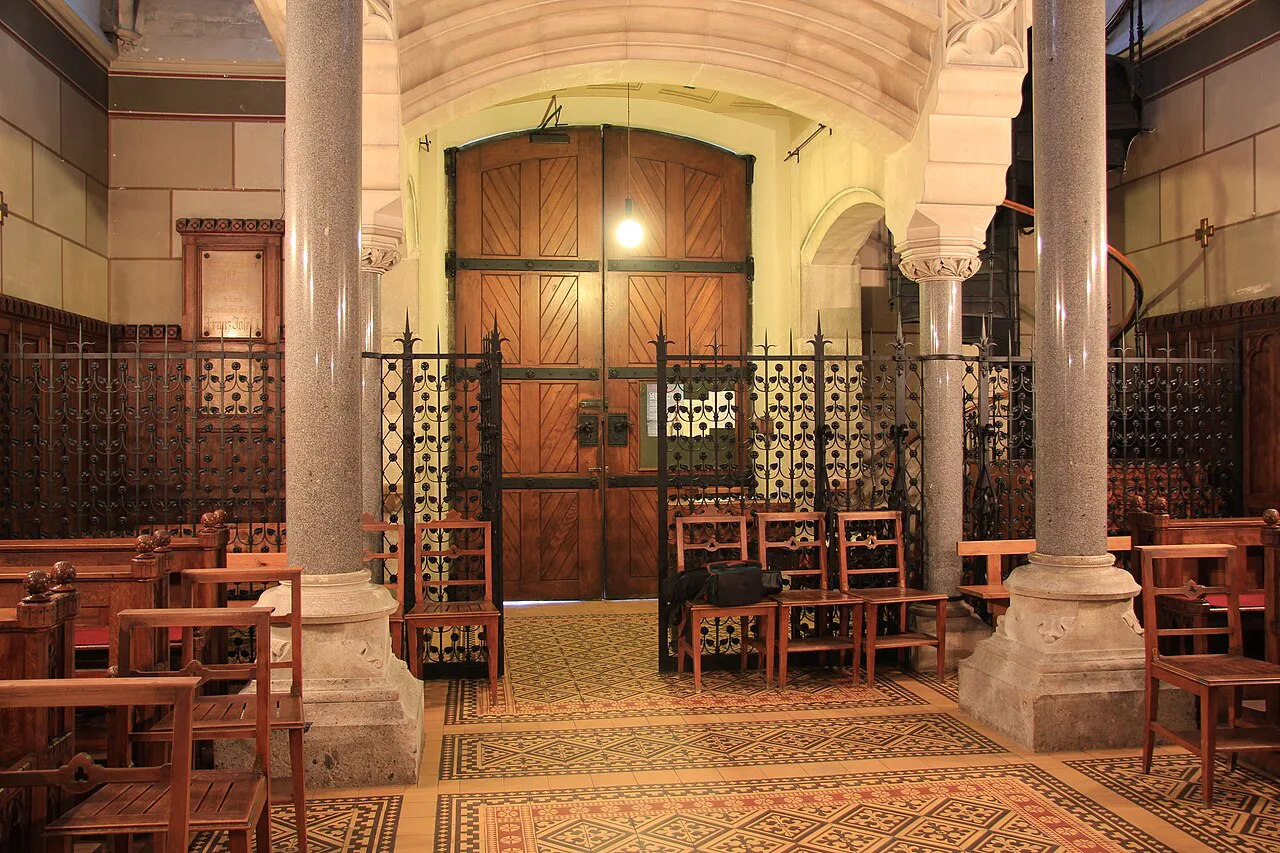
The core of a visit is the convent and the memorial rooms devoted to Rudolf and the events of 1889. The exhibition is modest in size, so it rewards a slow read rather than a quick pass. Expect a sequence of small rooms rather than a single large gallery.
Because the community still lives here, the atmosphere matters as much as the objects. Keep to the marked route and respect any barrier or sign. One quiet hour covers the site comfortably and leaves time for the abbey and the woods.
Pairing Mayerling with Heiligenkreuz Abbey
Heiligenkreuz Abbey is the natural second stop, a working Cistercian monastery in Heiligenkreuz im Wienerwald with a medieval cloister and a baroque church interior. The two sites sit close enough to combine in one half-day, and both reward a calm pace of about an hour each.
The combination works because the two places tell different halves of the same story: the dynasty's piety and power at the abbey, the dynasty's crisis at the lodge. Plan the abbey first if you want the fuller visit while you are freshest, then finish at Mayerling with the quieter memorial rooms.
Getting there from Baden bei Wien and Vienna without a car
The lodge lies in the woods south of Vienna, and the usual approach by public transport runs through the rail and bus network serving Baden bei Wien and the Wienerwald villages. Regional trains from Vienna to Baden bei Wien are frequent, and local buses cover the last stretch toward Mayerling and Heiligenkreuz. Confirm the specific bus line and departure times on the ÖBB and Postbus timetables for your date, since rural services thin out at weekends and in the evening.
A car gives more flexibility for combining Mayerling, Heiligenkreuz and a stop in Baden bei Wien, but the roads through the woods are narrow and parking at the small sites is limited. If you come by train, build the day around two sites rather than three and check the return connection before you set out.
Wider Vienna Woods stops near Mayerling
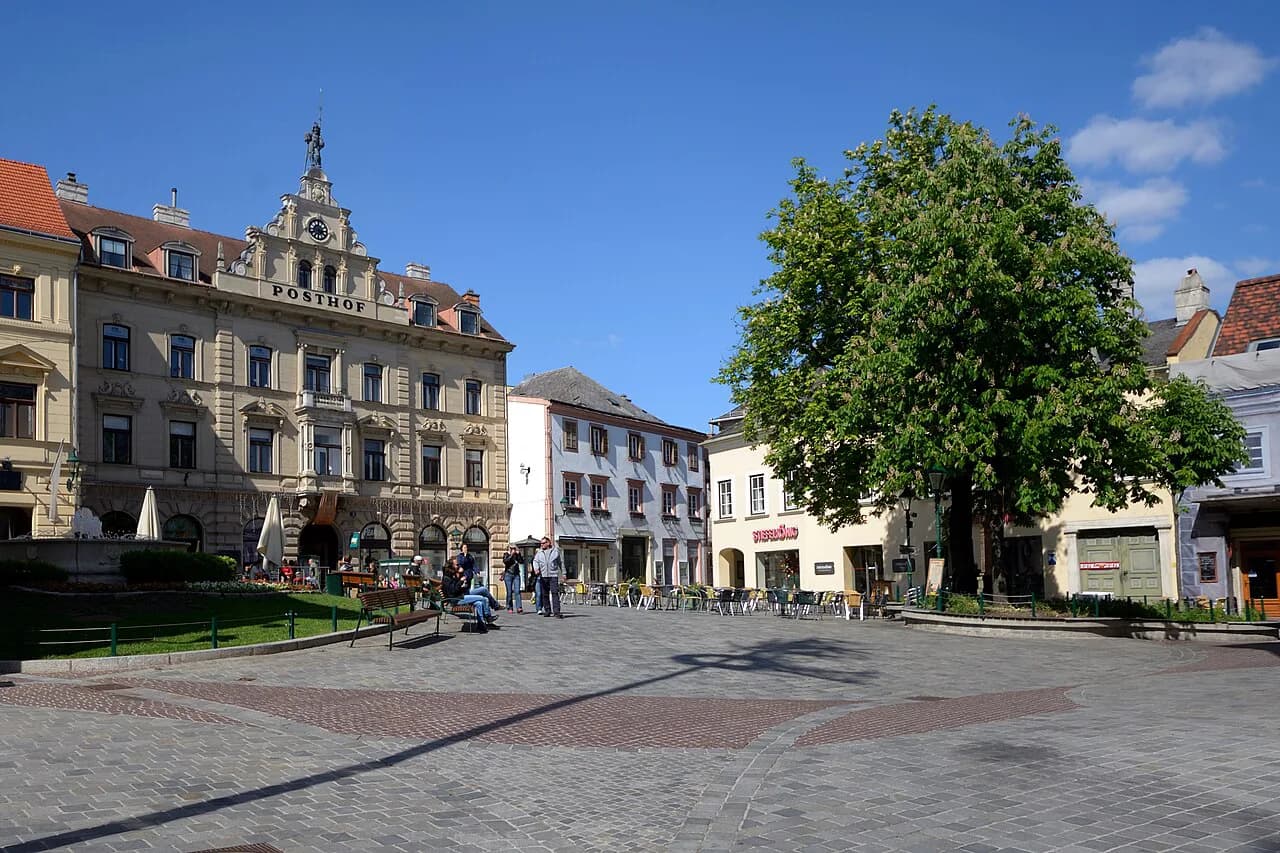
The southern Vienna Woods hold more than the lodge, and several stops fit the same rail-and-bus corridor. Mödling, Austria, offers an old center and Beethoven connections at the edge of the woods, while Laxenburg has a large park around its palace. Both suit travelers who want a slower day than a single memorial stop allows.
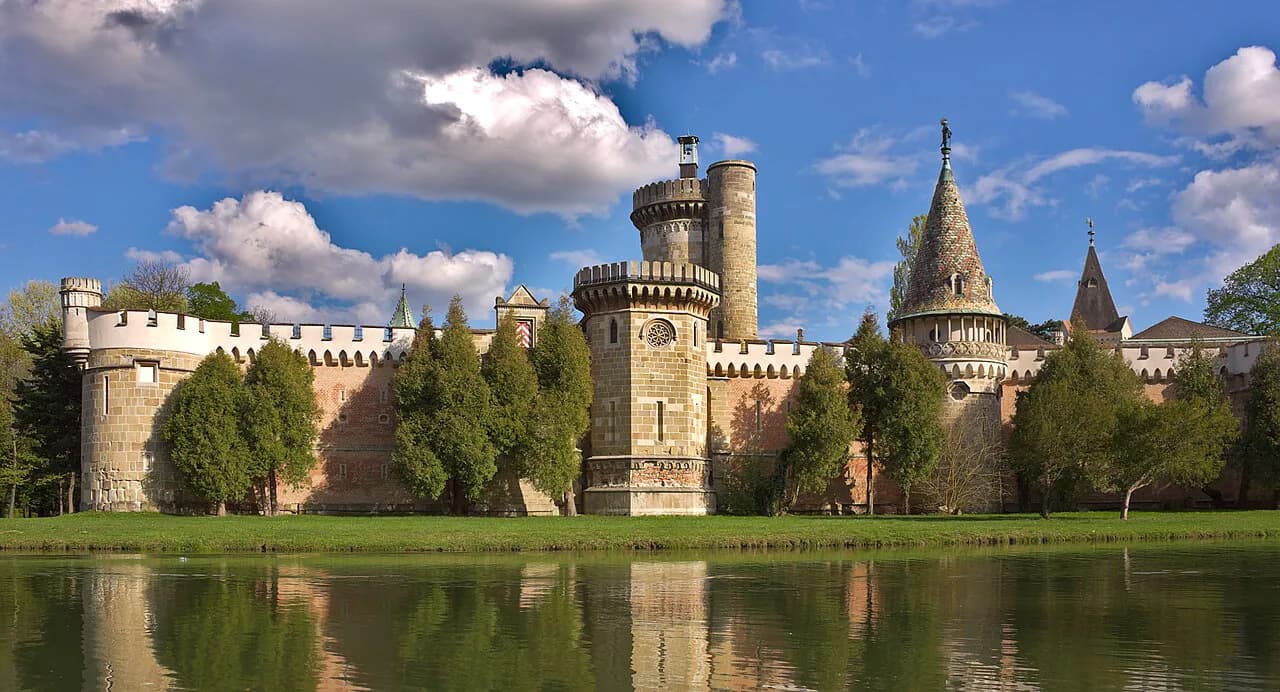
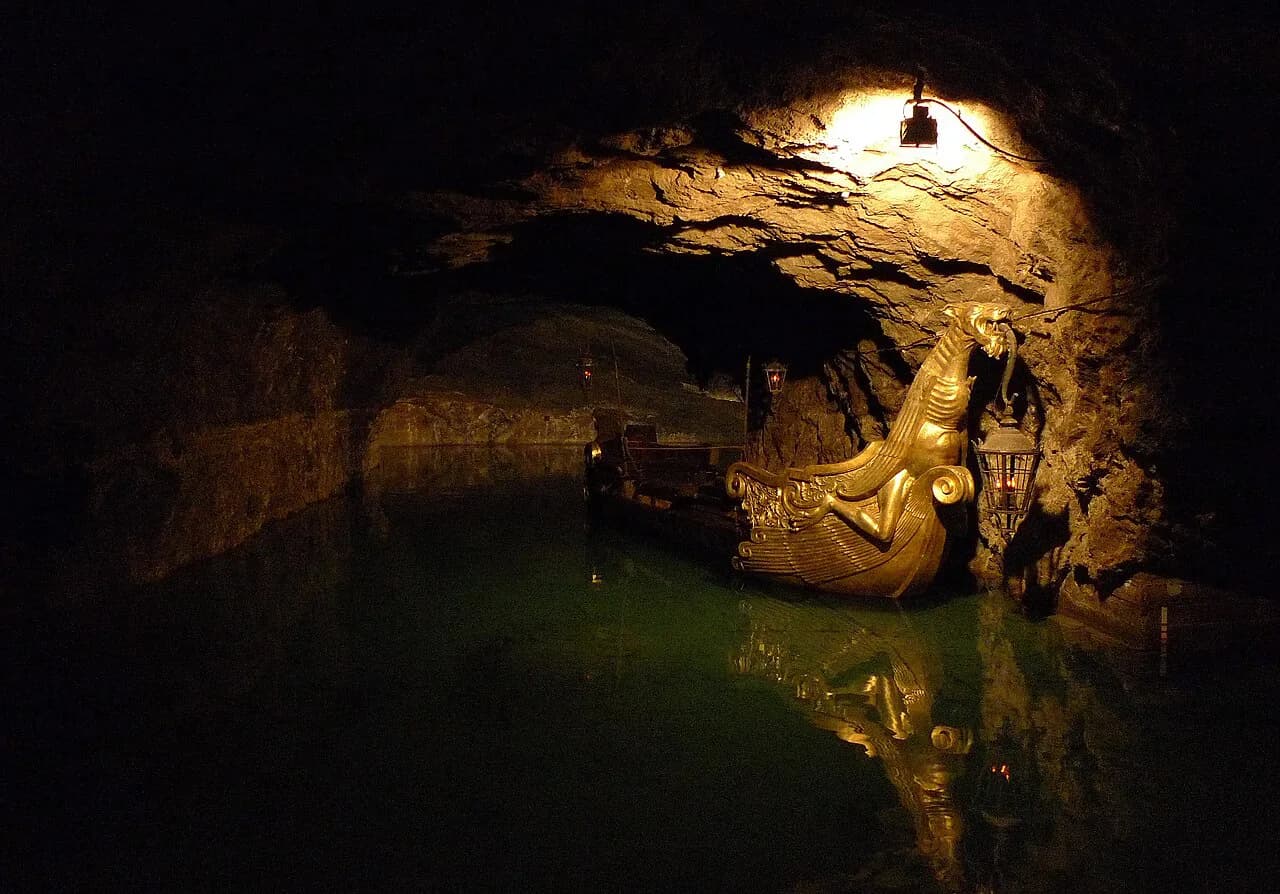
For a different kind of underground outing, the Seegrotte in Hinterbrühl is a flooded former gypsum mine reached by boat, and it sits close enough to fold into the same circuit. Liechtenstein Castle near Vienna, in Maria Enzersdorf, adds a medieval stop if you want castles rather than convents on the same day.
Baden bei Wien itself makes a sensible base or finish, with its own attraction guides covering the center, the parks and the surrounding sights.
Rules for a respectful visit
This is an active Carmelite convent and a memorial for a family that lost its heir, so behave as you would in any religious house. Dress modestly, keep voices down, and follow any posted restrictions.
Allow the site its silence. The point of the memorial rooms is reflection on a short and troubled life, and the experience is better when you do not treat the lodge as a photo backdrop between other stops.
Should Mayerling be part of your Vienna Woods day?
Yes, if you want the historical core of the Rudolf story and are already heading to Heiligenkreuz Abbey or Baden bei Wien. Skip it as a standalone trip: an hour is enough, and the lodge makes most sense as one stop in a half-day loop through the southern Vienna Woods.
Frequently Asked Questions
Is the movie Mayerling based on a true story?
Yes. The 1968 film dramatizes the 1889 deaths of Crown Prince Rudolf and Baroness Mary Vetsera at the hunting lodge, though like most historical cinema it reworks the record for dramatic effect. Read the memorial displays at the site for the documented account.
What happened to Mary Vetsera's body?
The court worked to keep the affair out of public view, and much of what circulated afterward was rumor rather than record. Follow the documented sequence in the memorial displays at the site rather than in dramatized retellings.
Sources
Notes for your next Austrian town break
Optional updates when we add or revise town guides.
You might also like
Continue reading
More guides you'll find useful