Baden bei Wien: A Spa Town Guide to the Old Center and Museums
Baden bei Wien is a spa town south of Vienna with a compact old center, the Kaiserhaus museum and the Seegrotte and Liechtenstein Castle nearby.
On this page
Baden bei Wien is a spa town on the southern edge of the Vienna Woods, and its compact old center, the Kaiserhaus museum and two unusual sights just outside town make it a workable half-day base rather than a quick photo stop. Plan on the town sights first, then decide whether to add Liechtenstein Castle in Maria Enzersdorf or the Seegrotte Hinterbrühl, because each needs its own transport time and, at the castle, a reserved tour slot.
This guide covers how the town is laid out, what the Kaiserhaus museum is, the booked Grand Tour at Liechtenstein Castle and the boat trip on Europe's largest underground lake, plus how the surrounding biosphere reserve shapes the countryside. It closes with realistic timing for fitting Baden into a train or car route through Austria.
Where Baden bei Wien sits and what kind of town it is
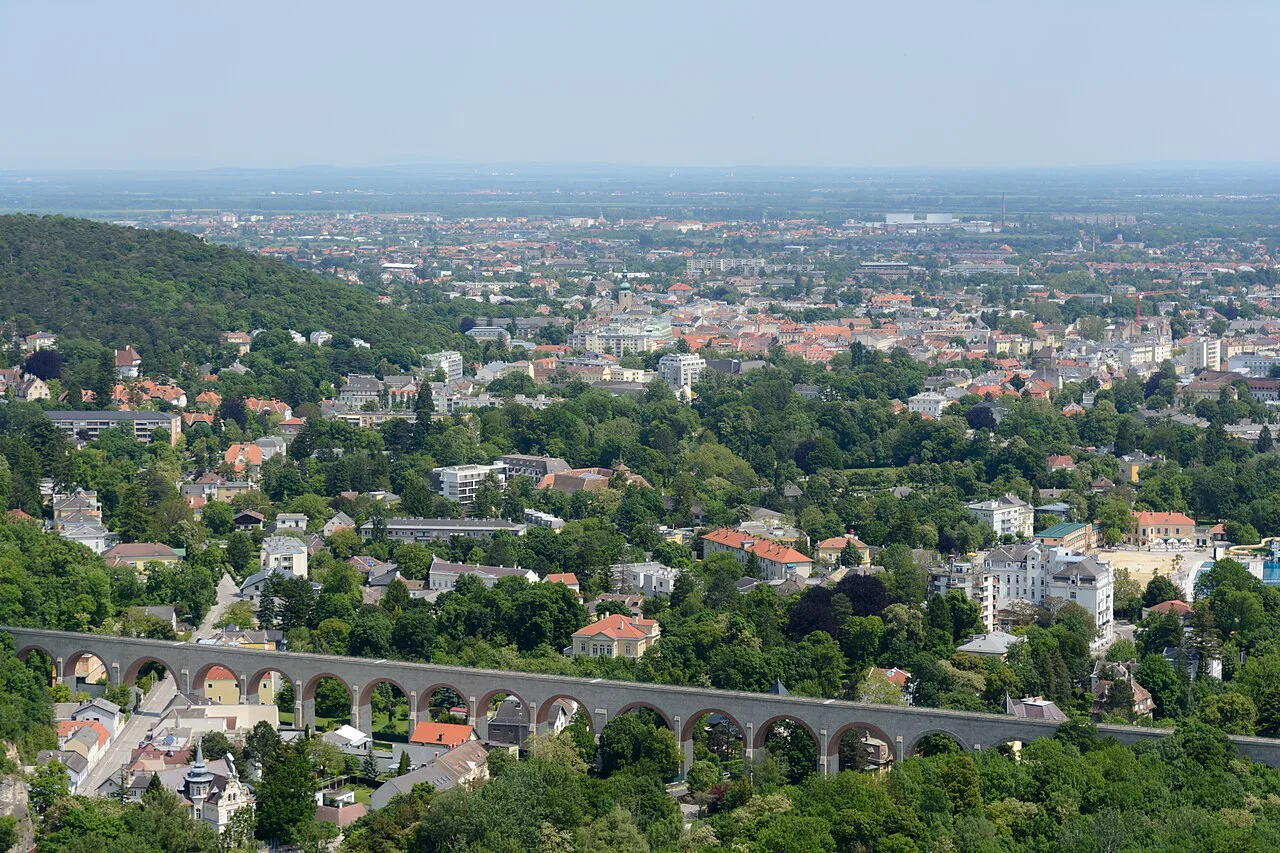
Baden bei Wien lies south of Vienna at the point where the Vienna Basin meets the wooded foothills of the Vienna Woods, a branch of the Alps that the city's tourist board describes as Vienna's green lung and a legally protected green belt. The town's identity is tied to its springs: it built its reputation as a mineral-water spa and an imperial summer residence, which is why its center reads as a Biedermeier resort town rather than a working Alpine village.
For a visitor, the practical consequence is scale. The old center, the Kurpark and the museum quarter sit close enough to cover on foot in a morning, while the countryside sights start beyond the town edge and require a car, a bus or a taxi. Treat Baden as two layers: an easy walkable core and a wider ring of castles, show mines and forest that you plan around fixed opening seasons.
Getting there and how the town is laid out
Baden has rail connections from Vienna, so a car is not needed for the town itself. Confirm current connections and departure times with the operator before you lock in a day, and note that the countryside sights sit outside town and are not served by those town connections. For Liechtenstein Castle and the Seegrotte you need a bus connection or a car, and you should confirm the route and season before leaving Vienna.
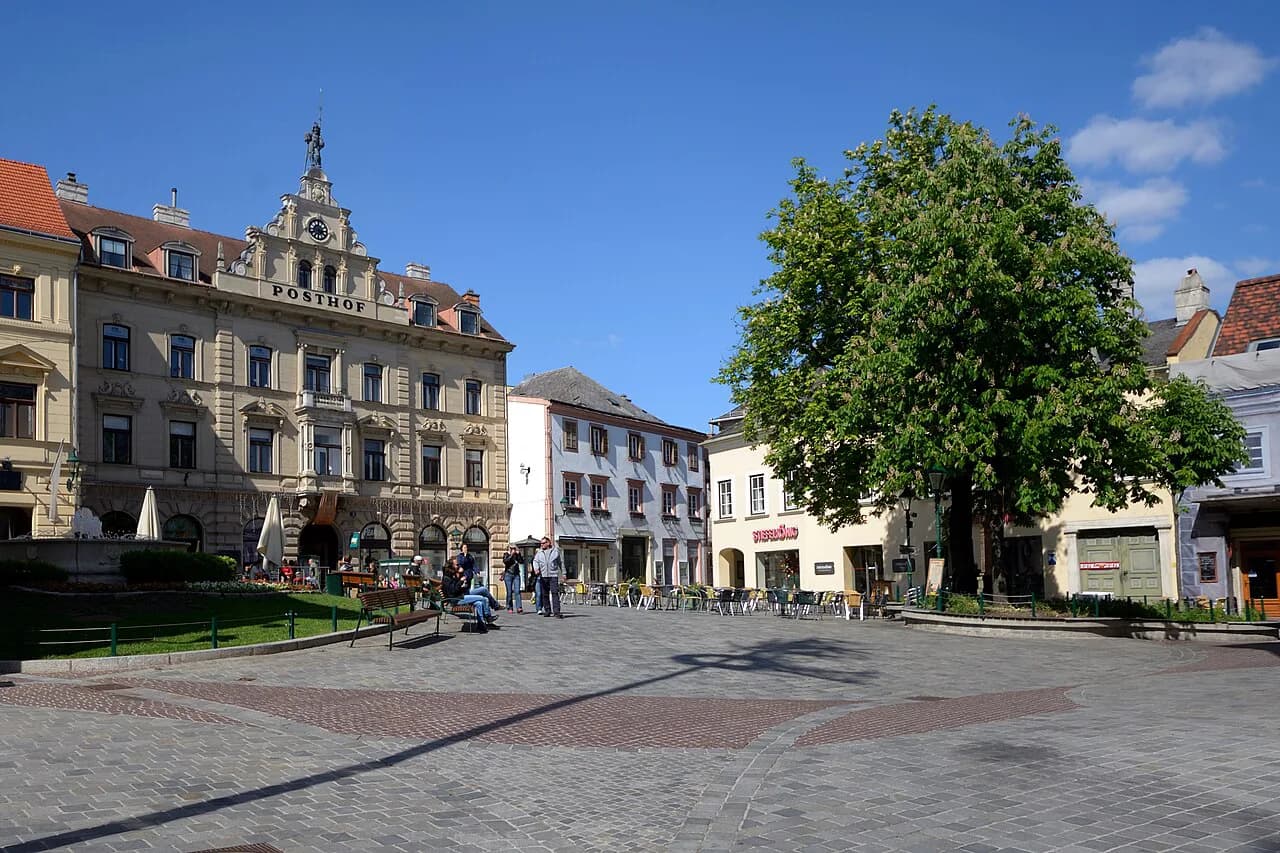
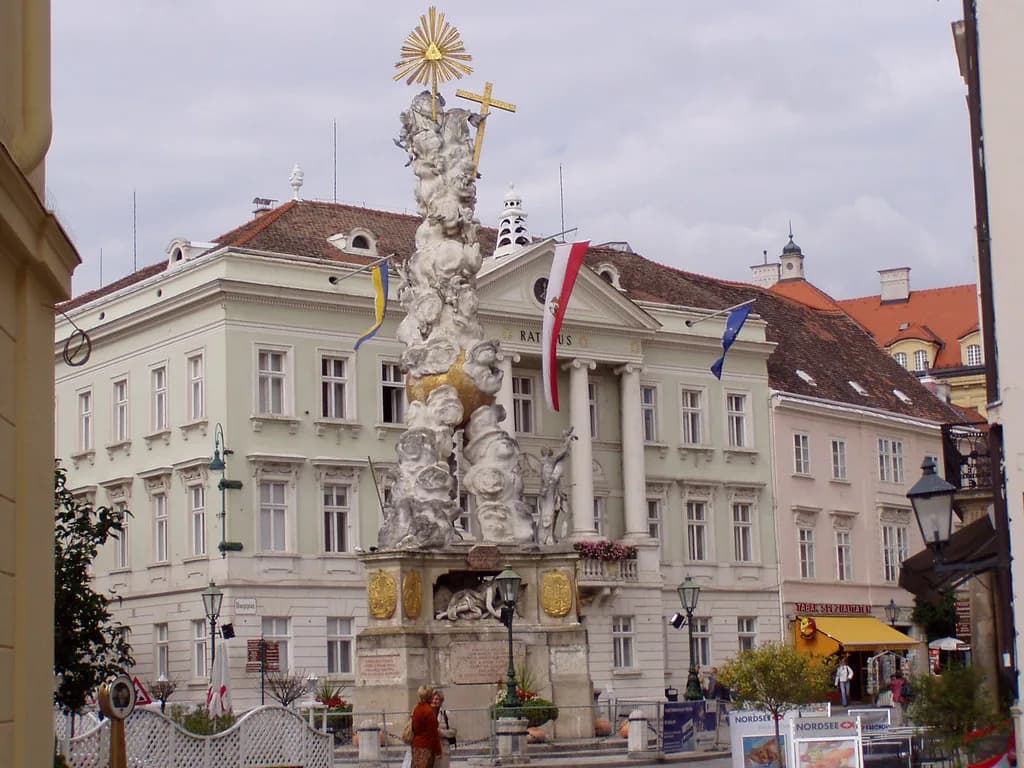
Once you arrive, orient yourself around the center: the pedestrian core holds the main square, the parish church and the Kaiserhaus, with the Kurpark and the spa district on the edge of the old town. Walking between them takes minutes rather than hours, which is why the town works best as a short, dense visit rather than a full day of sightseeing. Leave the larger blocks of time for whatever you add outside town.
The Kaiserhaus museum
The Kaiserhaus is listed among Baden's city museums, alongside the Arnulf Rainer Museum, the Beethovenhaus and the Rollettmuseum on the city's culture pages. Treat it as a first stop in town, since a spa town with an imperial summer connection is best understood through the buildings and collections that record it. Build it into your walk rather than treating it as a separate excursion.
The city lists the Kaiserhaus as one of its museums, but the museum page carries no exhibition detail, opening hours or ticket price, so confirm the day's hours and admission at the museum entrance or through the city's culture pages before you build a schedule around it. A sensible plan is to see the old center and the Kurpark first, then go in if it is open. That way a closed door costs you nothing.
Liechtenstein Castle in Maria Enzersdorf
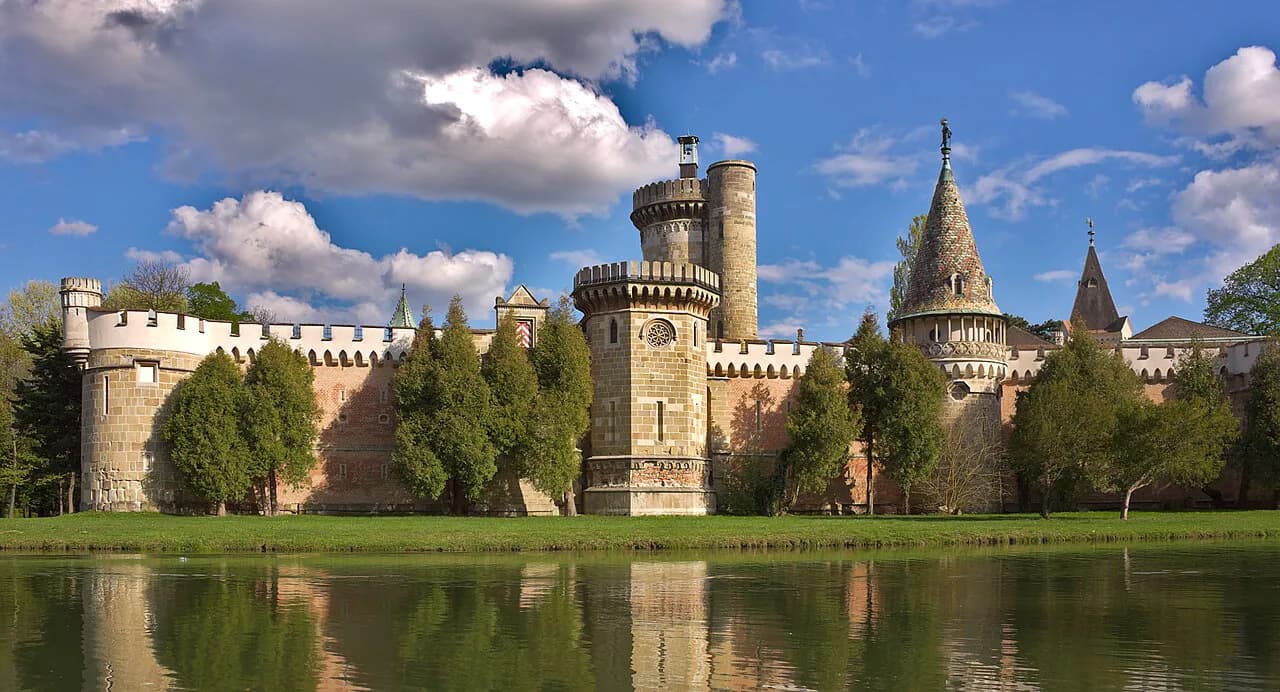
Liechtenstein Castle (Burg Liechtenstein) in Maria Enzersdorf, north of Baden on the way back toward Vienna, offers a Grand Tour that combines the regular tour with the treasury, the tower and a fireplace room, led by a personal guide. The published figures are a two-hour duration, a maximum of 20 participants, and a meeting point in the castle courtyard. The price is EUR 20 per participant, EUR 10 per child and EUR 15 reduced, with a EUR 10 surcharge for Vienna Pass holders.
The Grand Tour can be booked on special request for at least five people, so a couple or solo traveler should check availability and join a scheduled slot rather than assume the tour runs on demand. The tower delivers the payoff: a view over the Vienna Basin and the southern Vienna Woods. Book the castle first and fit the town around it, since the two-hour block is fixed.
Seegrotte Hinterbrühl: the underground lake
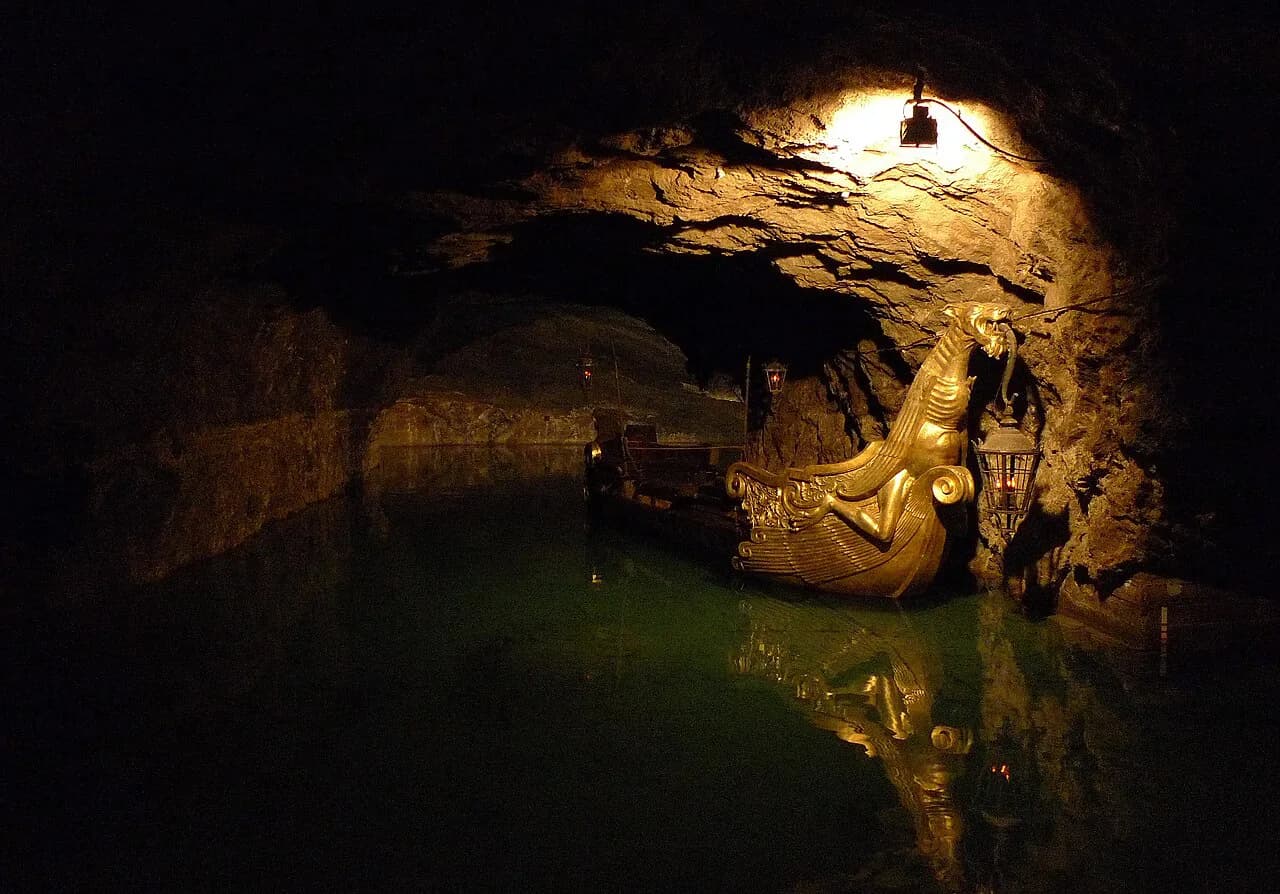
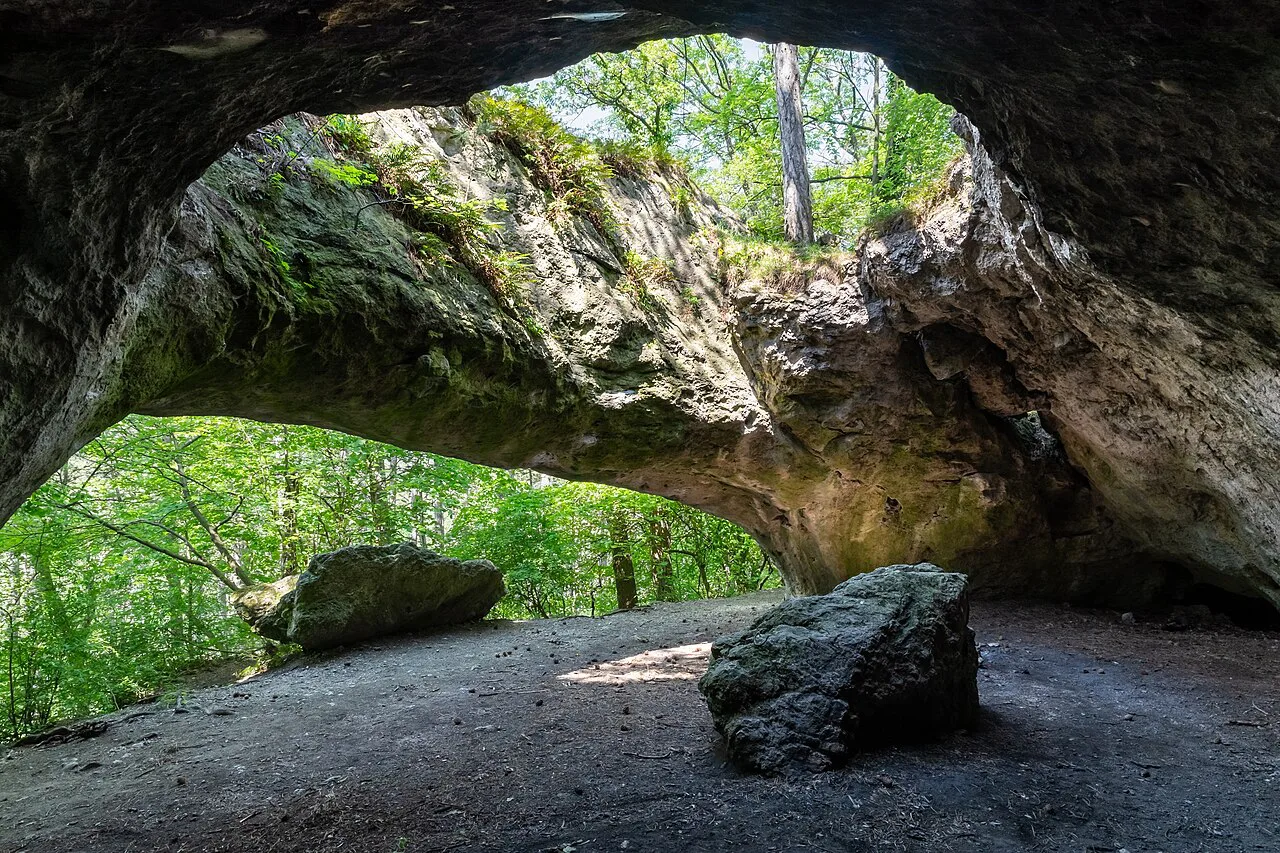
The Seegrotte Hinterbrühl, a former gypsum mine at the gates of Vienna, is presented as Europe's largest underground lake and has drawn visitors for more than 80 years. The visit combines a labyrinth of tunnels and passages with a boat trip on the underground lake, which makes it a genuine wet-weather option and a strong contrast to the castle and the town. The operator describes a renovated and expanded site under a new team.
Pick up tickets, opening times and boat departure intervals from the operator's visitor information and prices pages, or call ahead, before you commit a slot. Because the mine is underground, it pairs badly with a tightly timed castle booking on the same afternoon. Give each sight its own half of the day.
The Vienna Woods around town
Baden sits near the Vienna Woods, which UNESCO designated a biosphere reserve in 2005; the reserve covers roughly 1,350 square kilometers, with about 9,900 hectares inside Vienna's seven western districts. The landscape mixes meadows, pastures, fields and vineyards, and the vine-covered slopes keep a village character that sits oddly and pleasantly beside a metropolitan region. That geography explains why the countryside sights around Baden feel rural despite the proximity to the city.
If you have a car, the forest roads and the ridge viewpoints above Vienna, including the Kahlenberg and Leopoldsberg, are the classic outlooks, and on clear days the view reaches the Schneeberg and Rax. The Vienna Woods Guide lays out the wider region so you can decide which side of the forest to combine with Baden. Keep the town and the countryside as separate blocks of your day rather than trying to thread them together.
How long Baden bei Wien needs and how it fits an Austria route
Budget half a day for Baden itself: the old center, the Kurpark and the Kaiserhaus, with time for a coffee in between. Add a second half day if you take in Liechtenstein Castle or the Seegrotte, since each involves travel from town and a fixed tour or boat slot. Baden can serve as a stop on the way to or from Vienna rather than a detour, because it has rail connections from the city.
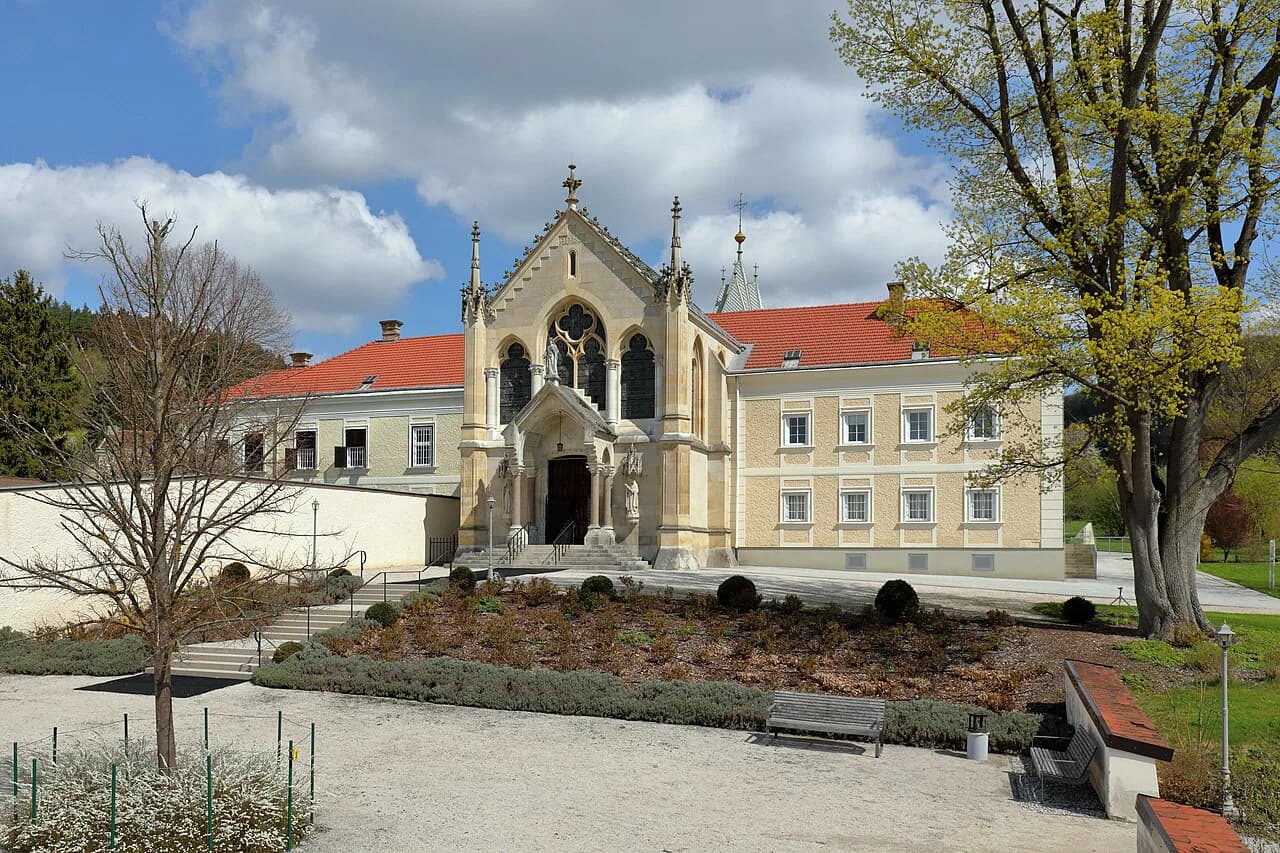
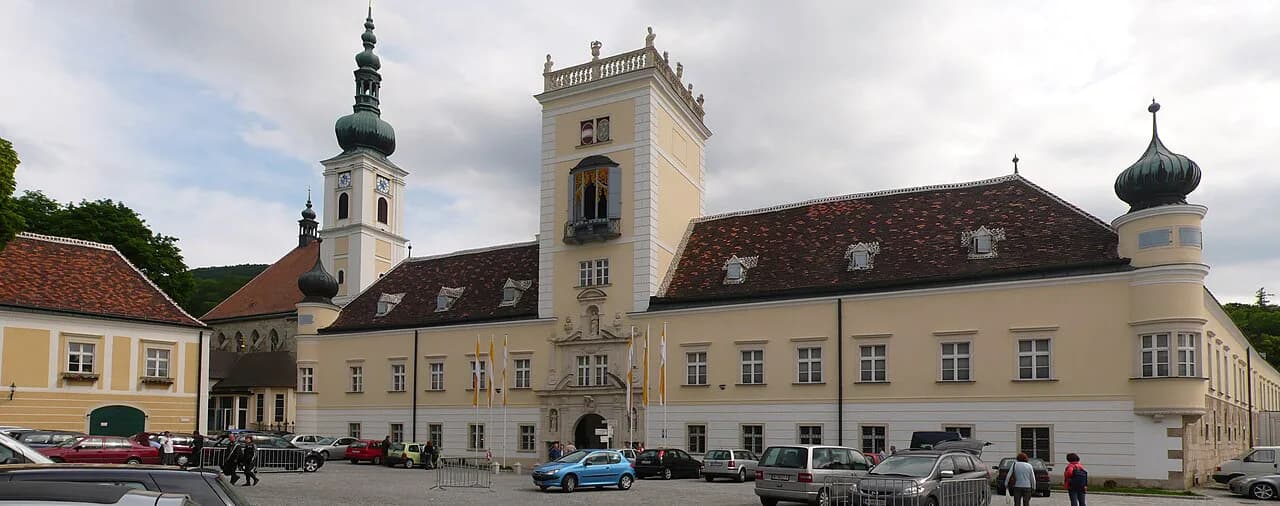
For a broader route, the Vienna Woods corridor links Baden with other stops such as Heiligenkreuz Abbey and Mayerling, which sit in the same forest belt and can be strung together by car. Pick two of them for one day rather than three, since each rewards a proper look. The town is the anchor, and the countryside sights are the variations.
Practical trade-offs: set tour times, booking minimums and seasons
The main friction in a Baden day is scheduling. The castle's Grand Tour runs two hours with a 20-person cap and a five-person booking minimum, the Seegrotte's boat operation depends on its own timetable, and the Kaiserhaus follows museum hours you need to confirm on the day. Build the fixed items first, then fill the gaps with the old center and the Kurpark, which need no booking at all.
Season matters too: the countryside sights around Baden are the part of the day most likely to be affected by opening calendars, so check each operator's site for the current season rather than assuming a year-round schedule. In town, the walkable core stays open regardless, which is why it makes a reliable fallback on a short or rainy day. Carry euros for small admissions and keep the town block flexible.
Which half day to book first
Decide between the castle and the underground lake before you leave Vienna, since both need travel time from Baden and the castle's Grand Tour has to be arranged in advance. If you want the view and the guided storytelling, take the Liechtenstein Castle Grand Tour and confirm the five-person minimum; if you want the oddity of a boat under a mountain, plan the Seegrotte instead. Either way, keep the Kaiserhaus and the old center as the unbooked core of the day.
Explore more Baden bei Wien guides
Frequently Asked Questions
What does the German word "Baden" mean?
Baden means "to bathe" or "bathing" in German, which fits the town's history as a mineral-spring spa resort. The town's identity grew out of its springs and its role as an imperial summer residence.
Do I need a car to see Baden bei Wien and the surrounding sights?
No for the town itself, because Baden has rail connections from Vienna. A car or a bus connection helps for Liechtenstein Castle and the Seegrotte, which sit outside town and are not served by those town connections; confirm the route before you go.
How much time should I set aside for Baden bei Wien?
Half a day covers the old center, the Kurpark and the Kaiserhaus, with a coffee stop. Add another half day if you include the Liechtenstein Castle Grand Tour or the Seegrotte boat trip, since each involves travel and a fixed slot.
Sources
Notes for your next Austrian town break
Optional updates when we add or revise town guides.
You might also like
Continue reading
More guides you'll find useful