Spittal an der Drau: Porcia Castle and the Old Town
Spittal an der Drau centers on Renaissance Porcia Castle, its arcaded courtyard and the town park. See how the old town lays out and what to prioritize.
On this page
Spittal an der Drau is worth a half day of your Carinthia route, and the reason to come is Porcia Castle, a Renaissance palace sitting at the very center of the old town with the town park attached. The town is the district capital of western Carinthia, positioned on the Drau river between Villach and the Millstätter See, and it works as a town stop rather than a lake stop. This guide covers the old town's walking shape, what is inside the castle, the museum that rewards going in rather than photographing the facade, and how Spittal fits a route by train or car.
Where Spittal an der Drau sits in western Carinthia
Spittal an der Drau lies in the western part of Carinthia on the Drau, and it is the administrative center of its own district. That position puts it on the corridor between Villach to the south and the Millstätter See to the north, which is why most travelers meet it in passing rather than as a destination in itself. Treat it as a town day that slots into a Carinthian loop, not as a base for lake swimming.
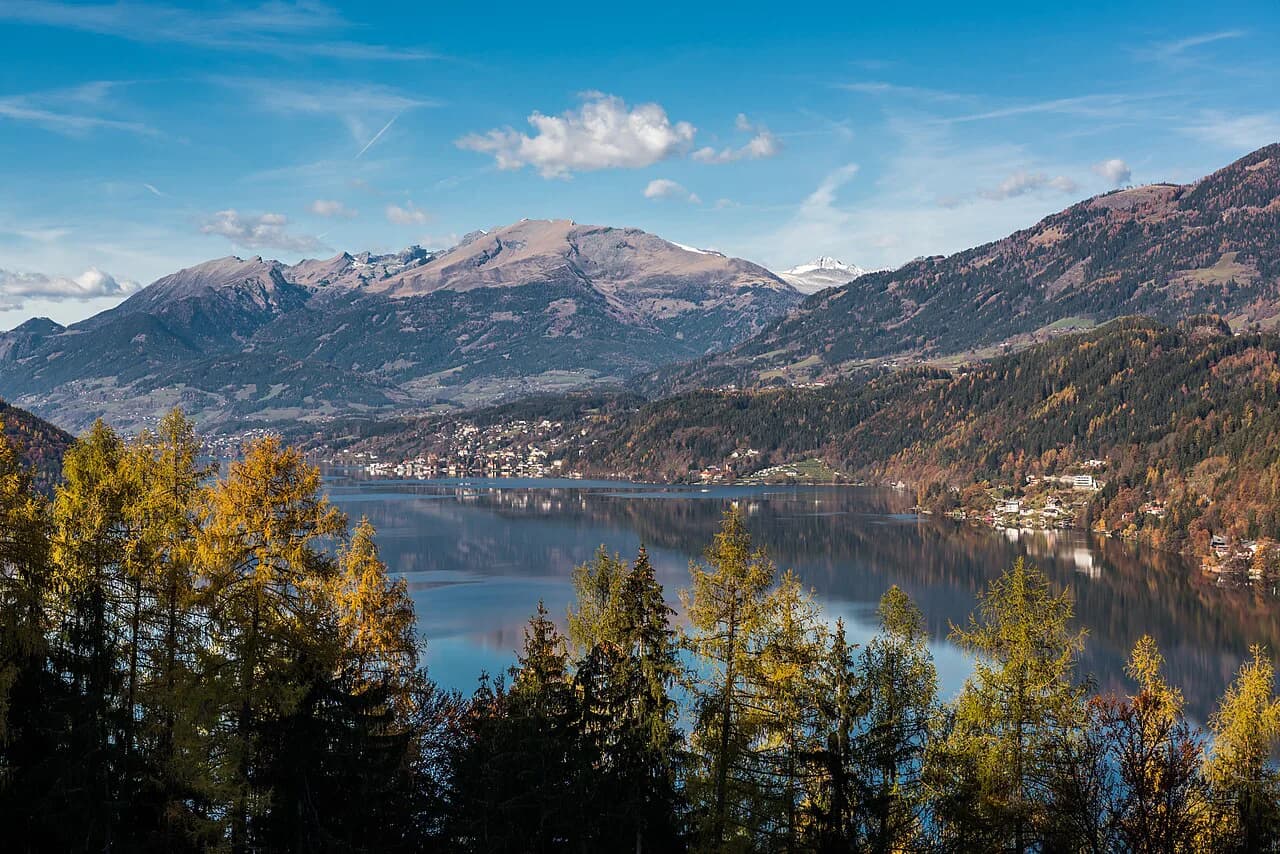
The town's own tourism board describes the district capital as the anchor of the Millstätter See region, with shopping, traditions and cultural life in the compact center. The practical reading is that Spittal gives you an urban half day with a palace at its core, while the lake villages give you water and shoreline. If you only have one Carinthian day, decide which of those two you want before you book anything.
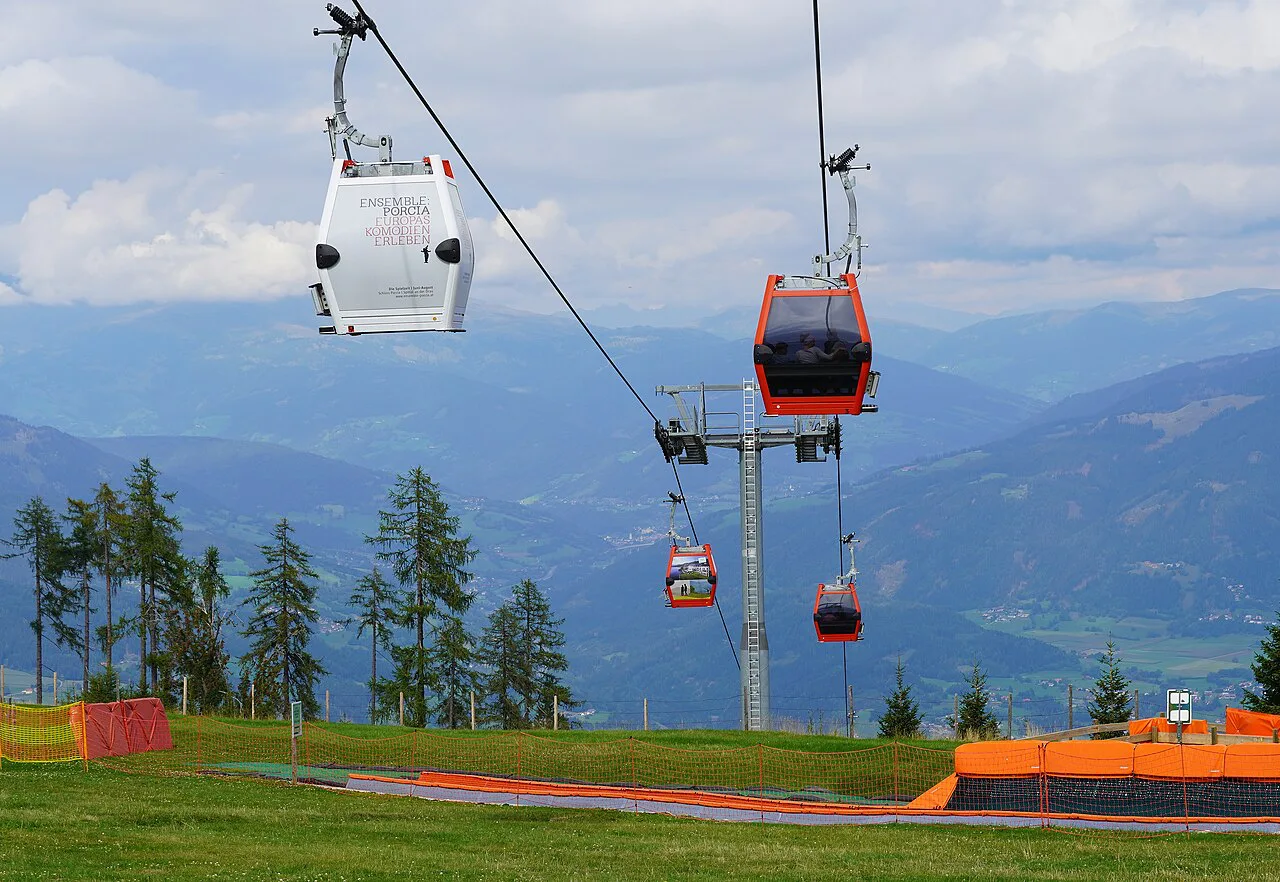
The old town's layout: the square, the park and the walk to Porcia Castle
The center is easy to hold in your head: Renaissance Porcia Castle and the town park form the central point of the old town, so you can orient yourself by finding the castle rather than by following a sights list. Walk in from the surrounding streets toward the palace, and the park gives you an open edge to the compact core. This is a town where you cover the interesting part on foot in one loop.
Plan the walk as castle first, then the streets and square around it, then the riverside, because the palace is the fixed landmark everything else hangs off. The tourism association lists its own address at Burgplatz 1, which tells you the square beside the castle is the town's civic heart and a sensible place to start. Give the whole loop a couple of hours and you will have seen the center without rushing the castle interior.
Renaissance Porcia Castle: the arcaded courtyard and the grounds
Porcia Castle is a Renaissance palace, and its arcaded courtyard is the part that makes it more than a facade seen from a park bench. Step into the courtyard and you are standing in a working stage space: the castle hosts the Komödienspiele theatre festival, run by the Ensemble Porcia, which the region's tourism board describes as a fixture of the Carinthian cultural summer for more than fifty years. An international choral competition has also been held in the arcaded courtyard.
Those events reframe the courtyard: it is architecture built to hold an audience, and you read the arcades differently once you know performances happen there. Opening hours, ticket prices and any tour times for the castle interior are best confirmed with the Spittal tourist association at Burgplatz before you build your day around going inside. If the interior happens to be closed on your date, the courtyard, the grounds and the park still justify the stop.
The Folk Culture Museum and its walkable aerial photograph of Carinthia
The tourism board describes a Folk Culture Museum housed inside the castle, with a walkable aerial photograph of Carinthia as its standout exhibit. That detail is the strongest argument for trying to see the interior rather than circling the exterior: you physically cross the province you have been driving through, which makes the rest of your route legible. It suits travelers trying to understand how the Drau valley, the lakes and the mountain groups fit together.
Look for the Folk Culture Museum during the same castle visit, since both sit within the same castle complex and the museum gives the building a purpose beyond its architecture. Admission details and opening days are not confirmed in the material gathered here, so confirm them with the Spittal tourist association before you go. Keep the park and riverside as the part of your day that does not depend on interior access.
Other stops in town and the Drau riverside
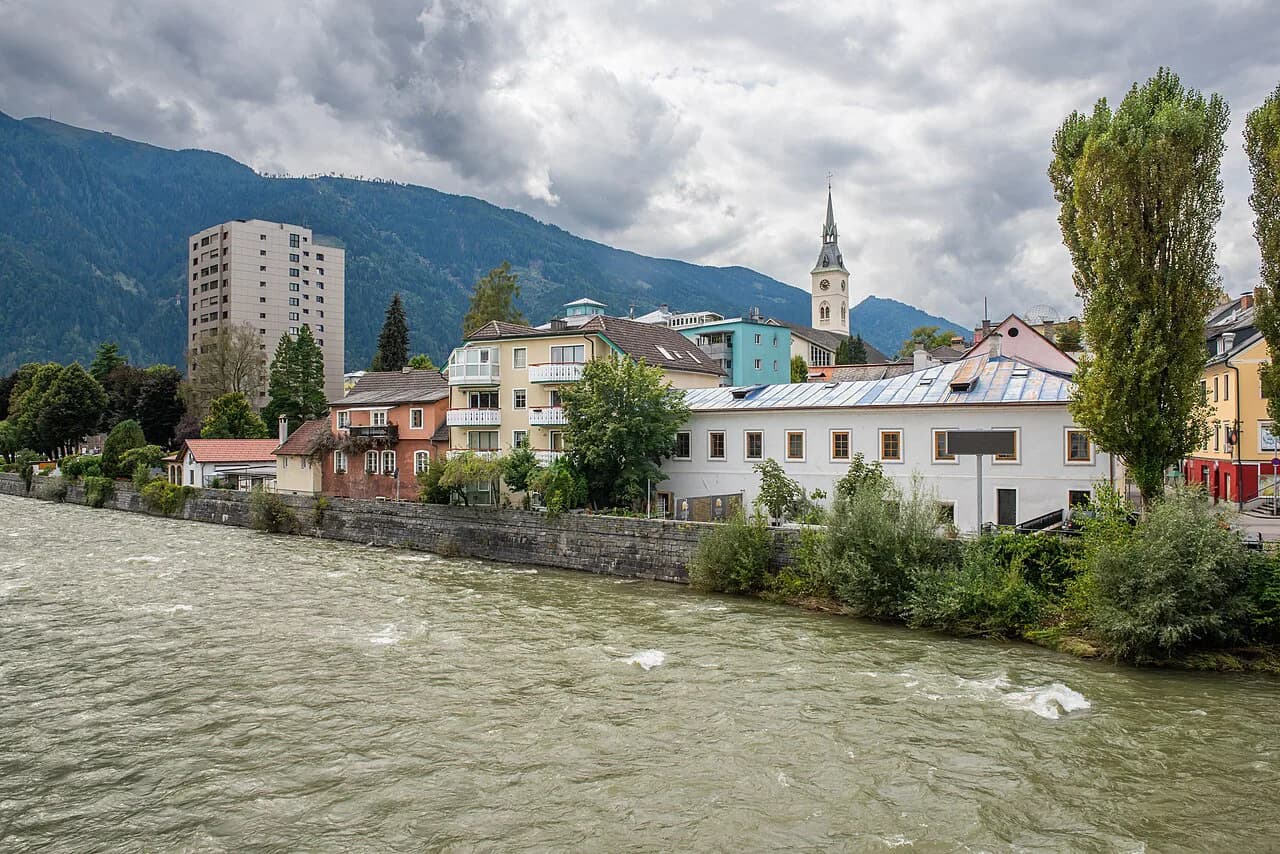
Beyond the castle, the town's appeal is the ordinary business of a Carinthian district capital: a compact shopping center, local churches and streets that fill a short walk rather than a full sightseeing program. The tourism board frames Spittal around lively traditions and cultural activity rather than a checklist of monuments, which matches what you will find. Use the leftover time for the riverside along the Drau and a coffee in the center.
Two local draws sit outside the old-town walk and are worth knowing about without dominating your day. The Goldeck is Spittal's local mountain, and the Drautalperle is the town's water and sauna park; both are leisure infrastructure for a longer stay rather than reasons to reroute a Carinthia trip. If you are heading south afterward, the old town of Villach and its Hauptplatz make a natural next stop.
Gmünd and the Porsche museum as a nearby add-on
Gmünd, the small town northeast of Spittal, is where Porsche founder Ferdinand Porsche was born, and the town's Porsche museum is the reason car-minded travelers add the detour. It is a genuine side trip rather than a walk from Spittal's center, so give it its own slot in the day instead of folding it into the old-town loop. Details on when the museum opens and what it charges are not part of the material gathered here, so confirm them directly with the museum before you drive out.
The trade-off is a matter of time budget: Gmünd and the castle together fill a busy day, while the castle alone leaves room for the Millstätter See in the afternoon. If cars matter to you, take Gmünd and keep Spittal's old town short. If the lake matters more, skip Gmünd and use Spittal as the morning.
How long Spittal needs, and the trade-off against lake time
Give Spittal two to four hours: long enough for the castle courtyard, the Folk Culture Museum and a loop through the center and along the Drau, short enough to leave the lake in the afternoon. The old town is compact, so most of your time goes inside the castle rather than between sights. If the museum is closed, an hour and a half covers the courtyard, the park and the riverside.
The honest trade-off is that Spittal's appeal is cultural and architectural, while the Millstätter See is where you swim. Travelers chasing water should treat Spittal as a morning and spend the afternoon on the lake; travelers chasing old towns and palaces should give the castle the fuller share. The Ossiacher See, east of Villach, is the other lake option if your route runs that way instead.
Getting there and onward by train or car
Spittal an der Drau sits on the Drau corridor with road and rail links toward Villach and westward into the mountains, which makes it a natural pause on a Carinthian drive or train ride rather than a place you reach by a special detour. Check current departure times and platform details on the ÖBB timetable and route your road leg with the Austrian motorway operator before you set out; treat any schedule you read elsewhere as unverified. The town's compact center means you can park once and walk the whole visit.
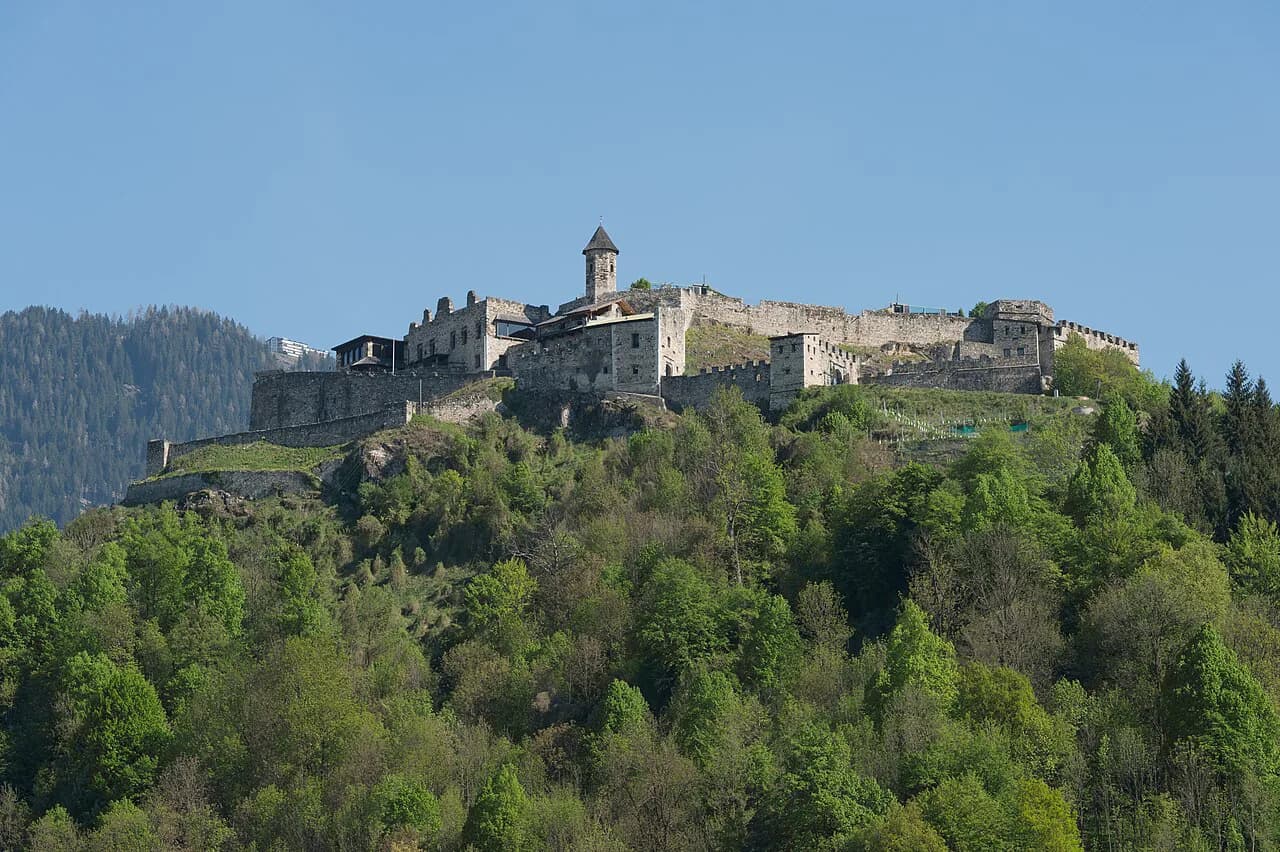
If you are building a wider Carinthia route, Spittal works best between Villach and the Millstätter See on the same day, with the lake towns as the scenic half and Spittal as the urban half. The Villach guide covers the old town and Hauptplatz that anchor the southern end of that loop. If you extend east toward the Ossiacher See, the Landskron Castle guide covers the fortress above Lake Ossiach and a separate Ossiacher See guide covers the lake itself.
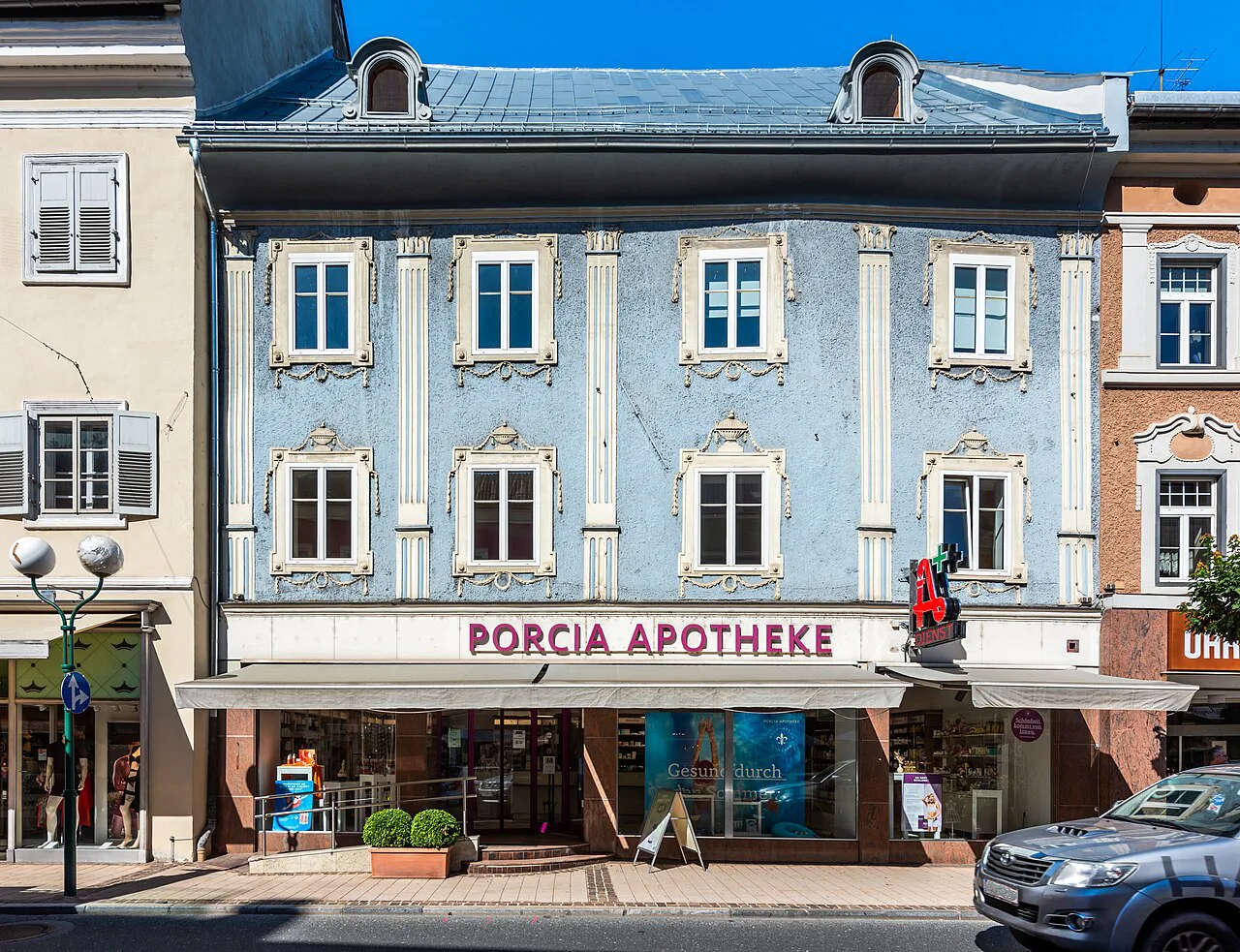
Castle first, lake later: how to slot Spittal into your day
Make Porcia Castle the anchor of your Spittal stop: see the arcaded courtyard, and if the castle interior is open, go in for the Folk Culture Museum's walkable aerial photograph of Carinthia, then walk the center and the Drau before moving on. Confirm opening days and admission with the tourist association at Burgplatz 1 before you commit the morning, because the interior is the one part of the visit that can change.
If you have a car and an interest in automotive history, add Gmünd and its Porsche museum on a separate half day rather than squeezing both into one. If you want water, keep Spittal to a couple of hours and spend the rest at the Millstätter See or the Ossiacher See. Either way, the town pays you back in proportion to how much time you give the castle rather than the streets.
Explore more Villach guides
Frequently Asked Questions
Where is Spittal an der Drau?
It lies in western Carinthia, Austria, on the Drau river, and serves as the administrative center of the Spittal an der Drau district. It sits between Villach to the south and the Millstätter See to the north, which is why most visitors encounter it on the way between the two rather than as a standalone base.
What is the main sight in Spittal an der Drau?
Renaissance Porcia Castle forms the central point of the old town, with the town park attached and an arcaded courtyard at its heart. The Folk Culture Museum is housed in the castle. Confirm current opening days and admission with the tourist association at Burgplatz 1 before you plan around going inside.
Should I visit Spittal or the Millstätter See?
They serve different purposes, so the choice depends on the day. Spittal gives you a Renaissance palace, a folk museum and a compact old town; the Millstätter See gives you shoreline and swimming. With a full day, do Spittal in the morning and the lake in the afternoon.
Sources
Notes for your next Austrian town break
Optional updates when we add or revise town guides.
You might also like
Continue reading
More guides you'll find useful