Ossiacher See, Carinthia: Lake Towns, Abbey and How to Get There
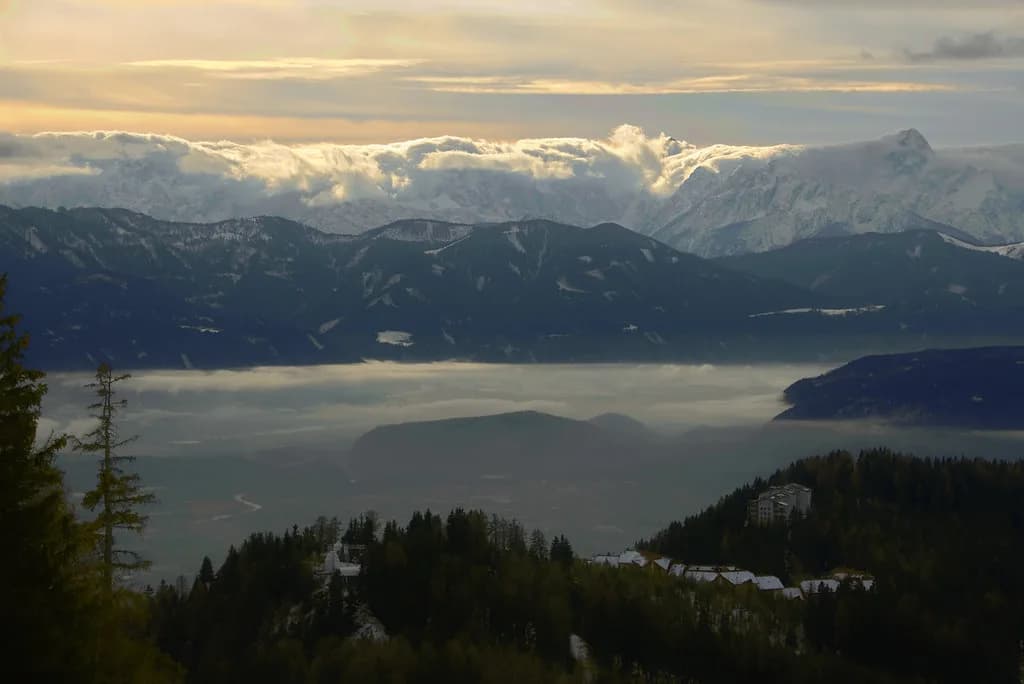
Ossiacher See in Carinthia is a long Alpine lake in southern Austria, with the abbey village of Ossiach and the Gerlitzen rising above the shore.
On this page
Ossiacher See is an Alpine lake in Carinthia (Kärnten), in southern Austria, ringed by wooded slopes that rise from the water. It is easiest to plan as three reasons to come rather than one beach: the lake water and its shore villages, the abbey village of Ossiach, and the mountain and castle heights above the shore. This guide walks through each of those, explains how the lake is laid out, and shows how it fits a Carinthia route.
Plan the lake as a block of a Carinthian route rather than an isolated stop, since it is one of several lakes in the Carinthian lake country that also holds Wörthersee and Faaker See. Start with our guide to Villach and its lakes before committing to a lakeside half-day.
What Ossiacher See is and where it sits in Carinthia
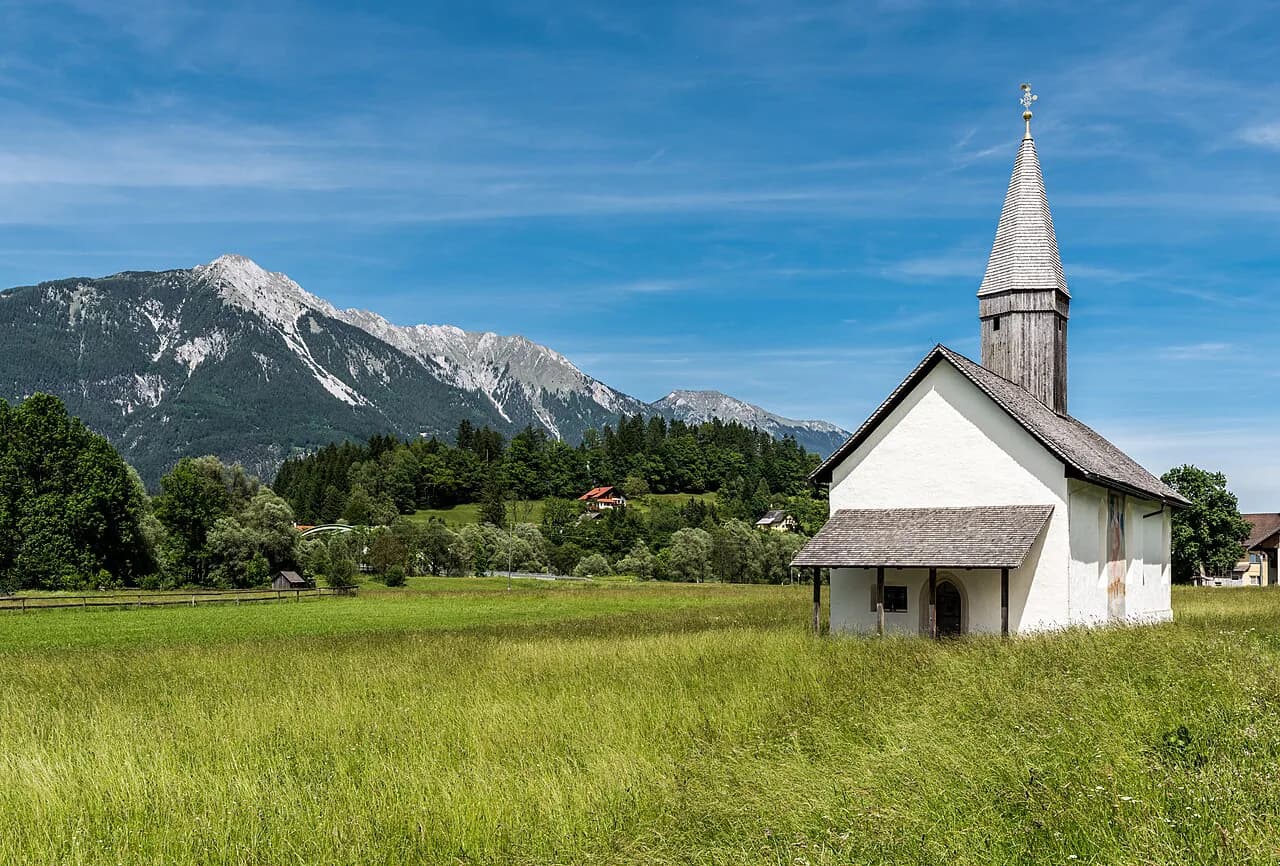
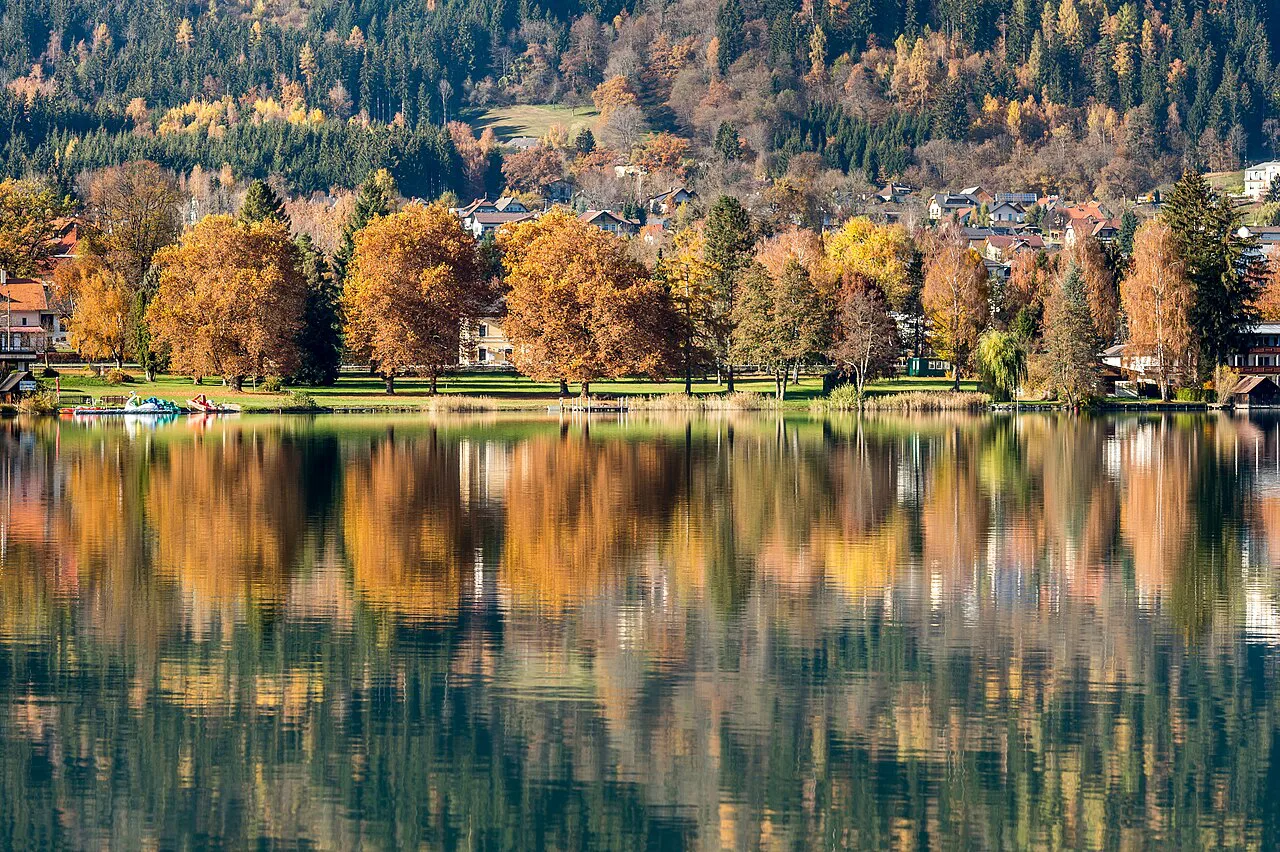
Ossiacher See lies in southern Austria, in the Carinthian lake country that also holds Wörthersee and Faaker See. Photographs of the lake show a mountain-framed basin with a village, church and boathouses on the water, which is the scene most visitors are coming for.
Villach is the practical anchor: the nearest city and the base from which the lake is usually reached. That makes Ossiacher See an easier stop than the Salzkammergut lakes for anyone already traveling through Carinthia. Plan it as one block of a wider Carinthian loop rather than a destination in its own right.
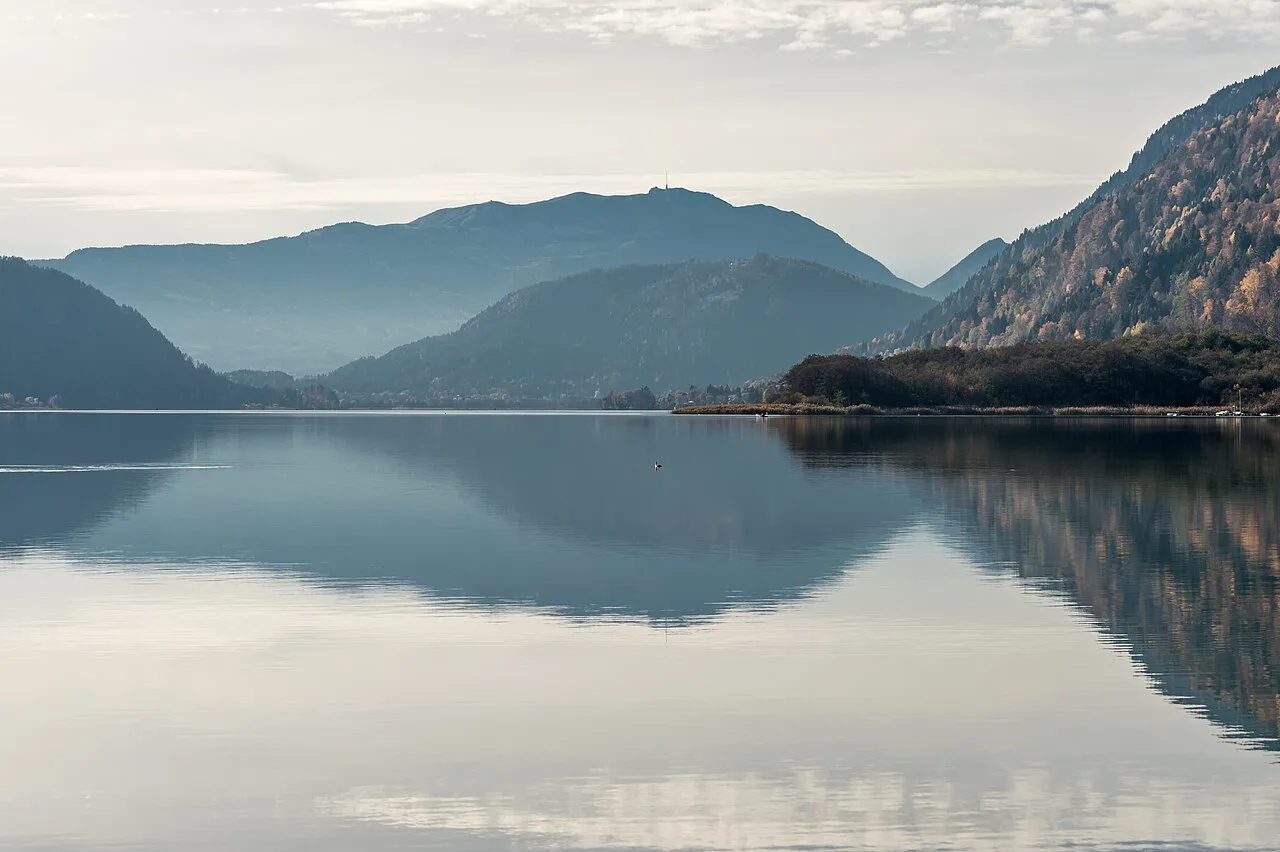
How the lake is laid out
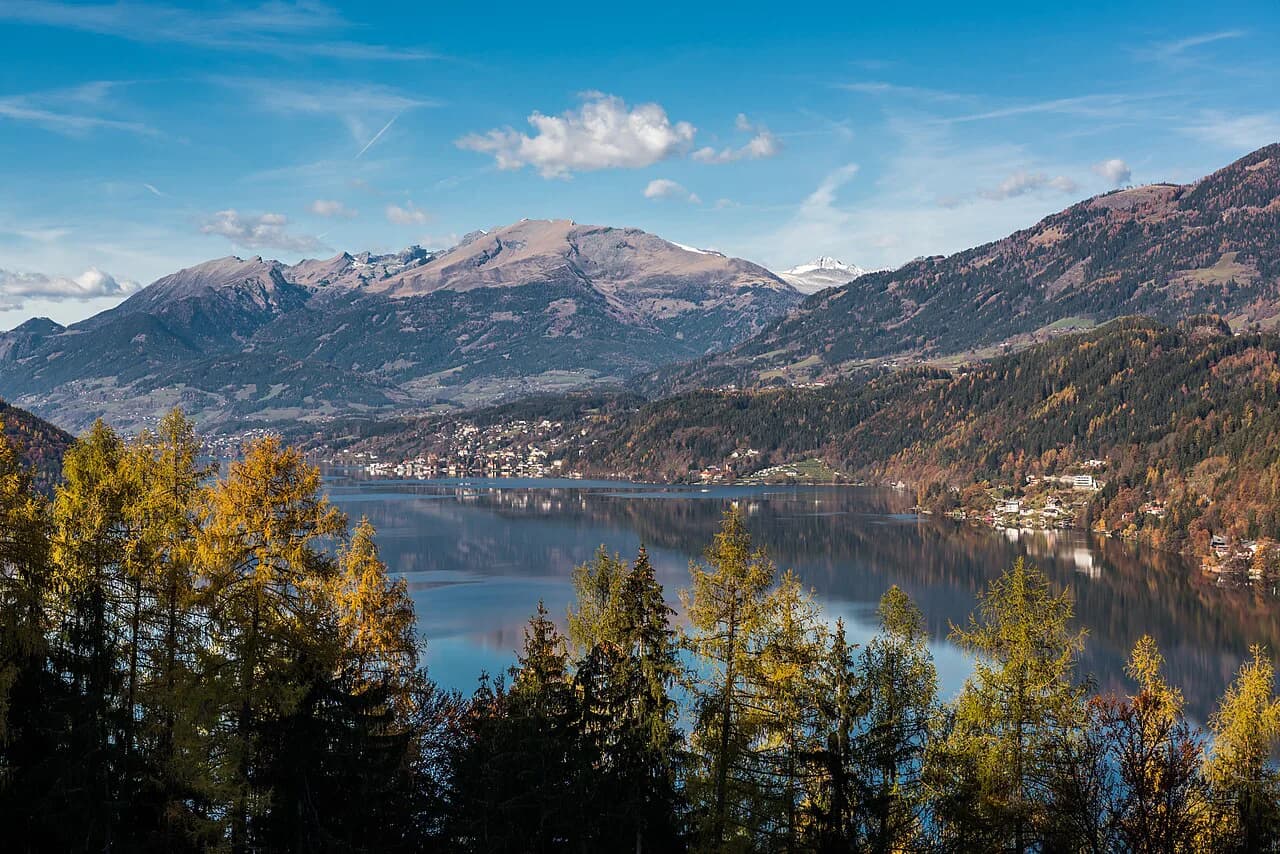
The lake is long and narrow rather than broad, so the two long shores sit within easy sight of each other. Because it is not wide, you can see across it easily — travelers describe being able to follow what is happening on the opposite bank, including swimming boats and passenger boats.
In practice this means you pick a shore and stay with it rather than trying to circle the whole lake in a short visit. Distances around the water are modest, but the roads hug the shore, so crossing from one side to the other costs more time than the map suggests.
Ossiach and its abbey church
Ossiach gives its name to the lake and is the village most visitors picture when they imagine Ossiacher See. Its abbey church — the former Stift Ossiach — is the focal building of the settlement, standing among the lakeside houses. Details of when the church is open are best confirmed on arrival.
Treat the abbey as a building to look at from the outside and, when the doors are open, from within, then build the rest of the stop around the village and the lakeside.
Allow roughly an hour for Ossiach itself: the church, a short walk through the village, and a look at the water.
The Gerlitzen above the lake
The Gerlitzen is the mountain massif above the lake and a second distinct reason to come: the lake from above rather than from the shore. On a clear day the heights give a wide view over Carinthia's lake country.
Here is the trade-off that decides most itineraries. A lakeside half-day at Ossiach is short and undemanding; adding the heights to the Gerlitzen turns it into a longer outing and depends on getting up the mountain, so confirm current transport options and opening before you go. The mountain is the better choice on a clear day, the lake the better choice in changeable weather or when time is short.
Landskron above the eastern end
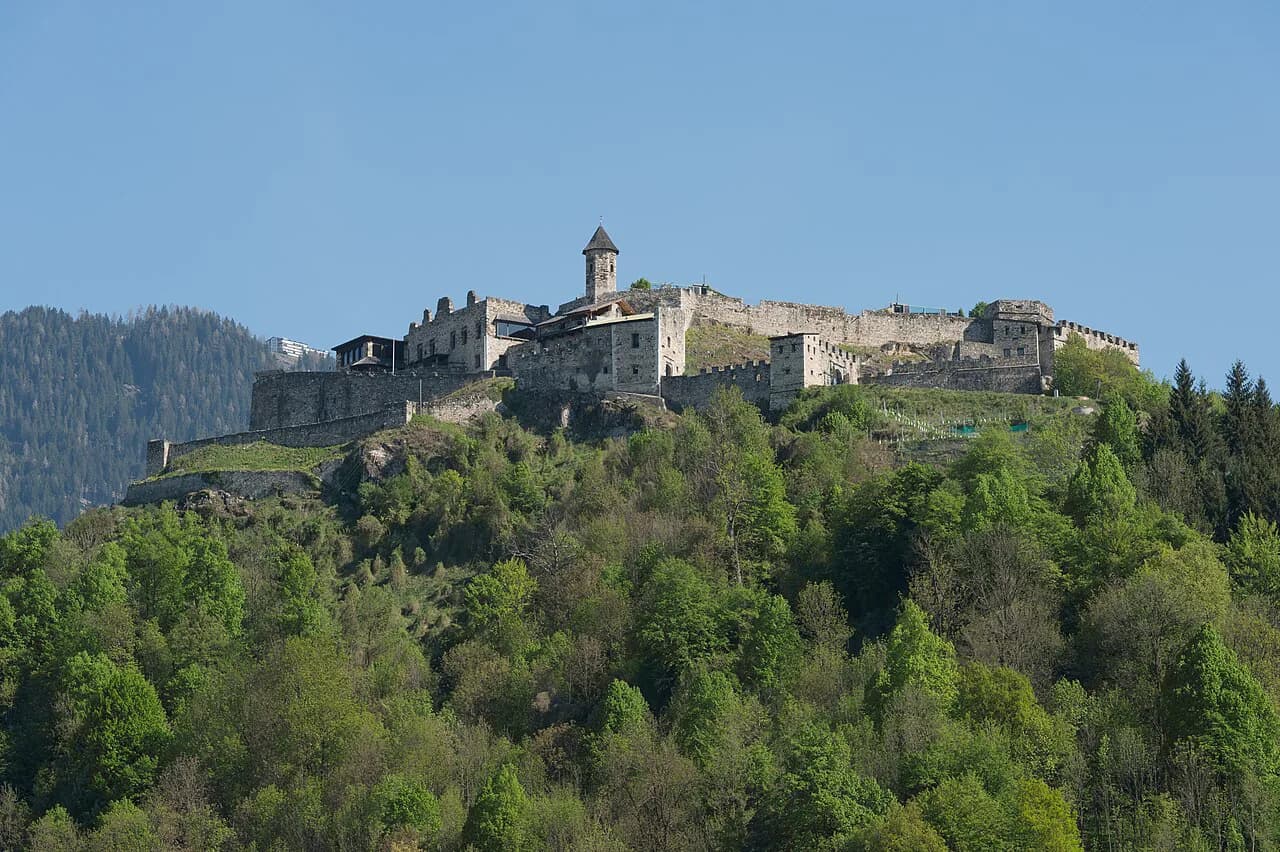
Above the lake, Landskron Castle gives the lake its third height. Landskron Castle offers a castle shell with views back over the water and toward Villach, reachable in a short excursion from the city.
Landskron works best as the bookend to a lake day rather than the main event. Come here in the late afternoon after Ossiach and the shore, when the light is on the water.
Boats and swimming on Ossiacher See
In summer the lake is a swimming lake as much as a sight: lidos and access points line the shores, and passenger boats run on the water alongside swimmers and small craft.
Boats, sailing schedules, fares and lido arrangements are seasonal, so do not assume a boat runs outside the summer timetable and do not budget a lake crossing into a tight connection.
Viewpoints and shore paths: where to see the lake
The classic view of Ossiacher See is from above. On the shore itself, the water and the surrounding slopes make the setting, and a walk along the shoreline is the simplest way to see the lake up close.
With only an afternoon, stay at the water: a walk along the shore at Ossiach delivers more of the lake than a hurried round of the heights. If the weather is settled and you have a full day, invert that and take the height first, then drop to the shore in the afternoon.
How long to allow and how it fits a Carinthia route
A lakeside half-day covers Ossiach, a stretch of shore and a meal; a full day adds either the heights or Landskron. Two days lets you do all three and use Villach as the base.
Villach is the practical hub for reaching the lake, and the usual approach is by road or rail into Villach and then on from there. Timetables, fares for public transport and shore access should be confirmed for your travel dates.
Within a Carinthian loop, Ossiacher See sits naturally between Villach and the other Carinthian lakes. Faaker See, south of Villach, is the other obvious lake stop on the same trip, and it is a straightforward companion stop.
Travelers heading west along the Drau can continue to Spittal an der Drau, where Porcia Castle and the Folk Culture Museum fill a rainy afternoon, or push on to Millstatt am See for a longer lake stay.
When the lake season runs and what changes outside it
Ossiacher See is a summer lake in the practical sense: the water is the draw in the warm months, and the shore villages are busiest in July and August. Outside that window the water and the views remain.
The shoulder months are a reasonable compromise: fewer crowds and open roads.
Half-day at the water or a full day on the heights?
Choose the half-day at Ossiach if you are passing through Carinthia with limited time, want the abbey church and the shoreline, and would rather not depend on a cable car running. Choose the full day with the Gerlitzen or Landskron if the forecast is clear and you can start early, because the lake is far more impressive from above than from the road along it.
Either way, base yourself in Villach and treat Ossiacher See as one block of a Carinthian itinerary rather than a destination to reach and leave in the same hour. From Villach the lake is a short run east, and the rest of Carinthia, from Faaker See to the Drau valley and Millstatt, follows naturally.
Explore more Villach guides
Frequently Asked Questions
Can you swim in Ossiacher See?
The lake is used for swimming in summer, and swimmers share the water with small craft and passenger boats. Check current swimming conditions with any lido you plan to use before you go.
How big is Ossiacher See?
It is a long, narrow lake rather than a broad one, so the two shores feel close and the opposite bank is easy to see. Distances around the shore are modest.
Where is Ossiacher See?
Ossiacher See lies in Carinthia (Kärnten) in southern Austria, in the Alpine lake country near Villach and the other Carinthian lakes.
Sources
Notes for your next Austrian town break
Optional updates when we add or revise town guides.
You might also like
Continue reading
More guides you'll find useful