Hermagor, Carinthia: The Town, the Gail Valley and Pressegger See
Hermagor sits in Carinthia's lower Gailtal near the Italian border, with a compact center, the Gailtal Museum and Pressegger See a short trip from town.
On this page
Hermagor is worth a stop as a real valley town rather than a gateway: a compact center around Wulfeniaplatz, a local museum, and Carinthia's ninth-largest lake a few minutes out of town. It sits in the lower Gailtal where the Gitschtal joins, 602 meters above sea level and close to the Italian border, so it works naturally on a route between Villach and the south. This guide covers the square and streets, the Gailtal Museum, Pressegger See and its Strandbad, the Garnitzenklamm gorge, and how the town fits a train or car trip.
Where Hermagor sits in the Gailtal
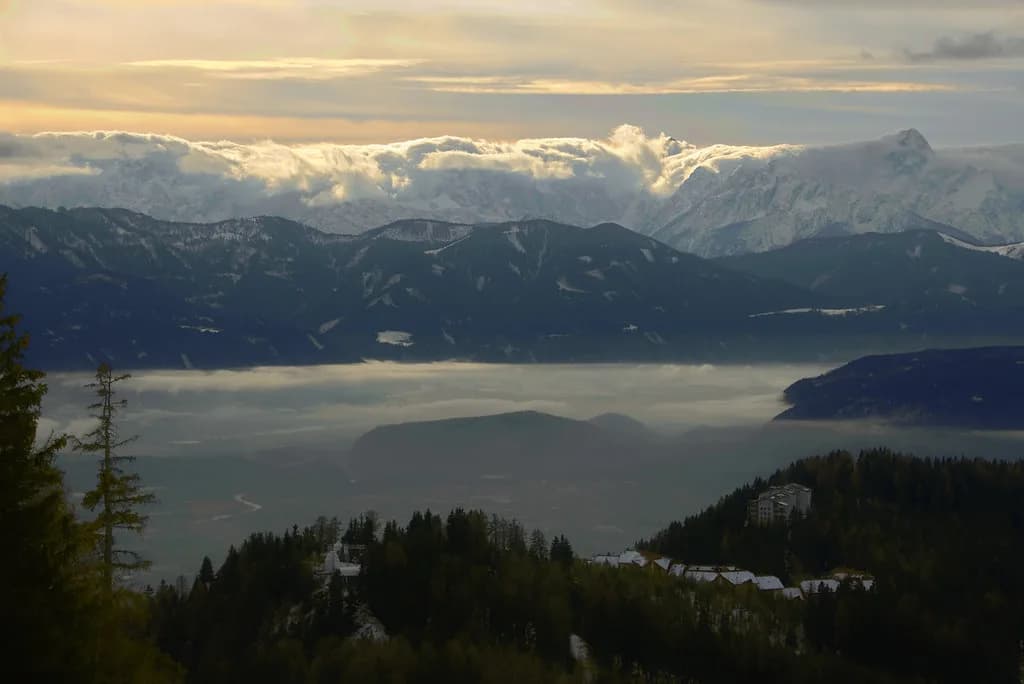
Hermagor-Pressegger See spreads across 204.82 square kilometers and counts 6,990 residents as of January 2024, which tells you most of what you need to know about its scale. The town center stands at 602 meters, with the Karnische Alpen to the south and the Gailtaler Alpen to the north, and the municipality reaches from the Gailtal up into the side valleys. Postal codes split the area between 9620 Hermagor, 9624 Egg, 9615 Görtschach and 9631 Jenig, so check which one your address uses before you book anything.
The town is named for Saint Hermagoras, the first bishop of Aquileia, and was raised to city status in 1930 after centuries as a market. Its parish was first documented in 1169 and held market rights from 1288, and the market monopoly turned it into the trading center for the Gail, Gitsch and Lesach valleys. That history explains the layout: a tight commercial core rather than a grand planned city.
The municipality covers 64 named Ortschaften, from Hermagor itself out to Sonnenalpe Nassfeld, Tröpolach, Rattendorf and Presseggersee. Practically, that means the town you walk through is small, while the surrounding villages and the lake sit a short drive or bus ride apart. Plan the day around that split instead of expecting everything on one street.
The town center and Wulfeniaplatz
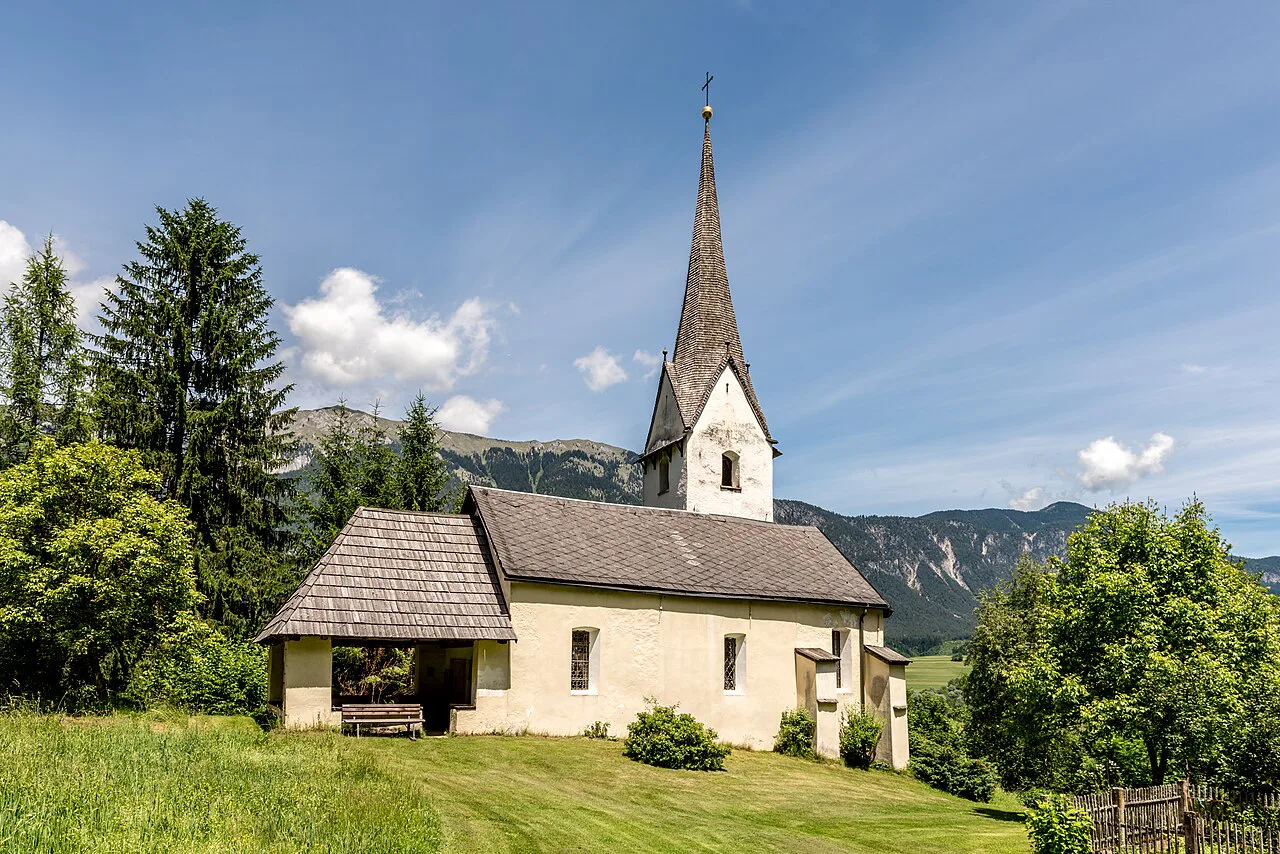
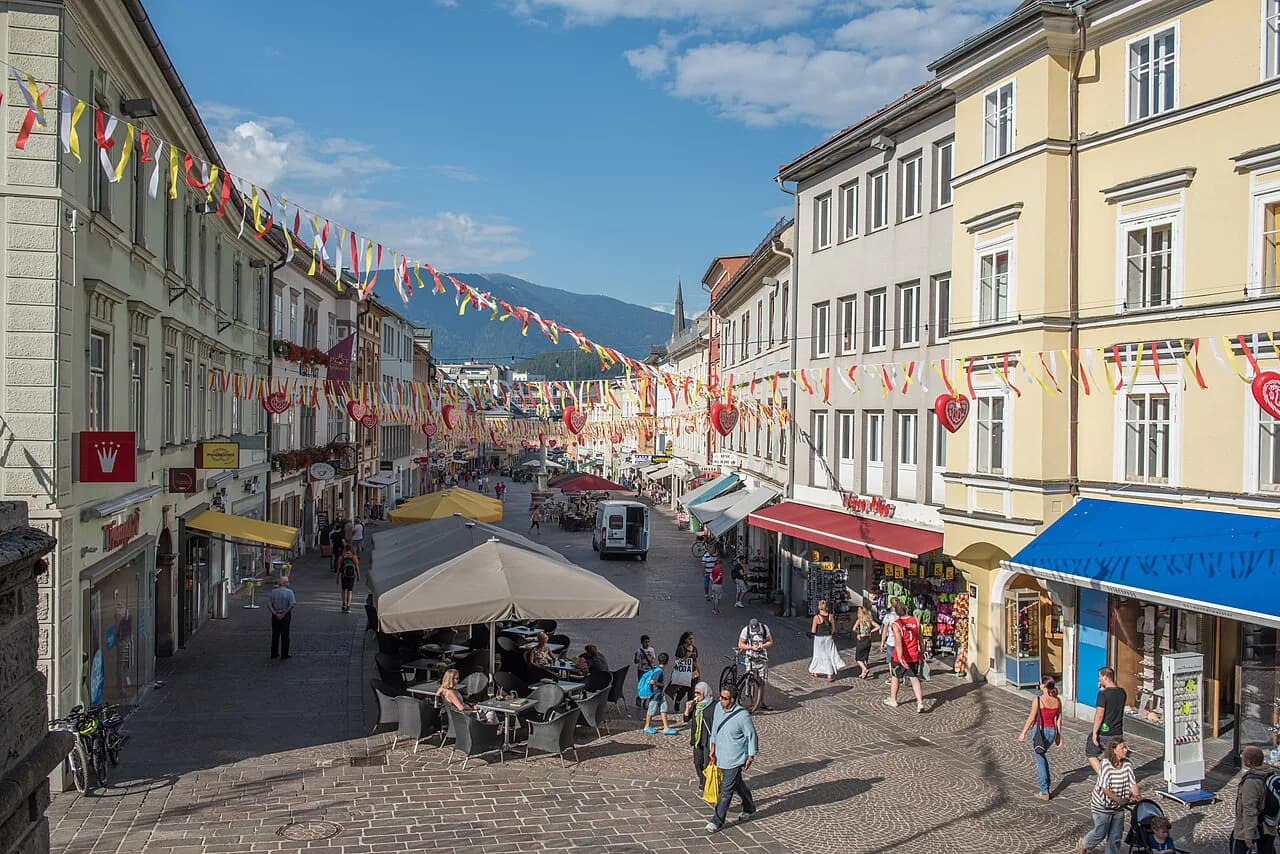
Wulfeniaplatz is the address you want, both literally and as an orientation point: the municipal office at Wulfeniaplatz 1 anchors the center, and the square is the natural place to start a walk. From there the center unfolds quickly, with the parish church and the surrounding streets close at hand. Give the old core an hour on foot and you will have seen the shape of it.
Do not arrive expecting a walled medieval Altstadt on the Hallstatt or Kufstein model. Hermagor's center is a working valley town: administrative buildings, shops serving the surrounding villages, and a square that serves local errands rather than tour groups at midday. That is the honest trade-off, and it is also why the town feels unhurried.
The square takes its name from Wulfenia carinthiaca, a plant the municipality treats as a local emblem and uses in its own branding. You will meet the name on signs and civic material around town, which gives the walk a small thread to follow. Combine it with a look at the town plan posted by the municipality if you want the full list of streets and facilities.
The Gailtal Museum
The Gailtal Museum is the town's own collection on the valley; the municipality lists it under leisure and tourism alongside the events calendar and the town library. It should be your first stop if you want context on the Gailtal's farming, crafts and border history before driving farther up the valley. Budget around an hour, less if you read quickly, and treat it as an introduction rather than a full-day museum.
Museum opening days and any admission charge are set by the operator and change with the season, so confirm them with the Hermagor tourist information office before you build a day around a visit. That office is part of the municipal structure, which makes it the simplest single call for museum hours, lake facilities and gorge access before you set out.
Pressegger See and the Strandbad
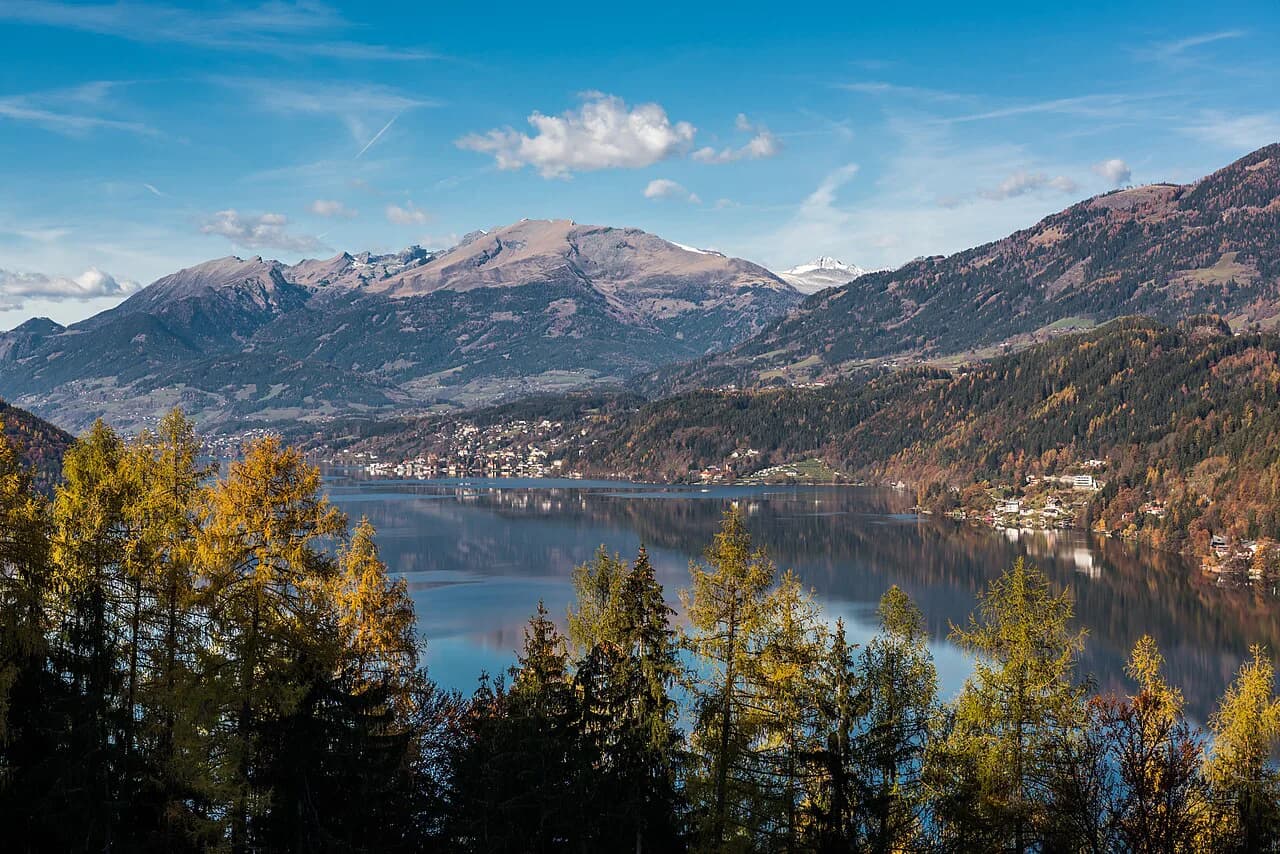
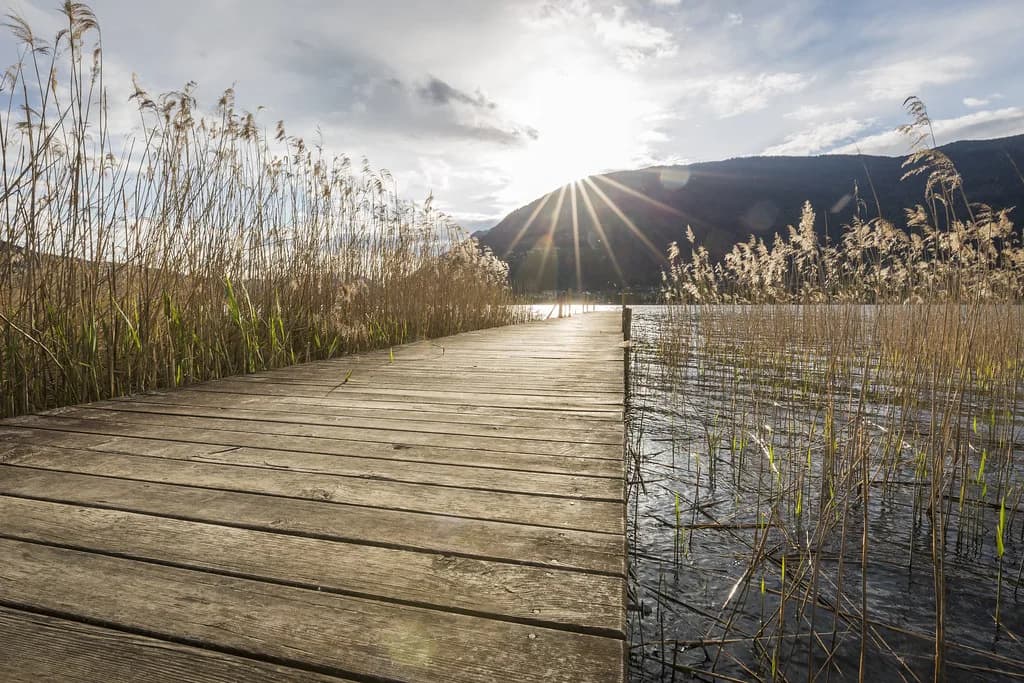
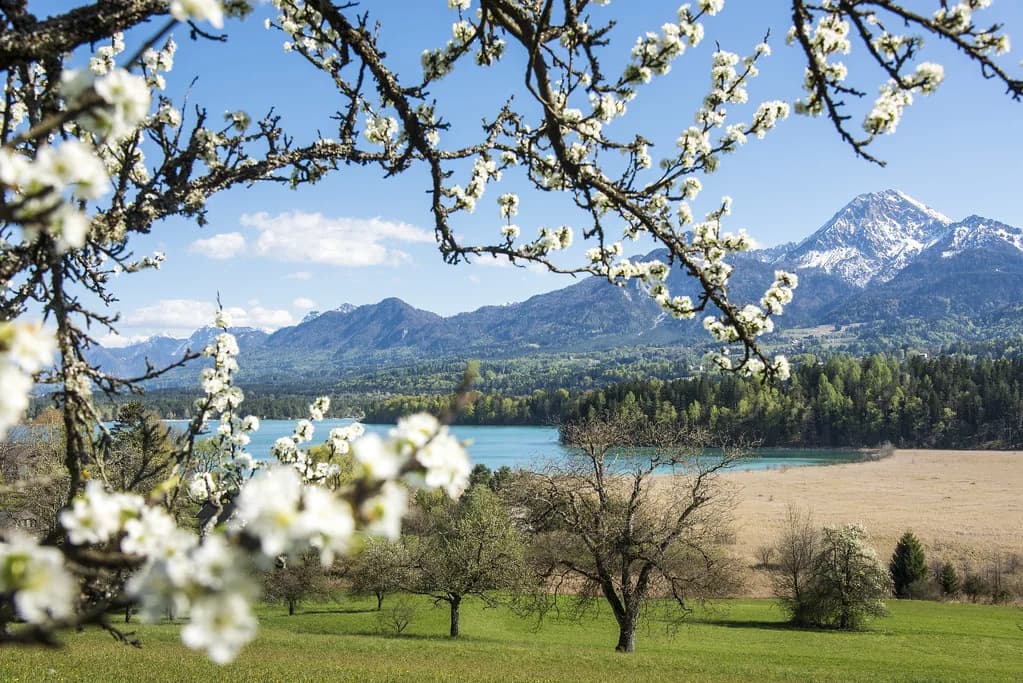
Pressegger See lies within the municipality and is Carinthia's ninth-largest lake, and it is the main summer focus for the area. The municipality lists the Strandbad Hermagor among its own bathing facilities, on the lake shore a short trip from the center. On a hot July afternoon this is where the day goes, not the square.
Season dates, entry fees and the exact layout of the bathing area are set by the operator each year, so confirm them with the tourist information office in the week you plan to swim. Mornings on the lake shore are the quietest hours, and midday in high summer brings the crowds.
If you are touring Carinthia's lakes rather than committing to one, Pressegger See slots neatly between the bigger water of the Villach basin and the quieter lakes to the east. Ossiacher See, Faaker See and the Millstätter See each have their own character, and Hermagor is a sensible base for the western Gailtal end of that circuit.
Garnitzenklamm: the gorge near town
The Garnitzenklamm is a gorge near Hermagor and the area's obvious summer outdoor draw when the lake shore is baking. Treat it as an outdoor block of a few hours rather than a full day, and check current access locally before setting out.
Access, trail maintenance and any seasonal opening are managed outside the municipality's own pages, so ask at the Hermagor tourist information office or check locally, particularly after heavy rain.
Getting there and onward through the Gailtal
Hermagor sits on the Gailtal corridor southwest of Villach, on the road and rail line into the valley. The Gailtal line serves the valley and the town's position makes it a practical break on a drive from Villach into the lower Gailtal or onward toward Italy. Rail and bus times belong to a current timetable rather than a guidebook.
Arriving by train puts you in the town with the center walkable, but the lake, the gorge and the outer villages need a bus, a bicycle or a car. If you are stringing together several Carinthian stops, Villach is the transport hub; see the Villach guide for how the region's road and rail connections fit together.
For a wider loop, Spittal an der Drau lies up the Drau and Millstatt am See makes a natural second lake stop. Both fit a two- or three-day circuit that starts in Villach and uses Hermagor as the western anchor.
How long Hermagor needs
Give Hermagor half a day for the town itself and a full day if you add the lake or the gorge. The center rewards an hour on foot, the Gailtal Museum another, and the Strandbad or Garnitzenklamm takes the rest of a summer day. Arriving at midday in July means sharing the lake with everyone else; coming early buys you shade and space.
The trade-offs are real: a small, functional center rather than a storybook old town, and the lake slightly outside the streets, so you need transport or patience. In return you get an unhurried Carinthian valley town where daily life still sets the pace. If your trip is built around baroque squares and abbeys, put Hermagor on the route for the water and the valley, not for the architecture.
The municipality publishes an app and a web portal with local businesses, accommodation, dining and events, updated by the businesses themselves and free to use around the clock. It is a workable way to build an evening plan once you are in town. Download it before you arrive if you want the restaurant list on hand.
Which half of the day goes to the water?
Build the Hermagor day around one outdoor block, then let the town fill the rest: walk Wulfeniaplatz and the Gailtal Museum in the morning, spend the afternoon at Pressegger See, and keep the Garnitzenklamm for a cooler or cloudier day. Confirm the museum and lake-shore details with the tourist information office before you go, then let the day follow the weather.
If you are coming from Villach, treat Hermagor as a full-day stop on the Gailtal route rather than a quick photo stop, and check the Strandbad and museum details with the tourist information office in the week you travel.
Explore more Villach guides
Frequently Asked Questions
Is Hermagor worth a stop on a Carinthia trip?
Yes, if you want a valley town rather than a museum piece. Hermagor has a compact center around Wulfeniaplatz, the Gailtal Museum and Pressegger See within the municipality, which makes it a useful half-day to full-day stop on a route between Villach and the Gailtal. It is not a baroque showpiece town, so come for the lake and the valley setting.
How do you get to Hermagor without a car?
The Gailtal rail line serves the valley and puts you in the town, where the center is walkable. Pressegger See, the Garnitzenklamm and the outer villages need a bus, bicycle or car, so check the current rail and Postbus timetable before you commit. Villach is the regional hub for connections.
Sources
Notes for your next Austrian town break
Optional updates when we add or revise town guides.
You might also like
Continue reading
More guides you'll find useful